Myoko
Our verdict
In a resort town where cheese fondue and alpine raclette dominate the après-ski rotation, Myoko brings a different register to Zermatt's dining scene: sushi and teppan-yaki under one roof on Bahnhofstrasse, the main pedestrian artery running through the village. The dual-format menu signals a deliberate architectural choice, splitting the room's energy between counter-style raw preparation and live-fire theatrics at the iron griddle.

Pearl is the En Primeur Club membership app, where members save venues, book tables and use the concierge.

The menu
What to order
- Wagyu beef
- Kobe beef
- Otoro sashimi
- Flambéed lobster
Two Formats, One Address: How Myoko's Menu Reads the Room
Zermatt's dining scene has long been anchored by altitude and tradition. Fondue pots, raclette stations, and Valais-sourced beef fill menus across the resort, and for most visitors that's entirely the point. But the town also draws a cosmopolitan clientele year-round, skiers and summer hikers who arrive with broader appetites and the expectation that a resort at this price tier should offer something beyond the alpine canon. Into that gap steps a particular format: the Japanese-European hybrid, where sushi counters and teppan-yaki griddles share real estate on Bahnhofstrasse 5.
The dual-format structure at Myoko is the most telling thing about the restaurant before a single dish arrives. In Japan, sushi and teppan-yaki occupy categorically separate traditions. Sushi is a discipline of cold precision, built around knife work, rice temperature, and the sourcing of raw fish across thousands of kilometres of supply chain. Teppan-yaki, by contrast, is performance cooking: proteins and vegetables hit a flat iron griddle at high heat, and the cook works in front of the guest. Combining them under one roof in a Swiss mountain resort is a deliberate commercial and editorial decision, one that acknowledges the realities of resort dining rather than trying to replicate a Tokyo counter experience. The menu architecture says: we are here for the full table, the family, the couple, the group with divergent preferences.
The Teppan-Yaki Register in a Resort Context
Teppan-yaki as a format travels well to resort settings, and there's a reason it has appeared in high-altitude dining rooms across the Alps and beyond. The live-fire element provides theatre that suits a celebratory evening after a day on the mountain. Guests who might feel uncertain navigating an omakase counter find the teppan format immediately legible: watch the cook, eat what comes off the griddle, engage with the process. That accessibility is not a compromise of quality but a different kind of hospitality logic, one that prioritises the communal energy of the meal.
For a comparison, consider how Japanese formats have been absorbed into European resort dining more broadly. At properties like Da Vittorio in St. Moritz, the reference point is Italian luxury transplanted to altitude. The Japanese hybrid model in alpine resorts works on a similar principle: bring a globally recognised format, adapt it for the room, and let the setting do part of the work. Myoko's position on Bahnhofstrasse, the pedestrian spine of the village, places it in the flow of foot traffic between hotels and the Gornergrat railway terminus, a practical advantage for walk-in visibility that more secluded Zermatt restaurants don't share.
Sushi in the Alps: Supply Chain and Expectation Management
Running a sushi operation at 1,600 metres in a car-free resort requires a different supply chain logic than operating in Zurich or Geneva. Fish arrives by train, since no private vehicles are permitted in Zermatt beyond electric delivery carts, which means the sourcing relationships and delivery schedules that underpin a raw fish program are more complex than at sea-level urban addresses. That logistical constraint is worth understanding before arrival, not as a criticism but as context for what a sushi menu can realistically deliver in this setting compared to Switzerland's urban Japanese dining tier.
Switzerland's most credentialled Japanese and fine-dining addresses operate in larger cities with direct airport access and established supplier networks. Memories in Bad Ragaz, Cheval Blanc by Peter Knogl in Basel, and Schloss Schauenstein in Fürstenau all operate with Michelin recognition and the supply infrastructure that urban or peri-urban locations allow. Myoko operates in a different tier and a different context, and that distinction should frame expectations accordingly. The value proposition here is not competing with Hotel de Ville Crissier in Crissier or focus ATELIER in Vitznau; it is offering a recognisable Japanese format in a resort that otherwise defaults to Swiss-alpine cooking.
Where Myoko Sits in Zermatt's Dining Range
Zermatt's restaurant range is broader than first-time visitors often expect. At the creative end, After Seven and Alpine Gourmet Prato Borni represent the resort's most ambitious cooking, while Brasserie Uno anchors the contemporary end of the market. Regional cooking is leading represented at Chez Vrony, the Findeln terrace restaurant with views toward the Matterhorn, which has become one of the village's most-booked lunch addresses. 1818 Eat & Drink rounds out the scene at the casual end.
Myoko occupies a format-specialist position in this range: it is the address for guests specifically seeking Japanese cooking rather than alpine or European formats. In a resort of Zermatt's scale and visitor profile, that niche has consistent demand. The international visitor mix, particularly guests from Asia and North America for whom Japanese food represents a familiar comfort rather than an exotic departure, gives the format a reliable market in peak season. See our full Zermatt restaurants guide for a complete picture of the village's dining options across formats and price points.
Planning Your Visit
Myoko is located at Bahnhofstrasse 5, the main pedestrian street in the village centre, which makes it direct to reach from most Zermatt hotels on foot. The car-free nature of the resort means all movement through the village is by foot or electric vehicle, so plan for a short walk regardless of where you're staying. Zermatt's peak seasons, Christmas through New Year and the February half-term window, as well as July and August in summer, see the resort's restaurants under considerable pressure. Booking ahead by at least a week during peak periods is advisable for any sit-down restaurant in the village; the resort's size means that last-minute availability is genuinely limited at busy times. Specific booking methods, hours, and current pricing are best confirmed directly with the restaurant, as details are subject to seasonal variation.
For Swiss fine dining at the top of the country's range, the urban addresses hold the Michelin weight: IGNIV Zürich by Andreas Caminada, Einstein Gourmet in Sankt Gallen, Colonnade in Lucerne, and 7132 Silver in Vals each represent the country's credentialled dining tier. For a global reference on Japanese-influenced cooking at the highest level, Atomix in New York City and Le Bernardin show what the format can achieve at its ceiling. Myoko operates at a resort-casual register well below those benchmarks, but within Zermatt's range it fills a genuine gap.
Frequently asked questions
Does Myoko Sushi & Teppan-Yaki work for a family meal?
The dual-format menu, covering both sushi and teppan-yaki, gives tables with varying preferences something to work with. Teppan-yaki in particular tends to suit mixed groups: the grill-side theatre holds attention and the format is familiar enough for guests who might not order sushi. The Bahnhofstrasse 5 address puts the restaurant on Zermatt's central pedestrian street, so reaching it from most parts of the village requires no planning.
What kind of setting is Myoko Sushi & Teppan-Yaki?
Myoko sits on Bahnhofstrasse, the main pedestrian artery running through Zermatt's village centre. In a resort town where most dinner options lean toward Swiss mountain tradition, a Japanese address with two distinct formats occupies a specific position: it reads more as a destination for a deliberate meal than a casual après-ski stop. Expect a focused dining environment rather than a sprawling hotel restaurant.
Is Myoko Sushi & Teppan-Yaki in Zermatt open year-round or only during ski season?
Zermatt itself operates as a year-round resort, with winter ski traffic running from December through April and a substantial summer season drawing hikers and climbers. Restaurants on Bahnhofstrasse 5, the village's central pedestrian street, generally benefit from both peaks, but verifying current opening periods directly with Myoko before travel is advisable.
What's the signature dish at Myoko Sushi & Teppan-Yaki?
What the menu structure does signal is a dual commitment: sushi on one register, teppan-yaki on another. In resort Japanese restaurants operating at altitude, the teppan formats tend to anchor the menu because the live-grill theatre travels well to dining rooms far from Japan's supply centres.
What part of town is Myoko Sushi & Teppan-Yaki in?
Myoko Sushi & Teppan-Yaki is located at Bahnhofstrasse 5, 3920 Zermatt, Switzerland, Zermatt.
How far ahead should I plan for Myoko Sushi & Teppan-Yaki?
As context, Zermatt operates two distinct peak windows: the winter ski season and the summer hiking period. Japanese restaurants with a specific format attract a narrower but loyal audience in resort towns, and tables at the right address fill quickly once a season opens. Contacting the restaurant directly via the Bahnhofstrasse 5 address ahead of high season is the practical approach.
What has Myoko Sushi & Teppan-Yaki built its reputation on?
Myoko has positioned itself around the combination of two Japanese formats, sushi and teppan-yaki, within a single address in Zermatt, where Japanese cuisine remains a minority category against the dominant Swiss mountain tradition. In a car-free resort at 1,600 metres, maintaining either format at a credible level requires a supply chain and kitchen discipline that differs considerably from flatland city operations. That operational commitment in a difficult logistics environment is the foundation on which the restaurant's standing in the local dining range rests.
Recognition Snapshot
A quick peer reference to anchor this venue in its category.
| Venue | Cuisine | Price | Awards | Notes |
|---|---|---|---|---|
| Myoko Sushi & Teppan-YakiThis venue (the venue you are viewing) | Japanese Sushi & Teppanyaki | Not listed | Not listed | Not listed |
| After Seven | Modern European Fine Dining | $200–300 | 1 Michelin Star · Falstaff Restaurant - 93 Falstaff Points | Creative |
| Brasserie Uno | Rustic Fine Dining International | $150–200 | 1 Michelin Star · Wine Spectator Best of Award of Excellence | Contemporary |
| Bazaar | Eastern-Inspired Vegetarian Fusion | $50–100 | Michelin Bib Gourmand | International |
| Capri | Classic Italian Fine Dining | $200–300 | 1 Michelin Star | Italian |
| Madre Nostra | Modern Italian | $50–100 | Michelin Plate | Italian |
Continue exploring
More in Zermatt
Restaurants in Zermatt
All restaurants in Zermatt →
Bars in Zermatt
All bars in Zermatt →
Details
- Elegant
- Modern
- Intimate
- Sophisticated
- Date Night
- Special Occasion
- Group Dining
- Open Kitchen
- Chefs Counter
- Sake Program
- A La Carte
- Counter Dining
- Sake Program
- Vegan Options
Current opening hours
- Monday
- 6–10 PM
- Tuesday
- 6–10 PM
- Wednesday
- 6–10 PM
- Thursday
- Closed
- Friday
- 6–10 PM
- Saturday
- 6–10 PM
- Sunday
- 6–10 PM
Hours can change for holidays and private events. Hours as of .
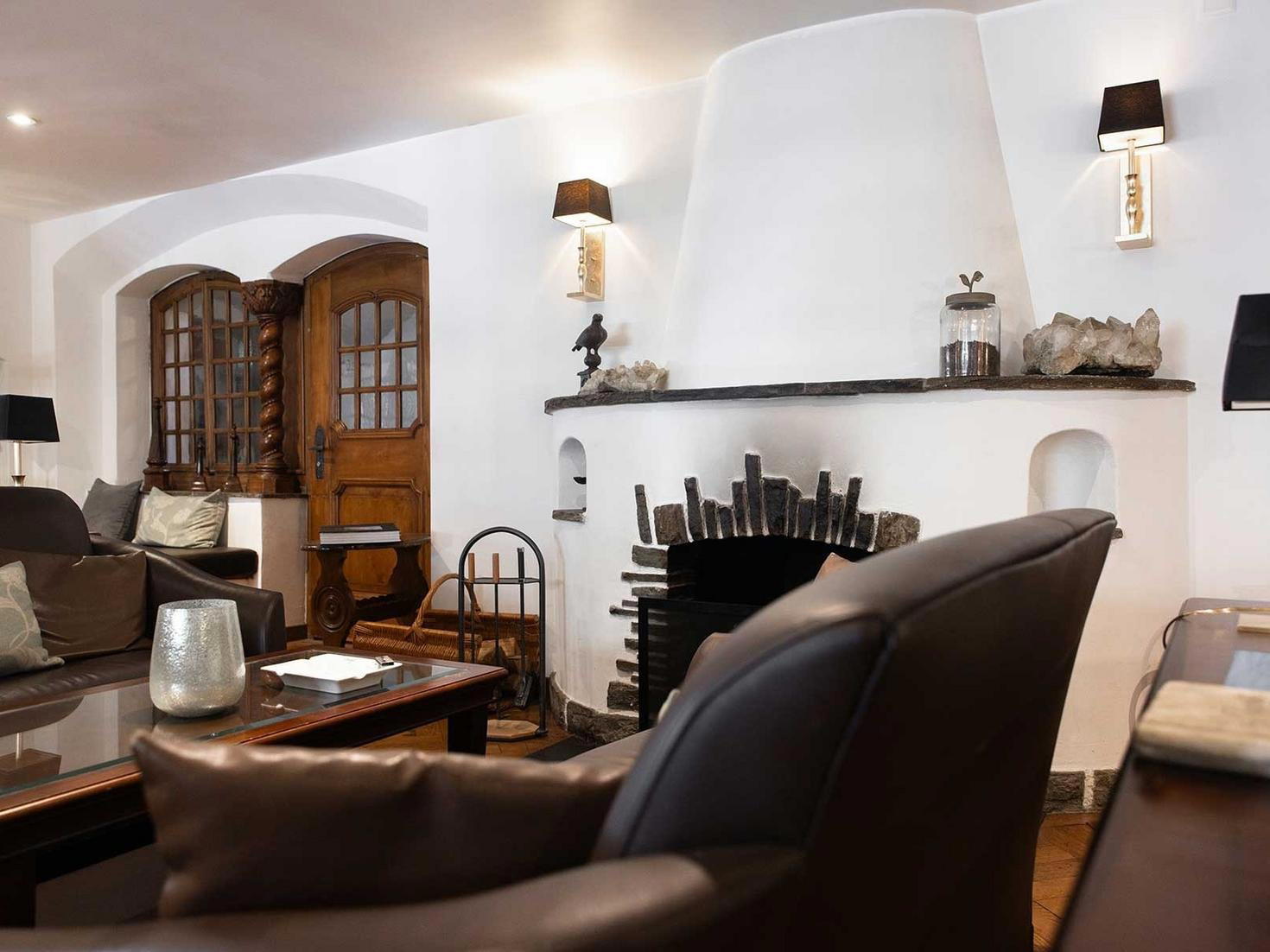
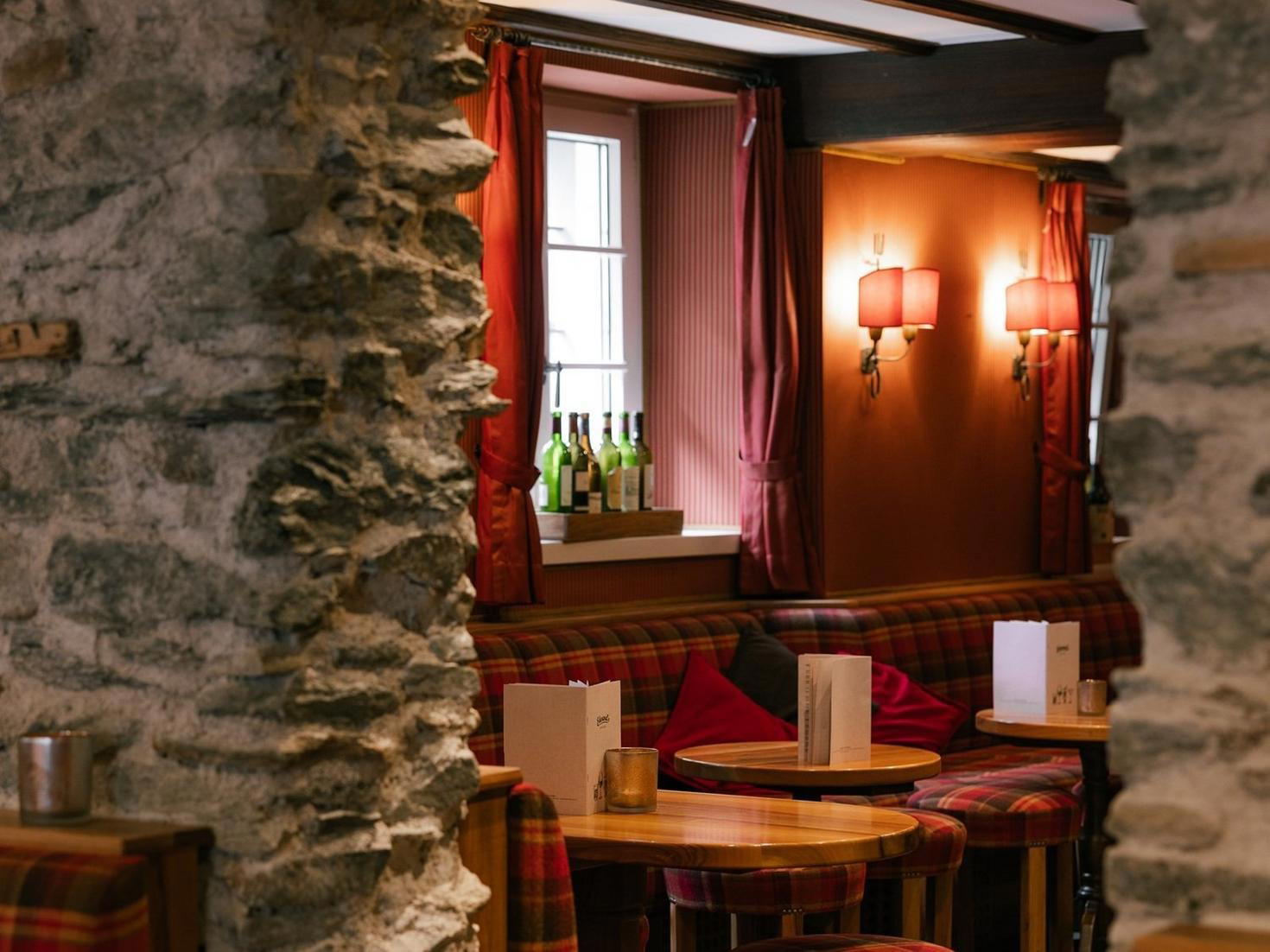
Elegant and immersive with open kitchen, spacious modern decor blending Japanese elements, cozy lighting, and inviting atmosphere praised in reviews.