After Seven


1 Michelin Star · Falstaff Restaurant - 93 Falstaff Points
Our verdict
After Seven occupies the third floor of Backstage Hotel, a Michelin one-star address where Florian Neubauer's team serves five- and six-course creative surprise menus in a room filled with Heinz Julen's artwork. The wine program splits between a regional Valais pairing and an international route. Open Tuesday through Saturday from 7:30 PM, with bread baked tableside as one of the more tactile touches in Zermatt's fine dining tier.

Pearl is the En Primeur Club membership app — saves, bookings, and concierge access live there. Same editors, same standards.
- Address
- Hofmattstrasse 4, 3920 Zermatt, Switzerland
- Phone
- +41 27 966 69 70
- Hours
- Mon ClosedTue–Sat 7:30–10 PMSun Closed
- Website
- backstagehotel.ch
- Directions
- Get directions
- Booking
- Book on the venue's website
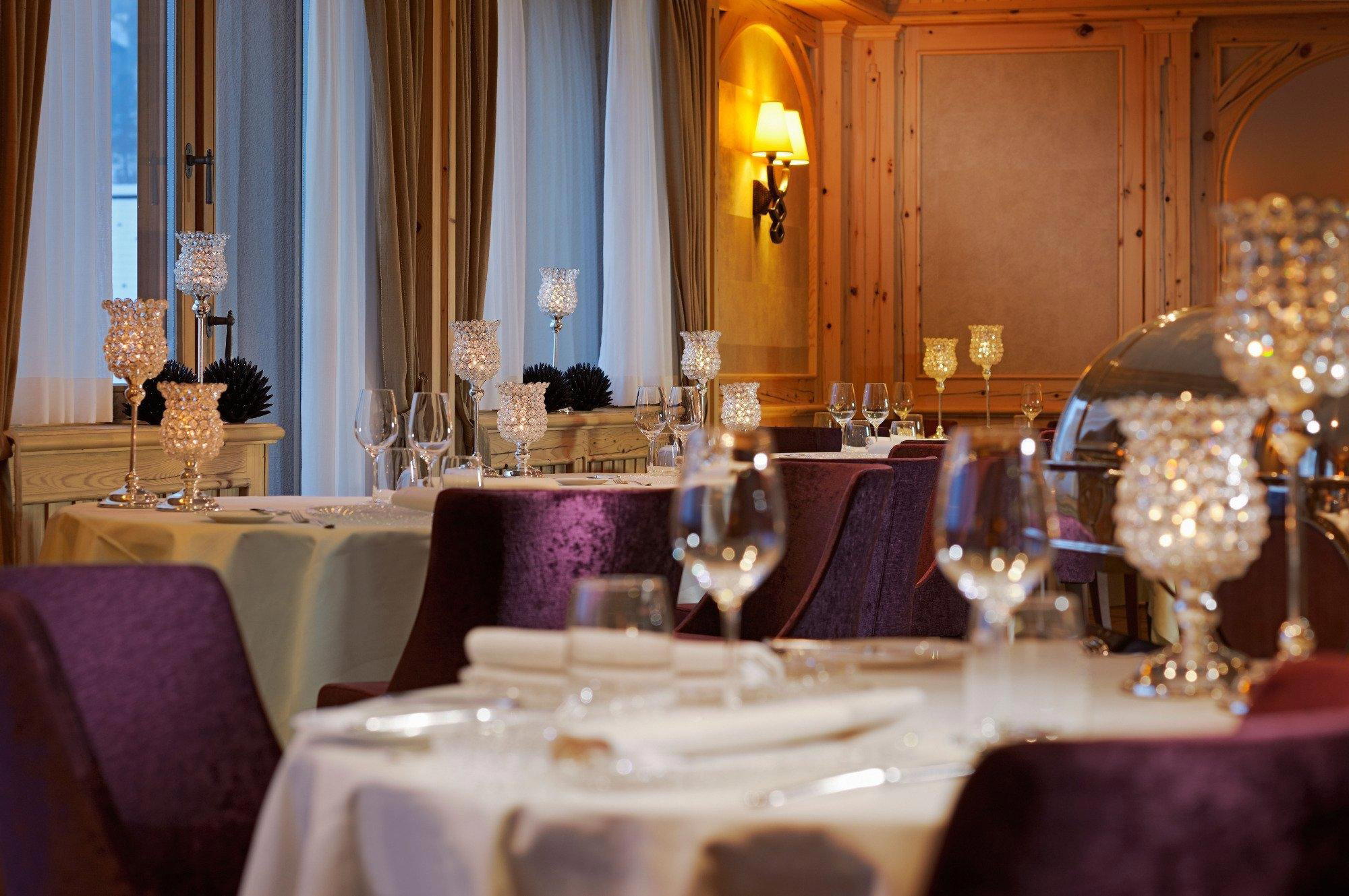
The lift at Backstage Hotel ascends quietly past the lobby's art-hotel energy and deposits you on a third floor that operates at a different register entirely. The room at After Seven is low-lit and considered: a centrally positioned fireplace anchors the space, a chandelier constructed from musical instruments hangs overhead, and every surface carries the curatorial fingerprint of Heinz Julen, the artist and hotelier who built Backstage as a venue where accommodation and visual art share equal billing. Coming here is not the same as arriving at a conventional hotel restaurant. The art is not decorative in the way hotel lobbies typically deploy it. It is the point.
Fine Dining in Zermatt: A Small but Serious Tier
Zermatt's position as one of Switzerland's most visited mountain resorts does not automatically translate into a deep fine dining scene. The village tilts toward ski-lodge comfort food and mid-range Alpine fare, with a handful of addresses operating at the leading price bracket. After Seven holds a Michelin one star as of 2024, which places it alongside Alpine Gourmet Prato Borni and Brasserie Uno in that upper tier.
The broader context matters here. Switzerland's Michelin-starred scene clusters heavily in the Romand region and around Zurich, with mountain resort dining representing a smaller, harder-to-sustain tier. Running a kitchen that earns and retains a star in a seasonal alpine environment, with supply chains complicated by altitude and road access, requires a different kind of operational discipline than a city restaurant. Addresses like Hotel de Ville Crissier in Crissier, Schloss Schauenstein in Fürstenau, or Cheval Blanc by Peter Knogl in Basel operate within much denser urban supply networks. After Seven's achievement is partly logistical.
Ingredient Sourcing and the Alpine Creative Format
Creative cuisine in a mountain resort context forces a specific negotiation with geography. The ingredients that define high-altitude Swiss cooking, root vegetables, dairy, cured meats, wild herbs, river fish from the Valais, sit in tension with the expectations of a surprise-format tasting menu that needs momentum and contrast across five or six courses. The kitchen at After Seven threads this by drawing on regional produce without restricting itself to a strictly locavore premise. The documented dishes illustrate the approach: mussel, artichoke, and chorizo reads as a coastal-influenced plate imported into an alpine setting, while beef, onion, and sansho pepper points toward an Asian spice register applied to Swiss primary ingredients.
This is not an unusual combination in contemporary European creative cooking, where a generation of chefs trained across multiple national traditions now builds menus that do not declare a single geographical allegiance. What it produces at After Seven is a menu architecture where the sourcing logic is selective rather than dogmatic: Swiss beef and regional produce anchor the protein and vegetable components, while seasoning and preparation draw from a wider technical vocabulary. The Valais, the Swiss canton in which Zermatt sits, has its own serious agricultural identity, including some of Switzerland's most distinctive wine production and a strong tradition of air-dried beef. A kitchen operating at this level in this location has specific reasons to reference that regional larder, even within a creative format that ranges further afield.
For comparison within Switzerland's mountain fine dining tier, 7132 Silver in Vals and Memories in Bad Ragaz both operate in alpine or semi-alpine settings with Michelin recognition, each solving the regional sourcing question differently. Internationally, the creative format that draws on local terroir while applying global technique has its clearest precedents in Paris, where addresses like Alléno Paris au Pavillon Ledoyen and Arpège have long treated ingredient sourcing as the primary editorial argument of the menu. After Seven operates at a different scale and with a different cultural frame, but the instinct to let provenance shape the structure of a tasting menu is the same.
The Menu Format and Tableside Bread
The five- or six-course surprise menu removes the decision-making from the guest entirely, which is a deliberate structural choice. In a resort town where many diners arrive from a day of physical activity with broad rather than specific appetite, a surprise format sidesteps the paralysis of extensive à la carte selection and keeps the kitchen's narrative coherent from first course to last. The open kitchen reinforces this: cooking is part of the room's performance, and Florian Neubauer's team works in view of the dining space throughout service.
The tableside bread service is one of the more discussed elements of the format. Baking bread at the table rather than in a central kitchen and sending it out is a minor logistical feat that produces an immediately sensory effect, smell and warmth arriving at the table before the bread itself is served. It is also a signal about format discipline: details that require extra effort are treated as worth the effort, not rationalised away. An optional cheese course extends the meal for those who want it, adding a regional dimension that fits the Valais setting.
The Wine Program: Valais Pairing vs. International Pairing
Two pairing options offered alongside the set menu reflect a considered split rather than a default international selection with a Swiss add-on as an afterthought. The Valais produces wines that do not travel as widely as their quality justifies: Cornalin, Humagne Rouge, Petite Arvine, and Heida are grape varieties that remain largely unknown outside Switzerland and specialist import channels. Choosing the regional pairing at After Seven is one of the more direct ways to encounter serious Valais wine in a structured context, with each pour framed against the dish it accompanies rather than consumed in isolation. The international pairing offers the alternative route for guests whose reference points lie outside Swiss wine, and at a €€€€ price level the selection would be expected to draw from the same depth of cellar that supports the food program. Our full Zermatt wineries guide provides more context on what the region produces.
After Seven in the Context of Zermatt Dining More Broadly
Zermatt's dining range runs from Alpine-casual addresses like Chez Vrony, which handles regional cuisine at a more accessible price point, to the international mid-range of Bazaar, up through the €€€€ tier where After Seven, Alpine Gourmet Prato Borni, and Brasserie Uno all hold Michelin recognition. Aroleid Restaurant operates at the creative end of the mid-range. The full spread is covered in our full Zermatt restaurants guide.
What separates After Seven from its Michelin-starred peers in the village is primarily the venue context. A tasting menu served inside a building that functions as an art hotel, with interiors conceived by a working artist, creates a different kind of evening than a standalone restaurant. The chandelier made from musical instruments, the curated artworks throughout the room, and the fireplace that doubles as architectural focal point all contribute to a setting where the meal is framed as one element of a broader aesthetic experience. This is not incidental. Backstage Hotel has a documented identity as a destination for guests who want design and art as part of their stay, and After Seven is an extension of that positioning rather than a hotel restaurant that happens to have a star.
For those building a wider Zermatt itinerary, our full Zermatt hotels guide, bars guide, and experiences guide cover the rest of the infrastructure. Separately, Colonnade in Lucerne offers a point of comparison for Swiss creative fine dining in a non-alpine setting.
Planning Your Visit
After Seven is open Tuesday through Saturday, with service beginning at 7:30 PM and running until 10 PM. The restaurant is closed on Sundays and Mondays. The address is Hofmattstrasse 4, on the third floor of Backstage Hotel, reached by the building's lift. At a €€€€ price point in a seasonal resort town, advance booking is advisable particularly during ski season (December through April) and the summer hiking season (July through September), when Zermatt operates at peak capacity and the village's small number of high-end tables fill quickly. The two pairing options, Valais and international, should be confirmed at the time of booking or on arrival.
Frequently asked questions
What's the signature dish at After Seven?
After Seven does not publish a fixed signature dish because the format is a surprise menu that changes with the kitchen's direction and available produce. The dishes documented from the current program include mussel, artichoke and chorizo, and beef, onion and sansho pepper, both of which illustrate the kitchen's approach: regional Swiss produce, particularly Valais beef, combined with preparations that draw from a wider technical and flavour range. The tableside bread service is the most consistently mentioned experiential detail across coverage of the restaurant. For guests who want more certainty about what they will eat, the format is not designed to accommodate that, which is itself an editorial statement about how After Seven positions its Michelin-starred offer within Zermatt's fine dining tier.
Quick Comparison
A compact comparison to help you place this venue among nearby peers.
| Venue | Cuisine | Price | Awards | Notes |
|---|---|---|---|---|
| After SevenThis venue — the venue you are viewing | Modern European Fine Dining | $200–300 | 1 Michelin Star · Falstaff Restaurant - 93 Falstaff Points | Not listed |
| Alpine Gourmet Prato Borni | Refined Swiss Alpine Fine Dining | $200–300 | 1 Michelin Star | Creative |
| Brasserie Uno | Rustic Fine Dining International | $150–200 | 1 Michelin Star · Wine Spectator Best of Award of Excellence | Contemporary |
| Aroleid Restaurant | Modern International | Not listed | Michelin Plate | Creative |
| Bazaar | Eastern-Inspired Vegetarian Fusion | $50–100 | Michelin Bib Gourmand | International |
| Capri | Classic Italian Fine Dining | $200–300 | 1 Michelin Star | Italian |
Recognition history
Dated appearances from independent guides and award organizations, with the underlying list record or original source where available.
Michelin 1 Star
Michelin
Falstaff Restaurant - 93 Falstaff Points
Falstaff
Full recognition history (3 entries)
Michelin 1 Star
Michelin
Continue exploring
More in Zermatt
Restaurants in Zermatt
Browse all →
Bars in Zermatt
Browse all →
Hotels in Zermatt
Browse all →

Details
- Elegant
- Intimate
- Sophisticated
- Special Occasion
- Date Night
- Open Kitchen
- Hotel Restaurant
- Extensive Wine List
- Sommelier Led
- Tasting Menu
- Prix Fixe
Current opening hours
- Monday
- Closed
- Tuesday
- 7:30–10 PM
- Wednesday
- 7:30–10 PM
- Thursday
- 7:30–10 PM
- Friday
- 7:30–10 PM
- Saturday
- 7:30–10 PM
- Sunday
- Closed
Hours can change for holidays and private events. Last verified .
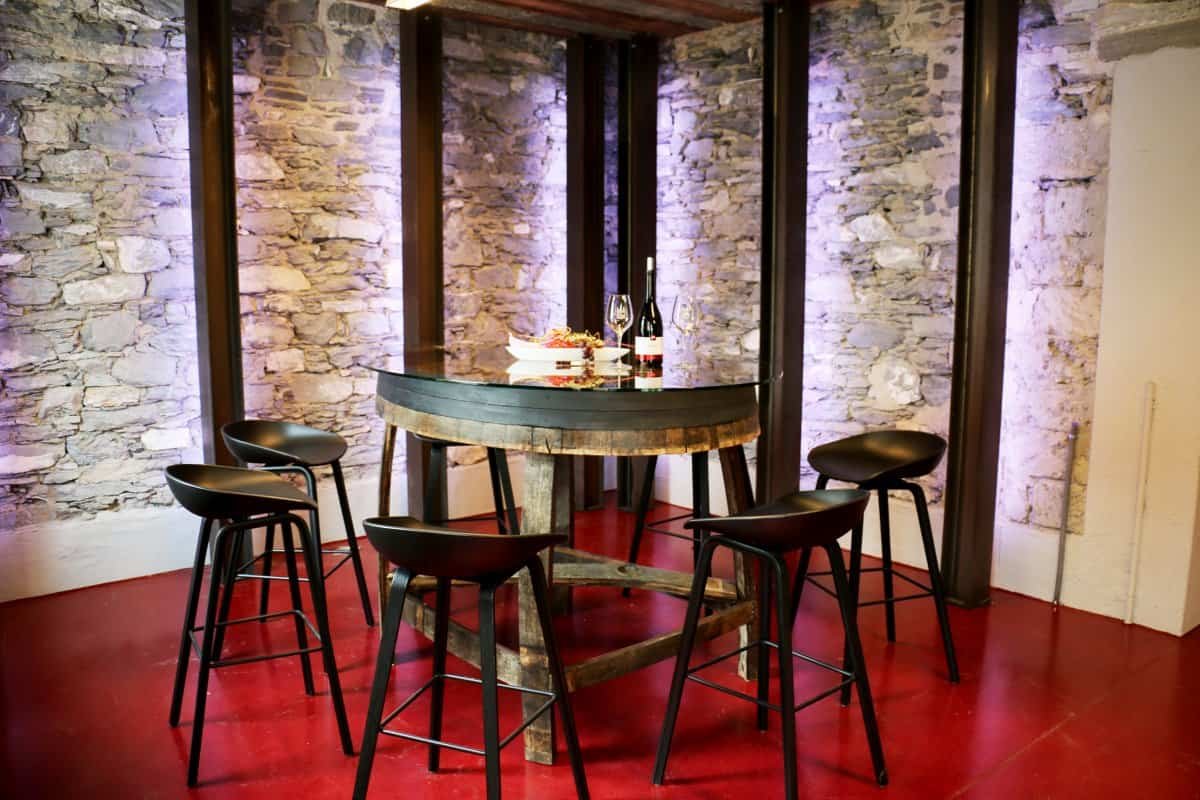
Stylish intimate space with eclectic decor, open kitchen as focal point, central fireplace, artworks, and artistic chandelier creating an elegant and inspiring atmosphere.