Ristorante Al Bosco
Perched at 2,222 metres within the Riffelalp Resort, Ristorante Al Bosco occupies a tier of alpine dining where the approach on the rack railway is part of the proposition. The restaurant draws a loyal clientele who return not for novelty but for the consistency of dining this high with this much composure, a rare quality in a resort town built on spectacle.
Pearl is the En Primeur Club membership app — saves, bookings, and concierge access live there. Same editors, same standards.
- Address
- Riffelalp Resort 2222m, Riffelalp, 3920 Zermatt, Switzerland
- Phone
- +41279660507
- Website
- riffelalp.com
- Directions
- Get directions
 Saves & bookings on Pearl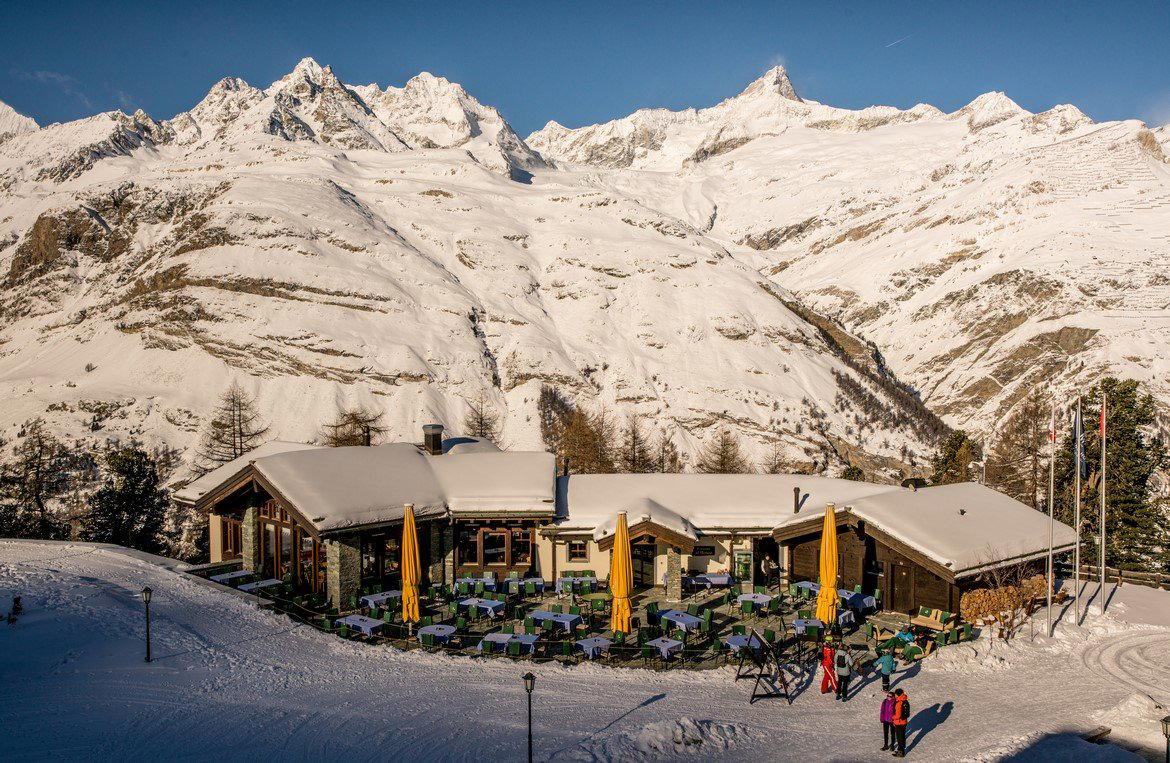
Dining at Altitude: What the Ascent to Riffelalp Signals
Alpine resort dining in Switzerland divides sharply between street-level village restaurants competing on footfall and altitude venues that earn their position through deliberate seclusion. Ristorante Al Bosco belongs firmly to the second category. Situated within the Riffelalp Resort at 2,222 metres above sea level, it is reachable only by the resort's private rack railway from Zermatt village, a detail that functions less as a logistical footnote and more as a filter. By the time guests arrive, the evening already feels set apart from convenience.
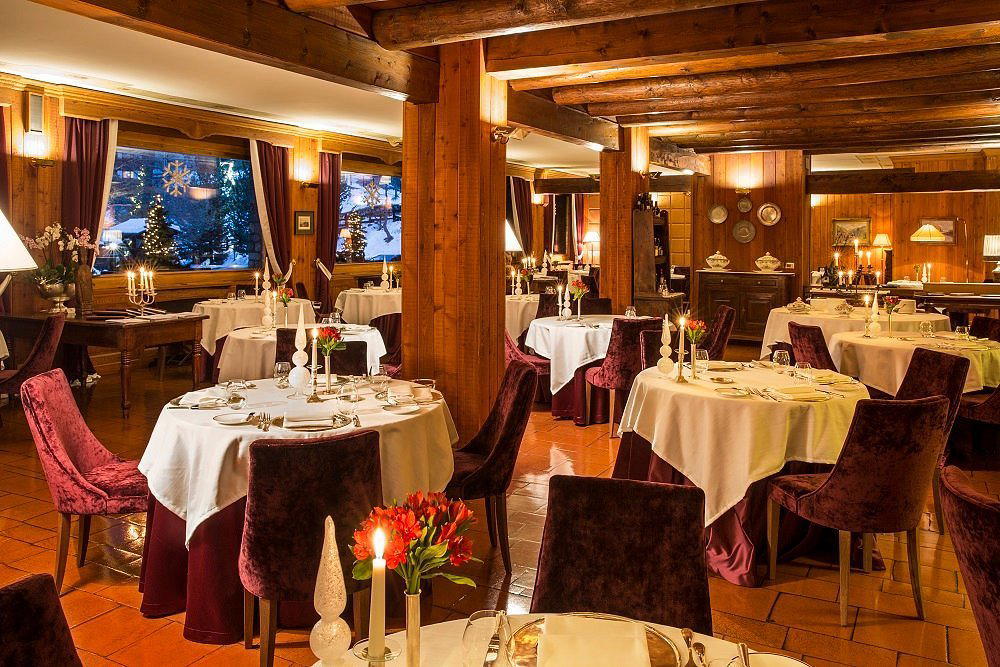
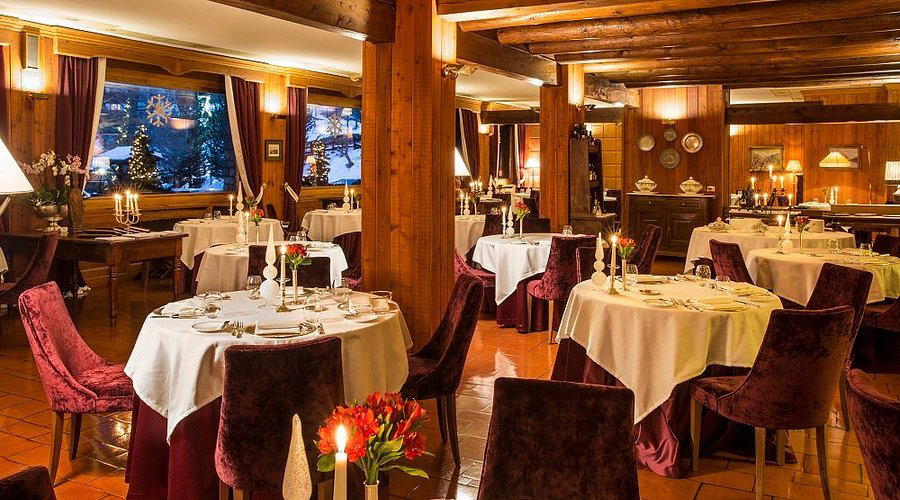
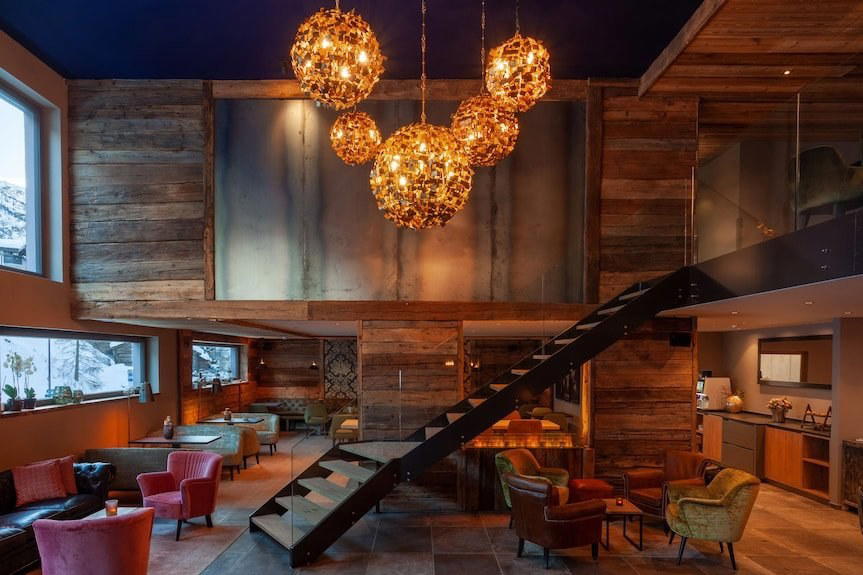
That physical remove shapes everything about the experience. The forest setting implied by the name, bosco meaning woodland in Italian, places the restaurant inside the treeline rather than exposed to the panoramic theatre favoured by many competitors at elevation. Where dining rooms at open-ridge positions use unobstructed Matterhorn sightlines as their primary draw, Al Bosco works with enclosure: the sense of being sheltered within the mountain rather than perched above it. For the restaurant's regulars, this distinction is not incidental. It is precisely what makes the room feel like a destination in itself rather than a platform for a view.
The Regulars and What They Come Back For
One reliable indicator of a restaurant's quality at altitude is not its opening-night press but its returning clientele. At Riffelalp Resort, the guest profile skews toward repeat visitors to Zermatt, those who have already cycled through the village's more accessible dining options and arrived at a clear preference for the Riffelalp's particular register of calm. In a town where Chez Vrony has built a devoted following on sunlit terrace lunches with regional cuisine, and where After Seven operates in the creative fine-dining register, Al Bosco holds a different position: the unhurried dinner that requires a journey and rewards the effort with stillness.
What regulars describe, in the pattern of repeat alpine dining behavior broadly, is an attachment to ritual as much as menu. The rack railway departure from the village, the transition from resort noise to mountain quiet, the particular quality of light at this elevation after sunset, these accumulate into a dining memory that no single dish anchors alone. The restaurant's format supports this: the room carries institutional patience rather than the anxious novelty-seeking of newer alpine openings.
This stands in contrast to the more theatrical approach at venues like Alpine Gourmet Prato Borni, which occupies a higher-profile position in Zermatt's gourmet circuit, or to the contemporary energy of Brasserie Uno in the village. Al Bosco's regulars are not choosing against those rooms, they are choosing a different kind of alpine evening entirely.
Switzerland's Mountain Dining Tier: Where Al Bosco Sits
Switzerland's high-altitude restaurant category spans an enormous range, from cafeteria-adjacent summit huts to formally structured hotel dining at elevation. Within that range, hotel restaurants attached to historic mountain properties, like Riffelalp Resort, occupy a distinct middle tier: more considered than the former, less self-consciously competitive than the Michelin-tracked rooms that define Swiss fine dining at lower altitudes.
The Swiss fine dining tier that draws international recognition operates largely in cities and accessible valleys: rooms like Hotel de Ville Crissier in Crissier, Schloss Schauenstein in Fürstenau, Cheval Blanc by Peter Knogl in Basel, and Memories in Bad Ragaz define what the country's kitchen talent produces at the highest competitive register. The alpine resort category answers to a different set of pressures: seasonal operation, a captive but demanding guest base, and the expectation that the setting carries equal weight to the plate. Al Bosco operates within those parameters, positioned alongside other notable mountain-adjacent dining such as 7132 Silver in Vals and Da Vittorio in St. Moritz, each of which pairs serious cooking with a resort context rather than a standalone dining destination frame.
Within Zermatt specifically, the restaurant competes for evening spend alongside 1818 Eat and Drink and the village's broader dining circuit, but its separation from the village means it is rarely an impulse decision. Guests who arrive at Al Bosco have planned to be there.
Planning a Visit: Logistics at 2,222 Metres
Access to Ristorante Al Bosco runs through Riffelalp Resort's private rack railway, which departs from a point reachable on foot from Zermatt village. The logistics alone distinguish this from any other dinner reservation in the area: guests should account for railway timing when planning their evening, as the last return departure creates a natural endpoint to the meal. Zermatt itself operates as a car-free village, making the sequence from arrival by train from Täsch, into the village, and then up by rack railway to Riffelalp a distinctly layered approach, one that regulars find part of the appeal rather than a complication.
Given the resort-hotel context and the limited scale of dining at this altitude, advance planning is advisable.
For those building a broader Swiss alpine dining itinerary, the Riffelalp dinner pairs logically with daytime stops in the village or excursions toward the Klein Matterhorn.focus ATELIER in Vitznau, Colonnade in Lucerne, Einstein Gourmet in Sankt Gallen, and IGNIV Zürich by Andreas Caminada represent the broader Swiss dining circuit for those extending their itinerary beyond the Alps.
Category Peers
Comparable venues nearby, for context on price, style, and recognition.
| Venue | Cuisine | Price | Notes |
|---|---|---|---|
| Ristorante Al BoscoThis venue — the venue you are viewing | Italian & Swiss Alpine | $$$ | Not listed |
| Vivanda | Authentic Italian Ristorante | $$$ | central |
| Myoko Sushi & Teppan-Yaki | Japanese Sushi & Teppanyaki | $$$ | Bahnhofstrasse |
| Chez Heini | Swiss Lamb Grill | $$$ | Zermatt |
| Marie's Deli | Swiss Deli with French Influences | $$ | Zermatt |
| Myoko | Authentic Japanese Sushi & Teppanyaki | $$$$ | Bahnhofstrasse |
Continue exploring
More in Zermatt
Restaurants in Zermatt
Browse all →
Bars in Zermatt
Browse all →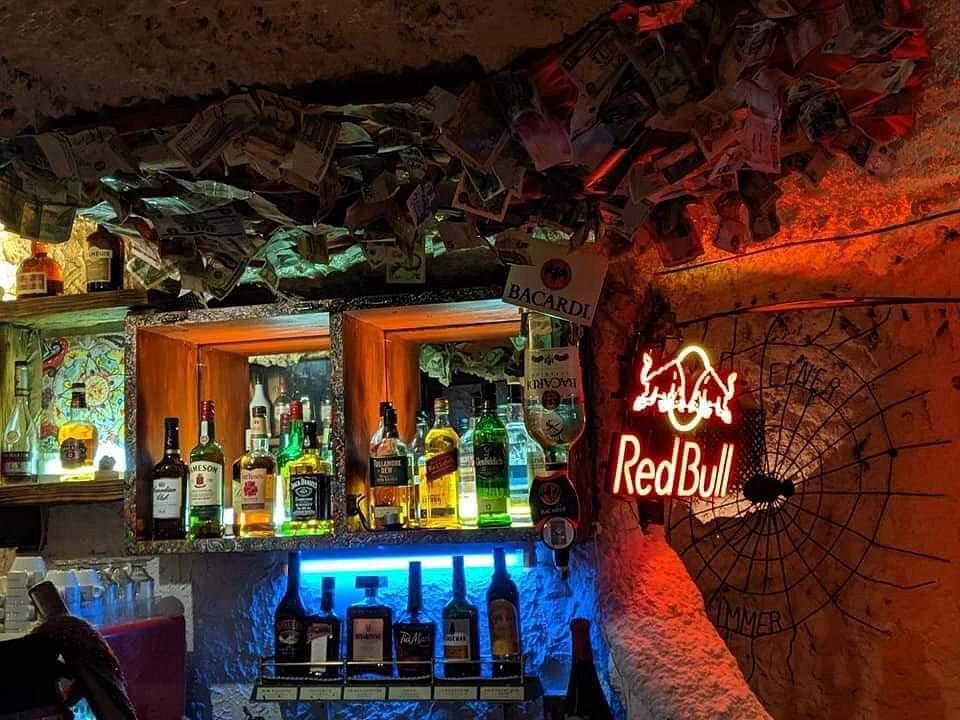
Hotels in Zermatt
Browse all →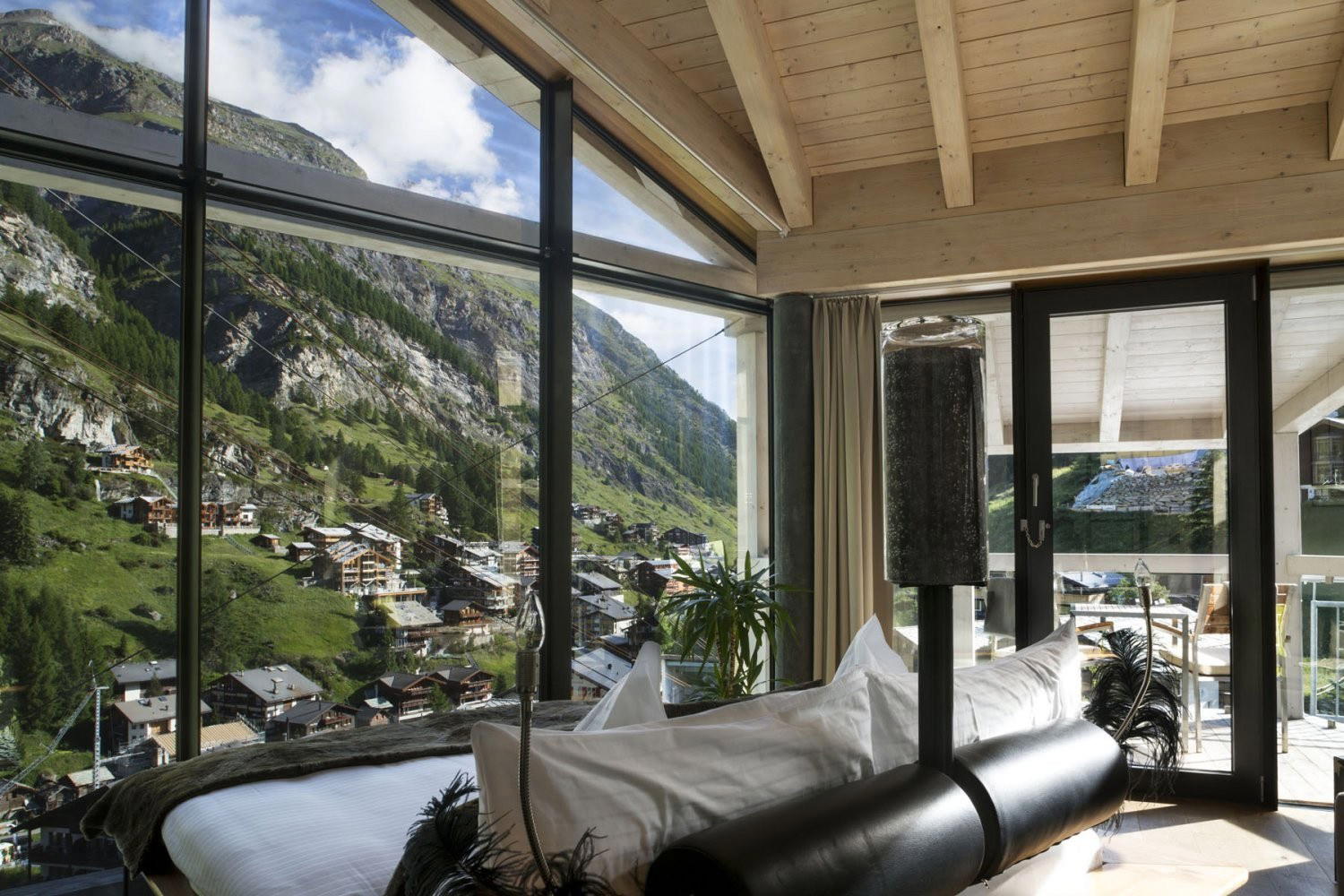
Wineries in Zermatt
Browse all →
At a Glance
- Cozy
- Elegant
- Rustic
- Scenic
- Special Occasion
- Family
- Group Dining
- Terrace
- Panoramic View
- Hotel Restaurant
- Extensive Wine List
- Local Sourcing
- Mountain
Casual alpine chic with relaxed terrace seating offering dramatic mountain vistas and cozy interior.