Findlerhof
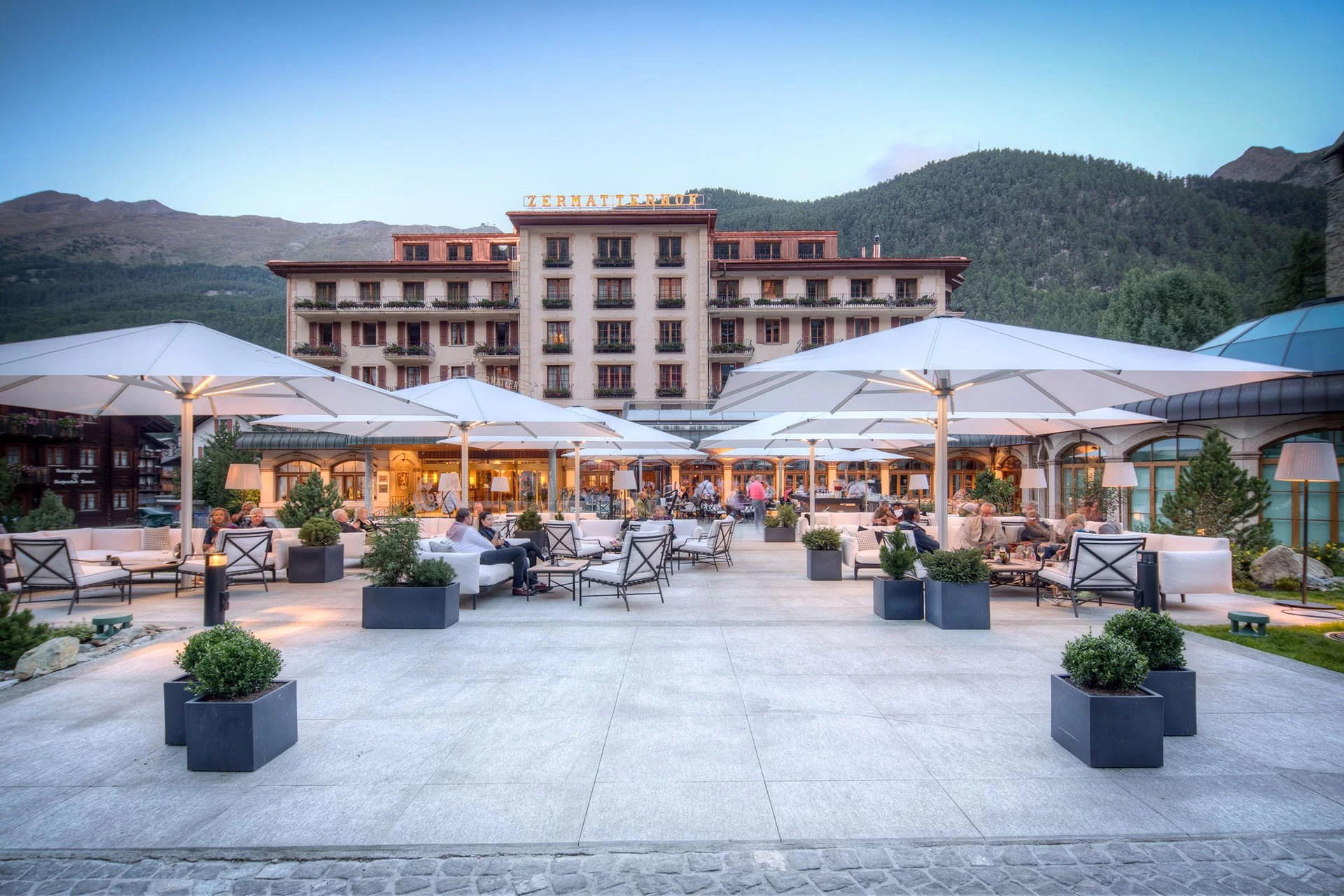
Findlerhof sits in Findeln, a car-free hamlet above Zermatt accessible only on foot or by ski, where the setting does as much work as the kitchen. The restaurant draws on high-alpine proximity to source ingredients shaped by Valais altitude and tradition. For those already on the mountain, it represents one of Zermatt's more grounded dining experiences, positioned between the resort's casual mountain huts and its formally ambitious dinner tables.
Pearl is the En Primeur Club membership app — saves, bookings, and concierge access live there. Same editors, same standards.
- Address
- Findeln, 3920 Zermatt, Switzerland
- Phone
- +41 27 967 25 88
- Website
- findlerhof.ch
- Directions
- Get directions
 Saves & bookings on Pearl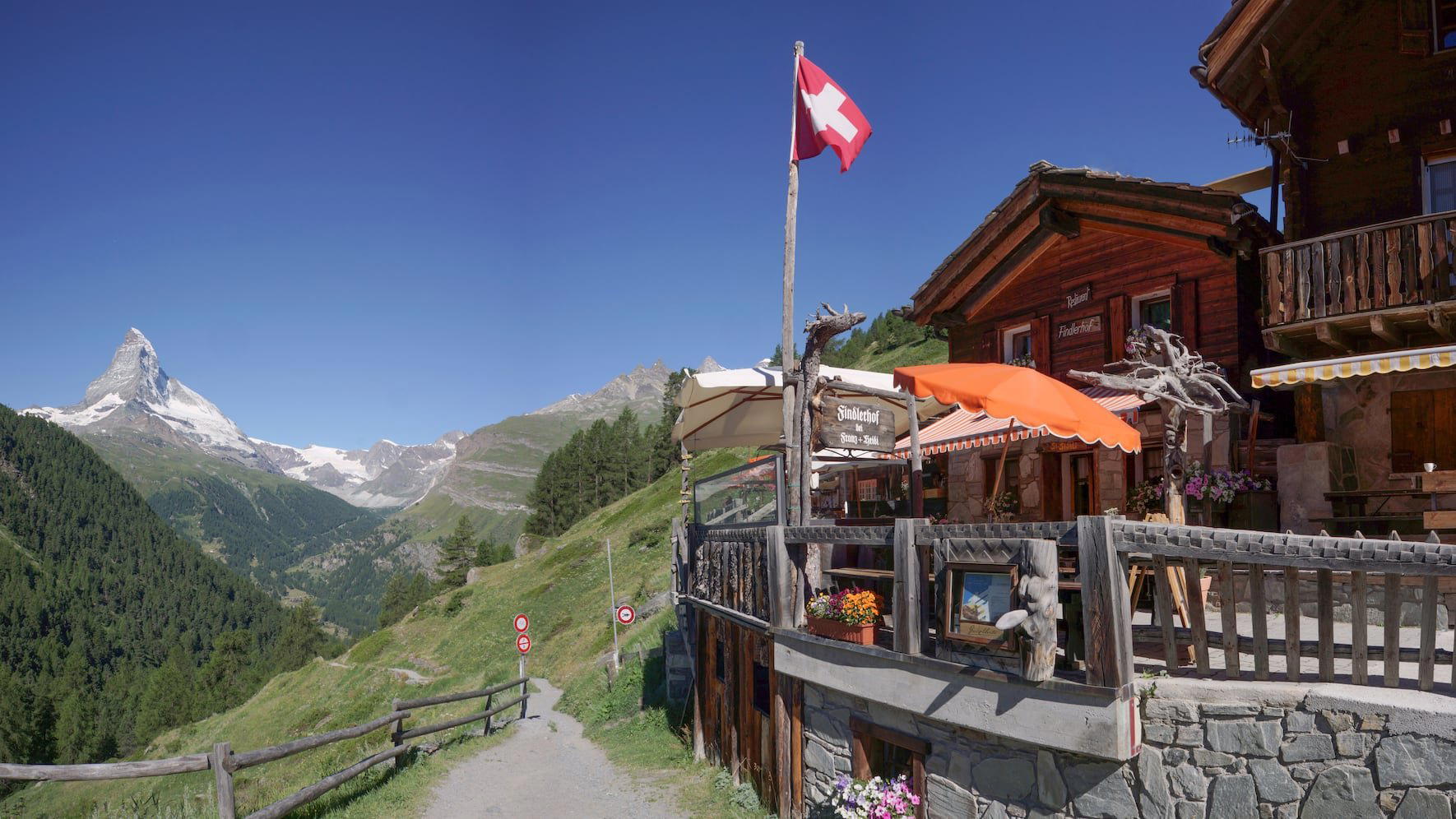
Above the Village, Below the Matterhorn
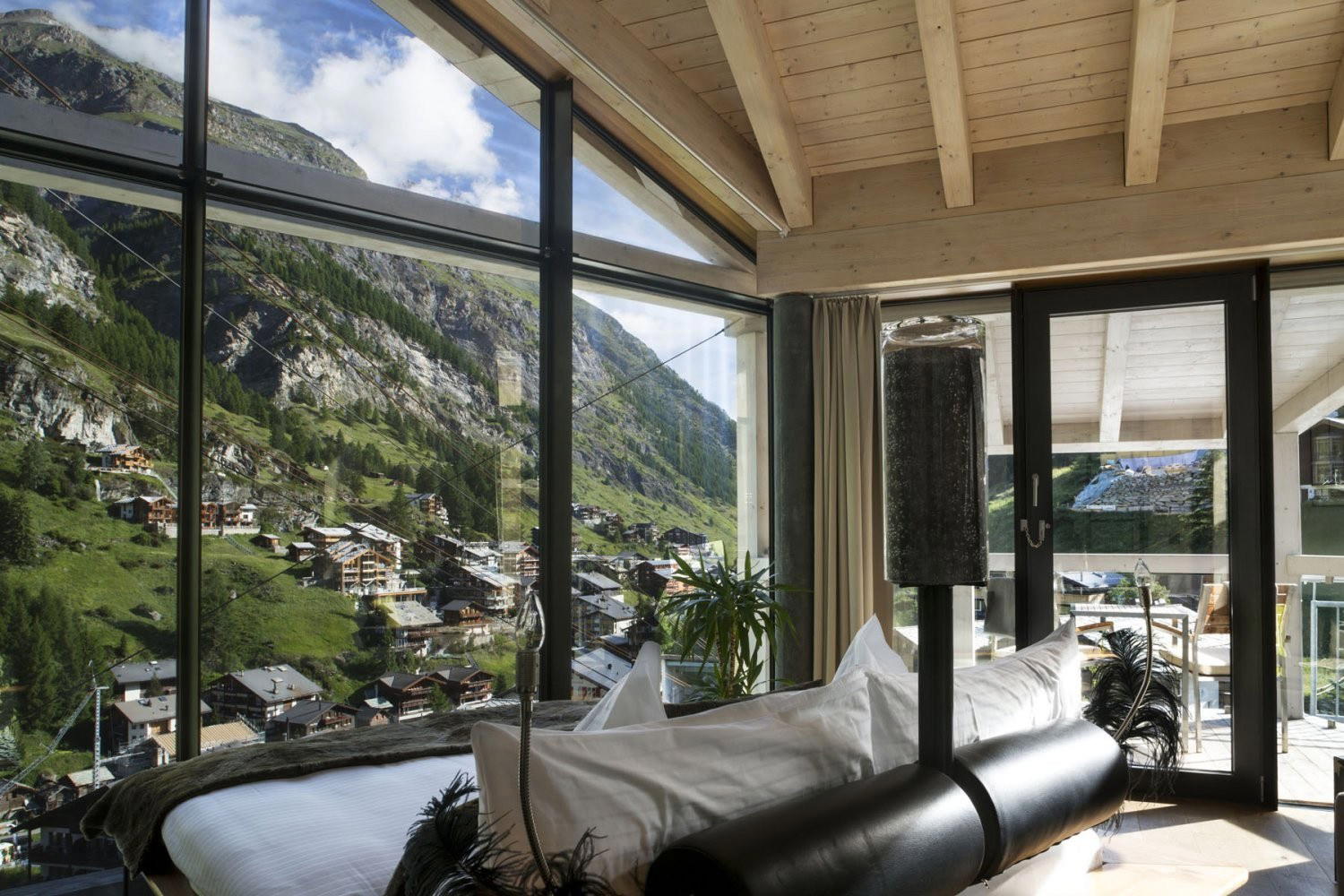
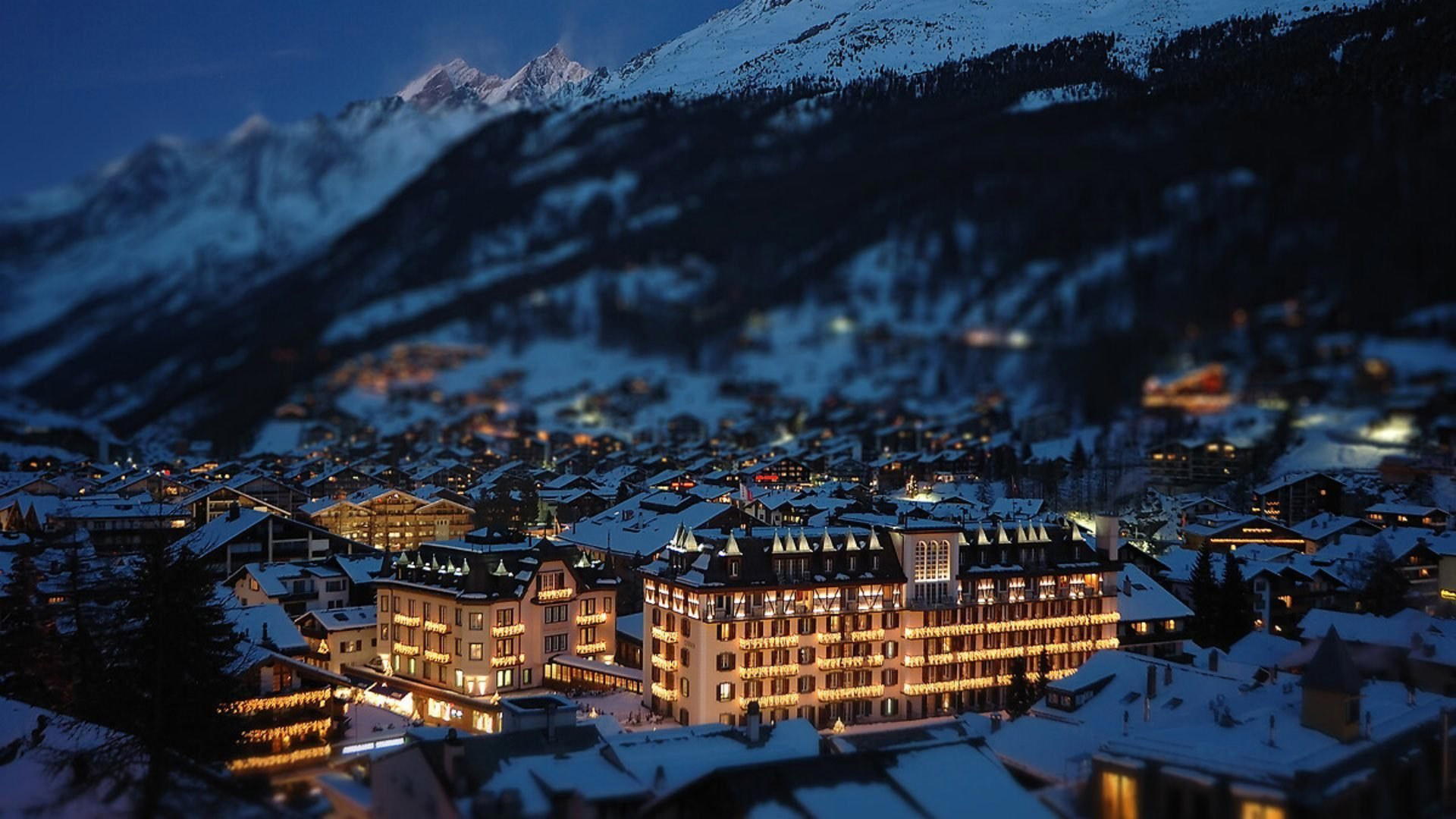
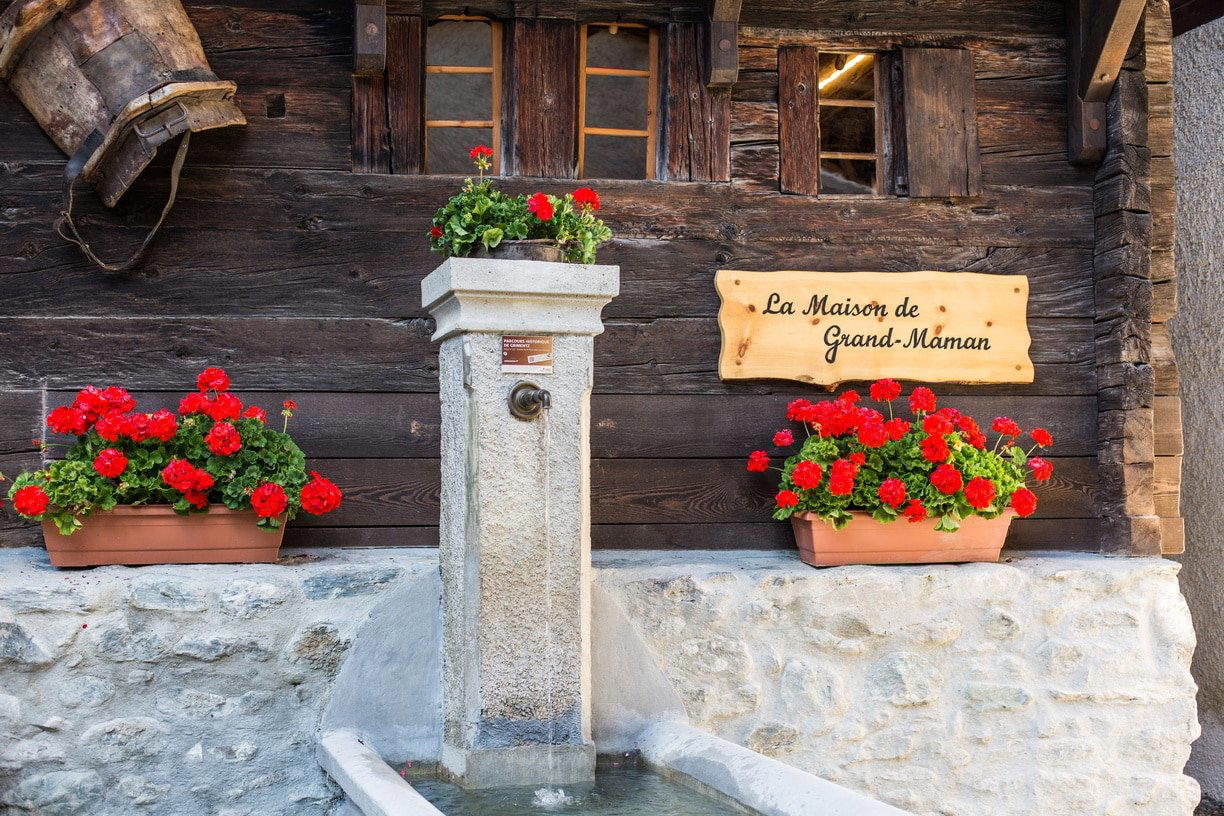
Findlerhof does not ask you to seek it out in a town centre or follow a restaurant row. It occupies Findeln, a cluster of old Valais timber structures sitting at roughly 2,000 metres on the slopes above Zermatt, reachable on foot along the path from the village or by skis in winter. The approach through a car-free hamlet, with the Matterhorn's north face in direct sightline, frames the meal before a single dish arrives. In a resort where altitude is the primary spectacle, Findeln's position places it closer to the mountain environment than almost any other sitting restaurant in the area.
This physical context matters more than it might in a city setting. Zermatt's dining scene operates across a wide band, from resort-casual fondue and raclette to seriously ambitious tasting menus at addresses like After Seven and Alpine Gourmet Prato Borni. Findlerhof occupies a distinct position within that range: it is a mountain restaurant with genuine culinary ambition, operating in a format shaped entirely by its terrain. For a fuller map of how Zermatt's dining divides across price points and styles, our full Zermatt restaurants guide lays out the field.
Sourcing at Altitude: What the Valais Produces
The Valais canton sits at the centre of Swiss alpine food culture, and altitude changes what is available in ways that lowland kitchens rarely contend with. The valley floor supports some of Switzerland's driest growing conditions, producing apricots, asparagus, and rye that carry a concentrated, sun-intensified character. Higher up, summer pastures yield milk from breeds accustomed to coarse mountain grasses, giving local dairy products a fat content and mineral edge distinct from plains production. Valais air-dried meat, produced from beef and occasionally other cuts, is among Switzerland's more distinctive preserved products, the result of thin mountain air and cold winters rather than any industrial process.
For a restaurant at Findeln's elevation, proximity to this supply chain is not incidental. Mountain restaurants across the Swiss Alps have historically sourced from altitude out of necessity; the modern version of that relationship, where provenance becomes an explicit part of the kitchen's identity, reflects a broader shift in how alpine dining positions itself. Chez Vrony, also on the Findeln slope, has built sustained recognition partly on this basis, demonstrating that Zermatt's mountain addresses can compete on ingredient credibility as well as scenery. Findlerhof operates within the same geographic and culinary logic.
At the Switzerland-wide level, the connection between regional sourcing and kitchen ambition has become one of the country's more consistent fine dining arguments. Addresses like Schloss Schauenstein in Fürstenau and Memories in Bad Ragaz have made ingredient provenance central to multi-Michelin-star programs. Hotel de Ville Crissier in Crissier and Cheval Blanc by Peter Knogl in Basel represent different regional expressions of the same underlying priority. The mountain version of that argument, where sourcing is not just a values statement but a physical reality of logistics and season, is what separates an address like Findlerhof from a lowland peer chasing similar credentials.
The Seasonal Calculus of a Mountain Kitchen
Winter and summer at Findeln are operationally different seasons, not simply weather variations. In winter, the slopes serve skiers and the kitchen supplies energy-dense food to guests coming off the piste. In summer, the hamlet becomes a hiking destination, the Matterhorn views emerge from different angles, and the kitchen can engage with a different tempo. Swiss mountain restaurants across multiple cantons show this split in their menus, with summer often allowing more vegetable-forward and locally foraged composition, while winter leans on preserved, cured, and slow-cooked preparations that the Valais larder handles particularly well.
Zermatt's resort infrastructure means the shoulder seasons are quieter but not dead. Late spring brings the transition period when snow recedes and summer pasture begins; autumn marks the end of hiking traffic and the return of hunters' menus across the region. A visit timed around those transitional windows often finds a kitchen at its most focused, without the volume pressure of peak January or mid-August. For comparison, how seasonality shapes tasting menu composition is something even internationally recognised programs contend with, as formats at Le Bernardin in New York City and Lazy Bear in San Francisco demonstrate through different seasonal frameworks entirely.
Where Findlerhof Sits in Zermatt's Dining Field
Zermatt's restaurant market has several distinct tiers. The resort's village centre concentrates formal dinner addresses, hotel restaurants, and international cuisine across a wide price band. Brasserie Uno and 1818 Eat & Drink represent that in-village contemporary tier. The mountain restaurants above the village operate differently, with access conditions, weather dependency, and a more concentrated lunchtime trade shaping the experience in ways that village restaurants do not manage.
Within that mountain tier, Findlerhof's position in Findeln places it alongside a small cluster of addresses with genuine reputations rather than purely convenience-driven custom. The hamlet's restaurant density is low enough that each address draws visitors making a deliberate choice rather than passing foot traffic, which changes the dining dynamic considerably. Across Switzerland's broader alpine dining geography, restaurants at comparable altitude and access difficulty include the Maison Wenger peer group operating out of the Jura at Le Noirmont and terrain-specific addresses like Da Vittorio in St. Moritz, though the formats and price points diverge considerably.
Other Swiss addresses worth understanding as context for how kitchens outside major cities build reputations: Einstein Gourmet in Sankt Gallen, Mammertsberg in Freidorf, La Table du Valrose in Rougemont, and focus ATELIER in Vitznau each demonstrate that Switzerland's most considered dining is distributed widely beyond Geneva and Zurich.
Planning a Visit
Findlerhof is in Findeln, above Zermatt's car-free village. Access on foot takes approximately 45 to 60 minutes from the village centre via marked paths, with elevation gain that is moderate but consistent. In ski season, the restaurant is reachable on skis via the Sunnegga area. Given Zermatt's weather variability at altitude, checking conditions before a summer hiking visit is practical. The restaurant operates within Zermatt's alpine seasonal rhythm, meaning opening periods track ski and hiking seasons rather than year-round urban schedules; confirming current operation before visiting is advisable.
How Findlerhof Zermatt compares with similar nearby venues.
| Venue | Cuisine | Price |
|---|---|---|
| Chez Vrony | Regional Cuisine | €€ |
Continue exploring
More in Zermatt
Restaurants in Zermatt
Browse all →
Bars in Zermatt
Browse all →
Hotels in Zermatt
Browse all →

At a Glance
- Rustic
- Cozy
- Scenic
- Intimate
- Special Occasion
- Terrace
- Panoramic View
- Extensive Wine List
- Mountain
Current opening hours
- Monday
- 11:45 AM–4 PM
- Tuesday
- 11:45 AM–4 PM
- Wednesday
- 11:45 AM–4 PM
- Thursday
- 11:45 AM–4 PM
- Friday
- 11:45 AM–4 PM
- Saturday
- 11:45 AM–4 PM
- Sunday
- 11:45 AM–4 PM
Hours can change for holidays and private events. Last verified .
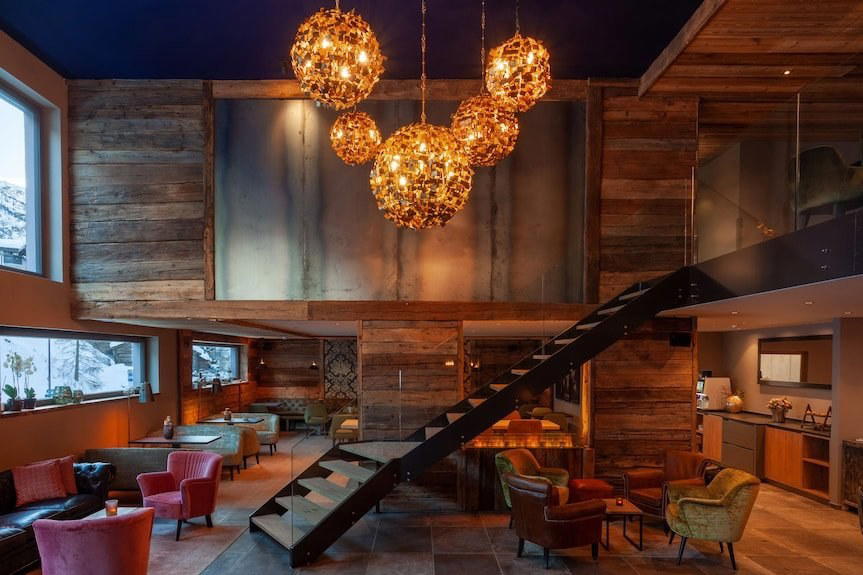
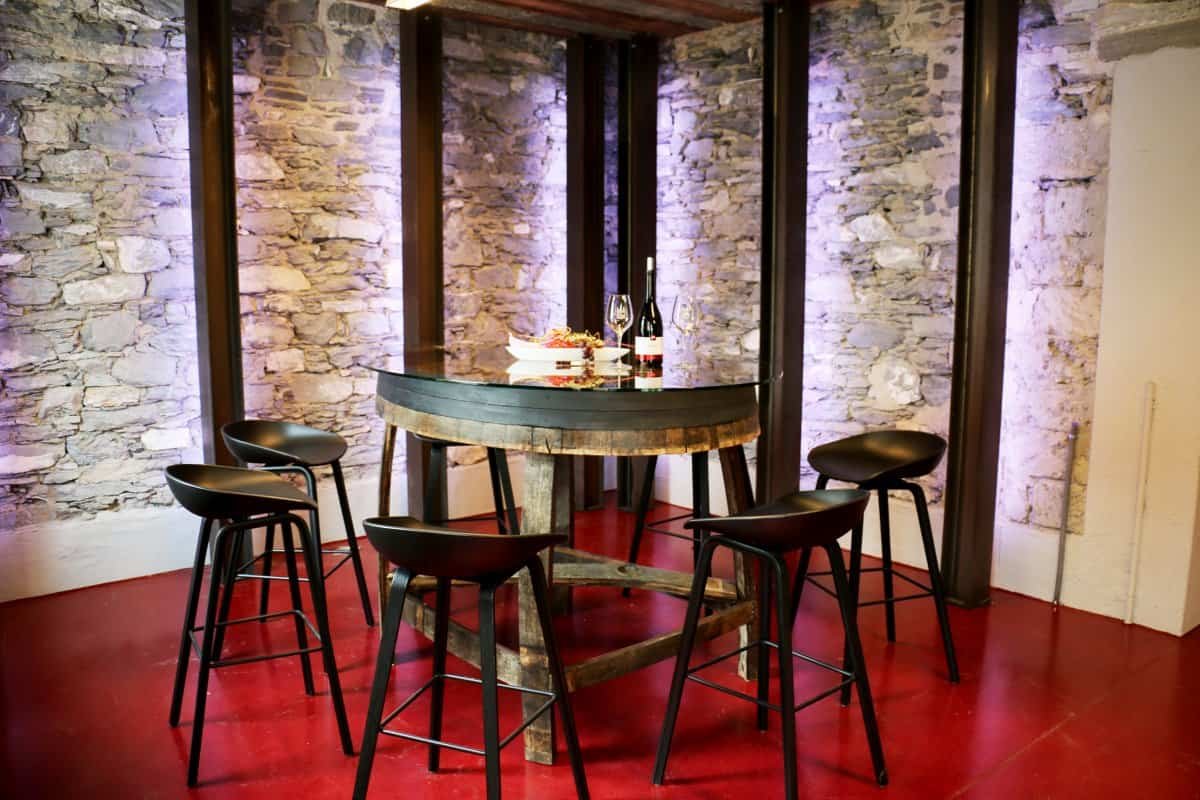
Cozy and rustic chalet atmosphere with warm family hospitality and sunny outdoor patio.