Alpine Gourmet Prato Borni

1 Michelin Star
Our verdict
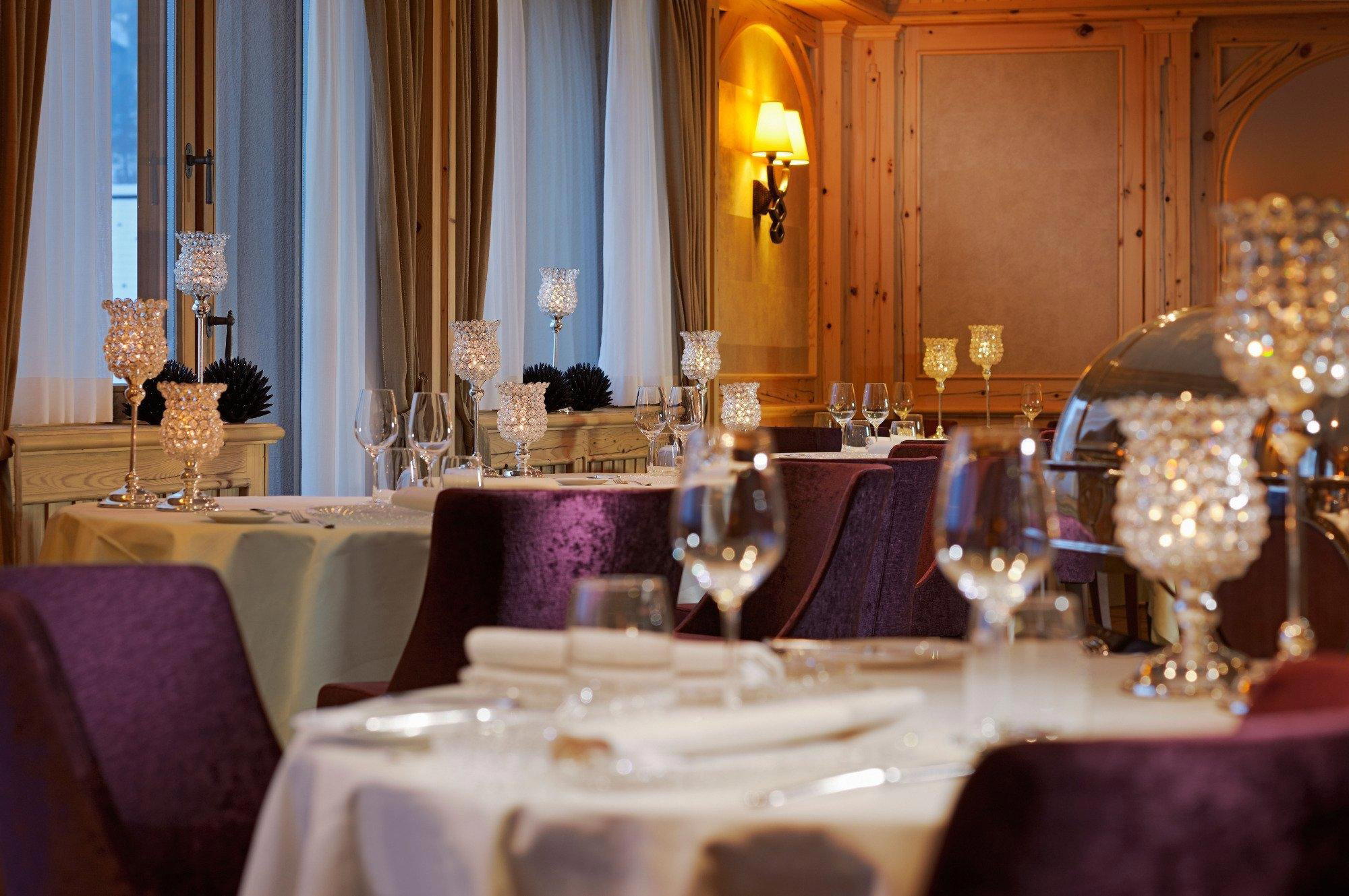
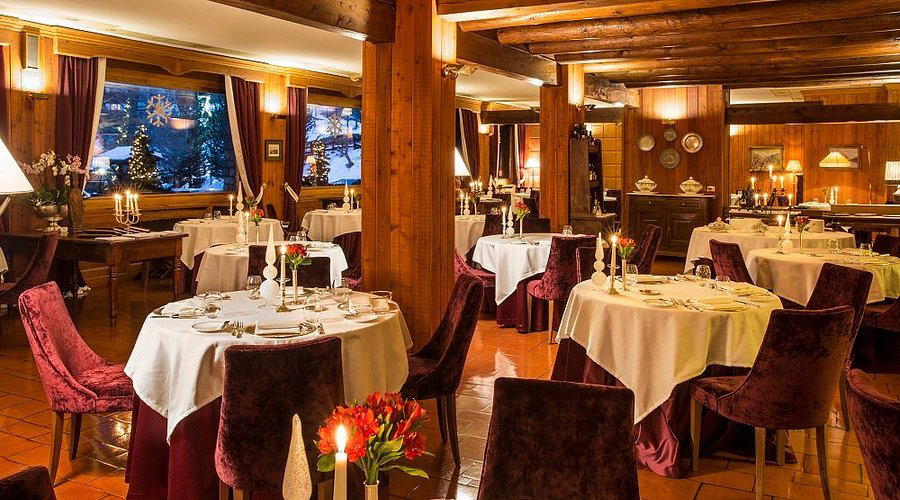
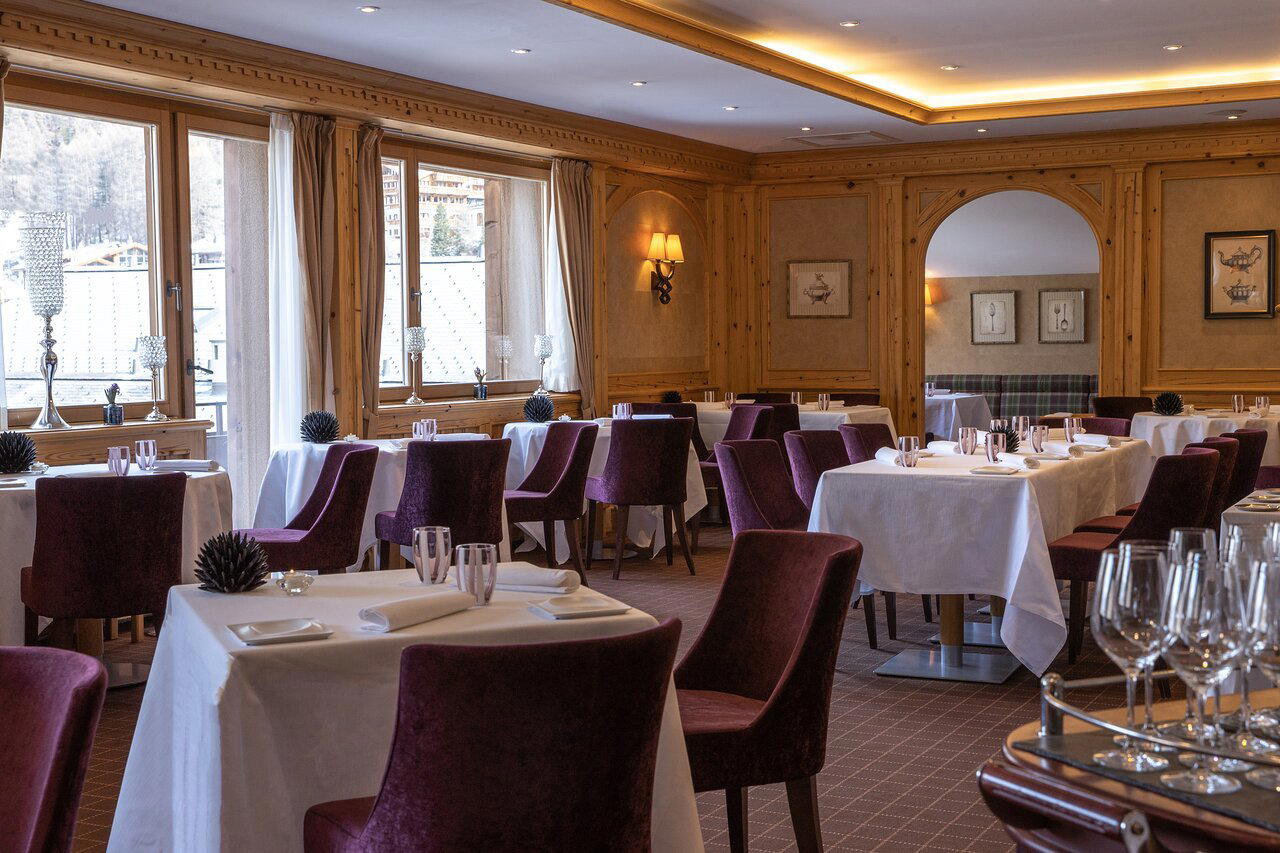
Nestled within the storied Grand Hotel Zermatterhof, Alpine Gourmet Prato Borni distills the spirit of Zermatt into two exquisitely choreographed tasting journeys: Heimat, a tribute to the region’s alpine bounty, and Fernweh, an elegant voyage inspired by distant shores. In a classically refined room paneled in polished wood and suffused with warm, golden light, each course unfolds with poised precision and measured grace. Expect pristine ingredients handled with quiet mastery, an impressively curated wine list led by an attentive sommelier team, and service that anticipates rather than interrupts—culminating in an experience that feels both timeless and rare.

Pearl is the En Primeur Club membership app — saves, bookings, and concierge access live there. Same editors, same standards.
- Address
- Bahnhofstrasse 55, 3920 Zermatt, Switzerland
- Phone
- +41 27 966 66 00
- Hours
- Mon 7–10 PMTue–Wed ClosedThu–Sun 7–10 PM
- Website
- zermatterhof.ch
- Directions
- Get directions
- Booking
- Book on TheFork
The menu
What to order
- Ziger Gnocchi
- AlpenZander Pikeperch
- Alpstein Duck
Fine Dining Inside the Grand Hotel Zermatterhof
The Grand Hotel Zermatterhof has anchored the upper end of Zermatt hospitality since the nineteenth century, and the dining room that houses Alpine Gourmet Prato Borni carries that lineage visibly. Fine wood panelling lines the walls, the room faces Pfarrkirche St Mauritius across the street, and the setting reads as classically Swiss alpine: solid, unhurried, built for winter evenings that extend well past the last lift. In a resort where the majority of serious restaurants have migrated toward contemporary mountain-chic interiors, a room with genuine historical weight is less common than it should be.
Zermatt sits in a peculiar position within Swiss fine dining. The altitude and the car-free village format create a captive audience of well-resourced travellers, but the town is not historically where Switzerland's most ambitious kitchens have concentrated. That hierarchy sits in the lowland cities and the Graubünden valley estates: Hotel de Ville Crissier in Crissier, Schloss Schauenstein in Fürstenau, Cheval Blanc by Peter Knogl in Basel, and Memories in Bad Ragaz. Within the alpine resort tier, however, Prato Borni holds a Michelin one-star rating for 2024, placing it alongside After Seven and Brasserie Uno as Zermatt's small cluster of starred kitchens. That three-restaurant bracket is a meaningful concentration for a village of this scale.
The Cultural Logic of the Set Menu Format
Switzerland's fine dining tradition has long sat at the intersection of French classical technique, German precision, and Italian ingredient sensibility — a reflection of the country's linguistic geography. In the Valais, where Zermatt sits, the pull toward Italian and Piedmontese flavour profiles has always competed with the dominant French-trained repertoire of Swiss grand hotel kitchens. Prato Borni's two set menus encode exactly that tension. One menu moves across international references with deliberate regional inflections; the other holds to vegetarian cooking anchored in Valais produce. Neither format is decorative: the dual-menu structure is a position statement about how seriously the kitchen treats both traditions.
The set menu format itself carries cultural weight in this context. In Swiss hotel dining of a certain standing, the carte blanche approach — where the kitchen composes the experience rather than the guest assembling it dish by dish, has historically signalled seriousness. It is the format used at 7132 Silver in Vals and Colonnade in Lucerne, among others. At Prato Borni, the choice between two distinct menus gives the format more flexibility than a single tasting progression, which suits the mixed audience a grand hotel dining room inevitably attracts: some guests arrive specifically for the restaurant, others are hotel residents for whom this is a natural choice.
Stocks, Sauces, and the Technical Benchmark
Within creative fine dining, the quality of a kitchen's stocks and sauces is among the most reliable technical indicators available to an outside observer. Reductions and jus require time, ingredient volume, and experience; they cannot be shortcut without the result being immediately apparent. Michelin's assessors, in their notes on Prato Borni, singled out the stocks and sauces specifically for the contrasts they bring, a detail worth pausing on. That kind of technical observation from a Michelin citation is not standard language; it points toward a kitchen that is building foundations rather than relying on primary product alone to carry dishes.
Creative cuisine at the one-star level, particularly in a hotel context, faces a structural challenge: the kitchen must maintain consistency across a clientele that is partly destination-seeking and partly transient. The balance of flavours and the quality of ingredients cited in Prato Borni's award notes suggest the kitchen has chosen depth of preparation over novelty as its primary currency. In a broader European context, the most technically grounded creative restaurants, Alléno Paris au Pavillon Ledoyen and Arpège in Paris sit at the far end of that spectrum, have always distinguished themselves through preparation rather than concept alone. Prato Borni operates on a more contained scale, but the direction of emphasis is recognisable.
Wine Pairings and the Sommelier Standard
The Valais is one of Switzerland's most significant wine cantons, producing Chasselas, Petite Arvine, Heida, Cornalin, and Humagne Rouge from terraced vineyards at altitude. A restaurant in Zermatt with serious Michelin recognition carries an implicit obligation to that regional cellar. Prato Borni offers sommelier-guided wine pairings for both set menus, and the provision of alcohol-free pairing options alongside the standard wine service is now a marker of programme seriousness at this price tier, the sommelier is constructing a parallel track rather than offering an afterthought. The award notes describe the sommelier's recommendations as consistently accurate, which in the context of a diverse guest base (international travellers who may not know Swiss wine at all) represents a more demanding brief than it appears.
For guests who want to engage with the Valais wine story independently rather than through the pairing format, the broader Zermatt dining scene offers some access points. But a structured sommelier pairing at a starred restaurant remains the most efficient way to cover regional producers that rarely appear outside Switzerland. That is a practical consideration for wine-focused travellers, not just a hospitality detail.
Positioning Within Zermatt's Restaurant Tier
Zermatt's restaurant range extends well beyond its starred kitchens. At the more accessible end, Aroleid Restaurant and Bazaar operate in the €€ bracket with creative and international approaches respectively. Regional cuisine has its own reference point in Chez Vrony, which draws a different kind of commitment from visitors seeking Valais cooking in a mountain setting. Prato Borni sits at the top of the price range alongside After Seven and Brasserie Uno, all three rated €€€€, all three holding Michelin recognition. The differentiation within that group matters: Brasserie Uno leans contemporary, After Seven holds a creative format, and Prato Borni operates inside a grand hotel classical room with dual menus. The competitive set is small enough that the choice between them turns on format preference rather than quality tiers.
For guests building a multi-night Zermatt itinerary with restaurant priorities, EP Club's [full Zermatt restaurants guide]() maps the full range across cuisine types and price points. Context on where to stay relative to the dining cluster is in the [Zermatt hotels guide](), and the broader resort picture, bars, wineries, experiences, is covered in the [Zermatt bars guide](), [Zermatt wineries guide](), and Zermatt experiences guide.
Planning a Visit
Prato Borni operates on a four-night weekly schedule: open Monday, Thursday, Friday, and Saturday, with service from 7 PM to 10 PM. Tuesday and Wednesday are closed. The condensed schedule means that peak-season weeks in December, February, and late March, when Zermatt's resort calendar is fullest, compress available seats further. The restaurant is located on Bahnhofstrasse 55 within the Grand Hotel Zermatterhof, central to the village and reachable on foot from the train station in a few minutes. At the €€€€ price point with Michelin recognition, advance reservations are advisable; the limited nightly service windows reduce flexibility for walk-in or same-day bookings. The service described in Michelin's assessment as professional and well-coordinated suggests a room that handles the logistical complexity of pairing options and dual menus without the friction that sometimes appears in understaffed hotel dining operations.
Frequently asked questions
What should I budget for a meal at Alpine Gourmet Prato Borni?
Pricing at Alpine Gourmet Prato Borni is listed as €€€€.
Price and Positioning
A quick peer reference to anchor this venue in its category.
| Venue | Cuisine | Price | Awards | Notes |
|---|---|---|---|---|
| Alpine Gourmet Prato BorniThis venue — the venue you are viewing | Refined Swiss Alpine Fine Dining | $200–300 | 1 Michelin Star | Not listed |
| After Seven | Modern European Fine Dining | $200–300 | 1 Michelin Star · Falstaff Restaurant - 93 Falstaff Points | Creative |
| Brasserie Uno | Rustic Fine Dining International | $150–200 | 1 Michelin Star · Wine Spectator Best of Award of Excellence | Contemporary |
| Aroleid Restaurant | Modern International | Not listed | Michelin Plate | Creative |
| Bazaar | Eastern-Inspired Vegetarian Fusion | $50–100 | Michelin Bib Gourmand | International |
| Capri | Classic Italian Fine Dining | $200–300 | 1 Michelin Star | Italian |
Recognition history
Dated appearances from independent guides and award organizations, with the underlying list record or original source where available.
Michelin 1 Star
Michelin
Full recognition history (2 entries)
Michelin 1 Star
Michelin
Continue exploring
More in Zermatt
Restaurants in Zermatt
Browse all →
Bars in Zermatt
Browse all →
Hotels in Zermatt
Browse all →


Details
- Elegant
- Classic
- Sophisticated
- Cozy
- Special Occasion
- Date Night
- Celebration
- Hotel Restaurant
- Extensive Wine List
- Sommelier Led
- Local Sourcing
- Mountain
- Tasting Menu
- Prix Fixe
- Wine
- Vegetarian Friendly
Current opening hours
- Monday
- 7–10 PM
- Tuesday
- Closed
- Wednesday
- Closed
- Thursday
- 7–10 PM
- Friday
- 7–10 PM
- Saturday
- 7–10 PM
- Sunday
- 7–10 PM
Hours can change for holidays and private events. Last verified .
Classically elegant dining room with fine wood panelling creating a warm yet sophisticated atmosphere.