Vitruv occupies a address on Moosacher Strasse in Munich's northern residential corridor, positioning it at a remove from the city's established fine-dining cluster around Maxvorstadt and the Altstadt. With Munich's upper tier of creative restaurants running at the €€€€ price point alongside peers such as Tantris and Atelier, Vitruv invites consideration within that competitive bracket on its own structural terms.
Pearl is the En Primeur Club membership app — saves, bookings, and concierge access live there. Same editors, same standards.
- Address
- Moosacher Str. 90, 80809 München, Germany
- Phone
- +4949892885380
- Website
- leonardo-hotels.com
- Directions
- Get directions
 Saves & bookings on Pearl
Where Munich's Fine-Dining Map Gets Interesting
Munich's serious restaurant addresses have long concentrated in a handful of predictable zones: the grand bourgeois rooms of Maxvorstadt, the hotel dining rooms around the city centre, and a cluster of destination restaurants that draw from across the region. The city's northern residential stretches, by contrast, have operated largely outside that conversation. Vitruv, addressed at Moosacher Strasse 90 in the 80809 postcode, sits in that quieter corridor, a placement that, in itself, carries editorial weight. When a restaurant chooses a neighbourhood address over a central showcase location, it tends to signal something about its intended relationship with its guests: less theatre of arrival, more sustained commitment to what happens at the table.
That geographic positioning places Vitruv in a broader pattern visible across European fine dining over the past decade. In cities including Berlin, Hamburg, and Munich itself, a cohort of serious kitchens has moved away from landmark real estate toward addresses that prioritise operational focus over foot-traffic visibility. CODA Dessert Dining in Berlin operates on a similar logic, a format-driven restaurant in a non-central location that attracts guests specifically seeking the proposition rather than passers-by drawn by a famous address. Vitruv's Moosacher Strasse location reads in that context.
Reading a Menu as Architecture
The editorial angle that matters most when assessing a restaurant at this level is not the individual dish but the menu's structural logic. How a kitchen sequences a meal, how it moves between temperature, texture, weight, and register, reveals more about culinary intent than any single component. Munich's upper-tier restaurants each make a distinct structural argument. Tantris, with its Modern French and French Contemporary framework, operates through a classical European progression that the room itself reinforces. Tohru in der Schreiberei builds its menu across a German-Japanese dialogue, with courses that shift between precision and warmth in deliberate alternation. Alois - Dallmayr Fine Dining and Atelier both work within the Creative designation, which in Munich tends to mean a format where ingredient sourcing and technique interplay more explicitly than in classical French service.
Vitruv serves Modern Mediterranean Steakhouse cuisine. What that absence clarifies is the reader's task: to engage with Vitruv as an address worth investigating on its own terms, rather than a quantity already fully mapped. In a city where the €€€€ tier carries significant competition, from the JAN Creative kitchen through to the peers listed above, a restaurant at this address level earns its place through structural conviction rather than inherited prestige.
Across Germany's fine-dining circuit, the restaurants that have achieved sustained recognition tend to do so through a coherent menu architecture rather than isolated technique moments. Aqua in Wolfsburg, Schwarzwaldstube in Baiersbronn, and Vendôme in Bergisch Gladbach each represent kitchens where the full progression of a meal carries a legible argument, about produce, about region, about a particular cooking philosophy made concrete in sequence. That structural coherence is what distinguishes a tasting menu as a format from a sequence of individually impressive plates.
Munich's Northern Residential Corridor in Context
The Moosacher district sits north of the Olympiapark, in a part of the city that functions primarily as a residential and light-commercial area rather than a dining destination. That character shapes the guest experience from the approach: there is no ambient restaurant-going crowd, no neighbouring venues jostling for the same evening, no sense of a district performing its own reputation. Guests arrive with specific intent. That kind of controlled arrival has become a deliberate design choice at certain serious restaurants across Germany and beyond, compare it with the approach taken by ES:SENZ in Grassau, which similarly operates outside a metropolitan centre and draws guests who have committed to the experience rather than stumbled into it.
Within Munich itself, the contrast with the city's more established fine-dining addresses is instructive. The central cluster around Maxvorstadt and the Altstadt carries with it the weight of expectation, rooms with reputations, dining rooms where the décor and the guest list are part of the event. An address on Moosacher Strasse offers something different: the possibility of a room that functions on its own terms, where the architecture of the meal rather than the architecture of the building carries the primary register.
Placing Vitruv in the Broader German Fine-Dining Set
Germany's serious restaurant circuit extends well beyond Munich's city limits, and understanding Vitruv's potential positioning requires some sense of that wider field. Victor's Fine Dining by Christian Bau in Perl, Waldhotel Sonnora in Dreis, and Restaurant Haerlin in Hamburg all operate within a national conversation about what constitutes serious cooking at the summit of the market. So do younger formats like Schanz in Piesport and Bagatelle in Trier, which bring regional specificity to bear on classical formats. Internationally, the structural ambition of restaurants like Le Bernardin in New York City or the fermentation-forward progression of Atomix in New York illustrates how menu architecture functions as the primary language of intent at this level of dining.
Vitruv enters this conversation from a Munich address that carries none of the automatic credential of a central showcase location. That is, depending on what the kitchen is doing, either a constraint or a statement.
Know Before You Go
Know Before You Go
- Address: Moosacher Str. 90, 80809 München, Germany
- District: Moosach, northern Munich, outside the central fine-dining cluster
- Booking: Booking method not confirmed; advance reservation expected at this level
- Hours: Not confirmed, verify directly before visiting
- Dress code: Not confirmed, smart dress is standard practice at Munich's upper-tier restaurants
Price and Recognition
Comparable venues nearby, for context on price, style, and recognition.
| Venue | Cuisine | Price | Notes |
|---|---|---|---|
| VitruvThis venue — the venue you are viewing | Not listed | $$ | Not listed |
| Gandl | Not listed | $$$ | Lehel, Mediterranean Bistro with Italian and French Influences |
| Vi Vadi cucina italiana | Not listed | $$ | Neuhausen, Classic Italian Trattoria with Sicilian influences |
| Trattoria Da Fausto | Freimann, Authentic Italian Trattoria | $$ | Not listed |
| The Potting Shed Bar & Kitchen | Not listed | $$ | Schwabing, Gourmet Burgers & Peruvian Tapas |
| Pivasta | Isarvorstadt, Authentic Afghan | $$ | Not listed |
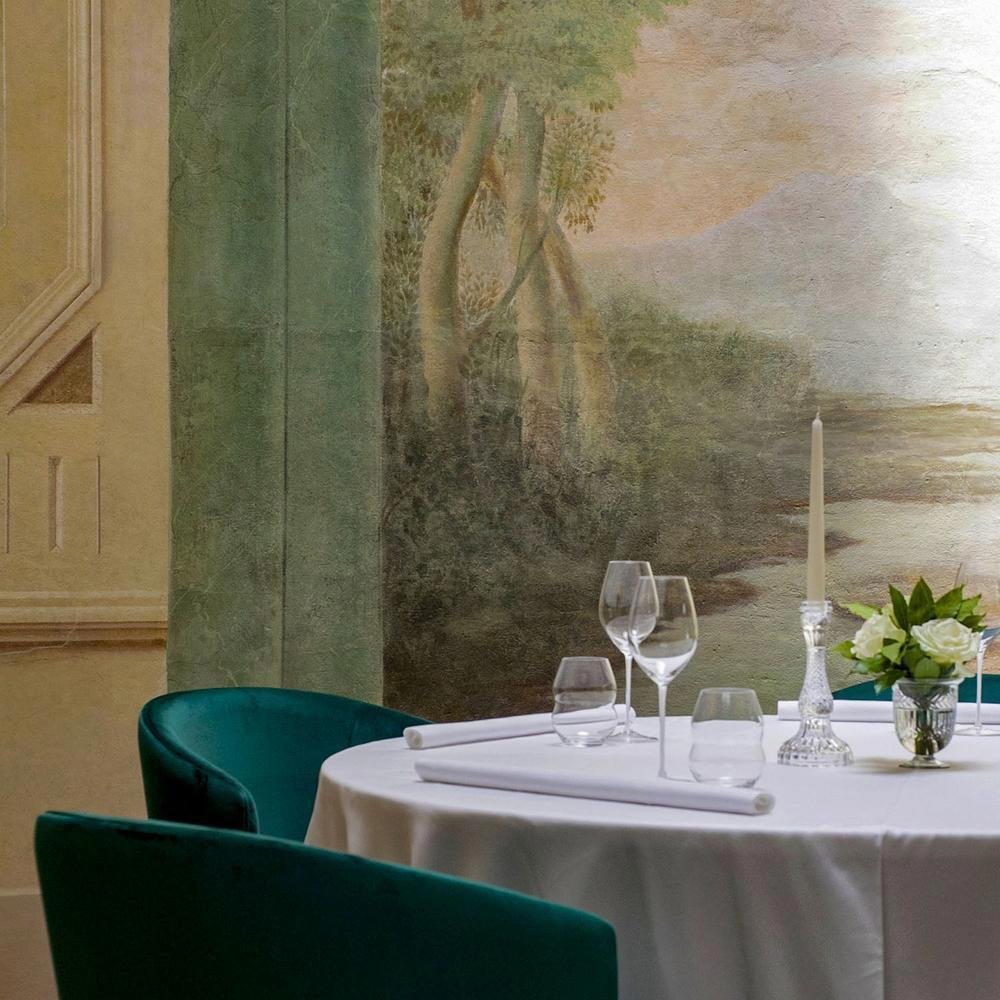
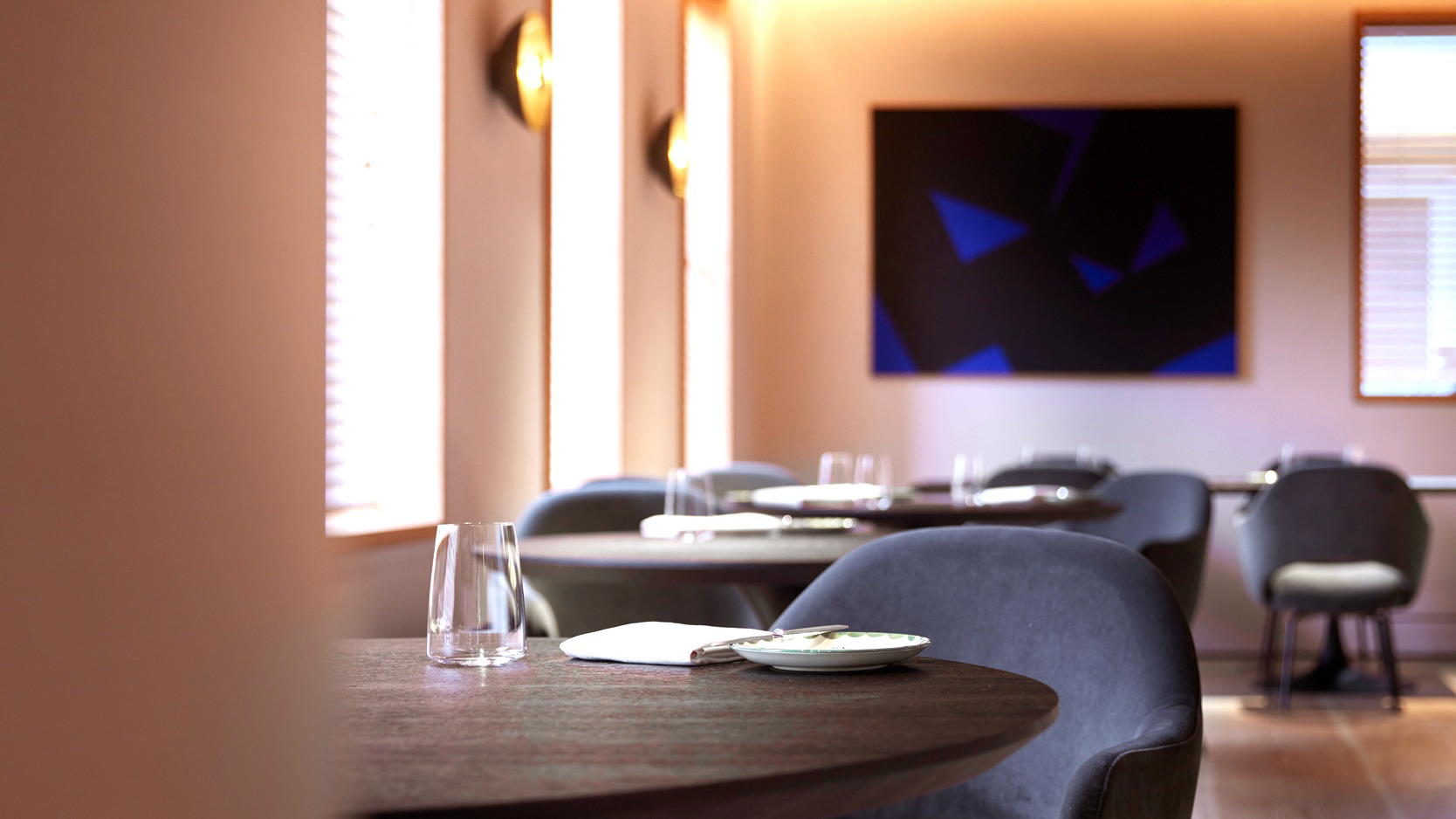
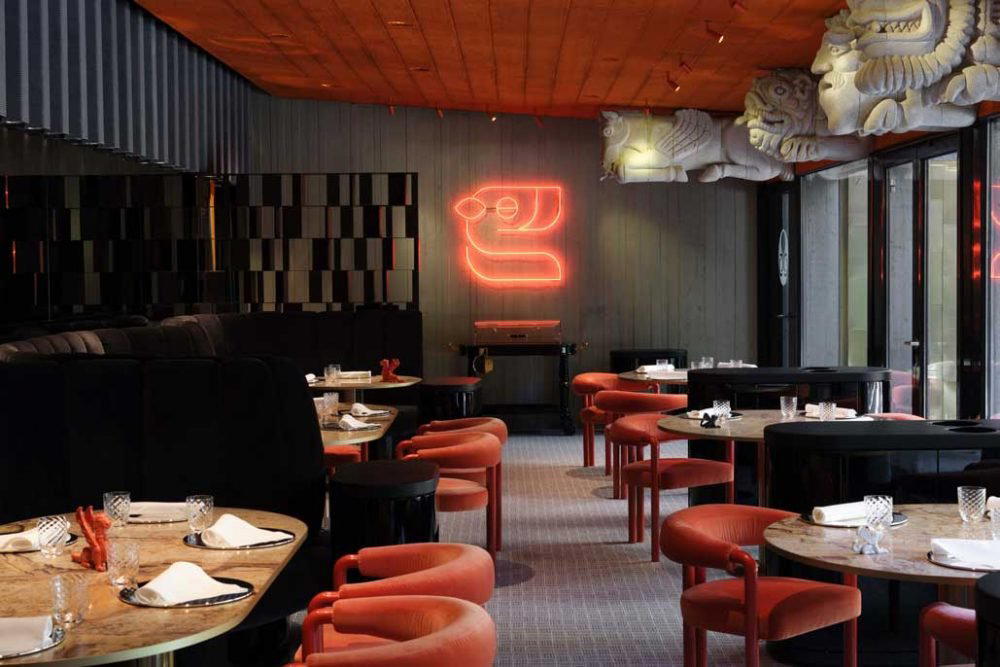
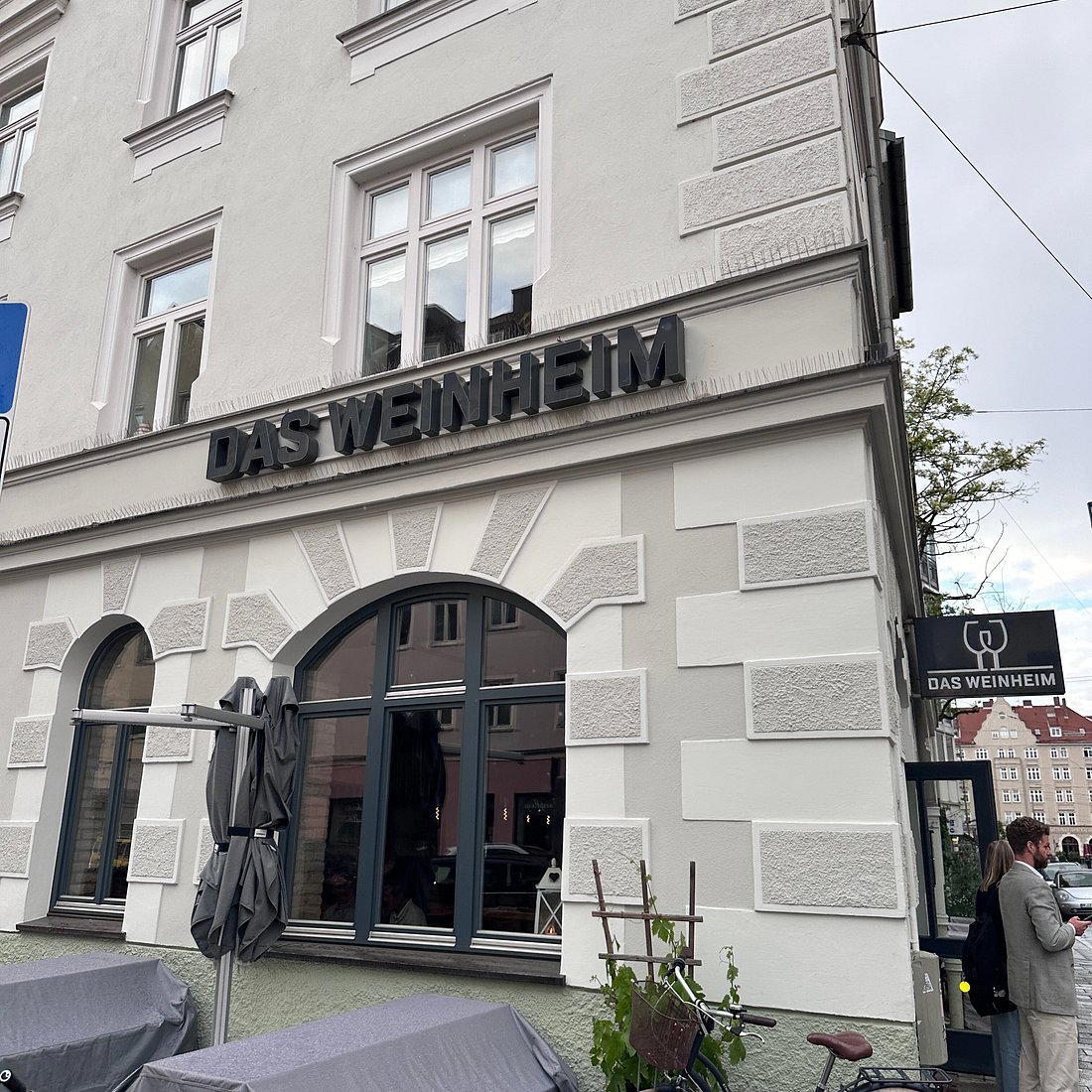

At a Glance
- Modern
- Elegant
- Business Dinner
- Special Occasion
- Brunch
- Hotel Restaurant
- Terrace
- Garden
Current opening hours
- Monday
- 12–2:30 PM, 6–11 PM
- Tuesday
- 12–2:30 PM, 6–11 PM
- Wednesday
- 12–2:30 PM, 6–11 PM
- Thursday
- 12–2:30 PM, 6–11 PM
- Friday
- 12–2:30 PM, 6–11 PM
- Saturday
- 12–2:30 PM, 6–11 PM
- Sunday
- 12–2:30 PM, 6–11 PM
Hours can change for holidays and private events. Last verified .
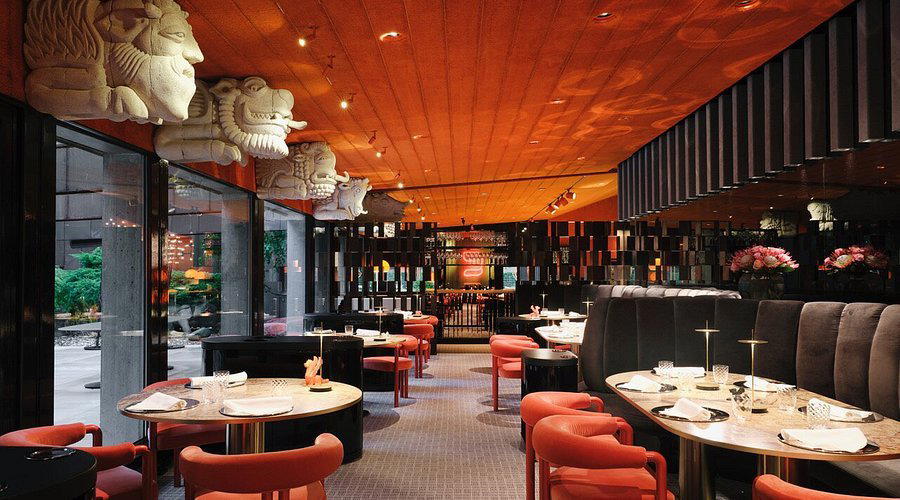
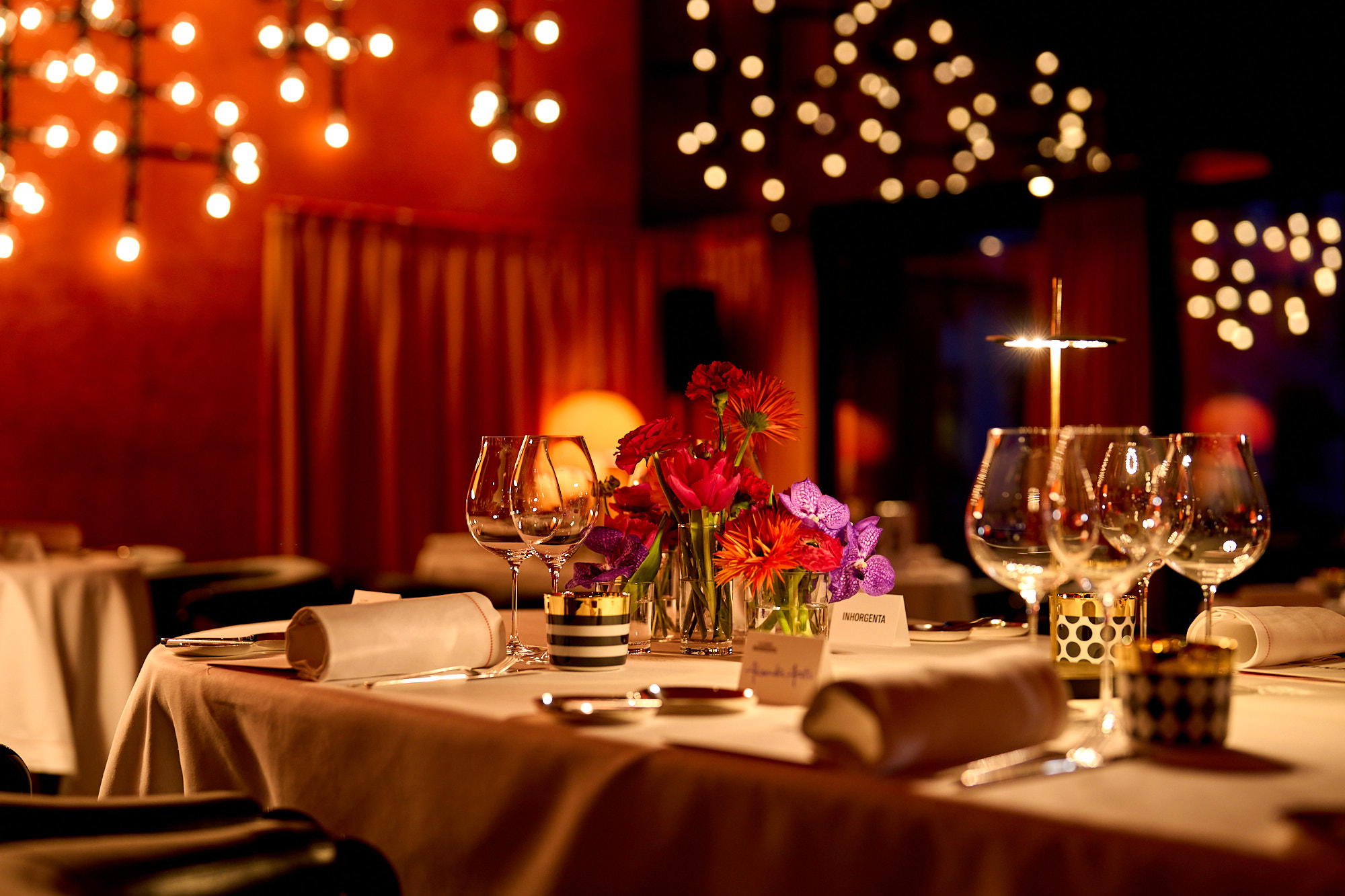
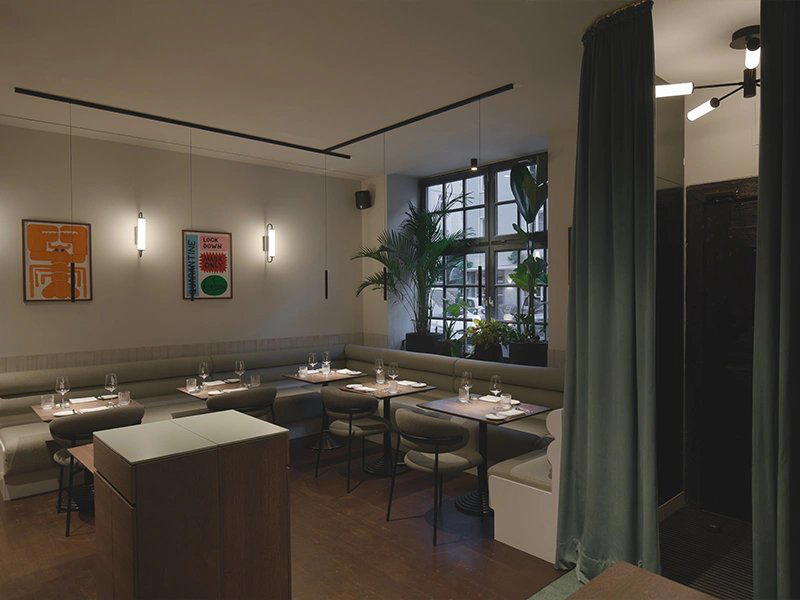
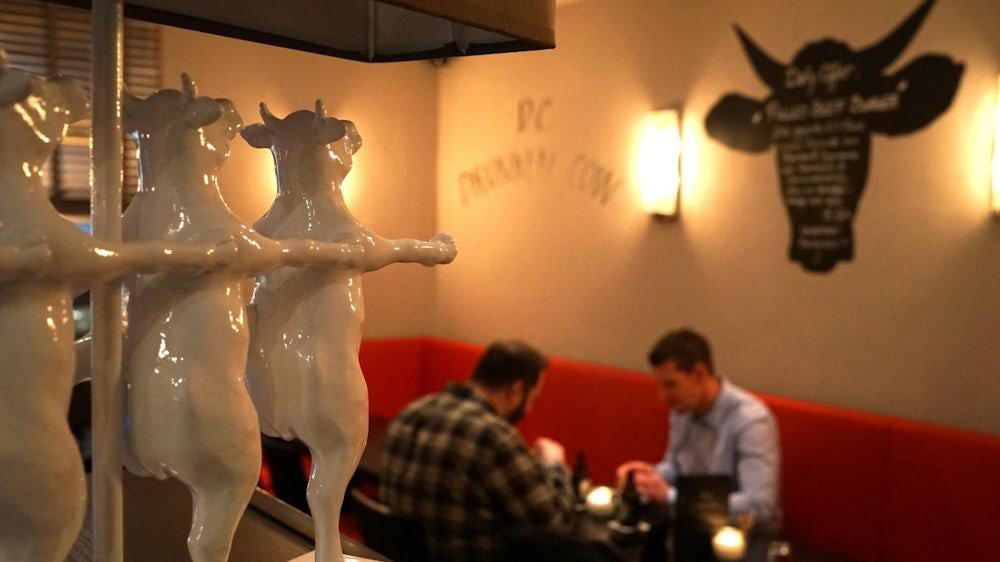
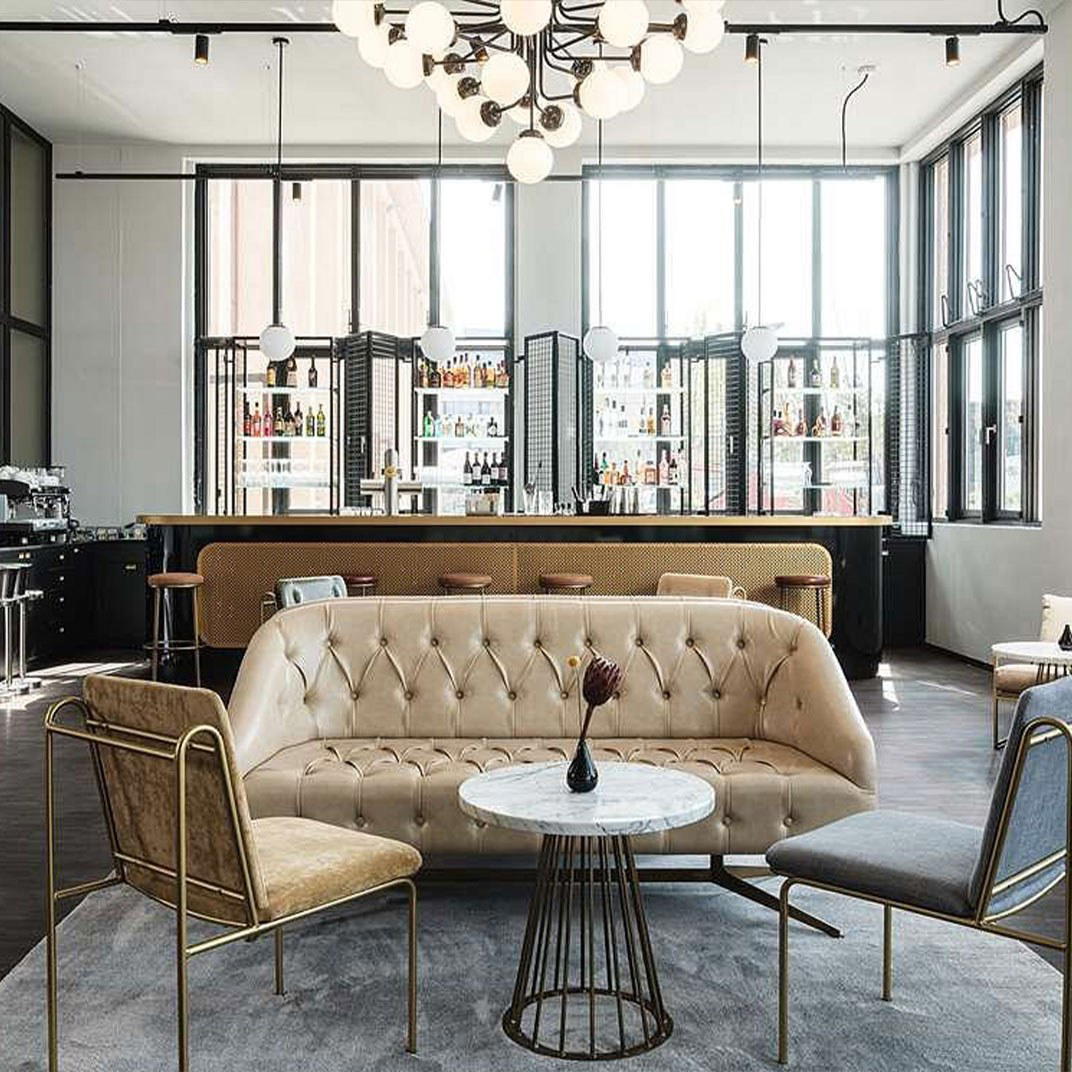
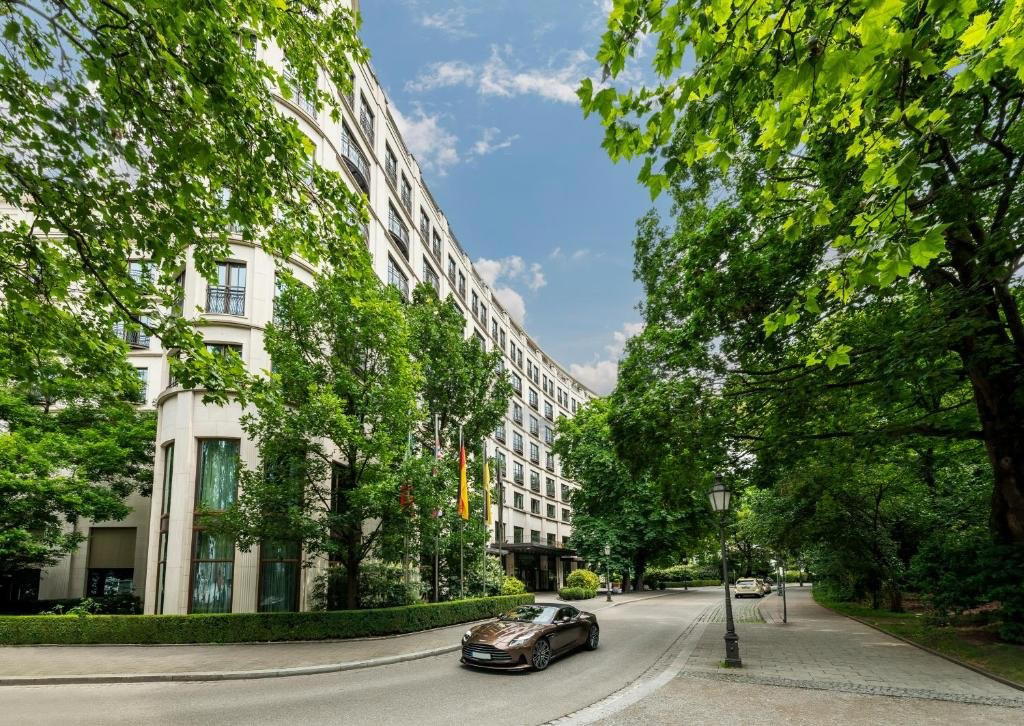
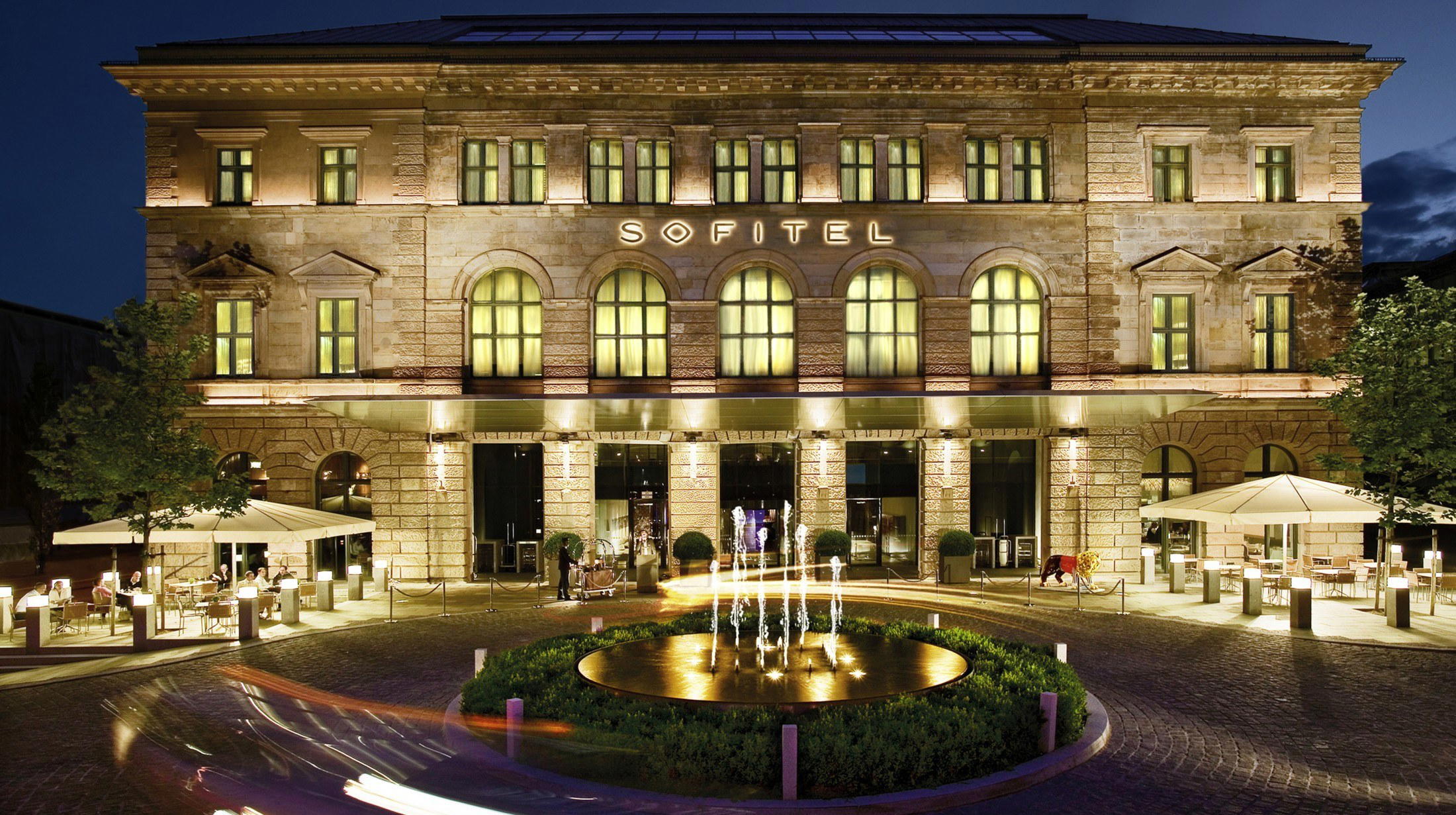
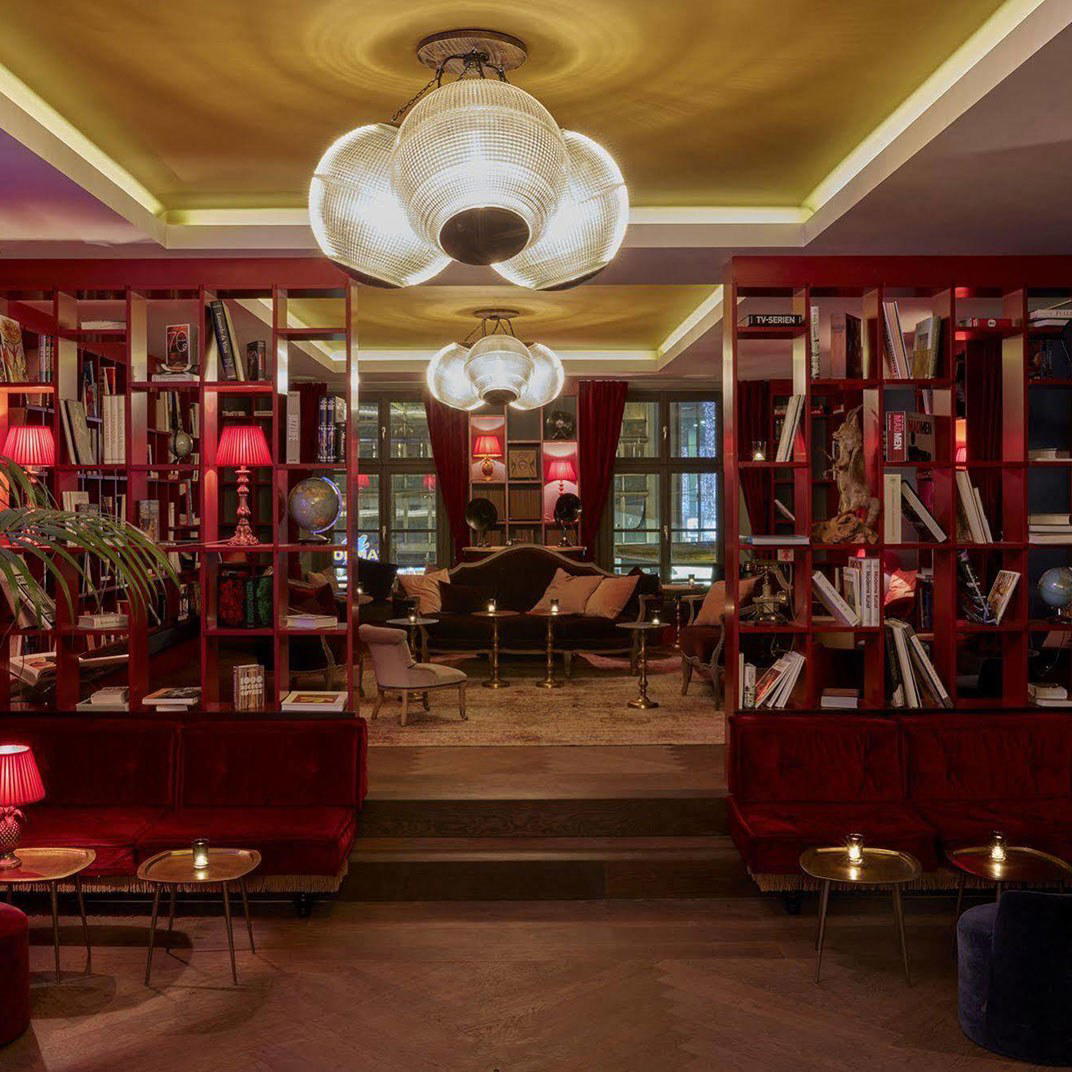
Modern and stylish atmosphere with a terrace providing views of the hotel's garden anlage.