Vínyl Bistro on Hverfisgata 76 occupies a stretch of central Reykjavik that has become one of the city's more consistently interesting dining streets. The bistro format places it in a mid-register tier between Reykjavik's formal tasting-menu rooms and its casual café culture, attracting a crowd that returns more for the room's rhythm than for novelty. For visitors and locals alike, it functions as a reliable anchor in a neighbourhood worth exploring on foot.
- Address
- Hverfisgata 76, 101 Reykjavík, Iceland
- Phone
- +354 537 1332
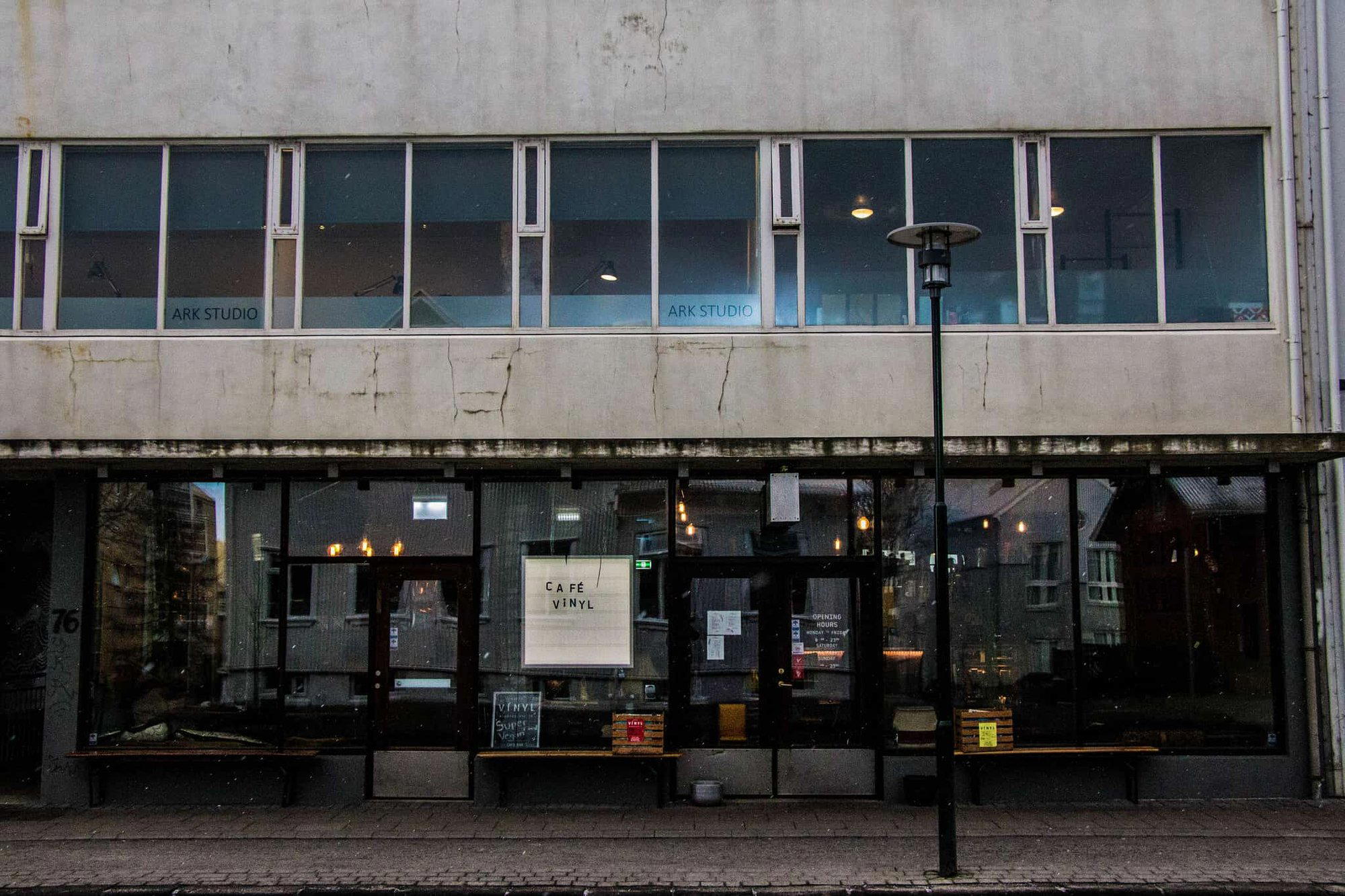
A Street That Earns Its Reputation
Hverfisgata has developed into one of central Reykjavik's more purposeful dining corridors over the past decade, sitting parallel to the main Laugavegur artery without carrying quite the same tourist volume. The address at number 76 places Vínyl Bistro within a stretch where independent operators have clustered, partly because the rents have historically sat below the tourist-facing streets and partly because the foot traffic is more local in composition. That mix of proximity to the centre and relative insulation from peak-season crowds is something Reykjavik regulars understand intuitively, which goes some way toward explaining why the clientele at addresses along this street tends to skew toward people who already know the city rather than those discovering it for the first time.
In a city where the dining scene has compressed its ambitions into a narrow price band at the upper end, venues like Vínyl Bistro occupy a structural gap: the bistro format that feels genuinely inhabited rather than programmed. The name signals something deliberate about atmosphere, a nod to the vinyl-record culture that has accompanied the revival of analogue experience across Northern European cities, where listening bars and record shops have reappeared as a counterweight to digital ubiquity. Whether the music programme is active or ambient in the space is something you confirm on arrival, but the framing is consistent with a broader Nordic hospitality instinct for atmosphere as a first-order concern rather than an afterthought.
Where It Sits in the Reykjavik Dining Tier
Reykjavik's restaurant scene has bifurcated sharply over the past several years. At one end, tasting-menu destinations such as DILL in Reykjavík and the Chef's Table at Moss Restaurant in Iceland command serious advance planning and price points that align them with Scandinavian fine dining internationally. At the other, the city's café and street-food culture, typified by the enduring pull of Bæjarins Beztu Pylsur, keeps the informal end anchored. The bistro tier in between, where the cooking is taken seriously without the architecture of a full tasting sequence, is smaller and more variable in quality than in comparable European cities of similar size.
That variability is precisely what makes the regulars' relationship with a venue like Vínyl Bistro worth examining. In a city with Reykjavik's short seasons and high visitor turnover, the restaurants that build repeat local custom are doing something that tasting-menu-only formats cannot: they are providing a usable rhythm for people who live there. The same logic applies elsewhere in the mid-register: Bergsson Mathús has built its following through a breakfast and lunch format that locals return to weekly rather than seasonally, while Bon Restaurant and Brút each hold a specific niche in the evening economy. Vínyl Bistro's position within that mid-tier, and what specifically distinguishes its offer from those peers, is something that benefits from a visit rather than a summary.
The Regulars and What They Come Back For
The most instructive measure of any bistro is not the first visit but the third. By the third visit, the novelty of the room has settled and what remains is the actual proposition: the consistency of the kitchen, the ease of the service rhythm, the sense that the staff recognise faces without making a performance of it. In smaller cities with highly seasonal visitor patterns, that dynamic is particularly visible, because the regulars are not obscured by constant new arrivals in the way they might be at a destination restaurant in a larger city.
Venues in Reykjavik that attract genuine repeat custom tend to share a few structural features: menus that change with enough frequency to give regulars a reason to return but not so often that the kitchen loses its footing on execution; a price point that makes a mid-week visit feel reasonable rather than occasional; and a physical environment that improves rather than exhausts with familiarity. The vinyl framing at this address suggests an intention to be comfortable rather than transient, a space where the playlist is as considered as the menu rather than simply providing background noise management.
For comparison, the broader pattern of loyal clientele at mid-register Reykjavik bistros reflects a city that has matured significantly from its pre-2010 dining culture, when the restaurant scene was narrower and more dependent on tourism spend. Places like Amma Don illustrate how neighbourhood-facing concepts have carved durable space in a market that often over-indexes on novelty.
Situating the Visit: Practical Context
Hverfisgata 76 is walkable from the main hotel concentration around Laugavegur and from the Hlemmur transport junction, which makes it accessible without requiring a pre-planned route. The bistro format implies a degree of flexibility on timing that a tasting-menu room cannot offer: the expectation is that you arrive, find a table or wait briefly, and settle in rather than arriving on a countdown clock. Whether reservations are taken or walk-ins are the norm is worth confirming directly before visiting, particularly during Iceland's summer high season between June and August, when the city's visitor volume compresses every available seat regardless of format or price tier.
Iceland's dining costs across the board have risen significantly in recent years, driven by imported food costs, a compressed labour market, and the structural expense of operating in a remote island economy. That context frames pricing at any Reykjavik address: what reads as mid-range by Scandinavian standards still represents a meaningful spend by most other benchmarks. Visitors calibrating expectations against comparable experiences at Lazy Bear in San Francisco or Emeril's in New Orleans should factor in the structural cost base of the Icelandic market rather than assuming equivalence.
For those extending a visit beyond the capital, the dining spread across Iceland offers useful contrast: Moss in Grindavík, Fjöruborðið in Stokkseyri, and Friðheimar in Reykholt each illustrate how regional Icelandic dining has developed its own reference points outside the capital.
Price and Positioning
Comparable venues nearby, for context on price, style, and recognition.
| Venue | Cuisine | Price | Awards | Notes |
|---|---|---|---|---|
| Vínyl BistroThis venue — the venue you are viewing | Reykjavíkurborg, Vegan Bistro | $$ | , | |
| Reykjavík Kitchen | $$ | , | Reykjavíkurborg, Traditional Icelandic Seafood & Lamb | |
| Snaps Bistro | $$ | , | Reykjavíkurborg, French-Danish Bistro with Icelandic Ingredients | |
| Hverfisgata 12 | $$$ | , | Reykjavíkurborg, Modern Icelandic Cuisine | |
| Kol Restaurant | Reykjavíkurborg, Modern Icelandic Fusion | $$$ | , | |
| The Laundromat Cafe | Reykjavíkurborg, American Diner & Café | $$ | , |
Continue exploring
More in Reykjavík
Restaurants in Reykjavík
Browse all →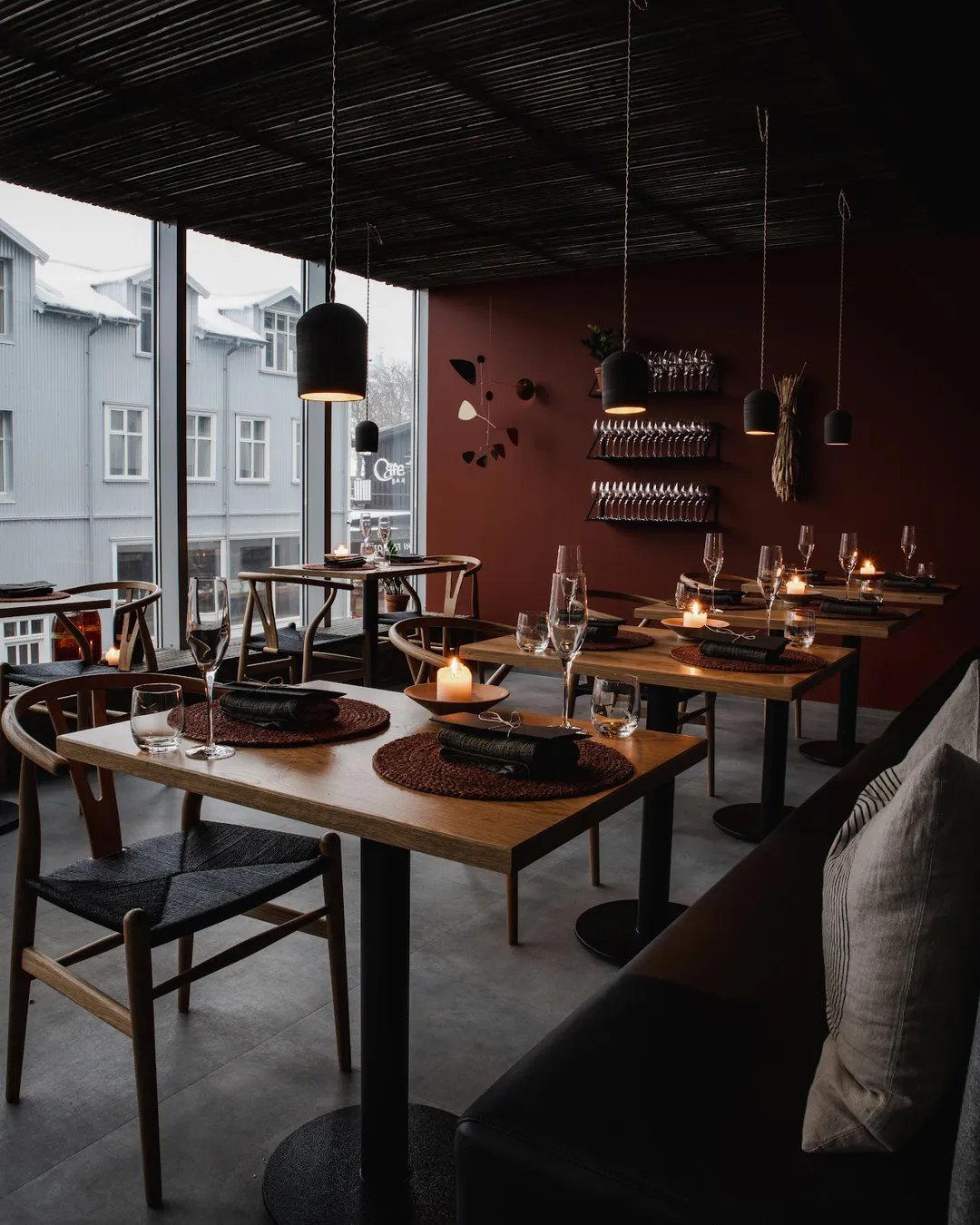
Bars in Reykjavík
Browse all →
Hotels in Reykjavík
Browse all →


Wineries in Reykjavík
Browse all →
At a Glance
- Cozy
- Trendy
- Bohemian
- Rustic
- Casual Hangout
- Live Music
- Craft Cocktails
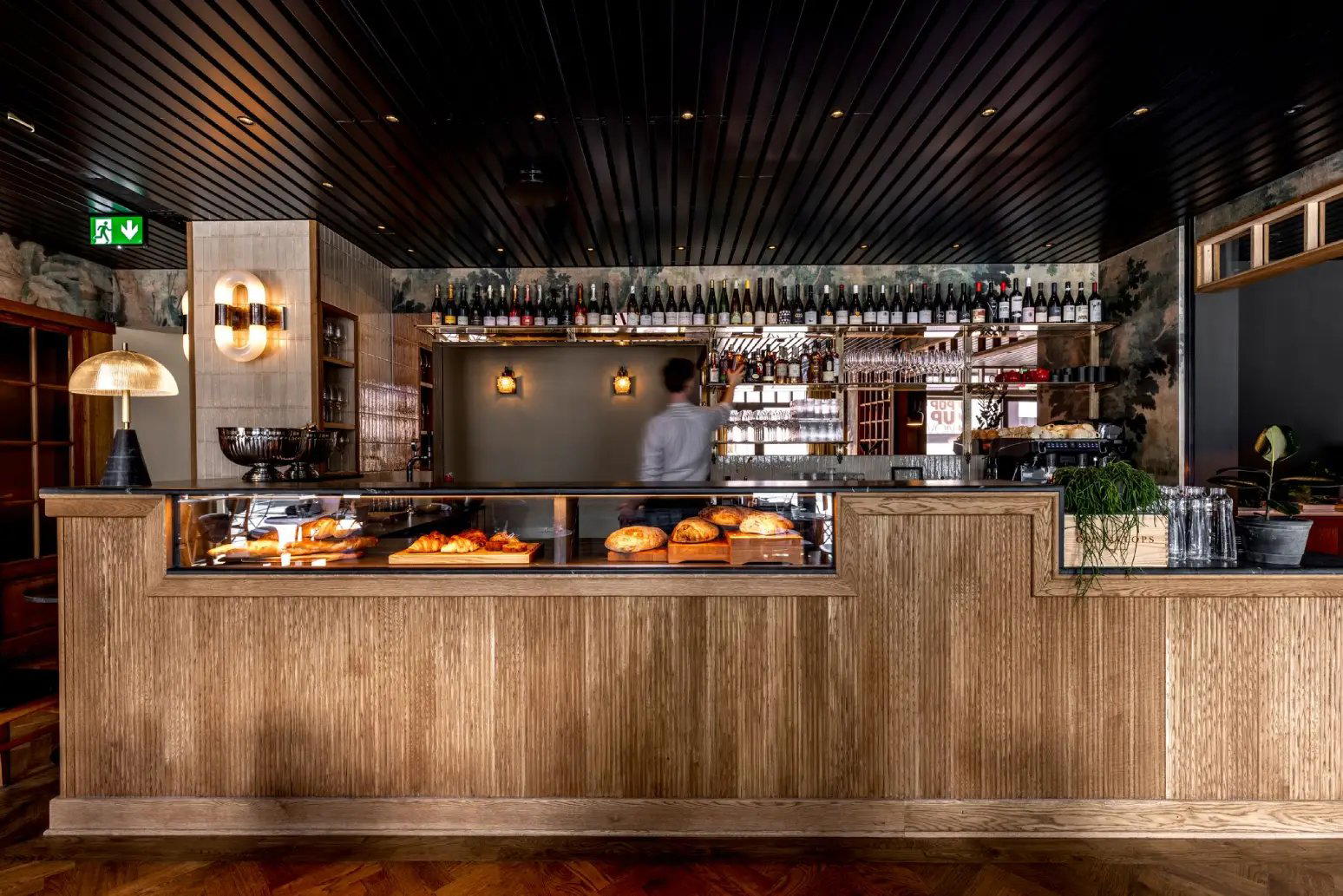
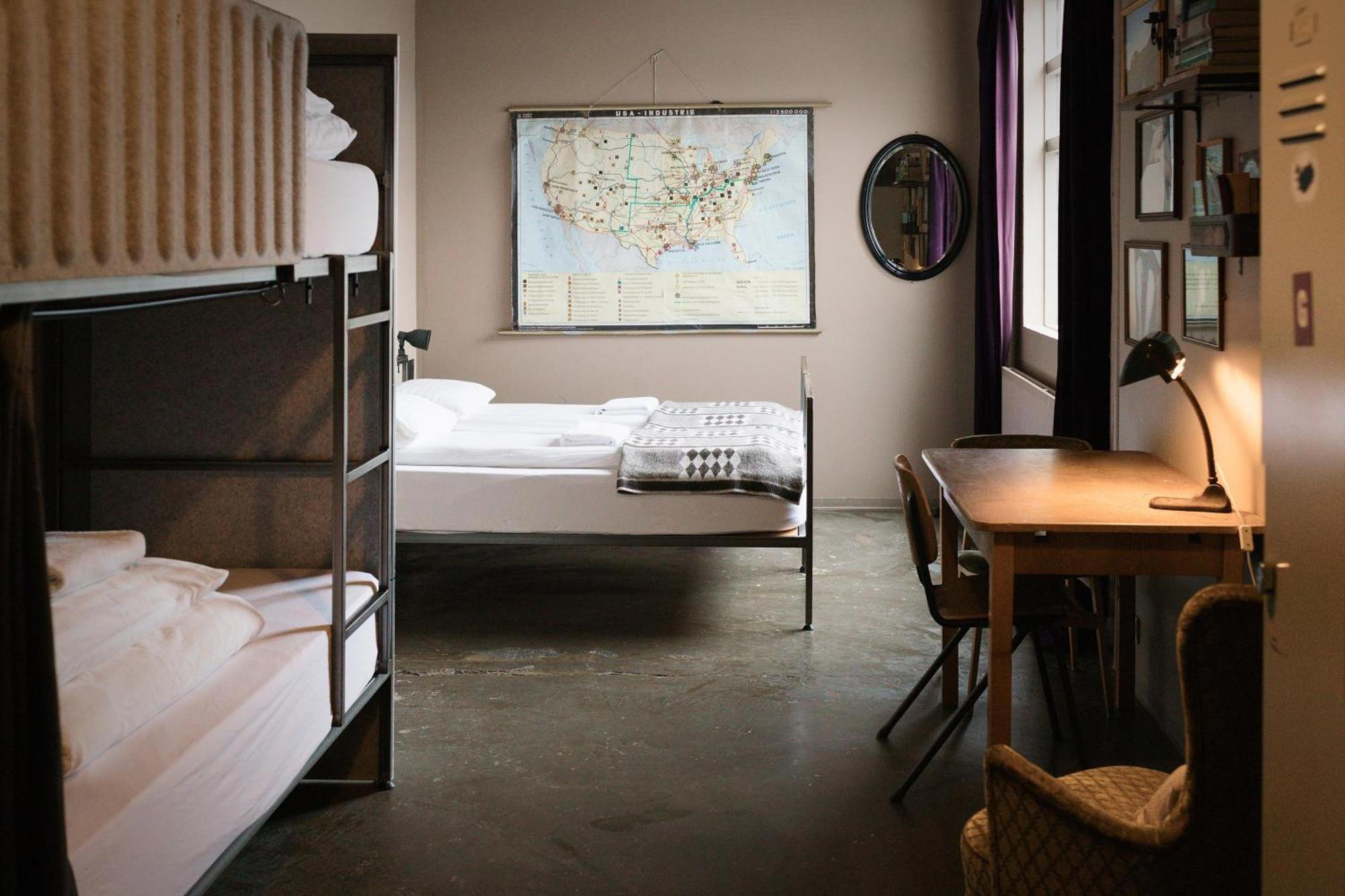
Rustic floors, recycled furniture, hippy vibe with laid-back atmosphere attracting locals and students, occasionally featuring DJs.