Our verdict
In the wine-producing heartland of Fruška Gora, Vinska Kuca Kovacevic operates from Irig's main street as a wine house rooted in the agricultural rhythms of Vojvodina. The address places it squarely in Serbia's most concentrated zone of indigenous grape cultivation, where the relationship between cellar and table is a matter of geography rather than marketing.

Pearl is the En Primeur Club membership app, where members save venues, book tables and use the concierge.
The menu
What to order
- Wine soup
- Veal cheeks with celery puree
- Pear poached in wine
- Forest fantasy chocolate dessert
- Goulash
A Wine Town and Its Cellars
Irig sits at the foot of Fruška Gora, the long ridge that runs through Vojvodina and concentrates some of Serbia's oldest viticultural land. The town itself is small enough that the phrase "wine house" carries a different weight here than it would in a larger Serbian city: in Irig, a vinska kuca is more likely to be an extension of agricultural production than a designed tasting concept. That distinction matters when you are trying to understand where Vinska Kuca Kovacevic fits in the regional picture. On Kralja Petra, the address at number 221 places the property along the main artery that connects Irig's modest centre to the surrounding vineyards and orchards of the national park buffer zone above the town.
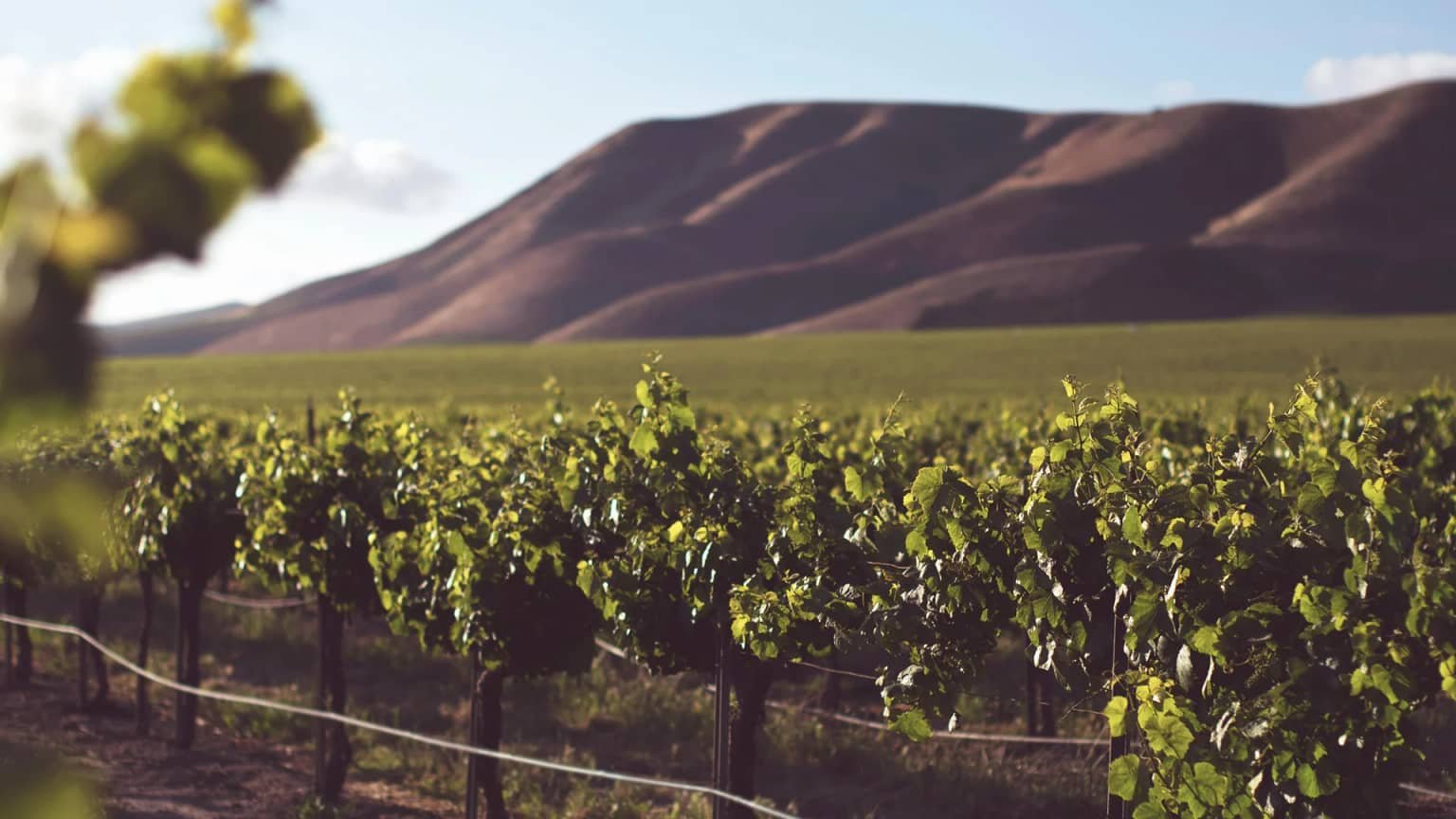
Fruška Gora's wine identity runs deeper than its current domestic profile suggests. The ridge shelters vines from northern winds while allowing sufficient drainage across its slopes, conditions that historically supported monastery viticulture for centuries before commercial wineries arrived. The local varietal tradition includes both Serbian-origin grapes and varietals introduced during periods of Austro-Hungarian agricultural policy, giving producers in the area a choice between regional distinctiveness and more internationally familiar styles. A wine house in Irig operating under a family name like Kovacevic is operating inside that long tradition rather than outside it, anchored to specific parcels and inherited knowledge rather than sourced product.
Fruška Gora and the Logic of Provenance
The editorial angle that makes a venue like this legible to a traveller arriving from Belgrade or Novi Sad is ingredient sourcing in the broadest sense: what comes from this specific hillside, this specific cellar, this specific growing season. Vojvodina's flat agricultural plains to the south produce abundant grain and livestock, but Fruška Gora's slopes are where the terroir argument begins to hold. Wine houses in Irig and the surrounding villages of Grgurevci, Vrdnik, and Neradin draw on fruit grown within a short radius, a constraint that in practice produces more site-specific results than larger regional operations that blend across wider geographies.
For the traveller, this has a practical implication: what you drink in a family wine house in Irig is unlikely to be replicated in Belgrade's restaurant wine lists, even at more ambitious addresses. The gap between a cellar-door pour in Irig and the bottle that eventually reaches a city distributor, if it does at all, is significant. Production at this scale is typically consumed locally or sold directly, which is precisely what makes the visit worthwhile for anyone tracking Serbian wine's quieter registers. Comparable experiences on the Serbian wine circuit include destinations like Etno Kuća Dinar in Vrsac, where agricultural heritage and table culture intersect in a similar format, and Čarda Zlatna Kruna in Apatin, which anchors its offer to the produce of its own Danube geography.
The Scene Around Irig
Irig's dining and wine scene is compact by any measure, and that compactness is part of what defines the visitor experience. The town is not structured around hospitality as an industry in the way that Novi Sad or Vrdnik's spa hotels are. Instead, the offer is distributed across small producers, a handful of restaurants drawing on local agricultural supply chains, and wine houses that bridge the gap between production and consumption. Restoran Vrdnička Kula represents one pole of this local offer, with a more formally structured dining format; Vinska Kuca Kovacevic sits toward the production end of the same spectrum.
Travellers arriving from Novi Sad, roughly 40 kilometres to the northwest, typically treat Irig as part of a day circuit that might include monastery visits at Novo Hopovo or Krušedol, a drive along the Fruška Gora ridge road, and a stop at one or more wine producers. The road conditions and distances within the national park are manageable by car but impractical without one. There is no rail connection to Irig, and bus services from Novi Sad operate on limited schedules. For visitors building a broader itinerary around Serbian regional dining, useful reference points in adjacent cities include Kafe Restoran Maša in Novi Sad, which handles the regional produce conversation at a more urban register.
For those mapping a wider itinerary across Serbia's more rural dining traditions, the pattern that Irig represents recurs in different geographical contexts: Kafana Studenac in Bajina Basta and Kafana Pećinar Ljubiš in Cajetina both anchor their offer to the specific produce of their mountain regions, as does Lovački dom in Valjevo, where game and forest produce define the kitchen's character. Further afield, Etno Podrum Brka in Nis and Kafana Dukat in Pirot extend the same regional logic into southern Serbia's distinctly different agricultural and culinary tradition. The contrast with more urban or internationally framed Serbian dining, such as Langouste in Belgrade, underlines how different the reference points are once you move outside the capital. For reference points from entirely different culinary traditions, Le Bernardin in New York City and Atomix in New York City demonstrate how ingredient provenance operates at the opposite end of the formality and budget spectrum.
Other regional dining contexts in the EP Club network worth cross-referencing include Kod Brana in Cacak, Windmill in Pancevo, Aleksandar Gold in Uzice, Grand in Kopaonik, and Kod poštara in Aran Elovac. Our full Irig restaurants guide covers the broader local picture.
Planning a Visit
The address at Kralja Petra 221, Irig 22406, Serbia, is the reliable starting point for planning. Given the scale of operation typical at wine houses of this type in Vojvodina, calling ahead before visiting is advisable, particularly outside the summer and early autumn harvest season when production activity and visitor hours tend to be more predictable. Visitors arriving as part of a Fruška Gora day trip from Novi Sad would do well to treat the Kovacevic address as the anchor stop of the afternoon rather than the first, allowing time to orient to the town before sitting down at a cellar table.
Frequently asked questions
Where exactly is Vinska Kuca Kovacevic?
Vinska Kuca Kovacevic is located at Kralja Petra 221, Irig 22406, Serbia, Irig.
Is Vinska Kuca Kovacevic worth visiting as a day trip from Novi Sad?
Irig sits in the Fruška Gora foothills of Vojvodina, a wine region with documented viticultural history stretching back centuries, making it a logical extension of any Novi Sad itinerary focused on Serbian wine culture. Vinska Kuca Kovacevic is located at Kralja Petra 221 in Irig, placing it within the town's concentrated wine-house corridor. The cellar format is typical of the region's producer-direct model, where visiting the source is the point rather than a supplementary activity.
What's the best thing to order at Vinska Kuca Kovacevic?
What is clear from the venue's positioning in Irig is that Fruška Gora grape varieties form the backbone of any serious cellar in this town. Contact Vinska Kuca Kovacevic directly at Kralja Petra 221 to ask what is currently pouring and whether food accompaniments are available.
Do they take walk-ins at Vinska Kuca Kovacevic?
Wine houses along Fruška Gora vary considerably, some operate by appointment only, others receive visitors without prior arrangement, particularly outside harvest season. Arriving without a reservation in a town as compact as Irig carries some risk; reaching out in advance via the address at Kralja Petra 221 is the practical approach.
Comparison Snapshot
Comparable venues nearby, for context on price, style, and recognition.
| Venue | Cuisine | Price | Notes |
|---|---|---|---|
| Vinska Kuca KovacevicThis venue (the venue you are viewing) | Traditional Serbian with Wine Pairing | $20–30 | Not listed |
| RESTORAN VRDNIČKA KULA | Authentic Serbian | $20–30 | Fruška Gora |
| Restaurant Venice | Mediterranean Seafood | $30–50 | Zemun |
| TAURUS | Mediterranean Steakhouse | Not listed | Adamovićevo naselje |
| Panta Rei Restoran | Modern Mediterranean with International Influences | $30–50 | Dorćol |
| Bloom | Mediterranean Brunch Cafe | $10–20 | Dorćol |
Continue exploring
More in Irig
Restaurants in Irig
All restaurants in Irig →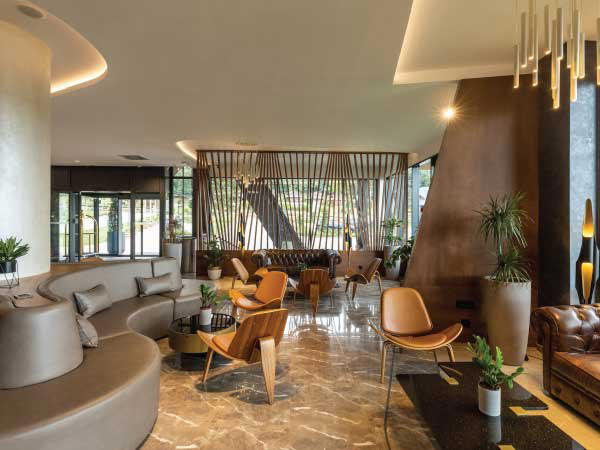
Bars in Irig
Browse all →

Vinska Kuca Kovacevic
The wine
- Wine program
- Deep wine list
- Extensive wine list
- Sommelier-led
Details
- Romantic
- Elegant
- Scenic
- Sophisticated
- Cozy
- Date Night
- Special Occasion
- Celebration
- Group Dining
- Business Dinner
- Wine Cellar
- Private Dining
- Terrace
- Garden
- Panoramic View
- Standalone
- Extensive Wine List
- Sommelier Led
- Local Sourcing
- Farm To Table
- Mountain
- Vineyard
- Garden
- A La Carte
- Tasting Menu
- Wine
- Sparkling Wine
- Vegetarian Friendly
- Vegan Options
- Gluten Free Options
Current opening hours
- Monday
- 8 AM–11 PM
- Tuesday
- 8 AM–11 PM
- Wednesday
- 8 AM–11 PM
- Thursday
- 8 AM–11 PM
- Friday
- 8 AM–11 PM
- Saturday
- 8 AM–11 PM
- Sunday
- 8 AM–11 PM
Hours can change for holidays and private events. Hours as of .
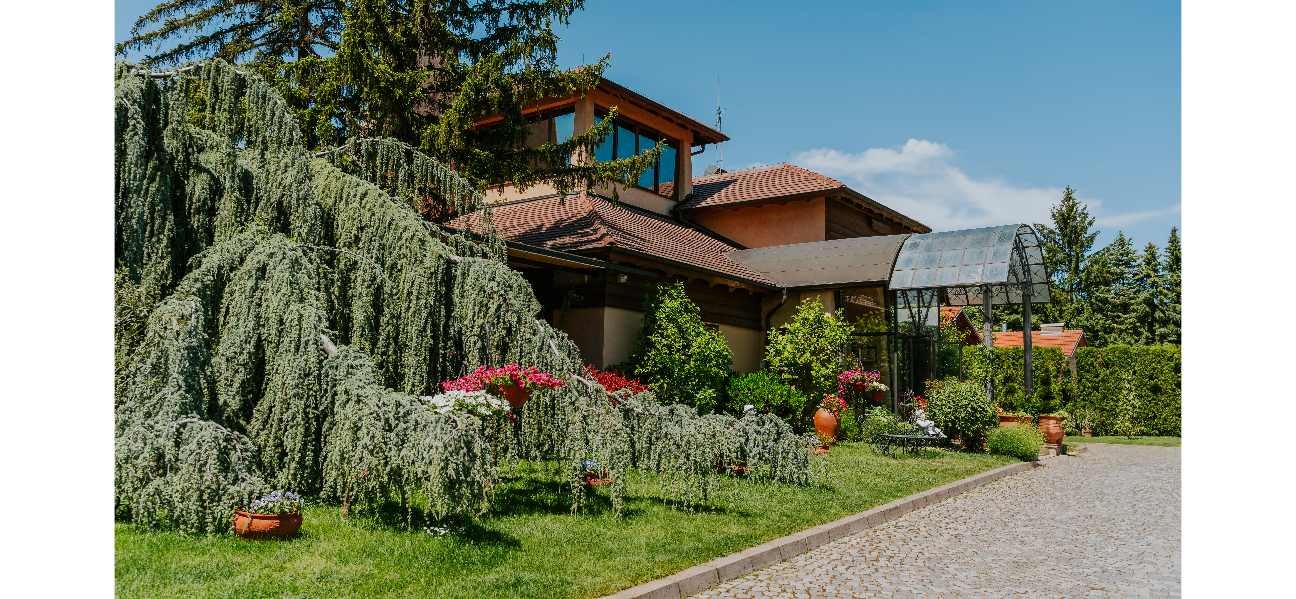
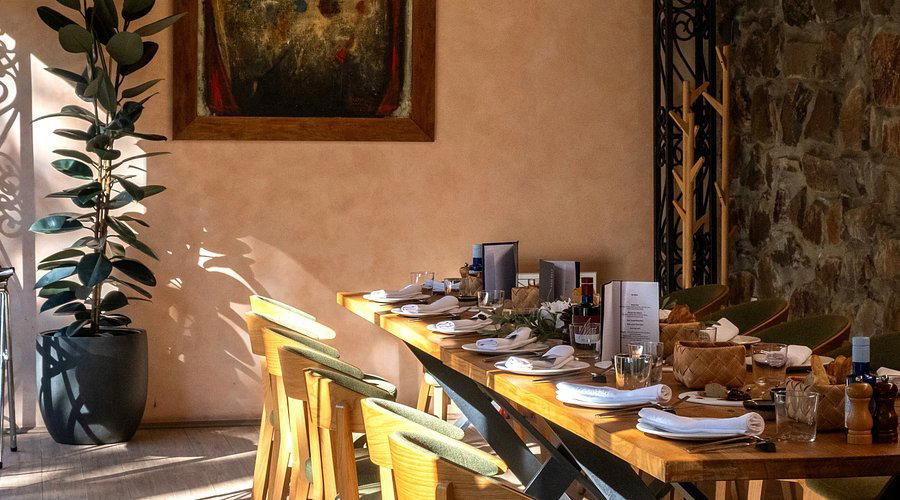
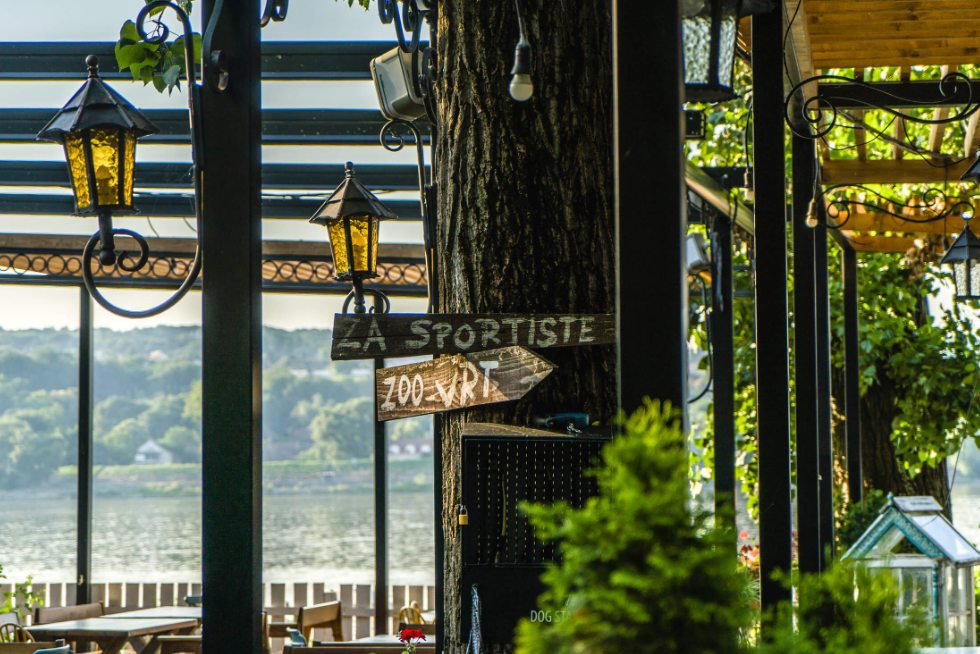
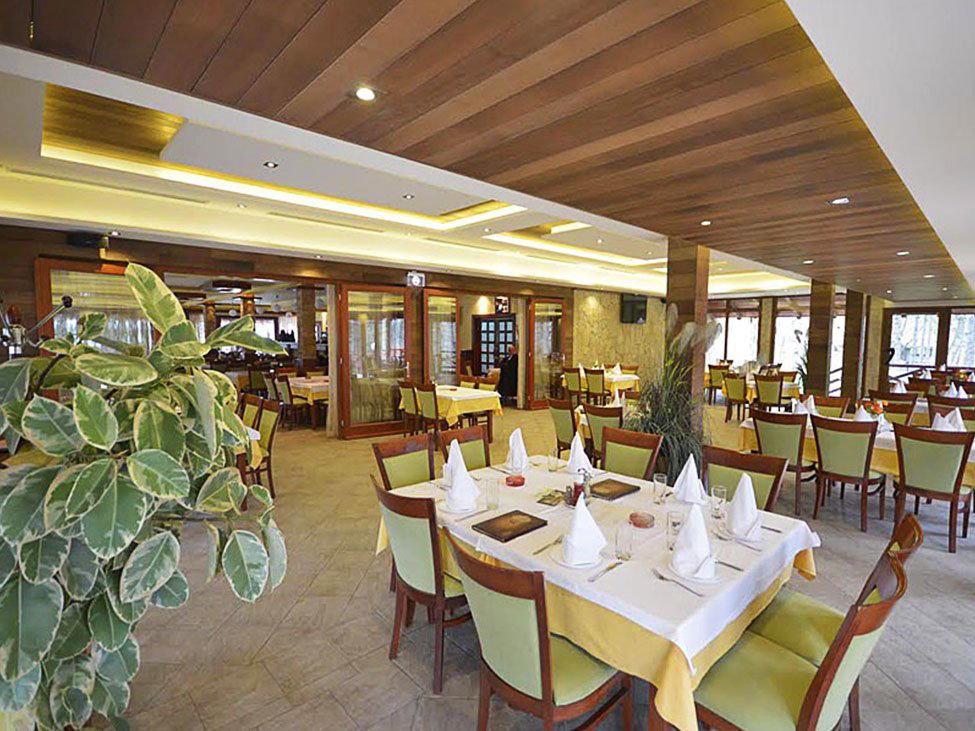
Warm, welcoming, and sophisticated with elegant white linens, retro touches, interesting sculptures, chandeliers, and a winter garden; multiple beautifully decorated dining rooms with views of surrounding mountains and forest.