On the Paseo de Catalina de Ribera, Vineria San Telmo occupies a stretch of Seville's Casco Antiguo where wine bars operate as a serious medium rather than a casual afterthought. The address places it inside one of the city's most visited historic corridors, making it a practical anchor for visitors moving between the Alcázar gardens and the Barrio de Santa Cruz.
Pearl is the En Primeur Club membership app — saves, bookings, and concierge access live there. Same editors, same standards.
- Address
- P.º de Catalina de Ribera, 4, Casco Antiguo, 41004 Sevilla, Spain
- Phone
- +34 954 41 06 00
- Website
- vineriasantelmo.com
- Directions
- Get directions
 Saves & bookings on Pearl
A Wine Bar in the Right Part of Town
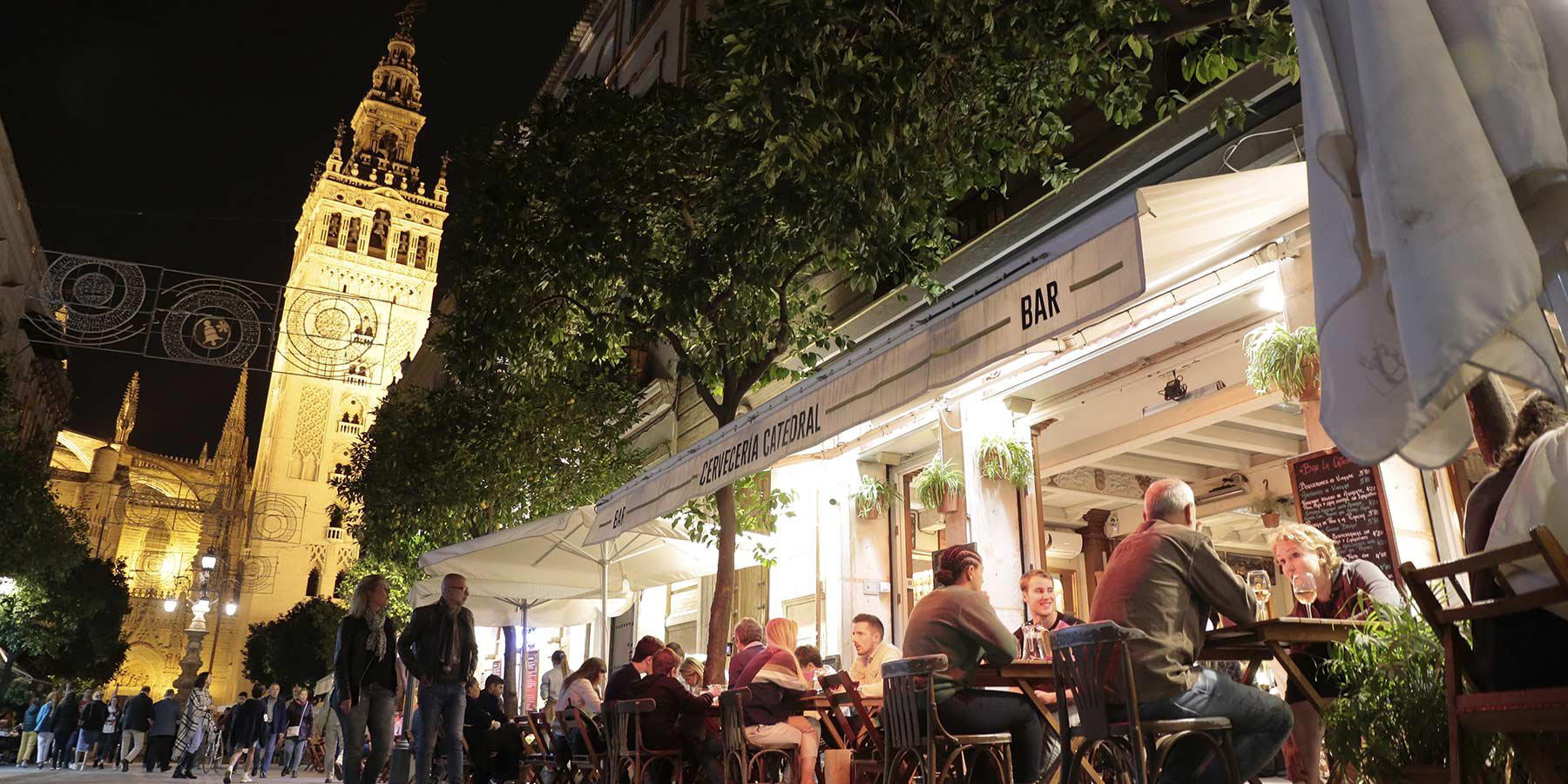
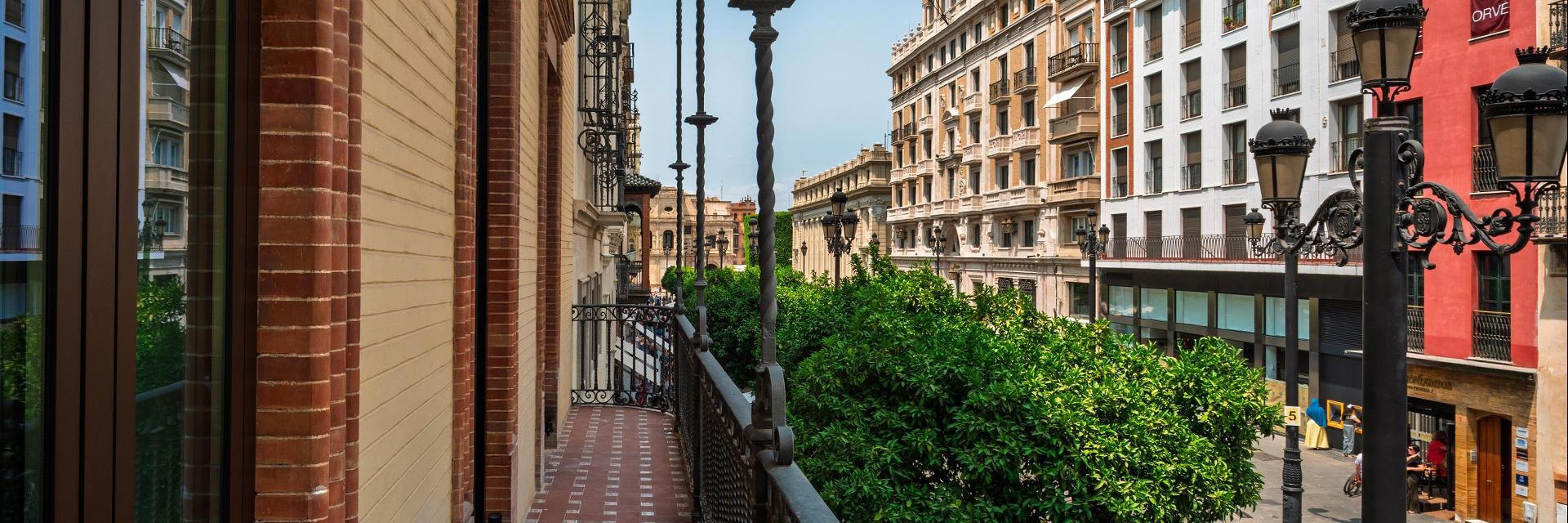
The Paseo de Catalina de Ribera runs along the outer wall of the Real Alcázar gardens, shaded by orange trees and worn smooth by centuries of foot traffic. It is the kind of address that Seville's hospitality trade has always understood: visible enough to draw passing trade, dignified enough to hold a serious room. Vineria San Telmo sits at number four on that paseo, inside the Casco Antiguo, where the density of bars and restaurants is high but the median quality of wine programming varies considerably.
Seville's wine bar scene has matured in ways that parallel shifts in other Andalusian cities. A decade ago, most neighbourhood bars treated wine as an afterthought to cold beer and manzanilla poured from unlabelled bottles. The newer category of vineria, borrowed in form if not always in spirit from the Italian model, stakes its identity on a curated list where provenance and producer matter. The better examples in the city function as entry points into Spanish regional wine for visitors who arrive knowing Rioja and leave with a working knowledge of Palomino Fino, Cañamero, or Moriles-Montilla. Where Vineria San Telmo sits precisely within that spectrum is something the address alone cannot answer, but the location signals ambition.
Seville's Dining Tier and Where a Vineria Fits
To understand Vineria San Telmo's position, it helps to map the broader dining architecture of Seville. At the upper end sits Abantal, the city's Michelin-starred address for modern Spanish and creative cooking, where tasting menus frame Andalusian produce through a contemporary lens. Seafood authority belongs to Cañabota, which has built a reputation for fish sourced from Atlantic Andalusia and paired with a serious cellar. At the grill end of the spectrum, Almansa Pasión and Brasas operates as an asador with conviction. Contemporary formats find expression at addresses like Az-Zait and Balbuena y Huertas. The vineria occupies a different register from all of these: it is the format that most directly invites lingering over glass pours rather than structured courses, and it serves a function in any city's dining ecosystem that no tasting menu restaurant can replace.
Spain's national wine bar culture has its own well-documented geography. In the north, pintxos bars in San Sebastián, home to Arzak, operate on a standing-room model where the pour arrives before the snack is chosen. In Basque Country more broadly, where Azurmendi and Mugaritz represent the apex of fine dining, the everyday bar tradition runs in parallel as a separate but equally serious institution. Andalusia's equivalent is rooted in sherry country, and the vineria format that has taken hold in Seville draws on that heritage even when the list extends well beyond Jerez.
The Logistics of Visiting in Seville's Historic Core
Booking strategy in Seville's Casco Antiguo depends heavily on season and day of week. The city receives a sustained surge of visitors between March and June, when the combination of Semana Santa, the Feria de Abril, and spring temperatures makes Seville among the more heavily trafficked destinations in southern Europe. During those weeks, any address on a tourist-adjacent street like the Paseo de Catalina de Ribera fills early and turns tables at pace. Walking in without a reservation carries meaningful risk from April through May and again in September and October, when a secondary surge of post-summer visitors arrives.
For a wine bar operating at street level with walk-in traffic as part of its model, the dynamics differ from a restaurant requiring advance booking several weeks out, as the multi-Michelin kitchens elsewhere in Spain tend to require. Quique Dacosta, Martin Berasategui, or El Celler de Can Roca operate on booking windows measured in months. A Seville vineria operates on a different logic, but that does not mean planning is unnecessary. Arriving at peak evening hours, between 9pm and 11pm in Andalusian custom, without an understanding of the venue's capacity or reservation approach is the kind of oversight that turns a planned evening into a wait on a warm pavement.
The address is walkable from the main tourist cluster: the Alcázar, the Cathedral, and the Barrio de Santa Cruz are all within a short radius of Paseo de Catalina de Ribera 4. That proximity is an asset in terms of incorporating the visit into a broader day in the Casco Antiguo, but it also means the surrounding streets are rarely quiet. The evening pace in this part of Seville is different from, say, the Triana neighbourhood across the river, where the crowd skews more local and the rhythm of eating and drinking is less shaped by tourist schedules.
Spain's Wine Bar Format in European Context
The European wine bar has undergone a significant shift in the past fifteen years. Cities from London to Barcelona have moved away from the informal model, where a list existed mainly to support food sales, toward a format where the cellar is the primary editorial statement and the kitchen's output is designed to complement glass pours. In Barcelona, where Cocina Hermanos Torres represents one pole of the city's dining ambition, neighbourhood wine bars have developed a complementary role as accessible high-quality spaces. In Madrid, where DiverXO dominates critical attention, the wine bar tier serves a different but equally important function for the city's daily restaurant culture.
In Seville, that evolution is further shaped by proximity to sherry country. The Denominación de Origen Jerez-Xérès-Sherry lies roughly 80 kilometres southwest of the city, and the vinegar, brandy, and manzanilla producers of Sanlúcar de Barrameda sit even closer. A Seville vineria that does not engage seriously with those appellations is making a choice, not an oversight. Further afield, Aponiente in El Puerto de Santa María, Ángel León's three-Michelin-star seafood address, operates just down the coast in the same sherry triangle, reinforcing how interconnected Andalusia's premium food and drink culture has become.
The comparison set for a Seville vineria extends internationally, too. The format shares DNA with wine-focused bars in cities like Valencia, where Ricard Camarena anchors the city's fine dining but smaller neighbourhood bars carry the daily wine conversation, and even with celebrated formats in other markets such as Le Bernardin's city in New York or the communal-table model used by Lazy Bear in San Francisco, both of which show how format discipline shapes the guest experience as much as any individual dish.
For a fuller picture of where Vineria San Telmo sits within Seville's dining and drinking options, the EP Club Seville guide maps the city by neighbourhood, price tier, and format type.
How Vineria San Telmo Seville compares with similar nearby venues.
| Venue | Cuisine | Price |
|---|---|---|
| Abantal | Modern Spanish, Creative | €€€€ |
At a Glance
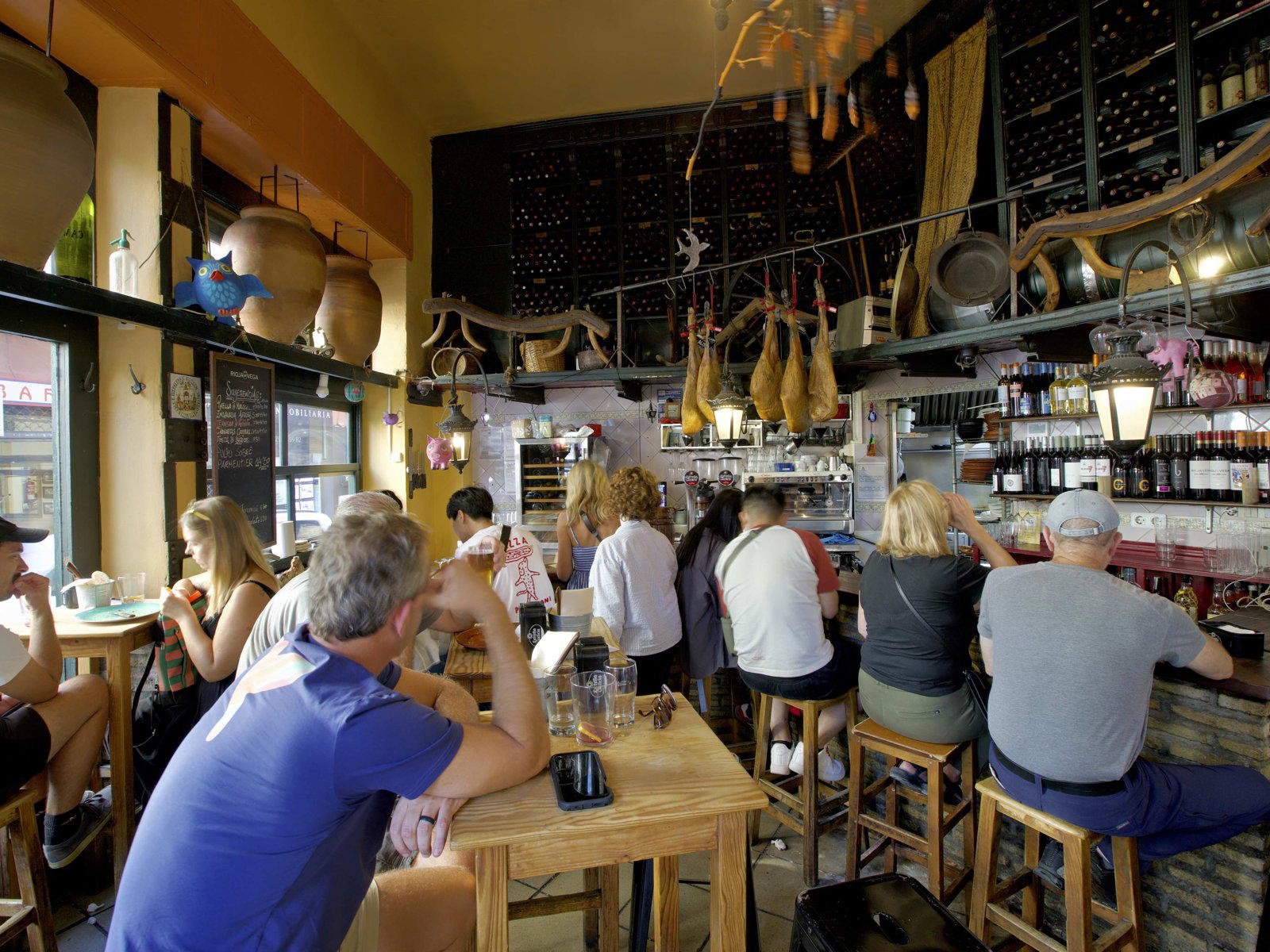
- Lively
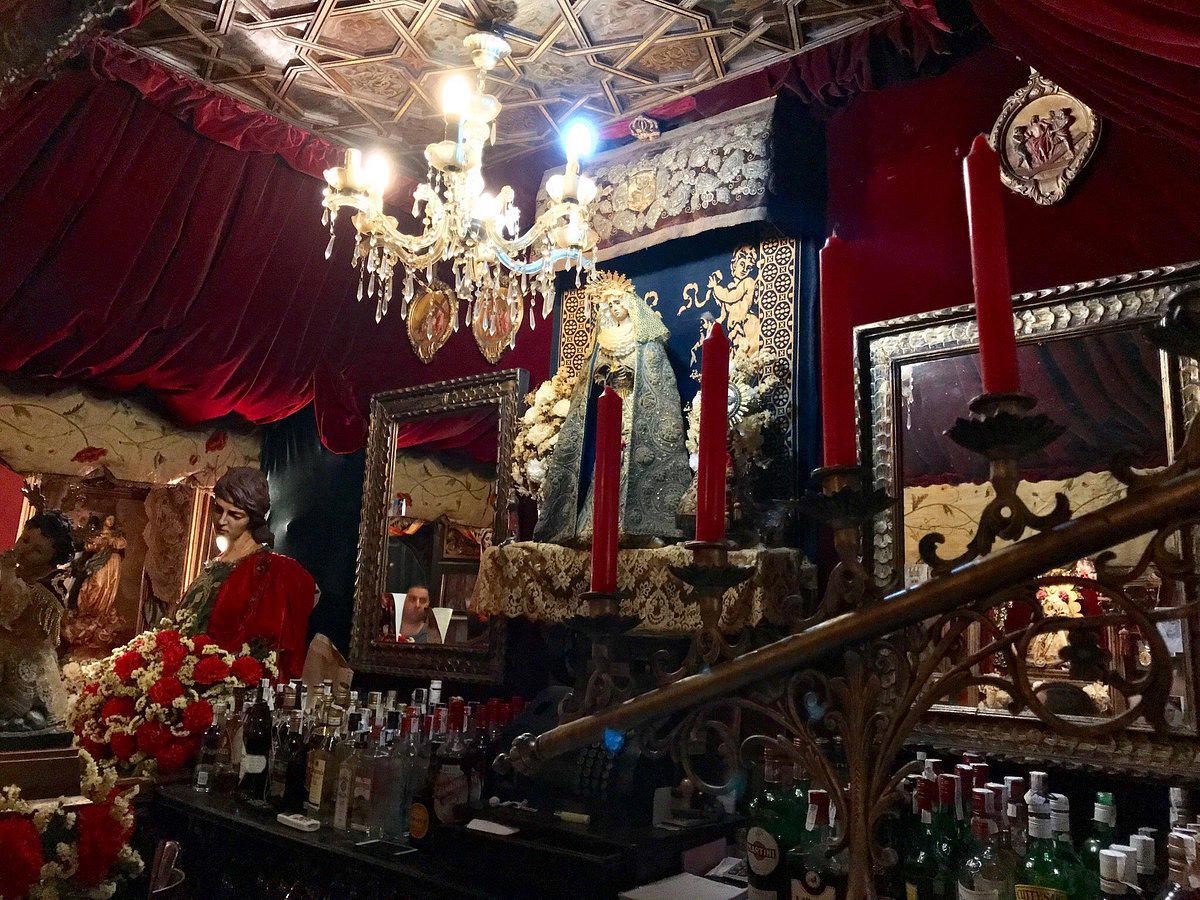
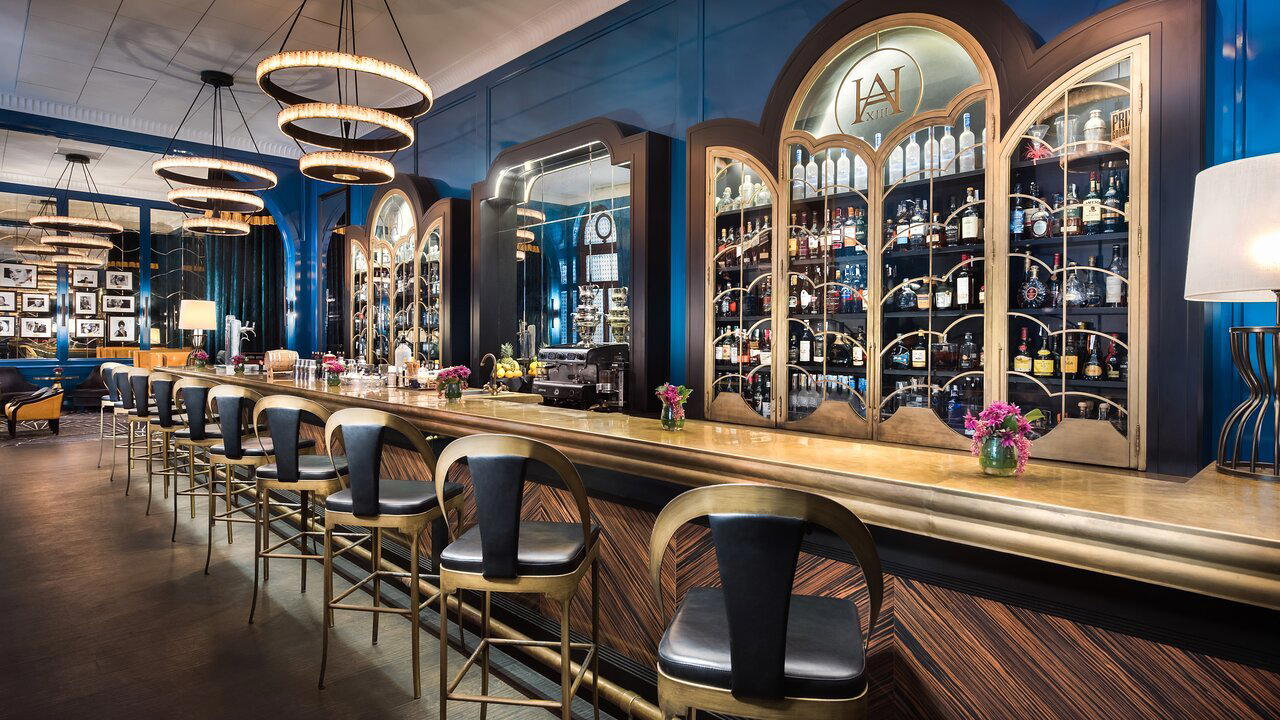
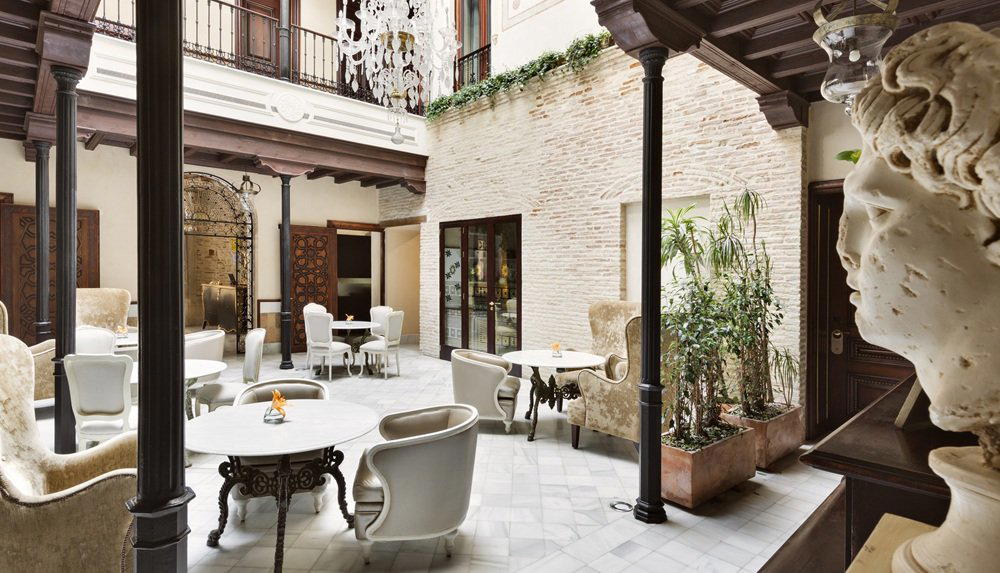
- Elegant
- Cozy
- Date Night
- Casual Hangout
- Special Occasion
- Wine Cellar
- Extensive Wine List
- Street Scene
Current opening hours
- Monday
- 10 AM–5 PM, 7 PM–12 AM
- Tuesday
- 10 AM–5 PM
- Wednesday
- 10 AM–5 PM, 7 PM–12 AM
- Thursday
- 10 AM–5 PM, 7 PM–12 AM
- Friday
- 10 AM–5 PM, 7 PM–12 AM
- Saturday
- 10 AM–12 AM
- Sunday
- 10 AM–12 AM
Hours can change for holidays and private events. Last verified .
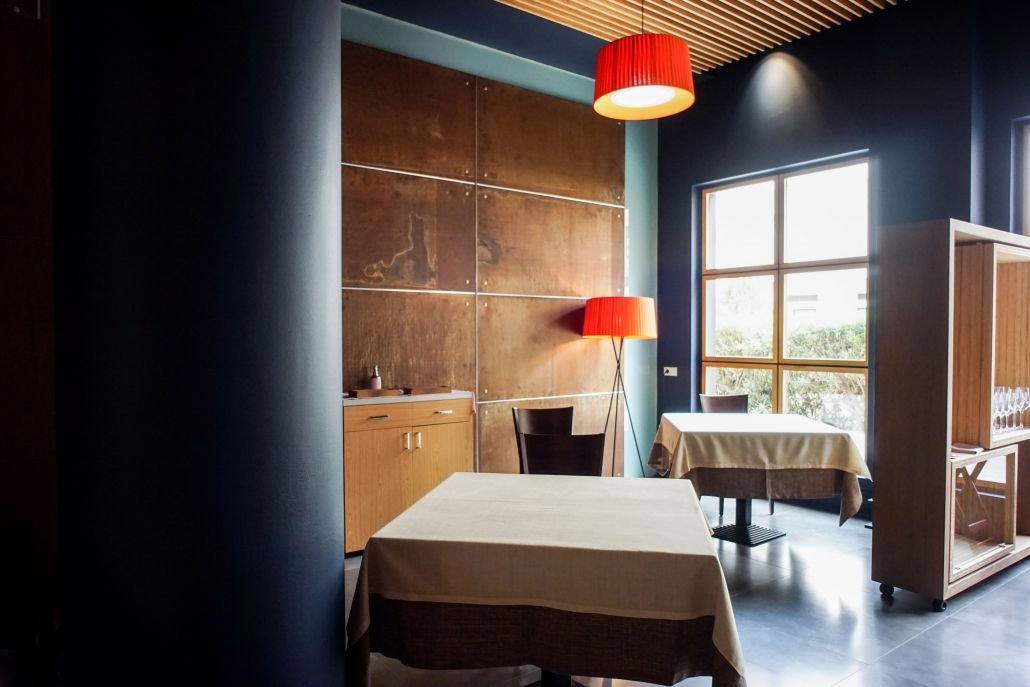
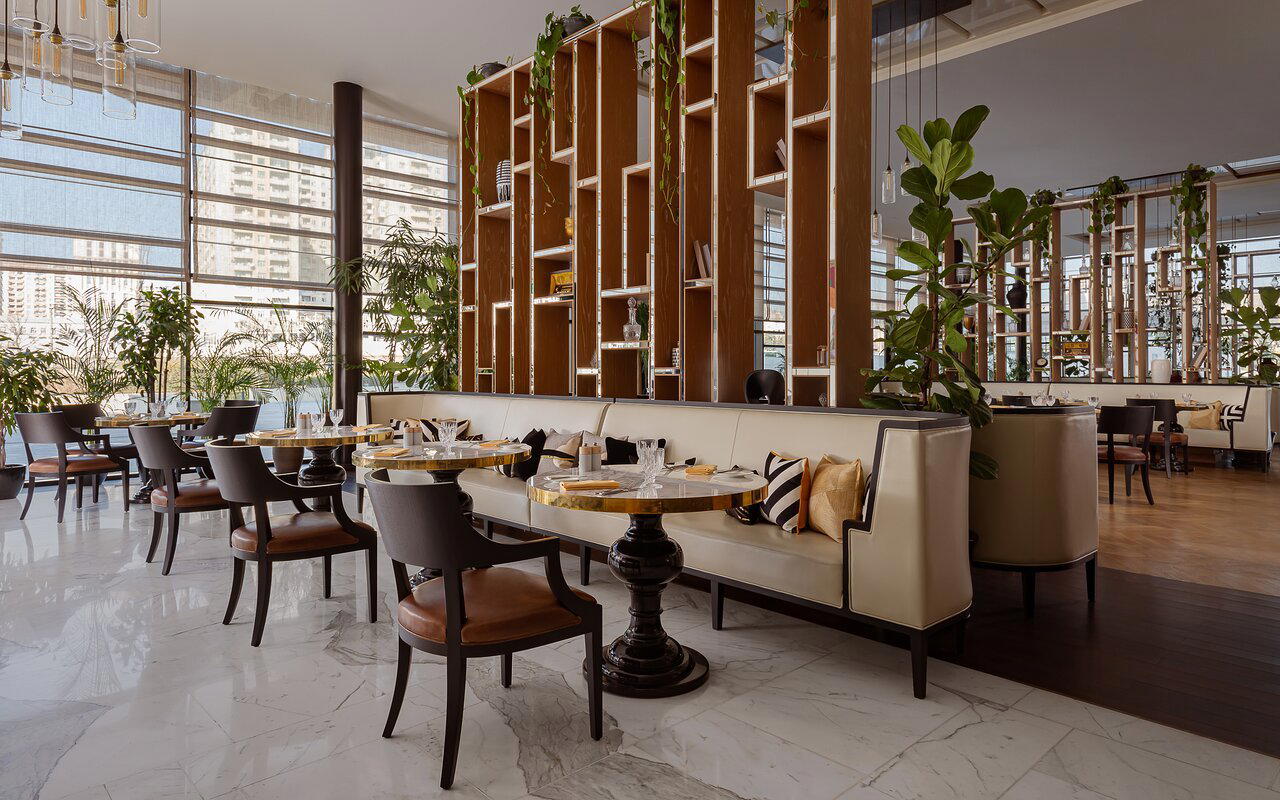
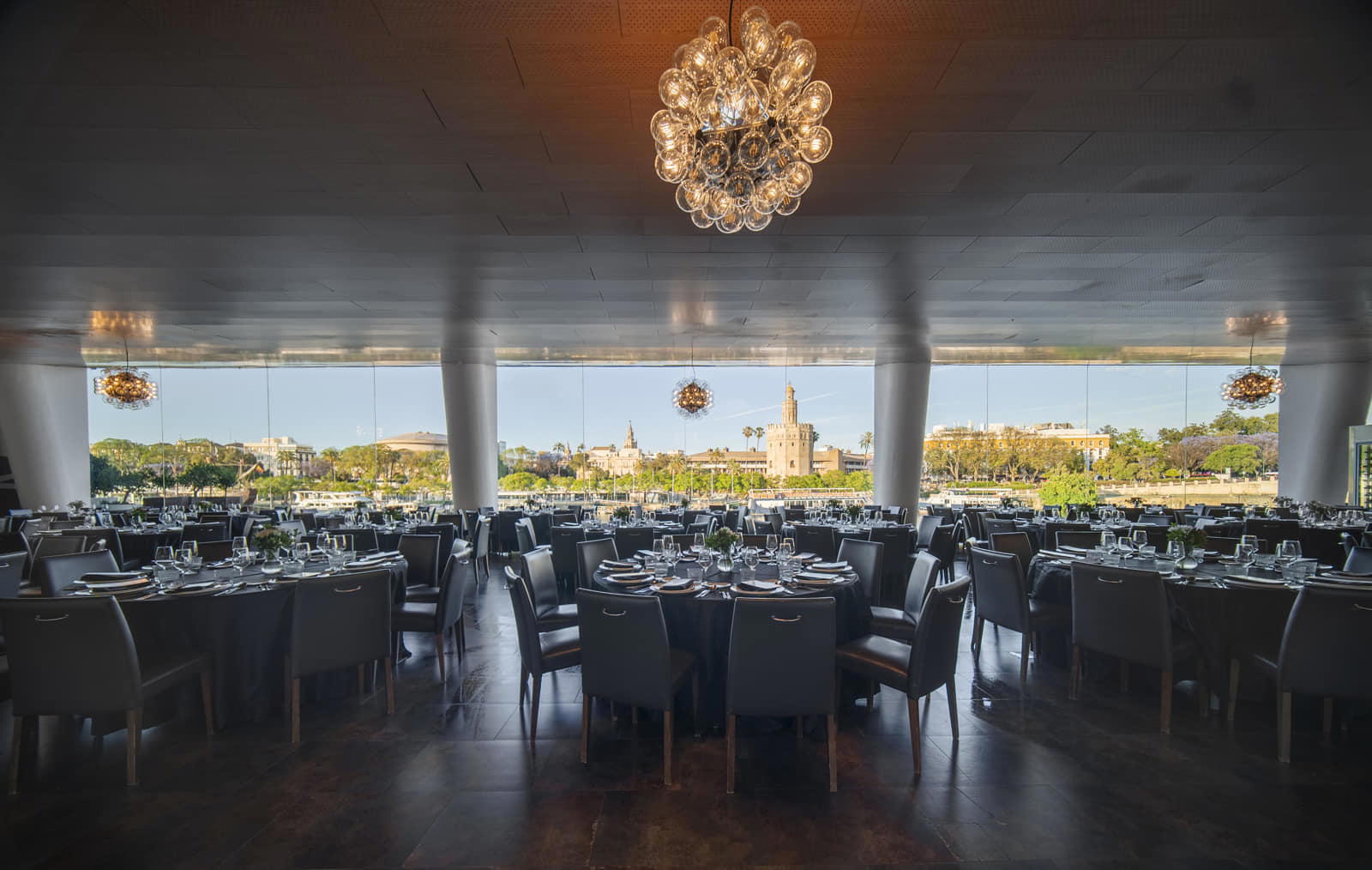
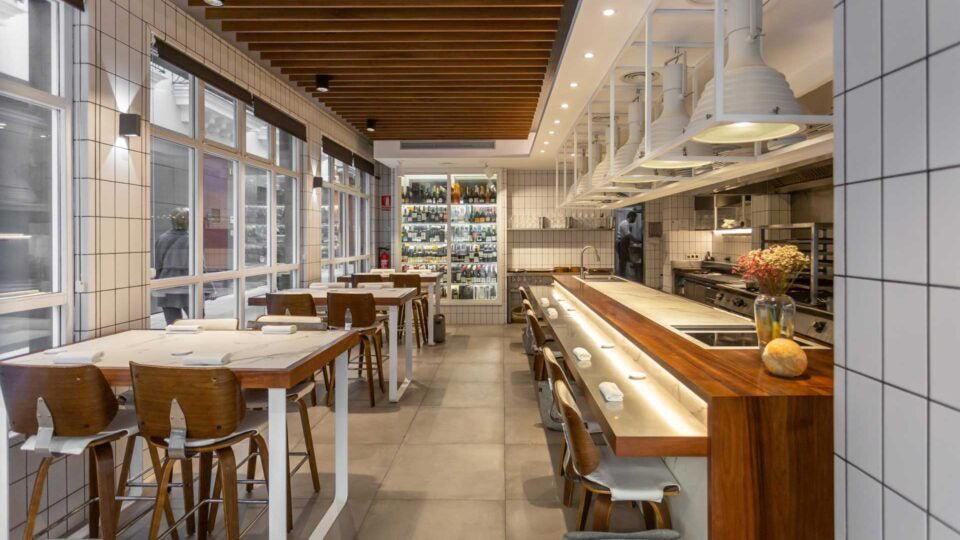
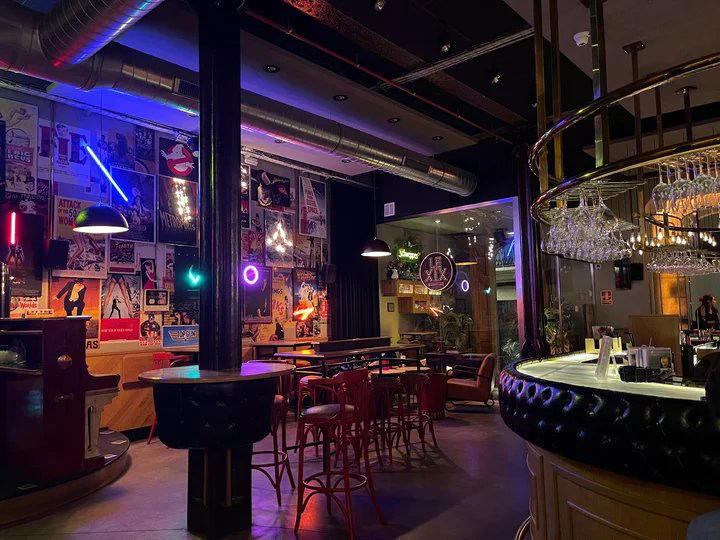
Warm, welcoming, and lively atmosphere with a professional setting.