This listing is retired after a June 2026 status audit found the place inactive at its stored address.
- Address
- C. Calatrava, 34, Casco Antiguo, 41002 Sevilla, Spain
- Phone
- +34 955 44 00 30
- Website
- equipompuntor.com
- Directions
- Get directions
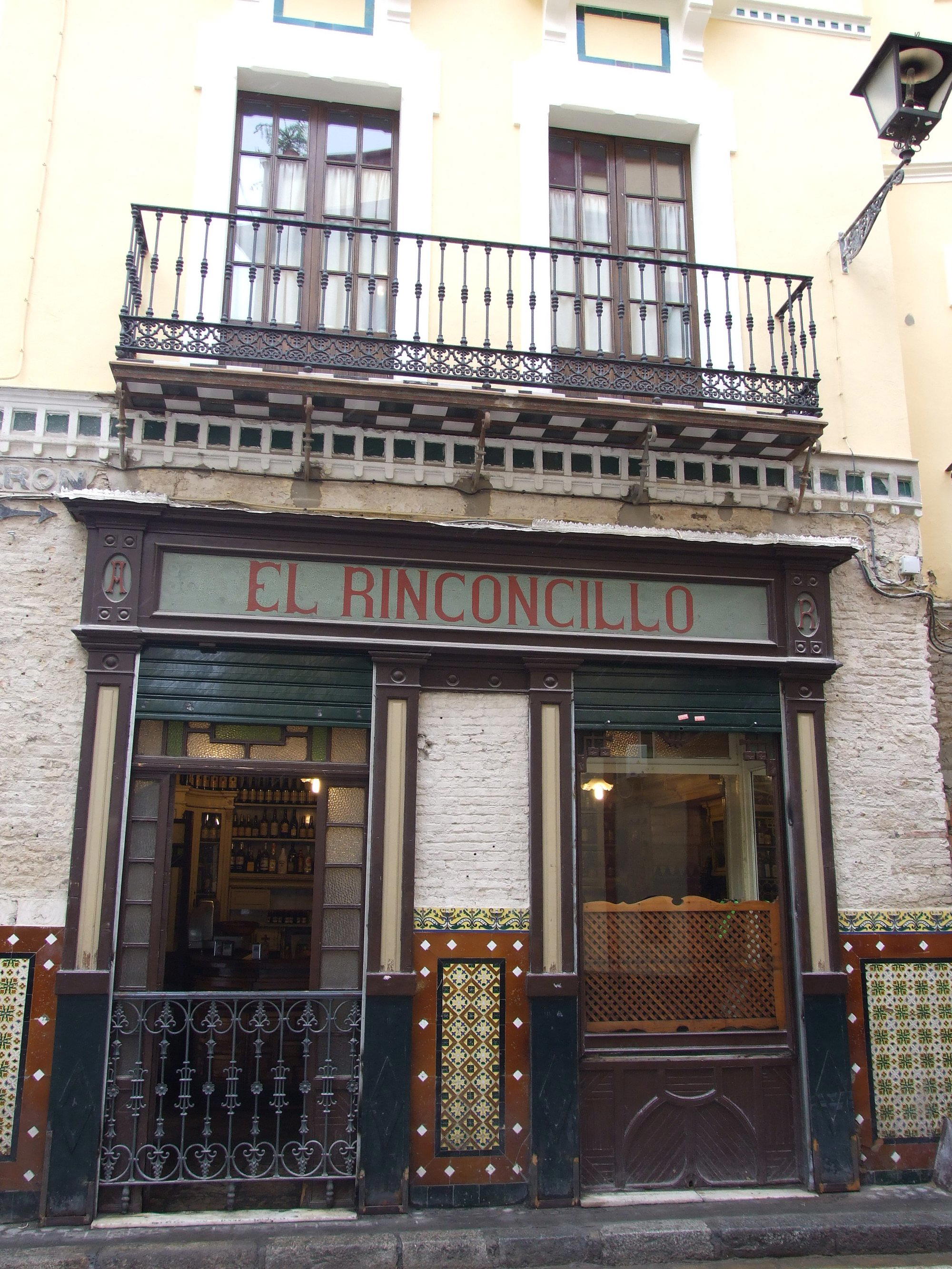
The Setting: Casco Antiguo and the Tapas Counter
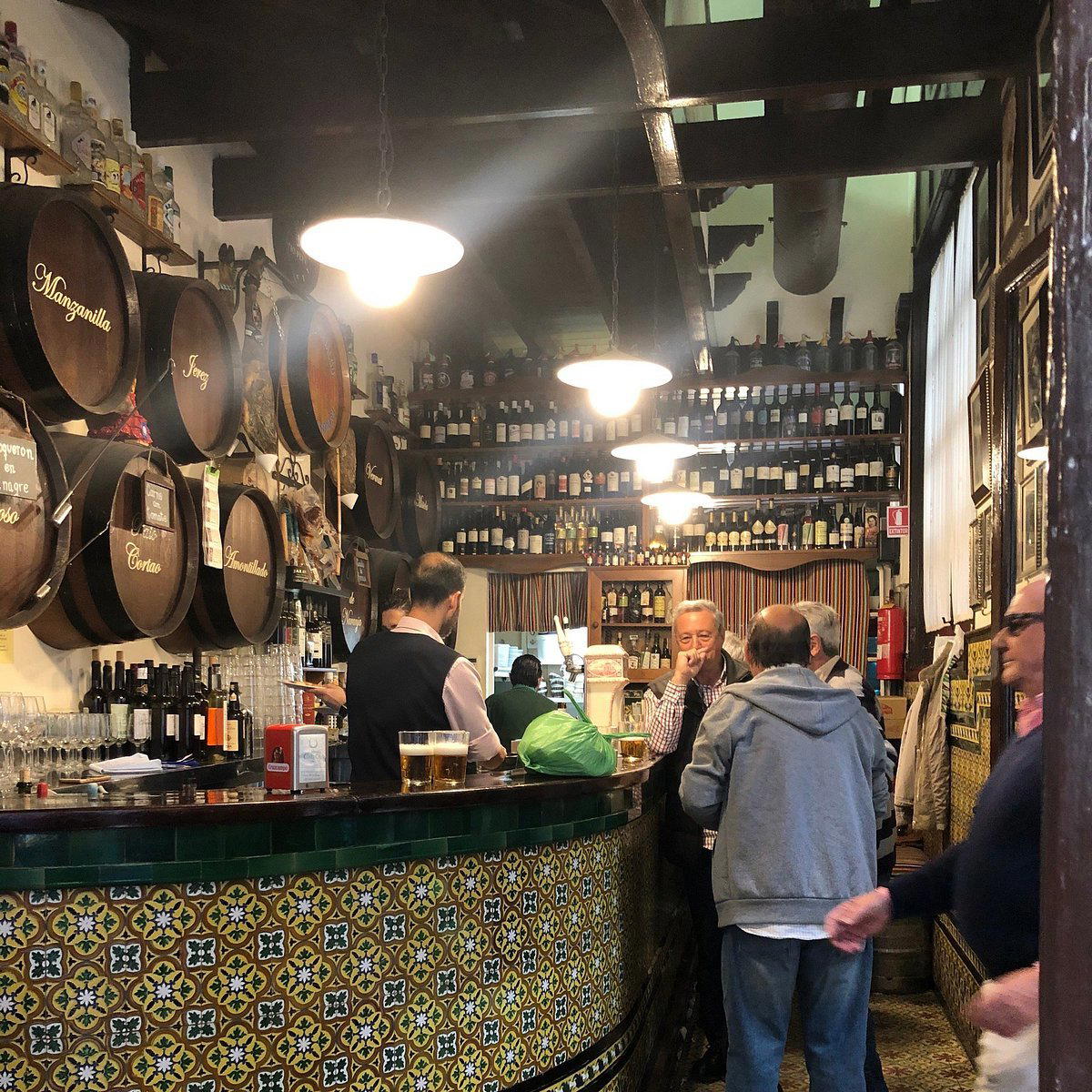
Calle Calatrava runs through one of Seville's oldest residential quarters, where the Casco Antiguo's narrow streets open unexpectedly into small plazas before closing again into passages barely wide enough for two. This part of the city does not announce itself with the theatrical grandeur of the Cathedral district, but it carries a denser, more lived-in energy that has historically made it fertile ground for neighbourhood dining rather than tourist-facing spectacle. Zero Tapas occupies this context, a tapas restaurant embedded in the fabric of a quarter where the format of the tapa, rather than the tasting menu, remains the dominant social grammar of eating.
The tapas bar, as a format, is inseparable from Andalusian civic life. In Seville more than almost anywhere else in Spain, the tapa functions as a unit of conversation as much as a unit of food, ordered incrementally, shared instinctively, and paced to the rhythm of the group rather than a kitchen's sequence. Venues that work well in this format tend to succeed not through a single signature gesture but through the accumulated discipline of a team managing many small things simultaneously: the timing of hot dishes leaving the kitchen, the rotation of bar seating, the quality of the pour, and the knowledge that front-of-house brings to each brief exchange with a guest.
Team Dynamics and the Tapas Format
The tapas counter is, structurally, among the more demanding formats in Spanish hospitality. Unlike a tasting menu restaurant, where the kitchen controls pacing almost entirely, a tapas bar requires constant negotiation between kitchen output, floor rhythm, and guest expectation. A table of four might order in three separate rounds across ninety minutes; another group at the bar might take eight dishes in forty. The team that handles this well, where front-of-house reads tables accurately, kitchen communicates clearly to the pass, and whoever manages the wine or sherry programme can advise briefly but precisely, tends to produce the kind of meal that guests recall as effortless, even when the operational complexity behind it was significant.
This collaborative pressure is what differentiates a strong tapas bar from a merely competent one. In Seville's mid-range and premium segments, you can see this distinction clearly by comparing addresses across the Casco Antiguo and Triana: the bars where the team moves as a single system versus those where the kitchen and the floor operate on separate clocks. Balbuena y Huertas and Az-Zait represent the contemporary end of this local conversation, where team cohesion is reflected in more structured contemporary formats. Zero Tapas, positioned on Calle Calatrava, enters this environment as a neighbourhood-scale participant in a city that takes its tapas seriously at every tier.
Seville's Dining Scene: Where Zero Tapas Sits
Seville's restaurant scene in 2024 spans a wider range than it did a decade ago. At the formal end, Abantal holds Michelin recognition for creative modern Spanish cooking, while Cañabota has established a strong position in premium seafood. The grill-forward tradition is represented by Almansa · Pasión & brasas. Below that tier, the city's informal segment is dense and competitive, Andalusian tapas bars have proliferated in the post-pandemic recovery, and the addresses that hold consistent footing tend to be those with disciplined kitchens and front-of-house teams who understand the difference between hospitality and service.
The restaurant enters this competitive field from a Casco Antiguo address that gives it proximity to both a local residential catchment and the overflow from the Cathedral and Alcázar tourist zones. The address on Calle Calatrava is not on the primary visitor circuit, which means the audience that finds it is more likely to have sought it out. In a city where the casual tapas bar can range from perfunctory to genuinely accomplished, that self-selecting audience dynamic matters: it allows a team to calibrate its offer toward a guest who is paying attention.
For a wider map of what Seville offers across formats and price points,
The Broader Spanish Context
Understanding any Seville tapas address in 2024 also means understanding where it sits relative to the wider arc of Spanish gastronomy. The country's high-end creative cooking has moved through several distinct phases since the Ferran Adrià era, and the influence of that movement has filtered down into mid-tier and informal dining in ways that are now visible even in neighbourhood tapas bars. Technique-led cooking, seasonal sourcing language, and wine lists that include natural or low-intervention producers have migrated from the tasting menu room into the bar format in cities across Andalusia.
The reference points at the national creative level remain DiverXO in Madrid, El Celler de Can Roca in Girona, Mugaritz in Errenteria, and Arzak in San Sebastián, alongside Martin Berasategui in Lasarte-Oria, Azurmendi in Larrabetzu, Quique Dacosta in Dénia, Ricard Camarena in València, Aponiente in El Puerto de Santa María, and Cocina Hermanos Torres in Barcelona. These are not the comparable set for a Casco Antiguo tapas bar, but they represent the creative ecosystem whose ideas eventually reach every level of Spanish dining. Internationally, the collaborative team model that defines great Spanish hospitality has parallels at places like Le Bernardin in New York City and Lazy Bear in San Francisco, where kitchen-floor integration is treated as a discipline in itself.
Planning Your Visit
The restaurant is located at Calle Calatrava, 34, in the Casco Antiguo, a district that is walkable from most of Seville's central accommodation and well-served by the city's tram and bus network. For allergy-specific requirements, direct communication with the team ahead of arrival is advisable, as kitchen practices can vary and tapas formats often involve shared preparation areas. Seville's informal dining culture means that walk-ins are part of many bars' rhythm, but demand on Calle Calatrava addresses varies by season, with spring (particularly during Semana Santa and Feria de Abril) representing the highest-traffic period in the city's dining calendar.
Budget and Context
Comparable venues nearby, for context on price, style, and recognition.
| Venue | Cuisine | Price | Notes |
|---|---|---|---|
| Zero TapasThis venue — the venue you are viewing | San Gil, Traditional Spanish Tapas | $$ | Not listed |
| La Casa del Tigre | Encarnación-Regina, Modern Spanish Tapas | $$ | Not listed |
| Bar Yebra | Not listed | $$ | Cruz Roja-Capuchinos, Traditional Spanish Tapas and Seafood |
| Casa Manolo León | San Lorenzo, Modern Andalusian | $$ | Not listed |
| Petit Comité Sevilla | Arenal, Modern Catalan Tapas | $$$ | Not listed |
| Vineria San Telmo | San Bartolome, Modern Spanish Tapas | $$ | Not listed |
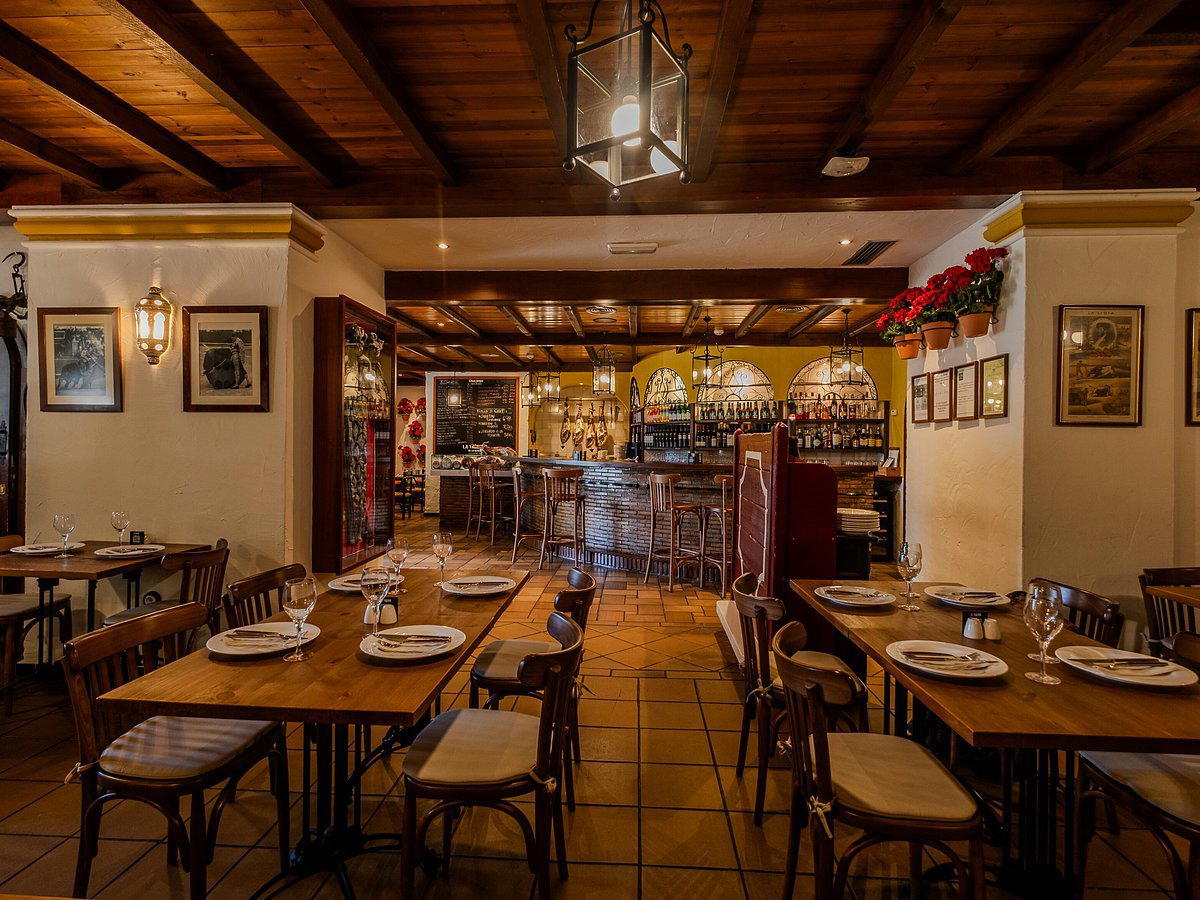
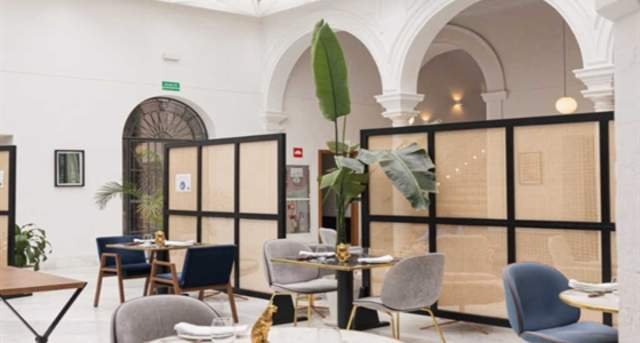
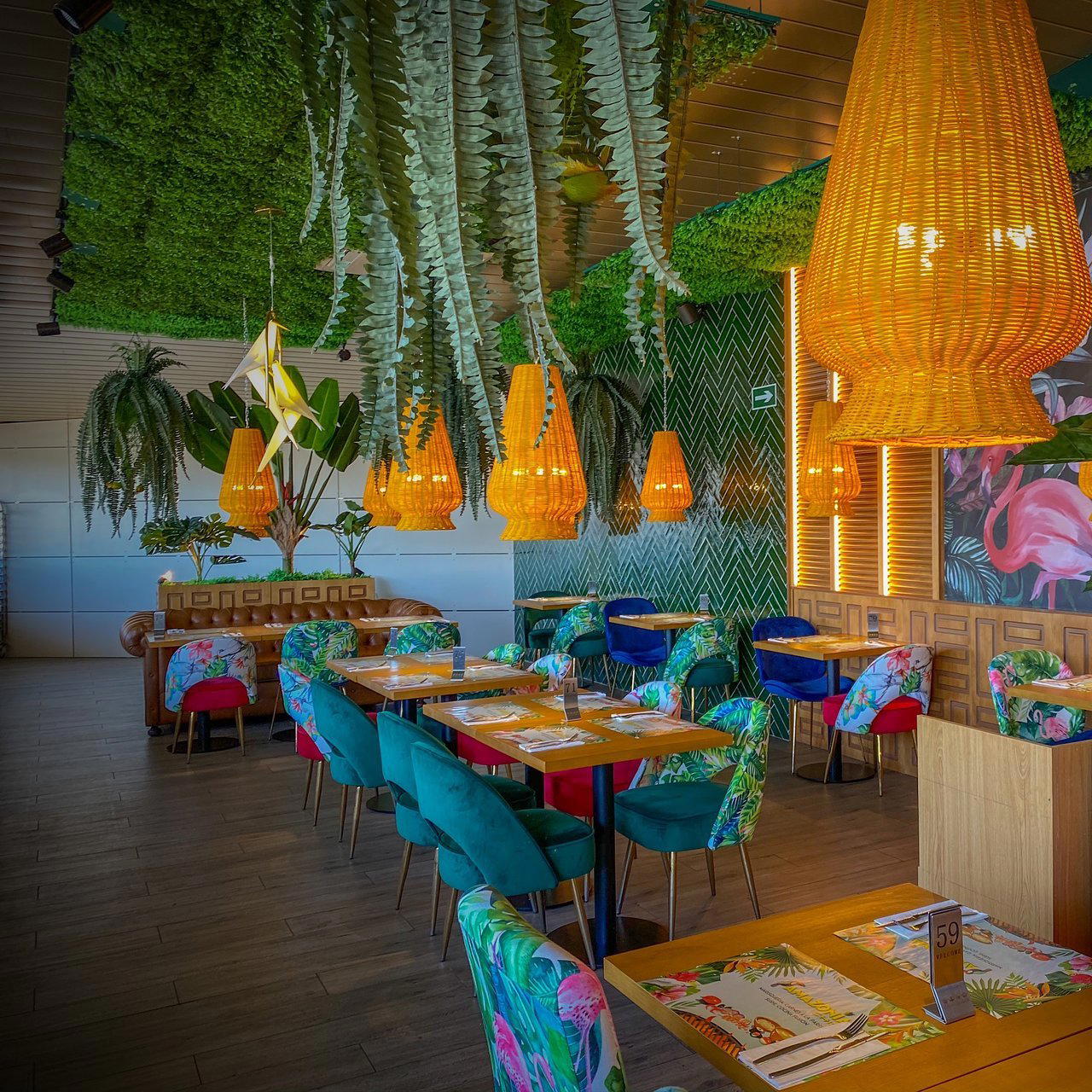
At a Glance
- Casual Hangout
- Historic Building