Viña Montes sits in the Colchagua Valley, one of Chile's most consequential red-wine corridors, where volcanic soils and sustained sunshine define what ends up in the glass. The estate operates on I-350 outside Santa Cruz, placing it within the valley's core winemaking geography. For visitors combining wine tourism with broader Chilean dining, it anchors a route that extends from Santiago's restaurant scene down through O'Higgins Region.
Pearl is the En Primeur Club membership app — saves, bookings, and concierge access live there. Same editors, same standards.
- Address
- I-350, Santa Cruz, O'Higgins, Chile
- Phone
- +56 72 260 5195
- Website
- monteswines.com
- Directions
- Get directions
 Saves & bookings on Pearl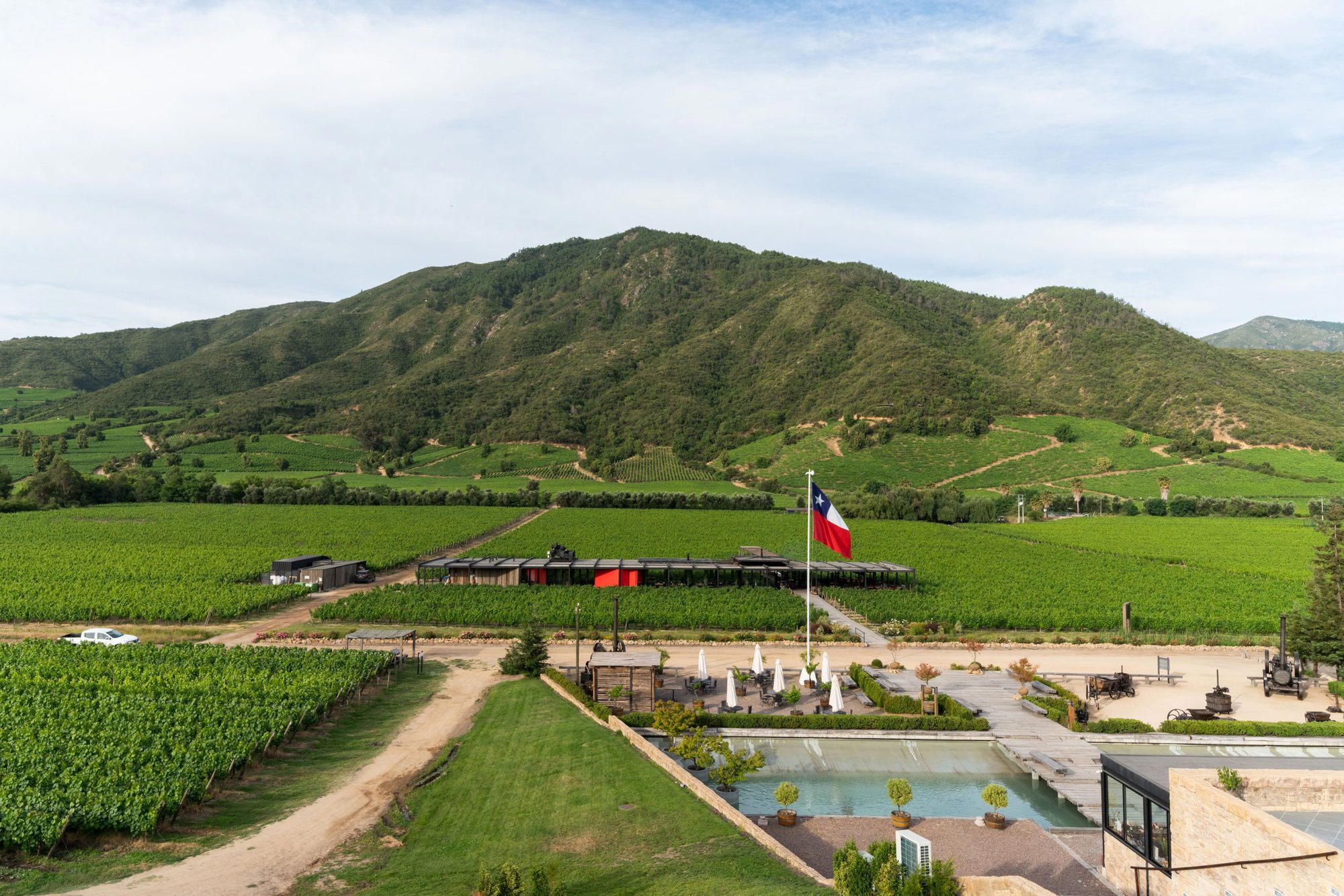
The Colchagua Valley and What the Land Produces
Chile's wine geography splits broadly between the coastal-influenced zones near the Pacific and the drier, continental interior. Colchagua sits in the latter category: the O'Higgins Region, roughly 180 kilometres south of Santiago, where the Tinguiririca River carves through a valley floor of decomposed granite, clay, and volcanic material. That soil composition, combined with warm days and cool nights driven by Andean altitude, is why this corridor produces Cabernet Sauvignon, Carménère, and Syrah with a structural density that distinguishes them from fruit-forward expressions grown closer to sea level. Viña Montes is a Wood-Fired Chilean Grill in Santa Cruz, O'Higgins, Chile, on I-350, with a recommended reservation policy and an average price of about $80 per person. It is positioned within this core geography rather than on the valley's periphery.
Colchagua has developed into one of South America's most visited wine-tourism destinations not because of marketing positioning but because the combination of accessible infrastructure, estate architecture, and drinkable-on-arrival reds created a repeatable visitor format. The valley now draws comparison with Mendoza in Argentina and the Maipo Valley for structured reds, though its altitude range and clay-heavy sub-zones give Colchagua a distinct expression that Chilean producers increasingly use as a differentiator in export markets. For context on how Chilean wine estates translate into hospitality experiences, Viña Concha y Toro in Pirque represents the large-format, high-volume visitor model closer to Santiago.
Sourcing from the Ground Up: Why Terroir Is the Argument Here
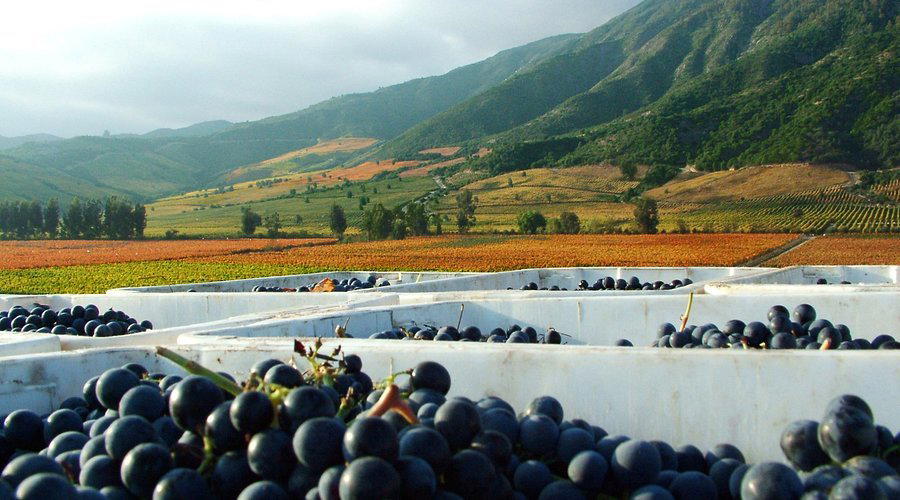
In wine, sourcing is everything. The difference between a Colchagua Carménère and one produced in a warmer, flatter zone is not a matter of winemaker philosophy alone, it is a function of where the grapes are grown, at what elevation, and on which soil type. The Apalta sub-zone within Colchagua has drawn particular attention for its granitic and clay profiles, which slow ripening and concentrate phenolics without requiring aggressive extraction. Estates working within this sub-zone make a sourcing argument by geography: the wine's character is largely determined before harvest begins.
This is the same argument made by producers in Burgundy or in Napa's Oakville corridor, that place, not process, is the primary variable. Chile's wine industry spent decades building export volume on price-competitive Sauvignon Blanc and generic Cabernet, and the pivot toward terroir-specific production, with named valleys and sub-zones appearing on labels, represents a structural shift in how Chilean wine positions itself internationally. Colchagua is central to that shift. For comparison, Boragó in Santiago makes a parallel sourcing argument in cuisine, grounding its menu in native Chilean ingredients rather than imported technique, a different medium, the same underlying logic about place as the primary ingredient.
The Estate as a Visitor Experience
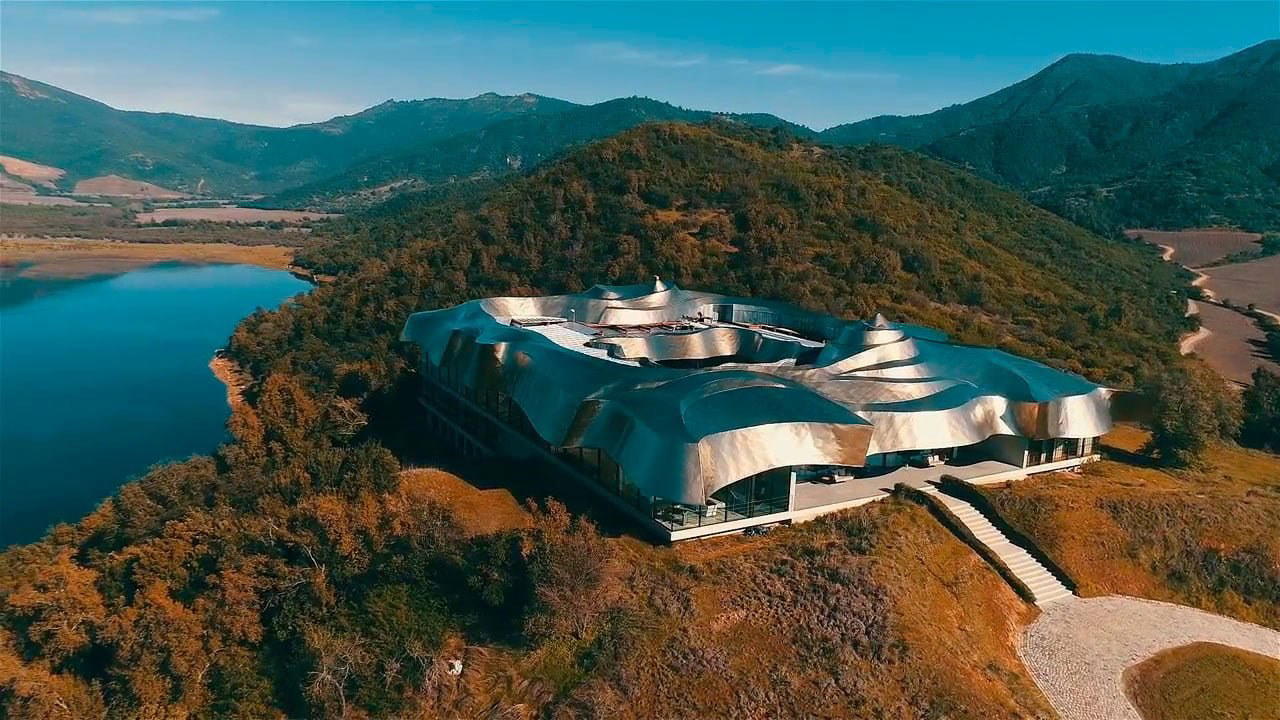
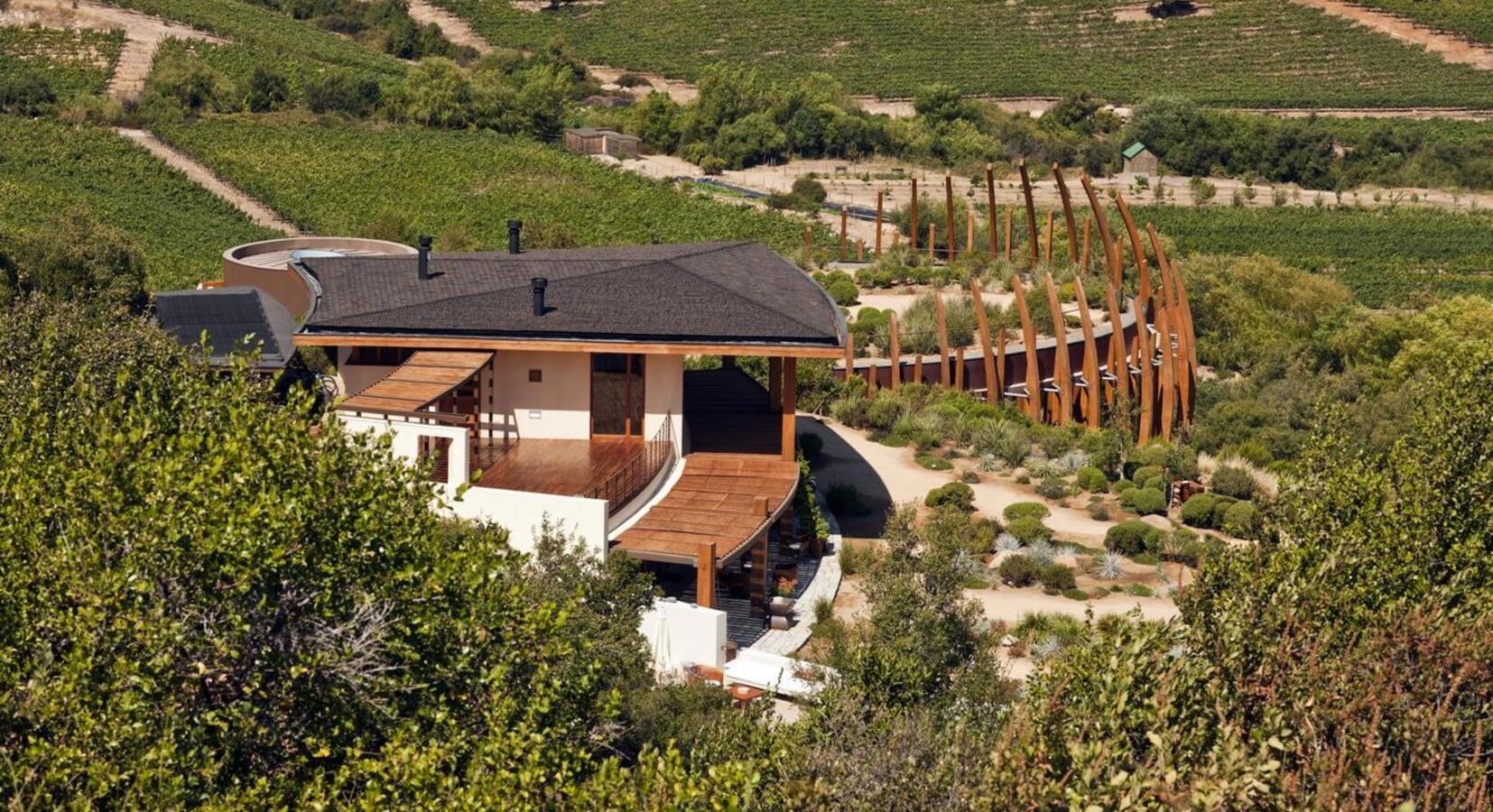
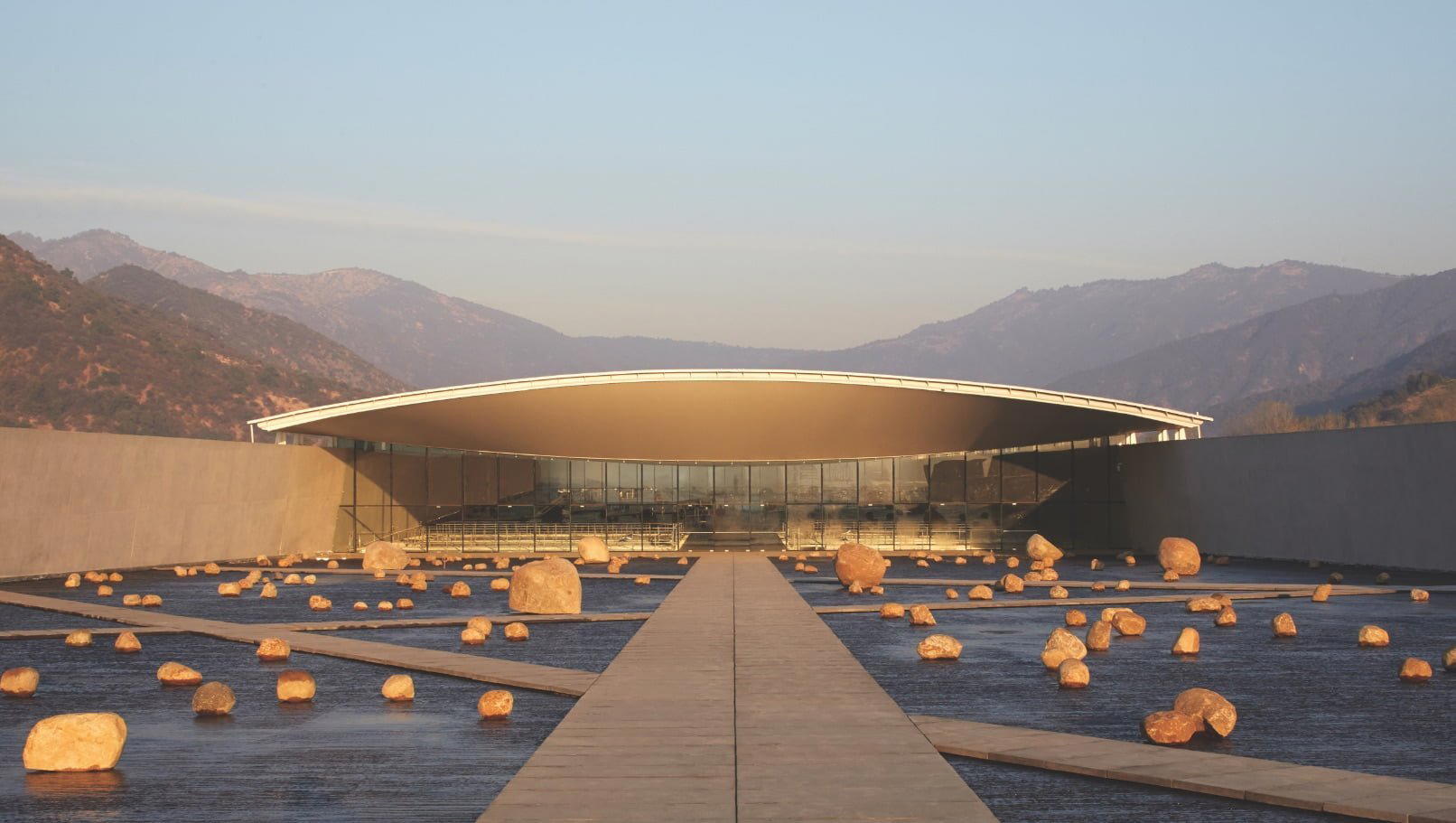
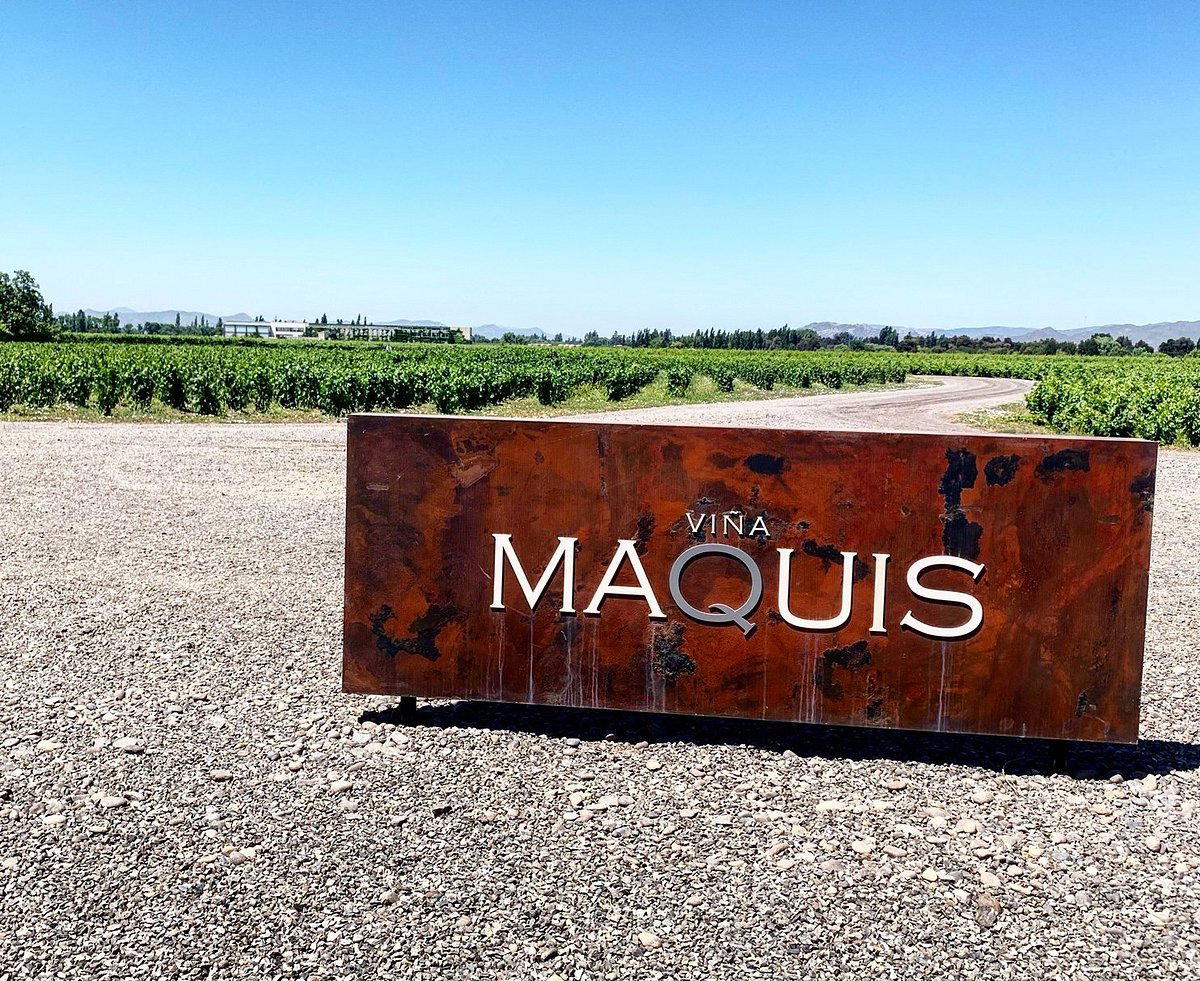
Wine estates in Colchagua have developed visitor formats that range from brief cellar-door tastings to multi-hour guided experiences that incorporate vineyard walks, production facilities, and food pairings. The estate model works because the visual environment, vineyard rows against Andean foothills, traditional Chilean architecture, seasonal light, provides a legible context for understanding what is in the glass. Tasting a Carménère while standing in the vineyard where it was grown compresses the sourcing argument into a single experience.
Santa Cruz, the valley's main town, provides a base for visitors combining multiple estate visits with accommodation. The town's infrastructure has grown alongside wine tourism demand, and the combination of estate restaurants, a regional museum dedicated to Colchagua's history, and proximity to multiple producers makes it a practical anchor for a two- to three-day itinerary. Visitors arriving by road from Santiago can reach Santa Cruz in approximately two to two and a half hours depending on route; the Panamericana (Route 5) south to the San Fernando exit, then west into the valley, is the standard approach. Train options exist to San Fernando from Santiago's Estación Central, with onward road connections to Santa Cruz.
The region connects logically to other Chilean destinations: north toward Santiago's more experimental restaurant scene, including Ambrosia Bistro in Providencia and Aquí está Coco Restaurante in Vitacura for seafood; or south toward the lake district, where andBeyond Vira Vira in Araucanía represents the high-end lodge format.
Colchagua in the Wider Chilean Wine and Dining Context
Chile's premium dining and wine experience is geographically distributed in a way that requires deliberate itinerary planning. Santiago holds the concentration of fine dining, from modern Chilean tasting menus down through neighbourhood bistros, but the wine regions require a separate journey south or north. Colchagua, as the closest major red-wine valley to Santiago with developed visitor infrastructure, sits at the accessible end of that spectrum. The Atacama, by contrast, offers a different experiential register: Awasi Atacama in San Pedro de Atacama uses the desert's extreme environment as its sourcing and identity logic, a counterpoint to Colchagua's fertile valley model.
Internationally, the closest analogues for Colchagua's visitor model are Stellenbosch in South Africa and Bordeaux's Médoc, regions where wine production and estate tourism have developed in parallel, creating infrastructure that serves visitors who want to understand production context alongside the product. Chile's advantage is price accessibility relative to those comparators; estate visits and tastings in Colchagua are priced significantly below equivalent experiences in Bordeaux's classified-growth properties. The coastal Chilean wine and dining circuit extends further: La Concepción in Valparaíso offers a port-city counterpoint, while Aquí Jaime in Concón anchors the seafood end of the central Chilean coastal offer.
Planning Your Visit
Colchagua's harvest season runs from late February through April, when vineyard activity is at its peak and estate visits carry the added dimension of visible production. Autumn, from March through May, offers the combination of harvest context and cooling temperatures that make extended tastings more comfortable. Summer months (December through February) bring heat and high visitor volume; winter (June through August) is quieter and cooler, with some estates reducing visitor programming.
Visitors extending into other Chilean regions should note that Casa del Barrio in Chillán sits roughly 200 kilometres south on the Panamericana, making it a logical stopover for those continuing toward the lake district. The northern route connects through Palacio Danubio Azul in Las Condes and other Santiago options for those returning to the capital.
Quick Comparison
Comparable venues nearby, for context on price, style, and recognition.
| Venue | Cuisine | Price | Notes |
|---|---|---|---|
| Viña MontesThis venue — the venue you are viewing | Wood-Fired Chilean Grill | $$$$ | Not listed |
| Lapostolle Residence | Modern Chilean Fine Dining | $$$$ | Colchagua Valley |
| Aquí está Coco Restaurante | Traditional Chilean Seafood | $$$$ | Vitacura |
| VIK | Contemporary Chilean Farm-to-Table Fine Dining | $$$$ | Colchagua Valley |
| Shi-Nuá | Peruvian-Chinese Fusion | $$$$ | Vitacura |
| Restaurante Peluquería Francesa - Boulevard Lavaud - Barberia Patrimonial Barrio Yungay | French-European Bistro | $$$ | Yungay |
Continue exploring
More in Colchagua
Restaurants in Colchagua
Browse all →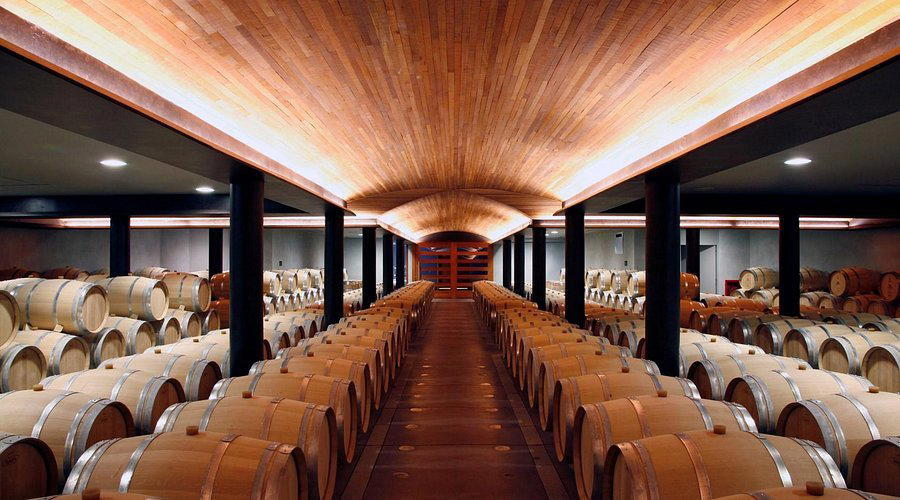
Hotels in Colchagua
Browse all →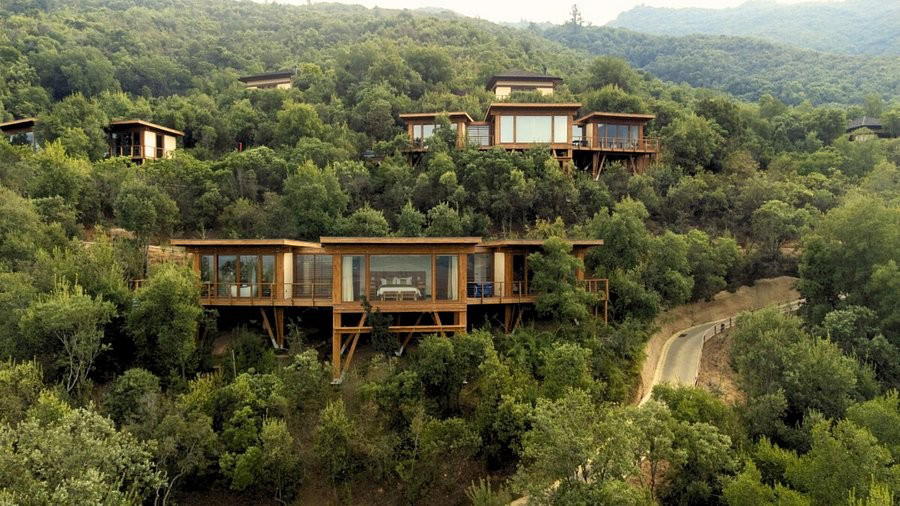
At a Glance
- Rustic
- Elegant
- Scenic
- Sophisticated
- Special Occasion
- Date Night
- Open Kitchen
- Wine Cellar
- Extensive Wine List
- Local Sourcing
- Vineyard
- Mountain
Current opening hours
- Monday
- 9:30 AM–6 PM
- Tuesday
- 9:30 AM–6 PM
- Wednesday
- 9:30 AM–6 PM
- Thursday
- 9:30 AM–6 PM
- Friday
- 9:30 AM–6 PM
- Saturday
- 9:30 AM–6 PM
- Sunday
- 9:30 AM–6 PM
Hours can change for holidays and private events. Last verified .
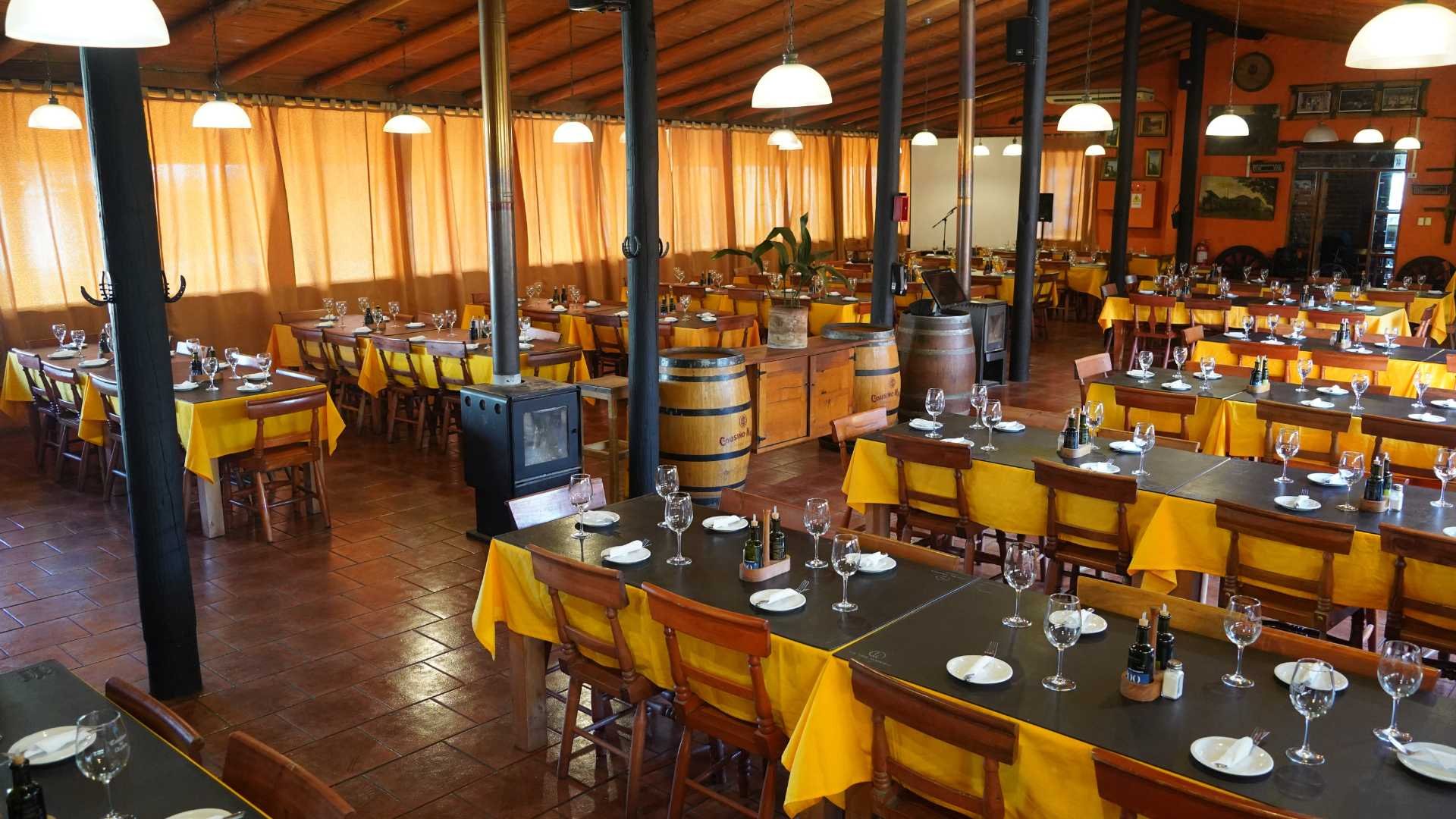
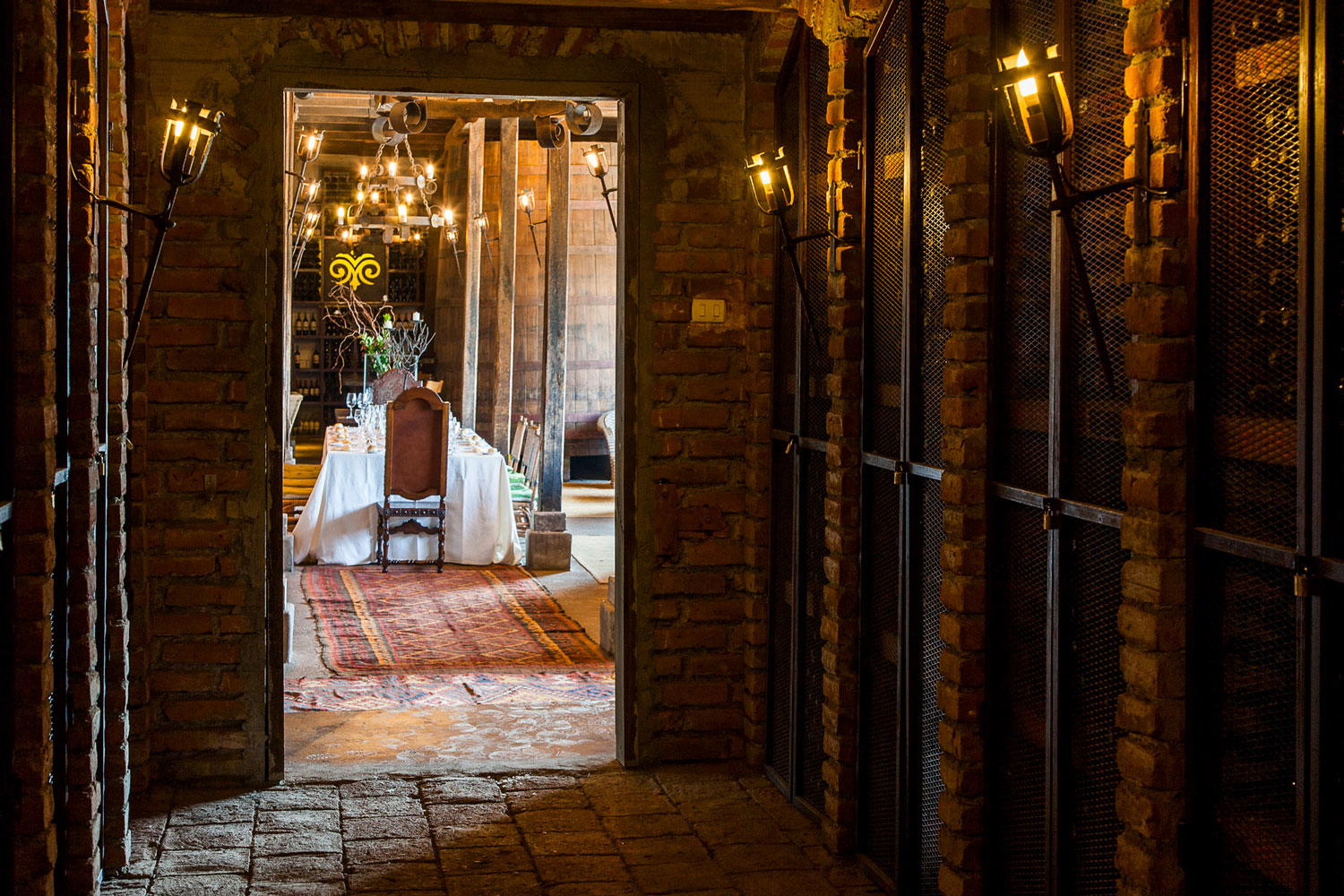
Rustic yet elegant atmosphere centered around dramatic wood-fired cooking with vineyard views and a warm, smoky ambiance.