Our verdict
Villscheiderhof sits along the rural edge of Brixen in South Tyrol, a farmhouse-rooted address where the Alpine agricultural tradition shapes what reaches the table. The setting, on the road toward San Zeno, places it firmly outside the cathedral-square circuit, a deliberate remove that suits the format. For visitors working through Brixen's dining range, it offers a grounding counterpoint to the city's more formal restaurants.

Pearl is the En Primeur Club membership app, where members save venues, book tables and use the concierge.

Where the Farm Precedes the Kitchen
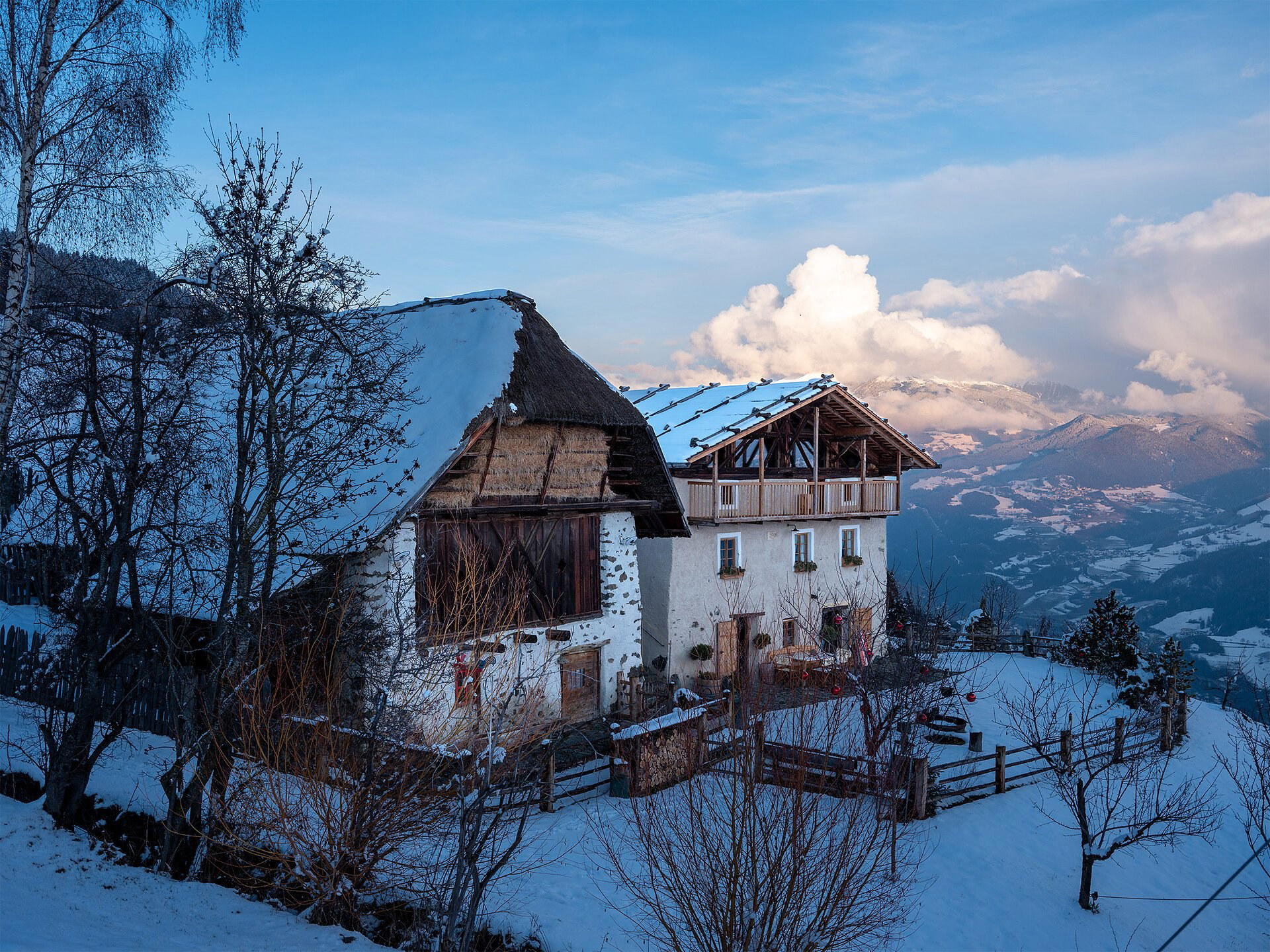
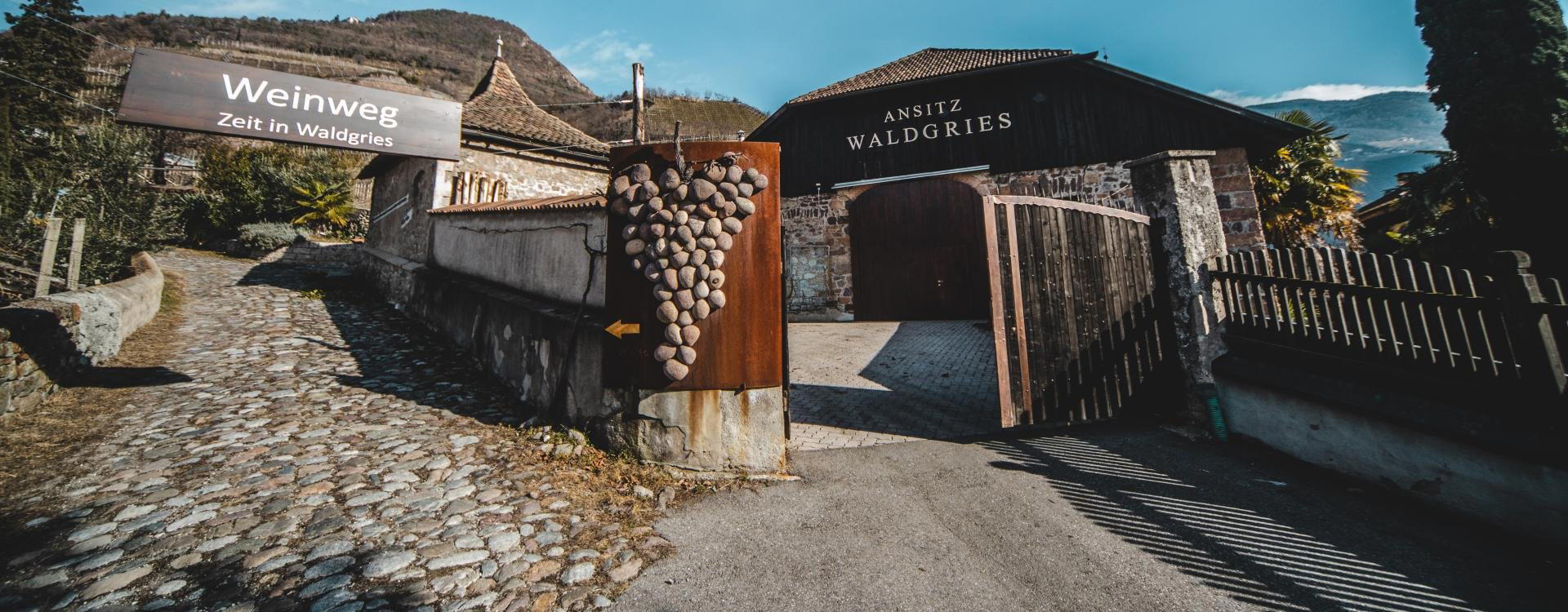
South Tyrol's dining identity has always been anchored in its land rather than its urban centres. The region's most coherent restaurants draw their authority from altitude, season, and agricultural continuity: the dairy farms producing Graukäse in high-valley cooperatives, the orchards running apple varieties maintained for generations, the cured meats following methods that predate any regional designation. Villscheiderhof, on Via San Zeno at the rural fringe of Brixen, sits inside that tradition. The address alone, a farmhouse road removed from the cathedral square and the pedestrian dining circuit, signals where the priorities lie.
Approaching along the Sant'Andrea road, the built environment shifts from the compact medieval centre into broader agricultural plots. Brixen has always maintained this duality: a market and ecclesiastical town ringed by working farmsteads that still supply the city's tables. Villscheiderhof occupies that second layer, not a restaurant that happens to be in the countryside, but a place whose existence is structured around the countryside being close enough to matter to what's served.
The South Tyrolean Ingredient Argument
Across Italian fine dining, the provenance argument has become a near-universal claim. At addresses like Osteria Francescana in Modena or Piazza Duomo in Alba, sourcing is curated and intellectual, the chef as researcher, the supplier network built over years of deliberate selection. In South Tyrol, the same argument tends to operate differently. Here, proximity is structural rather than aspirational: the farms are visible from the dining room, the seasonal rhythms are local climate rather than imported philosophy, and the ingredient vocabulary (speck, Schlutzkrapfen, wild herbs from the Dolomite slopes) is so specific to the region that it resists generic substitution.
That specificity is what distinguishes South Tyrolean farmhouse dining from the broader agriturismo category found across northern Italy. A meal calibrated to what grows and is raised within a defined radius in this corner of Trentino-Alto Adige is not simply rustic, it is geographically precise in a way that most urban restaurant sourcing cannot replicate. The Eisack Valley, which Brixen anchors, produces white wines from Kerner and Sylvaner grapes grown on steep terraced slopes; those bottles are part of the same short supply chain that fills the kitchen.
For context on how far ingredient-led cooking in the broader Italian Alpine north can go at the highest tier, Atelier Moessmer Norbert Niederkofler in Brunico, roughly 60 kilometres northeast, represents the three-Michelin-star benchmark for mountain-sourced tasting menus. Villscheiderhof operates in a different register entirely: the farmhouse format, the rural setting, and the distance from the formal dining circuit place it among addresses where the sourcing argument is lived-in rather than constructed for a tasting menu narrative.
Brixen's Dining Range and Where This Fits
Brixen's restaurant offering spans a wider range than the city's modest size might suggest. At the top of the formal tier, Apostelstube runs a creative kitchen at the €€€€ bracket, representing the city's most ambitious culinary output. Alpenrose anchors the regional cuisine category at a more accessible €€ price point, and newer addresses like Brix 0.1 and Agorà21 represent the city's evolving middle tier. Burgerhof sits toward the more casual end of the range.
Villscheiderhof exists outside these competitive brackets in a meaningful way. Rural farmhouse addresses in South Tyrol tend to function by different logic than restaurant-row competitors: they are tied to land and season in ways that urban kitchens are not, and their audience often includes both locals with long-standing relationships to the property and visitors who make the deliberate choice to leave the centre. That removal from the city's dining cluster is not a limitation, it is the point.
For those building a broader Italian itinerary, the contrast with Italy's other benchmark kitchens clarifies the register. Dal Pescatore in Runate and Le Calandre in Rubano represent the northern Italian fine dining canon at its most established. Enoteca Pinchiorri in Florence, Enrico Bartolini in Milan, and Uliassi in Senigallia each anchor their respective cities' serious dining tiers. Further south, Quattro Passi in Marina del Cantone and Reale in Castel di Sangro operate in their own regional contexts. Internationally, Le Bernardin in New York City and Atomix in New York City represent entirely different culinary traditions but comparable levels of intentionality around sourcing in their own frameworks. Villscheiderhof is not competing in that company, it is operating in a separate tradition where the farmhouse itself is the credential.
Practical Considerations for a Visit
Villscheiderhof is located at Strada San Zeno 12 in Bressanone (the German name for Brixen), a short drive from the city centre. No phone number or website is currently listed in public directories, which is consistent with many farmhouse addresses in the region that rely on word of mouth, direct contact through accommodation hosts, or seasonal operating patterns. Visitors planning a specific trip should verify current opening arrangements through local hotels or the Brixen tourism office before visiting. The rural address makes a car the practical choice; the drive from central Brixen takes under ten minutes and offers a useful transition from the medieval centre into the valley's agricultural edge. See our full Brixen restaurants guide for orientation across the city's full dining range before planning the visit.
Frequently asked questions
Is Villscheiderhof okay with children?
The farmstead setting at Strada San Zeno 12 in Bressanone suggests a relaxed, rural context rather than a formal dining room, which generally suits families. That said, no children's menu or specific family policy is documented for Villscheiderhof. Contacting the venue directly before visiting with young children is the most reliable approach.
What should I expect atmosphere-wise at Villscheiderhof?
The address sits on the outskirts of Brixen along Strada San Zeno, placing it in agricultural terrain rather than the city's pedestrian centre. South Tyrolean farmstead venues of this type typically combine working-farm surroundings with interiors shaped by local timber and stone. The pace tends to be unhurried, oriented around the land rather than urban dining convention.
Is Villscheiderhof a working farm, or purely a restaurant address?
The property at Strada San Zeno 12 in Bressanone carries the 'Hof' designation common to South Tyrolean farm estates, suggesting an agricultural foundation rather than a standalone restaurant concept. In this region, Hof addresses frequently combine on-site production with hospitality, meaning ingredients may come directly from the land surrounding the building. The precise scope of farming activity at Villscheiderhof is not formally documented, so confirming the current offer with the venue is advisable.
What's the must-try dish at Villscheiderhof?
No specific menu or dish list is publicly documented for Villscheiderhof. South Tyrolean farmstead kitchens in the Brixen area typically anchor their cooking in cured meats, aged cheeses, and garden-sourced vegetables that shift with the season.
Comparison Snapshot
Comparable venues nearby, for context on price, style, and recognition.
| Venue | Cuisine | Price | Awards | Notes |
|---|---|---|---|---|
| VillscheiderhofThis venue (the venue you are viewing) | Traditional South Tyrolean | Not listed | Not listed | Not listed |
| Huberhof | South Tyrolean Italian Buschenschank | Not listed | Not listed | Brixen |
| Gattererhof | South Tyrolean Buschenschank | Not listed | Not listed | Brixen |
| Vinus Hannes Weinbistro | South Tyrolean & Mediterranean Wine Bistro | $30–50 | Falstaff Restaurant - 88 Falstaff Points | Bressanone città |
| Elephant | Classic South Tyrolean with Modern Twist | Not listed | Michelin Plate | central Brixen |
| Forestis Dolomites | Forest Cuisine | Not listed | Not listed | Bressanone |
Continue exploring
More in Brixen
Restaurants in Brixen
All restaurants in Brixen →
Bars in Brixen
Browse all →

Details
- Rustic
- Cozy
- Classic
- Family
- Casual Hangout
- Historic Building
- Natural Wine
- Local Sourcing
- A La Carte
- Vegetarian Friendly
Current opening hours
- Monday
- Closed
- Tuesday
- Closed
- Wednesday
- Closed
- Thursday
- Closed
- Friday
- Closed
- Saturday
- 12–4 PM
- Sunday
- 12–4 PM
Hours can change for holidays and private events. Hours as of .
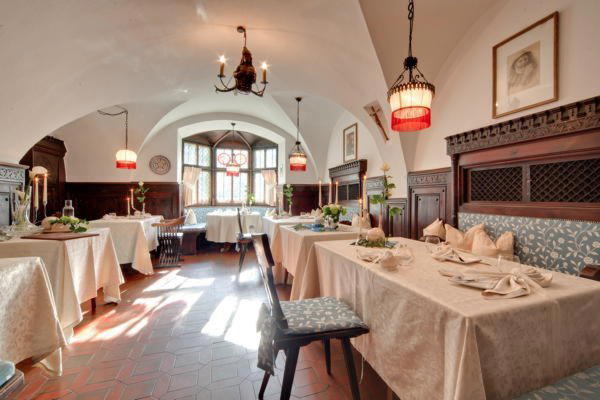
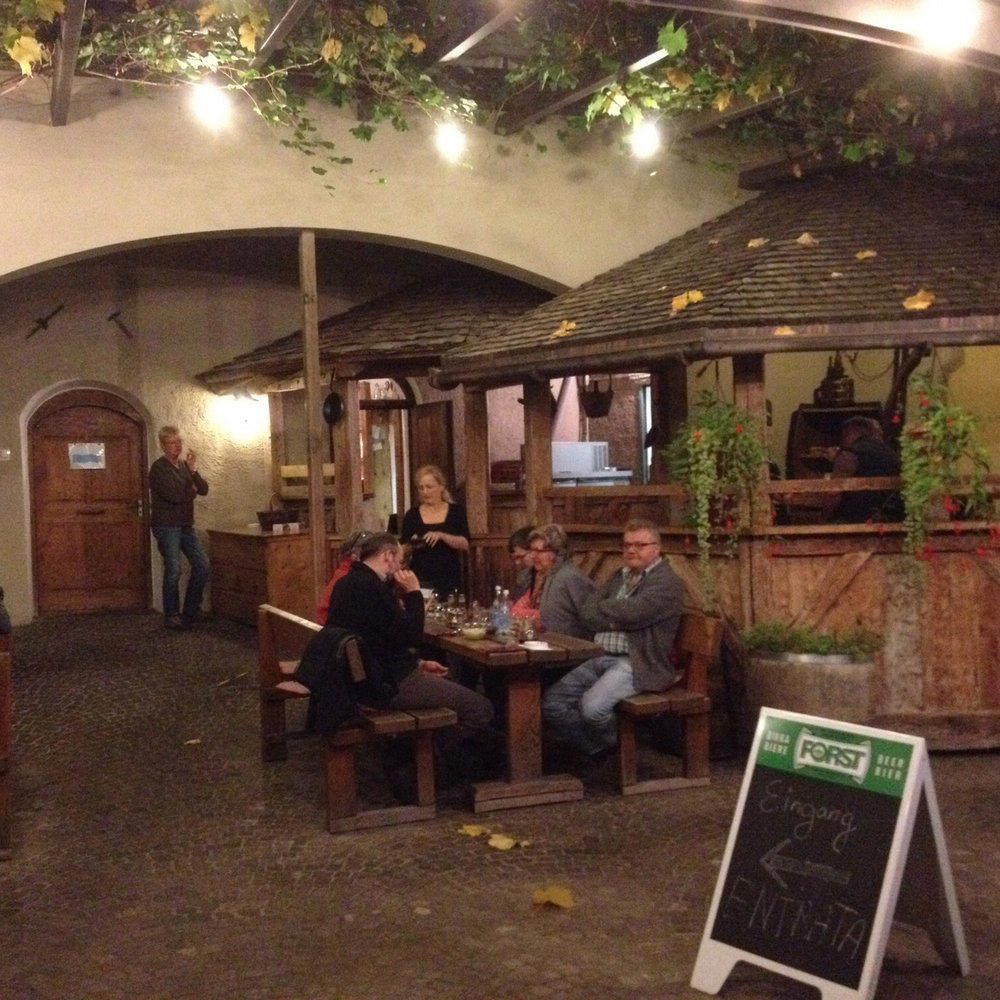
Rustikales Ambiente with cozy warm atmosphere in an authentic farmhouse parlour.