Agorà21 occupies a quietly considered address on Via Fienili in Brixen, South Tyrol's cathedral city where Alpine and Italian culinary traditions meet and sometimes argue. The restaurant sits within a dining scene shaped by proximity to mountain producers, local wine valleys, and a cross-border ingredient culture that few Italian cities can replicate. For visitors mapping Brixen's mid-to-upper dining tier, it belongs on the shortlist.
Pearl is the En Primeur Club membership app — saves, bookings, and concierge access live there. Same editors, same standards.
- Address
- Via Fienili, 4, 39042 Bressanone BZ, Italy
- Phone
- +39 0472 413626
- Website
- agora21.it
- Directions
- Get directions
 Saves & bookings on Pearl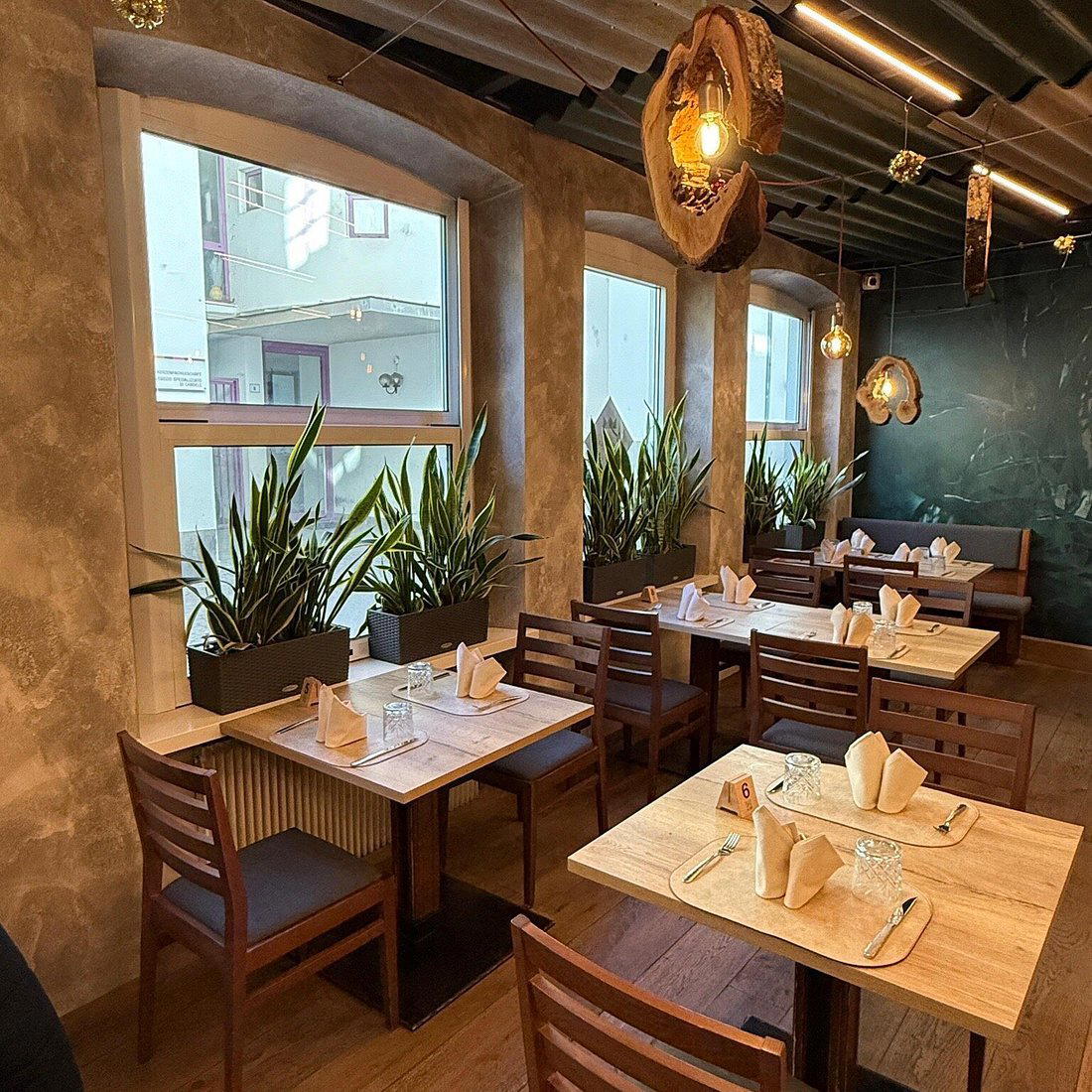
Where Alpine Produce Meets the Italian Table
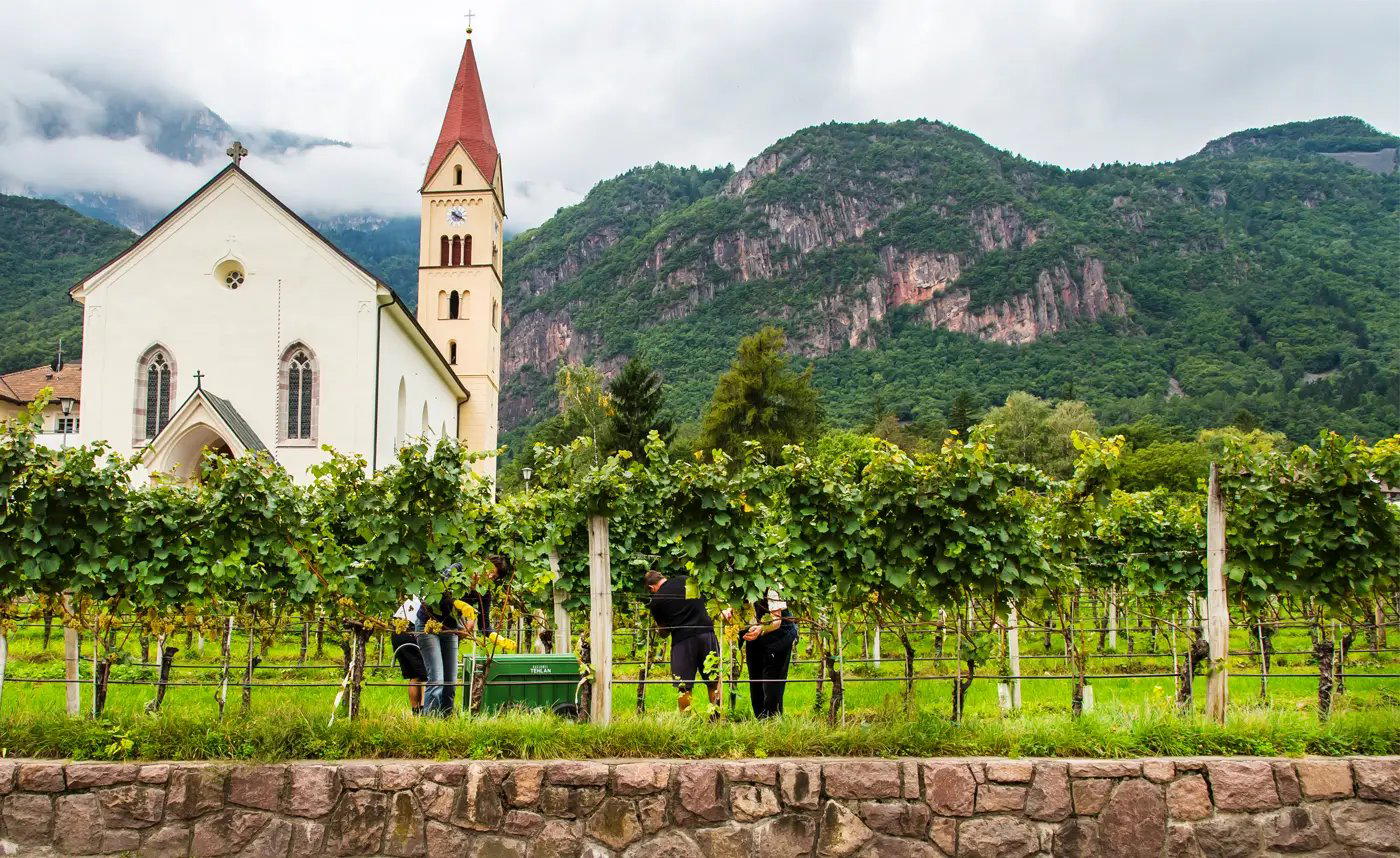
Brixen, or Bressanone in Italian, both names appearing on road signs throughout town, sits at the confluence of the Eisack and Rienza rivers in South Tyrol, a province that spent much of the twentieth century arguing about which country it belonged to and ended up culinarily richer for the ambiguity. The result is a dining culture where speck hangs alongside prosciutto, where dumplings share menus with handmade pasta, and where the sourcing story behind any given plate tends to stretch no further than the nearest valley. Agorà21 is a restaurant on Via Fienili in Brixen, serving Neapolitan Pizza & Southern Italian cooking at a casual, recommended-to-book address.
South Tyrolean dining at the serious end of the market is defined less by technique than by provenance. The altitude-grazed dairy herds of the Val Pusteria, the apple orchards that dominate the valley floor, the rye and spelt farms at elevation, these are not backdrop details but the actual subject matter of the cuisine. Restaurants across Brixen's upper-middle dining tier, from the creative register of Apostelstube to the classical approach at Elephant and the regional commitment of Alpenrose, work from the same geographic larder. What separates them is how tightly they edit that source material and how they frame it for the table.
The Sourcing Logic of South Tyrol
The ingredient story in this corner of northern Italy runs deeper than the standard farm-to-table narrative that has become restaurant boilerplate elsewhere. South Tyrol's protected designation system, covering everything from Speck Alto Adige IGP to specific apple varietals, creates a traceability culture that shapes how kitchens here think about menus. A dish is not simply regional because it uses local produce; it is regional because it reflects the specific microclimate and altitude from which that produce came. The Eisack Valley floor, where Brixen sits, yields different herb and vegetable profiles than the higher side valleys. That granularity matters to kitchens serious about their supply chains.
The cross-border culinary inheritance also shapes the wine programme across Brixen's better tables. The Alto Adige DOC, which sweeps around the city, produces Gewürztraminer, Pinot Grigio, and Lagrein at altitude, grapes that pair with the dairy-heavy, cured-meat-anchored cuisine more naturally than wines from further south. Any serious restaurant in the city draws on that geography, it would be a strange editorial choice not to.
Setting and Atmosphere
Via Fienili runs through the older residential fabric south of Brixen's Baroque cathedral square, away from the tourist-facing restaurants that cluster around the Domplatz. The address itself signals something: a restaurant that expects its guests to seek it out rather than stumble across it. In a city where the cathedral square draws significant foot traffic, particularly from summer hikers and cycling tourists passing through on the Eisack Valley route, operating a few streets removed is a positioning choice as much as a practical one.
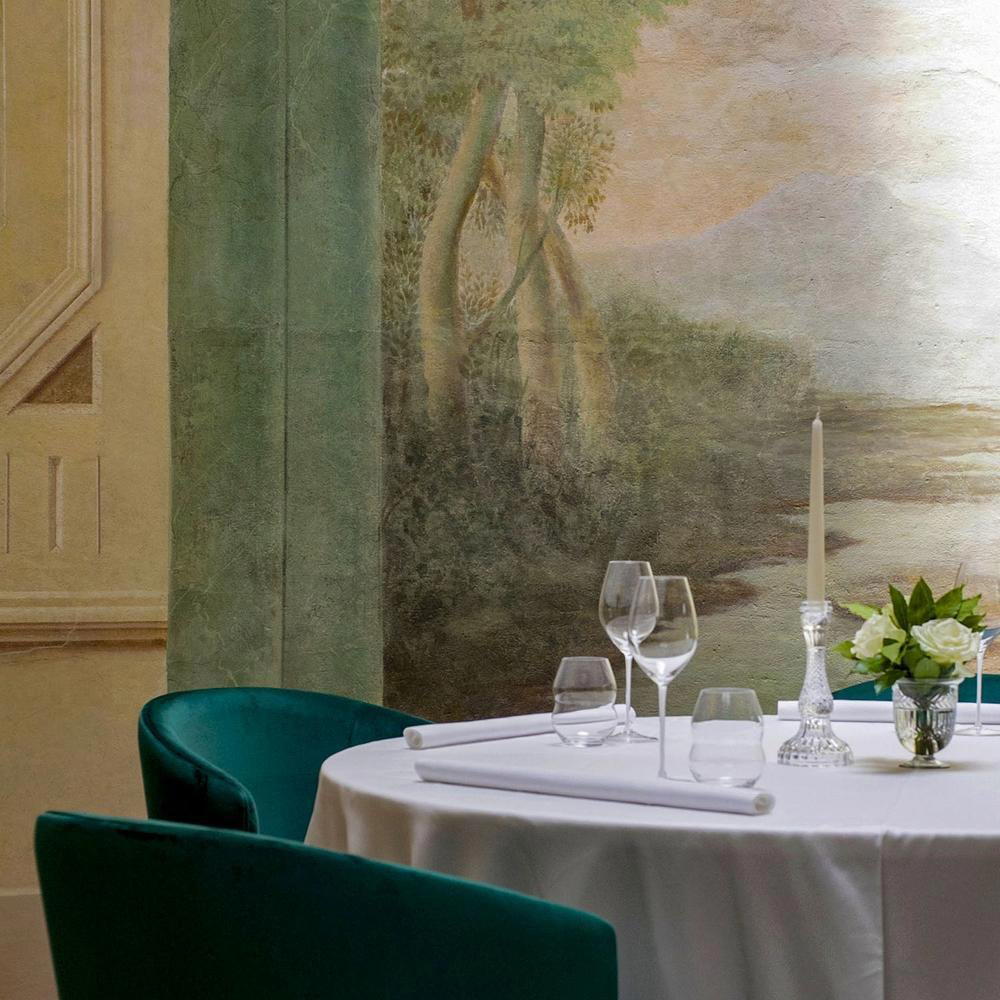
South Tyrolean interiors at this level tend toward a specific vocabulary, exposed timber, clean stone or plaster walls, lighting calibrated to remove the chalet cliché while retaining warmth. The tension between Germanic architectural tradition and Italian sensibility plays out in the dining rooms of many Brixen restaurants, and it usually resolves somewhere more spare than either tradition alone would suggest. The Via Fienili setting places it in a quieter, more local register than the old-town-centre alternatives.
Brixen in the Context of Northern Italian Fine Dining
Visitors benchmarking Brixen against Italy's broader fine dining geography will note that South Tyrol operates in its own register. The reference points are not the same as in Milan, where Enrico Bartolini represents the Michelin-starred metropolitan norm, or Modena, where Osteria Francescana has made the case for conceptual Italian cooking at global scale. Nor does it map directly onto the produce-driven Piedmontese model of Piazza Duomo in Alba or the technical ambition of Le Calandre in Rubano.
The South Tyrolean frame is its own thing: a mountain cuisine with Central European roots, Italian administrative context, and a wine culture that is genuinely distinct from both. One acclaimed expression of that tradition in the region is Atelier Moessmer Norbert Niederkofler in Brunico, where the Cook the Mountain philosophy has made hyper-local alpine sourcing into a formal statement. Brixen's scene, including Agorà21, operates in a less codified but no less committed version of that ethos. Further along the Italian peninsula, the comparison restaurants that share a sourcing-first philosophy, Dal Pescatore in Runate, Reale in Castel di Sangro, Uliassi in Senigallia, each demonstrate how deeply ingredient origin can anchor a restaurant's identity, even when the specific produce changes by latitude.
Planning a Visit
Brixen is accessible by train on the Brenner rail corridor, which connects Innsbruck to Bolzano and beyond, making it a logical stop on a longer northern Italy itinerary. The city is small enough to walk across in twenty minutes, so logistics within town are minimal. For the Via Fienili address, arriving on foot from the cathedral square takes under ten minutes. Visitors also considering Brix 0.1 or Burgerhof as part of a broader Brixen dining sweep will find that the compact centre makes multi-venue evenings practical. Booking is recommended, and the restaurant's regular hours are Mon: 12-2:30 PM, 5:30-10 PM; Tue: Closed; Wed: 12-2 PM, 5:30-10:30 PM; Thu: 12-2 PM, 5:30-10 PM; Fri: 12-2 PM, 5:30-10 PM; Sat: 12-2 PM, 5:30-10 PM; Sun: 12-2 PM, 5:30-10 PM. Expect a casual setting and about $20 per person. South Tyrolean restaurants at this level tend to close one or two days per week and may observe seasonal breaks, particularly in November before the winter season begins.
Quick Comparison
Comparable venues nearby, for context on price, style, and recognition.
| Venue | Cuisine | Price | Notes |
|---|---|---|---|
| Agorà21This venue — the venue you are viewing | Neapolitan Pizza & Southern Italian | $$ | Not listed |
| Gattererhof | South Tyrolean Buschenschank | $$ | Brixen |
| Villscheiderhof | Traditional South Tyrolean | $$ | Fraktion Untereben |
| Brix 0.1 | Modern Italian Grill | $$ | Lido Park |
| Huberhof | South Tyrolean Italian Buschenschank | $$ | Brixen |
| Burgerhof | South Tyrolean Farm-to-Table | $$ | Pian di Sotto |
Continue exploring
More in Brixen
Restaurants in Brixen
Browse all →
Bars in Brixen
Browse all →
Hotels in Brixen
Browse all →
At a Glance
- Rustic
- Cozy
- Family
- Casual Hangout
- Standalone
Current opening hours
- Monday
- 12–2:30 PM, 5:30–10 PM
- Tuesday
- Closed
- Wednesday
- 12–2 PM, 5:30–10:30 PM
- Thursday
- 12–2 PM, 5:30–10 PM
- Friday
- 12–2 PM, 5:30–10 PM
- Saturday
- 12–2 PM, 5:30–10 PM
- Sunday
- 12–2 PM, 5:30–10 PM
Hours can change for holidays and private events. Last verified .
Rustic and authentic atmosphere highlighting fresh ingredients in a welcoming pizzeria setting.