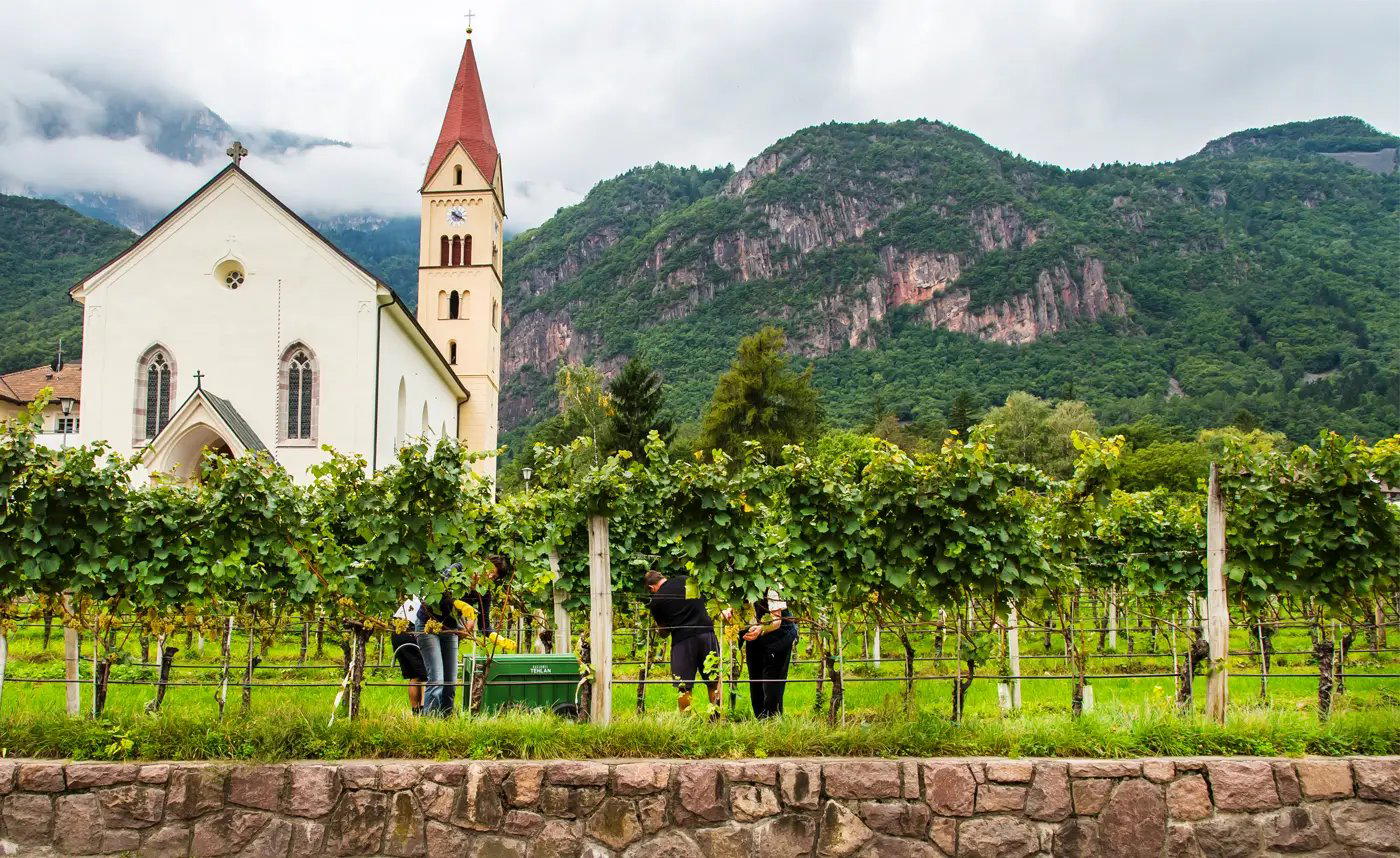
A farmhouse address on the rural edge of Brixen, Gattererhof sits where the South Tyrolean countryside meets the town's broader dining scene. The setting frames a kitchen rooted in the agricultural traditions of the Eisack Valley, positioning it within a local comparable set that ranges from creative tasting menus to regional classics. For visitors working through Brixen's restaurant options, it represents the farm-proximate end of that spectrum.
Pearl is the En Primeur Club membership app — saves, bookings, and concierge access live there. Same editors, same standards.
- Address
- Via Elvas, 83, 39042 Bressanone BZ, Italy
- Phone
- +39472838243
- Website
- gattererhof.it
- Directions
- Get directions
 Saves & bookings on Pearl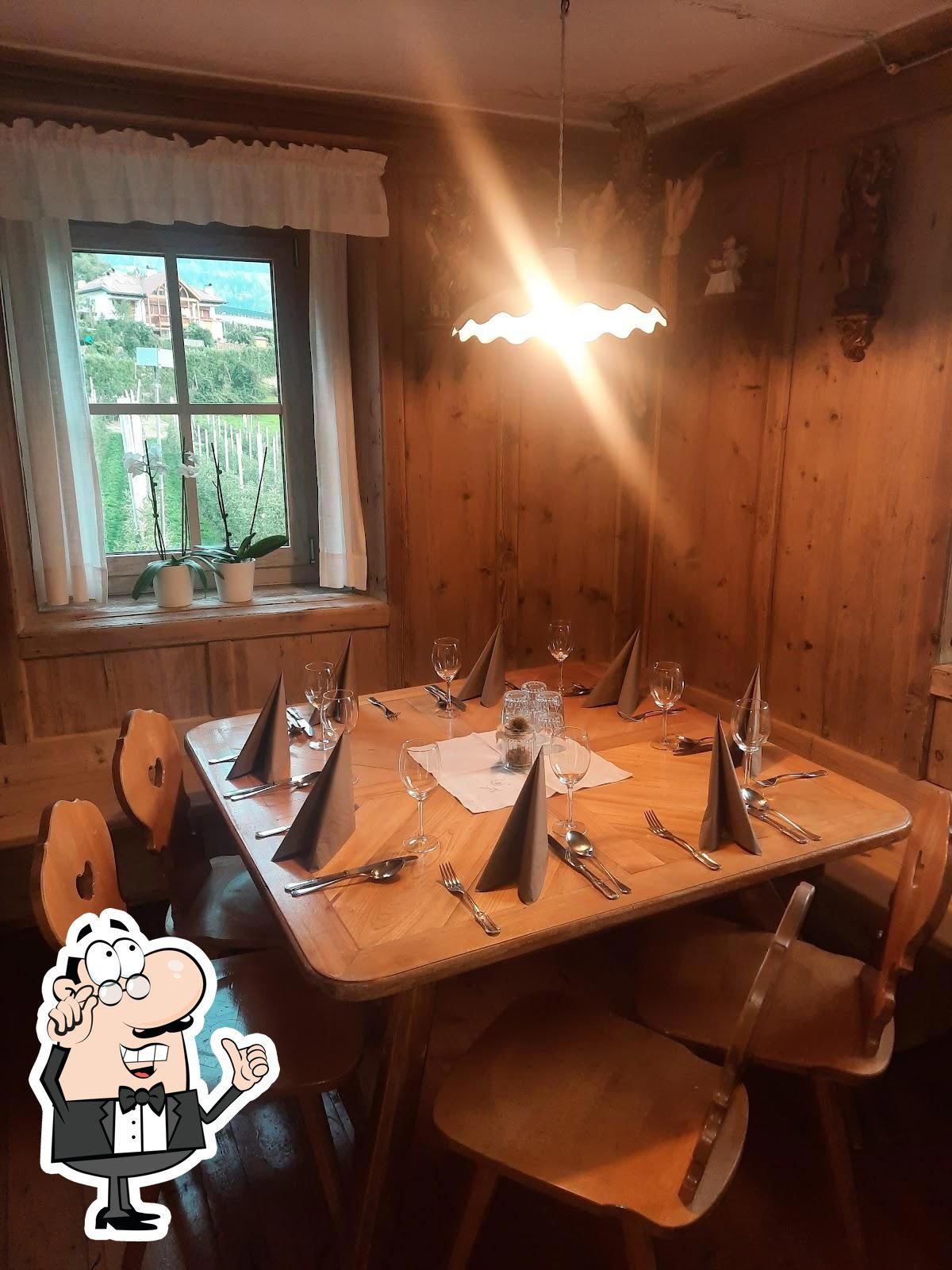
Where Farmland Meets Table in the Eisack Valley
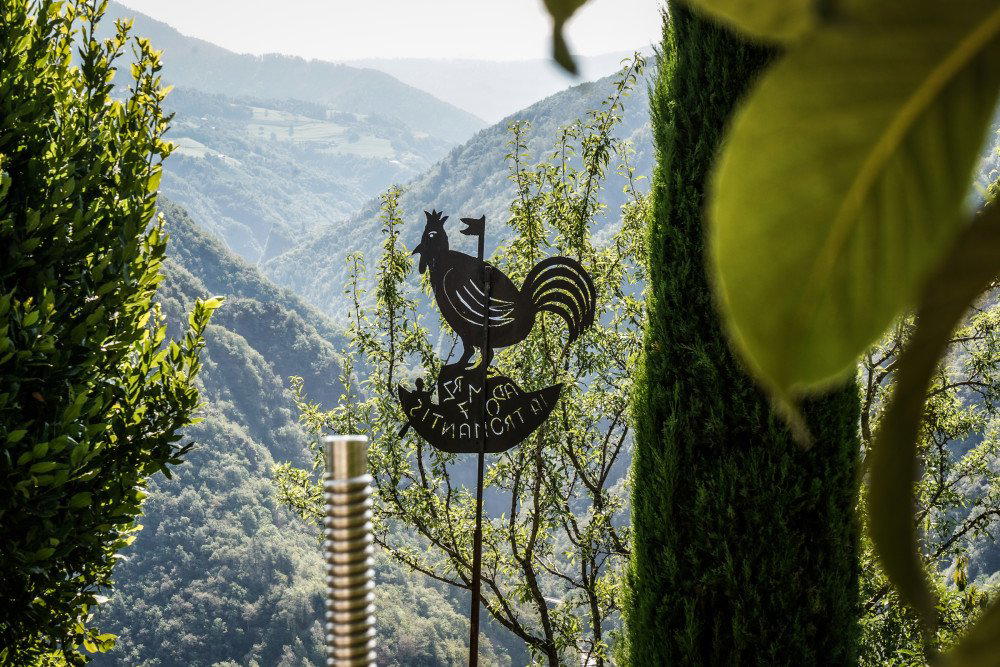
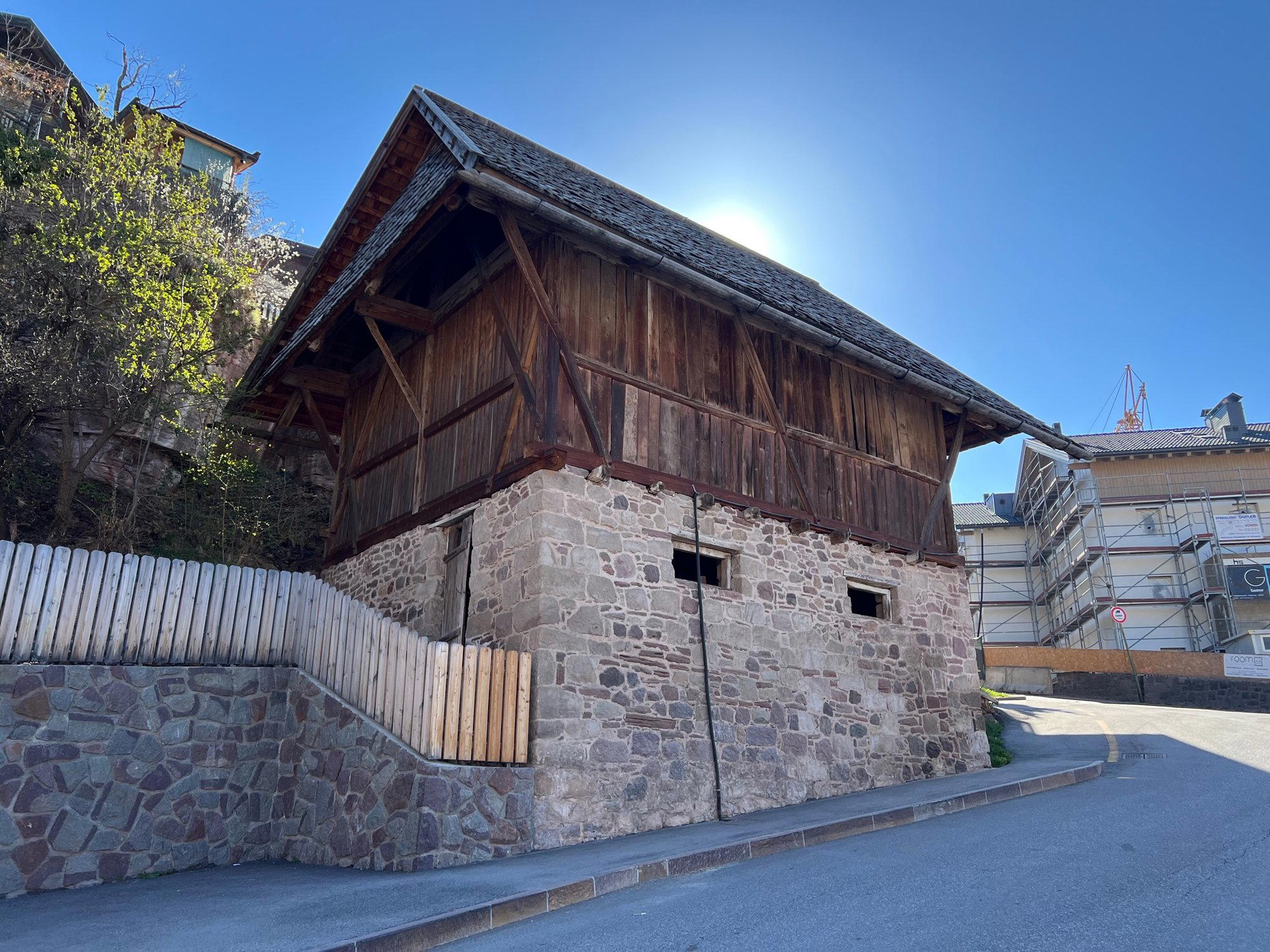
The road that climbs toward Elvas above Brixen tells you something about what to expect before you arrive. The valley floor, with its cathedral square and compact medieval centre, gives way to terraced orchards and working farmsteads as the altitude rises. In this part of South Tyrol, the distance between a kitchen and its ingredient sources is often measured in minutes rather than supply chains, and addresses like Via Elvas 83 are a reminder that the region's agricultural identity is not merely decorative. Gattererhof is a South Tyrolean Buschenschank at Via Elvas 83 in Bressanone, set above the Eisack Valley on the Elvas hillside.
South Tyrol has developed one of Italy's more concentrated fine-dining scenes over the past two decades, with properties spread across the Dolomite valleys drawing significant international attention. Atelier Moessmer Norbert Niederkofler in Brunico has made the case for a rigorous Alpine sourcing philosophy at the highest level of recognition. Within Brixen itself, the spectrum runs from the technique-led creativity of Apostelstube at the upper price tier through to neighbourhood-anchored regional cooking at places like Alpenrose. Gattererhof's farmhouse location places it in a distinct category: venues whose physical setting is not backdrop but context, where the gap between the field and the plate is part of the dining logic.
Menu Architecture and What It Signals
In South Tyrol, the structure of a menu at a farm-proximate address tends to follow a different logic than that of a tasting-menu restaurant in a valley town. Rather than a composed sequence designed to show range and technique, the kitchen typically organises around a smaller core of dishes that reflect what the land and season are producing. The Eisack Valley's culinary tradition draws on a dual inheritance: the Germanic farmhouse cooking of the Tyrolean north, with its emphasis on cured meats, rye breads, dumplings, and dairy, set alongside the Italian influence that arrived with the postwar border and has deepened over generations.
What that means structurally for a kitchen at this kind of address is a menu that is narrower than its urban counterparts but more specific in its sourcing commitments. The classic South Tyrolean sequence moves through speck and cheese boards as a preamble, into primi built around knödel or barley soup, and toward secondi that lean heavily on local beef, pork, and game depending on the season. The degree to which any given kitchen departs from or refines that structure is where individual character emerges, but the template itself is deeply embedded in the region's hospitality culture.
Brixen's dining scene as a whole sits at an interesting moment. Newer addresses like Agorà21 and Brix 0.1 suggest an appetite for formats that depart from traditional structure, while Burgerhof and other established addresses maintain the regional anchor. A farmhouse property on the slopes above town sits somewhat apart from that urban conversation, drawing a clientele that is often as interested in the setting and the proximity to production as in any particular culinary ambition.
The Regional Frame: South Tyrolean Cooking in Italian Context
Understanding where Gattererhof fits requires some sense of how South Tyrolean cooking reads within the broader Italian restaurant context. Italy's most discussed fine-dining addresses, from Osteria Francescana in Modena to Piazza Duomo in Alba, operate within a tradition where regional identity is channelled through formal technique and composed presentation. The Alpine north works differently. Here, the regional claim is more often made through ingredient provenance and material directness than through the architecture of a tasting menu. Dal Pescatore in Runate or Reale in Castel di Sangro represent the kind of formal ambition that defines Italian fine dining at its upper tier. South Tyrolean farmhouse cooking occupies a different register, one that international visitors sometimes find more legible precisely because it is less mediated by formal convention.
That legibility has commercial value. Properties with a clear agricultural identity and rural setting can position against the town's tasting-menu circuit while appealing to a traveller who wants proximity to the region's food culture without the structure of a composed dinner.
Planning a Visit
Standing Among Peers
Comparable venues nearby, for context on price, style, and recognition.
| Venue | Cuisine | Price | Notes |
|---|---|---|---|
| GattererhofThis venue — the venue you are viewing | South Tyrolean Buschenschank | $$ | Not listed |
| Huberhof | South Tyrolean Italian Buschenschank | $$ | Brixen |
| Vinus Hannes Weinbistro | South Tyrolean & Mediterranean Wine Bistro | $$ | Bressanone città |
| Agorà21 | Neapolitan Pizza & Southern Italian | $$ | Bressanone Center |
| Wirt an der Mahr | Traditional South Tyrolean with Italian and German influences | $$$ | La Mara |
| Villscheiderhof | Traditional South Tyrolean | $$ | Fraktion Untereben |
Continue exploring
More in Brixen
Restaurants in Brixen
Browse all →
Bars in Brixen
Browse all →
Hotels in Brixen
Browse all →
At a Glance
- Rustic
- Cozy
- Family
- Casual Hangout
- Standalone
- Local Sourcing
- Mountain
Cozy, rustic stube atmosphere with warm hospitality and homemade South Tyrolean comfort food