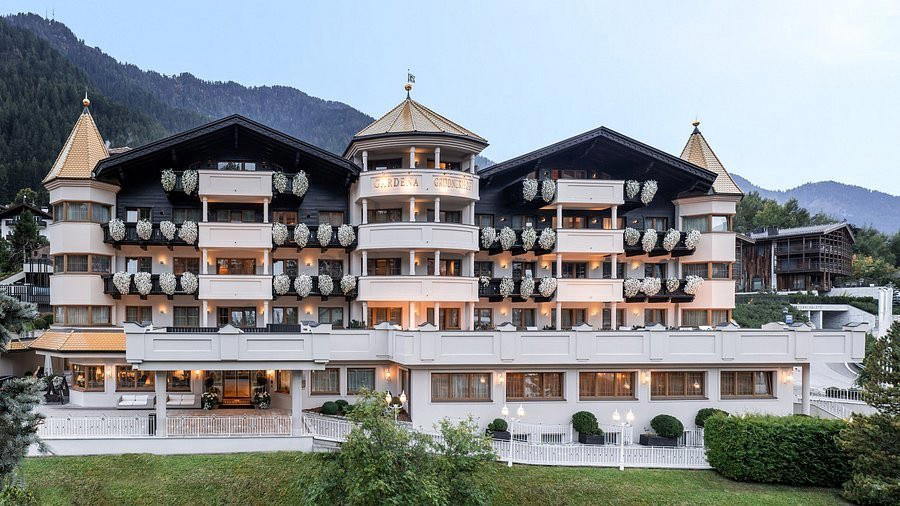
Forestis Dolomites sits above Brixen at Palmschoß 22, where the South Tyrolean forest meets the architectural logic of altitude-driven retreat. In a region where luxury hospitality has split between valley-floor grandeur and high-elevation seclusion, Forestis belongs firmly to the latter category. Its position in the Dolomites places it within one of Italy's most demanding and rewarding contexts for premium travel.
Pearl is the En Primeur Club membership app — saves, bookings, and concierge access live there. Same editors, same standards.
- Address
- Palmschoß 22, 39042 Bressanone BZ, Italy
- Phone
- +39472521008
- Website
- forestis.it
- Directions
- Get directions
 Saves & bookings on Pearl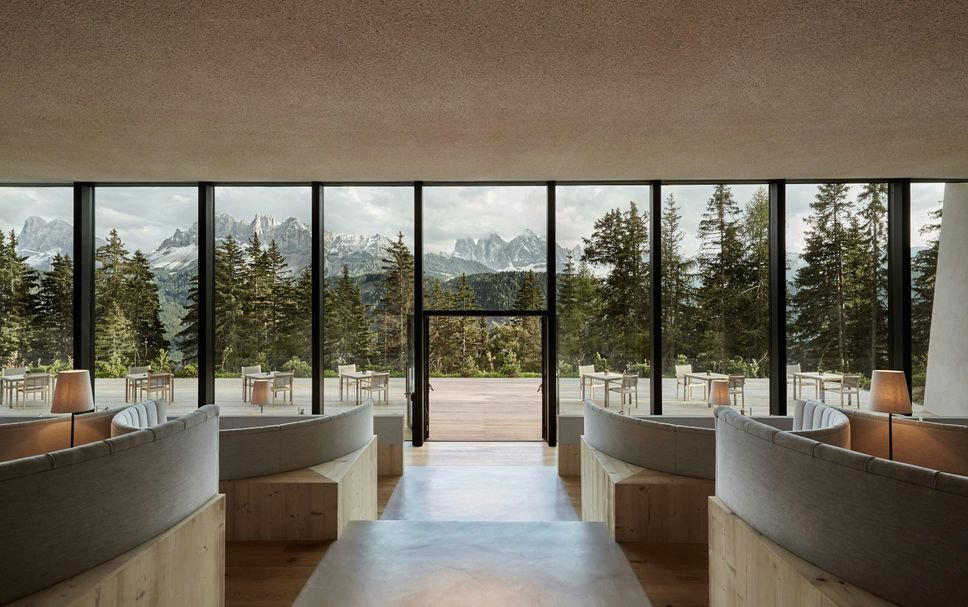
Above the Valley: What Altitude Does to the Experience
South Tyrol's hospitality character has always been shaped by its vertical geography. Hotels and restaurants in the valley floor of Brixen operate within a different logic than those at elevation, where the forest thickens, road access narrows, and the relationship between guest and landscape becomes the primary architectural fact. Forestis Dolomites, a restaurant in Bressanone at Palmschoß 22, sits in that upper register, where the decision to build at altitude is itself a statement about what kind of experience the property intends to deliver.
This is a pattern found across the Alpine arc, from Verbier to Zermatt to the Südtirol's own interior valleys: the higher the property, the more deliberately it frames its isolation as an asset rather than a logistical inconvenience. Forestis occupies that position within the Brixen orbit, functioning less as a base for exploring the town and more as a destination complete in itself. Guests who want easy access to Apostelstube or Agorà21 in Brixen's centre will be weighing that against the deliberate remove that defines the Forestis proposition.
The South Tyrolean Context: A Region That Takes Its Dining Seriously
Brixen sits within one of Italy's most concentrated zones of serious culinary ambition. South Tyrol has more Michelin stars per capita than almost any comparable region in the country, a fact that reflects both the local tradition of product-led cooking and the draw of Alpine tourism. The regional table is defined by the tension between Germanic influence from the north and Italian technique from the south: speck, barley, venison, and rye bread sit alongside house-made pasta, aged cheeses, and locally pressed apple cider. The better kitchens in the area resolve that tension rather than simply listing both traditions on the same menu.
That regional seriousness extends to the broader neighbourhood. In nearby Brunico, Atelier Moessmer Norbert Niederkofler represents the apex of the Alpine fine dining conversation in northern Italy. Within Brixen itself, the range runs from the regional register of Alpenrose to the contemporary formats at Brix 0.1 and Burgerhof. Italy's wider fine dining map, from Osteria Francescana in Modena to Piazza Duomo in Alba to Dal Pescatore in Runate, demonstrates how seriously the country's leading tables treat ingredient provenance and regional specificity. South Tyrol's premium properties operate within that national conversation while maintaining a distinctly alpine identity.
Retreat Properties and the Architecture of Stillness
Across the European alpine market, a specific category of hospitality has emerged over the past decade that prioritises what might be called structural quiet: fewer keys, controlled arrival experiences, dining formats that are contained within the property rather than oriented toward outside reservations, and wellness programming calibrated to the natural environment rather than imported urban spa aesthetics. Properties in this category compete less with valley-floor hotels and more with each other across regional borders.
Forestis operates within that cohort. Its forest-and-altitude positioning aligns it with properties that treat the surrounding landscape as the central design element, rather than as a backdrop to built amenity. This has implications for how guests should approach a visit: the experience is structured around immersion in place rather than optimised access to external activities. That is a different proposition from a Brixen-centre hotel where dinner at Apostelstube or an evening at Agorà21 is a short walk away. Both approaches are coherent; they answer different questions about what a stay in South Tyrol is for.
Planning a Visit: Practical Orientation
Brixen is reached by train from Innsbruck or Bolzano, with the Brenner rail corridor making it accessible from both Vienna and Milan within a few hours.
Guests considering the broader South Tyrol circuit might note that the region's premium dining scene clusters in ways that reward multi-night stays. A few days that combine elevation at a property like Forestis with dining excursions into Brixen or toward Brunico covers the range from forest retreat to active culinary engagement. Italy's other three-star dining rooms, including Le Calandre in Rubano, Reale in Castel di Sangro, or Uliassi in Senigallia, suggest how diversely Italy's culinary ambition is distributed geographically, but South Tyrol remains the country's most distinctive alpine dining region.
Where Forestis Sits in the Local Competitive Set
Within Brixen's accommodation and dining market, Forestis occupies a different category from in-town options. The town centre restaurants, including the creative kitchen at Apostelstube at the €€€€ tier, operate for walk-in and reservation guests from the broader visitor base. Forestis, positioned above the valley at Palmschoß 22, functions more as a closed-loop hospitality environment where dining, wellness, and landscape access are contained within a single guest experience. That model carries its own price logic.
For context on the wider Italian luxury hotel market, properties with comparable altitude-and-forest positioning tend to draw comparison with the design-led retreat tier found across the Dolomites corridor. Italy's most-discussed fine dining addresses, from Enoteca Pinchiorri in Florence to Enrico Bartolini in Milan, anchor urban prestige. Forestis anchors something different: the case for going as far as possible from those urban centres without leaving Italy. That positioning is coherent and increasingly in demand across the European luxury travel segment.
Readers building a broader international itinerary around serious dining and high-concept hospitality might also consider how Forestis fits alongside globally recognised destinations. Le Bernardin in New York City, Lazy Bear in San Francisco, and Quattro Passi in Marina del Cantone each represent highly specific propositions tied to place and format. Forestis's proposition, altitude retreat in the Italian Dolomites, is equally specific, and that specificity is what makes it a meaningful addition to a considered travel programme rather than an interchangeable luxury choice.
A Minimal comparable set
Comparable venues nearby, for context on price, style, and recognition.
| Venue | Cuisine | Price | Notes |
|---|---|---|---|
| Forestis DolomitesThis venue — the venue you are viewing | Bressanone, Forest Cuisine | $$$$ | Not listed |
| Villscheiderhof | Not listed | $$ | Fraktion Untereben, Traditional South Tyrolean |
| Brix 0.1 | Lido Park, Modern Italian Grill | $$ | Not listed |
| Traubenwirt | Not listed | $$ | historic center, Tyrolean with Mediterranean influences |
| Vitis | centre, Modern Regional Italian | $$$$ | Not listed |
| Agorà21 | Not listed | $$ | Bressanone Center, Neapolitan Pizza & Southern Italian |
Continue exploring
More in Brixen
Restaurants in Brixen
Browse all →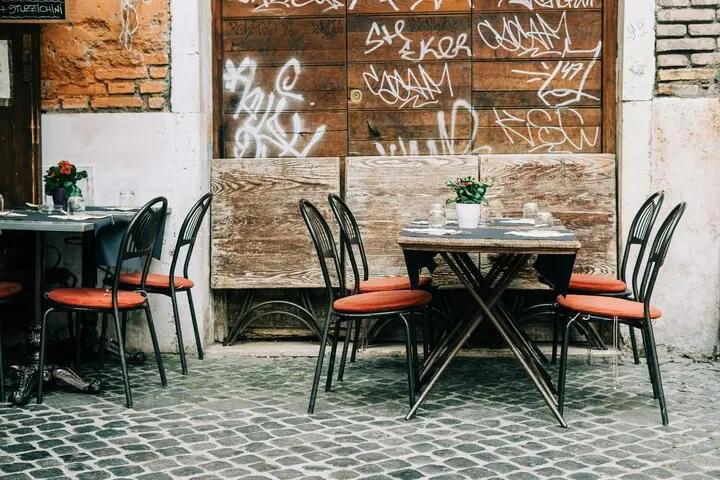
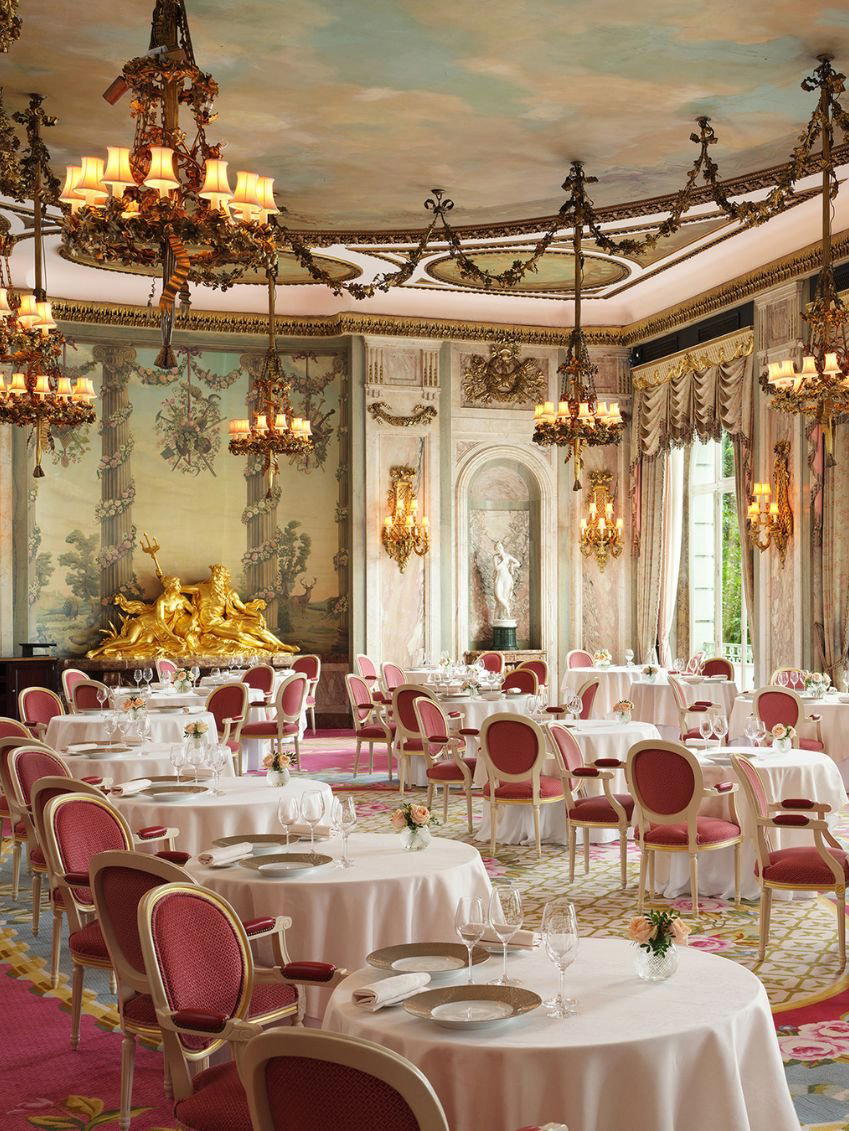
Bars in Brixen
Browse all →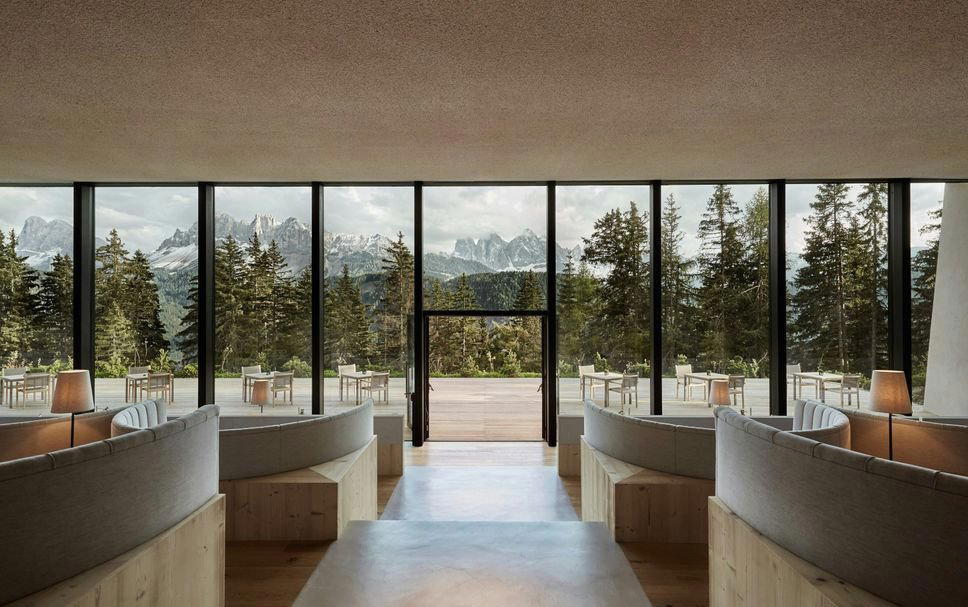
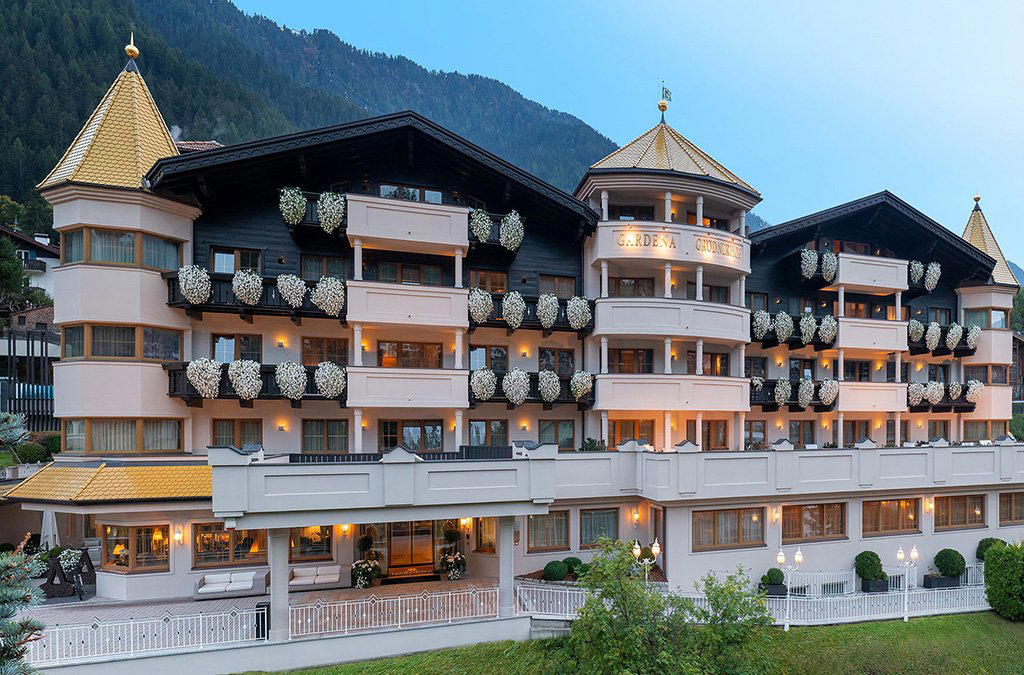
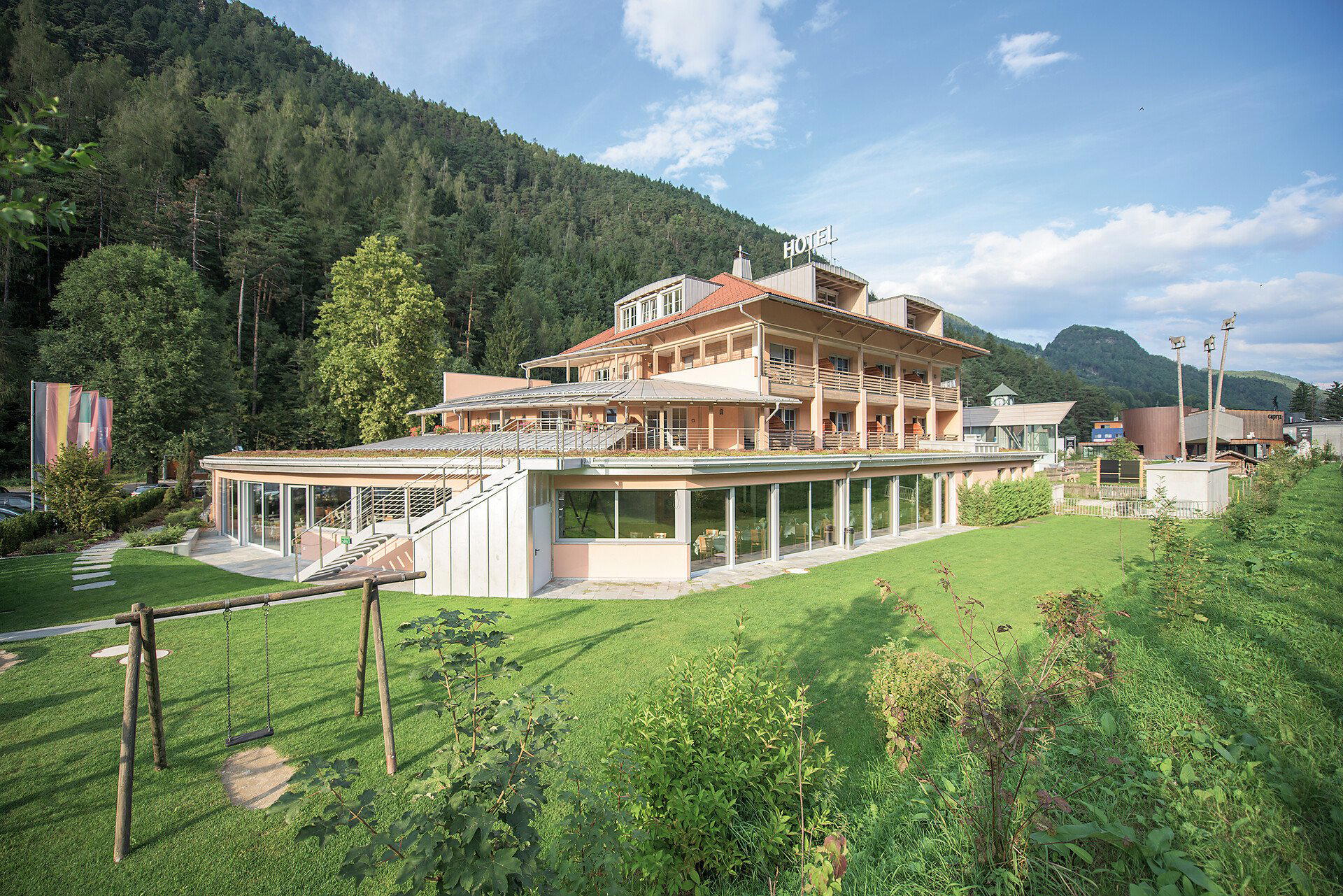
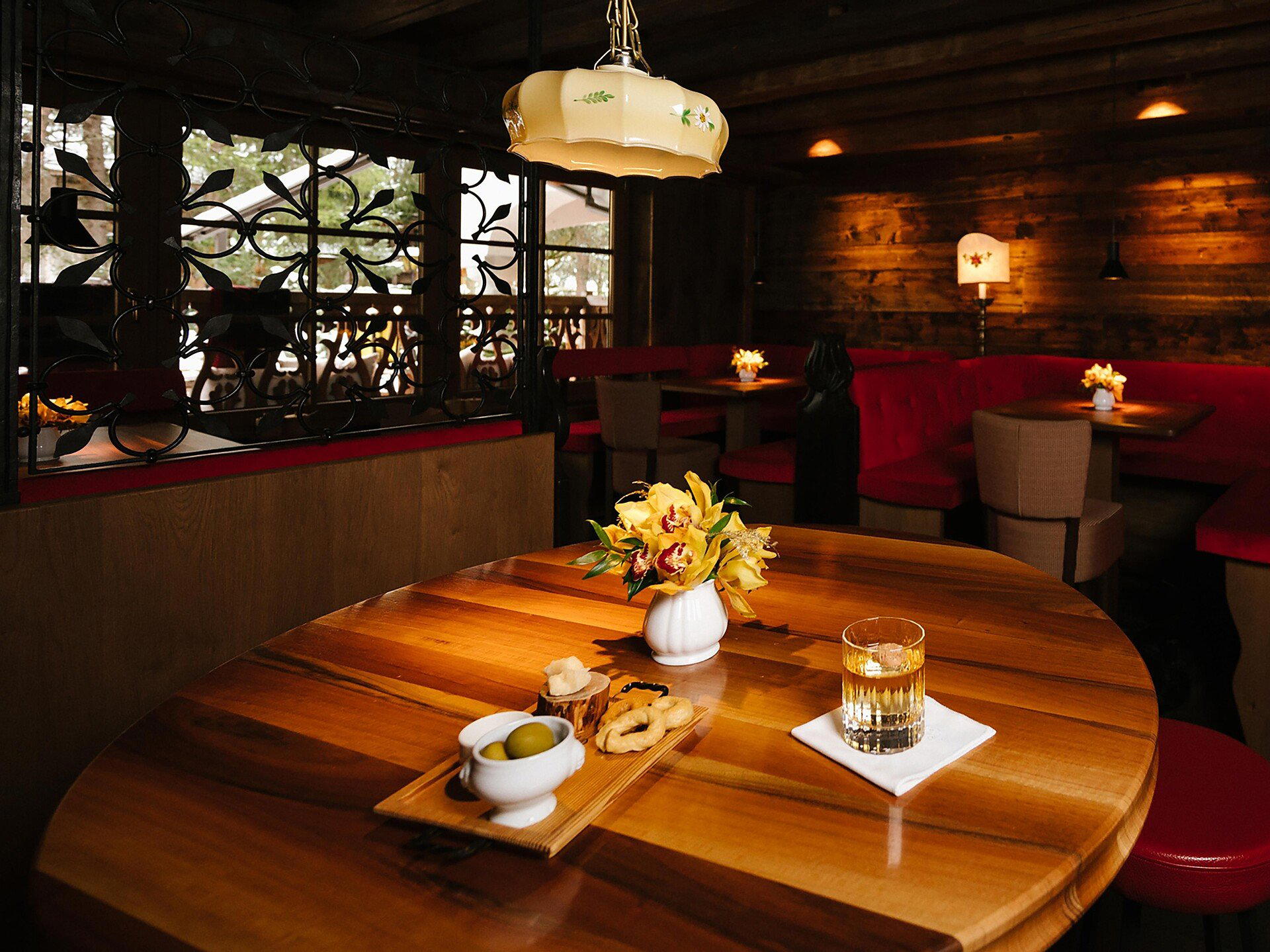
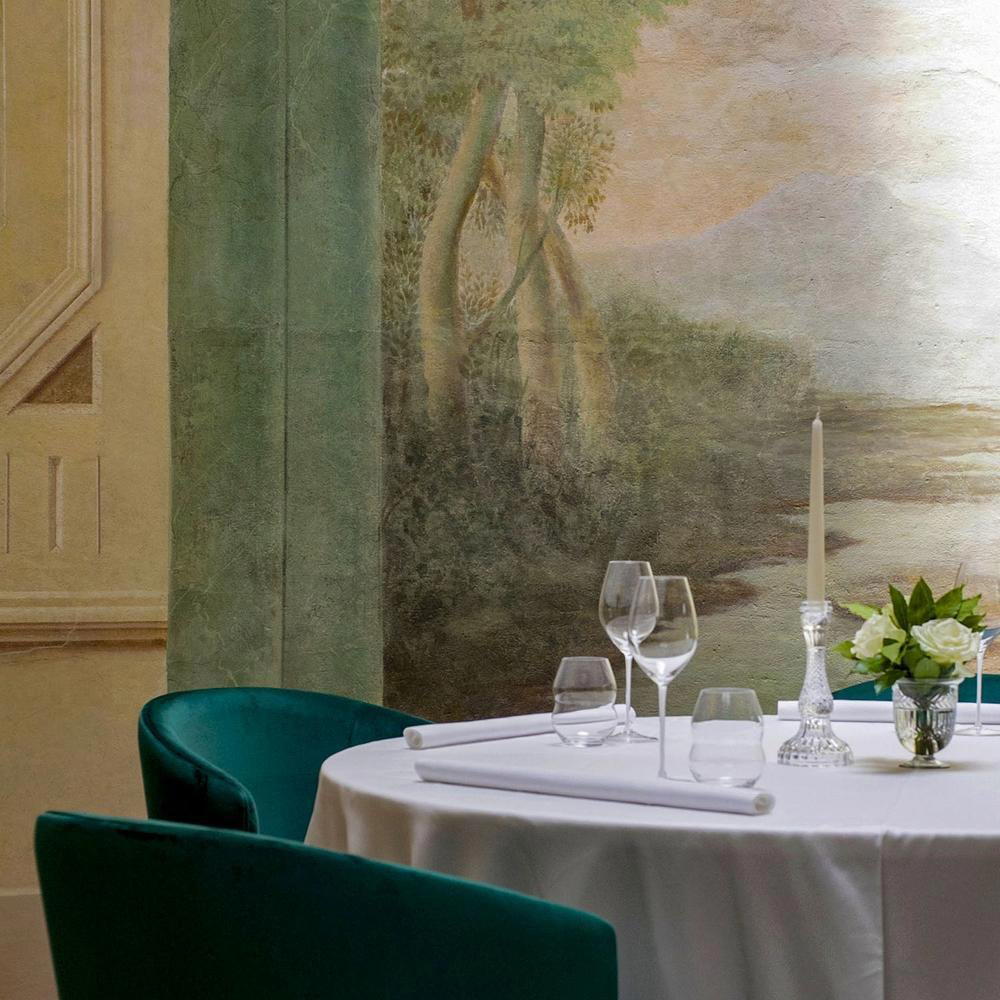
Hotels in Brixen
Browse all →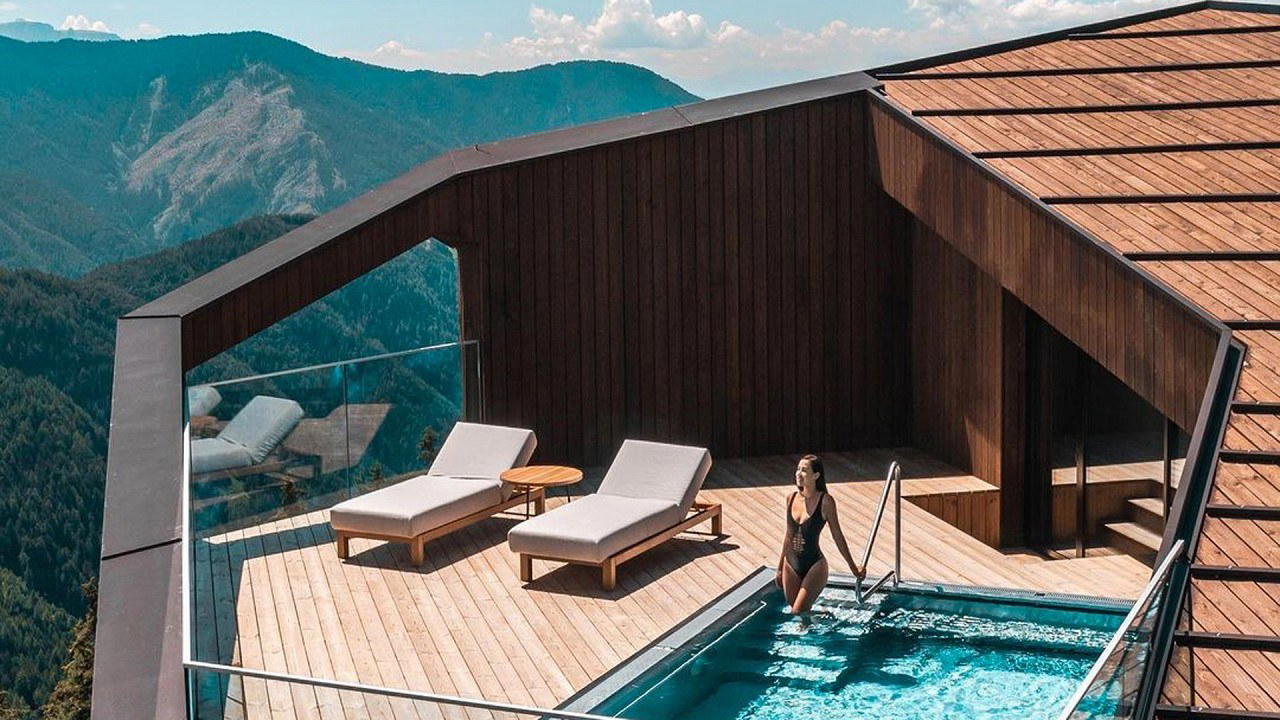
At a Glance
- Scenic
- Elegant
- Sophisticated
- Intimate
- Rustic
- Special Occasion
- Panoramic View
- Hotel Restaurant
- Local Sourcing
- Organic
- Mountain
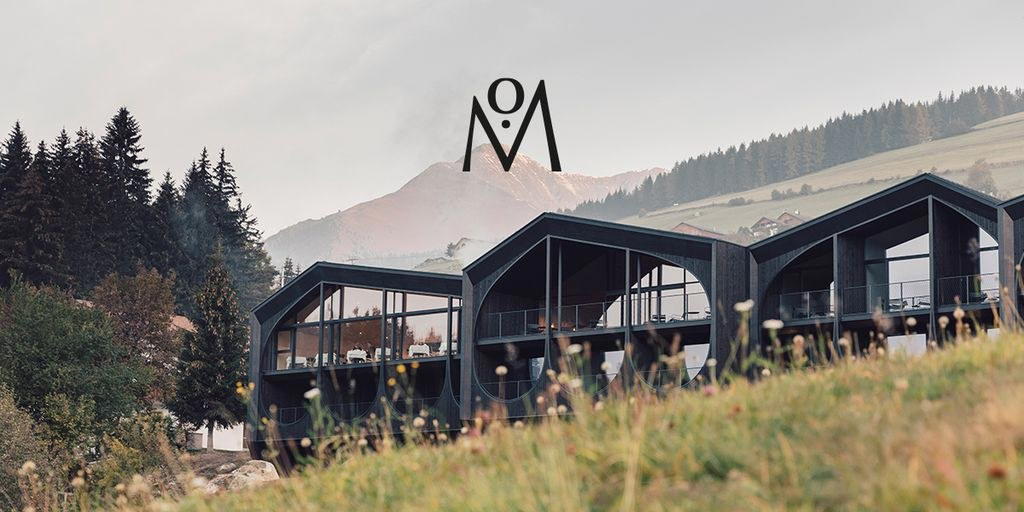
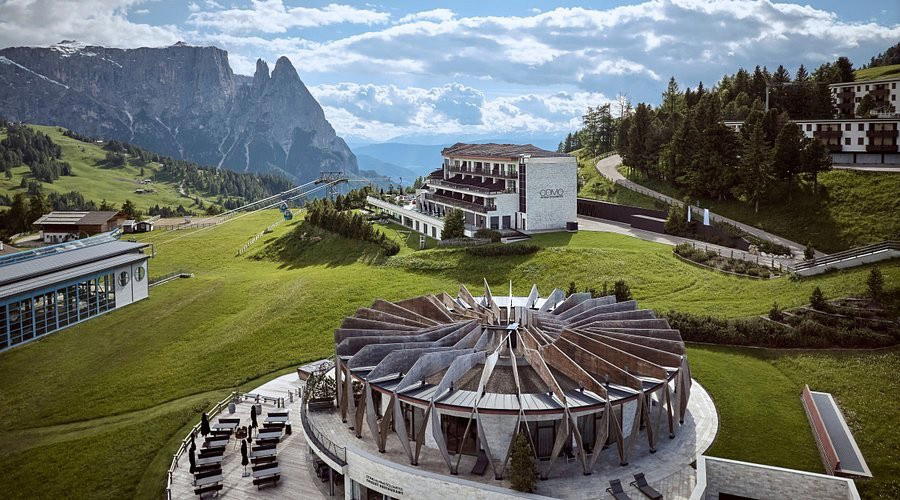
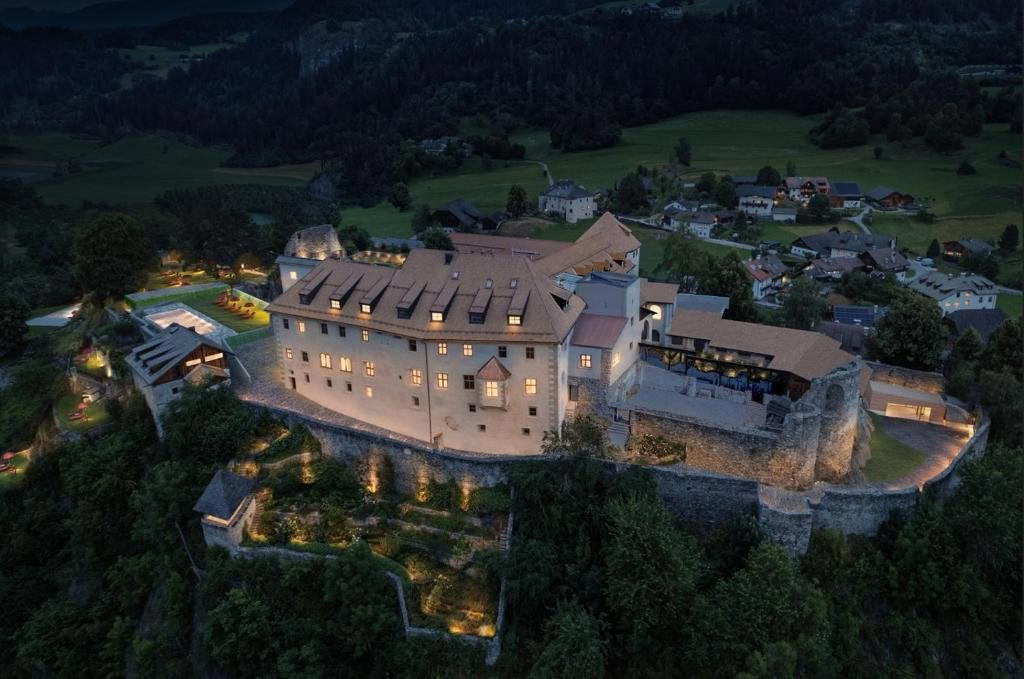
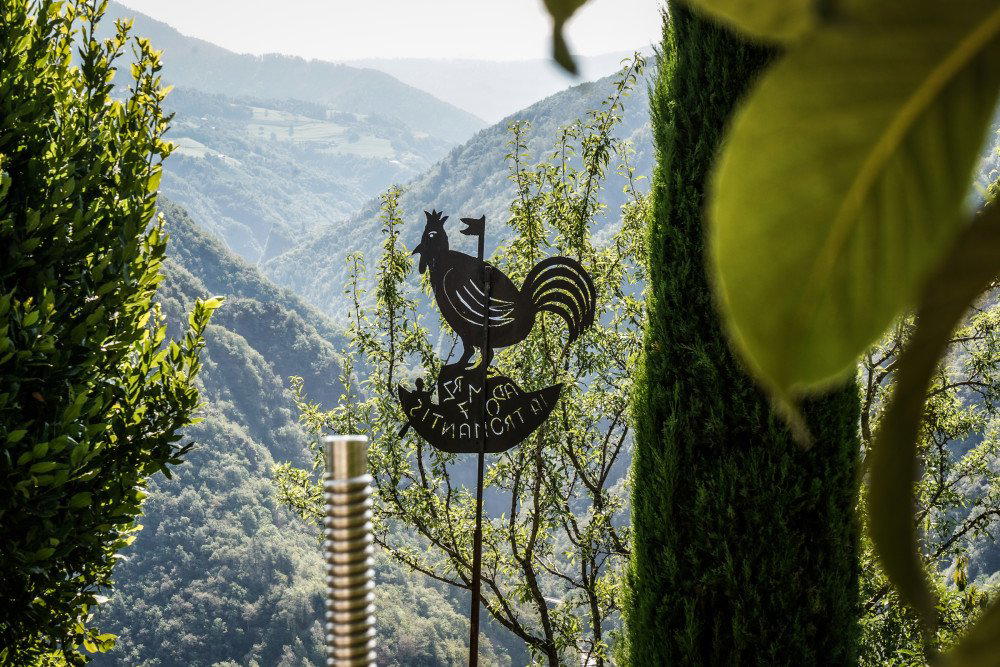
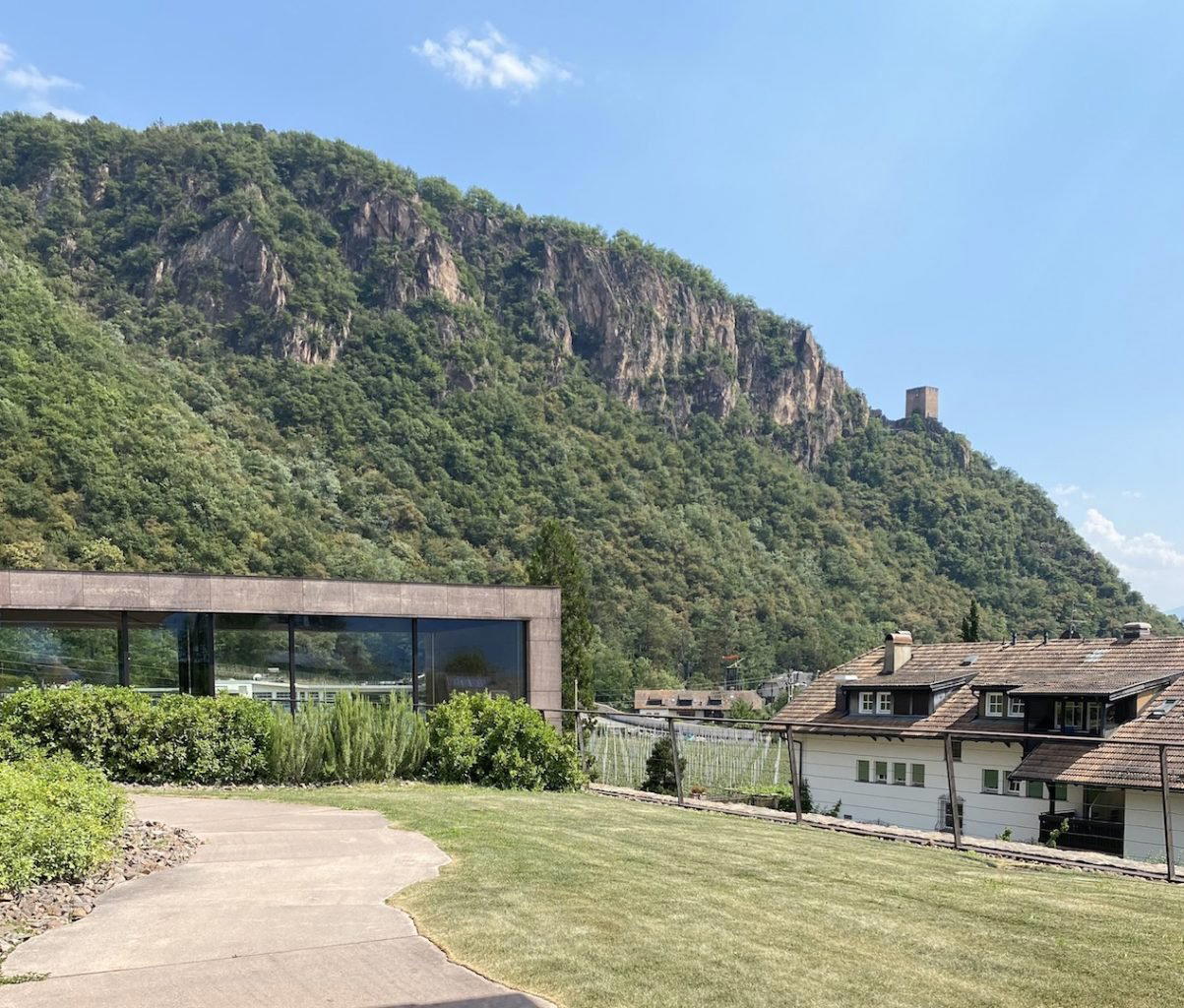
Minimalistic design with serene, light-filled spaces emphasizing far-reaching mountain panoramas and intimate privacy.