Brix 0.1 occupies an address in Bressanone (Brixen), the bilingual cathedral town in South Tyrol where Alpine and Italian culinary traditions have overlapped for centuries. The venue sits within a dining scene that ranges from long-established classic houses to a newer wave of creative operators, making it worth placing carefully against its local comparable set before booking.
Pearl is the En Primeur Club membership app — saves, bookings, and concierge access live there. Same editors, same standards.
- Address
- Via del Laghetto, 17, 39042 Bressanone BZ, Italy
- Phone
- +39472268371
- Website
- brix01.com
- Directions
- Get directions
 Saves & bookings on Pearl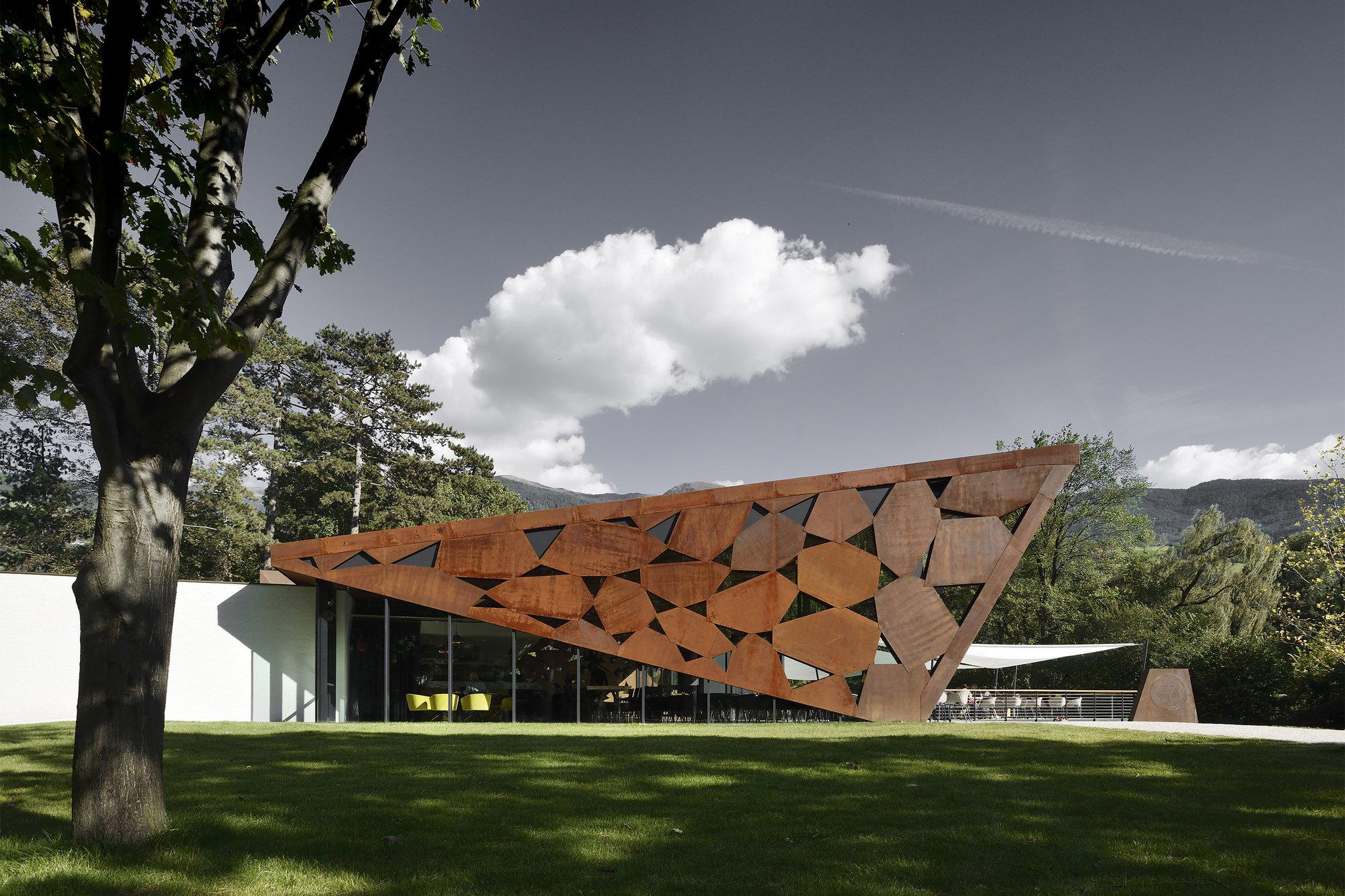
Where South Tyrol's Two Culinary Traditions Converge
The town's restaurant scene reflects that dual inheritance with unusual clarity: you can move within a few streets from schmaltz-inflected farmhouse cooking to herb-forward Alpine plates that owe as much to Trentino as to Tyrol. Brix 0.1, addressed at Via del Laghetto 17 in Bressanone, occupies this contested middle ground, and understanding what that means for a diner requires some orientation in the wider scene before zeroing in on the room itself.
South Tyrol as a region has accumulated more Michelin stars per capita than almost any other in Italy, a fact that has reshaped expectations at every price tier. The benchmark set by places such as Atelier Moessmer Norbert Niederkofler in Brunico, where Alpine ingredient discipline is applied at a formally ambitious level, filters down into how even mid-range operators in the valley think about sourcing and seasonality. That pressure makes the Brixen scene more technically considered than its modest size would suggest.
The Character of the Room
Via del Laghetto is one of the quieter lateral streets in Bressanone's historic core, removed from the main cathedral square but close enough to draw from the foot traffic that moves between the Duomo and the river. Addresses on this axis tend toward the compact and unhurried: buildings of stone and render rather than the grander civic architecture of the centre, with lower ceilings and a more domestic scale. A venue operating at number 17 inherits that register whether it chooses to or not, and Brix 0.1's name itself, precise, numeric, minimal, suggests an operator aware of how to signal a certain seriousness without the room needing to shout.
Compare this with the more theatrical register of Apostelstube, Brixen's established creative address at the higher end of the local price range, where the format is more explicitly performative. Brix 0.1 and Apostelstube represent different bets on what premium means in a town of this size.
Reading the Local comparable set
Brixen's restaurant options divide into reasonably legible tiers. At the approachable end, Alpenrose and the regional cuisine category generally hold the daily-use position: good Tyrolean product, direct execution, prices that locals return to without occasion-thinking. Elephant, operating in the classic cuisine bracket at the €€€ tier, occupies the established middle: formal enough for business, familiar enough for repeat visits. Apostelstube at €€€€ sits at the creative apex of what the town currently offers within its own borders.
Agorà21 and Burgerhof fill gaps in the range, covering formats the anchor venues do not. The question the restaurant poses is where exactly it fits within that structure, and the address and name suggest an operator positioning for the tier above casual without committing fully to the formal end.
The Broader Italian Context
To understand what ambition looks like at the Italian national level, it helps to look at what the country's formally recognised restaurants are doing: Osteria Francescana in Modena, Piazza Duomo in Alba, and Le Calandre in Rubano represent the northern Italian apex, where regional identity is both the starting material and the intellectual project. Further south, Reale in Castel di Sangro and Uliassi in Senigallia show how that same regionalist logic plays out when applied to different terroirs. The common thread is that particularly recognised Italian restaurants of the past decade have all made a version of the same argument: that the discipline of local identity is itself a form of ambition.
South Tyrolean operators work within that same argument, with the added layer that their regional identity is genuinely bicultural. The German-language name tradition (Bressanone is Brixen in German, and local menus often run in both languages) is not merely decorative; it signals a kitchen that draws from a distinct pantry of cured meats, mountain dairy, rye, and root vegetables that does not map neatly onto the canon of Italian cucina regionale further south. When operators from outside Italy look at what Enoteca Pinchiorri in Florence or Enrico Bartolini in Milan represent, South Tyrolean venues occupy an almost separate chapter, one that has more in common with Dal Pescatore in Runate in its commitment to a specific inherited tradition than with the urban-experimental register of the major city restaurants.
Planning a Visit
Bressanone is served by the Brenner rail corridor, putting it around 45 minutes from Bolzano and accessible from Innsbruck to the north. The town draws visitors year-round but the shoulder seasons, April to early June and September through October, bring particularly comfortable conditions and slightly reduced pressure on tables across all tiers. Via del Laghetto is walkable from the train station in under ten minutes, which removes any transport question. Reservations are recommended.
Budget and Context
Comparable venues nearby, for context on price, style, and recognition.
| Venue | Cuisine | Price | Notes |
|---|---|---|---|
| Brix 0.1This venue — the venue you are viewing | Lido Park, Modern Italian Grill | $$ | Not listed |
| Villscheiderhof | Not listed | $$ | Fraktion Untereben, Traditional South Tyrolean |
| Huberhof | Not listed | $$ | Brixen, South Tyrolean Italian Buschenschank |
| Wirt an der Mahr | Not listed | $$$ | La Mara, Traditional South Tyrolean with Italian and German influences |
| Agorà21 | Not listed | $$ | Bressanone Center, Neapolitan Pizza & Southern Italian |
| Gattererhof | Brixen, South Tyrolean Buschenschank | $$ | Not listed |
Continue exploring
More in Brixen
Restaurants in Brixen
Browse all →
Bars in Brixen
Browse all →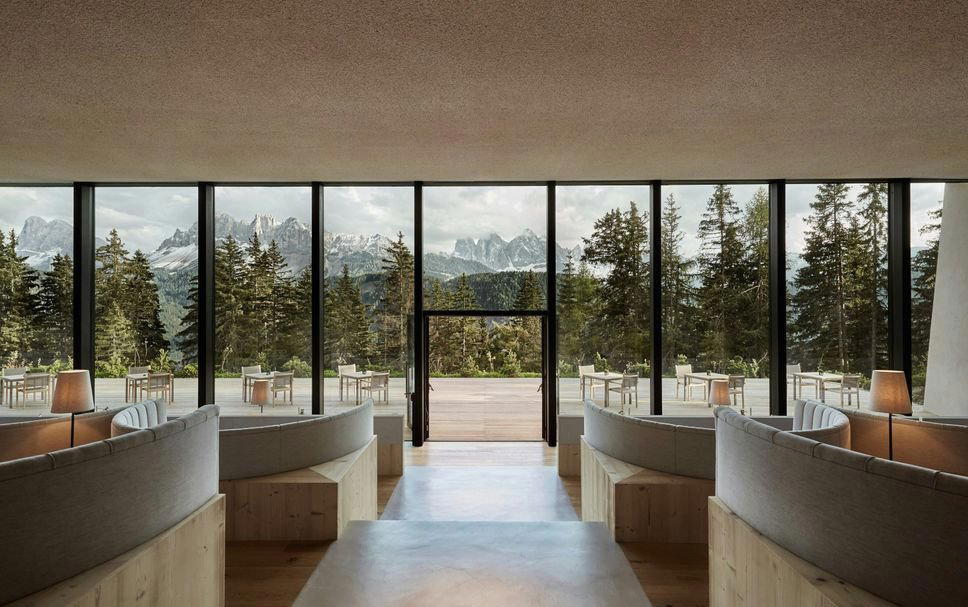
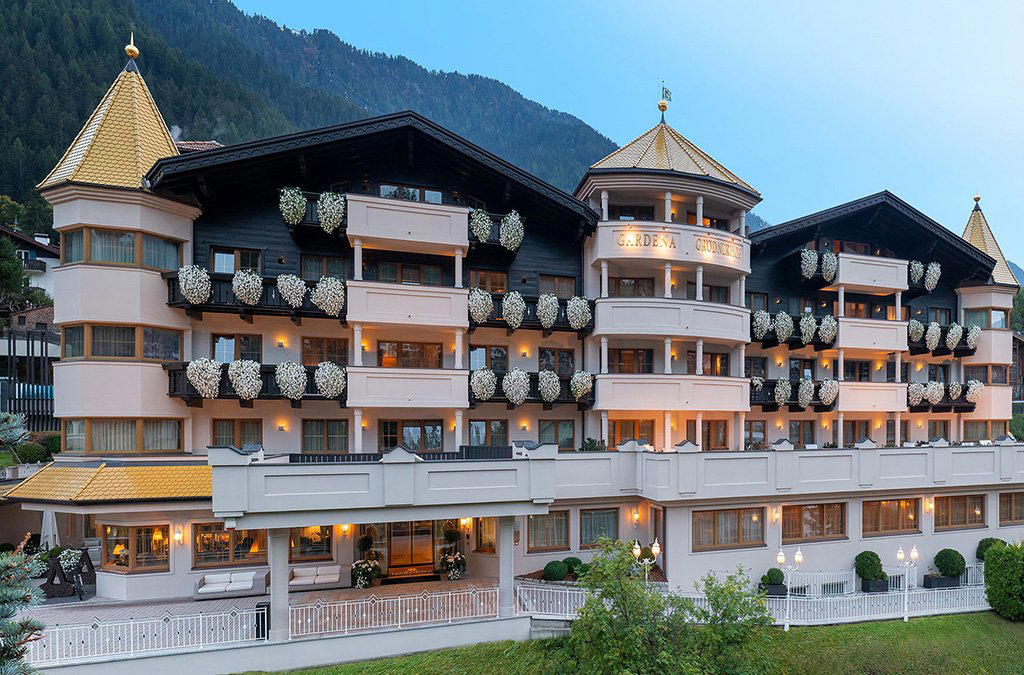
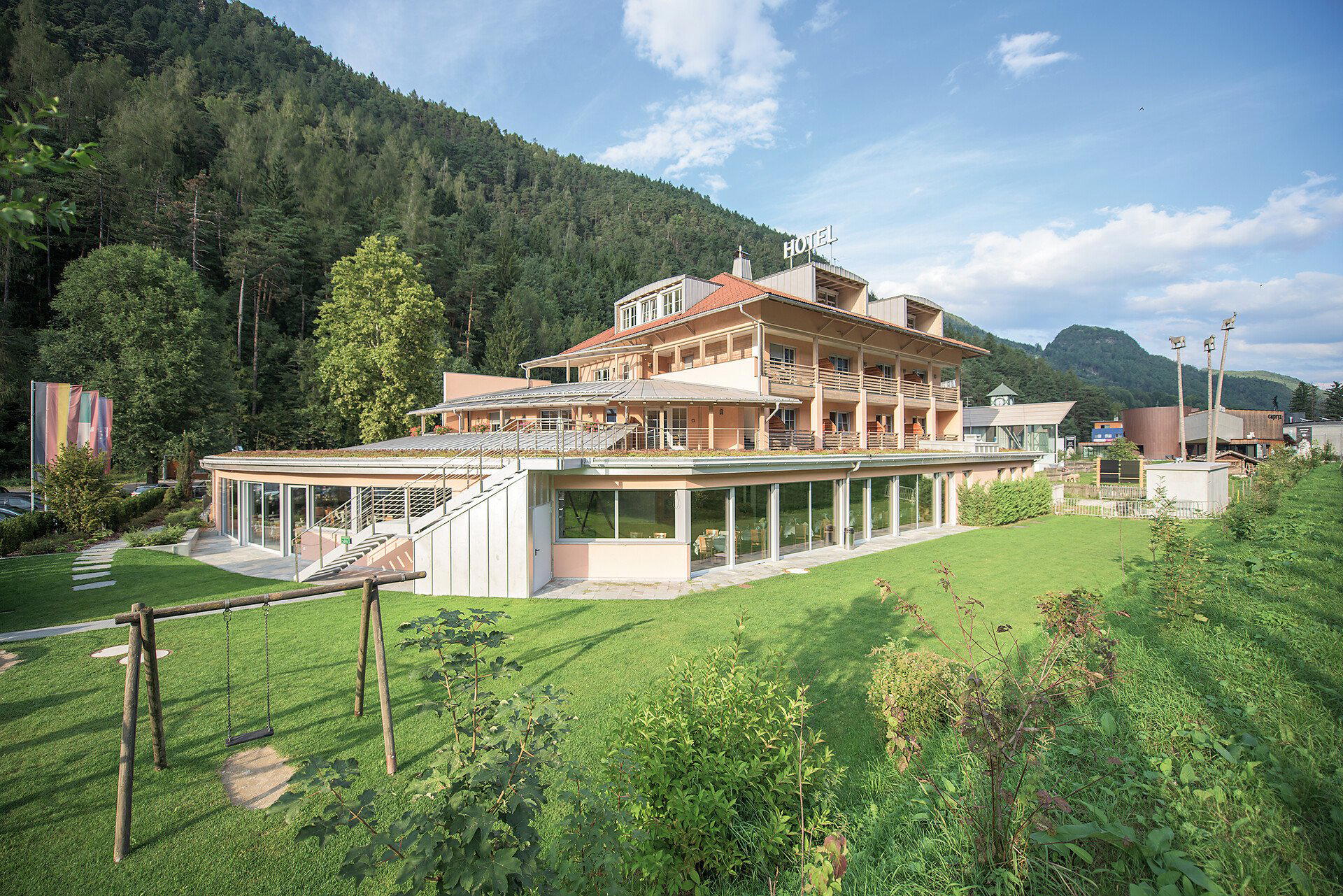
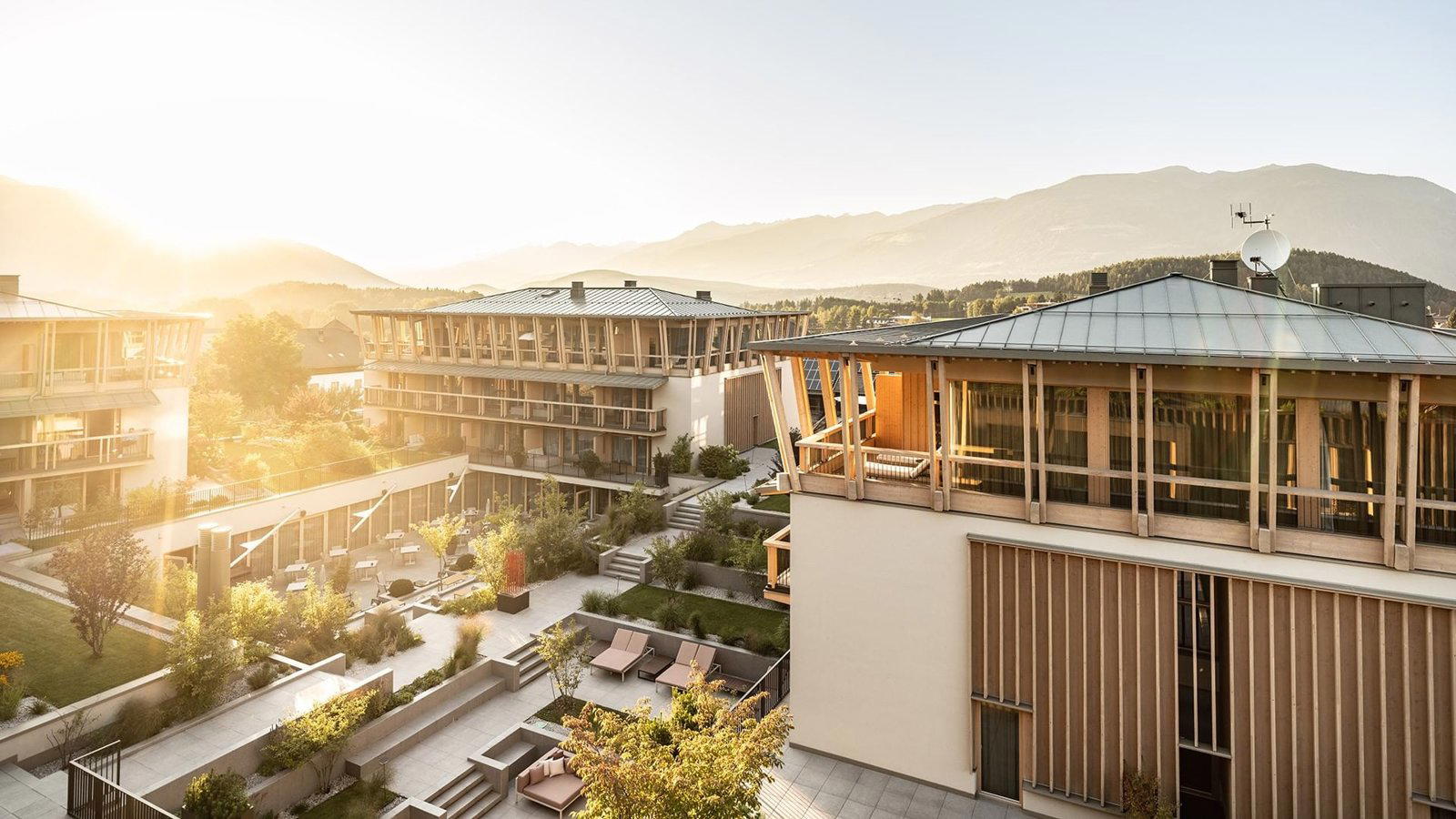
Hotels in Brixen
Browse all →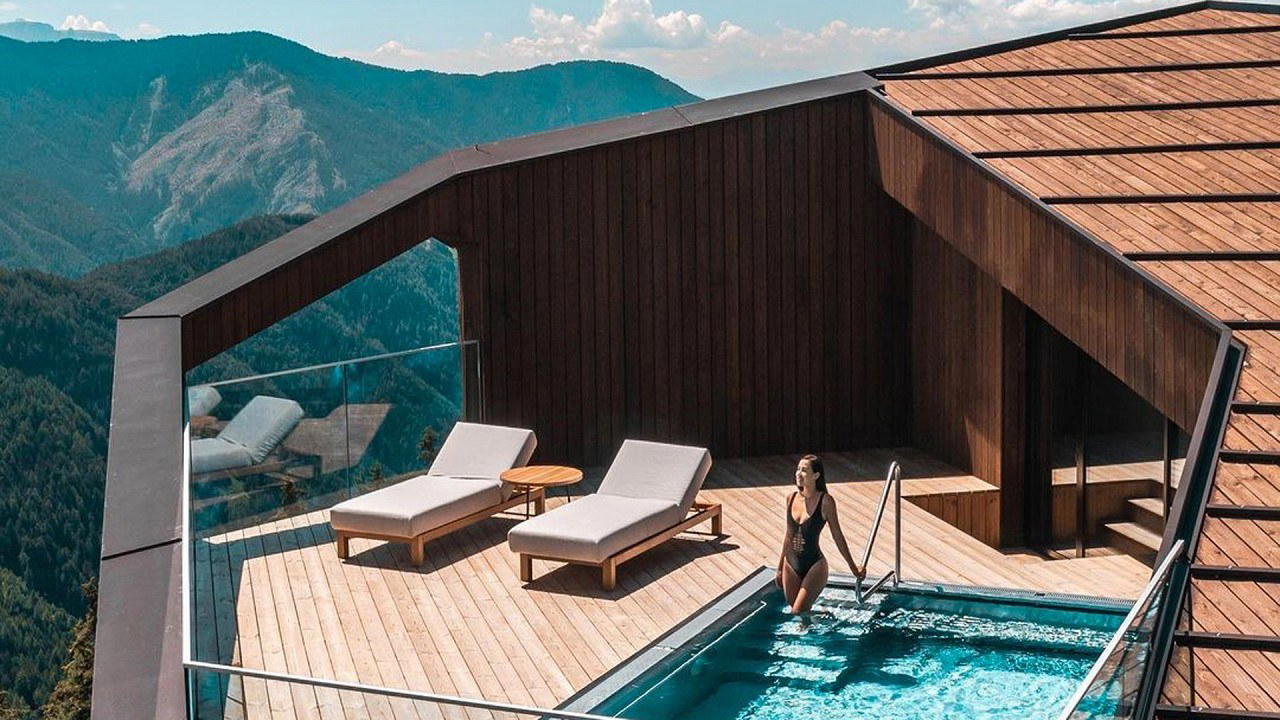
At a Glance
- Modern
- Scenic
- Elegant
- Date Night
- Brunch
- Family
- Open Kitchen
- Garden
- Extensive Wine List
- Waterfront
- Garden
Current opening hours
- Monday
- Closed
- Tuesday
- Closed
- Wednesday
- 11:30 AM–10 PM
- Thursday
- 11:30 AM–10 PM
- Friday
- 11:30 AM–11 PM
- Saturday
- 9 AM–11 PM
- Sunday
- 9 AM–9 PM
Hours can change for holidays and private events. Last verified .
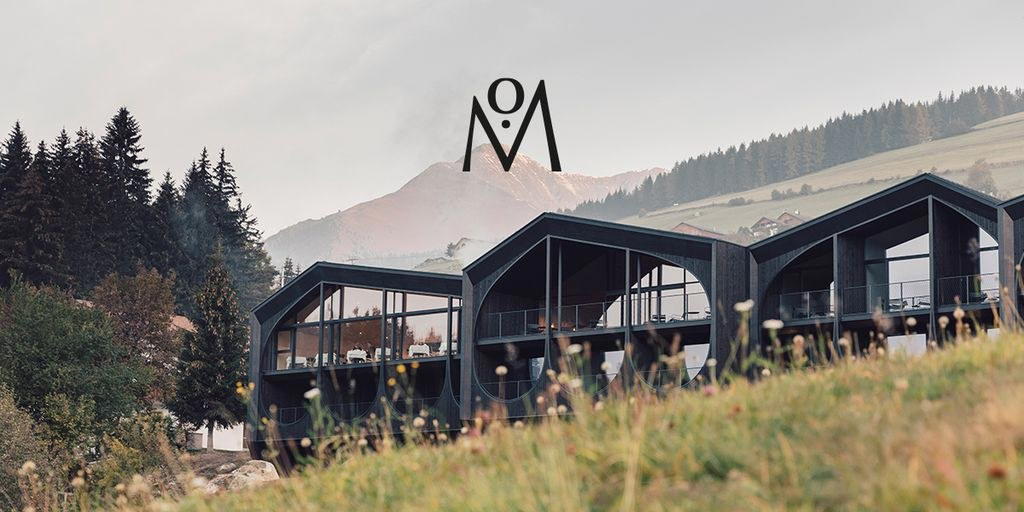
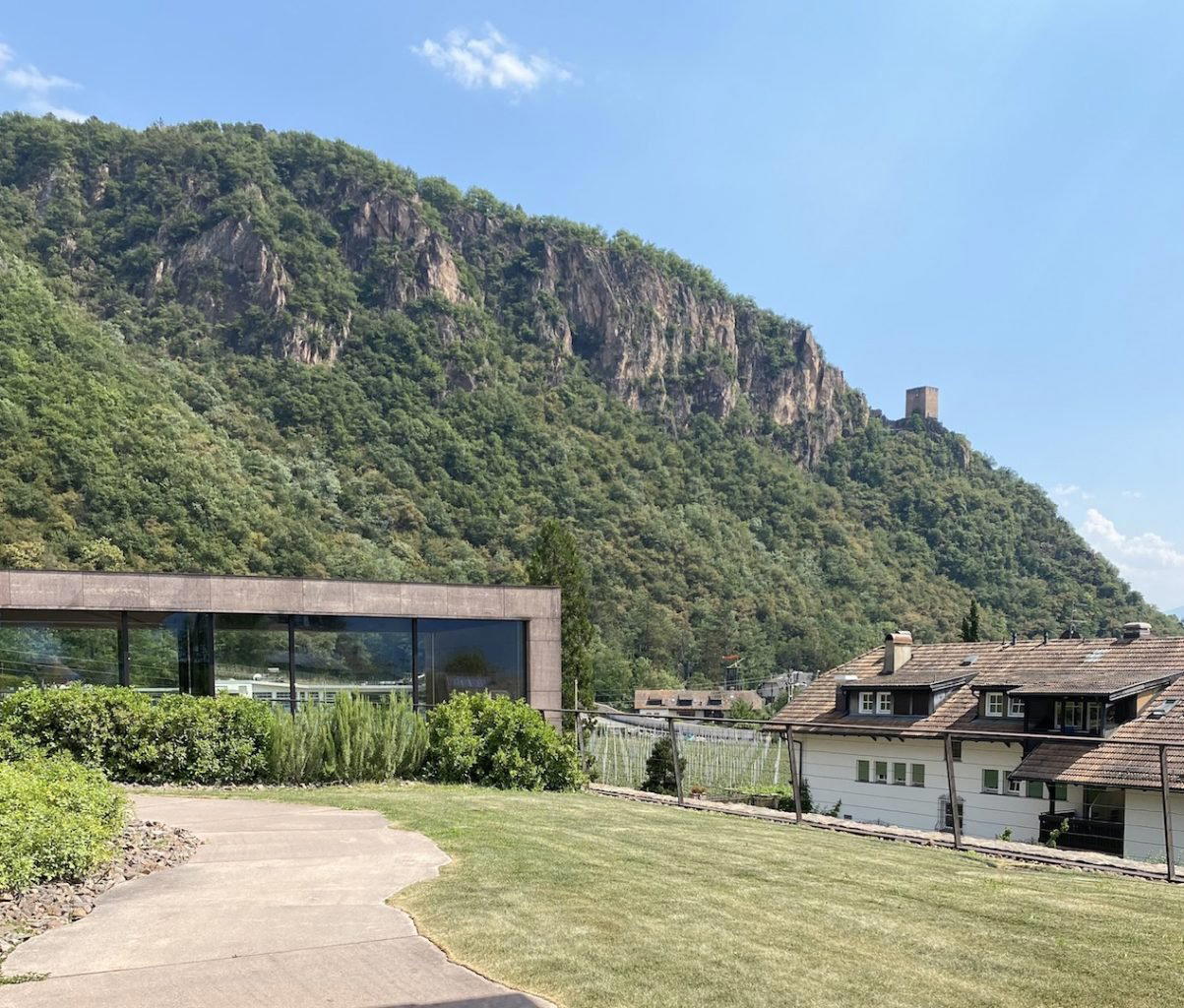
Modern, stylish interior with natural light framing the park pond and trees, creating a relaxing yet elegant atmosphere.