
Michelin Plate
Our verdict
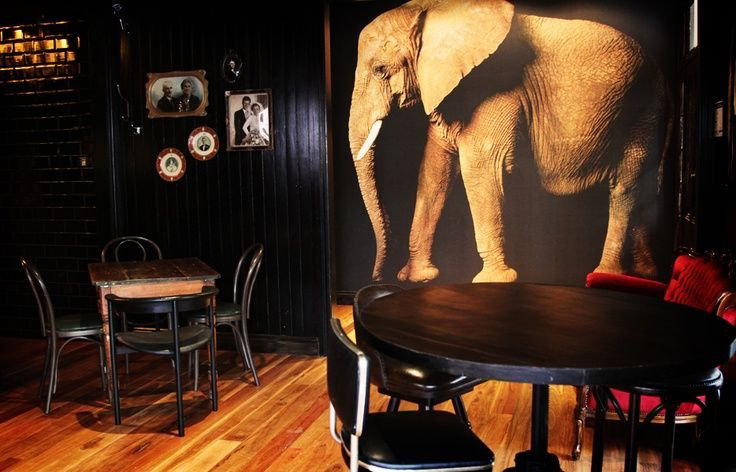
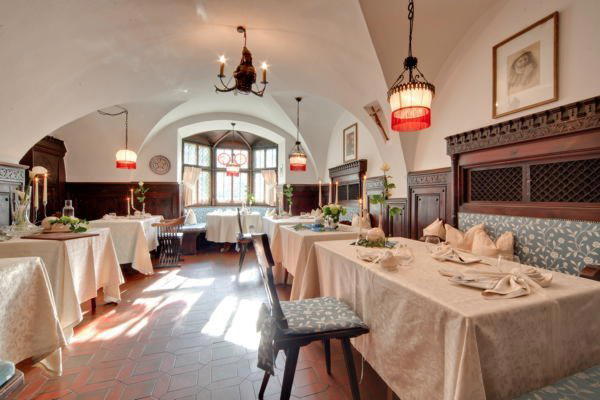
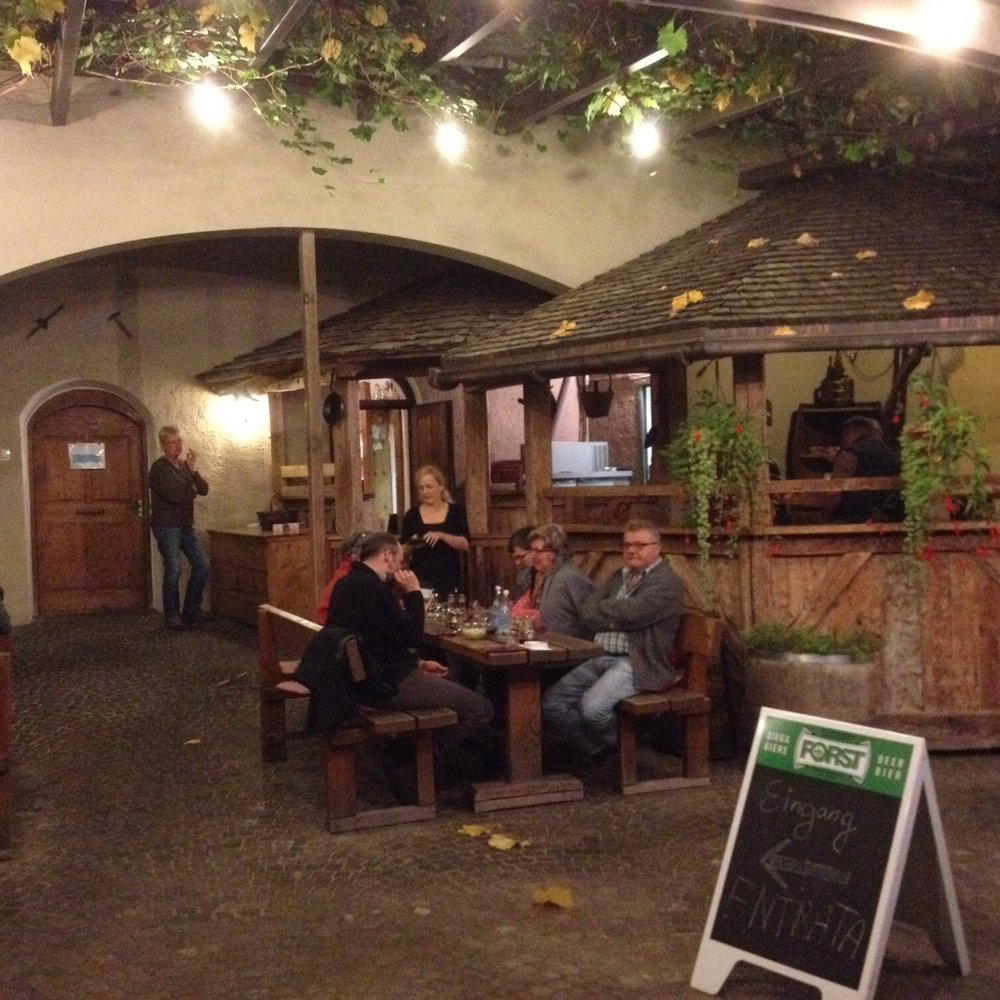
Set within the historic Hotel Elephant in Brixen, this restaurant pairs antique wood-panelled surroundings with South Tyrolean regional cooking refined by contemporary technique. The kitchen works with local ingredients and seasonal combinations, while the wine list runs to nearly a thousand labels. A Michelin Plate recognition in 2025 confirms its place in the upper tier of Brixen dining.

Pearl is the En Primeur Club membership app, where members save venues, book tables and use the concierge.
The menu
What to order
- Tagliatelle with spinach cream and white truffle
- Roe deer saddle on chestnut cream
- Char with cream of celery and green apple
Antique Rooms, Regional Ambitions
Brixen's dining character is shaped by its position at the cultural crossroads of the Italian south and the Austrian north: a city where German is spoken as freely as Italian, where Speck and Knödel share menus with polenta and local trout, and where the leading restaurants tend to read that duality honestly rather than resolving it into something easier to market. The dining room inside the Hotel Elephant sits inside this tradition. The antique wood panelling, darkened with age, frames a space that communicates institutional seriousness before a single dish arrives. Rooms like this one carry weight that no amount of modern interior design can manufacture. It signals to the diner: pace yourself, pay attention, the meal will take as long as it takes.
The Hotel Elephant itself has been a fixture of Brixen's hospitality since the sixteenth century, lending the restaurant a depth of historical context that most dining rooms in the region cannot match. Within our full Brixen restaurants guide, Elephant occupies a particular niche: a €€€ price point with formal surroundings and a regional-modern kitchen, sitting between the more casual €€ addresses like Alpenrose and Oste Scuro - Finsterwirt and the higher-spend creative format at Apostelstube, which carries a Michelin star and a €€€€ price tag.
The Ritual of a Regional-Modern Meal
South Tyrolean dining at this level follows a particular cadence. Courses arrive with considered spacing. The kitchen uses regional ingredients as a starting point but does not treat them as a constraint. Char with cream of celery and green apple, finished with elderflowers, illustrates the approach: a local freshwater fish, handled with alpine produce, but given an aromatic lift that reads as more Mediterranean in temperament. That tension between northern weight and southern brightness is a recurring theme in South Tyrolean cooking at its most thoughtful, and it appears across the better tables in the region.
The discipline of a meal here is not in any single dish but in how the sequence builds. Regional cooking with modern technique tends to reward slower eating: the ingredients carry recognisable character, the preparations add complexity without obscuring origin, and the room itself encourages the kind of deliberate attention that faster, more fashionable dining formats do not. The antique surroundings function as pacing mechanism as much as aesthetic choice. At Vitis, another €€€ regional address in Brixen, the approach leans further toward wine-led dining; here, the kitchen carries more of the weight.
A Wine List Built for the Long Meal
Close to a thousand labels is a serious number for a regional restaurant in a city of this scale. Wine lists of that depth in South Tyrol typically cover the full spectrum of Alto Adige producers alongside broader Italian and international selections. The Alto Adige DOC produces white wines of genuine distinction, particularly Gewürztraminer, Pinot Grigio, and Kerner, varieties that pair directly with the alpine-inflected cooking the kitchen produces. A list built this deliberately is designed to be used across an extended meal, not consulted briefly before the food arrives.
For context on where this places Elephant within Italian fine dining more broadly: wine-serious restaurants at higher spend levels, such as Enoteca Pinchiorri in Florence, maintain cellars of extraordinary depth, but the standard for a regional address in a smaller northern Italian city is considerably more modest. Nearly a thousand labels at this price point is a statement of intent, and it shapes how the evening should be approached: as a wine meal first, with food as the frame.
The 2025 Michelin Plate recognition does not carry the weight of a star, but it signals that the Guide's inspectors found the kitchen cooking at a level worth documenting. In the Alps and Dolomites region, Michelin Plate recognition at a €€€ price point typically indicates a kitchen with consistent technical competence and a clear culinary identity, positioned for those who want serious regional cooking without the formality or spend of a starred house. For comparison, Atelier Moessmer Norbert Niederkofler in Brunico, an hour north-east, represents the pinnacle of alpine-regional fine dining in the broader area, setting a reference point for what the category can achieve at its upper limit.
Elephant does not compete in that bracket. Restaurants like Dal Pescatore in Runate and Le Calandre in Rubano demonstrate what Italian regional cooking looks like at starred levels further south; Elephant draws from the same cultural impulse applied to the alpine north, at a different scale.
Classic cuisine formats at this price tier, whether in northern Italy, Germany, or France, tend to share certain qualities: structured menus, serious wine programs, and dining rooms that treat the meal as an event with a beginning, a middle, and an end. KOMU in Munich and Maison Rostang in Paris occupy analogous positions in their respective cities: classic cuisine, formal surroundings, serious cellars. Elephant fits the pattern applied specifically to South Tyrolean ingredients and alpine seasonal rhythm.
Planning the Meal
The restaurant is located at Via Rio Bianco, 4, within the Hotel Elephant in Brixen's old town. Diners considering Brixen for a broader stay will find the full context of the city's hospitality covered in our full Brixen hotels guide, with bars, wineries, and experiences covered separately at our Brixen bars guide, our Brixen wineries guide, and our Brixen experiences guide.
Given the Michelin Plate recognition and the hotel setting, advance booking through the hotel is advisable, particularly in summer and around the Christmas market period when Brixen draws significant visitor numbers. The €€€ price range positions the meal as a planned occasion rather than a spontaneous stop. Arriving with time to move through the wine list properly is the most direct way to get full value from what the room offers.
Frequently asked questions
Do I need a reservation for Elephant?
Booking ahead is advisable. The restaurant sits inside the Hotel Elephant on Via Rio Bianco, 4, in Brixen's old town, a setting that draws both hotel guests and outside diners, particularly during peak summer and the December festive period. At the €€€ price point with 2025 Michelin Plate recognition, walk-in availability at prime times is not reliable.
What makes Elephant worth seeking out?
Three things distinguish it within its category: the antique wood-panelled interior of the historic Hotel Elephant, which no purpose-built modern dining room in Brixen can replicate; a wine list approaching a thousand labels, which is a serious commitment for a city of this scale; and 2025 Michelin Plate recognition confirming the kitchen is operating at a level the Guide's inspectors found worth signalling to readers.
Cuisine and Recognition
| Venue | Cuisine | Price | Awards | Notes |
|---|---|---|---|---|
| ElephantThis venue (the venue you are viewing) | Classic South Tyrolean with Modern Twist | Not listed | Michelin Plate | Not listed |
| Apostelstube | Contemporary Global Tasting Menu with Japanese Influences | $200–300 | 1 Michelin Star · Star Wine List | Creative |
| Alpenrose | Casual yoshoku in a mountain-lodge hotel restaurant | $30–50 | Tabelog 100 #82 | Not listed |
| Vitis | Modern Regional Italian | $50–100 | Michelin Plate · Star Wine List | Not listed |
| Oste Scuro - Finsterwirt | Traditional South Tyrolean Regional | $50–100 | Michelin Plate | Not listed |
Recognition history
Dated appearances from independent guides and award organizations, with the underlying list record or original source where available.
Michelin Plate
Michelin
Full recognition history (2 entries)
Michelin Plate
Michelin
Elephant
Featured Guides

Continue exploring
More in Brixen
Restaurants in Brixen
All restaurants in Brixen →
Bars in Brixen
Browse all →

Details
- Classic
- Elegant
- Cozy
- Historic
- Special Occasion
- Date Night
- Business Dinner
- Hotel Restaurant
- Historic Building
- Extensive Wine List
- Local Sourcing
- Garden
- A La Carte
- Wine
- Vegetarian Friendly
- Vegan Options
- Gluten Free Options
Distinctive historic ambience with antique wood panelling, Tyrolean wooden stuben, and a familial attentive atmosphere.