


1 Michelin Star · Guía Repsol 2 Soles · Macarfi 8 Food Rating
Our verdict
Villa Retiro operates from the converted stables of a century-old resort in Xerta, where chef Fran López builds his menus around the raw materials of the Ebro Delta, rice, poultry, shellfish, seaweed, and fish drawn from one of Spain's most productive wetland ecosystems. Three tasting menu formats, from the Clásico to the extended Más que un Homenaje, offer different levels of depth into the same Delta-rooted pantry. For Spanish creative cuisine outside the major cities, few rooms make as strong a case.

Pearl is the En Primeur Club membership app, where members save venues, book tables and use the concierge.
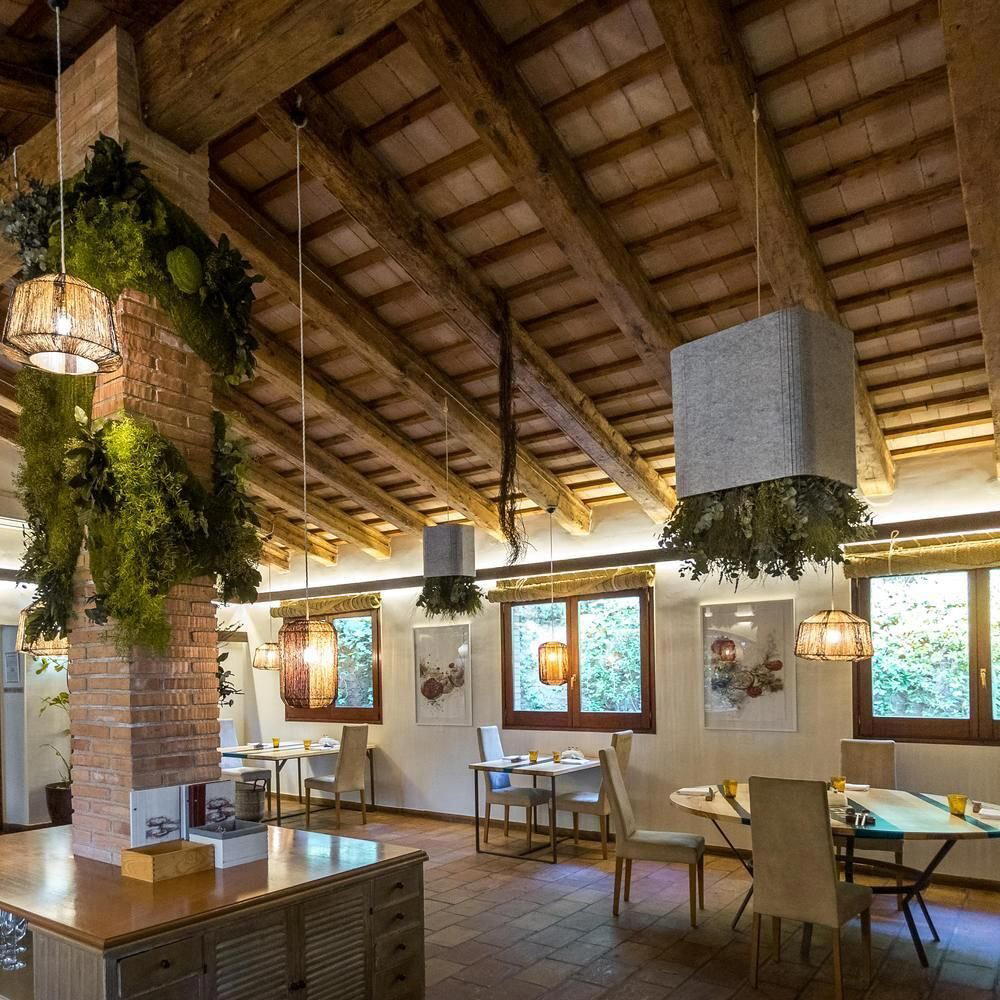
Where the Ebro Delta Comes to the Table
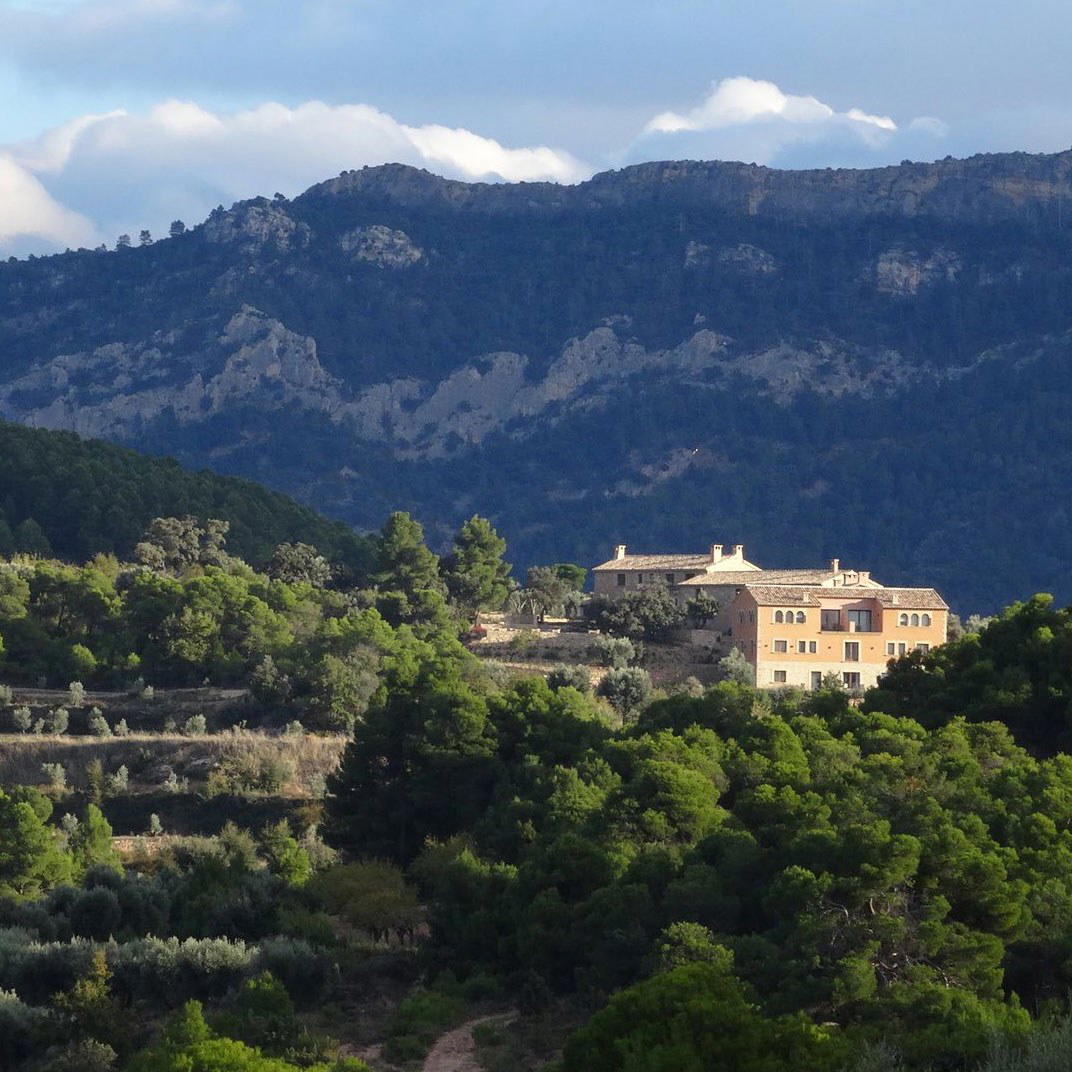
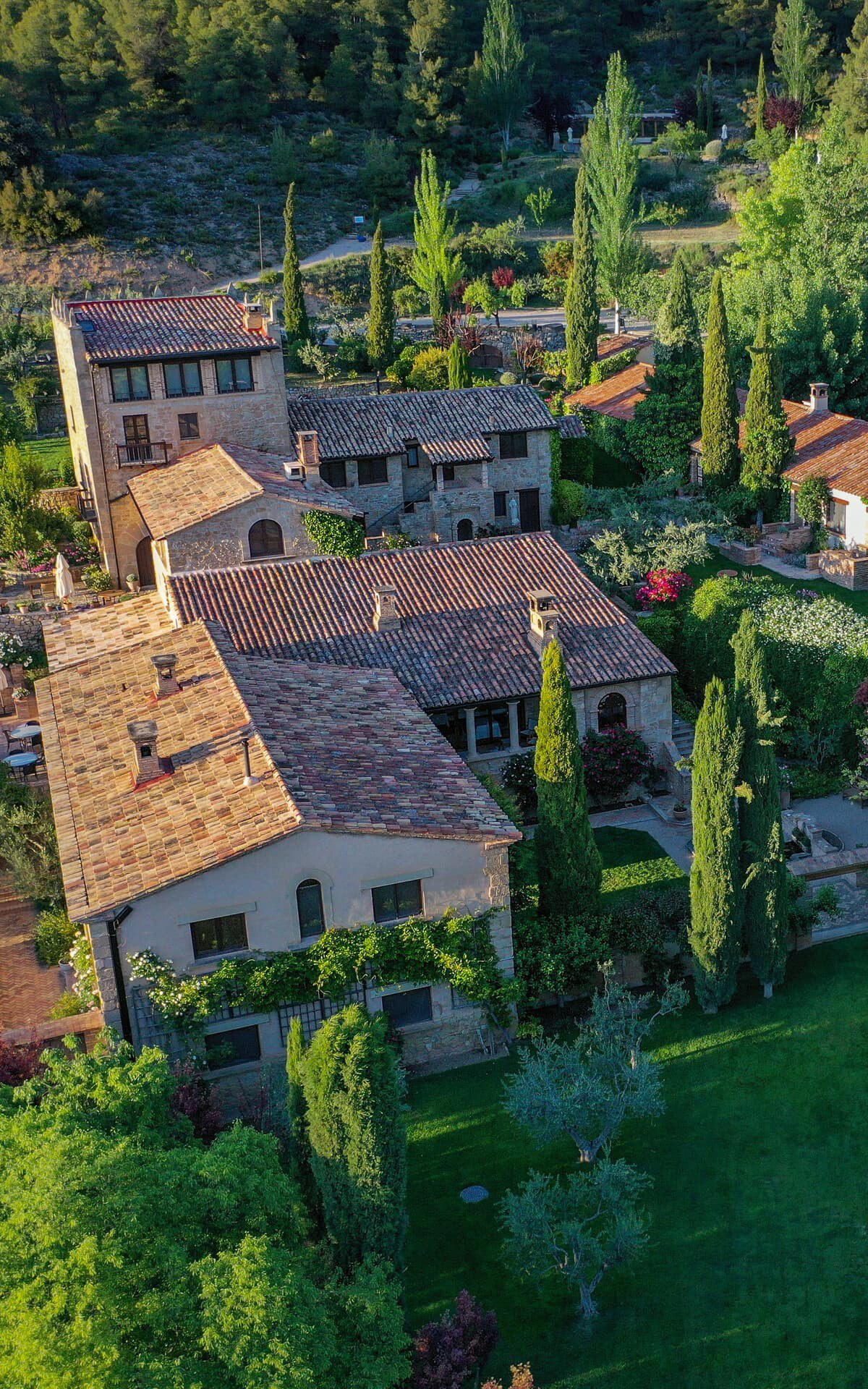
Arriving at Villa Retiro, the first thing you notice is the ficus. A 200-year-old specimen whose roots have grown so deeply into the stonework that the building and the tree are now structurally one. That detail says something about how this place works: the line between the natural environment and the built one has been allowed to blur over time, and the kitchen operates on the same logic. This is not a restaurant that sources locally as a branding exercise. The Ebro Delta, one of Spain's most ecologically complex wetland systems and one of its most productive agricultural zones, is the literal raw material around which every menu is constructed.
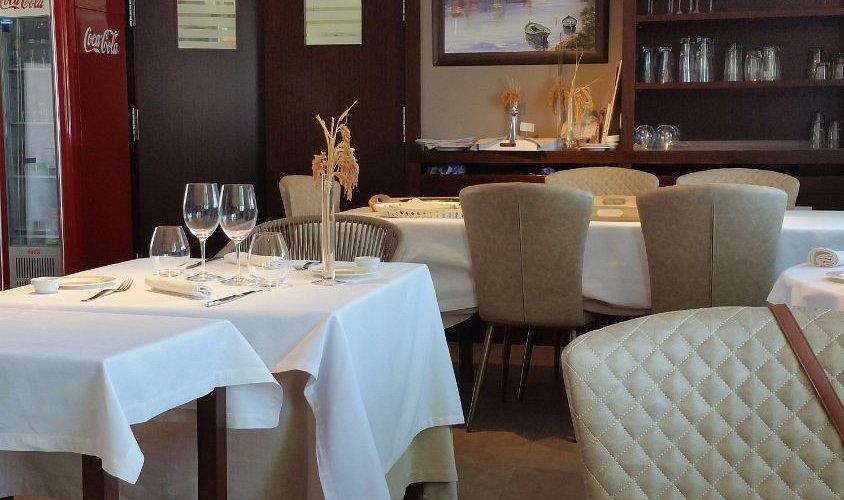
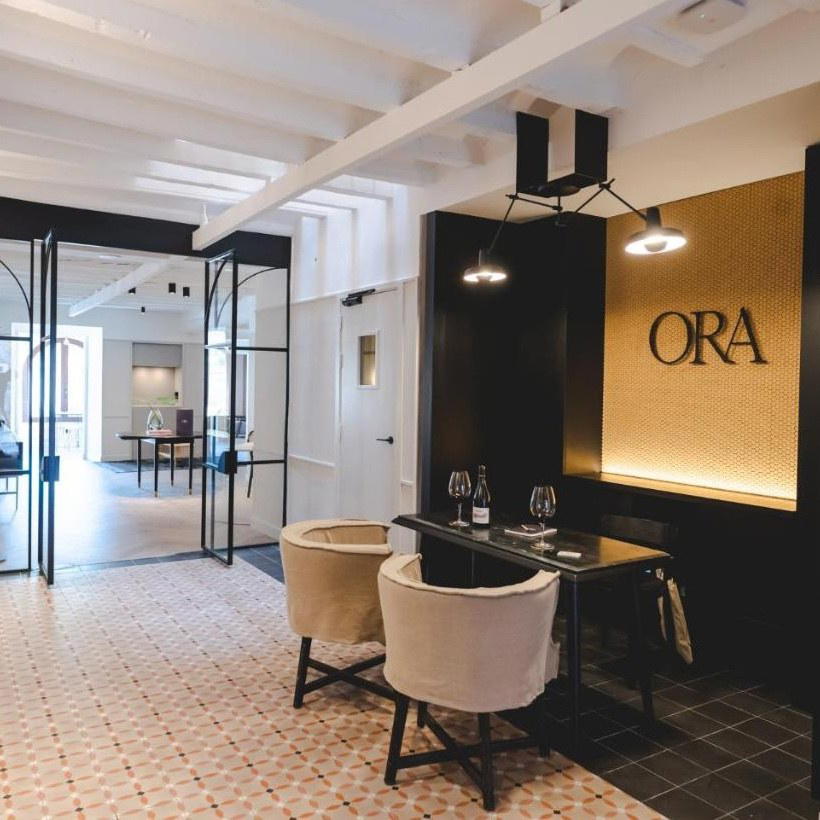
The setting is the old stables of the Villa Retiro resort, modernised but still carrying the proportions and materiality of an agricultural building. It is a long way from the sleek urban dining rooms where most of Spain's high-end creative cuisine gets discussed. Xerta is a small town in the Baix Ebre comarca of Tarragona province, roughly equidistant between Valencia and Barcelona, and reaching it requires a deliberate decision. That distance is part of what makes the meal meaningful: you are not passing through.
A Delta Pantry Unlike Anything Inland
Spain's creative restaurant circuit, Disfrutar in Barcelona, El Celler de Can Roca in Girona, Mugaritz in Errenteria, Arzak in San Sebastián, tends to anchor its identity in a regional tradition and then work outward into technique. Villa Retiro operates on similar terms, but the Ebro Delta gives chef Fran López a specific and unusually varied pantry. Rice cultivation dominates the delta's flatlands, producing short-grain varieties used in some of Spain's most serious arròs dishes. The waterways yield eels, carp, and freshwater shellfish. The coastal edge brings sea bass, mussels, and a range of seaweed that local cooks have used for generations, long before seaweed became fashionable in European fine dining. Poultry raised in the delta's wetland margins adds another dimension.
This concentration of distinct, place-specific ingredients in a contained geography is rare. Restaurants at the level of Quique Dacosta in Dénia or Ricard Camarena in València draw on the Valencian coastal zone for comparable coastal-agricultural material, but the Ebro Delta's ecology, a river mouth meeting the Mediterranean, with rice paddies and wetlands immediately behind, produces a flavour vocabulary that belongs to this stretch of coast and nowhere else.
Three Menus, One Territory
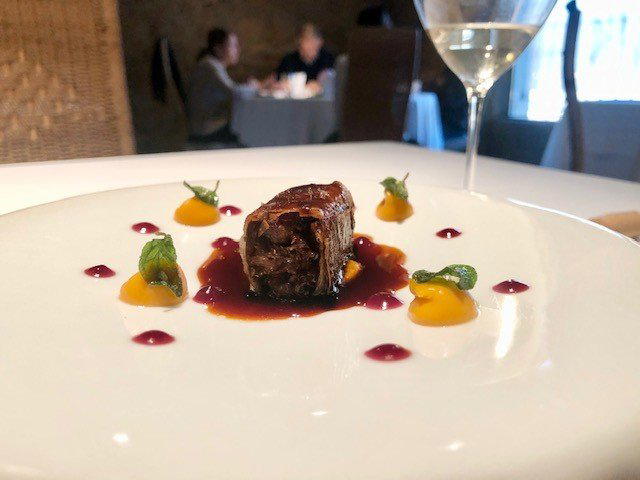
The menu structure at Villa Retiro reflects a considered approach to how much depth a diner wants in a given territory. The Clásico sits at the accessible end of the range, offering a shorter pass through the kitchen's core techniques and the Delta's primary ingredients. The Homenaje extends the sequence, and the Más que un Homenaje, the most comprehensive format, goes further still into the kitchen's interpretive range. All three operate through a series of smaller courses and bites rather than large plated dishes, a format now common across Spain's tasting menu restaurants but one that suits the Delta pantry particularly well, since it allows a wider range of ingredients to appear without any single one dominating.
The dish called La fiesta de la siega, a tribute to the rice harvest season, draws on the cultural and agricultural rhythm of the delta rather than simply its produce. The harvest has shaped the social calendar of Baix Ebre for generations, and translating that into a course is a different register of localism than simply listing provenance on a menu. Among Spain's creative restaurants working with regional identity, Azurmendi in Larrabetzu, Atrio in Cáceres, Aponiente in El Puerto de Santa María, the ambition to encode local cultural ritual, not just local flavour, into the tasting format places Villa Retiro in an interesting part of that conversation.
Dishes arrive presented on objects and figures that contextualise them, a technique that some find theatrical and others find genuinely illuminating. It is most effective when the object relates directly to the ingredient or tradition in question rather than serving as pure decoration.
Spain's Creative Tier, Outside the City
Most of Spain's recognised creative restaurants sit in or near major cities or in well-established gastronomic regions: the Basque Country, Catalonia, Valencia. Villa Retiro belongs to a smaller group, alongside Martin Berasategui in Lasarte-Oria and others in the wider Tarragona and Terres de l'Ebre zone, that draws serious diners to rural or semi-rural locations on the strength of their kitchen alone. The Michelin recognition Villa Retiro holds confirms it occupies the same price and ambition tier as restaurants like DiverXO in Madrid or Le Bernardin in New York City in terms of the seriousness of the project, even if the settings are radically different. The €€€€ pricing bracket reflects a full tasting menu commitment.
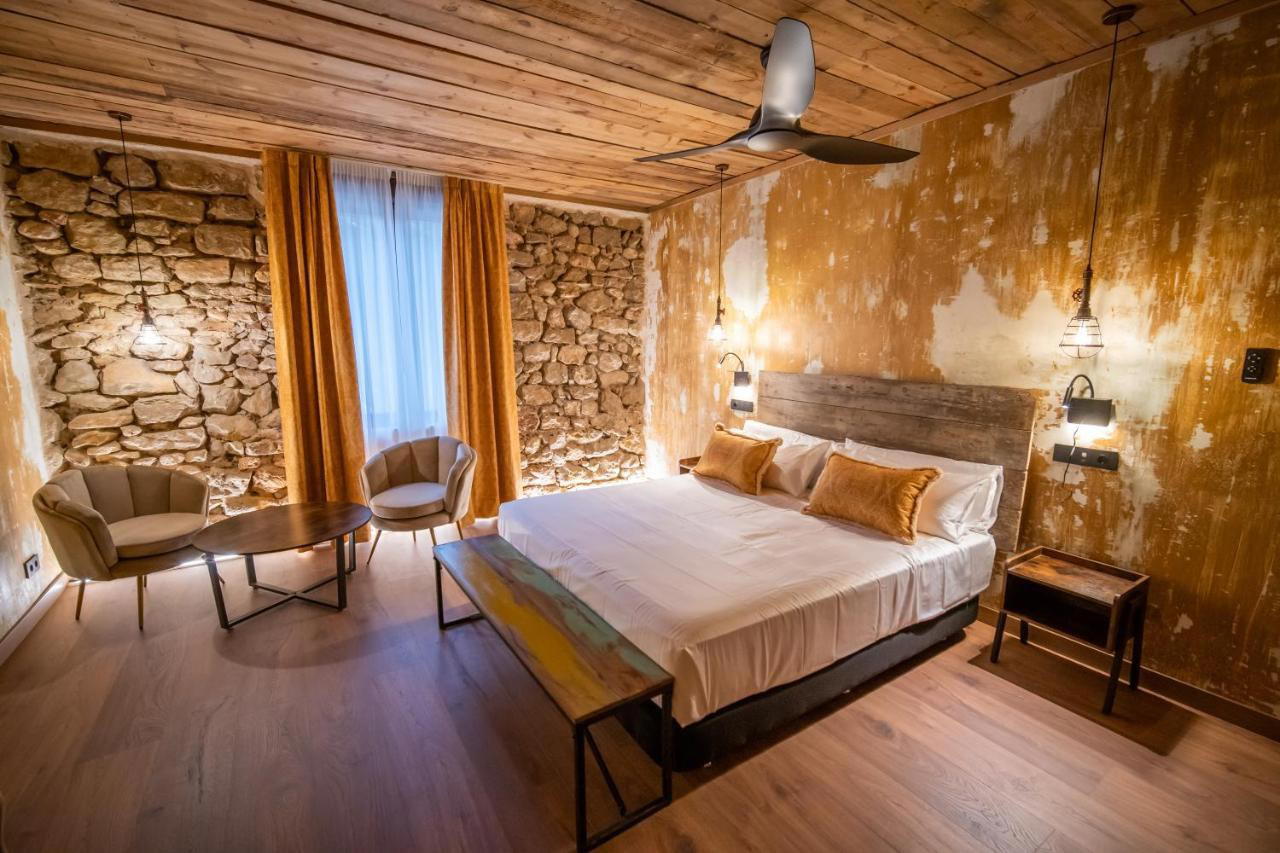
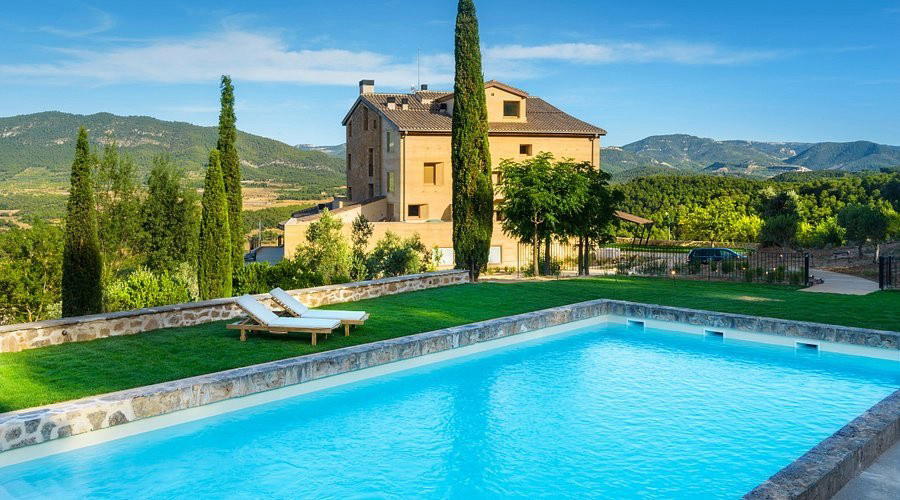
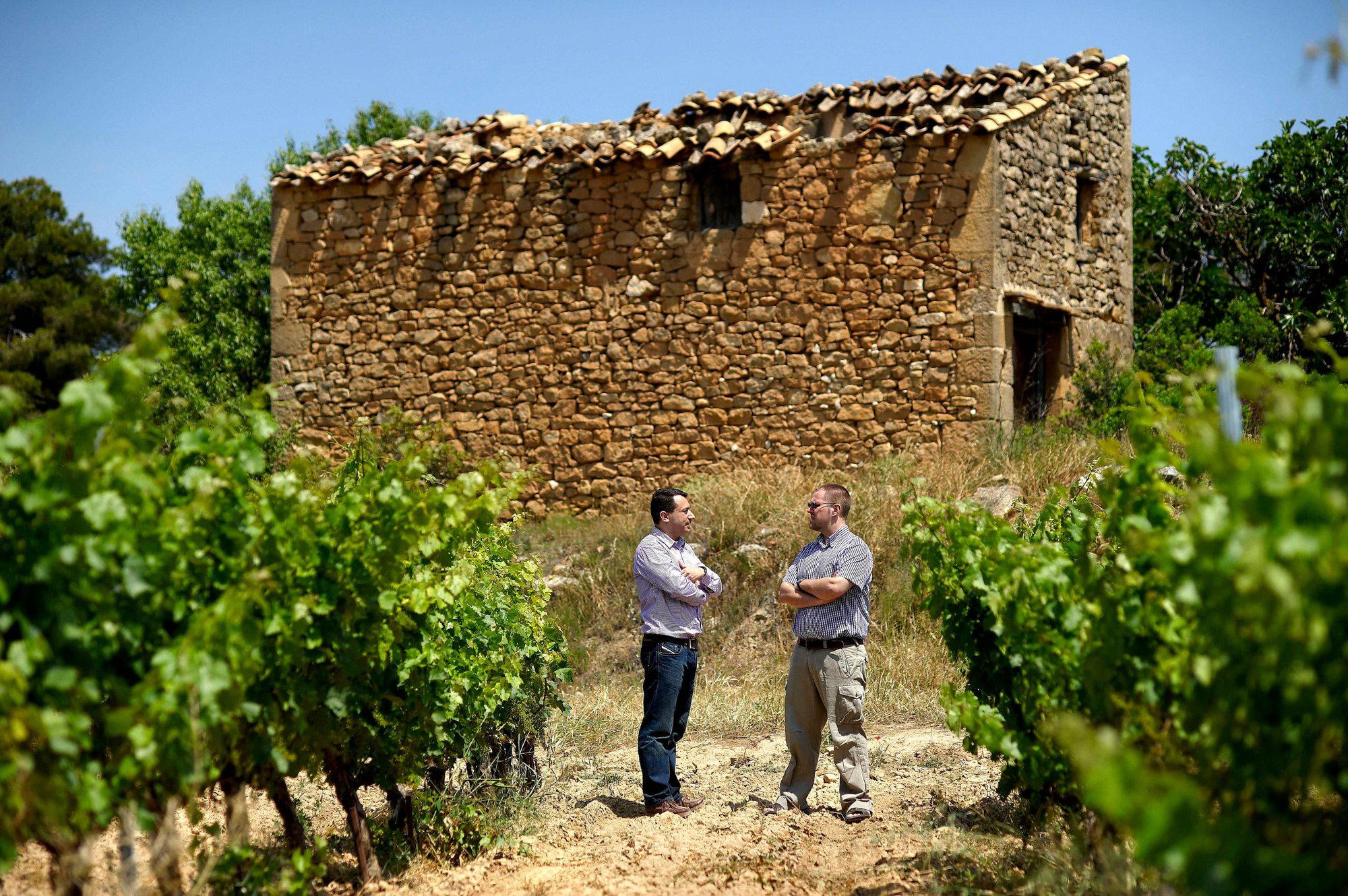
The resort context matters practically. Villa Retiro sits within the larger hotel property, which means staying overnight is a reasonable option for those travelling from Barcelona or Valencia. The meal is long enough, and the drive back consequential enough, that a room is worth considering rather than treating the restaurant as a day trip. For guests building an itinerary around the area, the surrounding Terres de l'Ebre region has its own wine culture and landscape worth a slower visit. See our full Xerta hotels guide for accommodation options in the area.
Planning a Visit
The kitchen operates Tuesday through Saturday for both lunch (1 PM to 3 PM) and dinner (8 PM to 10 PM), with Sunday lunch service only and Monday closed. The lunch window is narrow, which makes punctuality a practical necessity rather than a courtesy. For a meal in this format and at this price tier, advance booking is essential; the number of covers in a converted stable space will always be limited, and the kitchen's preparation for the longer menus begins well before service. Booking as far ahead as practical is advisable, particularly for weekends and during the rice harvest season in autumn when the Delta landscape is at its most expressive and the La fiesta de la siega dish carries extra contextual weight.
For those building a wider visit around the region, our full Xerta restaurants guide, bars guide, wineries guide, and experiences guide cover the broader Xerta area in detail.
Frequently asked questions
What are the operating hours at Villa Retiro?
Hours at Villa Retiro: Monday closed Tuesday 1 PM-3 PM 8 PM-10 PM Wednesday 1 PM-3 PM 8 PM-10 PM Thursday 1 PM-3 PM 8 PM-10 PM Friday 1 PM-3 PM 8 PM-10 PM Saturday 1 PM-3 PM 8 PM-10 PM Sunday 1 PM-3 PM.
Where is Villa Retiro in Xerta?
Villa Retiro is located at Carrer Cami dels Molins, 2, 43592 Xerta, Tarragona, Spain, Xerta.
Comparable Spots, Quickly
| Venue | Cuisine | Price | Awards | Notes |
|---|---|---|---|---|
| Villa RetiroThis venue (the venue you are viewing) | Spanish Fine Dining | Not listed | 1 Michelin Star · Guía Repsol 2 Soles | Not listed |
| Aponiente | Avant-Garde Marine Seafood | $200–300 | 3 Michelin Stars · World's 50 Best #84 | Progressive - Seafood, Creative |
| Arzak | Contemporary Basque Fine Dining | $300–500 | 3 Michelin Stars · World's 50 Best #31 | Modern Basque, Creative |
| DiverXO | Avant-Garde Spanish Tasting Menu | $300–500 | 3 Michelin Stars · World's 50 Best #4 | Progressive - Asian, Creative |
| El Celler de Can Roca | Creative Catalan Fine Dining | $300–500 | 3 Michelin Stars · World's 50 Best #2 | Progressive Spanish, Creative |
| Quique Dacosta | Avant-Garde Spanish Fine Dining | $300–500 | 3 Michelin Stars · World's 50 Best #65 | Creative |
Recognition history
Dated appearances from independent guides and award organizations, with the underlying list record or original source where available.
Michelin 1 Star
Michelin
Guía Repsol 2 Soles
Guía Repsol
Macarfi 8 Food Rating
Macarfi
Full recognition history (4 entries)
Michelin 1 Star
Michelin
Continue exploring
More in Xerta
Restaurants in Xerta
All restaurants in Xerta →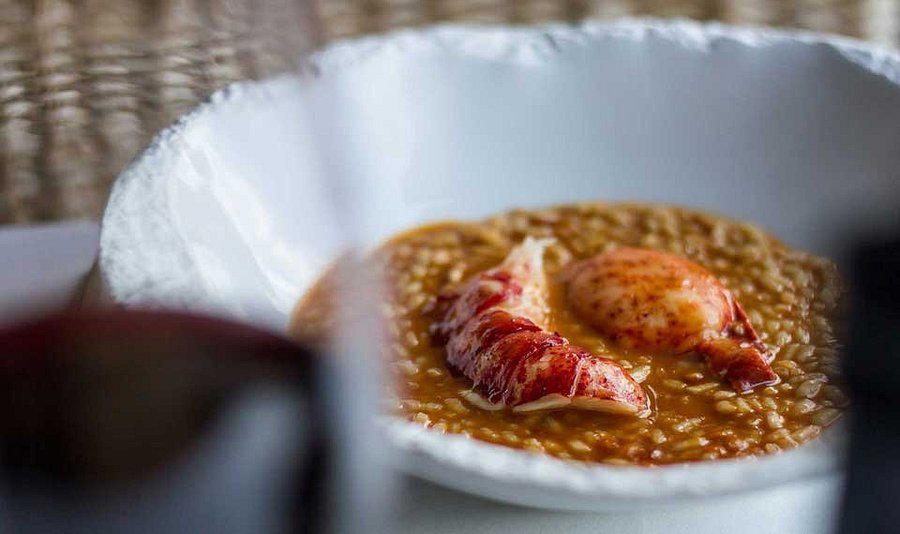

Details
- Elegant
- Romantic
- Quiet
- Classic
- Scenic
- Intimate
- Sophisticated
- Date Night
- Special Occasion
- Celebration
- Business Dinner
- Garden
- Historic Building
- Standalone
- Extensive Wine List
- Sommelier Led
- Local Sourcing
- Garden
- Set Menu
- Wine
Current opening hours
- Monday
- Closed
- Tuesday
- 1–3 PM, 8–10 PM
- Wednesday
- 1–3 PM, 8–10 PM
- Thursday
- 1–3 PM, 8–10 PM
- Friday
- 1–3 PM, 8–10 PM
- Saturday
- 1–3 PM, 8–10 PM
- Sunday
- 1–3 PM
Hours can change for holidays and private events. Hours as of .
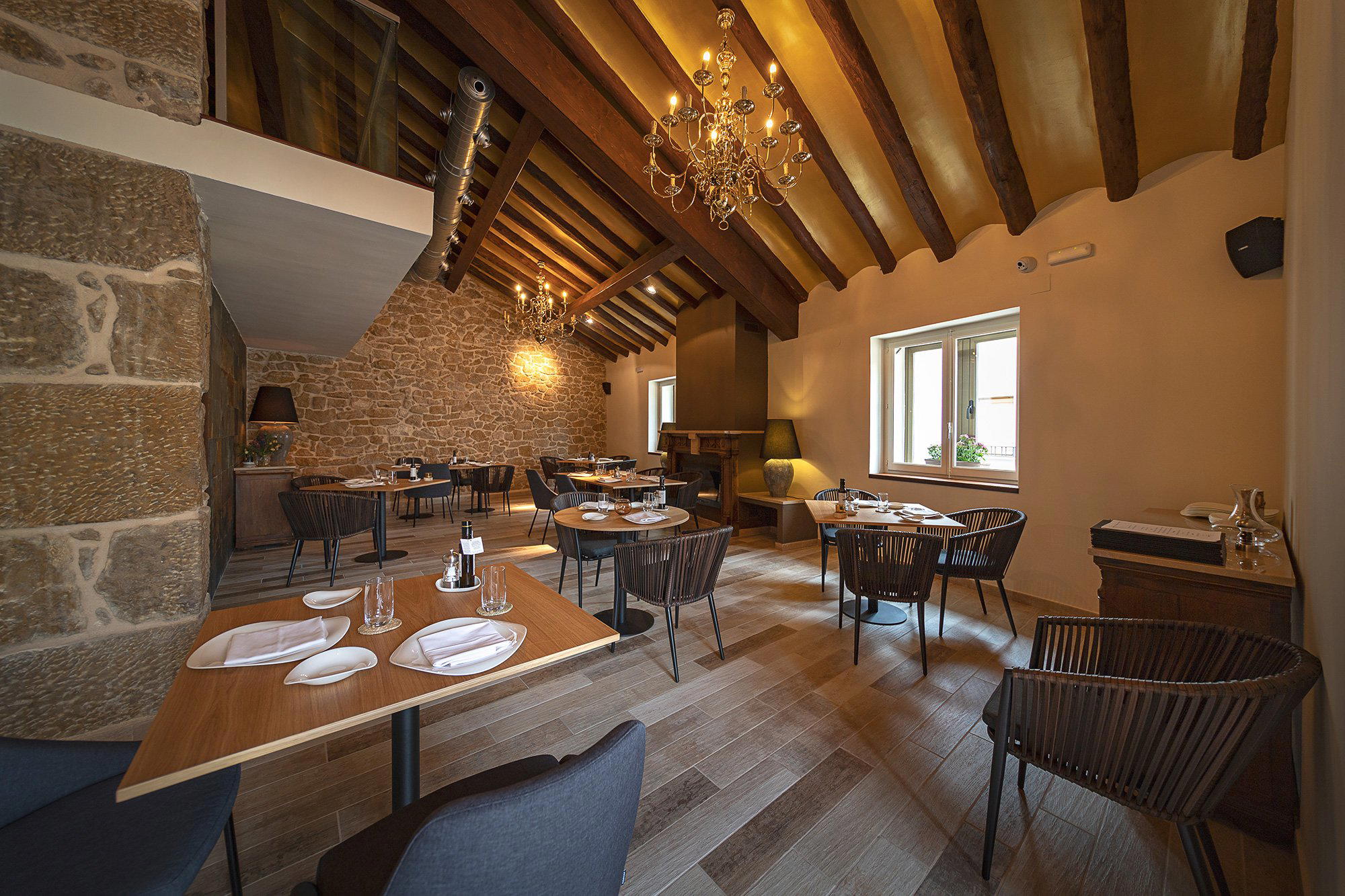
Refined and tranquil, with a classic, elegant atmosphere that feels intimate and unhurried.