La Llotja


Michelin Plate · Macarfi 7.5 Food Rating
Our verdict
On the Costa Daurada's quieter southern stretch, La Llotja has held consecutive Michelin Plates (2024, 2025) for a reason: chef Marc Miró's kitchen runs on the daily catch landed metres from the door. Rice dishes built on seasonal market produce and a tuna loin tartare of consistent quality anchor a menu that positions this L'Ametlla de Mar address well above the regional average for serious seafood.

Pearl is the En Primeur Club membership app — saves, bookings, and concierge access live there. Same editors, same standards.
- Address
- Carrer Sant Roc, 23, 43860 L'Ametlla de Mar, Tarragona, Spain
- Phone
- +34 977 45 73 61
- Hours
- Mon–Sat ClosedSun 9 AM–5 PM
- Website
- restaurantlallotja.com
- Directions
- Get directions
- Booking
- Book on the venue's website
The menu
What to order
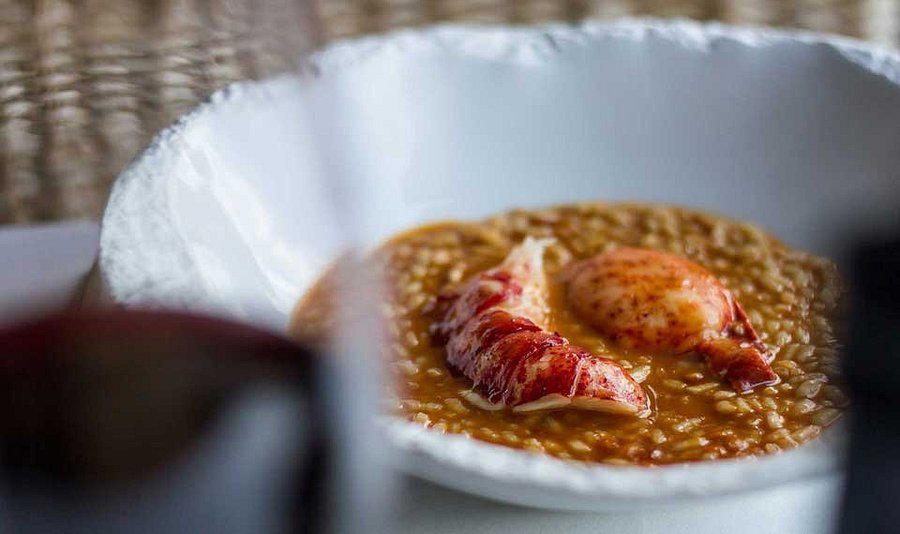
- Signature Seafood Paella
- Grilled Octopus with Citrus Sauce
- Tuna Loin Tartare
Where the Catch Dictates the Menu
L'Ametlla de Mar sits at the southern end of Catalonia's Costa Daurada, far enough from the tourist corridors of Salou and Cambrils that the fishing fleet here still operates on its own terms. The port landing at L'Ametlla is one of the Costa Daurada's most active, with boats returning daily with red prawns, cephalopods, and bluefin tuna that the Mediterranean off Cape Tortosa continues to produce in meaningful volume. La Llotja, on Carrer Sant Roc, occupies a position in this supply chain that most coastal restaurants in Spain can only approximate: the sourcing is not a marketing exercise but a structural condition of where the restaurant sits.
That proximity to the water shapes everything about what arrives on the plate. Along the Spanish Mediterranean coast, the gap between restaurants that genuinely cook to the catch and those that perform the idea of it has widened considerably in recent years. Port towns with serious fish markets — Dénia, Palamós, L'Ametlla — tend to produce the more credible addresses, because the chefs there can read what came off the boats that morning and build daily suggestions around it rather than retrofitting a fixed menu with whatever the wholesaler delivers mid-week. La Llotja's format reflects that logic directly.
Chef Marc Miró and the Case for Seasonal Restraint
The kitchen here is led by chef Marc Miró, whose approach sits within a broader Mediterranean tradition that treats technical intervention as something to deploy selectively rather than as a default mode. The Michelin Plate, awarded in both 2024 and 2025, recognises cooking where ingredient quality is the primary event, a designation that distinguishes La Llotja from the more technique-forward kitchens of the Spanish interior without implying that it operates in a different league from serious fine dining. Across Spain's coastal cooking, there is a consistent tension between chefs who use premium seafood as a raw material for elaborate constructions and those who treat it as something to present with minimum interference. Miró's kitchen belongs to the latter tradition, and the Michelin assessment aligns with that positioning.
The à la carte is reinforced by daily suggestions, which is where the sourcing story becomes most legible. When a restaurant's specials board changes meaningfully with the season and the week rather than rotating through a fixed repertoire, that's usually a sign that the kitchen is actually cooking to supply. A tasting menu option is available for diners who want the more structured format, positioning La Llotja across a wider price spectrum than single-sitting tasting-menu-only restaurants. For context, the Michelin-starred operations along this coastline, Quique Dacosta in Dénia being the most directly comparable in seafood terms, operate at €€€€ price points with fixed formats. La Llotja at €€€ offers a different kind of access to serious Mediterranean seafood cooking.
What to Order: Rice, Tuna, and the Daily Board
On a menu built around seasonal and maritime produce, two categories have earned consistent recognition. The rice dishes are the kitchen's most cited strength, and this is not a minor distinction: along the Valencia and Catalonia coastline, rice cooking functions as a serious technical discipline, with socarrat development, stock reduction, and timing all demanding precise control. A well-executed arròs de peix in a port town is as meaningful a signal of kitchen competence as a properly rested piece of protein in a Continental fine dining room.
The tuna loin tartare merits specific attention. L'Ametlla de Mar has a documented relationship with Atlantic bluefin tuna, the area sits within one of the migration routes that brings tuna through the western Mediterranean, and when a kitchen is this close to the source, tartare preparation (where freshness is the only variable that actually matters) becomes a reliable indicator of how seriously the supply chain is being managed. That this dish appears as a consistent point of quality rather than a seasonal special suggests the kitchen has stable access to the right raw material.
Beyond these anchors, the daily suggestions are where the sourcing claim is tested most directly. A table that orders from the specials board at La Llotja is effectively eating what the port produced that morning, filtered through a kitchen with enough technical grounding to know what to do with it and enough restraint not to over-complicate it.
Planning Your Visit
L'Ametlla de Mar is roughly 170 kilometres south of Barcelona by the AP-7 motorway, making it a viable day-trip target for travellers based in the city, though the town has enough character to justify an overnight. The restaurant carries a €€€ price designation, placing it in the mid-to-upper range for the region and meaningfully below the four-symbol tier occupied by Spain's starred coastal operations like Aponiente in El Puerto de Santa María or Ricard Camarena in València.
For those building a broader itinerary, our full L'Ametlla de Mar restaurants guide covers the wider dining scene, while the hotels guide, bars guide, wineries guide, and experiences guide map out the rest of what the area offers. For reference points further afield within Spain's serious restaurant circuit, El Celler de Can Roca in Girona, Arzak in San Sebastián, Azurmendi in Larrabetzu, Mugaritz in Errenteria, Martin Berasategui in Lasarte-Oria, DiverXO in Madrid, Cocina Hermanos Torres in Barcelona, and Atrio in Cáceres illustrate the range of the country's top tier. For Mediterranean seafood comparisons beyond Spain, Gambero Rosso in Marina di Gioiosa Ionica and Alici Restaurant on the Amalfi Coast offer useful context on how port-adjacent kitchens operate across the wider region.
Frequently asked questions
What does dinner at La Llotja typically cost?
Pricing at La Llotja is listed as €€€.
What's La Llotja's location?
La Llotja is located at Carrer Sant Roc, 23, 43860 L'Ametlla de Mar, Tarragona, Spain, L'Ametlla de Mar.
In Context: Similar Options
| Venue | Cuisine | Price | Awards |
|---|---|---|---|
| La LlotjaThis venue — the venue you are viewing | Modern Mediterranean Seafood | $50–100 | Michelin Plate · Macarfi 7.5 Food Rating |
| Aponiente | Progressive - Seafood, Creative | Not listed | Michelin 3 Star |
| Arzak | Modern Basque, Creative | Not listed | Michelin 3 Star |
| DiverXO | Progressive - Asian, Creative | Not listed | Michelin 3 Star |
| El Celler de Can Roca | Progressive Spanish, Creative | Not listed | Michelin 3 Star |
| Quique Dacosta | Creative | Not listed | Michelin 3 Star |
Recognition history
Dated appearances from independent guides and award organizations, with the underlying list record or original source where available.
Michelin Plate
Michelin
Macarfi 7.5 Food Rating
Macarfi
Full recognition history (4 entries)
Michelin Plate
Michelin
Michelin Plate
Michelin
Continue exploring
More in L'Ametlla de Mar
Restaurants in L'Ametlla de Mar
Browse all →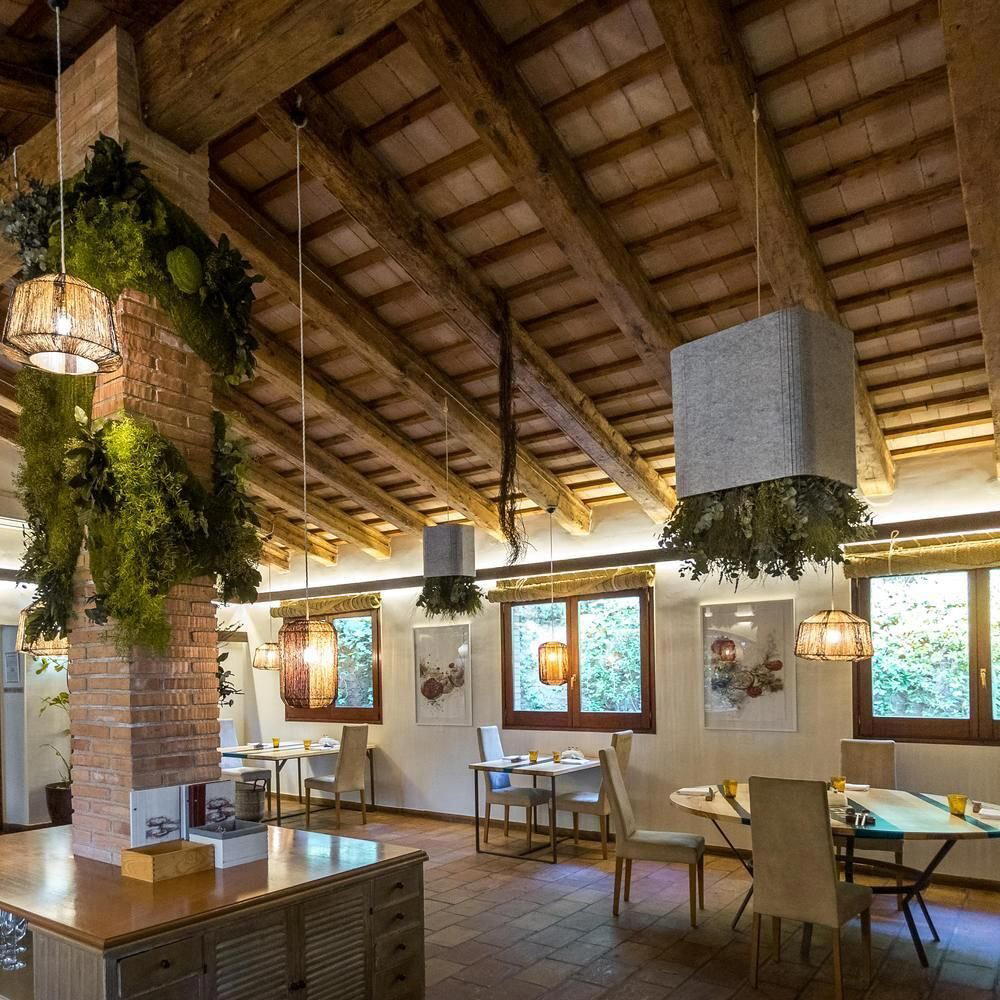
Bars in L'Ametlla de Mar
Browse all →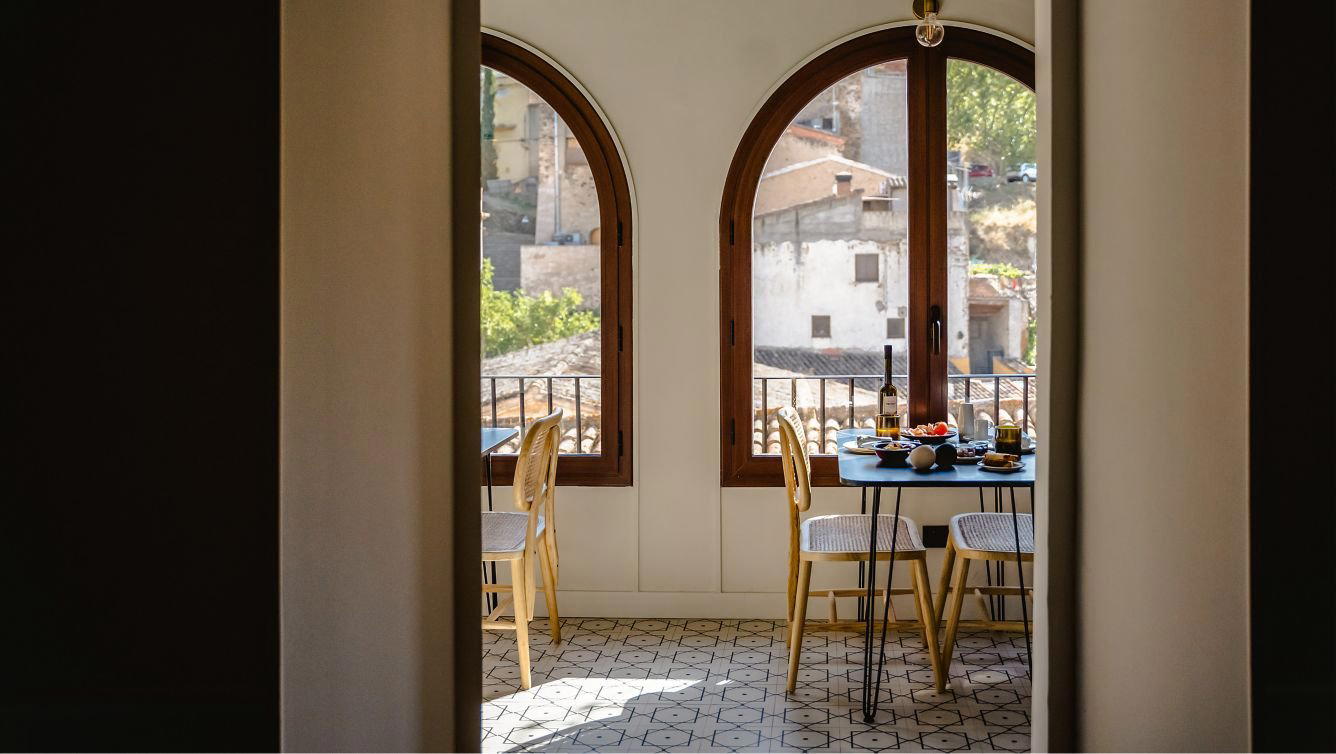
Hotels in L'Ametlla de Mar
Browse all →

Details
- Rustic
- Cozy
- Elegant
- Special Occasion
- Date Night
- Terrace
- Historic Building
- Extensive Wine List
- Local Sourcing
- Sustainable Seafood
- Waterfront
- A La Carte
- Tasting Menu
- Gluten Free Options
Current opening hours
- Monday
- Closed
- Tuesday
- Closed
- Wednesday
- Closed
- Thursday
- Closed
- Friday
- Closed
- Saturday
- Closed
- Sunday
- 9 AM–5 PM
Hours can change for holidays and private events. Last verified .
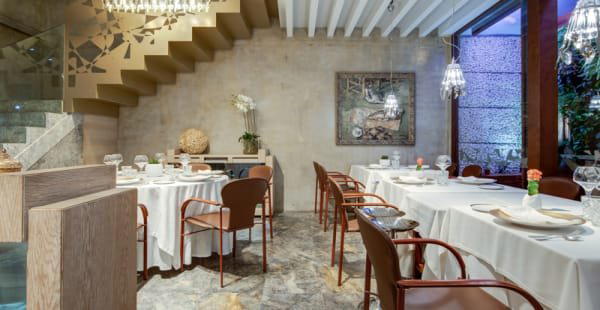
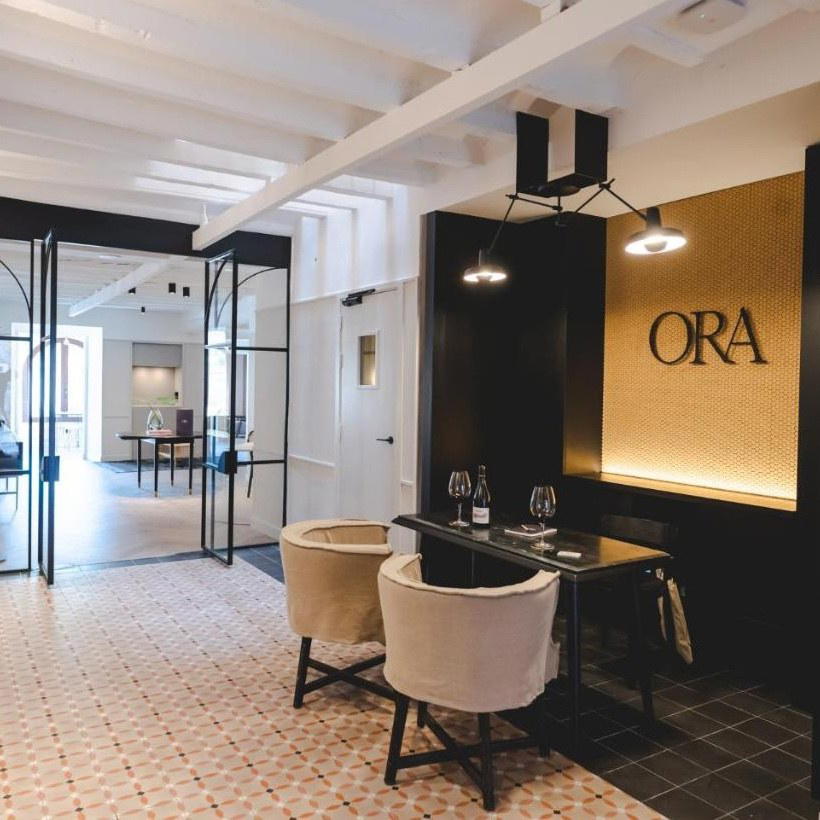
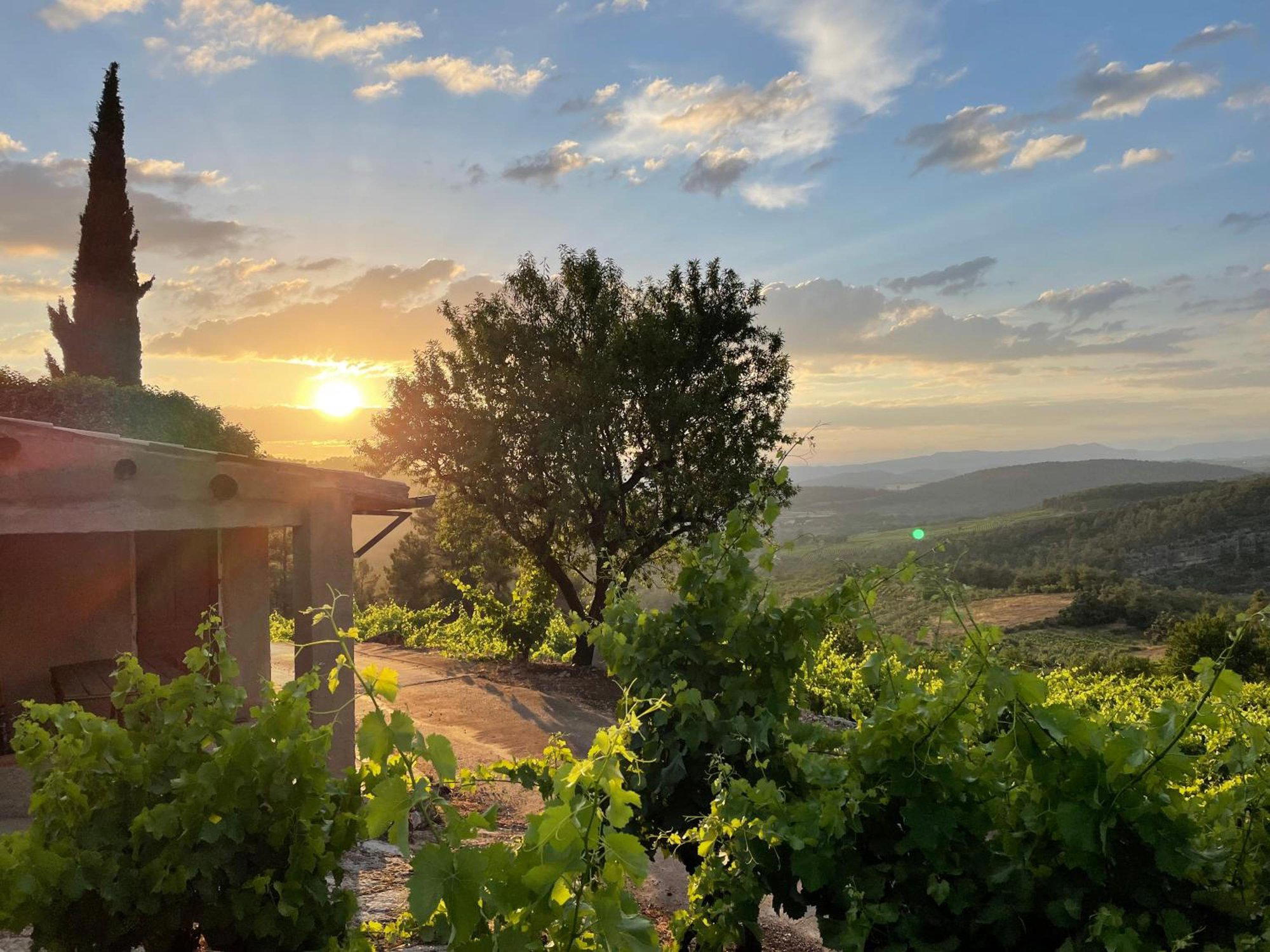
Rustic decor with inviting, cozy atmosphere enhanced by simple elegance and terrace seating overlooking the harbor.