

1 Michelin Star · Guía Repsol 1 Sol
Our verdict
Game, garden vegetables, and preserved-food techniques — salting, curing, escabeche — form the backbone of two tasting menus ranging from five to seven courses. The price sits at €€€, making it the most ambitious table in the Benasque valley by some distance.

Pearl is the En Primeur Club membership app — saves, bookings, and concierge access live there. Same editors, same standards.
- Address
- Calle Gral. Ferraz, n°6, 22469 Anciles, Huesca, Spain
- Phone
- +34 974 55 11 50
- Hours
- Mon 12 PM–12 AMTue–Wed ClosedThu–Fri 7 PM–12 AMSat–Sun 12 PM–12 AM
- Website
- restauranteansils.com
- Directions
- Get directions
The menu
What to order
- Donete of pigeon in fir pickling
Game and vegetables from the restaurant's own garden anchor both menus. This is not a garnish-level kitchen garden operation. The valley produces wild-harvested and cultivated ingredients that a coastal or urban kitchen would struggle to access with the same freshness or consistency, Pyrenean game, altitude-grown produce, herbs that reflect the particular terroir of the Benasque microclimate. The logic of cooking at this address depends on taking that supply seriously, and the menu structure under Iris Jordán reflects exactly that.
Equally important is what the kitchen does with preservation. Salting, curing, and escabeche are not retro affectations at Ansils, they are traditional mountain techniques developed precisely because altitude and long winters demand strategies for extending what the land produces. The decision to revitalise these methods rather than replace them with imported modernist vocabulary is an editorial one about identity: the cooking is contemporary in technique and presentation, but it reads as native to its geography in a way that distinguishes it from restaurants that apply similar methods as aesthetic choices.
The menus: two formats, one argument
Two tasting menus are offered: Monte Bajo, at five courses, and Alta Montaña, at seven. Both open with small welcome appetisers and close with two desserts. The structure gives diners a genuine choice between a full statement and a shorter introduction to the kitchen's language, rather than the common binary between a tasting menu and a carte that rarely reflects equal kitchen investment in both options.
The menu names are not decorative. Monte Bajo and Alta Montaña reference real ecological zones in the Pyrenees, the lower scrubland and the high mountain terrain respectively, and frame the sourcing logic into the experience before the first course arrives. For a kitchen operating at €€€ pricing, this kind of coherence between concept and delivery is what justifies the format and the fare.
Third-generation continuity and the case for family restaurants
European fine dining has a complicated relationship with family succession. The inheritance model can calcify a restaurant around its founding generation's habits, or, when managed well, it can produce the kind of institutional knowledge and local rootedness that no hired chef can replicate in the short term. Ansils, opened by Pilarín Ferrer in 1984, is now in its third generation, with Iris Jordán running the kitchen and her brother Bruno overseeing the dining room and wine programme. That transition, from the founding generation's instincts to a contemporary tasting menu format, represents a deliberate recalibration rather than a simple continuation.
The shift matters because it is the kind of evolution that usually either succeeds in earning new recognition while retaining existing loyalty, or fails by alienating both audiences. A Michelin star in 2024, forty years after the restaurant opened, suggests the first outcome.enprimeurclub.com/restaurants/martin-berasategui-lasarte-oria-restaurant">Martin Berasategui in Lasarte-Oria and Atrio in Cáceres each carry long institutional histories alongside their current recognition. Ansils is operating on a smaller geographic stage, but the logic of earned regional authority applies. A one-star restaurant in the Benasque valley is not competing against Cocina Hermanos Torres in Barcelona or Quique Dacosta in Dénia for the same diner. It is operating as the serious dining anchor for a mountain region whose visitor economy is driven by skiing, hiking, and nature tourism rather than culinary tourism specifically.
That positioning has implications. Diners arriving at Ansils are not necessarily the same profile as those booking a table at Mugaritz in Errenteria or Aponiente in El Puerto de Santa María. The Benasque valley draws a mix of Spanish domestic visitors, mountain sports tourists, and increasingly, a food-aware European traveller who plans itineraries around regional dining rather than only urban flagship restaurants. Ansils sits in that last segment's orbit in a way that makes it worth factoring into a Pyrenean itinerary. For context on what contemporary Spanish cooking looks like in major international cities, Ricard Camarena in València offers a comparative reference point, while César in New York City and Jungsik in Seoul show how the contemporary tasting menu format travels internationally. The restaurant sits within the broader Benasque valley area, accessible by road from Benasque town itself. Pricing sits at €€€, which positions it clearly as a special-occasion or destination dinner rather than a casual stop. The wine programme is managed by Bruno Jordán, so the cellar is likely weighted toward Spanish and Aragonese producers worth engaging with on the night.enprimeurclub.
Frequently asked questions
What does dinner at Ansils typically cost?
Pricing at Ansils is listed as €€€.
What's Ansils's location?
Ansils is located at Calle Gral. Ferraz, n°6, 22469 Anciles, Huesca, Spain, Anciles.
At-a-Glance Comparison
| Venue | Cuisine | Price | Awards |
|---|---|---|---|
| AnsilsThis venue — the venue you are viewing | Modern Pyrenean Spanish | $50–100 | 1 Michelin Star · Guía Repsol 1 Sol |
| Aponiente | Progressive - Seafood, Creative | Not listed | Michelin 3 Star |
| Arzak | Modern Basque, Creative | Not listed | Michelin 3 Star |
| DiverXO | Progressive - Asian, Creative | Not listed | Michelin 3 Star |
| El Celler de Can Roca | Progressive Spanish, Creative | Not listed | Michelin 3 Star |
| Quique Dacosta | Creative | Not listed | Michelin 3 Star |
Recognition history
Dated appearances from independent guides and award organizations, with the underlying list record or original source where available.
Michelin 1 Star
Michelin
Guía Repsol 1 Sol
Guía Repsol
Full recognition history (4 entries)
Michelin 1 Star
Michelin
Michelin 1 Star
Michelin
Continue exploring
More in Anciles
Restaurants in Anciles
Browse all →
Hotels in Anciles
Browse all →
Wineries in Anciles
Browse all →
Details
- Cozy
- Modern
- Rustic
- Intimate
- Special Occasion
- Date Night
- Historic Building
- Extensive Wine List
- Local Sourcing
- Mountain
- Tasting Menu
- Vegetarian Friendly
- Vegan Options
Current opening hours
- Monday
- 12 PM–12 AM
- Tuesday
- Closed
- Wednesday
- Closed
- Thursday
- 7 PM–12 AM
- Friday
- 7 PM–12 AM
- Saturday
- 12 PM–12 AM
- Sunday
- 12 PM–12 AM
Hours can change for holidays and private events. Last verified .
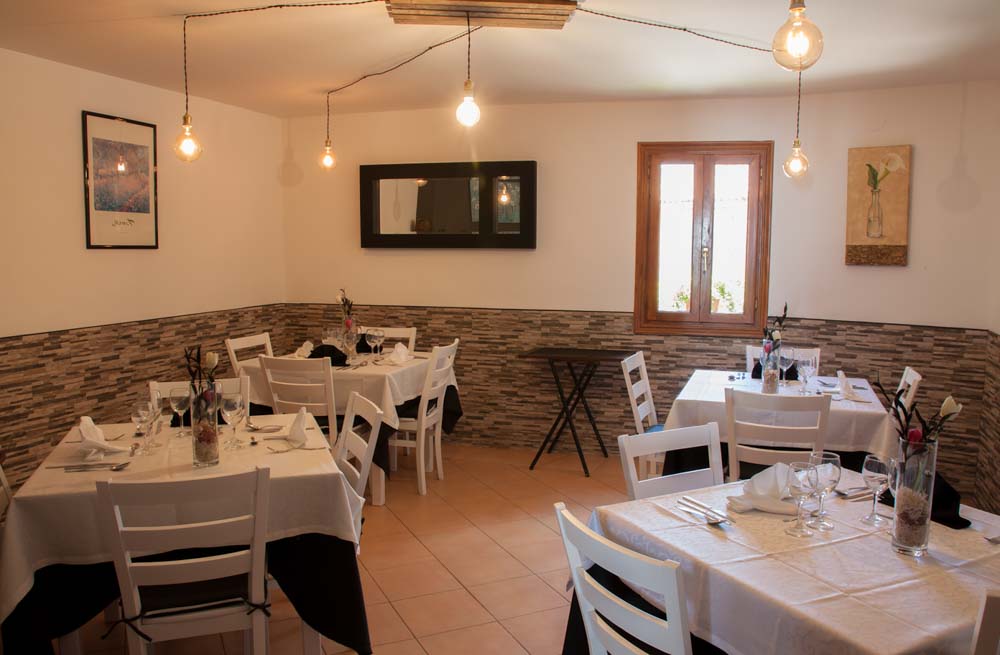
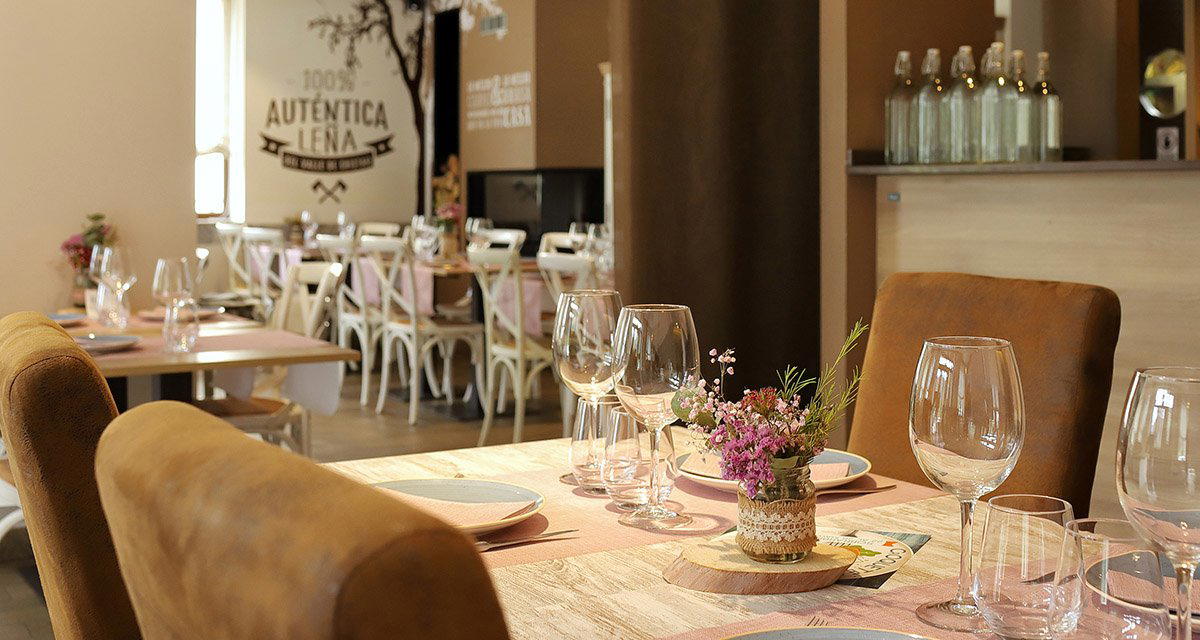
Warm, cozy interior blending contemporary design with rustic charm, creating a welcoming atmosphere praised for its charm and attention to detail.