El Visco




Michelin Plate · Relais Chateaux Award · Guía Repsol 1 Sol
Our verdict
Zero-“metres” cuisine defines El Visco in Fuentespalda, where a garden-driven Vía Verde tasting and a customizable seasonal menu meet polished service and a terroir-focused cellar within the storied La Torre del Visco estate.

Pearl is the En Primeur Club membership app, where members save venues, book tables and use the concierge.
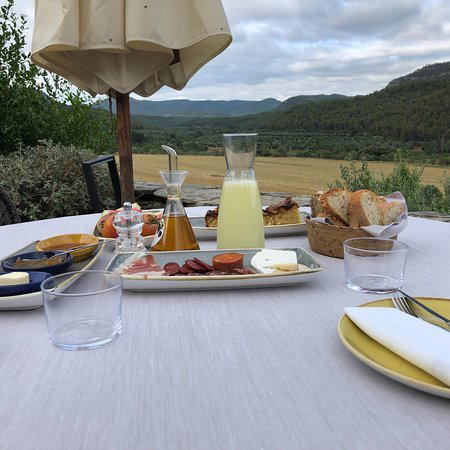
The menu
What to order
- Vía Verde (vegetarian tasting menu)
- Gazpacho
- Smoked trout with beetroot
- Turbot with saffron
- Torrija dessert
Where the Road Ends and the Table Begins
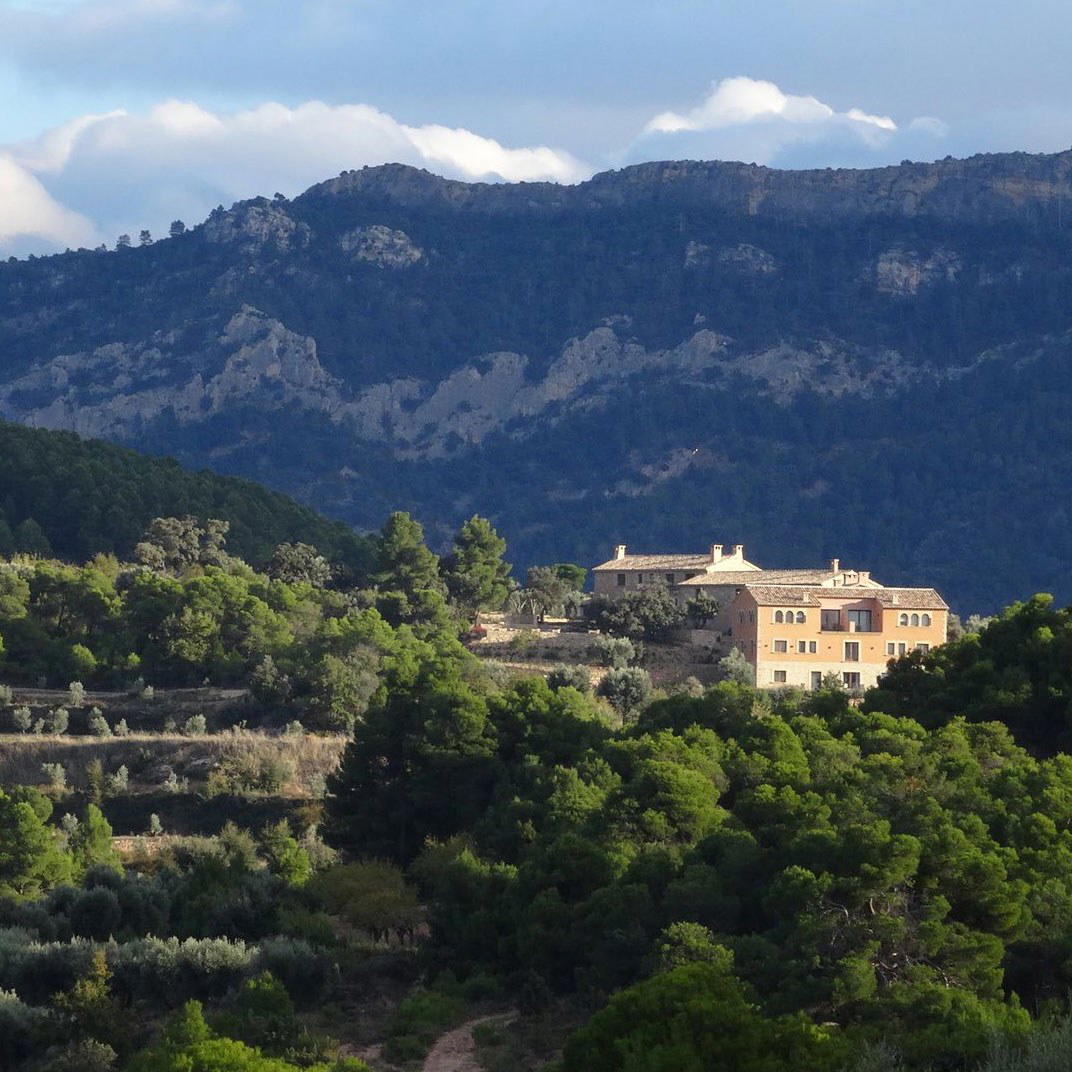
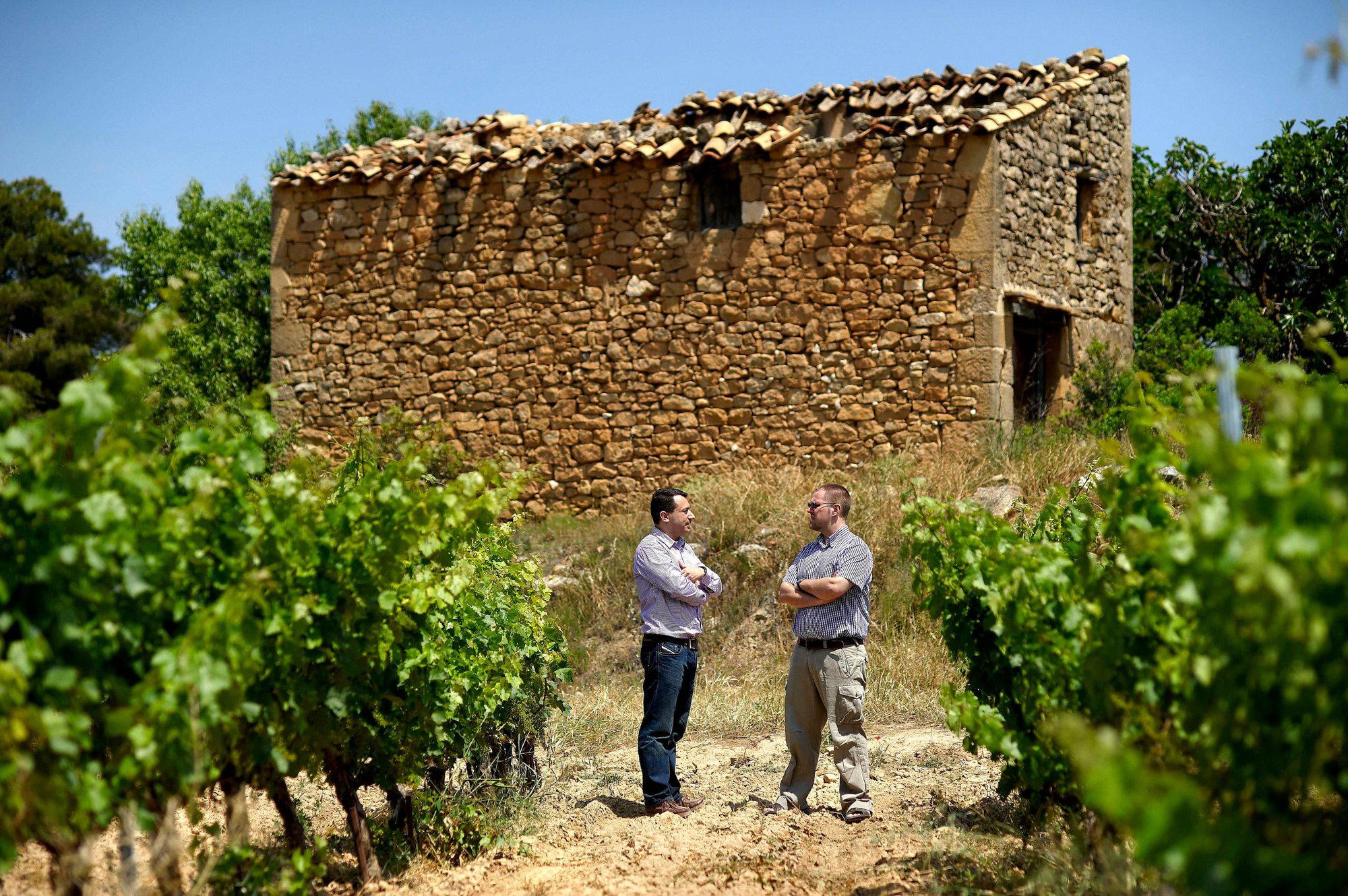
The approach to El Visco prepares you for what follows inside. The A-1414 road winds through the Matarraña valley in Teruel, one of the least-visited corners of inland Spain, where limestone escarpments give way to dense forest and the only traffic that slows your progress is likely to be deer or wild boar crossing the tarmac. By the time you reach kilometre 19, the restaurant's relationship with its surroundings has already been established without a single word from the kitchen.
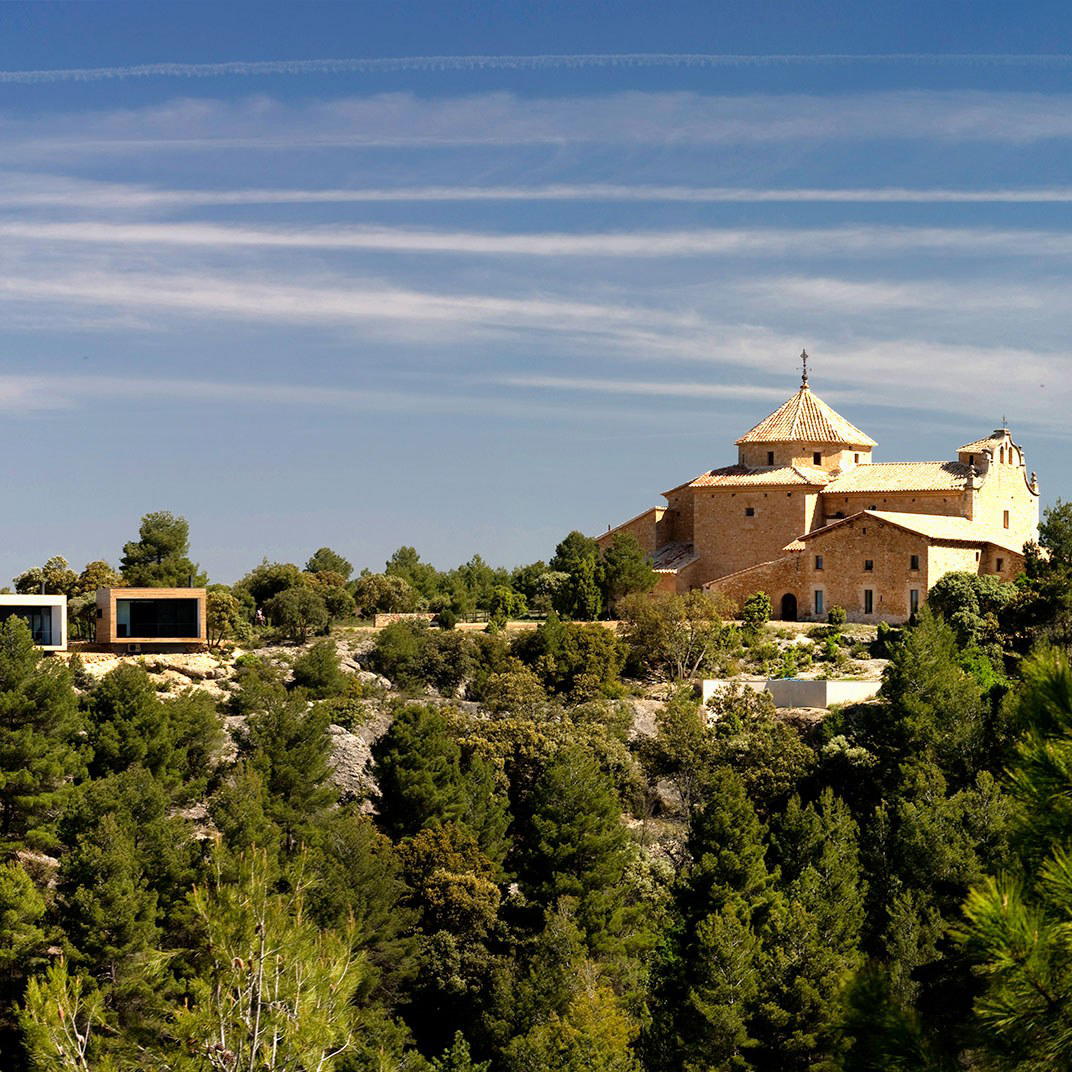
El Visco operates within La Torre del Visco, a country hotel that sits at some remove from the circuits connecting Spain's celebrated restaurant destinations. Arzak in San Sebastián, El Celler de Can Roca in Girona, and Disfrutar in Barcelona all anchor themselves in cities with international transport links and established food-tourism infrastructure. El Visco makes no such concessions. Its logic is geographic and seasonal rather than metropolitan, and its Michelin Plate recognition in both 2024 and 2025 marks it as the kind of quiet outlier that rewards the effort of getting there.
The Zero-Metres Philosophy in Practice
The term "farm-to-table" has been diluted across decades of menu copy, but El Visco operates under a more precise formulation: zero metres rather than the more familiar "zero kilometres." The claim is not rhetorical. Vegetables, herbs, fruits, flowers, and wild plants foraged daily from the surrounding terrain form the foundation of the Vía Verde menu, the restaurant's vegetarian offering. The gap between soil and plate here is measurable in minutes rather than supply-chain links.
Chef Rubén Catalán's approach connects to a broader movement within Spanish regional cooking that has run parallel to the high-technique creative restaurants drawing international attention. While DiverXO in Madrid and Quique Dacosta in Dénia operate at the progressive end of the Spanish creative spectrum, a separate tradition of place-rooted, ingredient-led cooking has deepened in rural areas over the same period. El Visco belongs to that tradition: the cooking is a function of what the surrounding ecosystem produces, season by season, and the menus shift accordingly.
The kitchen's commitment to organic production is total. Everything on the plate originates from within the immediate natural environment or from producers whose methods align with the same principles. This is not a marketing position but a structural constraint that shapes every decision in the kitchen, from what can be served to when dishes can appear on the menu.
Two Menus, Two Arguments
El Visco presents two set menu formats. The Vía Verde is a vegetarian menu built around the organic gardens and daily forage, incorporating wild plants and flowers alongside cultivated vegetables. It operates as a seasonal document, readable as a record of what the surrounding land was producing at the moment of the visit.
The second format, described as "Create your own menu," introduces meat from the Matarraña area and fish sourced from the auction at l'Ampolla, a fishing port on the Mediterranean coast roughly an hour's drive from the restaurant. This option places El Visco inside the network of local producers and coastal suppliers that define the food geography of southern Aragon and northern Valencia. The fish arrives from auction rather than from a fixed supplier relationship, which means the selection reflects what the sea yielded that morning rather than what a distribution contract requires.
The two-menu architecture positions El Visco alongside European restaurant models that have moved away from the single tasting menu format in favour of giving guests a degree of structural choice, while maintaining the kitchen's control over sourcing and seasonal logic. It is a format that acknowledges the difference between a guest who came specifically for vegetables and foraging, and one who wants the full range of what the Matarraña region produces.
Chef Rubén Catalán and the Logic of Place
Editorial angle on Rubén Catalán is less about career trajectory than about the match between a cook and a location. The Matarraña valley is not a stepping stone to somewhere else. It is a specific and demanding environment, defined by altitude, seasonality, and the rhythms of organic cultivation. A chef whose philosophy centres on working with what the land provides rather than sourcing to fit a predetermined menu needs to be embedded in that environment across full annual cycles to understand what it can and cannot offer.
This is a different form of culinary authority from the one associated with Spain's marquee creative restaurants. Azurmendi in Larrabetzu and Mugaritz in Errenteria both represent serious sustainability credentials within the Basque framework, but they operate with different scales of infrastructure and visibility. El Visco's authority is more granular: it derives from proximity to a specific piece of land and the accumulated knowledge of how that land performs across seasons.
The Michelin Plate recognitions for 2024 and 2025 signal that the kitchen's output meets a quality threshold without placing the restaurant in the competition for stars, where the expectations of technique and service become more formalised. For a restaurant of this type and setting, the Plate is arguably the appropriate marker: it confirms the cooking without pulling the experience toward the city-restaurant model it has deliberately avoided. For further context on where El Visco sits within the wider Spanish restaurant picture, see our features on Aponiente in El Puerto de Santa María, Ricard Camarena in València, Atrio in Cáceres, and Martin Berasategui in Lasarte - Oria.
La Despensa de Esteve: The Full Day Format
For guests who want to extend the experience beyond the table, El Visco offers access to La Despensa de Esteve, the farm that supplies part of the kitchen's produce. Visits involve direct explanations from growers about cultivation methods and the seasonal cycle of the organic gardens. This is not a staged tour designed for photographs but a working farm where the production logic is explained by the people responsible for it.
The full-day format this creates, combining a farm visit with the tasting menu, places El Visco in a small category of rural European restaurants that have made the supply chain itself part of the experience. It is a meaningful addition for guests who want to understand the sourcing principles behind the cooking rather than simply benefit from them on the plate.
Getting There and Planning Your Visit
El Visco is reached via the A-1414 road at kilometre 19, outside the village of Fuentespalda in Teruel province. The address is Carretera A-1414, Km. 19, 44580 Fuentespalda. The remoteness is part of the proposition: there is no urban infrastructure nearby, and the surrounding silence and natural setting are inseparable from what the restaurant offers.
The price range is €€€, positioning El Visco below the €€€€ brackets occupied by Spain's starred urban restaurants, including DiverXO in Madrid and El Celler de Can Roca in Girona. For a Michelin-recognised tasting menu in a hotel setting with this level of sourcing discipline, the pricing is calibrated to the regional context rather than the metropolitan one. For planning a full trip to this part of Aragon, see our Fuentespalda restaurants guide, Fuentespalda hotels guide, Fuentespalda bars guide, Fuentespalda wineries guide, and Fuentespalda experiences guide.
For a comparison with other European restaurants that share the seasonal and terroir-led approach, see our features on Kirchenwirt in Leogang and Mesnerhaus in Mauterndorf.
Frequently asked questions
Is El Visco suitable for children?
The remote setting on the A-1414 road through the Matarraña valley, with frequent sightings of deer and wild boar from the grounds, makes El Visco genuinely engaging for older children with an interest in nature. The two set menu formats, one fully vegetarian and one built around locally sourced meat and fish, are tasting-menu structures that suit guests prepared to sit with a longer meal. Families with young children should weigh whether the format and the 45-minute drive through winding roads fits their group.
What kind of setting is El Visco?
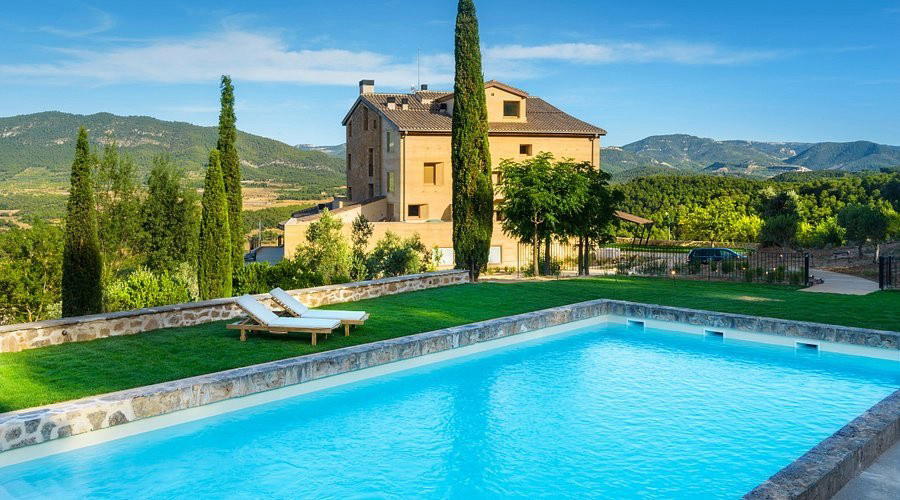
El Visco operates within La Torre del Visco hotel, reached at kilometre 19 of the A-1414 road outside Fuentespalda in Teruel province. The restaurant sits in the Matarraña valley surrounded by organic gardens that supply the kitchen directly, with woodland beyond. It is as rural as Spanish fine dining gets: Teruel is one of the least-populated provinces in Europe, and the silence and the wildlife on the property are part of the proposition, not incidental to it.
Is El Visco award-winning?
El Visco has received recognition including: Part of the La Torre del Visco hotel and accessed via a winding road, this restaurant offers the perfect experience for those keen to get away from it all thanks to its remote setting in the heart of nature (sightings of deer and wild boar ….
What's the best thing to order at El Visco?
El Visco does not operate à la carte. The choice is between two set menus: Vía Verde, the vegetarian menu built from the organic gardens and daily-foraged wild plants and flowers, and a second format that allows guests to compose their own menu from dishes featuring Matarraña meat and fish sourced from the l'Ampolla auction. Chef Rubén Catalán has built the kitchen around the vegetarian menu, and for guests open to it, that is the format most directly aligned with what El Visco is doing. Pairing the meal with a visit to La Despensa de Esteve farm extends the experience into a full day.
Comparable Spots, Quickly
| Venue | Cuisine | Price | Awards | Notes |
|---|---|---|---|---|
| El ViscoThis venue (the venue you are viewing) | Seasonal Farm-to-Table Spanish | $50–100 | Michelin Plate · Relais Chateaux Award | Not listed |
| Aponiente | Avant-Garde Marine Seafood | $200–300 | 3 Michelin Stars · World's 50 Best #84 | Progressive - Seafood, Creative |
| Arzak | Contemporary Basque Fine Dining | $300–500 | 3 Michelin Stars · World's 50 Best #31 | Modern Basque, Creative |
| DiverXO | Avant-Garde Spanish Tasting Menu | $300–500 | 3 Michelin Stars · World's 50 Best #4 | Progressive - Asian, Creative |
| El Celler de Can Roca | Creative Catalan Fine Dining | $300–500 | 3 Michelin Stars · World's 50 Best #2 | Progressive Spanish, Creative |
| Quique Dacosta | Avant-Garde Spanish Fine Dining | $300–500 | 3 Michelin Stars · World's 50 Best #65 | Creative |
Recognition history
Dated appearances from independent guides and award organizations, with the underlying list record or original source where available.
Michelin Plate
Michelin
Guía Repsol 1 Sol
Guía Repsol
Relais Chateaux Award
Relais Chateaux
We're Smart World 4 Radishes
We're Smart World
Full recognition history (7 entries)
Michelin Plate
Michelin
Relais Chateaux Award
Relais Chateaux
Michelin Plate
Michelin
Continue exploring
More in Fuentespalda
Restaurants in Fuentespalda
All restaurants in Fuentespalda →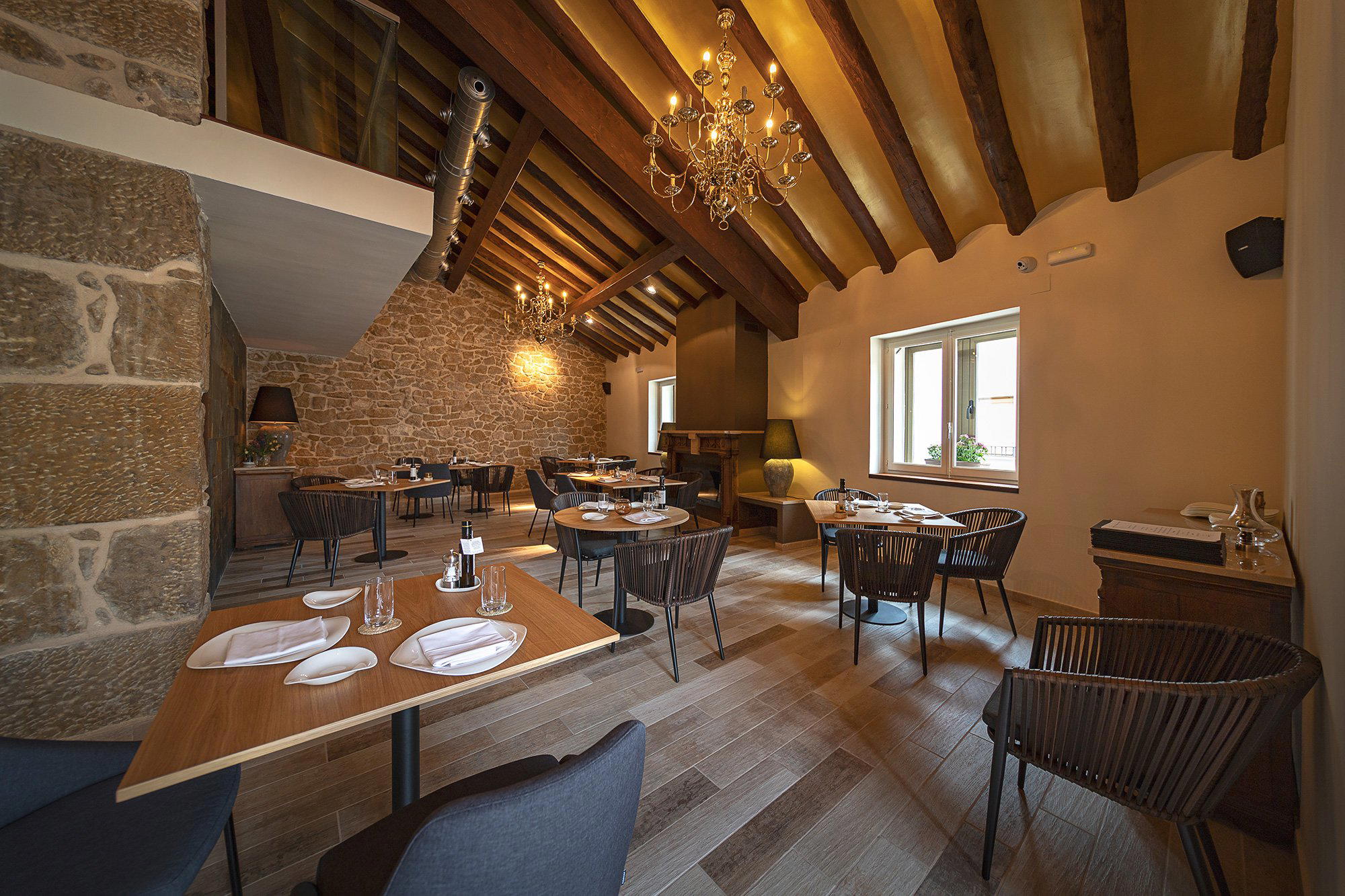
Hotels in Fuentespalda
Browse all →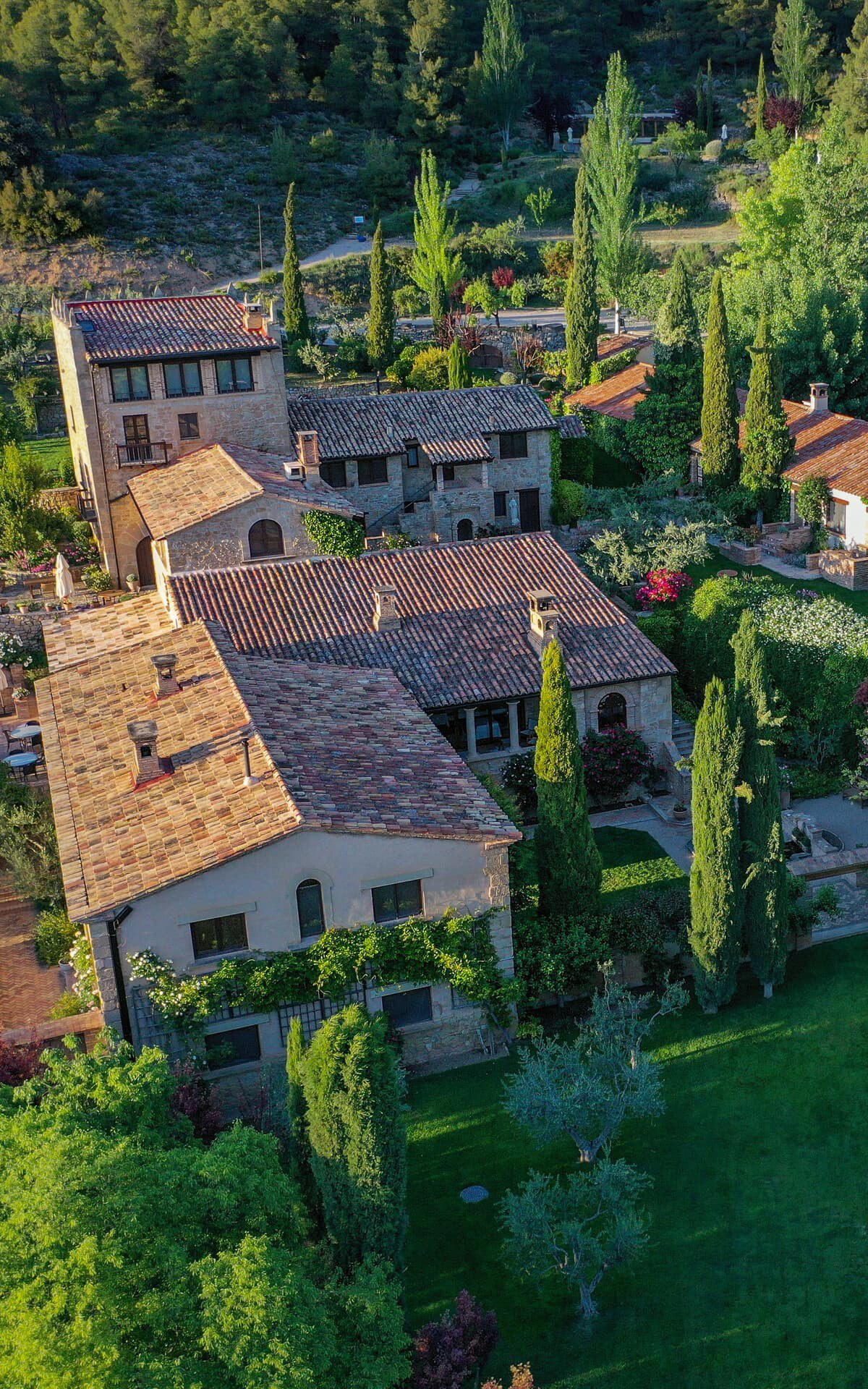

Details
- Romantic
- Scenic
- Elegant
- Quiet
- Sophisticated
- Special Occasion
- Celebration
- Date Night
- Open Kitchen
- Terrace
- Garden
- Panoramic View
- Hotel Restaurant
- Sommelier Led
- Farm To Table
- Organic
- Local Sourcing
- Garden
- Mountain
- Tasting Menu
- A La Carte
- Regional Wines
- Natural Wine
- Vegetarian Friendly
- Vegan Options
- Gluten Free Options
- Organic Focus
Current opening hours
- Monday
- 8–10 PM
- Tuesday
- 8–10 PM
- Wednesday
- 8–10 PM
- Thursday
- 8–10 PM
- Friday
- 8–10 PM
- Saturday
- 1:30–3 PM, 8–10 PM
- Sunday
- 1:30–3 PM, 8–10 PM
Hours can change for holidays and private events. Hours as of .
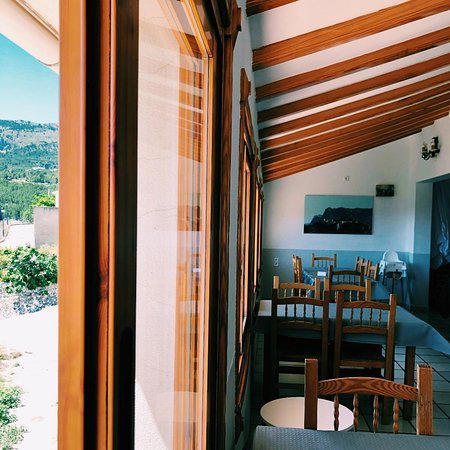
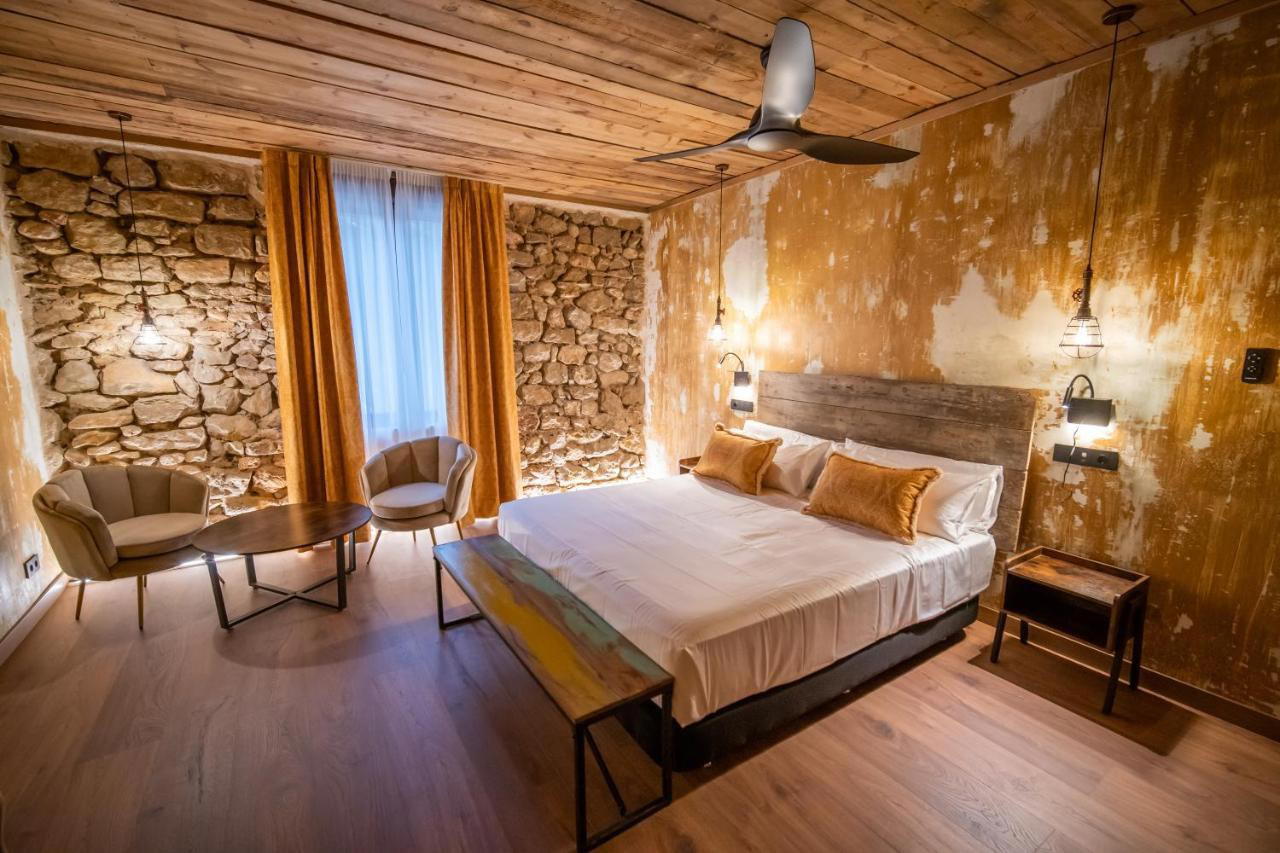
Elegant simplicity with wooden tables and minimal decoration, allowing the food to be the focal point. Terraces overlook fertile valleys with mountain views, scented by night blooms and surrounded by organic gardens and olive groves.