
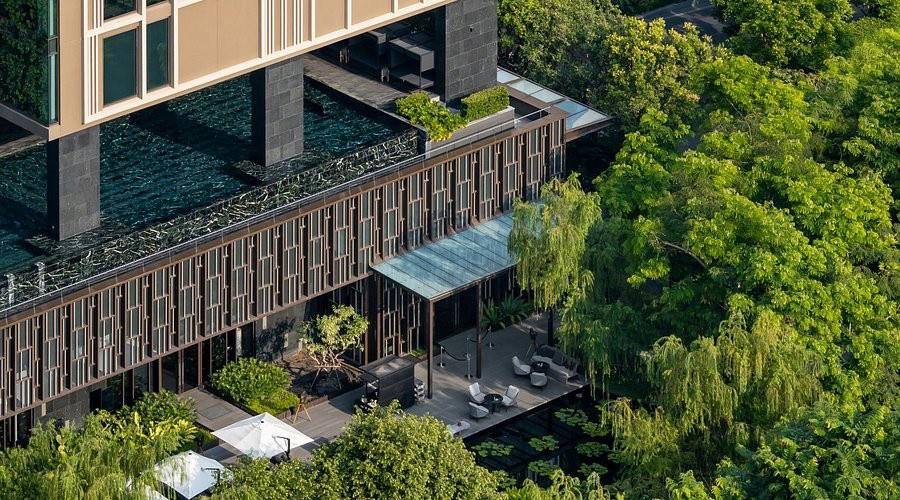
At Velaa Sindhorn Village in Lumphini, Vilas earns its 2024 Michelin Plate recognition by threading rare regional Thai produce through a menu that borrows Japanese seafood and Spanish shrimp without losing its culinary bearings. The à-la-carte format replaced an earlier tasting structure, sharpening the kitchen's focus on contemporary technique applied to Thai regional traditions. Staff in pink and neon-green uniforms set the mood before the food does.
Pearl is the En Primeur Club membership app — saves, bookings, and concierge access live there. Same editors, same standards.
- Address
- Velaa Sindhorn Village, B1 Floor, E103, Lang Suan Rd, Lumphini, Pathum Wan, Bangkok 10330, Thailand
- Phone
- +66 94 997 8631
- Website
- vilasbangkok.com
- Directions
- Get directions
 Saves & bookings on Pearl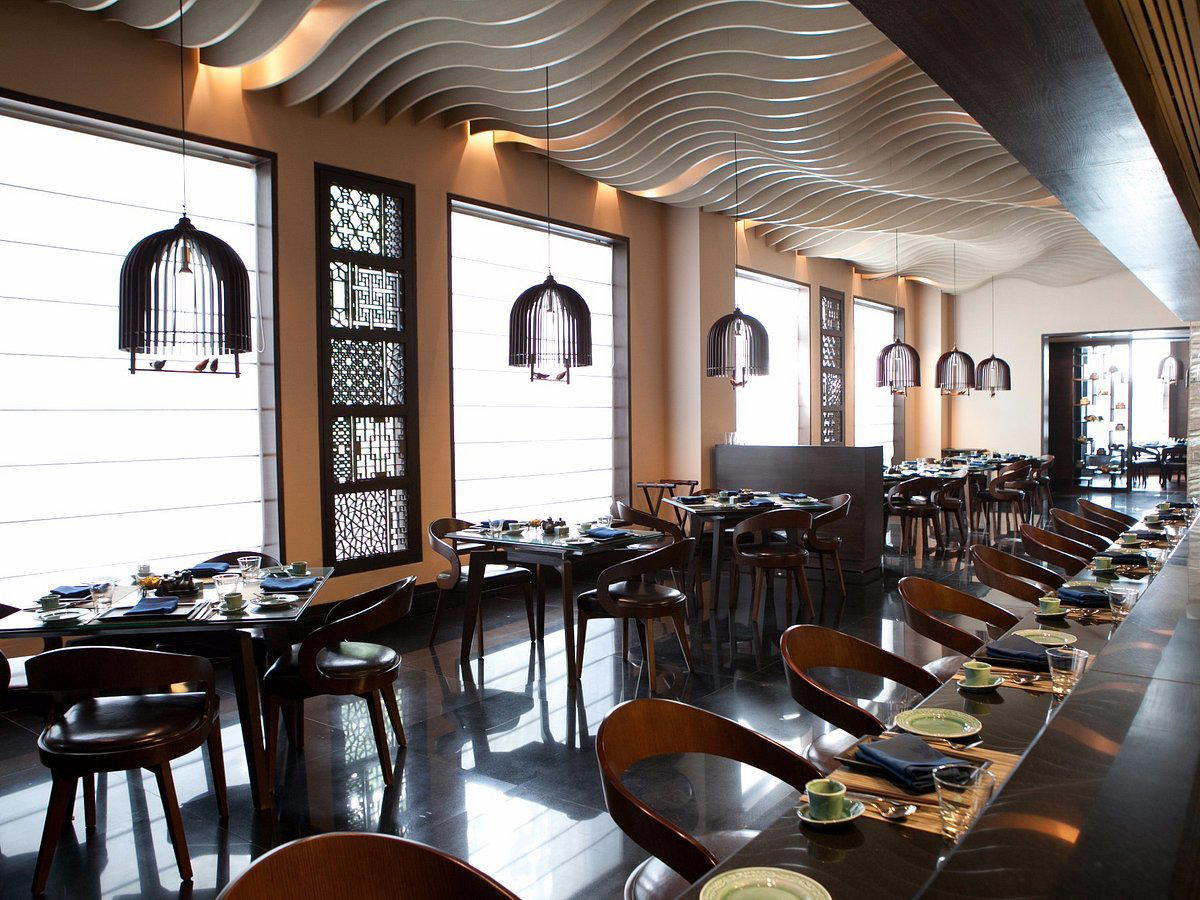
Colour, Heat, and the Open Counter at Vilas
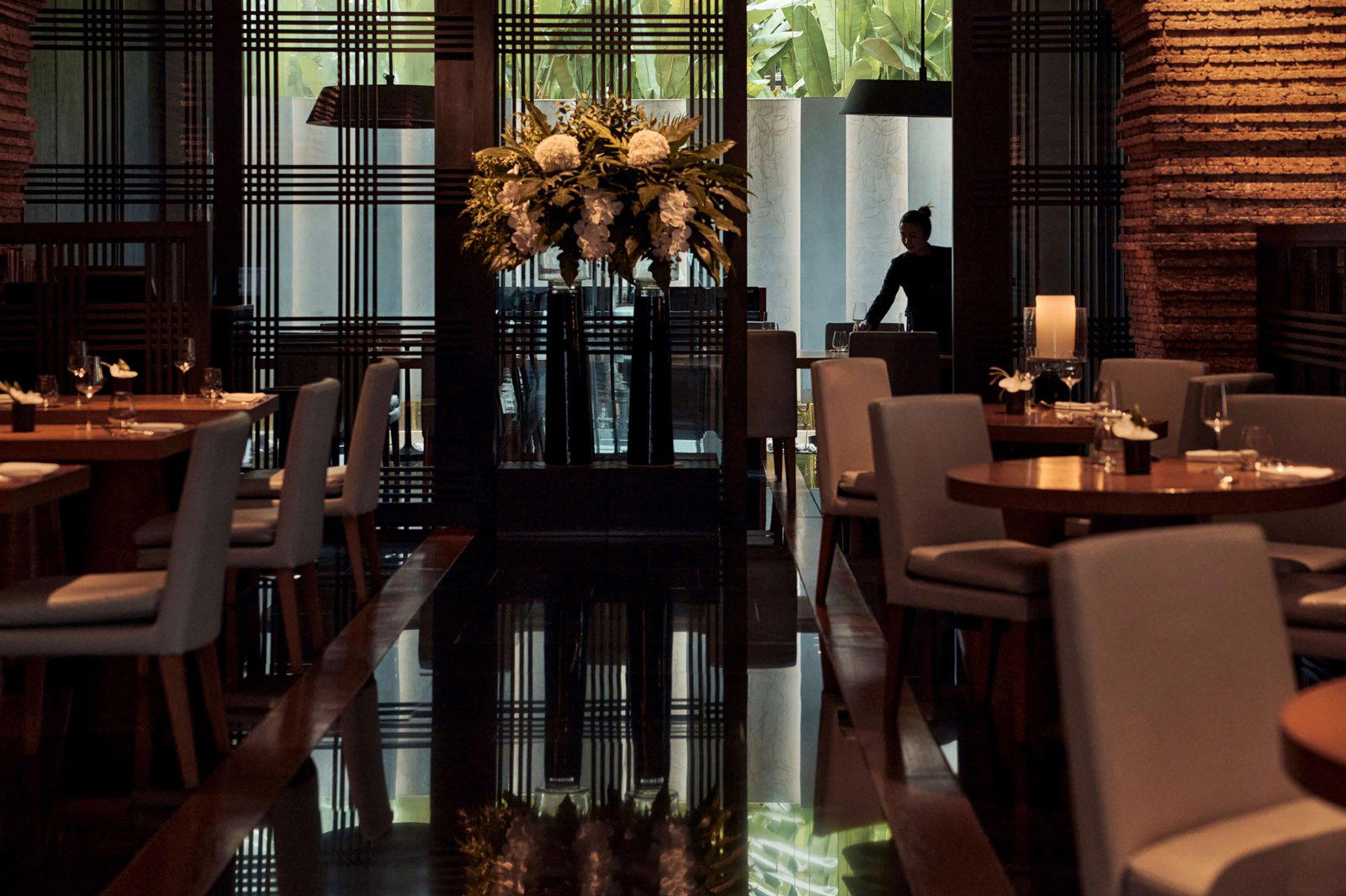
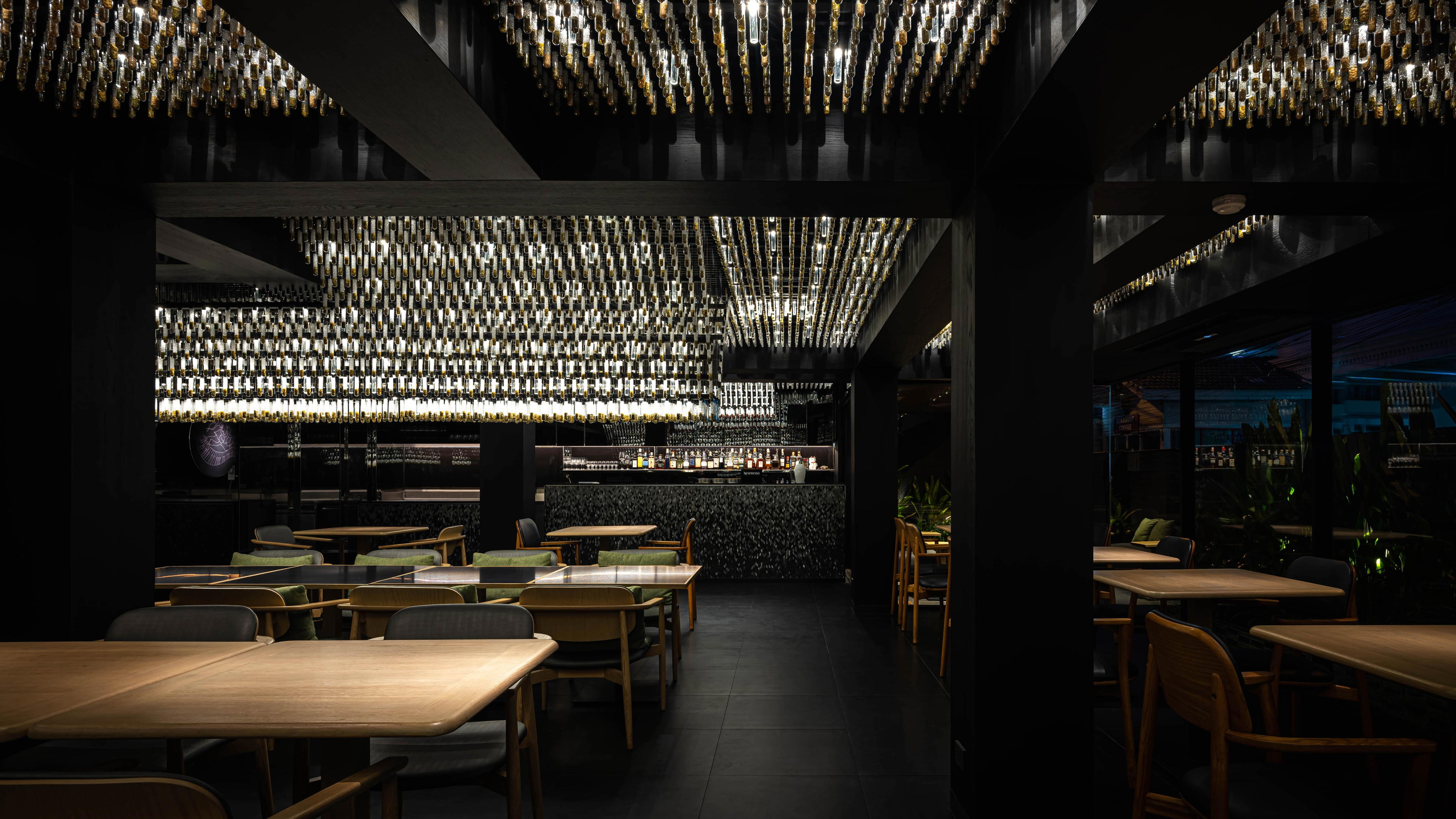
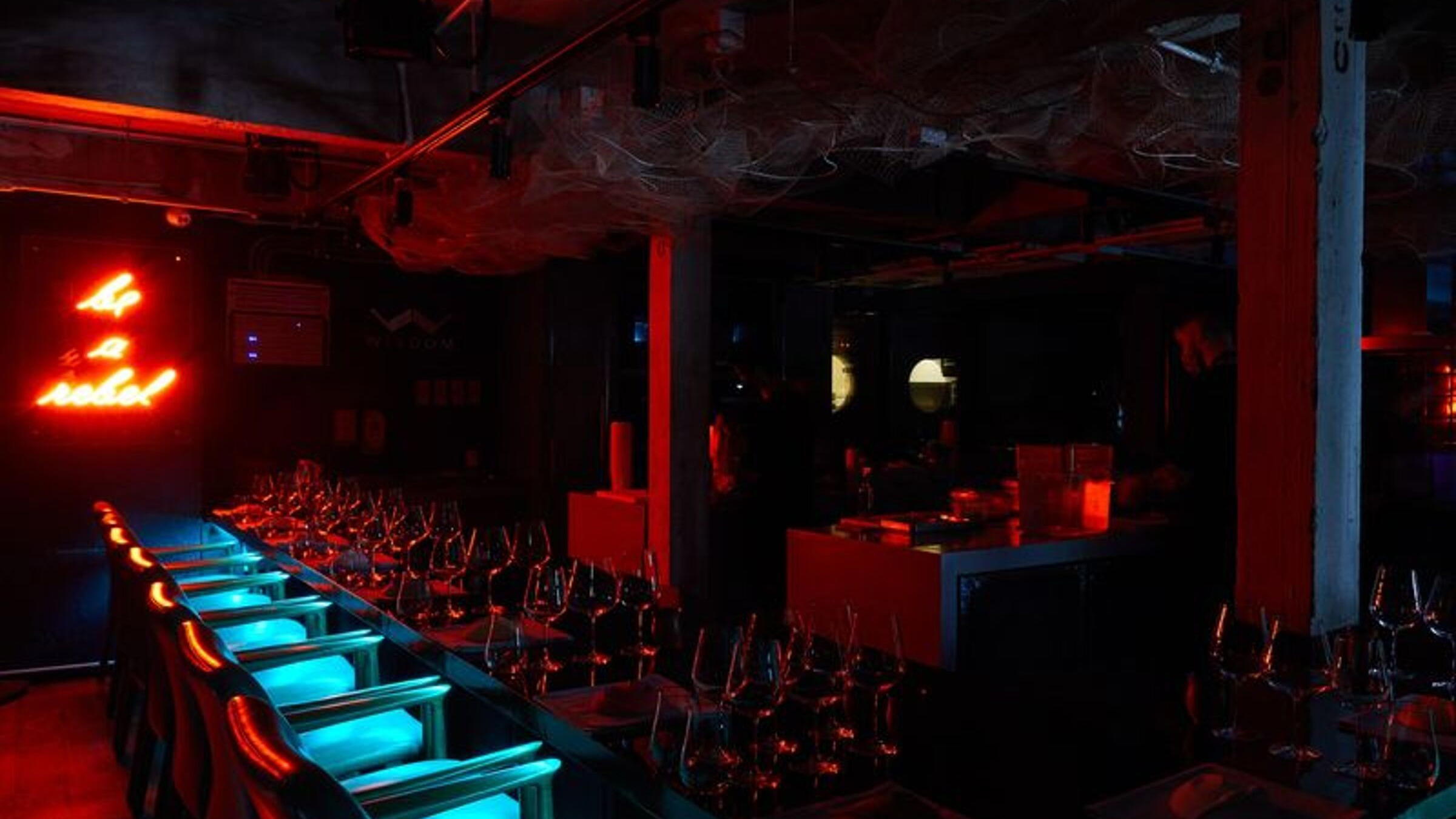
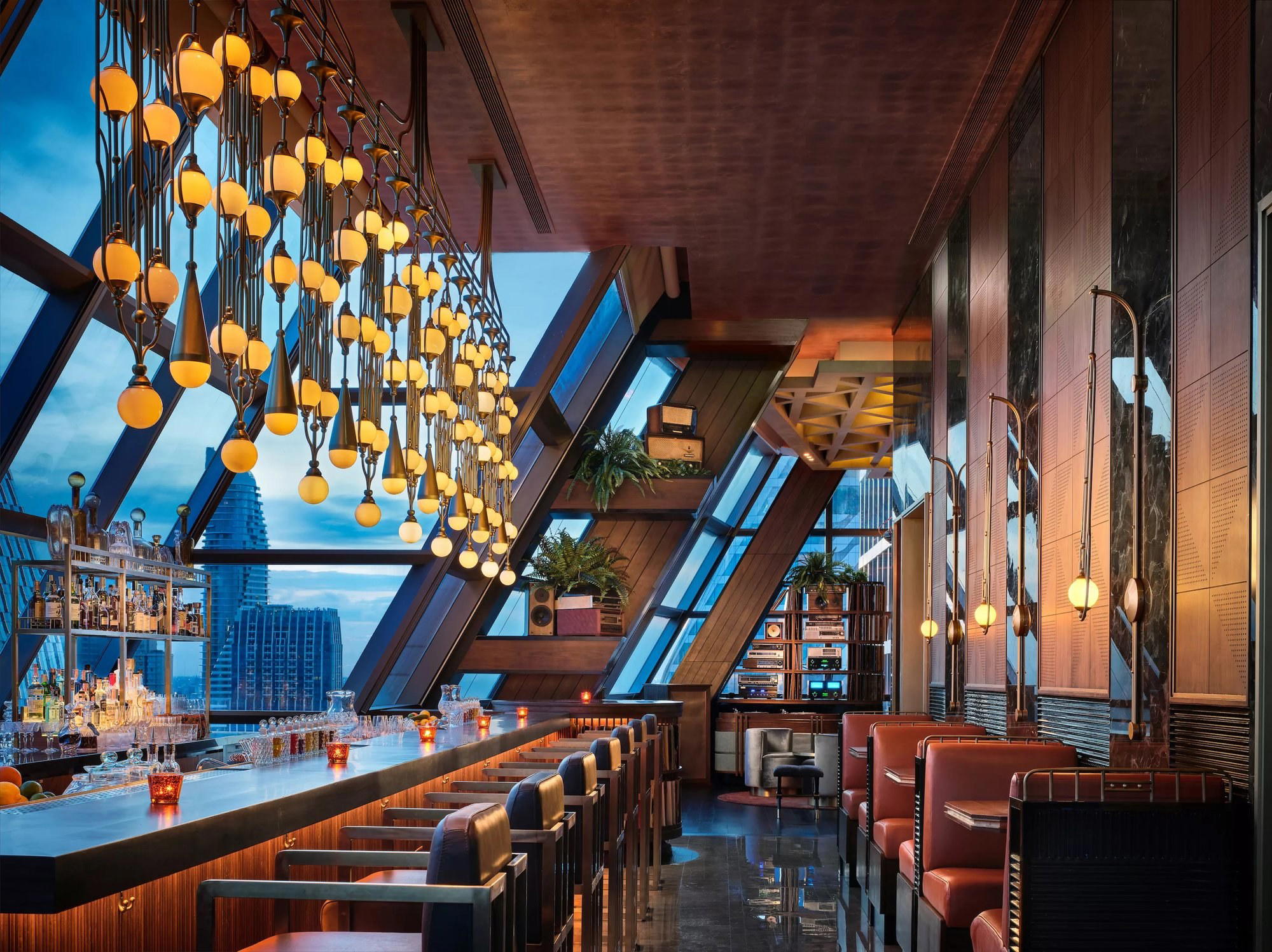
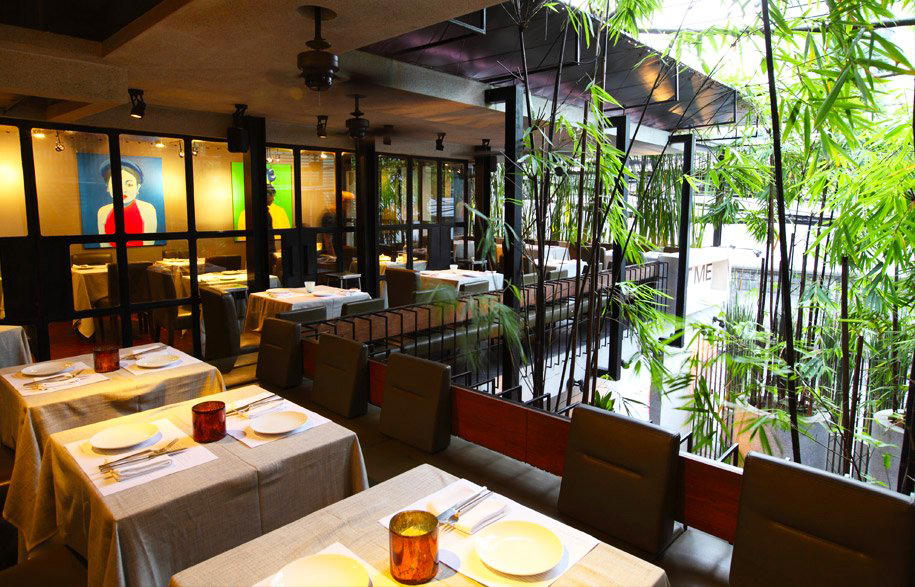
Bangkok's contemporary Thai dining scene has settled into two recognisable camps: the formal tasting-menu houses that anchor the upper end of the Michelin rankings, and a smaller cohort of à-la-carte operations that trade ceremony for momentum. Vilas is a Bangkok restaurant serving Modern Neo-Thai cuisine at Velaa Sindhorn Village, priced at about $100 per person. Vilas, on the B1 floor of Velaa Sindhorn Village on Lang Suan Road, sits firmly in the second group. The dining room reads as a deliberate statement against minimalism: staff uniforms in pink and neon-green, a colour palette that extends through the décor, and an open kitchen that pulls sightlines toward the counter rather than the ceiling. For a Lumphini address in a premium mixed-use development, that energy is less expected than it sounds.
The open kitchen counter is the recommended seat at Vilas, not as a novelty but because the cooking format rewards proximity. This is a kitchen built around high-heat technique, and the visual rhythm of wok work, the pace of reduction, the moment proteins are pulled from the flame, tells you things about a dish that the plate alone cannot. Bangkok diners who have spent time at the open counters of Baan Tepa or Wana Yook will recognise the logic: the counter does not just offer spectacle, it contextualises the food.
Stir-Fry Thinking in a Contemporary Frame
The stir-fry tradition in Thai cooking is older than the contemporary fine-dining framing it now sometimes occupies. The high-heat wok station has historically been the engine of Thai restaurant kitchens, a technique that requires fire management as a primary skill and tolerates no pause once a dish is in motion. What Vilas does with that tradition is worth understanding specifically: the kitchen applies contemporary technique to regional Thai preparations rather than folding Thai elements into a Western tasting-menu framework. The direction of travel matters. At several Bangkok addresses, Thai ingredients arrive as accents inside a European cooking logic. At Vilas, the regional Thai structure holds, and the imported produce, Japanese seafood, Spanish shrimp, is absorbed into it.
That approach to sourcing reflects a broader movement in Bangkok's serious Thai restaurants. R-Haan has long positioned itself around the depth of Thailand's regional pantry. 80/20 takes a different angle, mapping Thai ingredients against fermentation and preservation techniques. Vilas does not operate at either of those registers of formality, but it shares the underlying premise: that Thailand's regional produce is interesting enough to carry a premium menu without requiring European technique as a validator. The 2024 Michelin Plate recognition places it in the documented tier of recognised Bangkok cooking, below the starred houses like Baan Tepa and R-Haan but within the same credentialled conversation.
Regional Sourcing as Menu Architecture
The seasonal menu at Vilas is organised around different regions of Thailand, which is a structural choice with real implications for what arrives at the table. Thai regional cooking differs substantially between north, northeast, south, and central traditions, in spice register, in the role of fermented ingredients, in whether coconut milk is structural or incidental. Organising a menu around those distinctions rather than around protein categories or European course logic forces a kitchen to understand the regional source material rather than simply reference it. Well-judged spicing and layered texture are the reported outcomes, and those two qualities are precisely what collapses in Thai cooking when the technique is applied without regional literacy.
The imported produce, Japanese seafood and Spanish shrimp, enters this framework as a quality amplifier rather than a concept driver. This is the relevant distinction at Vilas versus, say, a modern European kitchen that sources Thai aromatics for novelty. The sourcing hierarchy runs Thai-first, with premium imports as supporting material. For diners familiar with NAWA, which takes a similarly ingredient-led approach to contemporary Thai, the sensibility will feel recognisable even if the format differs.
For those tracking the contemporary Thai format beyond Bangkok, PRU in Phuket and Aeeen in Chiang Mai offer regional reference points, while AKKEE in Pak Kret and Angeum in Phra Nakhon Si Ayutthaya demonstrate how the form travels beyond the capital. Further afield, Manāo in Dubai and Chim By Chef Noom in Kuala Lumpur show Thai contemporary as an export format with its own competitive tier.
The à-la-Carte Shift and What It Signals
The move from tasting-menu to à-la-carte format at Vilas was a sharpening rather than a concession. The tasting-menu format imposes a narrative arc that can work against Thai cooking's strength, which is the simultaneous arrival of contrast: heat, acid, fat, and texture negotiated across multiple dishes at once rather than sequenced. À-la-carte allows a table to build that contrast deliberately. It also gives, and the rating holds.
At the ฿฿฿฿ price point, Vilas sits in company with Bangkok's premium tier: Sorn's Southern Thai deep-dive, the European-led Sühring, Gaa's modern Indian format, and Côte by Mauro Colagreco's Mediterranean approach all occupy the same pricing bracket. The distinction Vilas draws is format and energy, casual room, open kitchen, à-la-carte access, rather than the formal staging that most of its price-tier peers deploy. For diners comparing options at this level, that difference in register is a real factor, not a minor detail.
Planning Your Visit
| Venue | Cuisine | Price Range | Format | Recognition |
|---|---|---|---|---|
| Vilas | Thai contemporary | ฿฿฿฿ | À-la-carte, open kitchen counter | Michelin Plate 2024 |
| Baan Tepa | Thai contemporary | ฿฿฿฿ | Tasting menu | Michelin starred |
| R-Haan | Thai | ฿฿฿฿ | Tasting menu | Michelin starred |
| NAWA | Thai contemporary | ฿฿฿฿ | Tasting menu | Michelin recognised |
| 80/20 | Thai contemporary | ฿฿฿฿ | Tasting menu | Michelin recognised |
Vilas is located at Velaa Sindhorn Village, B1 Floor, E103, Lang Suan Road, Lumphini, Pathum Wan, Bangkok 10330. The Sindhorn Village development sits within walking distance of the BTS Chit Lom corridor and the Lumpini Park perimeter, making it direct to combine with other Lumphini or Ploenchit area visits. Hours and booking availability should be confirmed directly, as the format shift from tasting menu to à-la-carte has changed operational cadence.
Peers in This Market
Comparable venues nearby, for context on price, style, and recognition.
| Venue | Cuisine | Price | Notes |
|---|---|---|---|
| VilasThis venue — the venue you are viewing | Modern Neo-Thai | $$$ | Not listed |
| The Local | Authentic Regional Thai Cuisine | $$$ | Khlong Toei Nuae |
| Rark | Modern Thai Omakase | $$$ | Khlong Tan Nuea |
| Sang Thatien | Homestyle Thai | $$ | Sanam Luang |
| 100 Mahaseth | Modern Nose-to-Tail Isaan | $$$ | Maha Phruetharam |
| Baannok Bangkok | Authentic Korat-Style Thai | $$$ | Suan Lumphini |
Recognition history
Dated appearances from independent guides and award organizations, with the underlying list record or original source where available.
Michelin Plate
Michelin
Michelin Plate
Michelin
Michelin Plate
Michelin
Continue exploring
More in Bangkok
Restaurants in Bangkok
Browse all →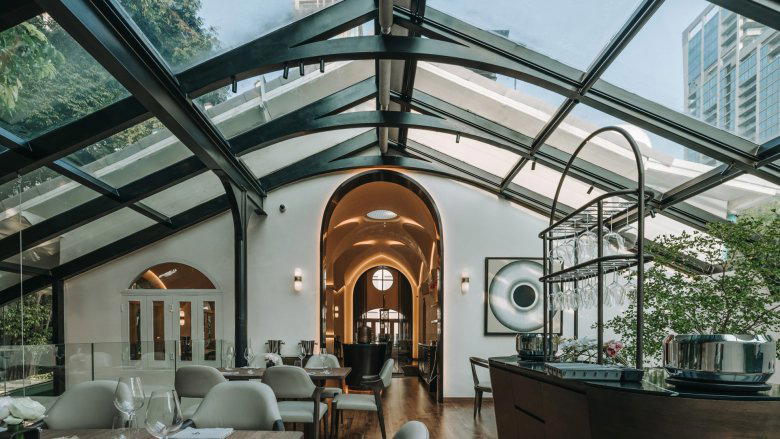
At a Glance
- Elegant
- Modern
- Sophisticated
- Minimalist
- Date Night
- Special Occasion
- Open Kitchen
- Local Sourcing
Current opening hours
- Monday
- 5–11 p.m.
- Tuesday
- 5–11 p.m.
- Wednesday
- 5–11 p.m.
- Thursday
- 5–11 p.m.
- Friday
- 5–11 p.m.
- Saturday
- 11 a.m.–3 p.m., 5–11 p.m.
- Sunday
- 11 a.m.–3 p.m., 5–11 p.m.
Hours can change for holidays and private events. Last verified .
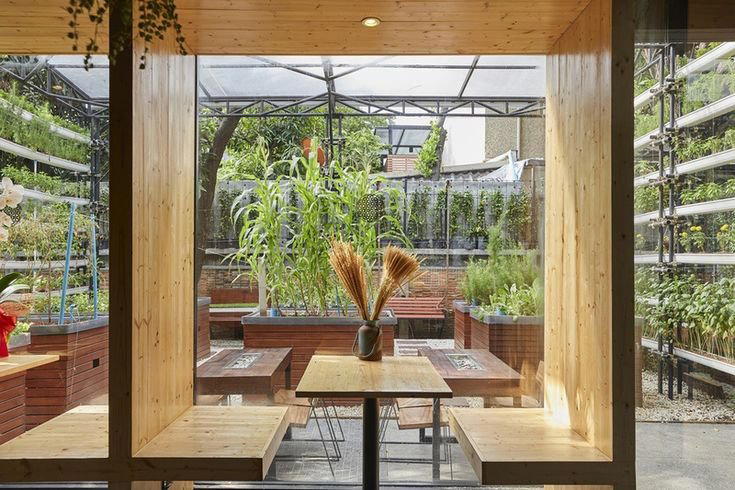
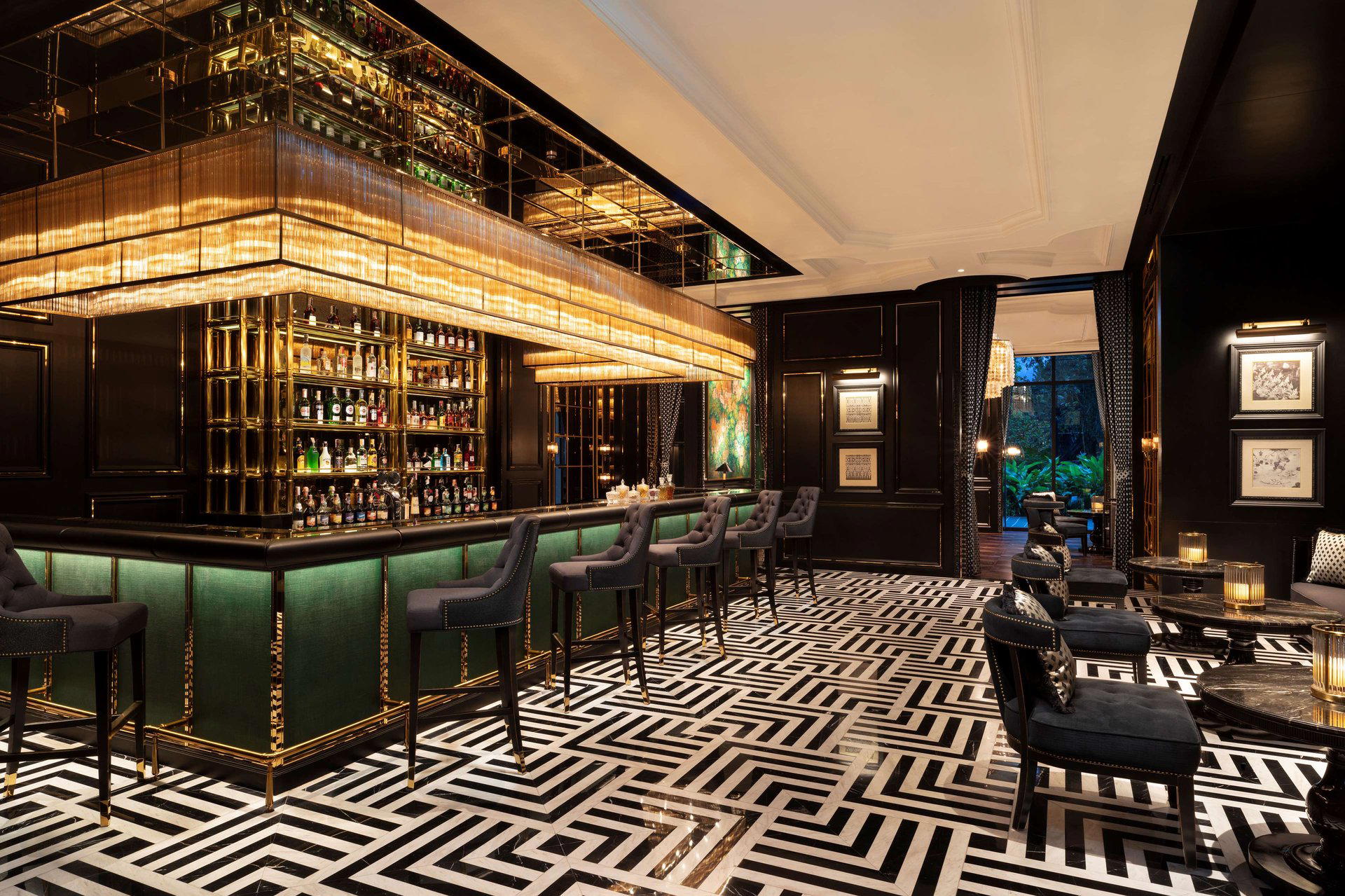
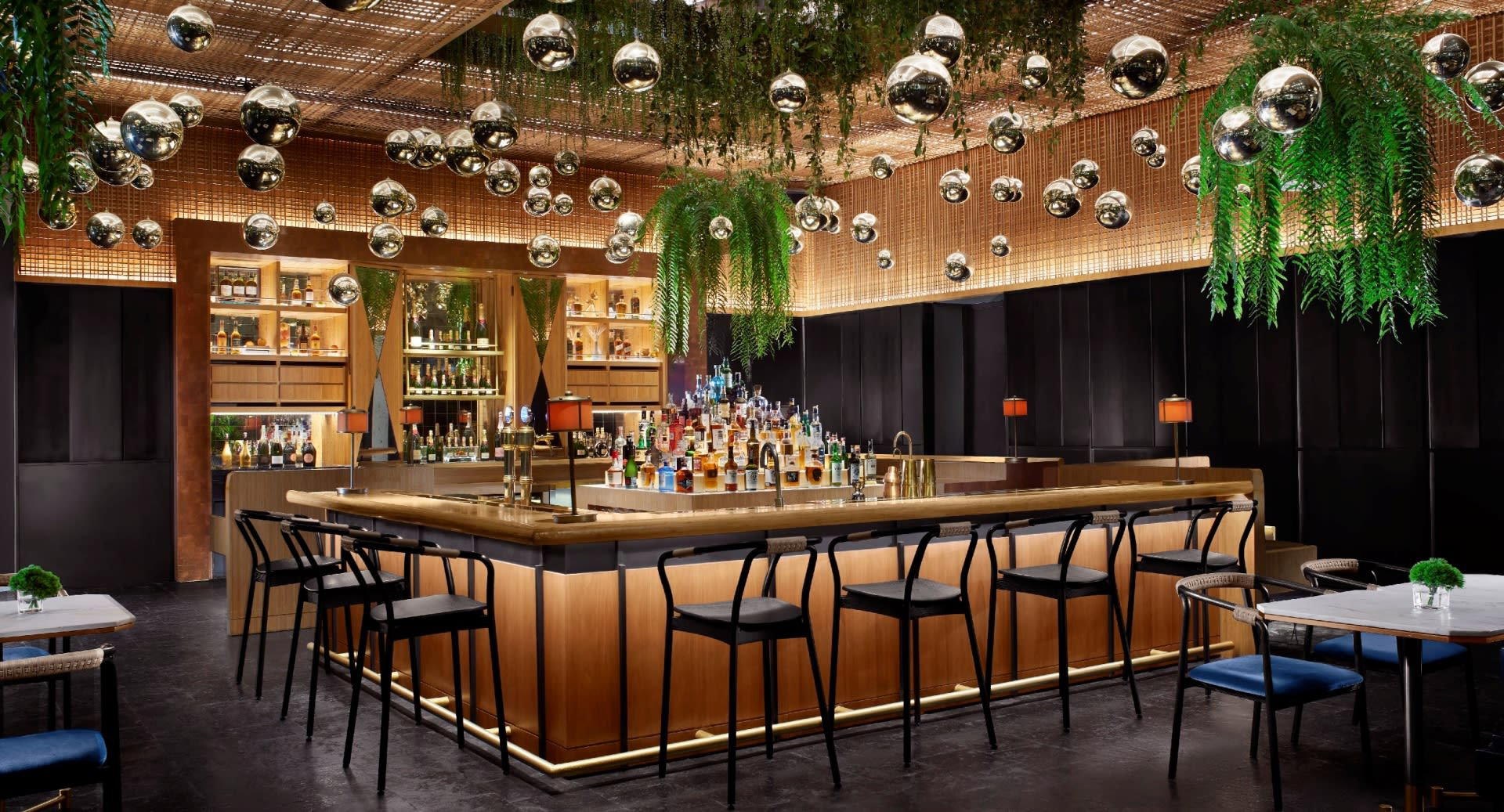
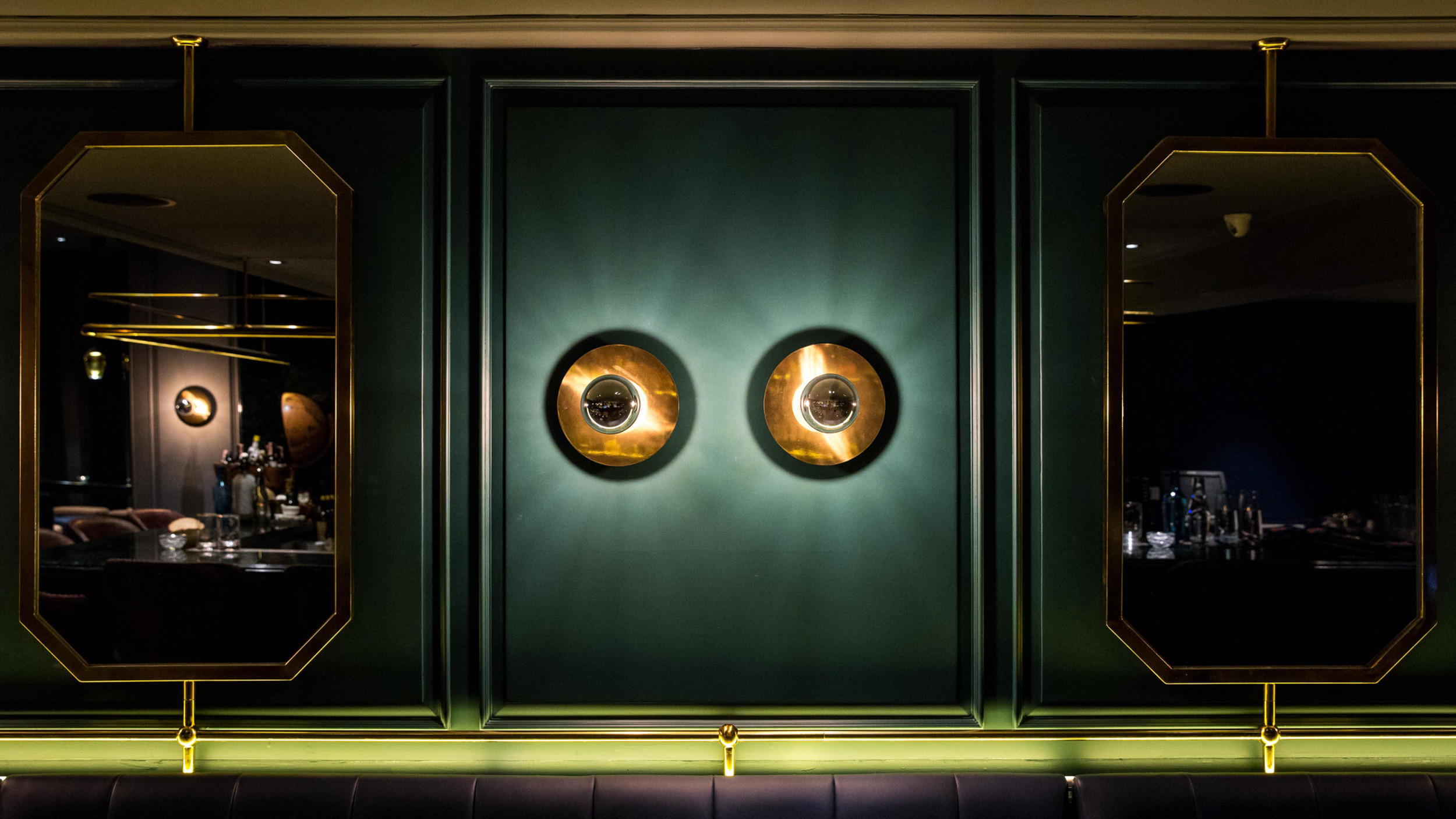
Elegant space blending tradition with contemporary charm, featuring lively artistic paintings, olive green sofas with blush pink pillows, handmade pink tables, and an earthy palette of warm taupes with wooden accents, homage to Monet’s lotus pond.