

Michelin Plate
Our verdict
Rark in Bangkok delivers a chef-side Contemporary Thai experience rooted in home-style regional cooking. Must-try dishes include mix-it-yourself scallop salad and Thai Wagyu with long pepper, plus rotating seasonal plates reflecting Chiang Rai and Ratchaburi traditions. The intimate, pre-ordered à la carte format places guests beside the open wok in a homely space of wooden walls and open shelving, where the sizzle of the pan is part of the show. The restaurant holds a MICHELIN Guide "Good Cooking" designation and limits seats for a personal, detail-driven meal. Book well in advance to secure one of the few nightly seatings.

Pearl is the En Primeur Club membership app, where members save venues, book tables and use the concierge.
The menu
What to order
- Krathong-thong
- Keang Ran Chuan
- Moo Kapi
- Kao Mao Nam Krathi
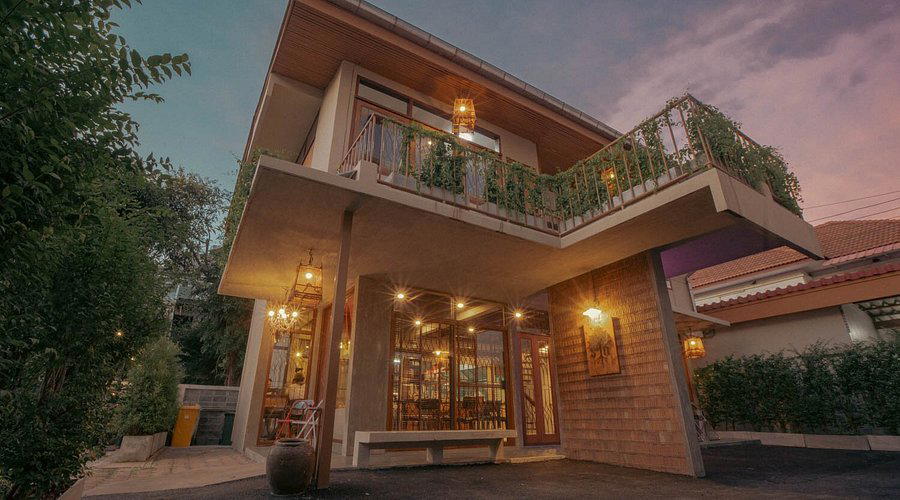
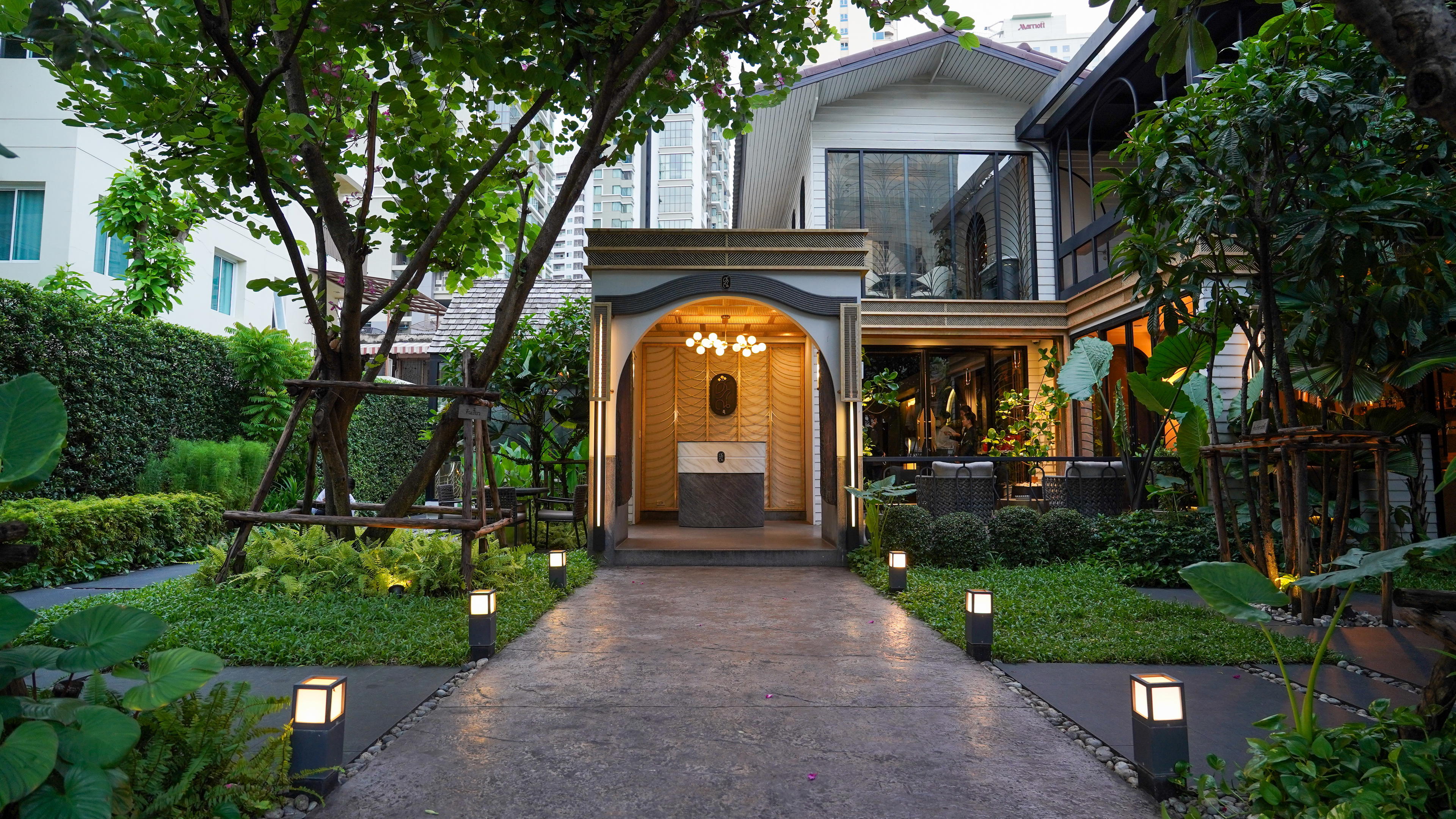
Rark opens like a private dinner in a Bangkok backstreet, where the chefs work within arm's reach and each plate arrives personally explained. Rark is located in the Yannawa area, a short drive from Sukhumvit, and it feels more like a friend's kitchen than a formal dining room. Early guests arrive to the faint smell of toasted spices, the steady hiss of the wok and wooden walls that frame an open shelving display of jars and tools. The result is immediate: you hear, see and taste the care in every dish, and the experience is intentionally direct and tactile.
The restaurant was founded by Chef Songpol "Save" Baramee-anan and Chef Kawee "Tao" Jampanakorn, both formerly sous chefs at Mezzaluna. Their decision to leave formal fine dining led to a different aim: close contact with guests and a focus on regional Thai recipes. Rark's philosophy centers on sourcing fresh local ingredients, integrating fruit for bright layers of flavour, and minimizing waste through a pre-order system. The MICHELIN Guide recognized Rark with a "Good Cooking" designation, acknowledging technical skill applied to home-style cuisine.
This recognition sits beside the chefs' reputation for warmth and precision, which guests repeatedly mention in reviews and word-of-mouth recommendations. The culinary journey at Rark is highly personal and flexible. Rather than a fixed tasting menu, Rark asks diners to pre-order à la carte so the kitchen can source prime ingredients and plan care-fully. Expect up to 25 different dishes prepared over an evening, from light salads to richer meat dishes and desserts.
Signature plates include a mix-it-yourself scallop salad that arrives with shellfish, crisp herbs, citrus elements and a dressing you combine at the table for immediate brightness. The Thai Wagyu with long pepper highlights slow-seared local Wagyu, a long-pepper crust and an acid-tinged relish to cut the fat. Seasonal and regional specialties appear regularly: dishes inspired by Chiang Rai bring herbal, northern notes, while Ratchaburi plates favour sweeter fruit integration and home-cooked intensity. Cooking techniques range from high-heat wok searing to gentle braises, always aiming for layered seasoning and textural contrast.
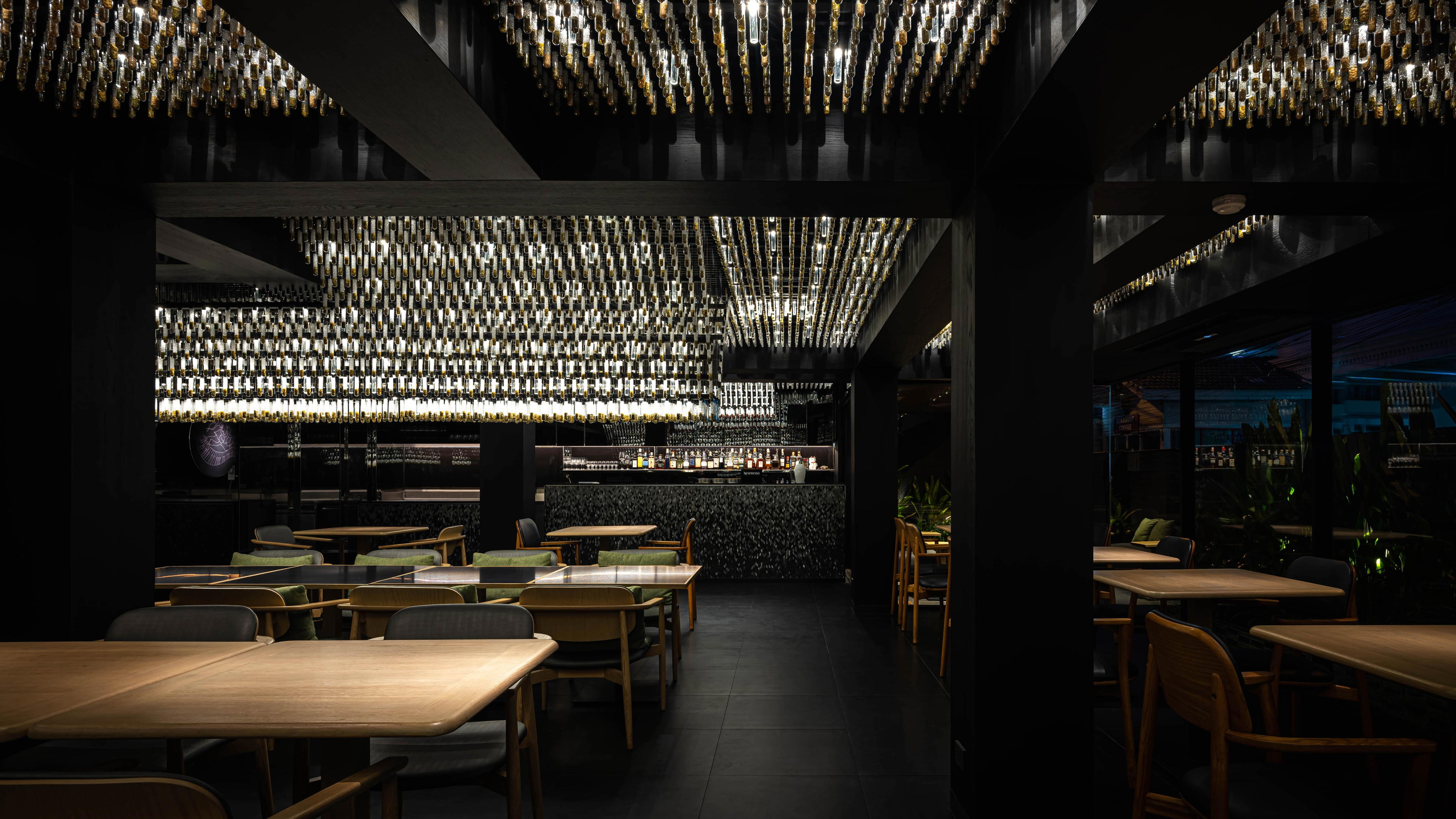
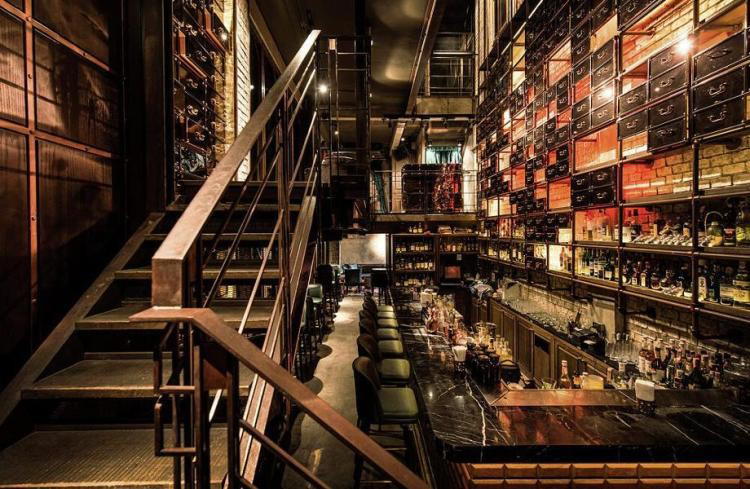
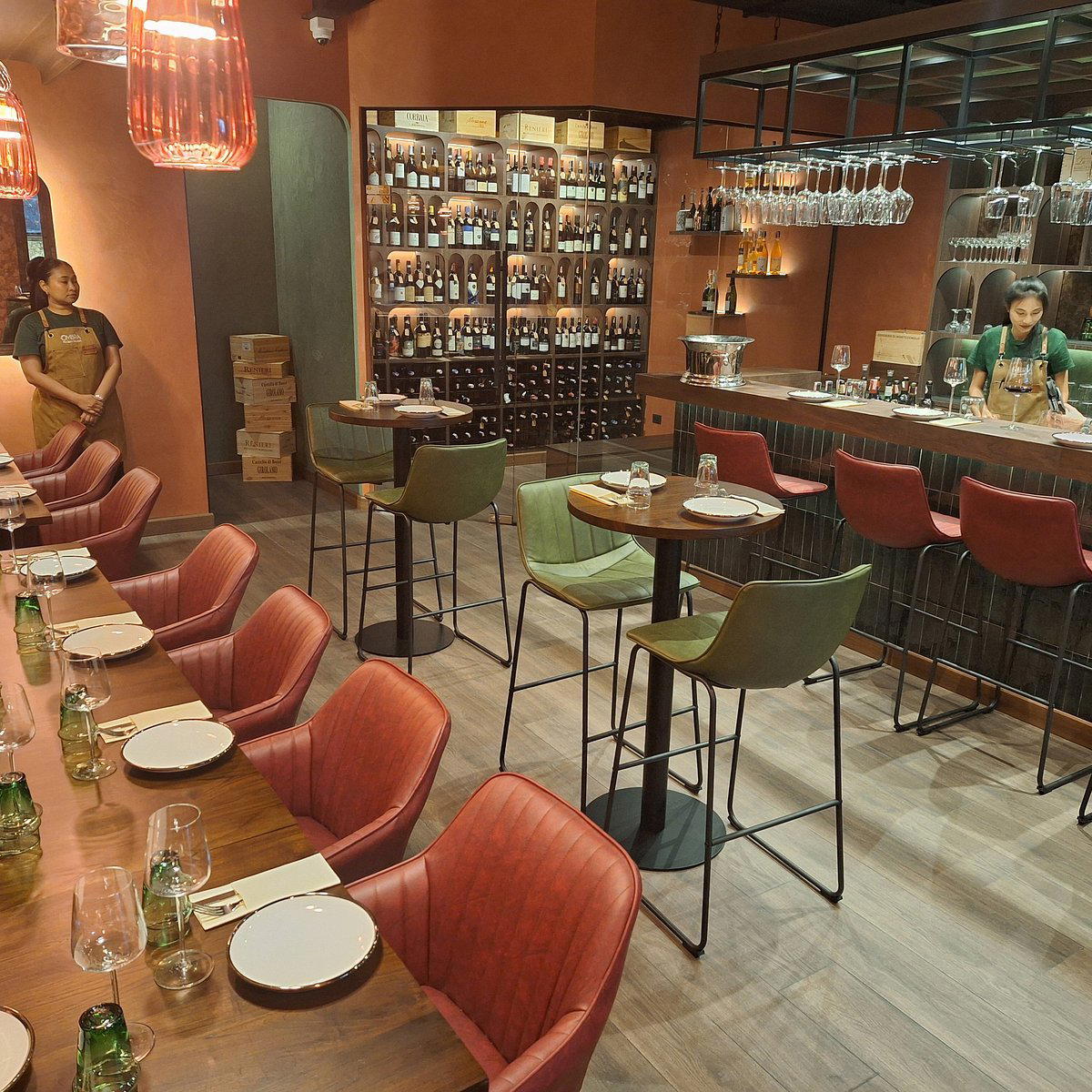
Service is direct and unvarnished. Guests sit at two small original tables or along counters that face the cooking area, depending on the current layout, and the chefs prepare plates within sight. This proximity allows the chefs to explain ingredients and adjust seasoning to dietary needs when possible. The space uses simple materials—wooden walls, open shelving and visible cookware—to reinforce the feeling of a domestic kitchen elevated by technique.
The sizzle of oil, the clatter of pans and the sight of fresh produce being trimmed are part of the evening. Lighting remains low and practical, so focus stays on the food and conversation, not formal ritual. Practical details matter at Rark. The restaurant operates Tuesday through Sunday with two weekday seatings at 18:00 and 20:00 and an additional 16:00 seating on weekends, so plan accordingly.
Reservations open two months ahead and are essential because seating is extremely limited; how do you book Rark? Secure your preferred date early and communicate dietary needs when you reserve. Dress code leans smart-casual—comfortable yet polished attire fits the intimate setting. Prices sit in a mid-to-upscale bracket, reflecting the quality of ingredients and the bespoke nature of service.
If you want an evening that feels like a private lesson in Thai flavour, reserve a table at Rark in Bangkok. The chefs' hands-on approach, regional dishes, and MICHELIN Guide nod make it a rare, memorable dinner. Book early, pre-order your selections, and arrive ready to taste Thai classics reworked with technical skill and homely honesty.
Comparable venues nearby, for context on price, style, and recognition.
| Venue | Cuisine | Price | Awards | Notes |
|---|---|---|---|---|
| RarkThis venue (the venue you are viewing) | Modern Thai Omakase | Not listed | Michelin Plate | Not listed |
| Err: Urban Rustic Thai | Modern Urban Rustic Thai | $30–50 | Wine Spectator Award of Excellence | Khlong Tan |
| Si Sawat | Modern Thai | $30–50 | Michelin Plate | Si Lom |
| KAENKRUNG | Modern Isaan Thai | $50–100 | Michelin Plate | Sirirat |
| Erawan Tea Room | Authentic Thai Tea Room | $20–30 | Not listed | Siam Square |
| TAAN | Modern Thai Fine Dining | $50–100 | Michelin Plate | Pom Prap |
Recognition history
Dated appearances from independent guides and award organizations, with the underlying list record or original source where available.
Michelin Plate
Michelin
Opinionated About Dining Top Restaurants in Asia Recommended
Opinionated About Dining
Continue exploring
More in Bangkok
Restaurants in Bangkok
All restaurants in Bangkok →


Details
- Intimate
- Elegant
- Special Occasion
- Date Night
- Chefs Counter
- Open Kitchen
- Local Sourcing
- Omakase
- Tasting Menu
Current opening hours
- Monday
- Closed
- Tuesday
- 6–9:30 PM
- Wednesday
- 6–9:30 PM
- Thursday
- 6–9:30 PM
- Friday
- 6–9:30 PM
- Saturday
- 12–2 PM, 6–9:30 PM
- Sunday
- 12–2 PM, 6–9:30 PM
Hours can change for holidays and private events. Hours as of .
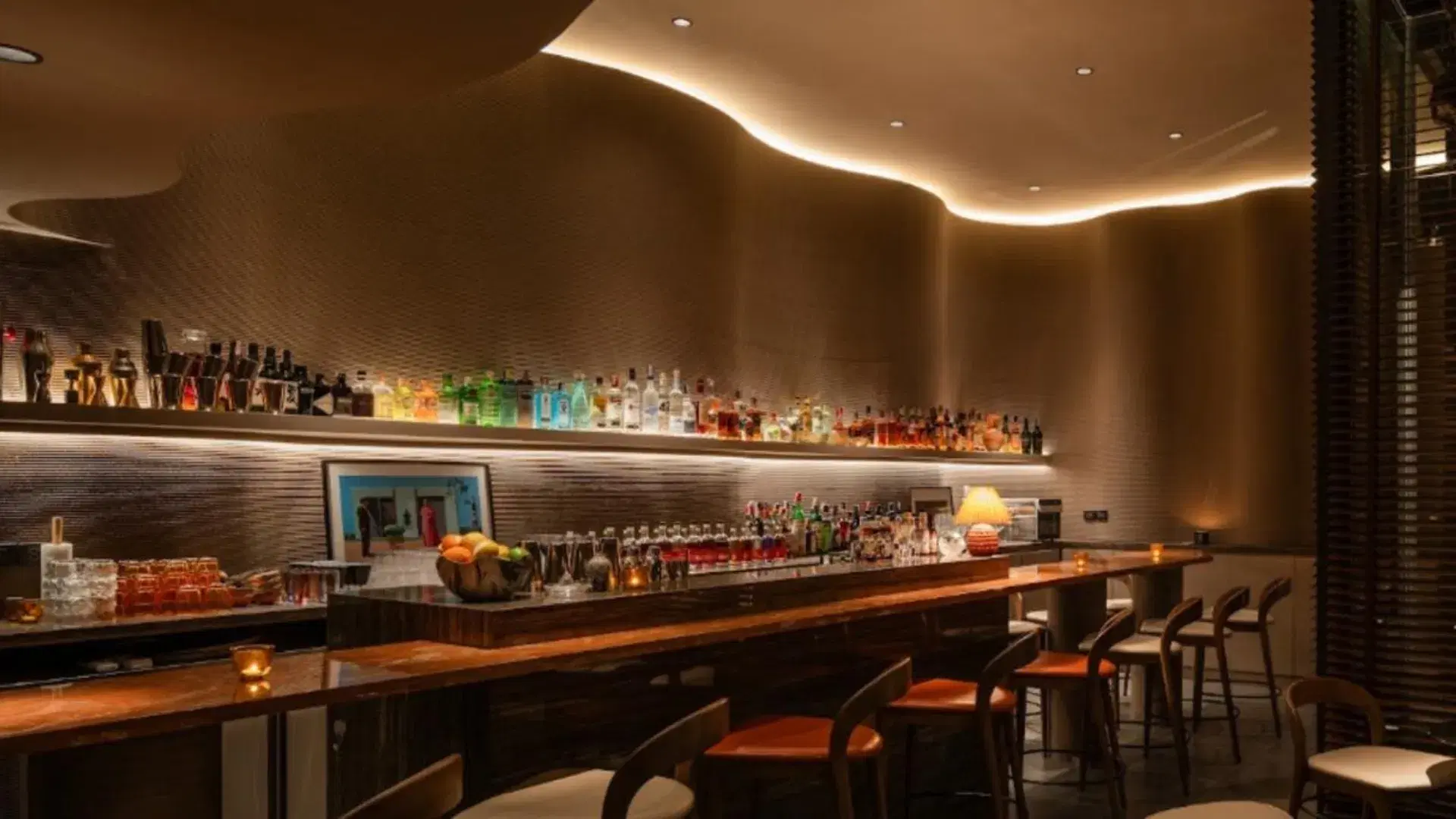
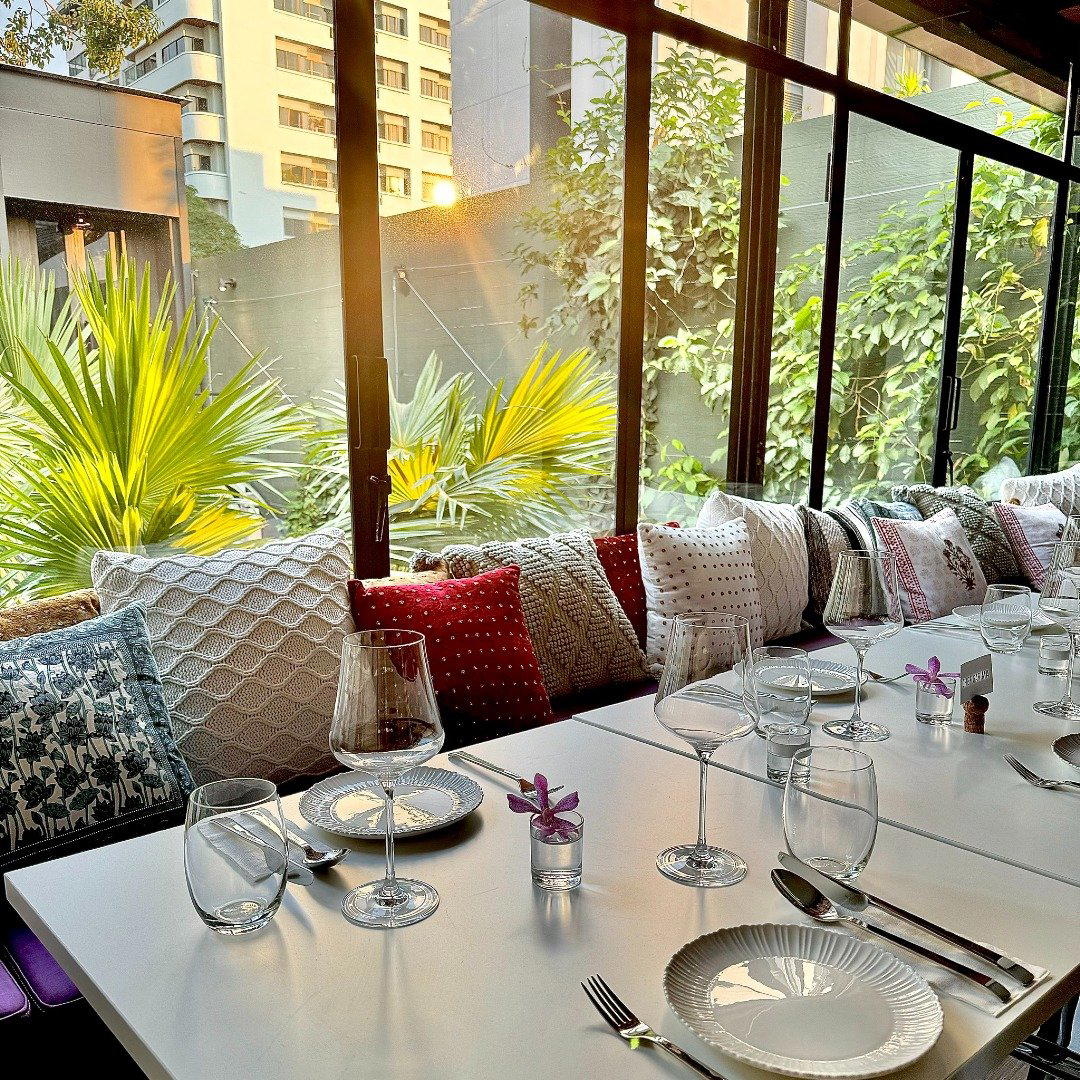
Intimate and refined atmosphere befitting a high-end omakase establishment with close interaction between diners and chef.