
Michelin Plate
Our verdict
Baannok brings Korat-style cooking to Bangkok's Lumphini dining circuit, with a Michelin Plate in both 2024 and 2025 confirming its place in the city's regional Thai conversation. The kitchen tones down the characteristic sweetness of Nakhon Ratchasima cuisine without erasing it, producing dishes that read as accessible without sacrificing the identity of their source. Advance reservations are essential.

Pearl is the En Primeur Club membership app, where members save venues, book tables and use the concierge.
The menu
What to order
- Pad Mee Korat with river prawn
- Korat sausage salad
- Kaeng Liang Kam Thale So
- Grilled pork neck
- Nam prik ong
- Tom yum soup
Planning Around Baannok: What to Know Before You Go
Bangkok's dining calendar runs hot, and the restaurants that draw the sharpest interest are rarely the ones with the longest menus. Baannok, on the second floor of the Veer Building on Lang Suan Road in Lumphini, sits in a tier of the city's Thai dining scene where the room size, the cooking specificity, and the Michelin recognition combine to make spontaneous visits an unreliable strategy. Two consecutive Michelin Plate awards, in 2024 and again in 2025, have done what that kind of recognition always does: they have sharpened demand and shortened the window for casual drop-ins. If you are building an itinerary around it, treat the reservation as the first logistical step, not an afterthought.
The address places Baannok in the Lumphini-Pathum Wan corridor, which clusters a number of Bangkok's more considered dining addresses within walkable or short-taxi distance of each other. Lang Suan Road itself runs between Ploenchit and Silom, meaning BTS access is practical from either end. The Veer Building's second-floor location means the restaurant sits slightly removed from street-level foot traffic, which suits the format: this is not a casual walk-in canteen but a deliberate dining destination that rewards the effort of getting there.
The Case for Regional Thai in Bangkok
Bangkok's Thai restaurant market has, over the past decade, split into roughly two directions. One moves toward contemporary reinterpretation, with modernist technique applied to traditional ingredients, producing the kind of multi-course tasting menus that populate the upper end of the Michelin-starred tier. Venues like Samrub Samrub Thai, Nahm, and Aksorn each represent different positions within that broader shift. The other direction moves toward specificity of origin, where the value proposition is regional fidelity rather than technique display.
Baannok operates in the second mode. Korat, the common name for Nakhon Ratchasima, is the largest province in the Isan region of northeastern Thailand, and its cuisine carries a distinct profile: moderately spicy, with a sweetness that sets it apart from the sharper, more fermented notes of deeper Isan cooking further east. What Baannok does, according to its Michelin recognition, is tune that sweetness down slightly for Bangkok palates without dismantling the regional character. That calibration is a meaningful editorial choice. It positions the kitchen neither as a purist archive of Korat tradition nor as a Bangkok-ified approximation of it, but as something in between, where accessibility and authenticity are held in productive tension.
For comparison: Chim by Siam Wisdom and Saneh Jaan both engage with the heritage Thai register in Bangkok, but neither focuses specifically on the Korat sub-tradition. That specificity is what gives Baannok its distinct position in the city's regional Thai conversation.
What the Kitchen Sends Out
Three dishes anchor the Baannok experience according to its Michelin documentation, and they map the kitchen's range efficiently. The sweet and sour Korat sausage salad is listed as a palate-opening course, the acidity and light sweetness of the dressing doing the work of clearing the way for what follows. Sausage in Isan cooking carries significant cultural weight; the fermented and grilled varieties found across the region are markers of local identity, and presenting one in a salad format signals both accessibility and provenance simultaneously.
The Pad Mhee Korat is the signature, and the details in the Michelin entry are worth reading closely. The dish is a wok-fried noodle preparation using duck egg, finished with a smooth sweet sauce, and served with a giant river prawn. Wok technique in Thai cooking is one of those areas where execution and equipment matter enormously; the heat required to achieve the correct texture and fragrance on noodles is difficult to replicate outside professional kitchens, and a dish built around that technique is, in effect, a demonstration of the kitchen's technical command.
The third dish, Kaeng Liang Kam Thale So, is a spicy vegetable soup with herbs and spices characteristic of Isan cooking. Kaeng liang is a traditional Thai herb soup, typically lighter than coconut-based curries, and its presence on the menu reinforces the kitchen's commitment to the herbal and aromatic traditions of the region rather than defaulting to the richer preparations that tend to travel better internationally.
At the ฿฿ price point, Baannok sits well below the ฿฿฿฿ tier occupied by Bangkok's starred contemporaries. The Michelin-starred Thai restaurants in the city, from the three-star Sorn with its Southern Thai focus to Baan Tepa's contemporary approach, represent a substantially higher spend per head. Baannok's Plate recognition at the ฿฿ level positions it as the kind of address where the cooking justifies the visit without the price requiring it to be a special-occasion calculation.
Bangkok's Wider Regional Thai Map
Understanding Baannok means understanding where Korat sits within Thailand's broader regional cooking geography. Isan food, broadly defined, has become increasingly prominent in Bangkok over the past several years, with everything from street-level som tam stalls to more composed restaurant formats drawing on northeastern traditions. But Isan is not monolithic. The cooking of Nakhon Ratchasima differs from that of Ubon Ratchathani, and both differ from Chiang Mai's northern traditions or the coconut-heavy curries of the south. Specialist restaurants elsewhere in Thailand reflect this diversity: Agave in Ubon Ratchathani and Aeeen in Chiang Mai each hold their own regional positions, while AKKEE in Pak Kret demonstrates how Thai regional cooking extends even into Bangkok's satellite districts. Further afield, PRU in Phuket and The Spa in Lamai Beach represent the southern end of the country's culinary geography.
What this map suggests is that Bangkok's dining market for regional Thai is genuinely pluralistic, with different restaurants making claims on different parts of the country's culinary territory. Baannok's claim, Korat-style cooking with Michelin recognition, is specific enough to be meaningful and broadly enough accessible in price to reach a wide audience.
The same tradition has found audiences internationally: Boo Raan in Knokke and Kin Khao in San Francisco are among the addresses where Thai cooking in its regional modes has taken root outside the country, which gives some context to how significant the Baannok project is when encountered at source, in Bangkok, at accessible prices.
Planning Your Visit
The restaurant sits at the ฿฿ price point, making it one of the more accessible Michelin-recognised Thai addresses in Bangkok. The Lumphini location is served by the BTS network, making access from central Bangkok hotels direct. Advance reservation is required; the combination of Michelin Plate status, regional specificity, and modest pricing creates demand that the room cannot absorb on a walk-in basis. Book before you finalise other parts of the itinerary.
For broader Bangkok planning, see our full Bangkok restaurants guide, our full Bangkok hotels guide, our full Bangkok bars guide, our full Bangkok wineries guide, and our full Bangkok experiences guide.
Frequently asked questions
Is Baannok Bangkok Michelin-listed?
Baannok Bangkok has received recognition including: Baannok serves authentic Korat-style Thai food, in which the sweetness that is typical to the region is toned down for broader tastes. To awaken the palate, try the sweet and sour Korat sausage salad. The signature Pad Mhee Korat with a gia….
What do people recommend at Baannok Bangkok?
Baannok's Michelin Plate recognition in both 2024 and 2025 points to three dishes as the kitchen's clearest statements. The sweet and sour Korat sausage salad opens the palate, the Pad Mhee Korat with giant river prawn is wok-fried with duck egg and finished with a sweet sauce, and the Kaeng Liang Kam Thale So delivers a spiced vegetable and seafood soup built on Isan herb foundations. These three together cover the range from bright and acidic to rich and aromatic that defines the Korat approach here.
What's the pricing like at Baannok Bangkok?
Pricing at Baannok Bangkok is listed as ฿฿.
What's Baannok Bangkok's location?
Baannok Bangkok is located at อาคาร วีฟร์ ชั้นที่ 2, 34/3 Lang Suan Rd, Lumphini, Pathum Wan, Bangkok 10330, Thailand, Bangkok.
Quick Comparison
| Venue | Cuisine | Price | Awards | Notes |
|---|---|---|---|---|
| Baannok BangkokThis venue (the venue you are viewing) | Authentic Korat-Style Thai | $30–50 | Michelin Plate | Not listed |
| Sorn | Fine Southern Thai | $200–300 | 3 Michelin Stars · World's 50 Best #12 | Southern Thai, ฿฿฿฿ |
| Côte by Mauro Colagreco | Riviera Mediterranean Fine Dining | $200–300 | 2 Michelin Stars · World's 50 Best #91 | Mediterranean, Modern Cuisine, ฿฿฿฿ |
| Baan Tepa | Creative Thai Fine Dining | $150–200 | 2 Michelin Stars · World's 50 Best #53 | Thai contemporary, ฿฿฿฿ |
| Gaa | Modern Indian Fine Dining with Thai Influences | $150–200 | 2 Michelin Stars · World's 50 Best #95 | Modern Indian, Indian, ฿฿฿฿ |
| Sühring | Modern German Fine Dining | $200–300 | 3 Michelin Stars · World's 50 Best #18 | German, ฿฿฿฿ |
Recognition history
Dated appearances from independent guides and award organizations, with the underlying list record or original source where available.
Michelin Plate
Michelin
Full recognition history (3 entries)
Michelin Plate
Michelin
Michelin Plate
Michelin
Continue exploring
More in Bangkok
Restaurants in Bangkok
All restaurants in Bangkok →


Details
- Cozy
- Rustic
- Intimate
- Family
- Group Dining
- Casual Hangout
- Date Night
- Standalone
- Open Kitchen
- Beer Program
- Local Sourcing
- A La Carte
- Family Style
- Beer
- Wine
- Vegetarian Friendly
- Allergy Accommodating
Current opening hours
- Monday
- 11 AM–10 PM
- Tuesday
- 11 AM–10 PM
- Wednesday
- 11 AM–10 PM
- Thursday
- 11 AM–10 PM
- Friday
- 11 AM–10 PM
- Saturday
- 11 AM–10 PM
- Sunday
- 11 AM–10 PM
Hours can change for holidays and private events. Hours as of .
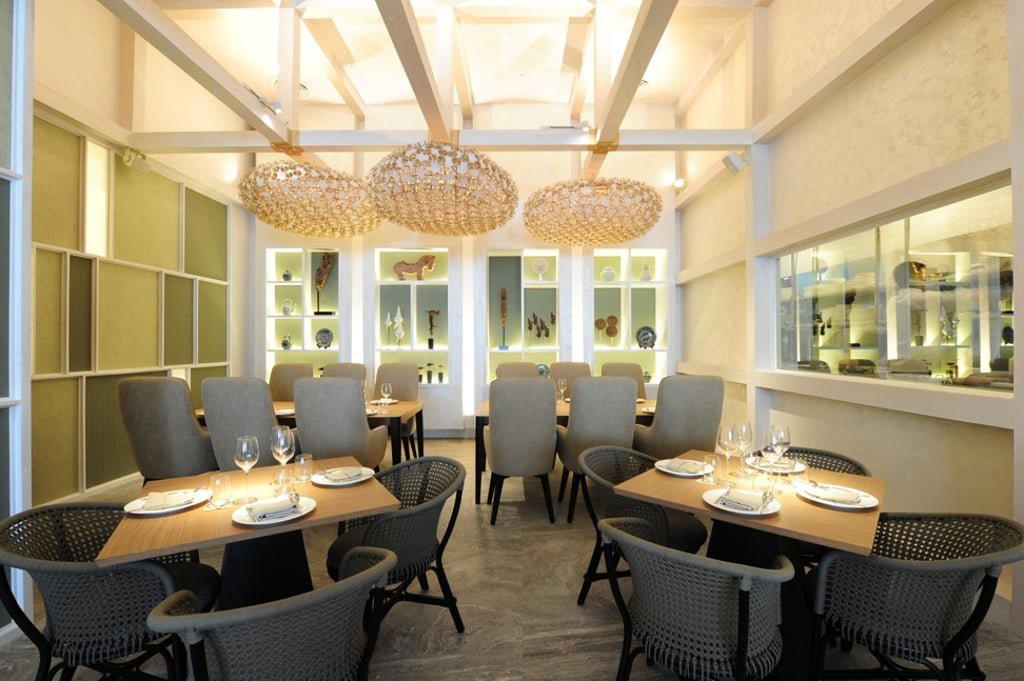
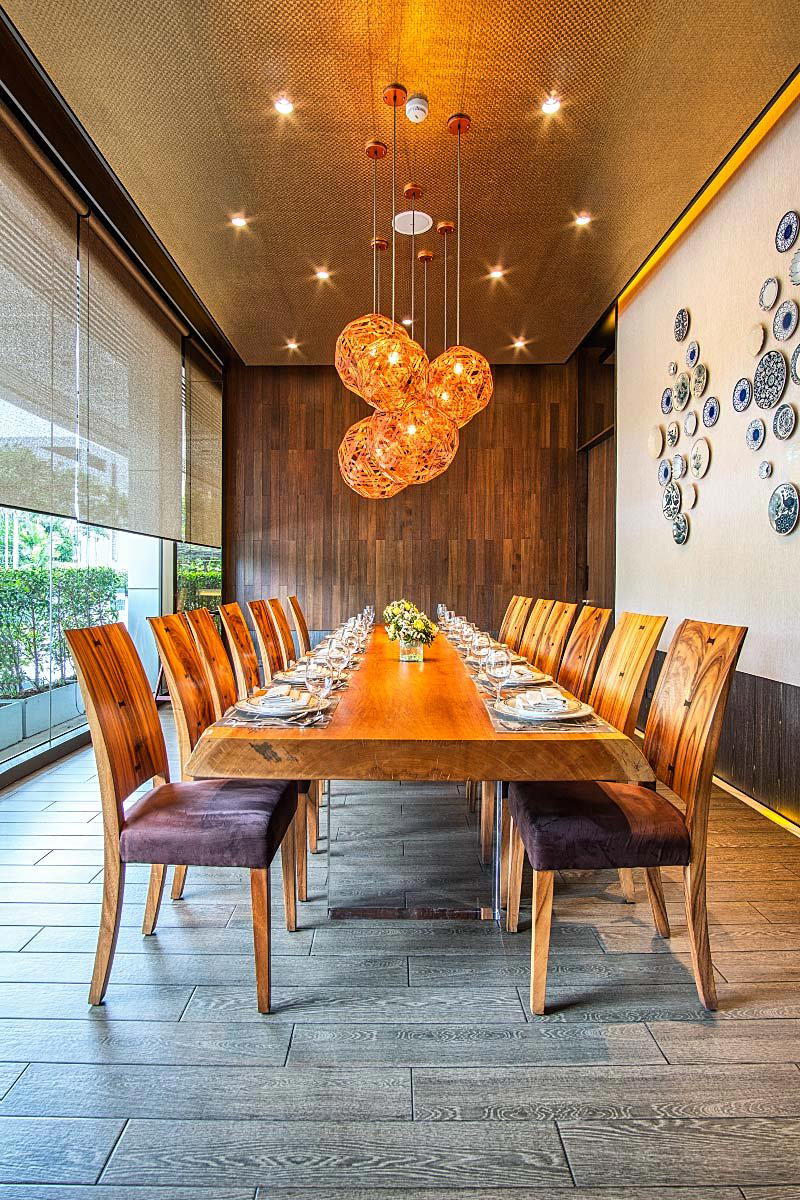
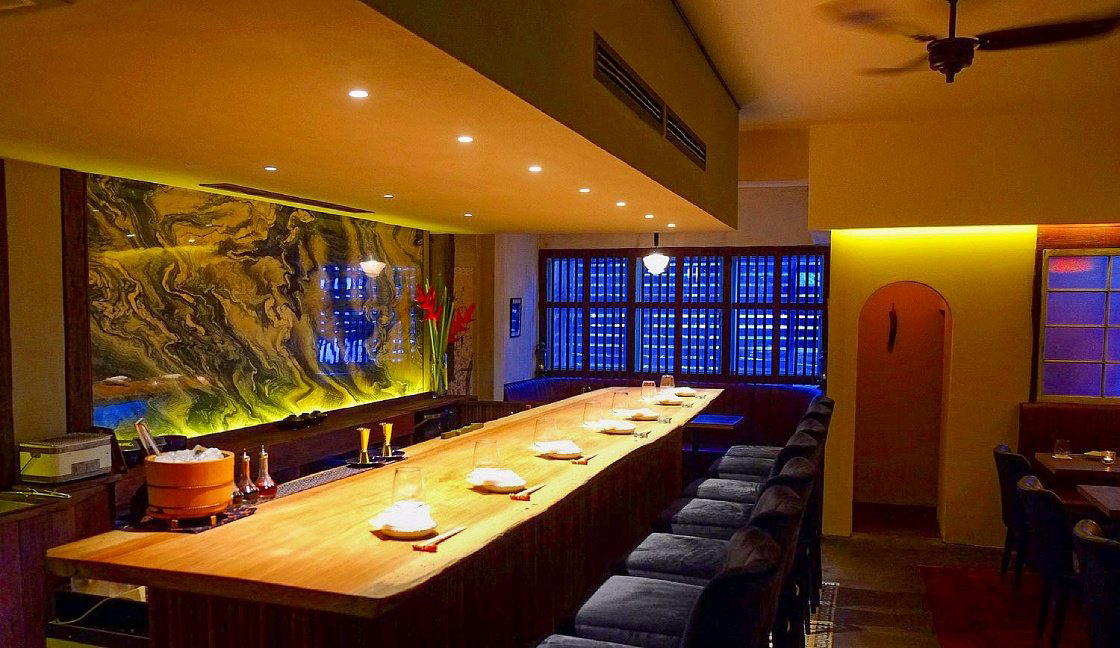
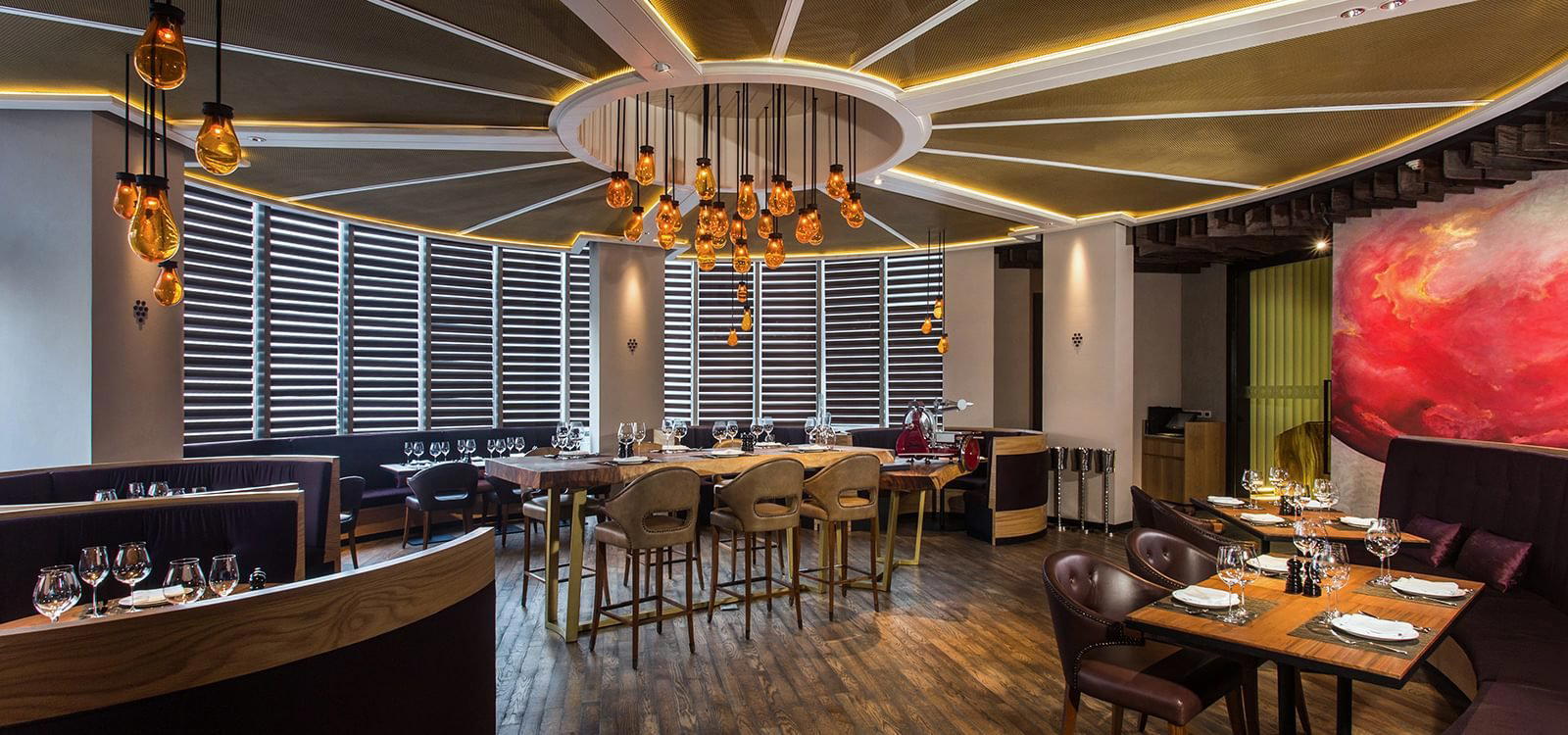
Warm, homey atmosphere with rustic wooden décor and soft lighting that evokes the Thai countryside; peaceful and charming despite downtown location.