Victor's Cafe
Our verdict
Victor's Cafe at 236 W 52nd St sits in Midtown Manhattan's dense restaurant corridor, where Cuban-American dining has held a foothold for decades. The space carries the kind of lived-in warmth that newer concept restaurants rarely manufacture. For travelers cross-referencing Midtown options, it belongs in the conversation alongside the neighborhood's more formally credentialed tables.

Pearl is the En Primeur Club membership app — saves, bookings, and concierge access live there. Same editors, same standards.
- Address
- 236 W 52nd St, New York, NY 10019
- Phone
- (212) 586-7714
- Hours
- Mon ClosedTue 4:45–10 PMWed 4–10 PMThu 4:45–10 PMFri 4:45–11 PMSat 11:45 AM–11 PMSun 11:45 AM–9 PM
- Website
- victorscafe.com
- Directions
- Get directions
- Booking
- Book on OpenTable
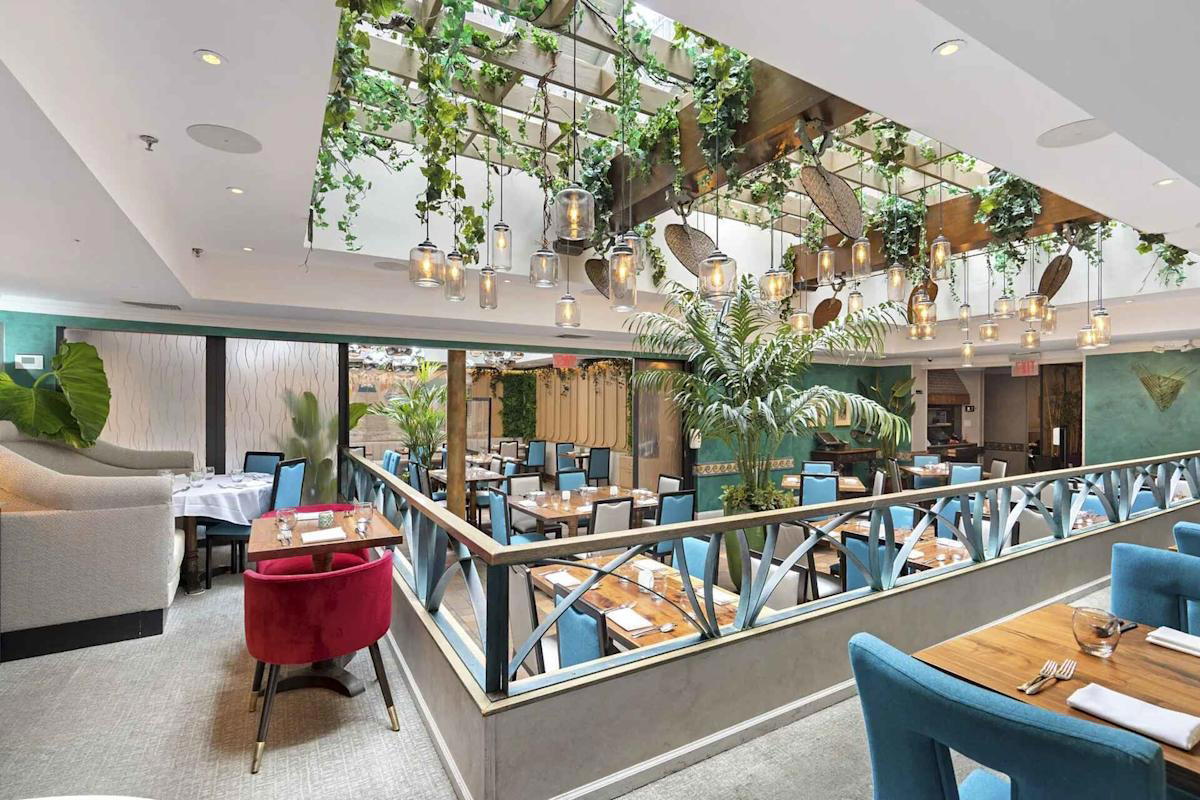
Midtown's Cuban Corner, in Context
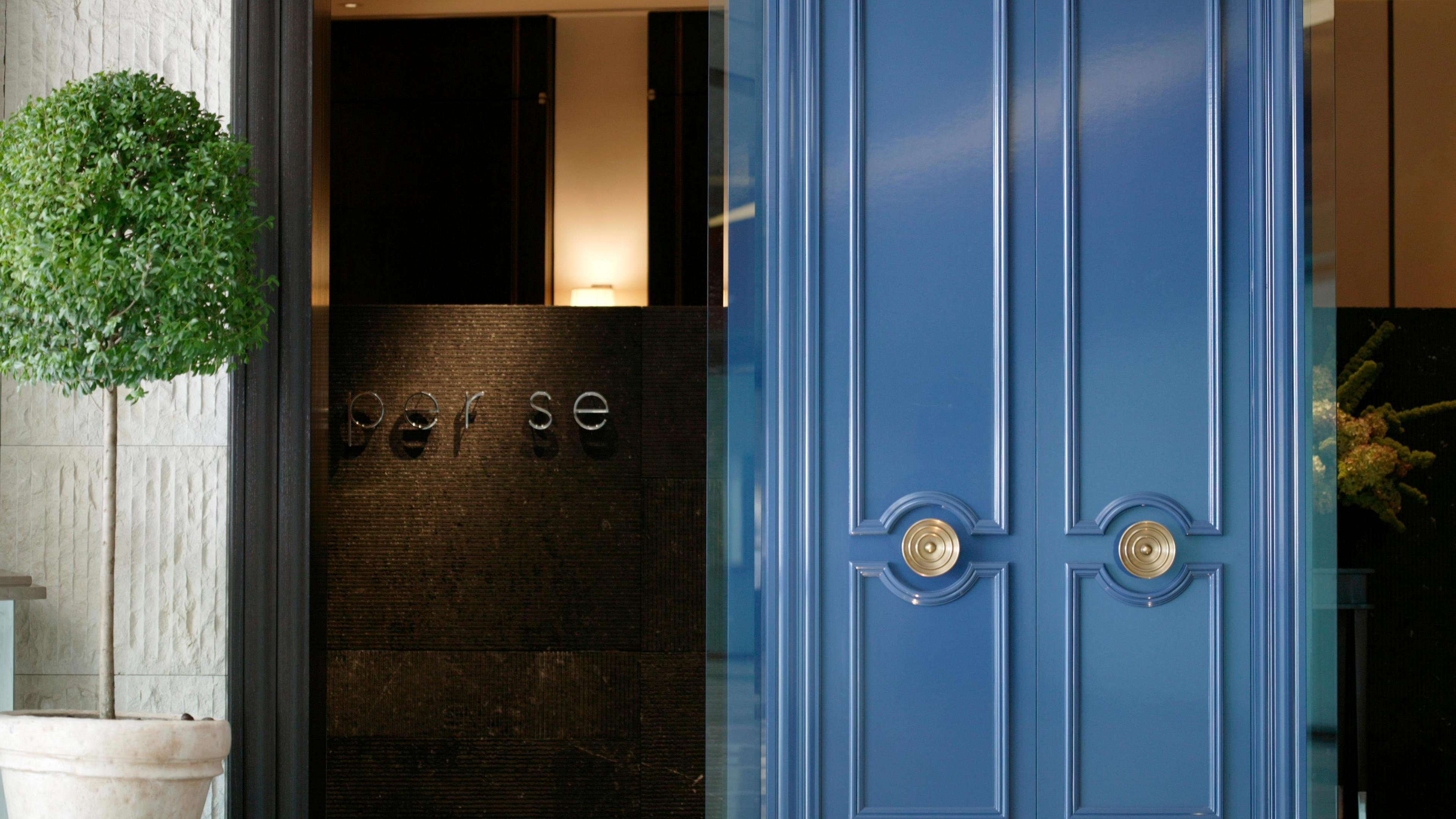
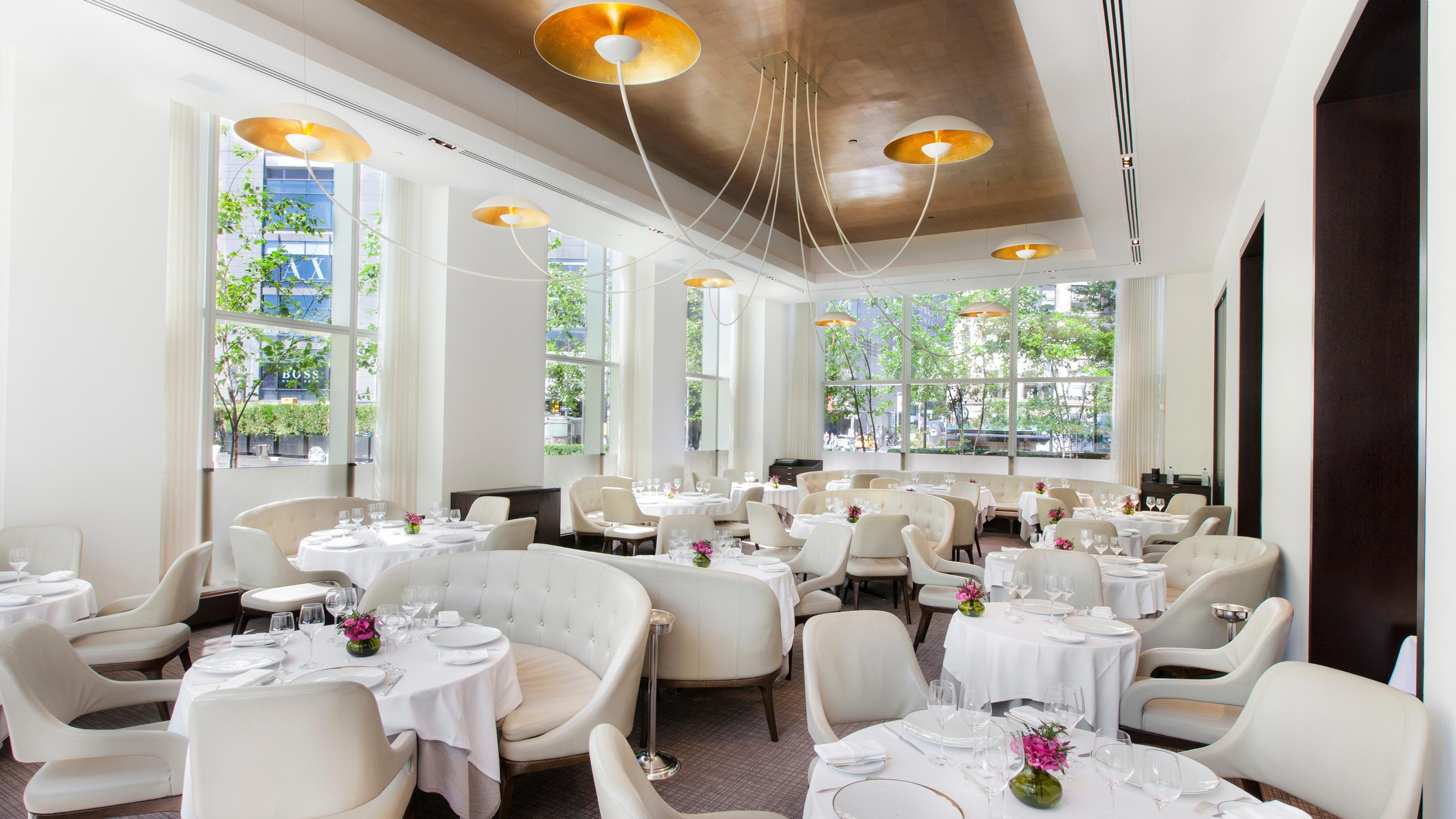
West 52nd Street in Midtown Manhattan is not short of options. Within a few blocks, you have the seafood precision of Le Bernardin, the tasting-menu formalism of Per Se, and the Korean fine-dining wave represented by Atomix and Jungsik New York. In that company, Victor's Cafe at 236 W 52nd St occupies a different register entirely: it is one of the few remaining Cuban restaurants in Midtown with genuine longevity, a rarity in a neighborhood that cycles through concepts at a punishing pace.
Cuban-American dining in New York has historically concentrated in neighborhoods like Washington Heights and certain pockets of the outer boroughs, where community density supported it. A Midtown address for this cuisine is structurally unusual, which partly explains why Victor's Cafe has attracted a cross-section of diners that stretches from theater-goers and office workers to Cuban-American families for whom the address carries real cultural meaning. That mix is not something a new opening engineers easily.
The Scene: What Cuban Dining Looks Like at This Address
Cuban restaurants in the United States occupy an interesting position in the broader Latin American dining conversation. Unlike Mexican or Peruvian cuisine, which have seen sustained fine-dining reinvention in recent years, Cuban food has largely resisted the tasting-menu format. The tradition is rooted in abundance, communal plates, and slow-cooked proteins — a culinary grammar that does not compress well into twelve-course structures. Victor's Cafe operates within that tradition, which means the experience is framed by generous portions, warm-room energy, and live music that has reportedly been part of the format for years.
That live music element matters more than it might initially appear. Across American cities, the restaurants that have sustained themselves longest in competitive urban markets tend to have a social architecture beyond the plate: a bar program, a performance element, a reason to linger. Emeril's in New Orleans built longevity partly on its room's theatrical energy. Lazy Bear in San Francisco turned communal dining into a structural commitment. Victor's Cafe uses live Cuban music to similar effect, creating a room that feels distinct from the transactional efficiency that defines much of Midtown dining.
Sustainability and Sourcing: Where Cuban Tradition Meets Responsible Practice
The sustainability conversation in American restaurants has largely been driven by farm-to-table fine dining — venues like Blue Hill at Stone Barns in Tarrytown and Single Thread Farm in Healdsburg have made ethical sourcing the explicit narrative center of their menus. For Cuban-American restaurants, the conversation looks different. The cuisine's backbone, black beans, rice, plantains, slow-braised meats, draws on ingredients with relatively low environmental cost compared to protein-heavy tasting menu formats. Dried legumes, root vegetables, and pork all carry a lighter sourcing footprint than the premium seafood or wagyu that populate Midtown's top-tier menus.
But the broader point holds: cuisines built on staple ingredients and whole-animal or slow-cook techniques are structurally more compatible with low-waste cooking than those centered on premium, single-sourced proteins. Restaurants like Providence in Los Angeles and Addison in San Diego have made sustainability central to their formal positioning. For a neighborhood Cuban restaurant, the sustainability argument is quieter but present in the cooking logic itself.
For travelers who weigh environmental impact when selecting where to eat, the calculus at a Cuban-American table differs from what you would encounter at Masa or Alinea in Chicago. The ingredient list is shorter, the waste profile is different, and the cooking methods rely on time and heat rather than elaborate technical intervention.
Placing Victor's Cafe in the Broader American Dining Map
A useful frame for Victor's Cafe is what it is not. It is not positioned in the same tier as The French Laundry in Napa or The Inn at Little Washington, where the experience is anchored by formal tasting menus and significant advance booking requirements. It is not a concept restaurant in the mode of Alinea. And it is not a regional American fine-dining institution like Bacchanalia in Atlanta.
What it represents, instead, is something rarer in Midtown: a cuisine-specific, culturally grounded dining room that has outlasted multiple waves of restaurant trends. In a neighborhood where international fine dining ranges from the French classical tradition to modern Korean, a Cuban-American room with genuine history is a meaningful counterpoint. For those building a broader picture of New York's dining range, our full New York City restaurants guide maps the city's major cuisine corridors and price tiers with more granularity.
Internationally, the contrast is equally instructive. The formal European dining tradition, represented by tables like Alain Ducasse at Louis XV in Monte Carlo or 8½ Otto e Mezzo Bombana in Hong Kong, operates with a completely different structural logic. Victor's Cafe belongs to a tradition that values hospitality warmth and cultural specificity over technical formalism, which is a legitimate and distinct category of dining experience.
Planning Your Visit
Victor's Cafe is located at 236 W 52nd St in Midtown Manhattan, close to the Theater District. The Theater District location means pre- and post-show timing will affect availability, particularly on weekends.
Should I book Victor's Cafe in advance?
Given the Theater District location at 236 W 52nd St, advance booking is sensible, particularly for Friday and Saturday evenings when pre-show demand concentrates demand in a narrow window. New York's Midtown dining rooms at any price point fill faster on performance nights.
What is the standout thing about Victor's Cafe?
In a Midtown corridor dominated by French, Japanese, and Korean fine dining, a Cuban-American restaurant with genuine longevity is structurally unusual. The live music format and cuisine specificity separate it from the tasting-menu rooms that dominate the neighborhood's upper price tier. That combination of cultural grounding and durable format is the defining characteristic.
Is Victor's Cafe allergy-friendly?
Cuban-American cooking frequently involves pork, shellfish, and wheat-based elements, so guests with dietary restrictions should verify specifics with the restaurant before booking. In New York, restaurants are generally responsive to advance allergy inquiries, particularly for serious requirements.
Is Victor's Cafe overpriced or worth every penny?
What the available context suggests is that Victor's Cafe operates in a different price bracket than the formal tasting-menu rooms nearby, which run to several hundred dollars per person before wine. Cuban-American dining in New York has historically offered substantial portions at moderate price points, and the Theater District location typically commands a premium over comparable cuisine in the outer boroughs. Verify current pricing directly with the venue.
How does Victor's Cafe compare to other long-running Cuban restaurants in New York City?
Cuban restaurants with sustained Midtown addresses are genuinely rare; most of the city's established Cuban dining is concentrated in Upper Manhattan and the outer boroughs, where community roots are stronger. A W 52nd St address for this cuisine represents a specific historical foothold in a neighborhood that rarely sustains culturally specific independent restaurants across decades. That positioning, in proximity to Broadway venues and major Midtown offices, has given it a broader cross-cultural audience than neighborhood-anchored Cuban restaurants typically attract.
A Pricing-First Comparison
Comparable venues nearby, for context on price, style, and recognition.
| Venue | Cuisine | Price | Awards | Notes |
|---|---|---|---|---|
| Victor's CafeThis venue — the venue you are viewing | Authentic Cuban | $50–100 | Not listed | Not listed |
| Jasmine's Caribbean Cuisine | Authentic Caribbean Cuisine | $30–50 | Not listed | Hell's Kitchen, Authentic Caribbean Cuisine |
| Pilar Cuban Eatery | Not listed | Not listed | Not listed | Bedford-Stuyvesant (West), Authentic Cuban |
| Rebel | Authentic Haitian Caribbean | Not listed | Not listed | Lower East Side, Authentic Haitian Caribbean |
| Aunts et Uncles | Modern Vegan Caribbean | $20–30 | Esquire Best New Restaurants #34 | East Flatbush-Erasmus, Modern Vegan Caribbean |
| See No Evil Slice | Neapolitan-Style Pizza with Artisanal Small Plates | $30–50 | Not listed | Midtown Manhattan, Neapolitan-Style Pizza with Artisanal Small Plates |
Continue exploring
More in New York City
Restaurants in New York City
Browse all →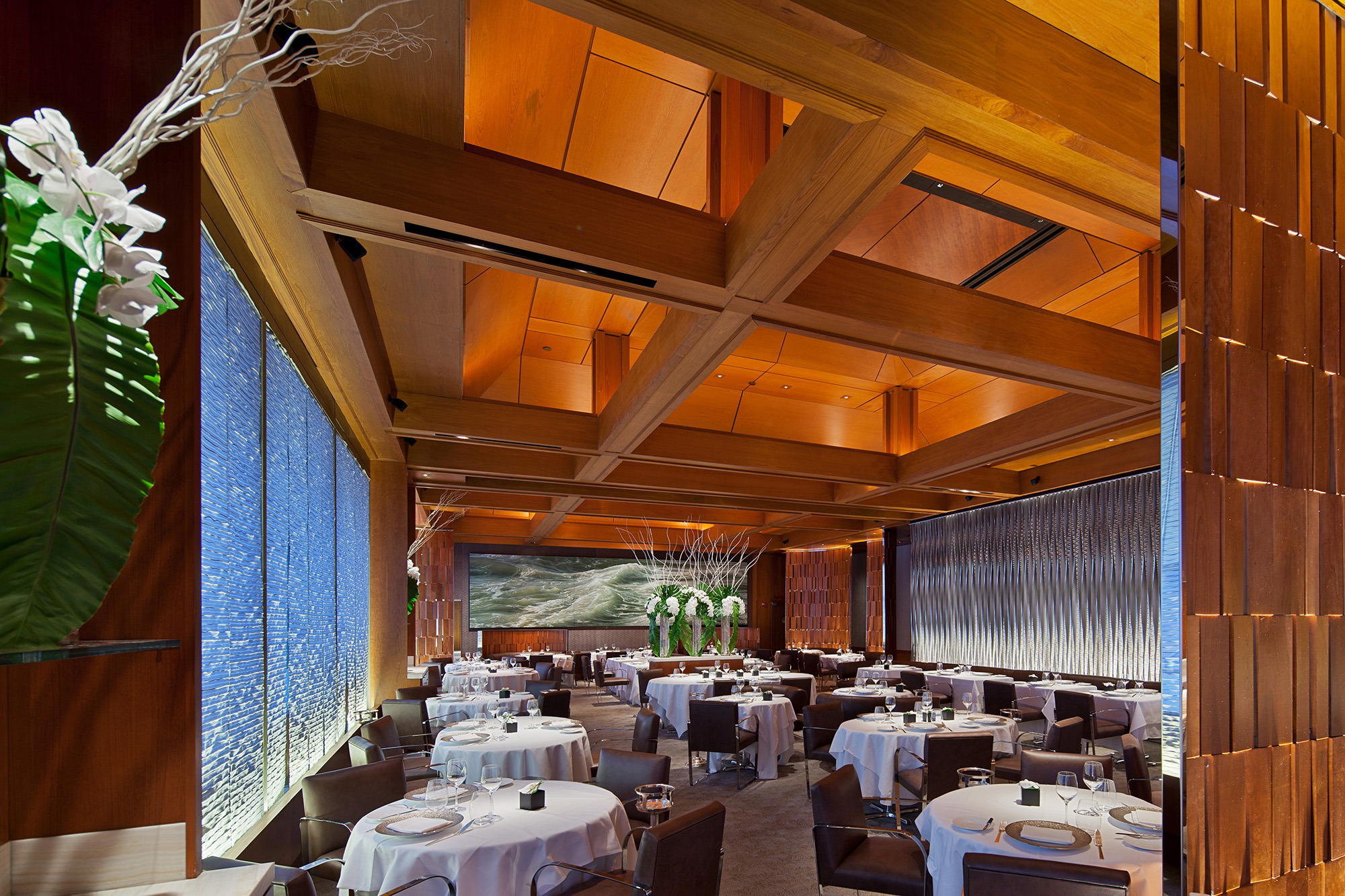
Bars in New York City
Browse all →
Hotels in New York City
Browse all →


Victor's Cafe
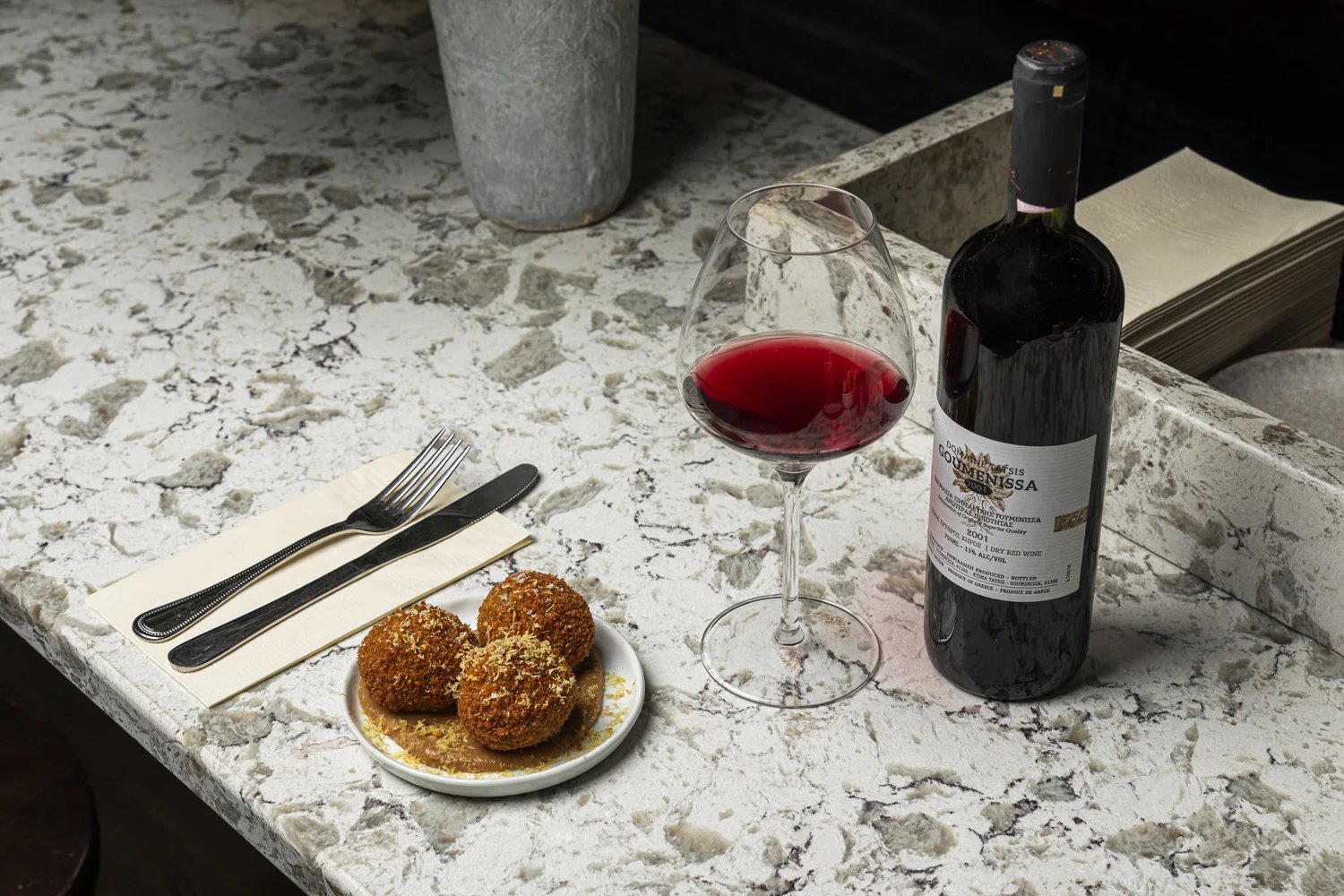
The wine
- Wine program
- Curated wine list
- Craft cocktails
Details
- Romantic
- Elegant
- Classic
- Well Known
- Date Night
- Special Occasion
- Group Dining
- Historic Building
- Craft Cocktails
- A La Carte
- Vegetarian Friendly
- Gluten Free Options
Current opening hours
- Monday
- Closed
- Tuesday
- 4:45–10 PM
- Wednesday
- 4–10 PM
- Thursday
- 4:45–10 PM
- Friday
- 4:45–11 PM
- Saturday
- 11:45 AM–11 PM
- Sunday
- 11:45 AM–9 PM
Hours can change for holidays and private events. Last verified .
Warm and lively environment with vivid original artwork, lively colors, swaying palm trees, enchanting skylight room, cascading vines, and charming lamps creating a magical setting.