
Michelin Plate
Our verdict
VERT brings Tokyo’s creative dining conversation into the tea room, pairing Japanese teas with sweets built from fermented fruit, yokan and ingredients tied to specific regions. The point is not pastry as ornament, but tea as the lead voice: sencha, hojicha and Japanese black tea are treated with the seriousness usually reserved for wine pairings.

Pearl is the En Primeur Club membership app — saves, bookings, and concierge access live there. Same editors, same standards.
The menu
What to order
- Persimmon Tarte Tatin
- Mandarin blancmange
Approach VERT in Tokyo and the mood is set by a different kind of ceremony: not a meal built around sushi, kaiseki or cocktails, but around Japanese tea and sweets. It asks a focused question: what happens when tea is not an afterthought, but the structure determining sweetness, acidity and tempo?
Japanese tea carries deep pedigree and lore, and VERT treats that culture as the center of the experience. Sweets of fermented fruit are paired with sencha and hojicha, medium-grade and roasted green tea respectively, as well as with black tea produced in Japan. The result is a specialist format where growers, harvests and processing methods matter because they shape the menu’s character.
Tea leads the meal, with fermentation setting the rhythm
The central point is pairing logic. Japanese tea is treated as a primary ingredient, not a polite beverage beside dessert. Sencha, hojicha and Japanese black tea are matched with sweets made from fermented fruit, with sweetness and sourness adjusted to meet the tea rather than overwhelm it. This narrower, exacting lane places VERT closer to a specialist tasting format than a standard sweet shop.
Yokan is the stated speciality, and the choice carries weight. The jelly form can read as restrained when plain, but fruit and fermentation give it acidity, sweetness and sourness. The story is embedded rather than announced: fermentation changes fruit’s expression; tea sourcing links the cup to growers; regional ingredients show place instead of supplying decorative provenance.
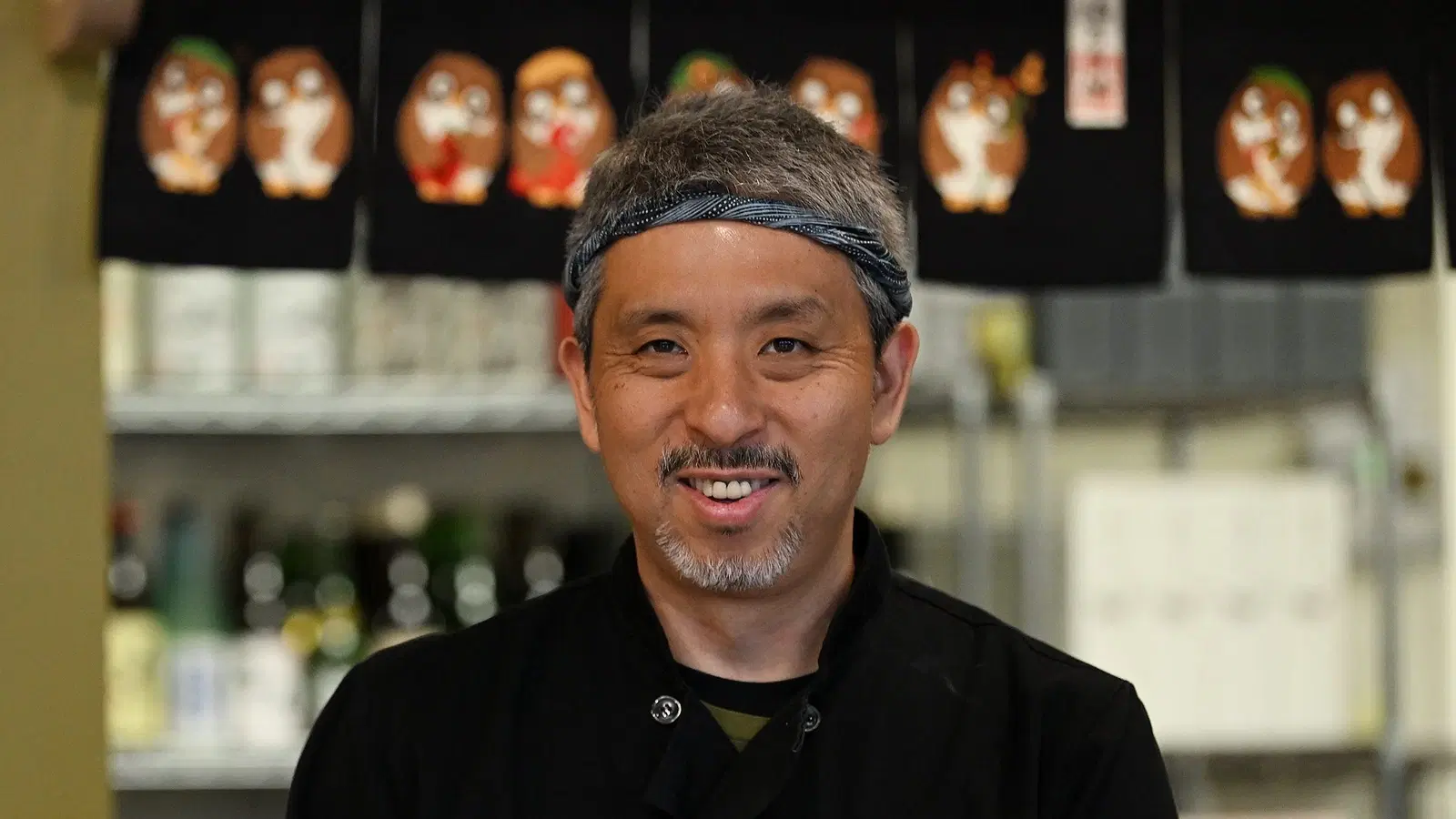
The chef’s grower visits, including participation in tea picking, explain the menu’s agricultural bias without turning the page into biography. Japan’s tea culture depends on grade, roast and processing style. A creative counter engaging those variables directly belongs to Tokyo’s broader field of smaller, focused formats where the supply chain is visible in the meal’s logic, and luxury is measured by specificity rather than abundance.
Within Tokyo’s creative dining tier, VERT sits near venues such as çayca and BAMBAKUN in category terms, but its subject is more tightly drawn. Those looking across the city’s restaurant field can use Our full Tokyo restaurants guide for a wider view, while other Tokyo dining rooms show how different formats define value through counter craft and specialist sourcing.
Tokyo makes sense for a quieter kind of creative dining
Tokyo gives this restaurant useful context. The city supports highly focused dining formats, and VERT does not need a broad menu to signal seriousness. For a tea-led creative format, that restraint helps the meal read as part of Tokyo’s larger hospitality culture without competing with broader dining-room drama or counter status codes.
The strongest angle is Japanese regionalism. Tea is not a generic green beverage here; sencha, roasted hojicha and domestically produced black tea each carry distinct processing identities. Paired with sweets made from fermented fruit, they turn the table toward preservation, seasonality and controlled transformation. The format resists the common luxury reflex of adding more when the stronger move is calibration.
That calibration separates VERT from a dessert format built only for novelty. Its recognition emphasizes tea pedigree, grower contact and yokan rather than spectacle. Those trust signals point to method. The menu expresses regional character through ingredients rooted in the land, and the chef’s tea-picking gives sourcing claims practical edge. In a city with many serious counters, not all make agriculture visible.
For travelers, the better comparison may be between categories, not dessert venues. A tea-led meal occupies a different slot from a savory counter or hotel restaurant. Tokyo planning benefits from that distinction: use one occasion for a precise specialist format, then set it against broader itineraries through Tokyo’s restaurant, bar, hotel and experience guides, and, for a deliberately broader hospitality map, other Tokyo dining resources.
Who should choose this format
This is a strong fit for diners who treat tea, fermentation and Japanese sweets as serious subjects. It is less suited to anyone seeking a conventional progression of savory courses followed by dessert. The creative label is best understood quietly: the intellectual charge comes from pairing structure, agricultural sourcing and restrained sweetness that lets tea carry the meal.
The wider Japan file clarifies that choice. Other meals in Tokyo and beyond may answer different cravings from a tea-and-yokan format, whether through savory counters, casual rooms, regional references or Japanese-adjacent venues overseas. Japanese food culture travels through many formats, but tea-led sweets remain a specialized language.
The critical case for VERT is specific. It is not the place to measure generosity by quantity or luxury by rarity alone. Its value lies in making Japanese tea the center of gravity, then using fermentation, fruit and yokan to sharpen that focus. In a city crowded with serious counters, that narrowness is the point.
Frequently asked questions
What part of town is VERT in?
Tokyo.
Has VERT won any awards?
VERT has received recognition for its tea-and-sweets pairing: Japanese tea is rich in pedigree and lore, and when it is paired with the right sweets, the duo sizzles. Sweets of fermented fruit are paired with sencha, hojicha and black tea produced in Japan.
What style of cooking does VERT do?
VERT focuses on Japanese tea and sweets, with pairings built around fermented fruit, sencha, hojicha, Japanese-produced black tea and yokan.
Do they take walk-ins at VERT?
VERT is in Tokyo and focuses on Japanese tea and sweets.
What's VERT best at?
VERT is strongest when Japanese tea is treated as the main event, not a side note. The house speciality is yokan with added fruit, alongside pairings built around sencha, hojicha and Japanese-produced black tea.
A Credentials Check
Comparable venues to place this listing in its category.
Recognition history
Dated appearances from independent guides and award organizations, with the underlying list record or original source where available.
Michelin Plate
Michelin


Continue exploring
More in Tokyo
Restaurants in Tokyo
All restaurants in Tokyo →

Bars in Tokyo
All bars in Tokyo →




Details
- Intimate
- Modern
- Elegant
- Minimalist
- Sophisticated
- Special Occasion
- Date Night
- Chefs Counter
- Open Kitchen
- Sake Program
- Local Sourcing
- Omakase
- Tasting Menu
- Counter Dining
- Tea
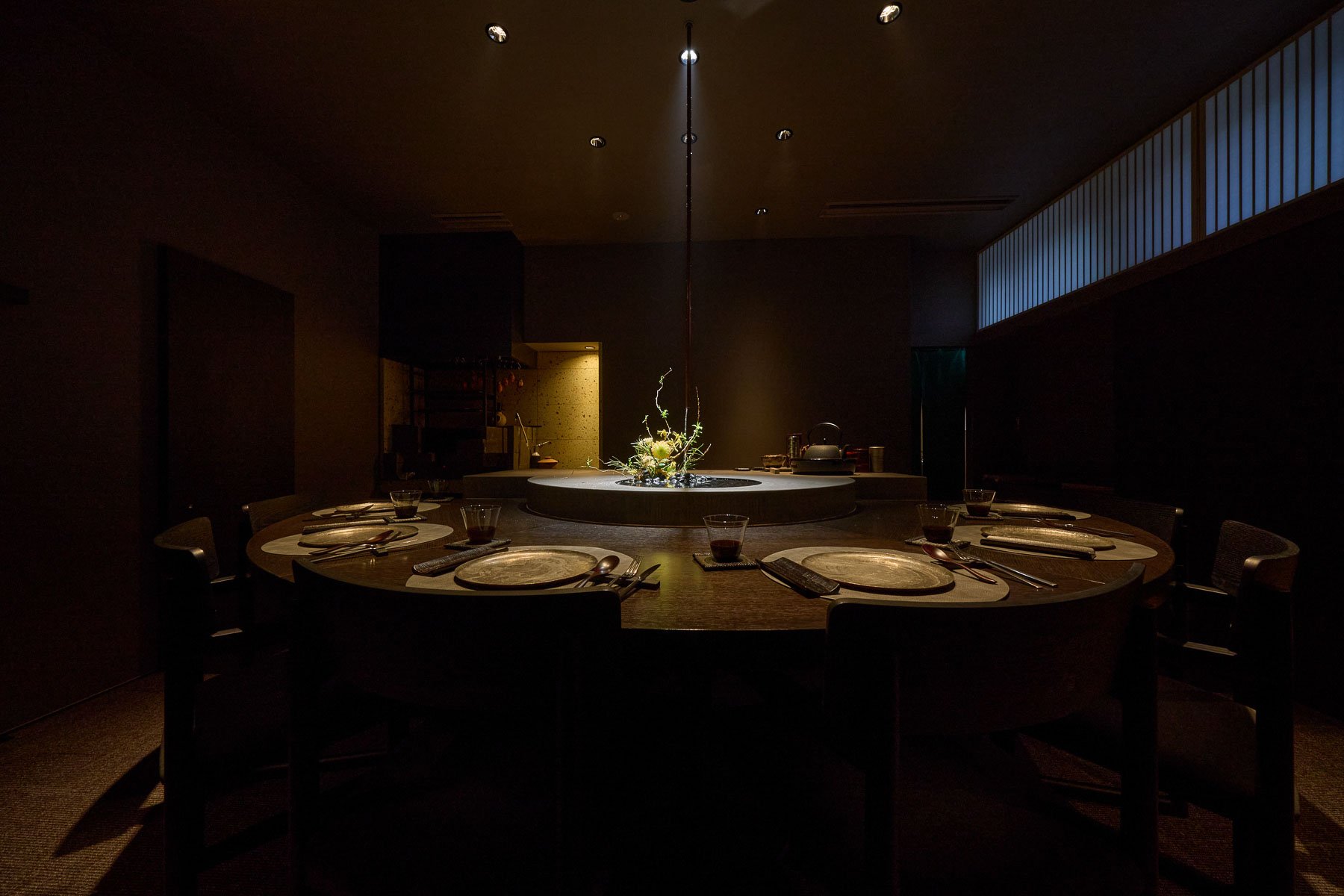
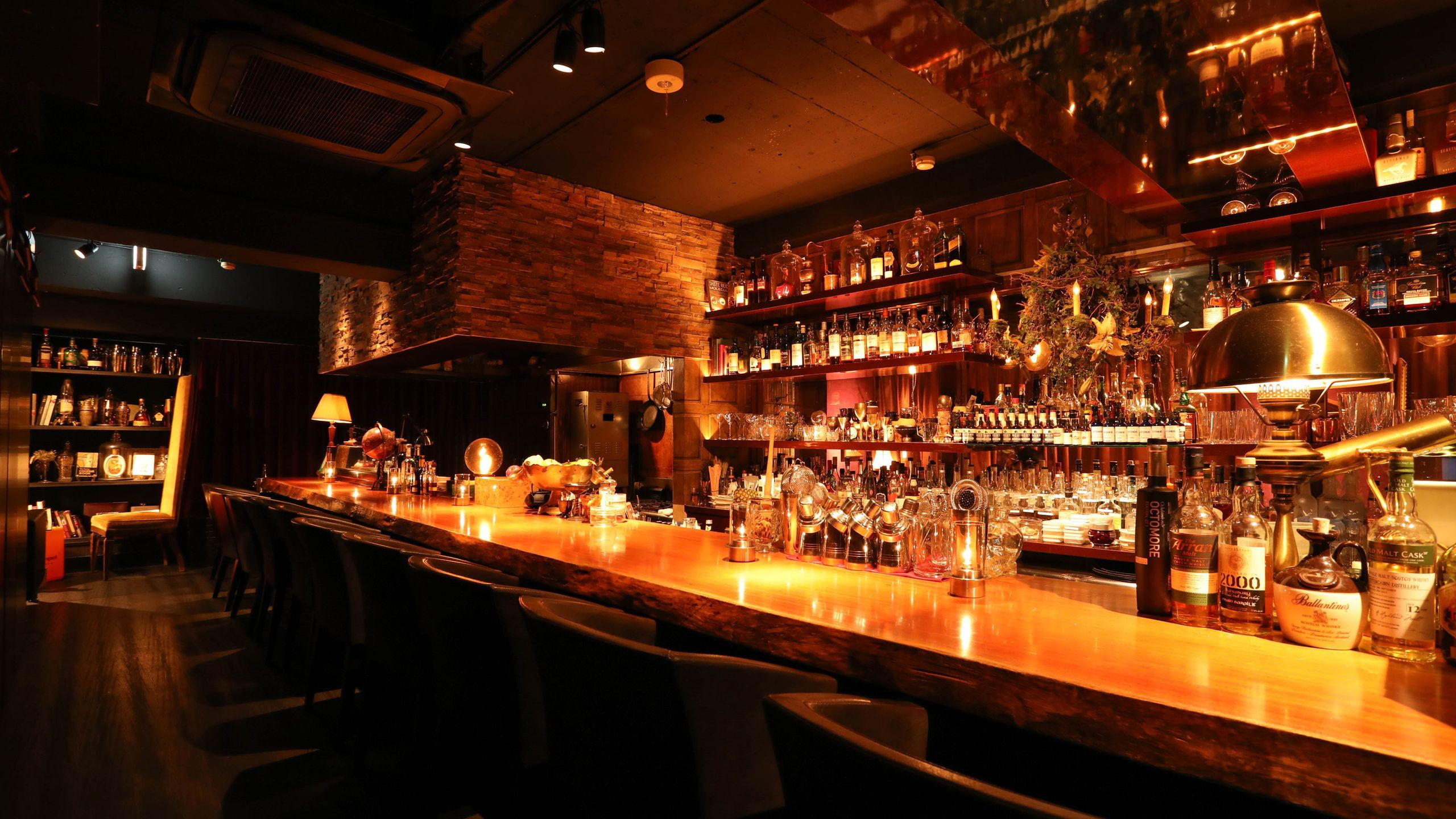
Low-lit modern tea room atmosphere with dim lighting, water features, seasonal floral arrangements, and an open semicircular counter.