Vert Frais

Michelin Plate
Our verdict
A sunny, white-walled café in Long Island City that reads as casual but delivers serious Japanese cooking with Kanoyama's kitchen lineage behind it. The shio ramen broth runs deep with charred cha-shu, the salmon rice bowls are a recurring fixture for regulars, and the soufflé pancakes have earned their own following. Priced accessibly in a borough where that still means something.

Pearl is the En Primeur Club membership app, where members save venues, book tables and use the concierge.
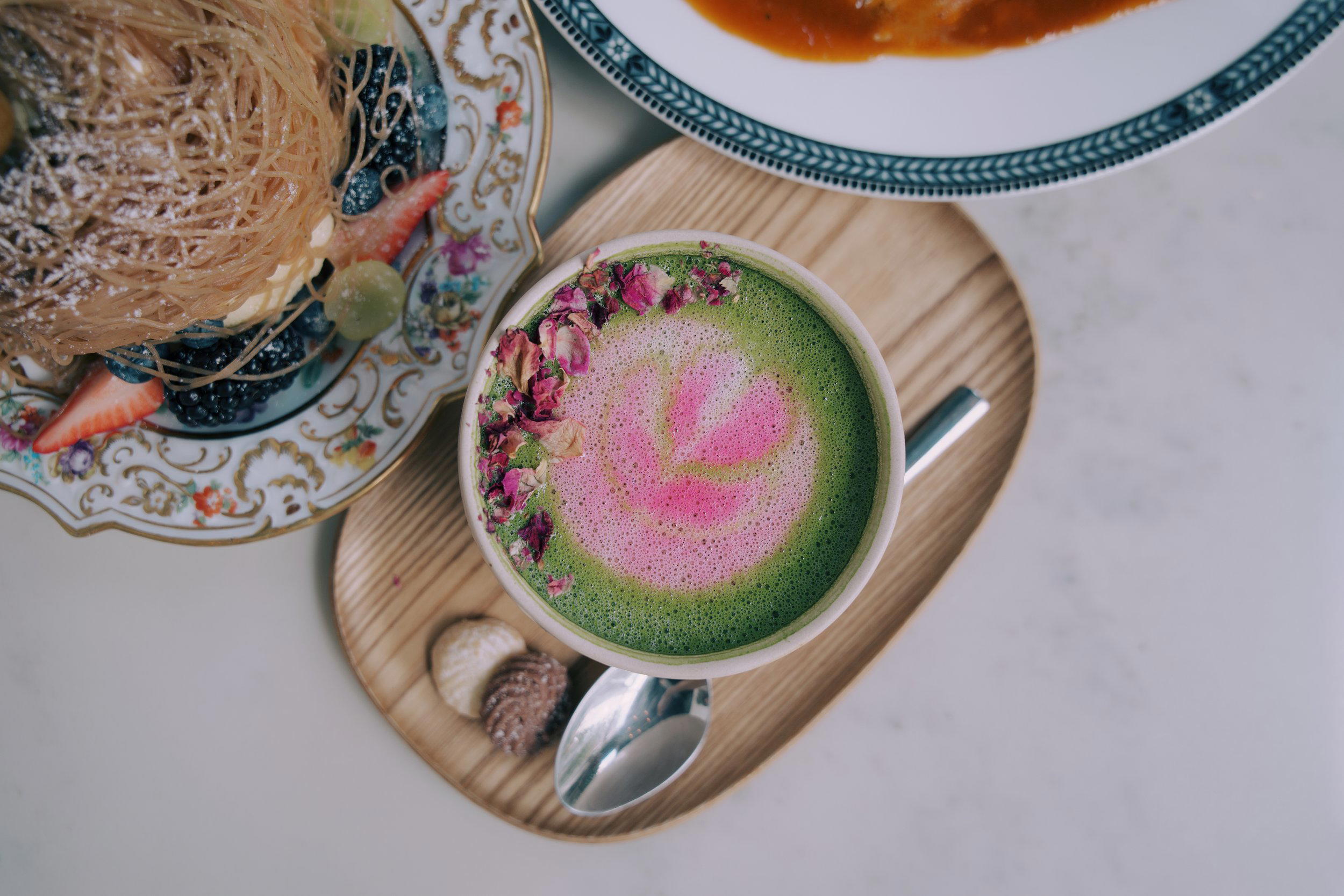
The menu
What to order
- Souffle pancakes
- Omurice
- Hamburg steak
- Shio ramen
The Café Format That Hides the Kitchen's Credentials
Long Island City occupies an interesting position in New York's dining geography. Close enough to Midtown Manhattan to attract a working lunch crowd, but sufficiently removed from the concentration of high-profile Japanese restaurants in the East Village and the West Village that serious cooking there tends to operate without much fanfare. That quiet positioning is exactly what defines Vert Frais, a mid-priced Japanese café at 43-10 Crescent St that has built a following not through noise but through consistency.
The café format in Japanese dining has a specific logic to it. In Japan, the kissaten and casual teishoku-ya traditions have always tolerated a gap between setting and seriousness. The room signals one thing, communal tables, white walls, afternoon light, while the kitchen signals another. Vert Frais operates on that same principle. The space reads as a neighbourhood coffee spot. The cooking, backed by the kitchen lineage of Kanoyama, a long-standing Japanese restaurant with a sustained reputation in New York, does not perform to its surroundings.
This is a pattern worth tracking in New York's Japanese mid-market. As the upper tier consolidates around omakase counters charging north of $300 per head, venues like odo and Noda operate in that bracket, the accessible end of serious Japanese cooking has found a different path. Rather than scaling down the omakase format, the most interesting operators are working in ramen, donburi, and café-adjacent formats where price discipline is built in from the start.
What the Kitchen Actually Produces
The shio ramen here illustrates what happens when a broth-based dish is approached with sushi-grade discipline. Shio, the salt-based ramen style, is the most technically demanding of the major ramen categories precisely because there is nowhere to hide. Miso and tonkotsu carry their own intensity; shio depends on the quality and clarity of the base stock and the precision of the seasoning. The version at Vert Frais runs fragrant and deep, with charred cha-shu, the smoky character coming from char rather than a long braise alone, and bamboo shoots that retain enough texture to give the bowl structural contrast. In a city where serious ramen now occupies its own critical conversation, this bowl holds its position without needing to announce itself.
The salmon rice bowl follows a different logic. Sushi-grade salmon, sliced thin, placed over warm rice with scallions and ikura, is the kind of dish that gets called simple but rarely is when the sourcing is taken seriously. The ikura here, salmon roe, cured and served poppy, adds salinity and the small burst of fat that turns a rice bowl into something more considered.
Soufflé pancakes function differently from the savoury menu. The format, tall, jiggly, cooked to order, has had its moment across North American Japanese café culture, but the version here avoids the over-sweetened trap that makes many iterations feel more novelty than dish. These run light, restrained in sweetness, and finish cleanly. They also have the kind of visual architecture that reliably circulates on social platforms, which does not make them less serious as a pastry achievement but does explain the breadth of the audience they attract.
Drinks, Integration, and the Beverage Gap
Editorial angle on sake and beverage pairing requires honesty about what the café format does and does not accommodate. Vert Frais, priced at the $$ tier and operating within a casual register, is not a sake-forward destination in the way that Tsukimi uses beverage programming to define the experience, or in the way that Tokyo's kaiseki houses, Myojaku and Azabu Kadowaki among them, integrate sake as a structural element of the meal arc.
What the format does allow is a different kind of pairing logic. Shio ramen and a cold junmai sake is not a pairing that requires a sommelier to navigate. The clean, dry profile of a junmai cuts through the fat of the cha-shu without competing with the delicate broth. The salmon donburi, with its ikura salinity, works against a slightly more textured junmai ginjo, where the fruity leading note does not overwhelm the fish.
For readers planning a day built around Japanese dining and sake at different price tiers, New York's offering is genuinely deep. The city's upper-end Japanese programme, which includes destinations comparable to what The French Laundry or Alinea represent in their own cuisines, sits in a different bracket entirely. At the accessible end, Vert Frais offers a version of Japanese café seriousness that does not require a tasting menu commitment.
Long Island City as a Context
The neighbourhood matters here. Long Island City has shifted from a primarily industrial and studio district into a mixed residential and commercial zone with a growing restaurant density. It is not, in the current cycle, a dining destination in the way that certain Manhattan or Brooklyn neighbourhoods are, which means that the venues that do operate here tend to build on local loyalty rather than tourist traffic.
That consistency, across the ramen, the donburi, and the pancakes, is what the kitchen's Kanoyama backing actually signals. The association does not mean Vert Frais is an extension of that restaurant's offering. It means the foundational standards in sourcing, broth construction, and rice preparation have a traceable origin in a kitchen that has maintained its standing in New York's Japanese dining scene over years.
Planning Your Visit
Vert Frais sits at 43-10 Crescent St in Long Island City, Queens, accessible via subway from Midtown Manhattan in under fifteen minutes. The $$ price range places it among the most accessible serious Japanese options in the borough. No booking information is confirmed in available data; given the café format, walk-in appears to be the standard approach, though weekend timing may require patience during peak hours.
For further context on dining, bars, hotels, and experiences across the five boroughs, and our full New York City experiences guide. For reference points across the wider American fine dining scene, Emeril's in New Orleans, Lazy Bear in San Francisco, Single Thread Farm in Healdsburg, and Providence in Los Angeles each represent the upper register of regional American cooking in their respective cities.
Quick reference: Vert Frais, 43-10 Crescent St, Long Island City, NY 11101. Price range: $$.
Frequently asked questions
What should I eat at Vert Frais?
Start with the shio ramen. It is the dish that most directly demonstrates the kitchen's technical foundation: a clear, fragrant broth built with enough depth to carry charred cha-shu and bamboo shoots without muddying the base. The salmon donburi, sushi-grade fish over warm rice with scallions and ikura, is the main alternative for those who want something lighter and rice-based rather than broth-based. The soufflé pancakes are the dessert to order; they are restrained in sweetness and structurally consistent in a format that is easier to get wrong than the Instagram prevalence of the dish suggests.
Do I need a reservation for Vert Frais?
No confirmed booking system is listed for Vert Frais, and the café format strongly suggests walk-in is the norm. In a $$ Queens café with established word-of-mouth, and kitchen credentials that attract visitors from Manhattan, weekend midday slots are likely to move fast. If you are travelling specifically to eat here rather than combining it with other Long Island City plans, arriving at opening or timing for an early lunch is the lower-risk approach.
Price and Positioning
Comparable venues nearby, for context on price, style, and recognition.
| Venue | Cuisine | Price | Awards | Notes |
|---|---|---|---|---|
| Vert FraisThis venue (the venue you are viewing) | Modern Japanese Brunch & Ramen | $20–30 | Michelin Plate | Not listed |
| Izakaya Futago | Traditional Japanese Soba & Yakitori Izakaya | $20–30 | Michelin Plate | Murray Hill-Kips Bay, Japanese Izakaya with Soba and Yakitori |
| Sushi on Jones | Express Omakase | $50–100 | Not listed | Lower East Side, Express Omakase |
| Sugarfish | Trust Me Sushi | $50–100 | Not listed | Midtown South-Flatiron-Union Square, Trust Me Sushi |
| Omen | Traditional Japanese | $50–100 | Not listed | SoHo-Little Italy-Hudson Square, Traditional Japanese |
| PacRim Sushi & Asian Cuisine | Japanese Sushi and Asian Fusion | $20–30 | Not listed | East Midtown-Turtle Bay, Japanese Sushi and Asian Fusion |
Recognition history
Dated appearances from independent guides and award organizations, with the underlying list record or original source where available.
Michelin Plate
Michelin
Continue exploring
More in New York City
Restaurants in New York City
All restaurants in New York City →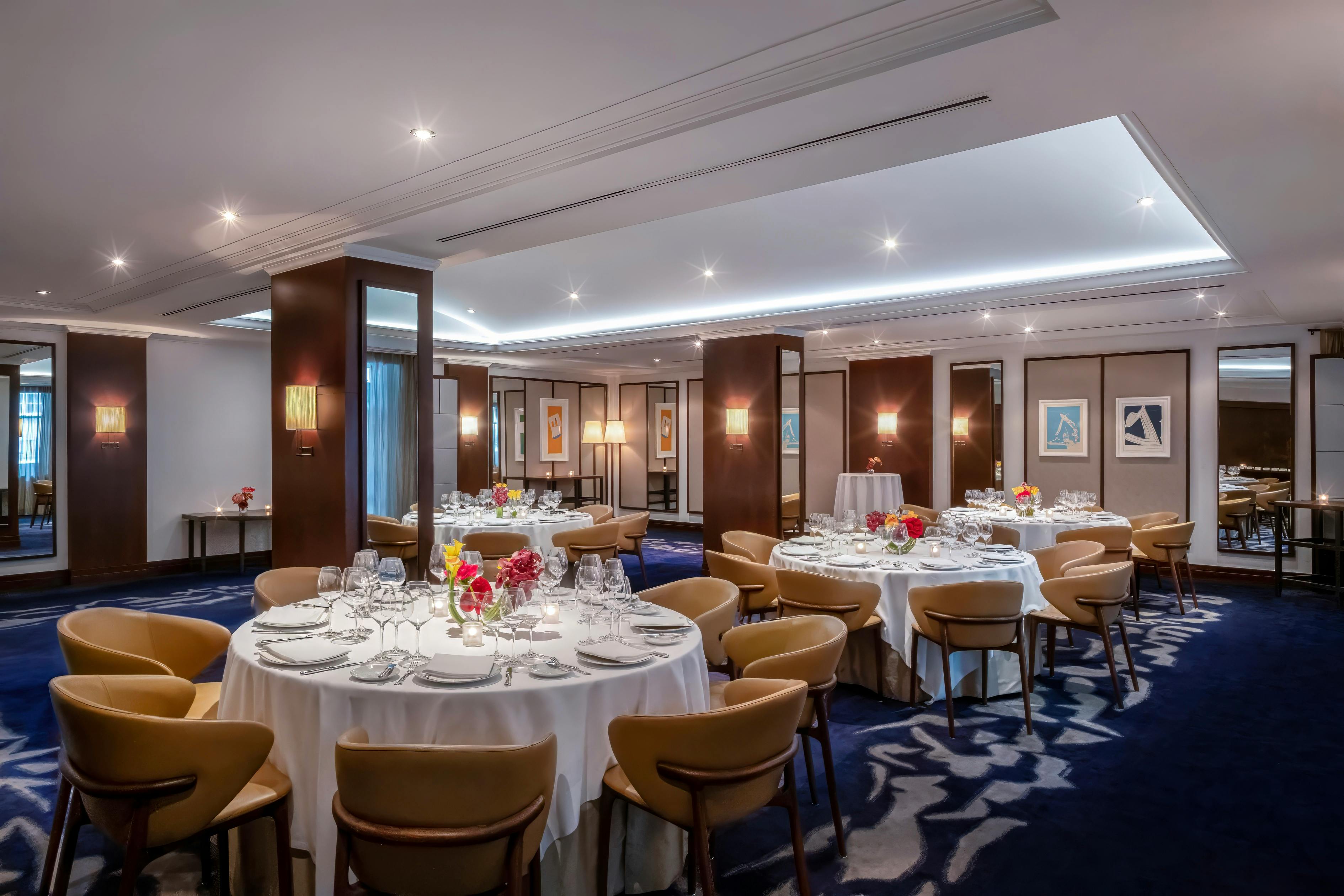
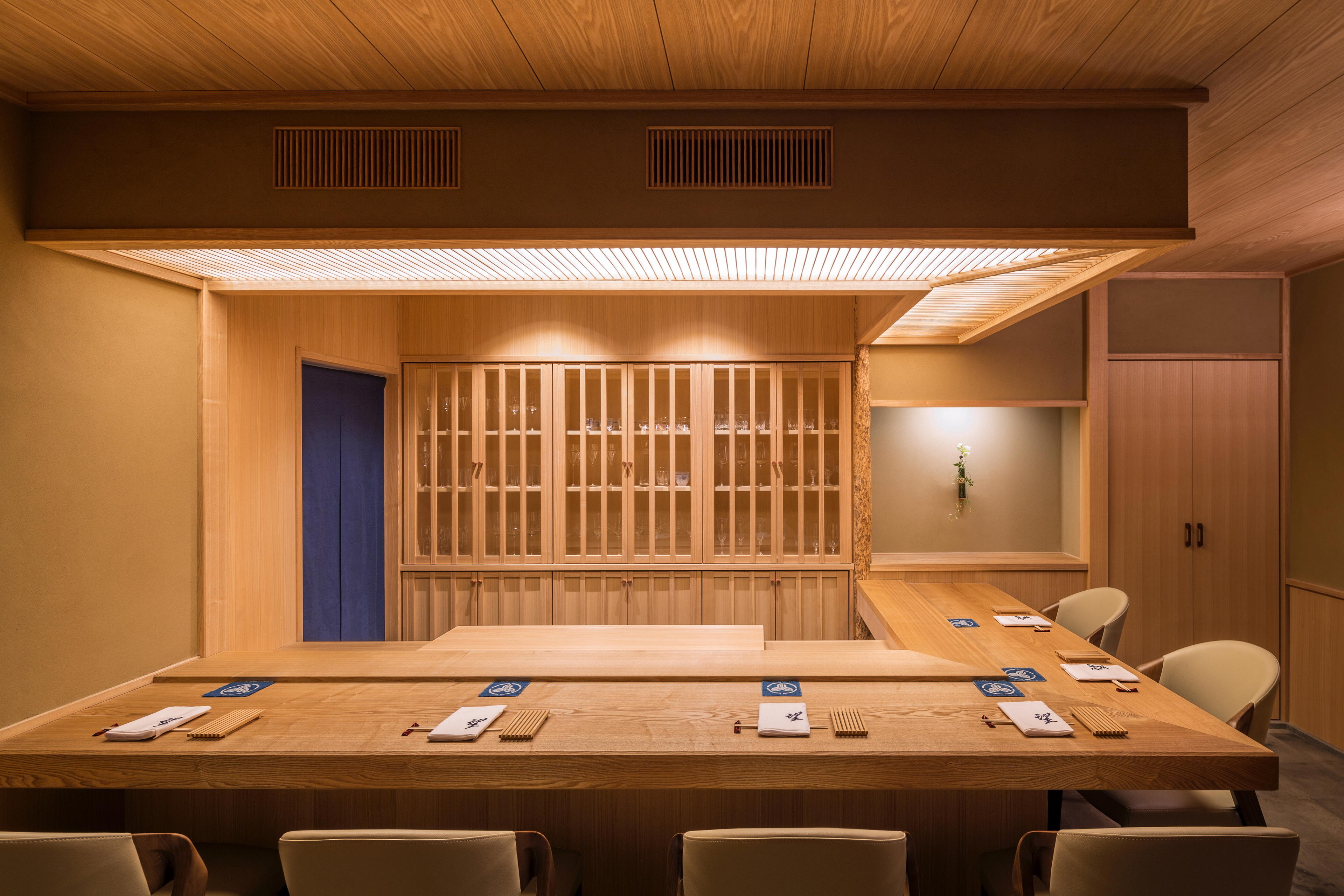
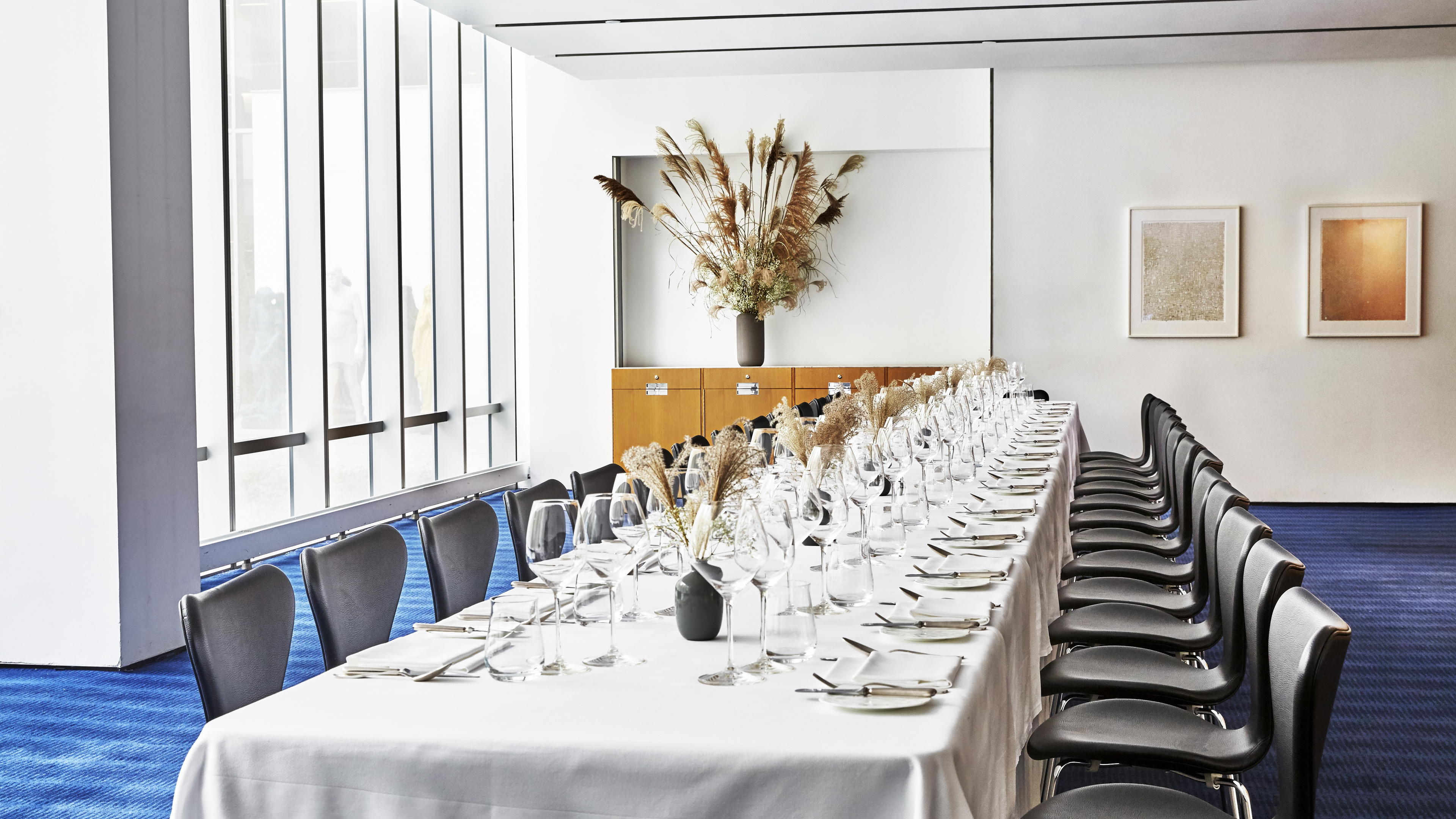
Bars in New York City
All bars in New York City →




Details
- Modern
- Trendy
- Cozy
- Minimalist
- Brunch
- Open Kitchen
- Craft Cocktails
- A La Carte
- Cocktails
- Specialty Lattes
Current opening hours
- Monday
- 12–4 PM, 5:30–10 PM
- Tuesday
- 12–4 PM, 5:30–10 PM
- Wednesday
- 12–4 PM, 5:30–10 PM
- Thursday
- 12–4 PM, 5:30–10 PM
- Friday
- 12–4 PM, 5:30–10 PM
- Saturday
- 11 AM–10 PM
- Sunday
- 11 AM–10 PM
Hours can change for holidays and private events. Hours as of .
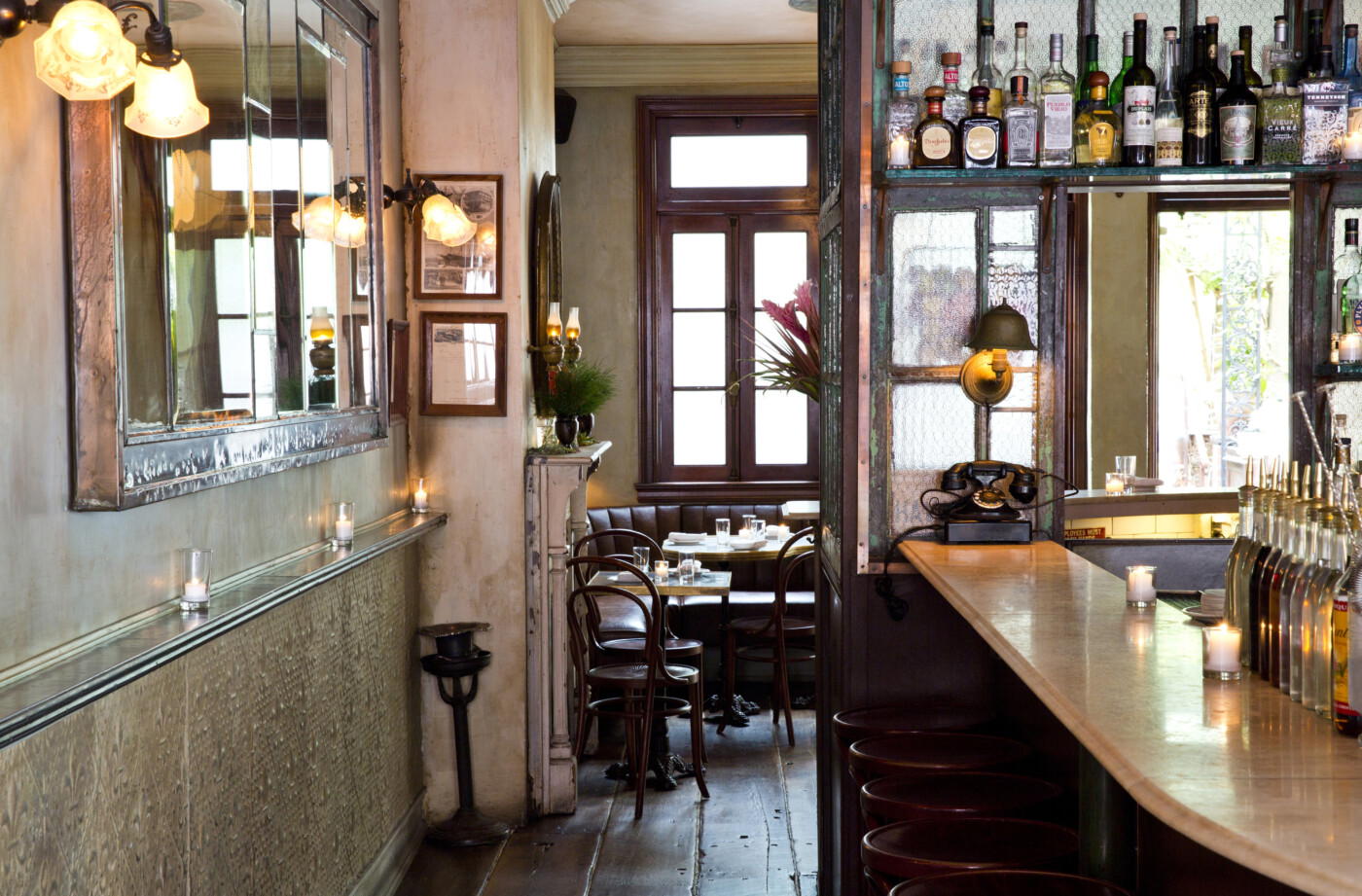
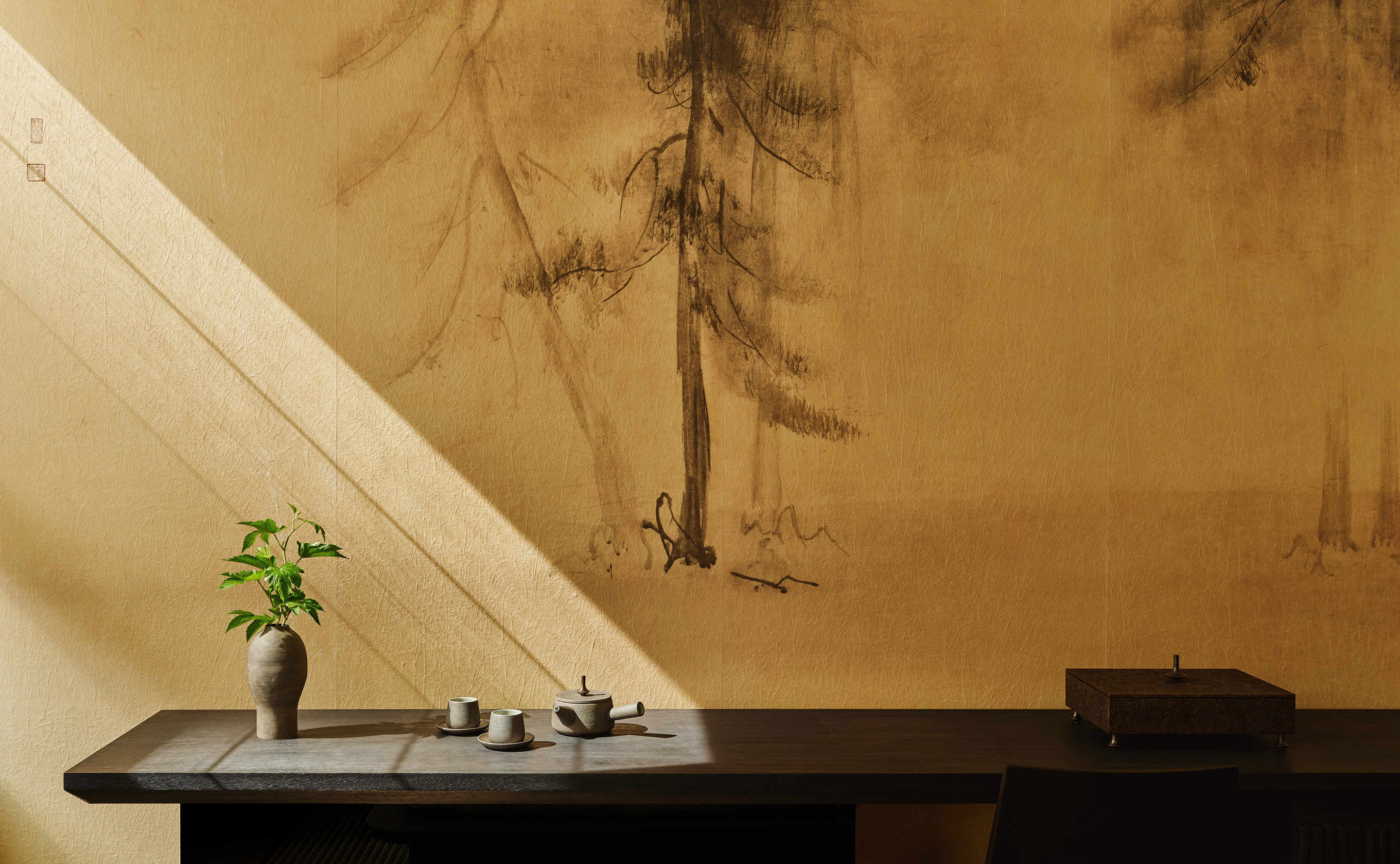
Minimalist floral interior with gold light fixtures, hanging vines, and a blend of modern and traditional Japanese aesthetics.