1 Hotel Central Park

1 Michelin Key
On 58th Street between Billionaires' Row and Central Park, 1 Hotel Central Park applies a materials-first sustainability ethic to a 234-room property that earned a Michelin Key in 2024. Reclaimed wood, salvaged brick, and living green walls define the aesthetic, an intentional departure from the gilt-and-marble register that dominates this corner of Manhattan. Rates from $947 position it firmly in the upper tier of New York luxury, with an environmental conviction that sets it apart from conventional neighbours.

Pearl is the En Primeur Club membership app, where members save venues, book tables and use the concierge.
A Different Conversation on 58th Street
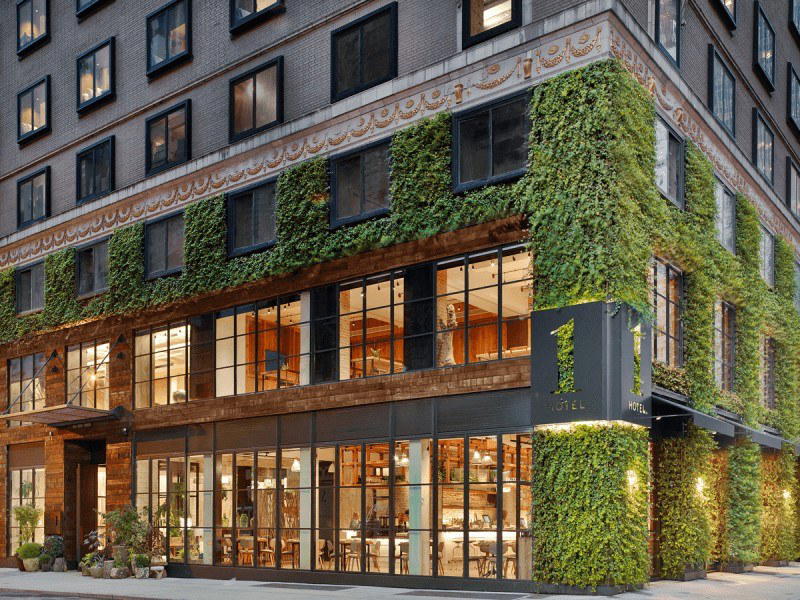
Upper Midtown Manhattan operates on a fairly understood vocabulary of luxury: marble lobbies, brass fixtures, uniformed doormen, and the quiet assertion that money spent here is money well spent. The block between Billionaires' Row and the southern edge of Central Park has long been one of the densest concentrations of that vocabulary in any city on earth. Which makes the facade of 1 Hotel Central Park, heavily weathered reclaimed timber, industrial-framed windows, and climbing vegetation covering the exterior walls, not simply an aesthetic choice but a position statement. This is a property arguing, publicly and with some confidence, that the definition of luxury in 2024 should include a considered relationship with the materials a building is made from.
That argument has found an audience. The 1 Hotels group, built by Barry Sternlicht, founder of Starwood and the W Hotels, set out to prove that social and environmental responsibility and premium hospitality are not in tension.
What Sustainability Looks Like at This Scale
The sustainability model in premium hotels often reduces to a choice between two registers: the performative (a card asking you to reuse your towel) and the structural (materials, sourcing, energy systems embedded in the building itself). 1 Hotel Central Park operates firmly in the second category. A substantial proportion of the interior surfaces are made from salvaged materials, reclaimed lumber and brick appear in guest rooms, and the fitness center floor was sourced from a local gymnasium that was closing. These are not decorative gestures. The decision to build with salvaged material at this scale, across 234 rooms in a Manhattan property with rates starting at $947, requires a supply chain and design discipline that most hotels in this tier do not pursue.
The visual effect is coherent rather than rustic. The textured, organic quality of the public spaces creates an identity that reads clearly against the polished abstraction of neighbours like Aman New York or the classic Upper East Side register of The Carlyle, a Rosewood Hotel. Where those properties signal luxury through refinement and restraint, 1 Hotel Central Park signals it through materiality and texture, the grain of old wood, the unevenness of salvaged brick, the density of living plant walls indoors.
Within the broader sustainability-led hospitality movement, this property sits alongside properties like Post Ranch Inn in Big Sur and SingleThread Farm Inn in Healdsburg, places where environmental ethics are embedded in the physical product rather than communicated through signage. In a Manhattan context, however, the density and cost structure make the commitment considerably harder to execute, which is part of what distinguishes it from its more pastoral counterparts.
The Farm-to-Table Signal at Jams
The in-house restaurant, Jams, anchors the hotel's food program around farm-to-table sourcing with the same intentionality the rooms apply to materials. Farm-to-table as a category has been diluted by overuse in American restaurant culture, the phrase now covers everything from genuinely sourced seasonal menus to superficial marketing language. At this address, the sourcing claim carries more structural weight, consistent with the broader operational ethos of the property. The approach positions Jams closer to the supply-chain-conscious end of the farm-to-table spectrum than to the label-only end.
For guests oriented toward New York's wider restaurant scene, our full New York City restaurants guide maps the broader landscape by neighbourhood and cuisine type.
Where It Sits in the Manhattan Luxury Tier
At rates from $947 per night, 1 Hotel Central Park prices against the upper bracket of Midtown and Upper East Side luxury rather than against more accessible sustainability-oriented alternatives. The Michelin Key, awarded in 2024, the first year Michelin introduced the hotel recognition category, confirms it as a property that competes on hospitality quality, not just values alignment.
What separates 1 Hotel Central Park in this bracket is the specificity of its environmental commitment and the consistency with which it runs across the property. Other Manhattan luxury hotels have sustainability programs; few have made salvaged-material construction the dominant design logic of a 234-room flagship. The Fifth Avenue Hotel and Crosby Street Hotel each occupy distinctive design positions in the New York premium tier, but neither makes the environmental argument at this scale.
For travellers comparing across the 1 Hotels portfolio, the group's other urban flagship, 1 Hotel San Francisco, applies the same materials philosophy in a West Coast context. Among US wilderness-adjacent properties with comparable environmental commitments, Amangiri in Canyon Point, Sage Lodge in Pray, and Canyon Ranch Tucson each take a different approach to the relationship between built environment and natural setting, useful context for understanding how 1 Hotel Central Park's urban interpretation fits into a broader set of sustainability-led luxury properties across the country.
Internationally, the sustainability-led luxury conversation includes properties such as Aman Venice, where adaptive reuse of historic structure is the primary environmental act, and at the other end of the spectrum, purpose-built contemporary properties like Bvlgari Hotel Tokyo, which operates a different luxury register entirely. The contrast clarifies what the 1 Hotels model is doing: it is neither preservation nor pure contemporary luxury, but a third category defined by salvage, material honesty, and a deliberate rejection of the finishes that signal status in most properties at this price point.
Planning Your Stay
The hotel sits at 1414 6th Avenue, a short walk from both Central Park and the main Fifth Avenue retail corridor, placing it within easy reach of the park's southern end and the Museum Mile farther north. With 234 rooms, availability is more consistent than at smaller boutique properties in the city, but given the Michelin recognition and the property's position in the 2024 media cycle, peak-season dates, particularly October through early December and the spring conference period, warrant advance planning. Rates from $947 reflect standard room pricing; suite categories and specific seasonal variations should be confirmed directly with the property at time of booking. Guests comparing design-led alternatives downtown should also consider The Whitby Hotel and The Greenwich Hotel, both of which offer distinct character in SoHo and TriBeCa respectively, at different price points and with different design logics.
Travellers considering longer US itineraries that combine this property with comparable quality elsewhere might look at Raffles Boston for the Northeast, Hotel Bel-Air in Los Angeles for the West Coast, or Four Seasons at The Surf Club in Surfside and Little Palm Island Resort and Spa in Little Torch Key for Florida. For a domestic escape closer to New York, Troutbeck in Amenia and Kona Village, a Rosewood Resort in Kailua Kona each offer contrasting takes on what a considered stay outside the city looks like. The Auberge du Soleil in Napa and Badrutt's Palace Hotel in St. Moritz round out the international comparison set for guests weighing this property against alternatives with established seasonal reputations.
At-a-Glance Comparison
Comparable venues nearby, for context on price, style, and recognition.
| Venue | Cuisine | Price | Awards | Notes |
|---|---|---|---|---|
| 1 Hotel Central ParkThis venue (the venue you are viewing) | Rustic-chic boutique hotel blending industrial design with sustainable luxury, emphasizing natural materials and environmental consciousness. | $300–500 | 1 Michelin Key | Not listed |
| The Wall Street Hotel | luxury boutique hotel with residential feel | $200–300 | 1 Michelin Key · Preferred Hotels L.V.X. Collection | Financial District-Battery Park City |
| The Peninsula New York | Historic luxury landmark with modern ornate renovations | Not listed | 1 Michelin Key · La Liste Top Hotels | Midtown-Times Square |
| The Beekman | Historic luxury boutique hotel with modern comforts. | Not listed | 1 Michelin Key · Star Wine List | Financial District-Battery Park City |
| Baccarat Hotel New York | Luxury crystal-inspired design hotel in Midtown Manhattan | $750–1,000 | 1 Michelin Key · La Liste Top Hotels | Midtown-Times Square |
| The Bowery Hotel | Bohemian chic luxury boutique in revitalized Bowery. | Not listed | 1 Michelin Key · Mr & Mrs Smith Seal of Approval | East Village |
Recognition history
Dated appearances from independent guides and award organizations, with the underlying list record or original source where available.
Michelin 1 Key
Michelin
Full recognition history (3 entries)
Michelin 1 Key
Michelin
Michelin 1 Key
Michelin
Continue exploring
More in New York City
Hotels in New York City
All hotels in New York City →
Bars in New York City
All bars in New York City →





Details
- Rustic
- Elegant
- Quiet
- Modern
- Scenic
- Romantic Getaway
- Wellness Retreat
- Business Trip
- Weekend Escape
- Garden
- Panoramic View
- Design Destination
- Terrace
- Wi Fi
- Fitness Center
- Spa
- Room Service
- Concierge
- Business Center
- Valet Parking
- EV Charging
- Restaurant
- Bar
- Skyline
- Garden
- Wheelchair Accessible
- Elevator
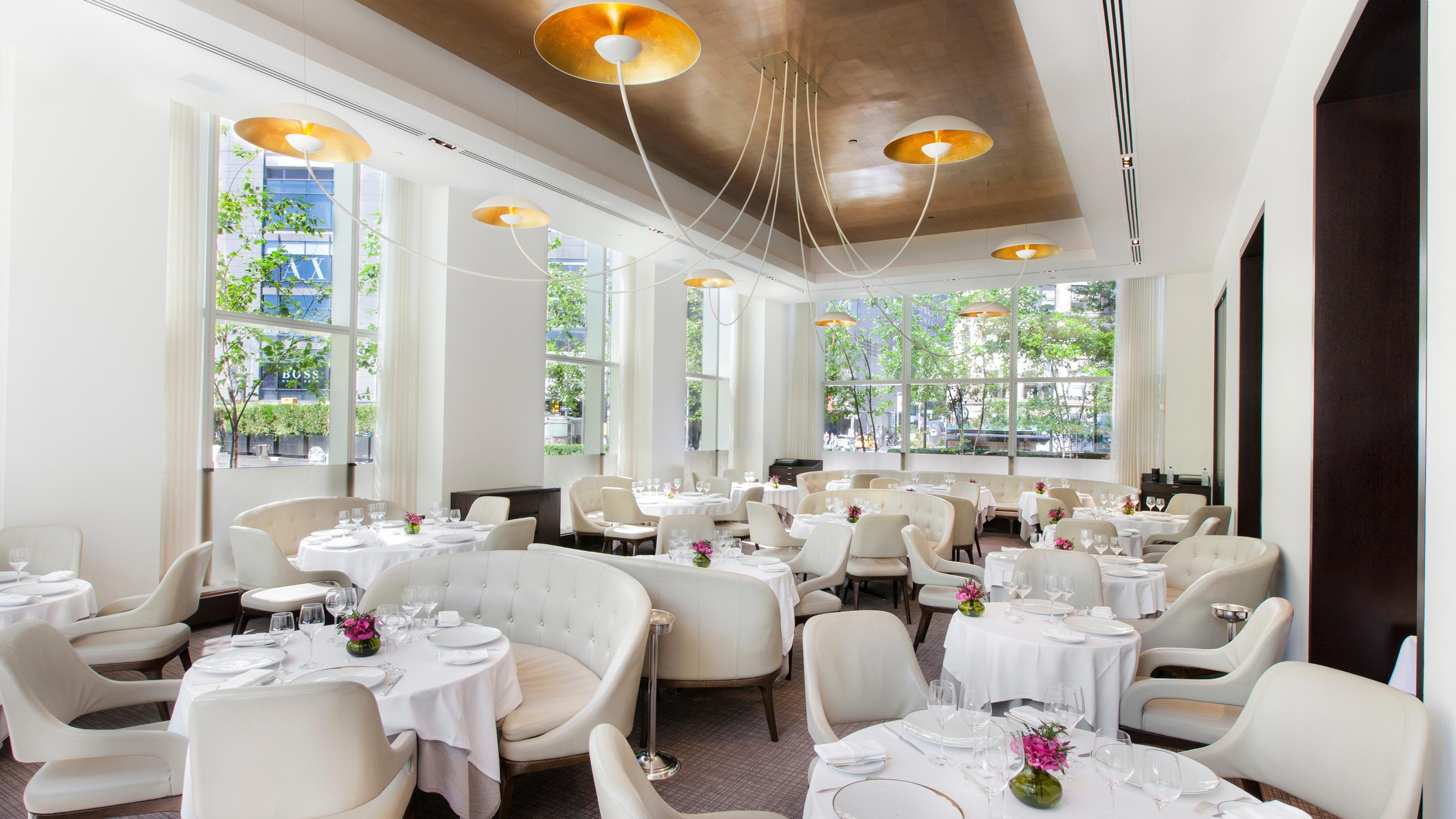
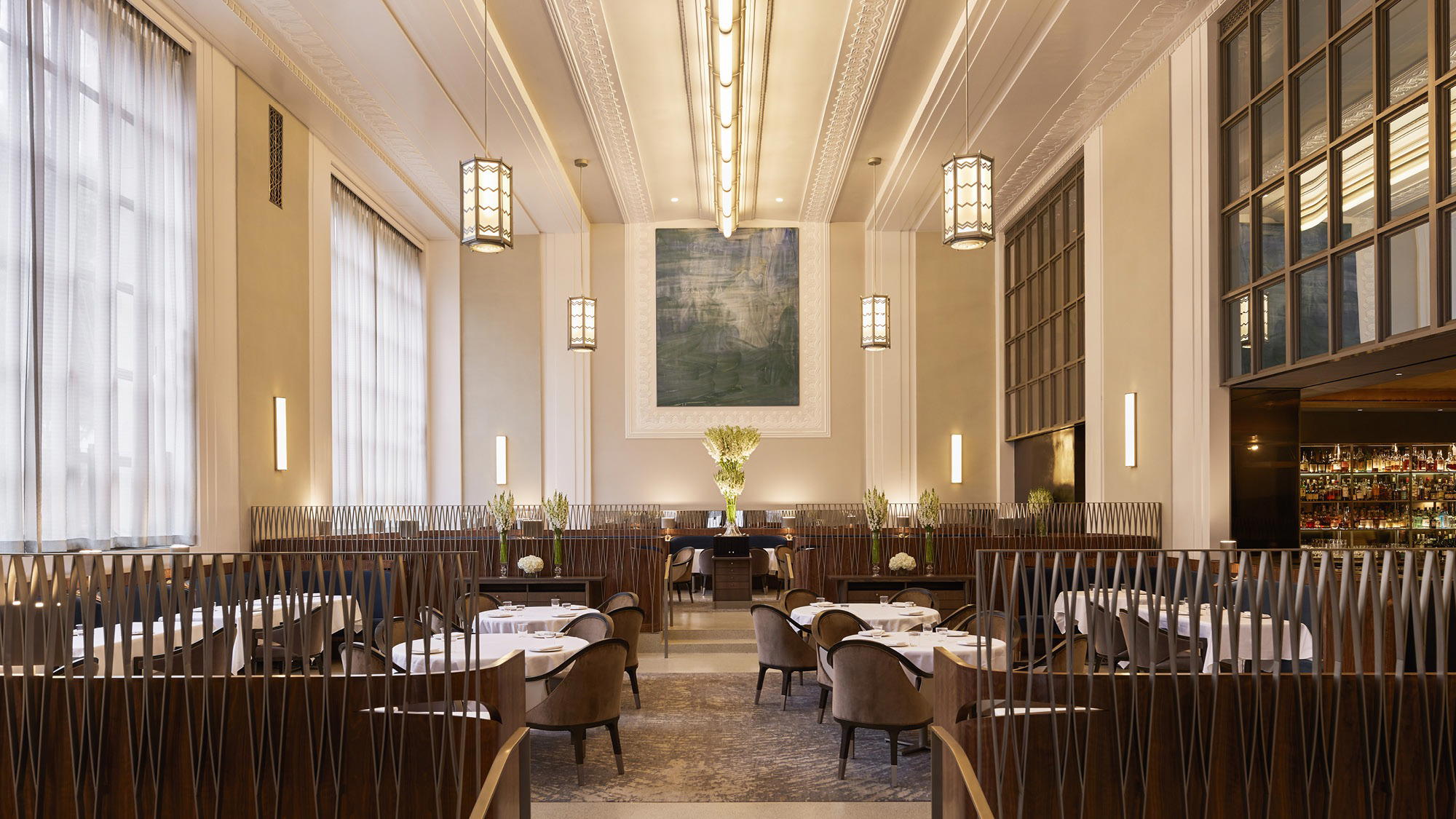
Serene and nature-inspired with abundant natural light, reclaimed wood accents, and calming green spaces throughout; guests praise the peaceful atmosphere despite urban location.