
Verona places Fukuoka’s Italian dining in a quieter, value-conscious register: pasta, pizza, wine focus, and a 45-seat basement room near Tenjin Minami rather than a trophy-counter format. Its selection for Tabelog 100 Italian WEST 2025 gives it a clear quality signal within western Japan’s Italian category, while the price band keeps it closer to everyday celebration than destination tasting-menu theatre.
Pearl is the En Primeur Club membership app — saves, bookings, and concierge access live there. Same editors, same standards.
- Address
- Japan, 〒810-0004 Fukuoka, Chuo Ward, Watanabedori, 4 Chome−8−28 B1
- Phone
- +81 92-721-0057
- Website
- tabelog.com
 Saves & bookings on Pearl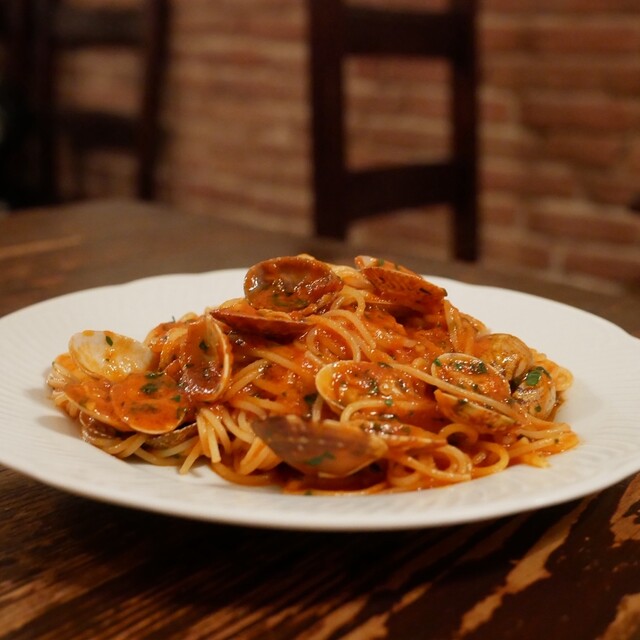
The approach is urban Fukuoka rather than resort Japan: Watanabedori traffic above, a basement address below, and the useful anonymity of a room that does not need street-level spectacle to work. In Tenjin Minami, dining often splits between quick central-city convenience and serious small restaurants tucked into office-building floors. Verona belongs to the latter camp, with Italian, pasta, pizza, and wine forming a compact brief rather than a sprawling trattoria script.
That matters in Fukuoka, a city better known outside Japan for ramen, seafood, yatai culture, and Kyushu produce than for Italian dining. The stronger Italian rooms here tend to succeed by resisting imported grandeur. They translate the format into local tempo: tighter budgets than Tokyo’s luxury Italian rooms, a sharper lunch-dinner split, and neighbourhood regularity rather than hotel-lobby polish. Verona’s selection for Tabelog 100 Italian WEST 2025 puts it inside a western-Japan conversation, not merely a Fukuoka one, and its Tabelog score of 3.75 gives the listing more weight than a casual local mention.
Italian in Tenjin Minami works when the room, wine, and kitchen move as one
The stronger signal is not a named chef story; it is the apparent coordination between kitchen, wine service, and the room. Japanese Italian dining can become either reverent and formal or loose and bistro-like. This address reads closer to the middle: categories list Italian, pasta, and pizza, while the drink note points to a wine-aware program. That combination usually rewards a meal built across courses rather than a single plate grabbed between appointments.
The team dynamic is important because Italian food in Japan depends on timing as much as sourcing. Pasta loses its argument quickly when the dining room drifts; pizza requires a different rhythm again; wine service has to bridge both without turning the meal into a lecture. A 45-seat room gives enough scale for energy but not so much that service becomes anonymous. In this tier, front-of-house discipline can be the difference between a pleasant local Italian meal and one that justifies crossing town.
Within Fukuoka’s broader central dining map, the restaurant sits apart from lower-priced casual anchors such as I’m donut? Fukuoka ten, Rojiura Curry Tiki, and Umeyama Teppei Shokudo Honten, all of which operate in a lighter spending bracket. It also occupies a different lane from Yakitori Koto, where the category and dinner price point shift toward a more specialized evening. Verona is useful for travellers who want Fukuoka beyond ramen and izakaya, but do not want the formality or cost structure of a high-end tasting menu.
The appeal is category confidence, not novelty
Italian restaurants in Japan have long been judged by adaptation: how much of Italy to preserve, how much to bend around Japanese produce, portioning, and service habits. Fukuoka adds another layer because the city’s eating culture is direct, social, and often counter-led. A room identified for friends as a common occasion makes sense here. The meal is less about ceremony than about a table that can handle conversation, wine, and a few shared decisions without forcing the evening into a scripted procession.
The Tabelog 100 Italian WEST 2025 selection is the cleanest public trust signal. Hyakumeiten lists are not Michelin stars and should not be read as global hierarchy, but they are meaningful inside Japan because they measure category depth across regions and draw attention to restaurants that regular diners actively track. For a Fukuoka Italian restaurant, inclusion in the WEST Italian list places it among a defined competitive group across western Japan rather than inside a generic city ranking.
There is also a useful price clue. Lunch and dinner sit in ranges that make the restaurant accessible compared with Japan’s more formal Italian counters, yet above a casual pasta stop. That middle position is often where Fukuoka is strongest: serious enough to reward planning, relaxed enough to keep the city’s social character intact. The absence of private rooms and private-use availability also points toward a public dining room rather than a sealed-off entertaining space.
How to place it within a Fukuoka eating itinerary
For travellers building a food-led stay, Verona works well as the non-Japanese counterpoint in a schedule otherwise weighted toward local seafood, noodles, yakitori, and curry. It should not replace Fukuoka’s native strengths; it adds range. A smart itinerary might pair central Italian one day with South Indian cooking at 106 South Indian Fukuoka tenjin ten, spice-led cooking at Afterglow, local dining at Aji Dokoro Taro Gen Sougyou ten, fried fish at Aji Furai Shokudo Kaba, or the city’s deep everyday canon at Aji no Katsueda.
Because reservations are unavailable, the planning logic is different from a chef’s-counter booking. The useful move is to treat it as a timing decision rather than a reservation trophy: choose an opening window, avoid assuming Wednesday availability, and bring cash expectations into the plan because card, electronic money, and QR payments are not accepted. The room is non-smoking, parking is unavailable, and Tenjin Minami is the practical anchor for access.
Readers mapping the city more broadly should use Our full Fukuoka restaurants guide alongside Our full Fukuoka hotels guide, Our full Fukuoka bars guide, Our full Fukuoka wineries guide, and Our full Fukuoka experiences guide. For wider Japan and beyond, EP Club’s restaurant index also includes -Grilled beef Sukiyaki- KAMAKURA TANUKIAN 鎌倉 たぬき庵 in Kamakura. 鮪と炭火焼き うお炭 秋葉原店 in Tokyo.cafe in Osaka.know in Kumamoto, (Shoku) Vietnam in Kawasaki, [Curry Senmon Ten] Maruyama Kyoju. in Sapporo, Jōdo Saké Bar in Los Angeles, and Onigiri Time in Pasadena.
At a Glance
Comparable venues for orientation by cuisine and category.
| Venue | Cuisine | Price | Notes |
|---|---|---|---|
| VeronaThis venue — the venue you are viewing | Not listed | $$ | Not listed |
| Pizzeria da Ciruzzo | Not listed | $$ | Nishi, Neapolitan pizza & Southern Italian |
| PRINCE of the FRUIT | Chūō, Fruit Parfait Cafe | $$ | Not listed |
| meek | Not listed | $$ | Chūō, Stylish Thai & Asian Ethnic Cuisine |
| Yakitori Benkei Nishijin ten | Sawara, Traditional Yakitori & Kushiyaki | $$ | Not listed |
| クッカーニャ | Chūō, 会員制イタリアン | $$$ | Not listed |
Recognition history
Dated appearances from independent guides and award organizations, with the underlying list record or original source where available.
Tabelog 100 #25 · No. 25
Tabelog · Tabelog 100 - Italian - WEST - 2025
At a Glance
- Cozy
- Classic
- Relaxed
- Casual Hangout
- Date Night
- Group Dining
- After Work
- Solo
- Standalone
- Extensive Wine List
Current opening hours
- Monday
- 11:30 AM–8 PM
- Tuesday
- 11:30 AM–3 PM, 5–8 PM
- Wednesday
- Closed
- Thursday
- 11:30 AM–3 PM, 5–8 PM
- Friday
- 11:30 AM–3 PM, 5–8 PM
- Saturday
- 11:30 AM–8 PM
- Sunday
- 11:30 AM–8 PM
Hours can change for holidays and private events. Last verified .
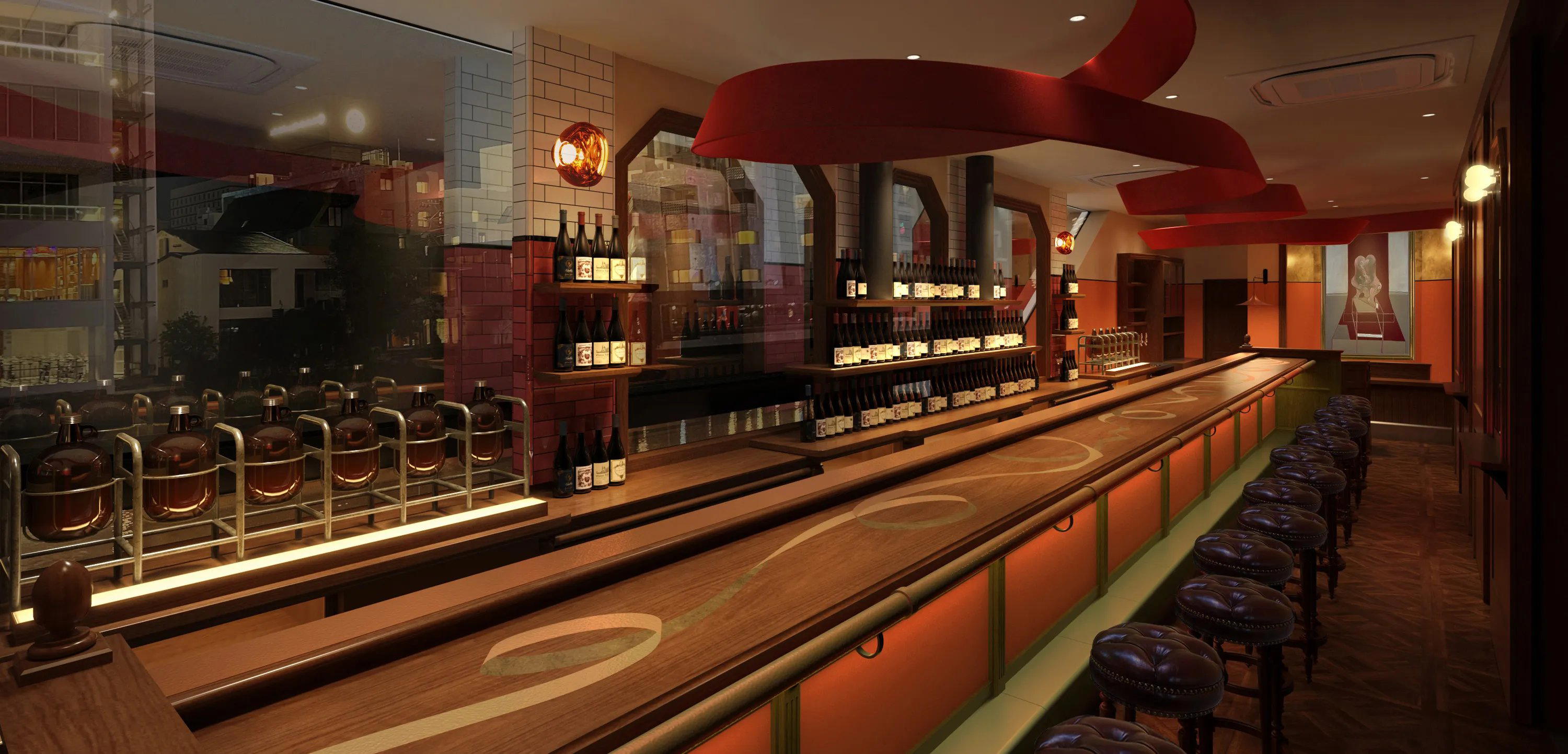
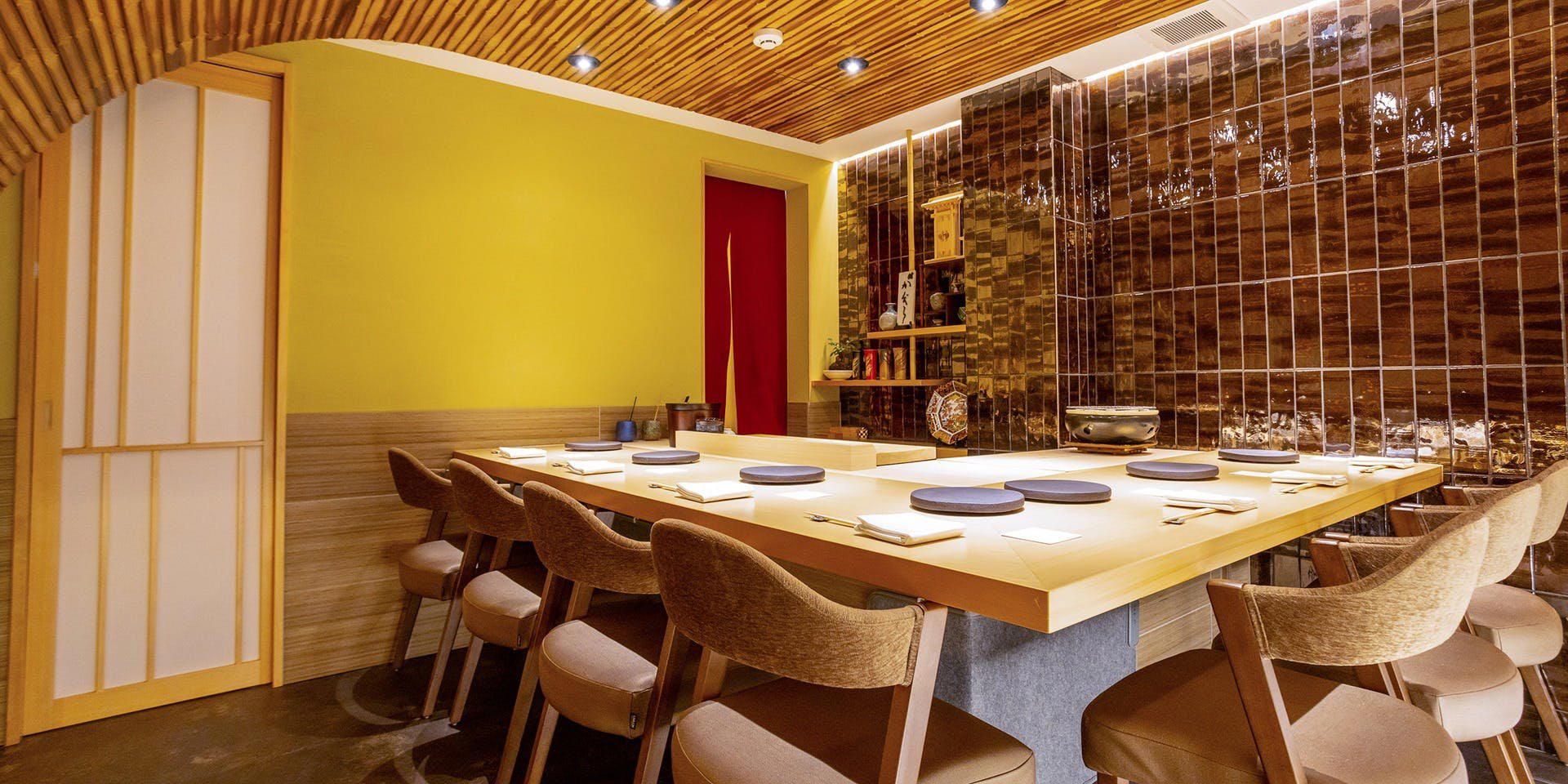
A classic, non-smoking basement Italian with stylish yet relaxed décor and spacious seating, described as a hideout-style space suited to leisurely meals with friends rather than a formal setting.