
meek brings Thai cooking into Fukuoka’s Otemon orbit, close to Ohori Park, with a Tabelog Asian cuisine/Ethnic cuisine WEST 100 selection in 2024 and a lunch price band of JPY 2,000–2,999. The draw is not luxury theatre; it is the city’s growing appetite for specialist Asian kitchens that sit outside ramen, sushi, and izakaya shorthand.
Pearl is the En Primeur Club membership app — saves, bookings, and concierge access live there. Same editors, same standards.
- Address
- 福岡県福岡市中央区大手門3-1-21
- Website
- tabelog.com
 Saves & bookings on Pearl
Otemon has a different tempo from Fukuoka’s station-side dining zones. The streets near Ohori Park feel residential before they feel commercial, which matters for Thai food: spice, herbs, sourness, smoke, and rice read differently when they are not forced into a late-night entertainment district. In that setting, meek belongs to a quieter Fukuoka pattern, the rise of small specialist kitchens that ask diners to treat Asian regional cooking with the same seriousness usually reserved for sushi counters, yakitori rooms, and French tasting menus.
Fukuoka’s food reputation is often compressed into tonkotsu ramen, mentaiko, seafood, and yatai culture. That shorthand is useful for a first trip, but it misses how the city eats when it is not performing for visitors. Thai cooking has become part of the broader urban diet in Japan’s regional capitals, not as a novelty category but as a grammar of heat, acid, fish sauce, aromatics, and rice. The meaningful point here is not that Fukuoka has Thai food; it is that a Thai restaurant in Otemon can enter a ranked regional conversation for Asian and ethnic cuisine without needing hotel polish or downtown spectacle.
Thai cooking in Fukuoka, judged by specialist standards
The 2024 Tabelog Asian cuisine/Ethnic cuisine WEST 100 selection gives meek a useful signal: it is being assessed inside a broad western Japan category rather than merely as a neighbourhood option. That category groups cuisines that are often under-described in English-language Japan coverage, from South Asian and Southeast Asian rooms to other regional specialist formats. For travelers, the award matters less as a trophy than as a sorting tool. It tells the reader that this is part of a competitive specialist tier, where seasoning balance and category credibility count more than interior drama.
That position separates it from much of Fukuoka’s familiar premium dining map. A French room such as TTOAHISU plays in a different register, while Yakitori Choji, Onokoro Hanjou, and PULPO sit in higher dinner price bands. HAKKO Shokudo is closer in casual rhythm, but its frame is not Thai. The contrast is the point: Fukuoka’s serious eating is not confined to expensive omakase-style formats or chef-led European menus. A modestly priced Thai kitchen can sit beside those names in a visitor’s plan if the goal is to understand how the city’s everyday and specialist appetites overlap.
Thai food also exposes a useful difference between Japanese restaurant culture and Western assumptions about authenticity. In Japan, regional cuisines often become highly disciplined through sourcing, portioning, service cadence, and the precision of set meals. The risk is domestication; the opportunity is clarity. At a strong Thai specialist, the pleasure is not excess chilli for its own sake, but the way sour, salty, sweet, bitter, and aromatic elements remain legible. That is the cultural conversation meek enters in Fukuoka: not fusion as a slogan, but Thai cooking translated through Japan’s compact restaurant form.
Why Otemon changes the meal's meaning
Neighbourhood matters in Fukuoka. Tenjin and Hakata carry the density: department-store dining floors, commuter meals, late drinking, and easy ramen detours. Otemon, by contrast, sits near a park-facing part of the city where meals can feel more deliberate. That makes the area useful for travelers who want one lunch or dinner that does not simply repeat the central-city script. The nearby Ohori Park axis also gives the meal a natural place in the day, especially for visitors pairing food with museums, gardens, or a slower afternoon west of Tenjin.
There is a broader Kyushu context, too. Fukuoka has long been a gateway city, commercially outward-facing and historically connected to mainland Asia. Its dining culture absorbs outside influences without needing to turn every import into a theme. Thai cooking fits that habit well: assertive enough to interrupt the ramen-and-seafood narrative, familiar enough to sit naturally in a city built around casual precision. The result is a restaurant category that rewards diners who are willing to look beyond the famous local checklist.
The useful comparison is not cuisine versus cuisine; it is how focused kitchens define value, identity, and pace in a city that rewards narrow expertise.
The planning logic for a specialist meal
The practical appeal is direct: meek is reservation-only, takes reservations through Instagram, and sits in a price band that makes it easier to fold into a Fukuoka itinerary than the city’s higher-cost dinner counters. Its 2022 opening date also places it among the newer generation of specialist rooms rather than the older institutional guard. No smoking, no parking, no private rooms, and no private use point toward a compact, food-first format. Credit cards and PayPay are accepted, while electronic money is not.
Travelers should treat the restaurant as a planned stop rather than a casual fallback. The absence of a conventional official website and phone-led reservation flow pushes the decision into social-platform planning, which is increasingly common among small Japanese restaurants but less forgiving for visitors who improvise. That does not make the meal difficult in luxury terms; it simply means the logistics reward early attention.
Build the rest of the trip around contrast. Use Our full Fukuoka hotels guide for where to stay, Our full Fukuoka bars guide for after-dinner pacing, Our full Fukuoka wineries guide for drinking context, and Our full Fukuoka experiences guide for non-restaurant planning. Readers extending the same specialist-food lens across Japan can also compare -Grilled beef Sukiyaki- KAMAKURA TANUKIAN 鎌倉 たぬき庵 in Kamakura. 鮪と炭火焼き うお炭 秋葉原店 in Tokyo.cafe in Osaka.know in Kumamoto, (Shoku) Vietnam in Kawasaki, and [Curry Senmon Ten] Maruyama Kyoju. in Sapporo. For a transpacific counterpoint to Japanese compact dining formats, see Jōdo Saké Bar in Los Angeles and Onigiri Time in Pasadena.
A Pricing-First Comparison
Comparable venues for orientation by cuisine and category.
| Venue | Cuisine | Price | Notes |
|---|---|---|---|
| meekThis venue — the venue you are viewing | Not listed | $$ | Not listed |
| Sabatarou | Not listed | $$ | Chūō, Traditional Japanese clay-pot rice breakfast & lunch |
| Gyoza Osomatsu Ropponmatsu | Chūō, Japanese Izakaya | $$ | Not listed |
| Rankan | Not listed | $$ | Dazaifu, Traditional Japanese Kissaten Coffee House |
| Mendo Hanamokoshi (麺道はなもこし) | Yakuin, Shoyu Ramen | $$ | Not listed |
| Verona | Not listed | $$ | Chūō, Classic Italian trattoria with pasta and pizza |
Recognition history
Dated appearances from independent guides and award organizations, with the underlying list record or original source where available.
Tabelog 100 #4 · No. 4
Tabelog · Tabelog 100 - Asian cuisine / Ethnic cuisine - WEST - 2024
At a Glance
- Trendy
- Cozy
- Intimate
- Date Night
- Casual Hangout
- Solo
- Group Dining
- Special Occasion
- Standalone
- Design Destination
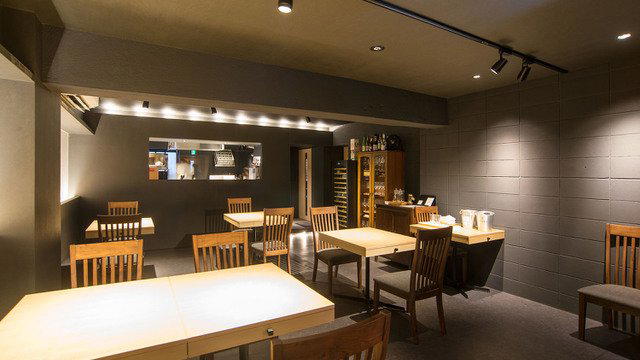
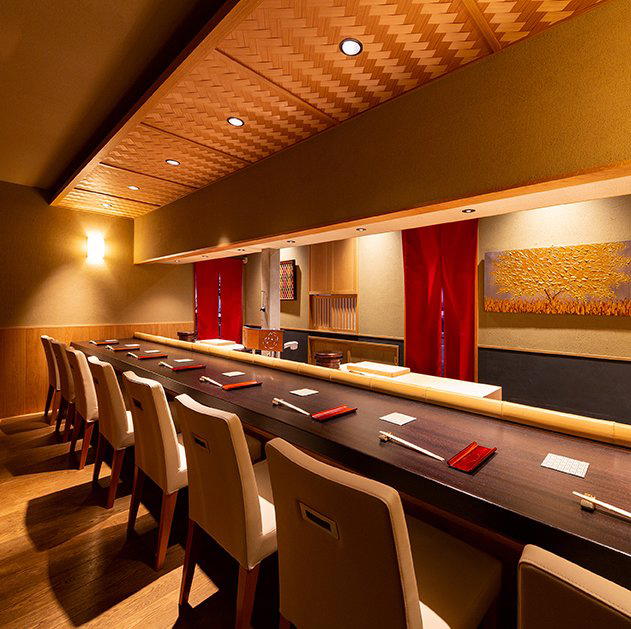
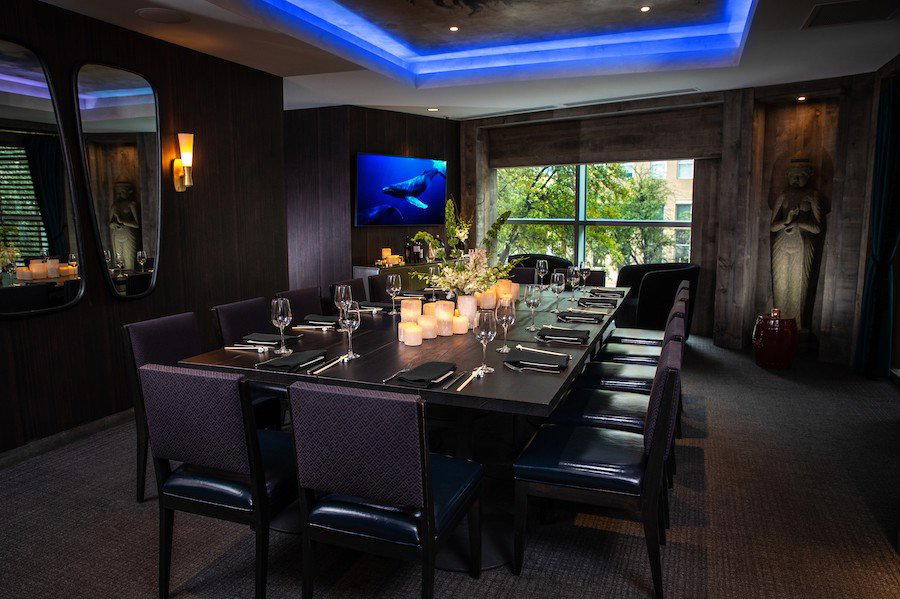
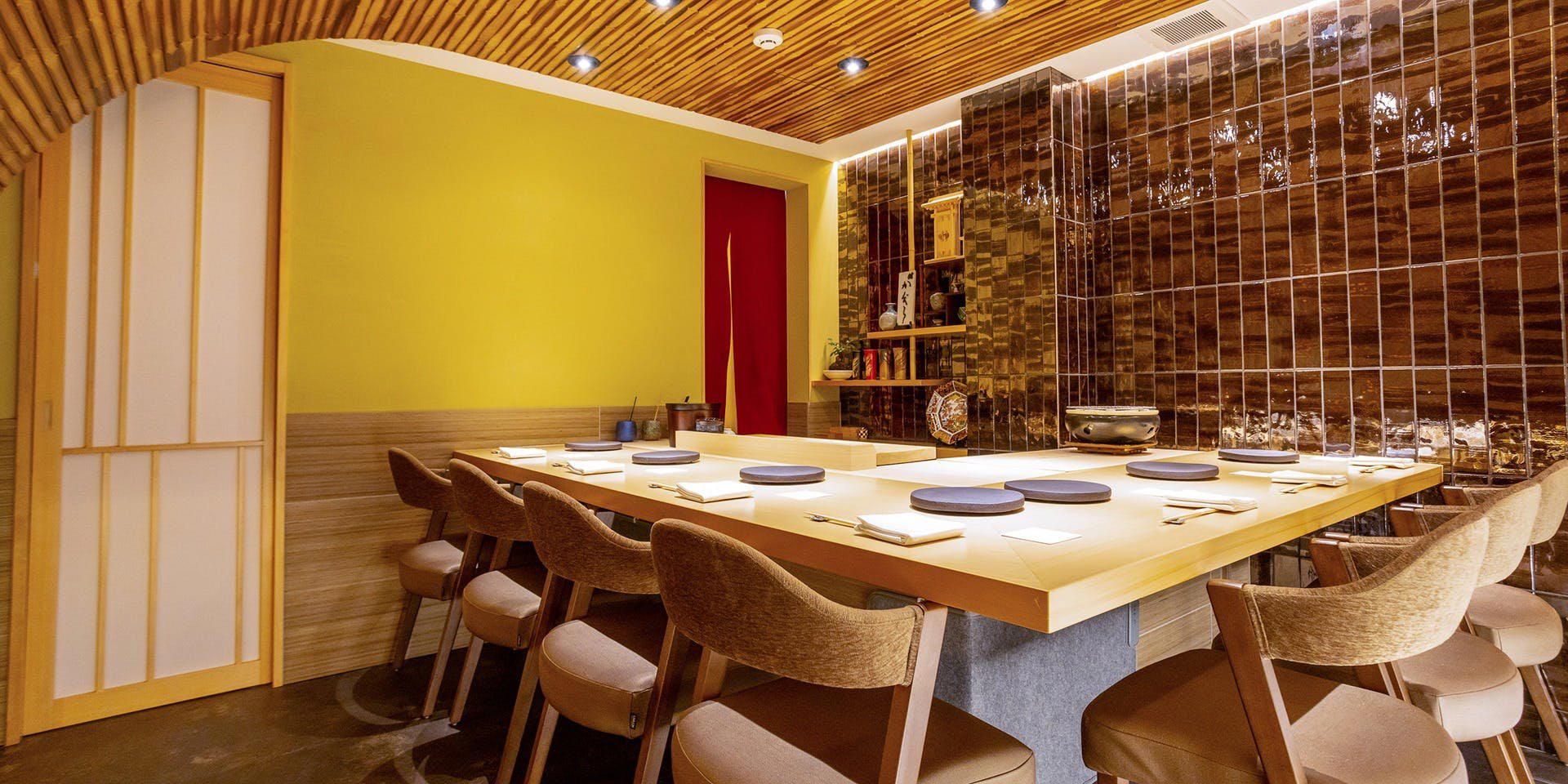
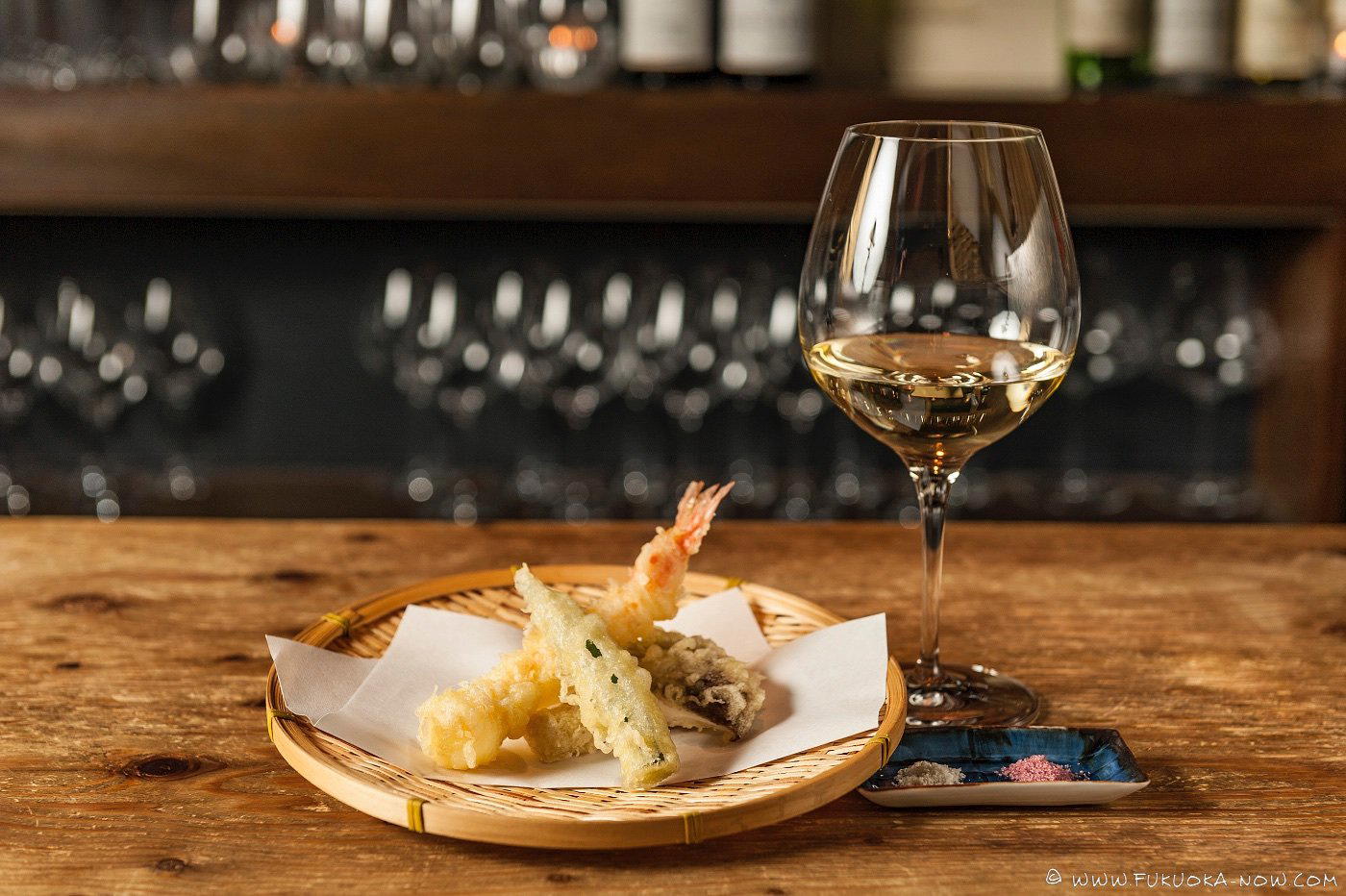
A small, stylish and design-conscious Thai spot with a cozy, intimate feel, non‑smoking dining room and a relaxed but polished atmosphere suited to adults rather than families.