
Pizzeria da Ciruzzo brings wood-fired Neapolitan pizza and Southern Italian cooking into Fukuoka’s western dining orbit, away from the city’s denser central restaurant corridors. Its Tabelog Pizza 100 selections in 2019, 2023, and 2025 place it among Japan’s more closely watched pizzerias, with a compact 24-seat format, counter seating, terrace space, wine, cocktails, and take-out shaping a casual but serious meal.
Pearl is the En Primeur Club membership app — saves, bookings, and concierge access live there. Same editors, same standards.
- Address
- Japan, 〒819-0168 Fukuoka, Nishi Ward, Imajuku Ekimae, 1 Chome−9−8 ウイルマーレ
- Phone
- +81 92-805-1770
- Website
- instagram.com
 Saves & bookings on Pearl
Approaching Imajuku, Fukuoka feels less like a restaurant-hopping grid than a coastal residential city of rail lines, low-rise buildings, and meals shaped by regulars. That setting matters: Japan’s serious pizza culture is not confined to Tokyo or Osaka, but runs through smaller rooms where Neapolitan technique, Italian wine, and neighborhood rhythm meet. Pizzeria da Ciruzzo fits that quieter category, a wood-fired pizzeria in Nishi Ward whose reputation travels beyond its station-front catchment.
The signal is recognition, not spectacle. Tabelog selected the restaurant for its Pizza 100 list in 2019, 2023, and 2025, a useful marker in a country where pizzerias are judged with near-obsessive attention to dough, oven management, and balance. The 2025 listing places it in a national pizza conversation, not just a Fukuoka one. The reason to pay attention is consistency across multiple selection years.
Neapolitan pizza in Fukuoka's western dining circuit
Fukuoka’s dining identity is often reduced to ramen, yatai, seafood, and late-night drinking, but its restaurant culture is broader. Italian cooking has a firm place in Japanese urban dining because it suits compact rooms, wine-led meals, and ingredient-focused service. Wood-fired pizza differs from casual slice culture: it demands a short menu, fast oven work, and discipline, because small errors show quickly.
Pizzeria da Ciruzzo is listed across pizza, Italian, and pasta, with its own positioning tied to Neapolitan pizza and Southern Italian cooking. Its reference points, Da Gaetano in Ischia, Naples and Sakuragumi in Banshu Ako, place it in a Japanese pizzeria lineage that treats Naples as a technical standard, not a loose theme. Japan’s strongest Neapolitan pizzerias compete on craft signals: fermentation, heat, sourcing, and pacing, rather than decorative Italian nostalgia.
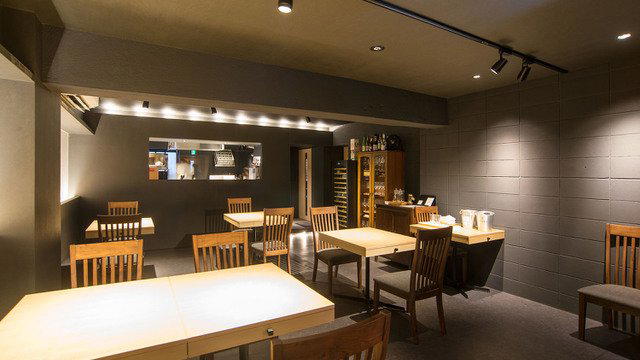
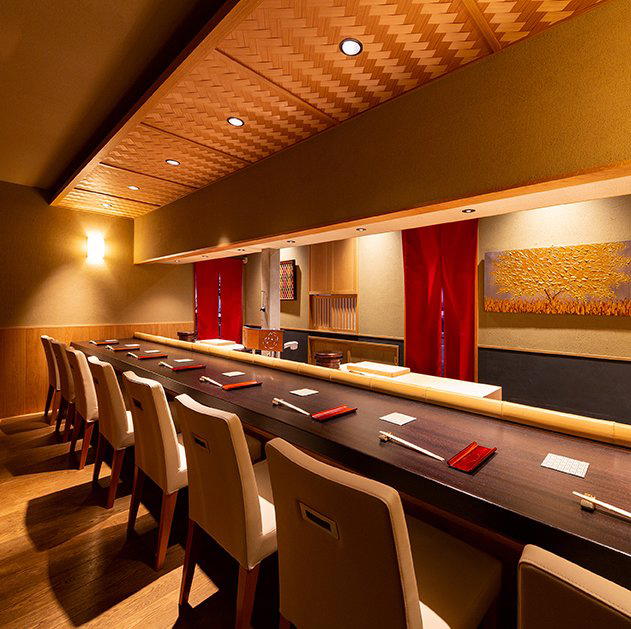
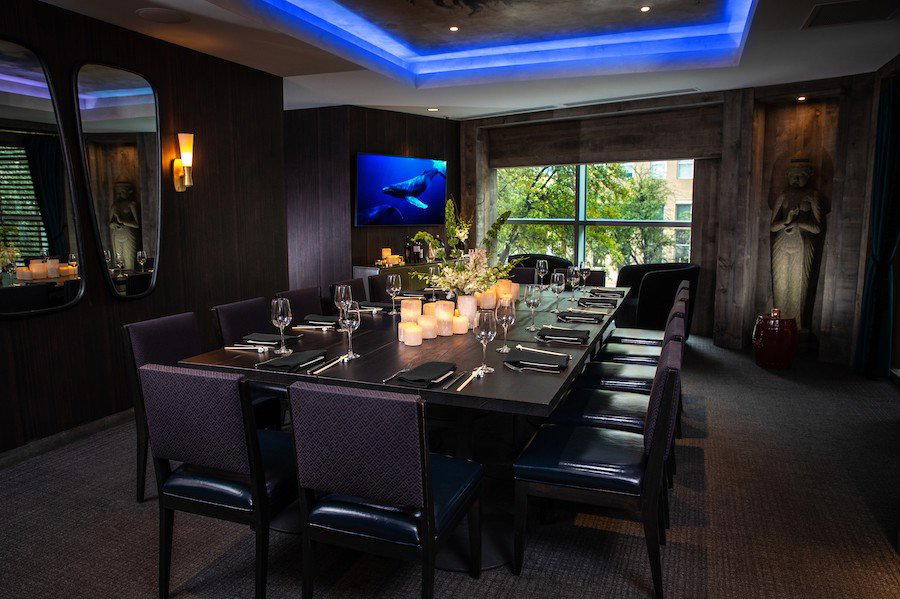
The room supports that reading. A 24-seat restaurant with counter seating and open terrace space gives the meal a smaller, less theatrical frame than central-city Italian dining rooms built around long wine lists and tasting-menu choreography. Take-out keeps it connected to local demand instead of only destination booking. Wine and cocktails are part of the offer, and the food listing notes attention to fish, a natural fit in Fukuoka, where seafood is part of ordinary eating intelligence, not a luxury add-on.
For readers mapping the city, this is a useful counterweight to central Fukuoka choices such as 106 South Indian Fukuoka tenjin ten, Afterglow, Aji Dokoro Taro Gen Sougyou ten, Aji Furai Shokudo Kaba, and Aji no Katsueda. Those addresses show the range of Fukuoka eating, from curry and South Indian cooking to seafood and local set-meal culture. A serious pizzeria west of the center widens that map rather than competing directly with those categories.
Recognition without fine-dining posture
The Tabelog Pizza 100 recognition gives Pizzeria da Ciruzzo a reputation signal, but the format remains closer to neighborhood Italian than formal destination dining. That contrast is part of the appeal. Many Japanese award-listed pizzerias occupy modest rooms because pizza resists over-formalization: the oven leads, the dough sets the tempo, and the room must turn without making the meal feel rushed. A small seat count sharpens that equation.
Against Fukuoka peers, the restaurant sits in a middle price tier, neither the city’s cheapest everyday bracket nor its more formal dinner category. Fukuchan Ramen Taguma honten is lower spend, Chuka Sensai Renge occupies a casual Chinese bracket, Tsukune Seisakusho overlaps at dinner with a different izakaya logic, and Teppanyaki Hiyori moves higher. These comparisons do not judge pizza against ramen or teppanyaki; they show where this meal fits in Fukuoka spending habits: casual enough for a weeknight, serious enough to carry award-list expectations.
The repeat Pizza 100 selections in 2019, 2023, and 2025 matter more than a single-year appearance. Lists can capture a moment; multi-year selection suggests durability. In Japan’s pizza scene, where strong shops exist well beyond major tourist corridors, that durability counts. Think of the restaurant as part of the national Neapolitan-pizza network, not merely an Italian option near Imajuku Station.
The absence of a big public chef narrative keeps the focus on category, format, and reputation. This room does not need a personality myth. The relevant story is how a 2010-opened pizzeria in western Fukuoka earned repeat national pizza-list selection while maintaining a compact, everyday-facing format. That lens is more useful than biography.
How to fit it into a Fukuoka trip
For travelers, the decision is geographic as much as culinary. Imajuku is not the default route through Tenjin, Hakata, or Nakasu, so the meal makes best sense when the day already points west or the itinerary allows a detour beyond the center. That is not a drawback; it separates the address from the obvious urban loop. Fukuoka rewards diners who leave the tight core, especially for a target with a clear reason to travel.
Use it as a focused pizza stop, not a broad Italian tasting exercise. The categories include pasta and Southern Italian cooking, but the award trail points to pizza as the anchor. The compact format suits solo diners and meals with friends, both explicitly associated with the restaurant’s public listing. Build it into the day rather than leaving it as an afterthought, because small rooms and recognized pizzerias rarely reward loose planning.
Readers comparing Japanese regional dining beyond Kyushu may also want to look at -Grilled beef Sukiyaki- KAMAKURA TANUKIAN 鎌倉 たぬき庵 in Kamakura. 鮪と炭火焼き うお炭 秋葉原店 in Tokyo.cafe in Osaka.know in Kumamoto, (Shoku) Vietnam in Kawasaki, and [Curry Senmon Ten] Maruyama Kyoju. in Sapporo. For Japanese food culture abroad, Jōdo Saké Bar in Los Angeles and Onigiri Time in Pasadena show how different formats travel outside Japan.
Price Lens
Comparable venues by category and price.
| Venue | Cuisine | Price | Notes |
|---|---|---|---|
| Pizzeria da CiruzzoThis venue — the venue you are viewing | Not listed | $$ | Not listed |
| Cafe Ospitale | Not listed | $ | Hakata, Italian cafe specializing in Neapolitan sfogliatella |
| Pizzeria Da Gaetano Yakuin ten | Chūō, Authentic Neapolitan Pizzeria | $$$ | Not listed |
| PULPO | Chūō, Galician-style Spanish restaurant | $$ | Not listed |
| Shokuji to Sake Dokoro Makoto | Not listed | $$ | Chūō, Casual Japanese izakaya and set meals |
| ZAEKA | Not listed | $$ | Chūō, Halal Pakistani & Indian Curry House |
Recognition history
Dated appearances from independent guides and award organizations, with the underlying list record or original source where available.
Tabelog 100 #19 · No. 19
Tabelog · Tabelog 100 - Pizza - 2025

At a Glance
- Cozy
- Intimate
- Date Night
- Casual Hangout
- Group Dining
- Family
- Standalone
Current opening hours
- Monday
- 12–1:30 PM, 6–9 PM
- Tuesday
- 12–1:30 PM, 6–9 PM
- Wednesday
- 12–1:30 PM, 6–9 PM
- Thursday
- 12–1:30 PM, 6–9 PM
- Friday
- 12–1:30 PM, 6–9 PM
- Saturday
- 11:30 AM–2 PM, 6–9 PM
- Sunday
- 11:30 AM–2 PM, 6–9 PM
Hours can change for holidays and private events. Last verified .
A tiny, intimate Italian hole‑in‑the‑wall with a warm, cozy atmosphere, centered on a wood‑fired oven and relaxed neighborhood vibe.