
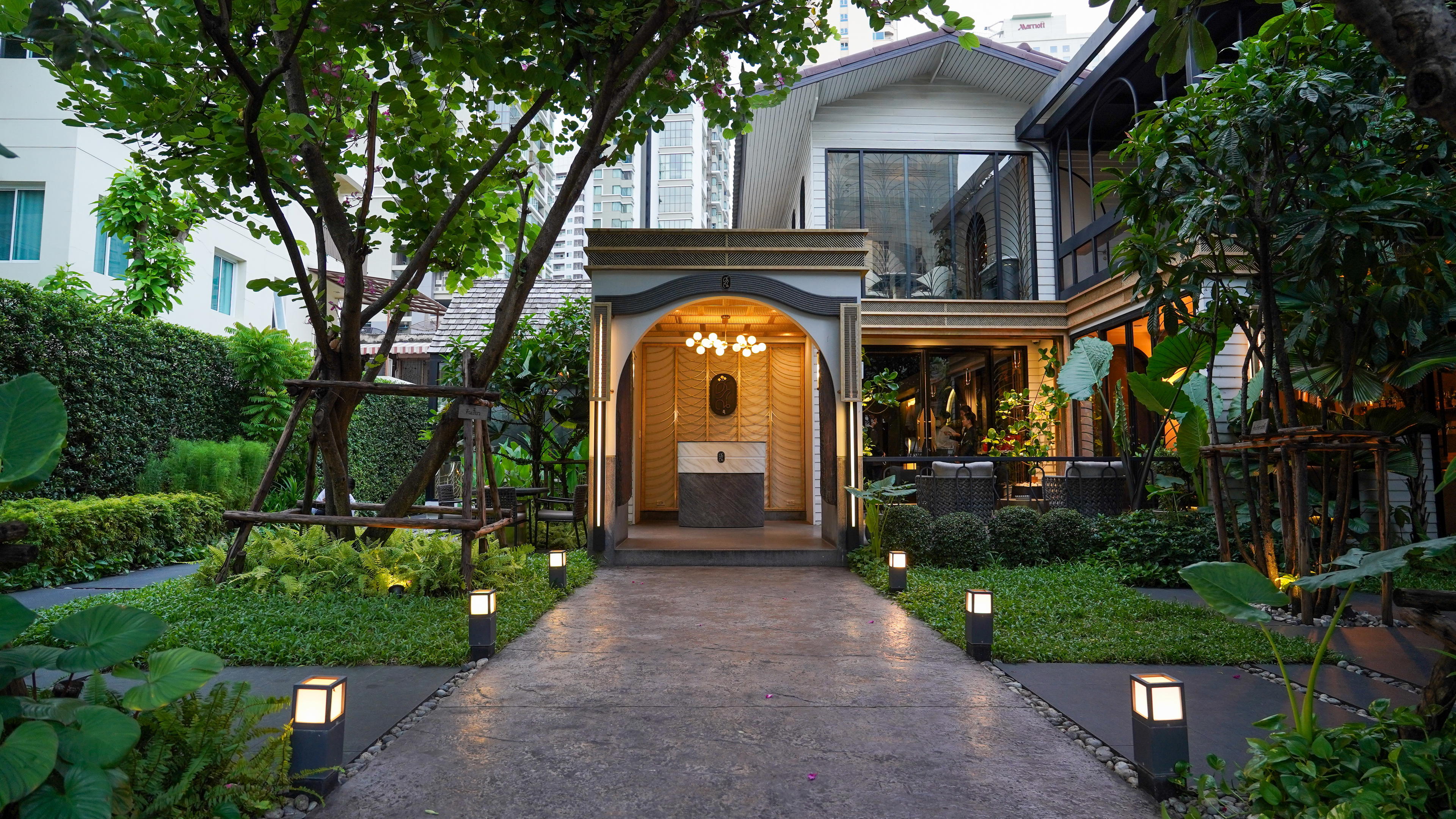
Set in a renovated house on a quiet sub-street off Sukhumvit 26, Verlan is a Bangkok restaurant conceived by a group of well-travelled Thais whose kitchen draws on both local foundations and broader culinary reference points. The setting trades the noise of the main road for something more considered, placing it in the growing cohort of destination-led dining rooms that have taken root across the Sukhumvit corridor in recent years.
Pearl is the En Primeur Club membership app — saves, bookings, and concierge access live there. Same editors, same standards.
- Address
- 76 Sukhumvit 26, Khlong Tan, Khlong Toei, Bangkok 10110, Thailand
- Phone
- +66 93 324 6665
- Website
- instagram.com
- Directions
- Get directions
 Saves & bookings on Pearl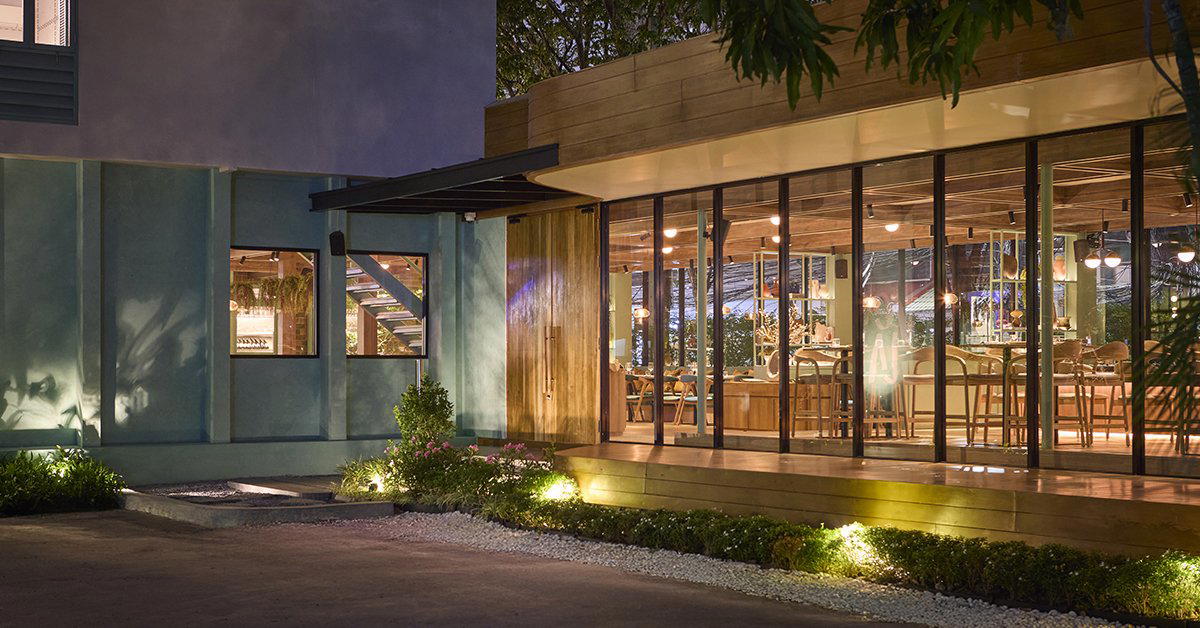
A Quiet Street, A Considered Room
Bangkok's Sukhumvit corridor has, over the past decade, split into two distinct dining registers. The main road itself runs loud with hotel restaurants, franchise operators, and high-turnover crowd-pleasers. The sois and sub-streets feeding off it tell a different story. It is in these smaller lanes that the city's more deliberate restaurant projects have found room to operate, away from the foot-traffic logic that governs the boulevard. Verlan sits on a sub-street off Sukhumvit 26, occupying a renovated house whose architecture signals intent before a menu arrives. The building is not incidental. In Bangkok's restaurant scene, choosing a residential structure over a commercial shopfront or hotel podium is a positioning decision as much as a practical one. It draws a line between the venue and the volume-driven dining rooms that dominate the main artery nearby.
The Sukhumvit 26 pocket is well-placed for the kind of audience Verlan appears to address. The area sits between the BTS stations at Phrom Phong and Thong Lo, two neighbourhoods that together account for a significant share of Bangkok's resident expatriate population and its most internationally fluent Thai dining community. Restaurants in this corridor compete less on accessibility than on reputation passed through networks. A booking tends to arrive through a recommendation rather than a walk-in. That dynamic shapes the dining room itself: the atmosphere is calibrated for people who chose to be there specifically, not for people who happened to pass.
The Bangkok Context for This Kind of Kitchen
The group behind Verlan is described as young, well-travelled Thais with genuine investment in the project, which places Verlan inside a specific wave of Bangkok restaurant-making that has gathered pace since roughly 2015. That wave is distinct from both the traditional Thai fine-dining model and the European-import luxury category. It is characterised by Thai operators who have cooked or eaten extensively abroad and returned to Bangkok with reference points that cut across regions and techniques, anchoring the result in a local sensibility rather than a foreign one.
This pattern is visible across several of Bangkok's more closely watched dining rooms. Le Du built its reputation on modern Thai cooking grounded in seasonal Thai produce with a Western-trained technical hand. Baan Tepa operates from a garden compound in a similar spirit of considered setting and Thai-led sourcing. Sorn occupies the high-formality end of the same wave, pressing Southern Thai cooking into a multi-course format that has earned it sustained Michelin recognition. Verlan's Sukhumvit 26 address and ownership profile place it in conversation with this cohort, though at what point in the formality and price spectrum requires direct experience to confirm. What the available framing does establish is that the kitchen is working from a foundation of both Thai cultural literacy and wider international exposure, which is a different starting point from a venue defined purely by either local tradition or imported format.
For readers mapping Bangkok's broader dining options, the EP Club Bangkok restaurants guide covers the full range of the city's current scene, and the Bangkok bars guide covers the parallel drinks culture that has developed alongside it.
How a Meal at Verlan is Likely to Move
Restaurants housed in renovated residences tend to impose a natural meal structure through the architecture itself. A ground floor that functions as a reception or bar, a main dining room on a principal floor, and the possibility of smaller rooms or an outdoor space within the garden or terrace area: this layout encourages a progression rather than a single static sitting. Bangkok's better dining houses in this format generally use the physical sequence of rooms to pace a meal, with early snacks or drinks arriving in one space before guests move to a table configured for longer, more formal service.
The detail in Verlan's record that the kitchen focuses on a particular approach is partial, but the broader profile of well-travelled Thai operators working in a renovated house at a deliberate remove from the main road points toward a kitchen invested in sequencing and composition rather than à la carte flexibility. Bangkok restaurants in this bracket have largely moved toward tasting formats or fixed menus, partly because the format disciplines both kitchen and guest into the same pacing logic, and partly because the story the kitchen wants to tell is better served by sequence than by individual selection. Comparable formats at Gaa and Sühring, both operating fixed menus at the upper end of Bangkok's pricing tier, illustrate how that structure now dominates among the city's serious kitchen projects.
A progression through Verlan's menu, whatever its current form, is most coherently read as an argument the kitchen is making about its reference points: where Thai culinary logic begins, where it is inflected by technique or ingredient sourced from elsewhere, and how the two sit together on a single table. That argument is what distinguishes this category of Bangkok dining from both street-food documentation and European fine-dining transplants. The interest is in the edit, not the tradition alone.
Practical Considerations for Visitors
The address at 76 Sukhumvit 26, Khlong Tan, Khlong Toei places Verlan within reach of the BTS Skytrain network, with Phrom Phong station the closest access point. The sub-street setting means taxis or ride-share apps are more practical than walking from the BTS for most visitors, particularly in the evening. Bangkok's peak restaurant season runs from November through February, when the city operates below its wet-season humidity and the volume of international visitors to the dining scene is at its highest. Booking demand among the Sukhumvit corridor's destination dining rooms typically tightens across this window, and planning at least two to three weeks ahead for any serious dining room in this area is advisable during those months. Phone and online booking details are best confirmed through current search or reservation platforms, as contact information was not available at time of writing.
Visitors building a full Bangkok dining itinerary might also consider the city's hotel landscape, covered in the EP Club Bangkok hotels guide, and the broader experiences calendar in the Bangkok experiences guide. For readers extending travel beyond Bangkok, PRU in Phuket and Aeeen in Chiang Mai represent comparable investments in considered, destination-minded dining in other Thai cities. The AKKEE in Pak Kret and Nai Khlong Boat Noodles in Phra Nakhon Si Ayutthaya offer further reference points for Thai dining that rewards travel outside the capital. For international context, the standards set by rooms like Le Bernardin in New York City and Emeril's in New Orleans illustrate what sustained kitchen investment looks like at different points on the global fine-dining map. Further browsing across Bangkok wineries and the Agave in Ubon Ratchathani rounds out the wider Thai beverage and regional dining picture. The The Spa in Lamai Beach adds a wellness-dining dimension for those whose Thailand itinerary extends to the Gulf coast.
Same-City Peers
Comparable venues nearby, for context on price, style, and recognition.
| Venue | Cuisine | Price | Notes |
|---|---|---|---|
| VerlanThis venue — the venue you are viewing | Modern French Neo-Bistro with Thai Influences | $$$ | Not listed |
| Indigo | Classic French Bistro | $$$ | Surawong |
| Margo | Contemporary French Bistro | $$$ | Yan Nava |
| Artur | Classic French Steakhouse | $$$ | Makkasan |
| Café Dior by Mauro Colagreco | French Patisserie by Mauro Colagreco | $$$$ | Pathum Wan |
| Lovemetender Restaurant à¹à¸¥à¸´à¸à¸¡à¸µà¹à¸à¸à¹à¸à¸à¸£à¹ | French Bistro with Sous Vide Cooking | $$ | Khlong Toei Nuae |
Recognition history
Dated appearances from independent guides and award organizations, with the underlying list record or original source where available.
Star Wine List
Star Wine List
At a Glance
- Modern
- Cozy
- Elegant
- Intimate
- Trendy
- Date Night
- Casual Hangout
- Special Occasion
- Group Dining
- Open Kitchen
- Wine Cellar
- Extensive Wine List
- Natural Wine
- Local Sourcing
- Garden
Current opening hours
- Monday
- 6 PM–12 AM
- Tuesday
- 6 PM–12 AM
- Wednesday
- 6 PM–12 AM
- Thursday
- 6 PM–12 AM
- Friday
- 6 PM–12 AM
- Saturday
- 11:30 AM–3 PM, 6 PM–12 AM
- Sunday
- 11:30 AM–3 PM, 6 PM–12 AM
Hours can change for holidays and private events. Last verified .
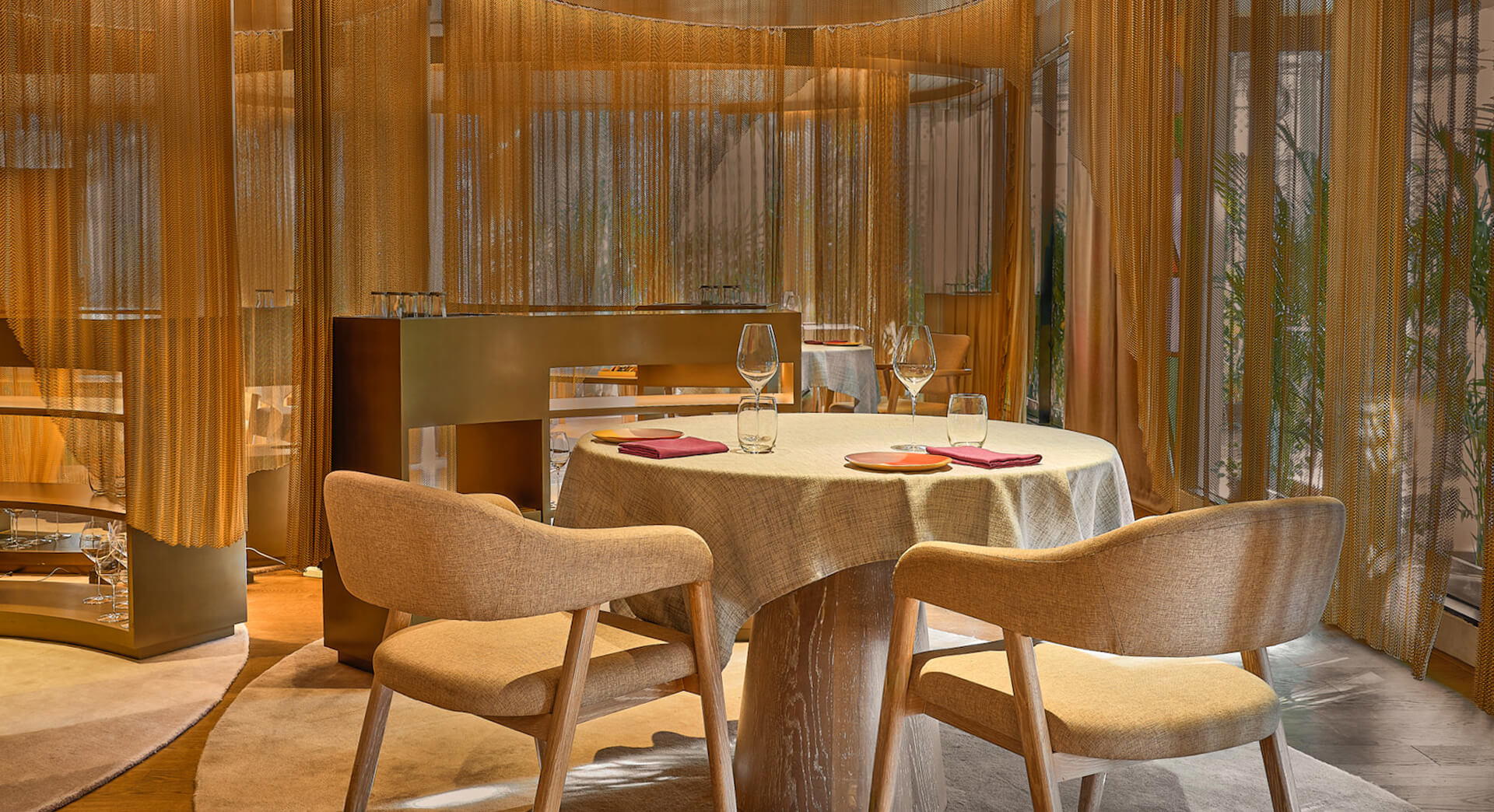
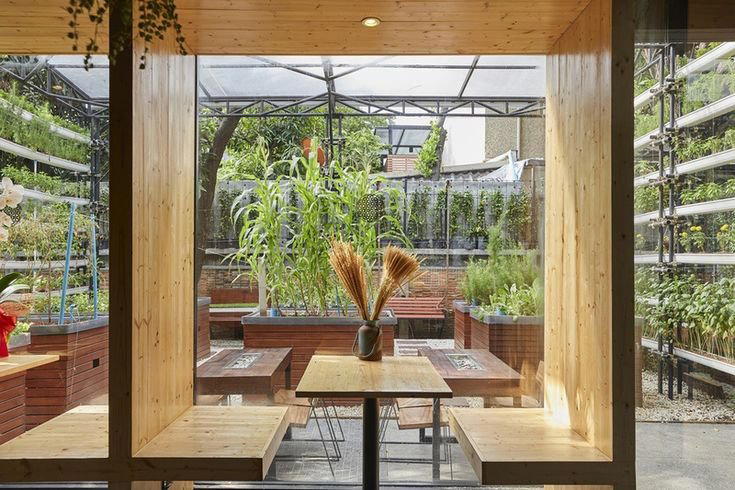
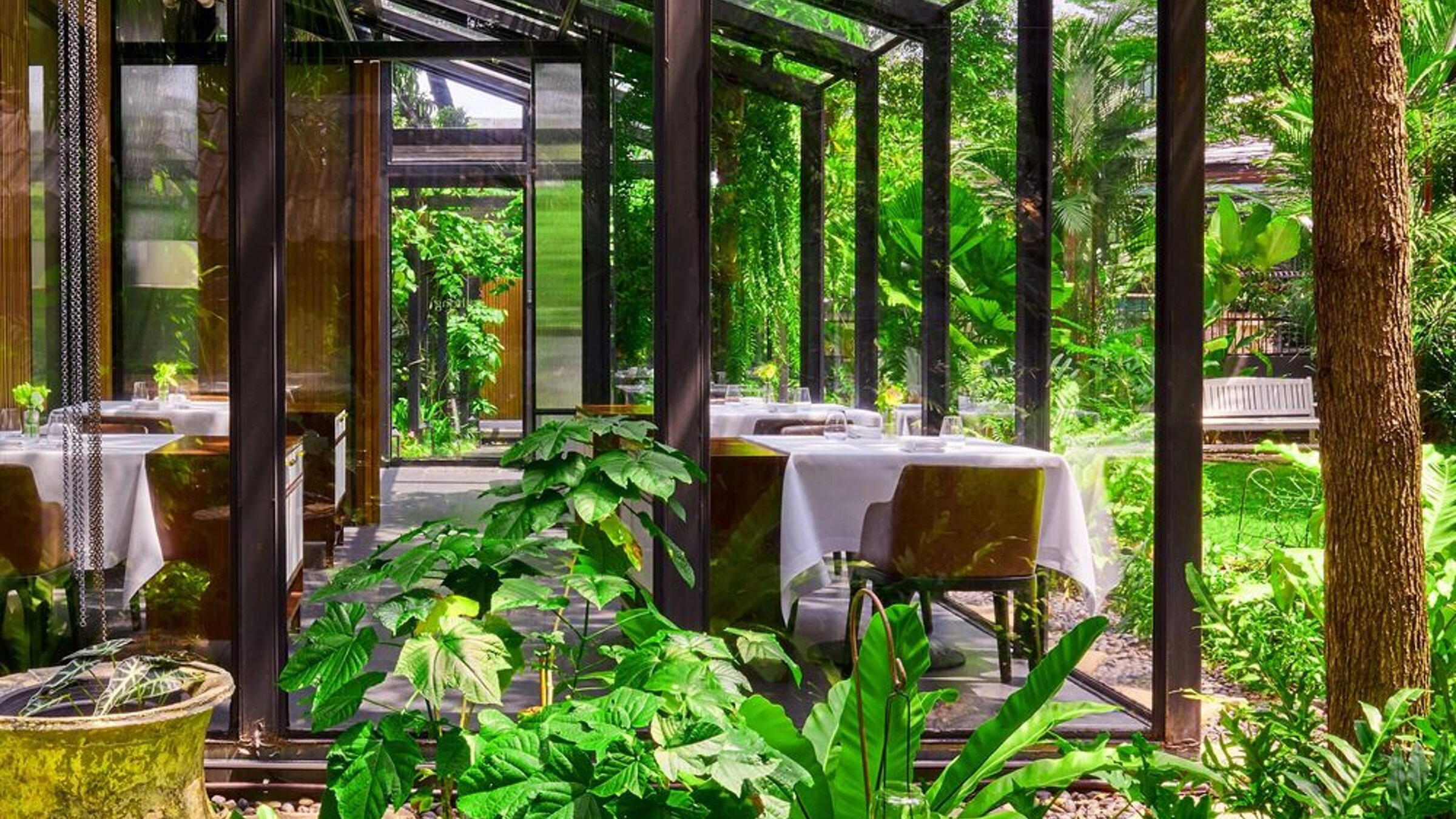
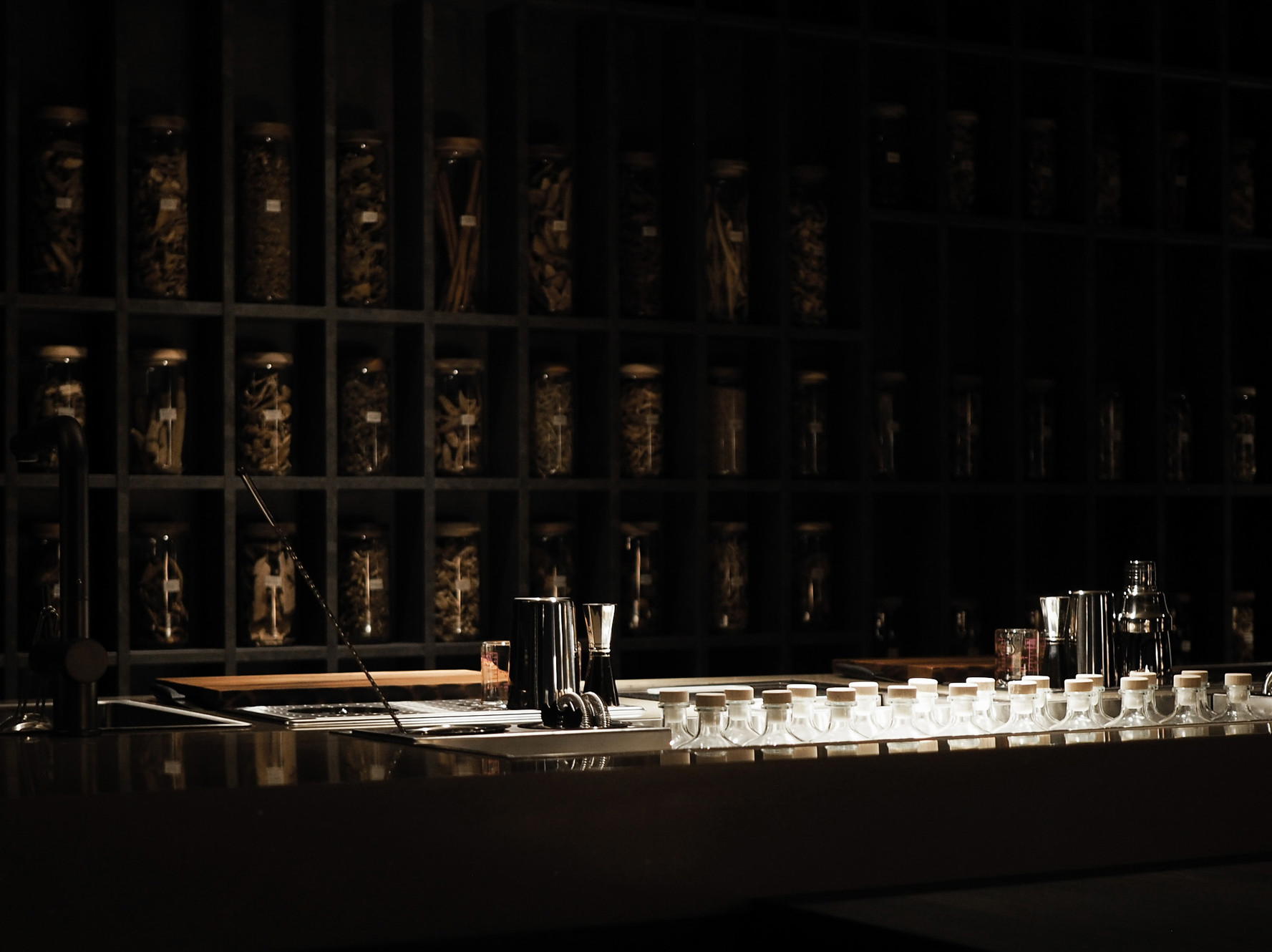
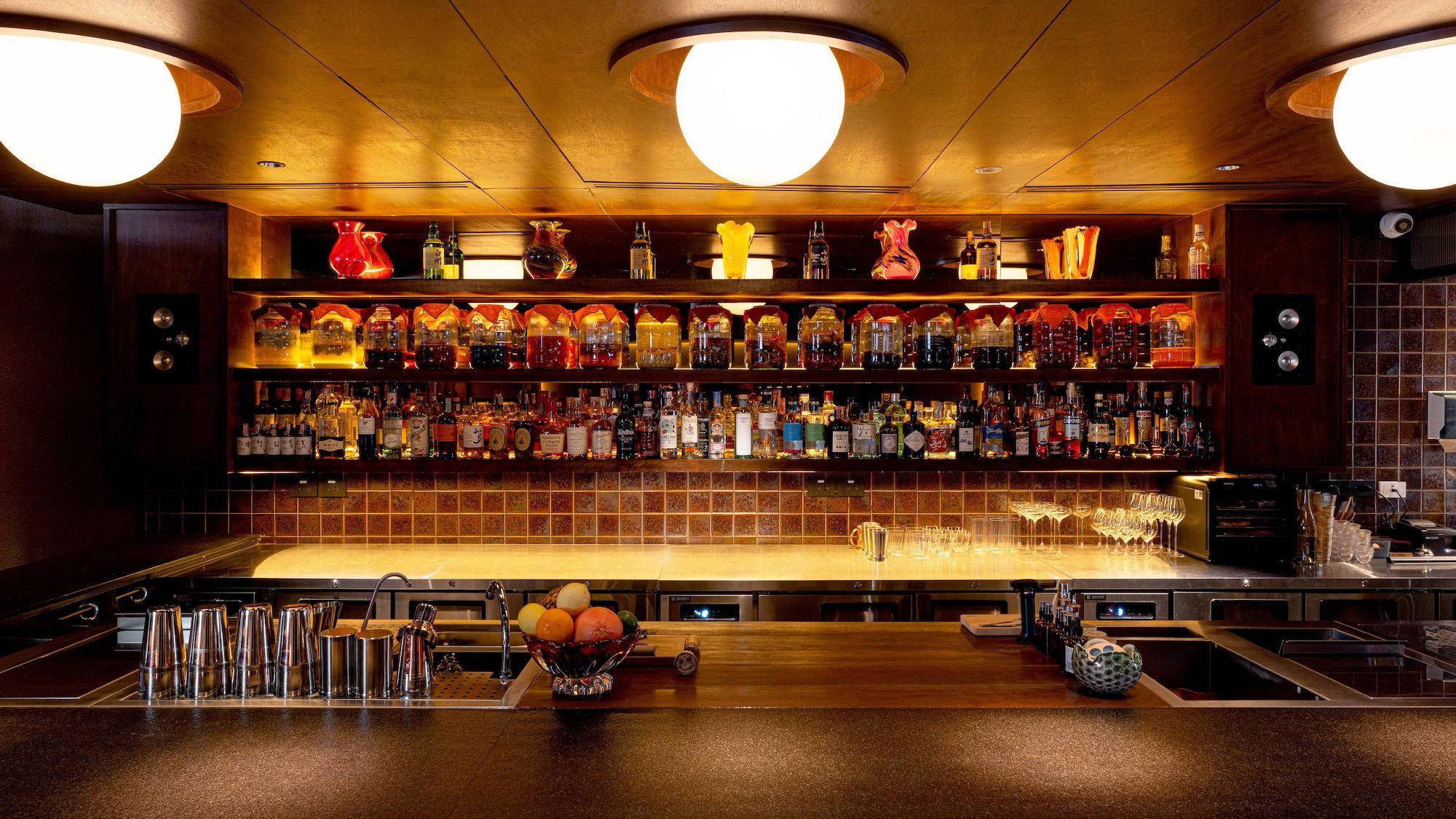
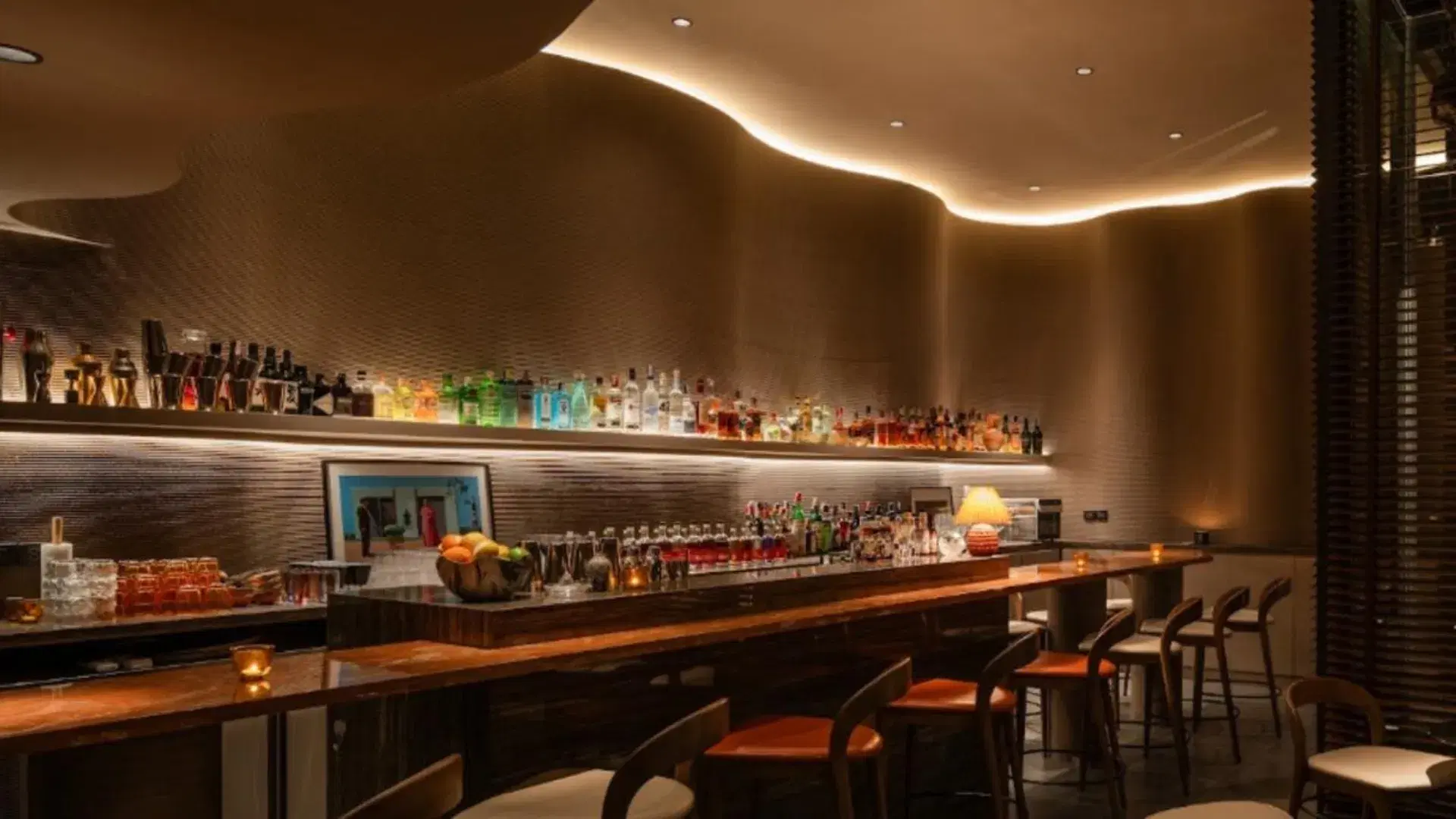
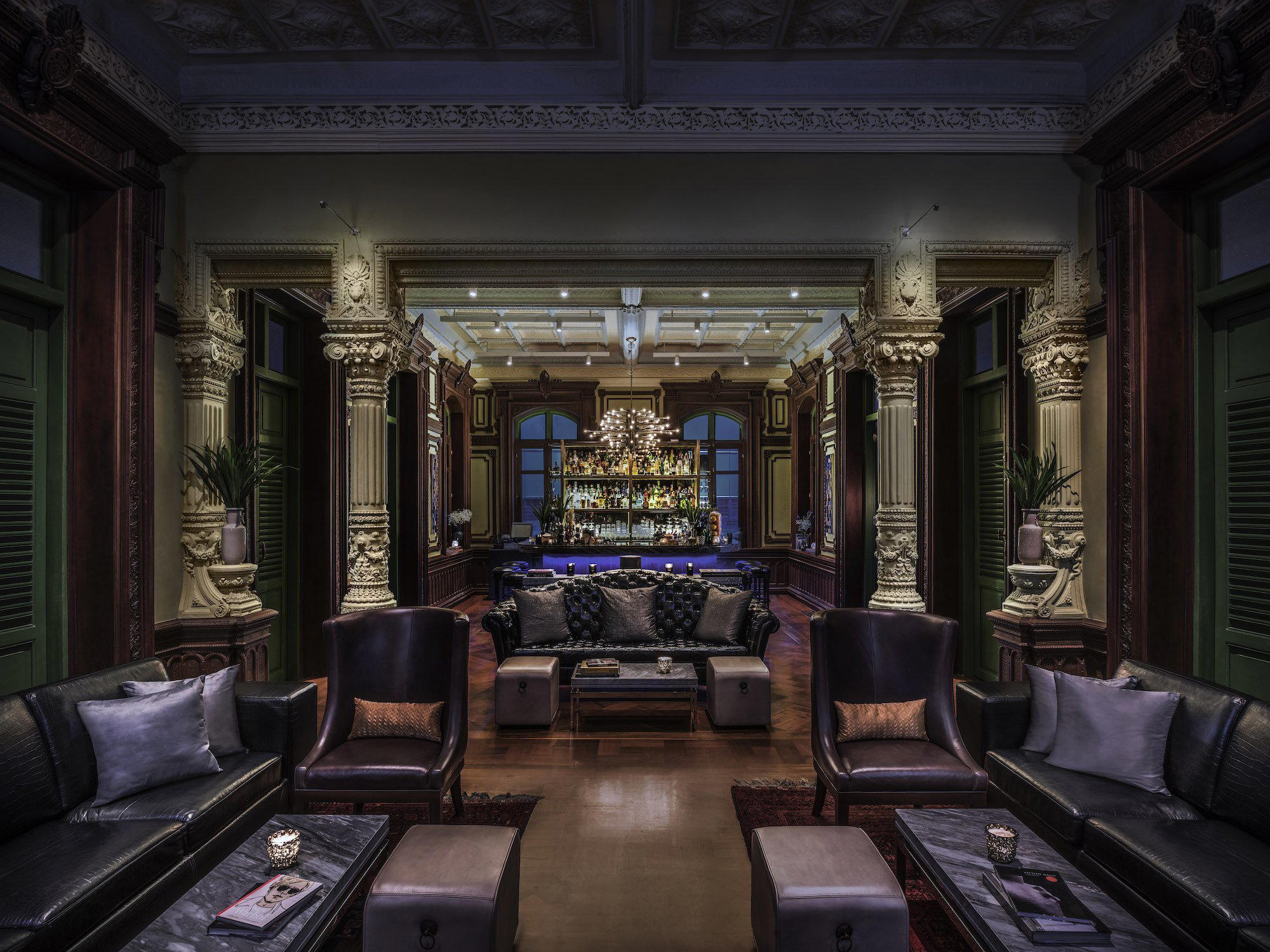
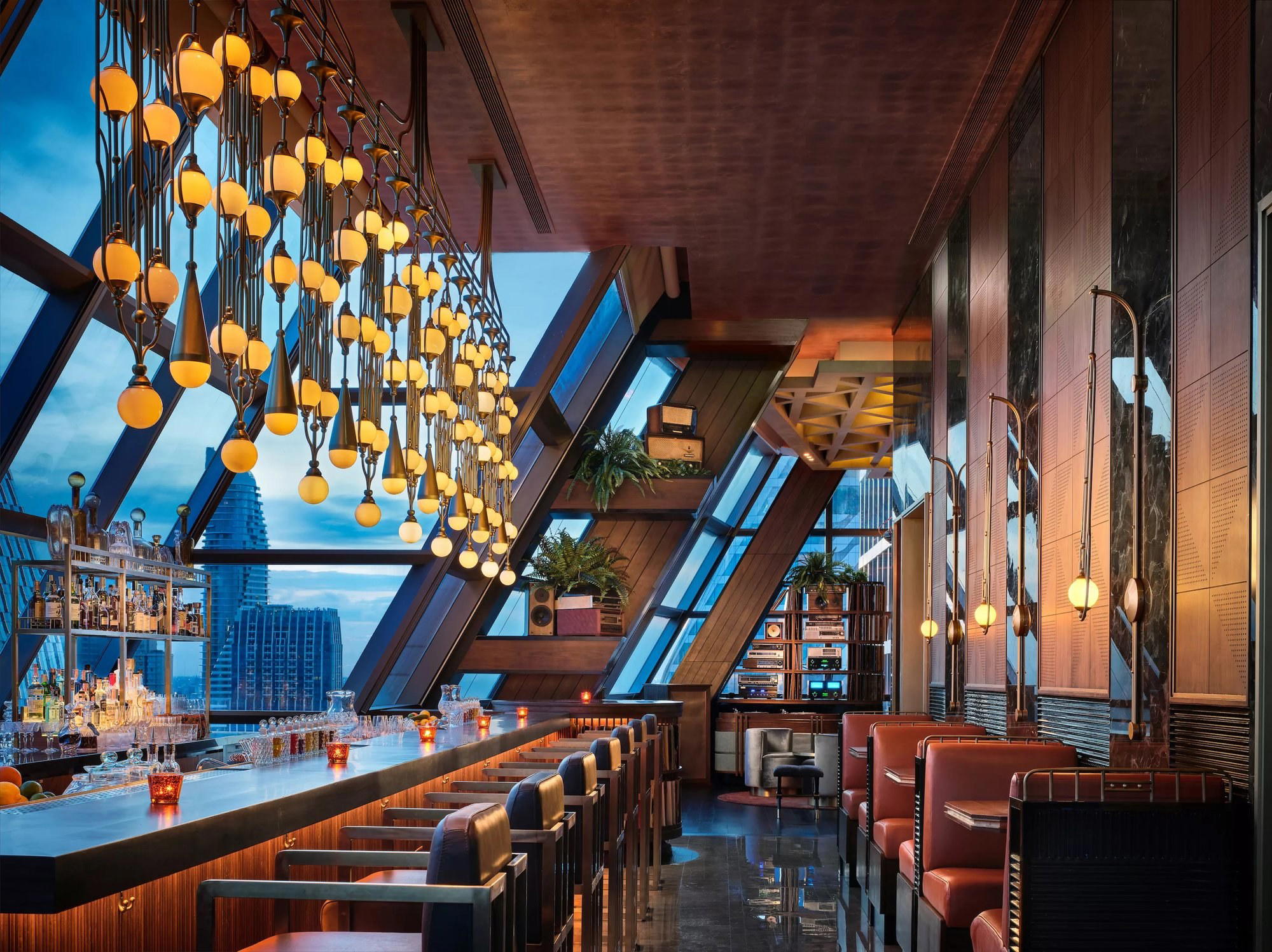
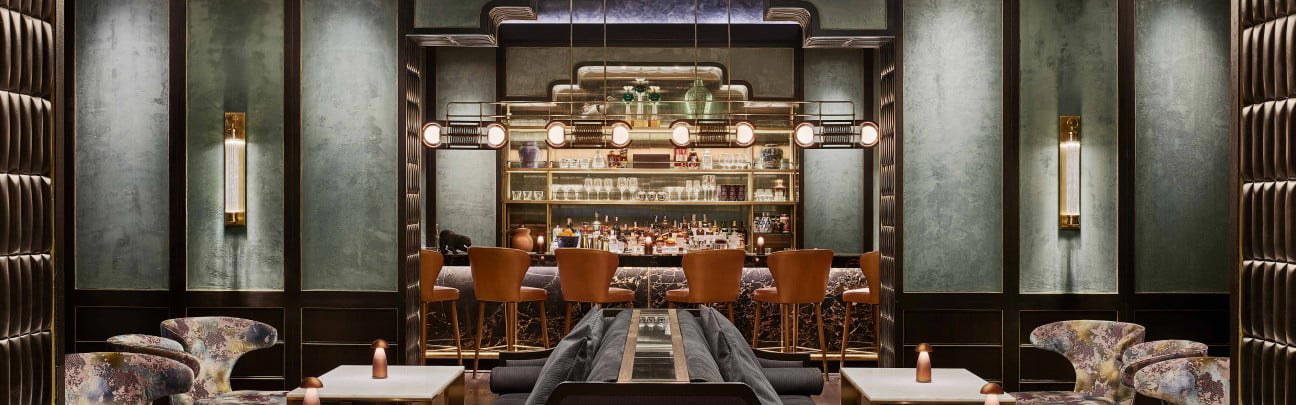
Spacious and intimate with natural light by day, lush greenery glowing at night, marble bar, and laid-back yet elegant atmosphere well-suited for conversation.