Our verdict
Where Dior's couture aesthetic meets Mauro Colagreco's Mediterranean-rooted cooking, Café Dior at Bangkok's Dior Gold House operates in a narrow tier of fashion-house dining that has few direct peers in Southeast Asia. The format pairs luxury brand architecture with a kitchen program shaped by one of the most decorated names in contemporary French-Mediterranean cuisine. It sits comfortably alongside Bangkok's other ฿฿฿฿ destination restaurants as an occasion-driven address.

Pearl is the En Primeur Club membership app, where members save venues, book tables and use the concierge.
The menu
What to order
- Le Soleil
- L'Abeille
- Le Jardin de La Colle Noire
Fashion-House Dining and What It Actually Means in Bangkok
A specific category of restaurant has emerged in major Asian cities over the past decade: the fashion-house café or dining room, where a luxury brand uses food as a spatial and experiential extension of its identity. These venues exist at the intersection of retail architecture and serious hospitality, and they are evaluated differently from conventional fine dining. The question is not simply whether the food is good, but whether the overall proposition holds together: does the culinary program earn its position inside the brand environment, or does it recede into backdrop?
Café Dior by Mauro Colagreco, operating within Bangkok's Dior Gold House, sits at the sharper end of that format. Colagreco's involvement places it in a different bracket from fashion-house cafés that treat the kitchen as an afterthought. His flagship, Mirazur in Menton, held the number one position on the World's 50 Best Restaurants list and carries three Michelin stars, making him one of the most credentialed names attached to any dining concept in Bangkok. That credential functions here not as decoration but as a signal about the seriousness of the food program relative to its peers in the luxury-brand dining category.
The Environment Before the Menu
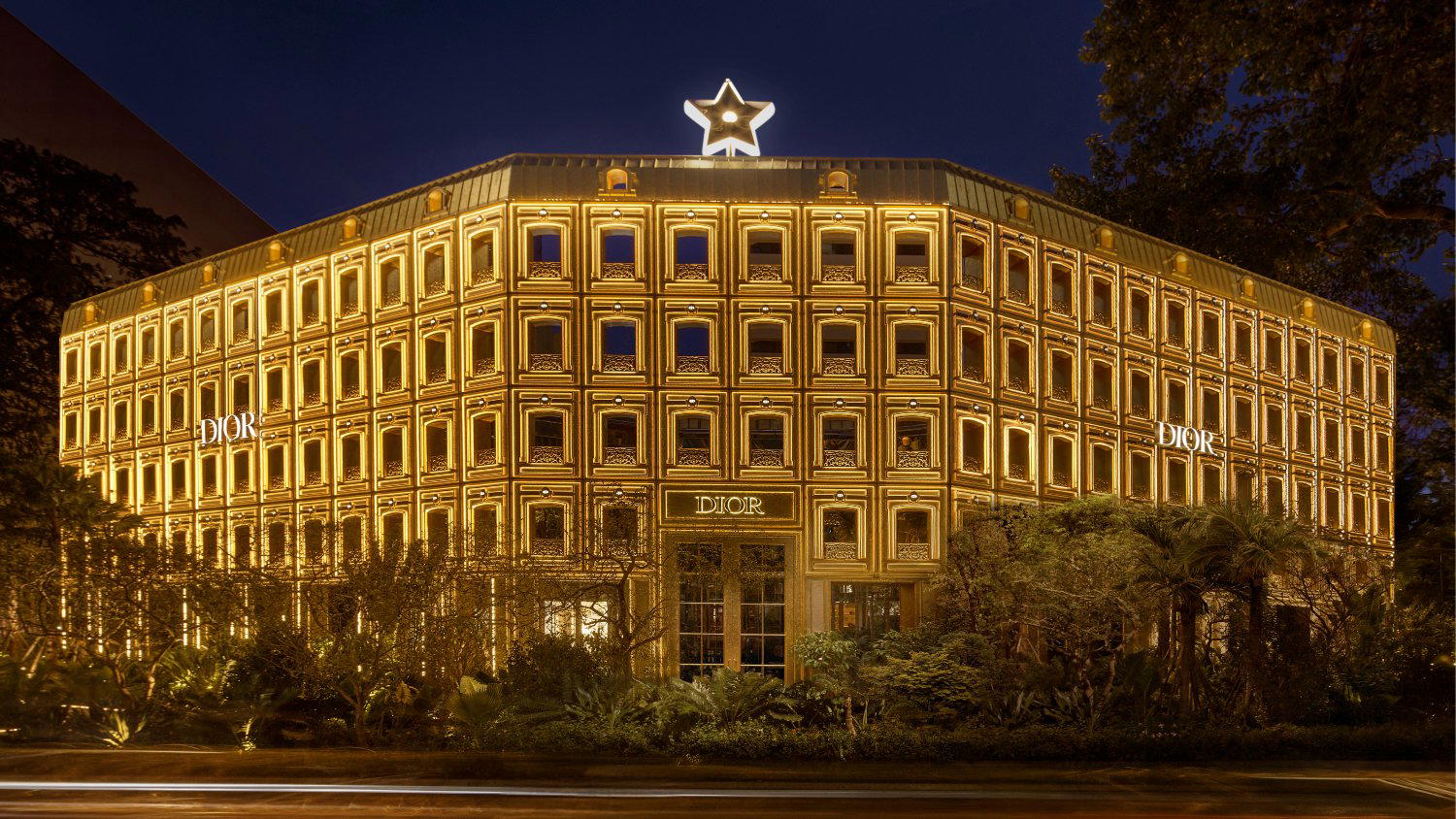
Fashion-house dining spaces in Asia tend toward one of two registers: maximalist theatrical (where the brand's visual language is applied at every surface) or restrained architectural (where the brand identity is felt through proportion, material, and light rather than logo density). Dior Gold House in Bangkok leans toward the latter, which is consistent with how the house has approached its retail and hospitality spaces in other markets. Arriving at a space like this, the physical sequence matters: the transition from street or lobby into the café itself is part of what you are paying for, and Bangkok's version of this experience reflects the house's consistent investment in architecture as brand language.
The dining environment positions the café against a specific cohort in Bangkok: not the street-level Thai restaurants that anchor the city's food culture at every price point, but the handful of destination dining rooms where setting, service, and culinary ambition are expected to work together. In that cohort, direct comparisons include Sühring, where two brothers have built one of the city's most technically rigorous European fine-dining programs, and Gaa, which brings a Noma lineage to modern Indian-inflected cooking. Café Dior's proposition is different from either: it is not an independent fine-dining statement but a brand-embedded concept where the Dior visual world and Colagreco's culinary sensibility are meant to reinforce each other.
Colagreco's Sourcing Philosophy and Its Relevance Here
The sustainability angle at any Colagreco-associated project warrants attention because it is one of the more substantively documented commitments in contemporary fine dining. At Mirazur, the kitchen has operated according to a biodynamic calendar for menu planning, sourced almost entirely from the restaurant's own gardens and local producers, and has received certification from various environmental bodies. That is a verifiable record, not a marketing position, and it shapes expectations for any affiliated concept.
In the context of Bangkok, where supply chains for luxury dining are complex and the provenance of imported European produce is rarely transparent, a kitchen shaped by Colagreco's ethos would logically prioritize local sourcing where possible. Thailand's agricultural diversity gives any serious kitchen genuine options: the northern highlands produce herbs and vegetables that rival what European mountain restaurants access locally, and the Gulf of Thailand provides seafood that, at its finest, does not require importation to compete with Mediterranean catches. Whether Café Dior executes on that sourcing philosophy with the same discipline as Mirazur is a question the kitchen's actual purchasing decisions would answer, but the framework is there from Colagreco's documented practice.
This matters editorially because Bangkok's most compelling sustainability stories in dining are currently coming from Thai-led kitchens. Baan Tepa has built a coherent local-sourcing program around Thai contemporary cuisine, and Sorn has made southern Thai ingredient provenance a central part of its identity. A European-heritage concept operating inside a French luxury brand has to work harder to make a sourcing argument feel credible in this city, and that is a legitimate critical consideration.
Beyond Bangkok, the broader Thai dining scene has produced compelling sustainability-oriented programs at various scales: PRU in Phuket has built a farm-to-table model around its own produce, and regional kitchens like AKKEE in Pak Kret demonstrate how ingredient specificity can anchor a restaurant's identity at price points well below the luxury tier. Internationally, the sourcing-first approach has deep roots at places like Le Bernardin in New York City, where ingredient quality functions as the primary editorial statement of the kitchen. Café Dior enters a conversation that already has sophisticated participants.
Where It Sits Among Bangkok's ฿฿฿฿ Tier
Bangkok's high-end dining market has consolidated around a recognizable set of addresses at the ฿฿฿฿ price point, and Café Dior operates at that level. The relevant comparison set includes not just Sühring and Gaa but also Côte by Mauro Colagreco, which is Colagreco's other Bangkok presence and operates a Mediterranean-focused format that gives diners a direct point of comparison within the same chef's portfolio. Understanding how Café Dior differentiates from Côte is one of the more useful questions for anyone considering both.
Côte functions as a more conventional fine-dining proposition, while Café Dior operates within the fashion-house format, which implies a different rhythm: the experience is likely shorter in duration, potentially less structured around a multi-course progression, and more accessible as a daytime or afternoon destination. In cities like Tokyo and Paris, Dior café formats have been received as premium but approachable, priced above casual dining but below a full tasting-menu commitment. Bangkok's version would logically follow that model, making it a distinct choice from a dinner at Sorn or a full evening at Baan Tepa rather than a direct competitor.
For anyone assembling a serious Bangkok dining itinerary, the full range of options is covered in our full Bangkok restaurants guide, which maps the city's dining options across price tiers and cuisine categories. Regional options worth knowing about for travelers moving beyond the capital include Ayutthayarom in Phra Nakhon Si Ayutthaya, Anuwat in Phang Nga, Baan Heng in Khon Kaen, Baan Chik Pork Noodles in Udon Thani, Banrimbung in Nakhon Pathom, Banmai Chay Nam in Nakhon Ratchasima, Baan Suan Lung Khai in Ko Samui, and The Spa in Lamai Beach.
For planning purposes, Café Dior at Dior Gold House is accessible via Bangkok's central shopping and luxury retail districts. As with most fashion-house dining concepts in the region, booking in advance is advisable, particularly for weekend visits or when Dior is hosting brand events. Dress expectations align with the house's aesthetic: smart, considered, and consistent with the environment. The format suits a midday or afternoon visit as much as an evening one.
Frequently asked questions
Can I bring kids to Café Dior by Mauro Colagreco (Dior Gold House)?
Café Dior operates within the Dior Gold House in Bangkok, a flagship retail and hospitality environment pitched firmly at the ฿฿฿฿ price tier. The setting is formal enough that young children may find the pace and atmosphere difficult, though no explicit age restriction is documented. Families with older children who are comfortable in luxury retail contexts are more likely to find the experience a good fit.
What's the vibe at Café Dior by Mauro Colagreco (Dior Gold House)?
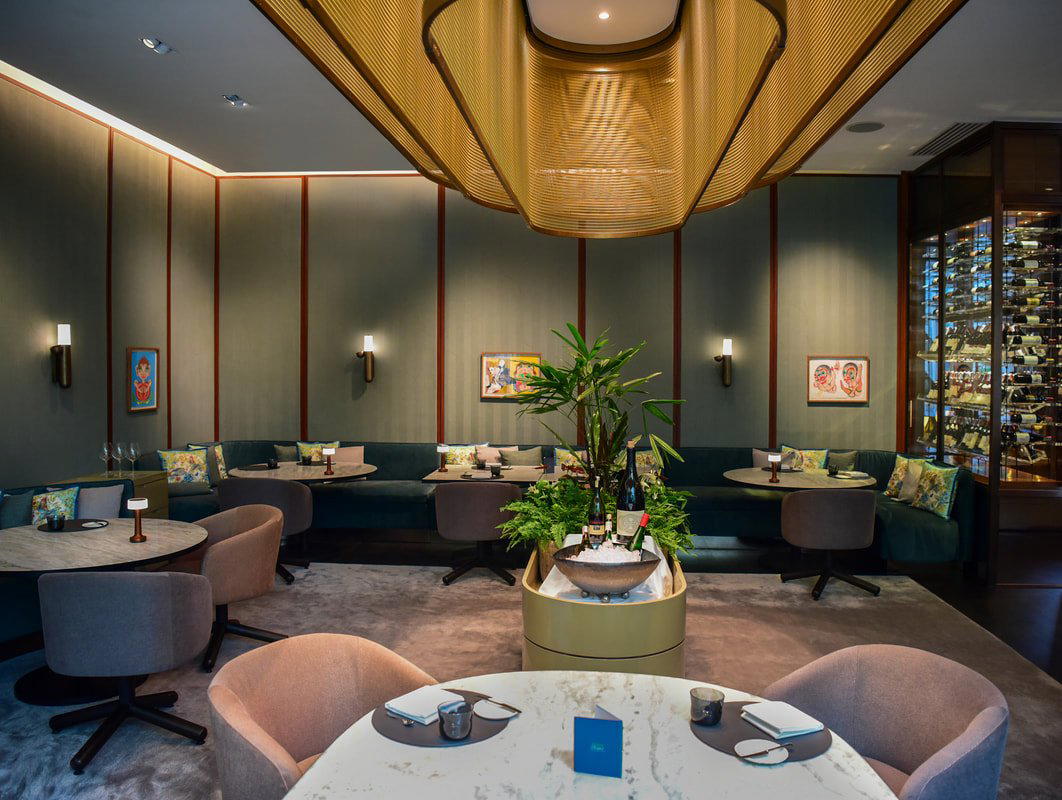
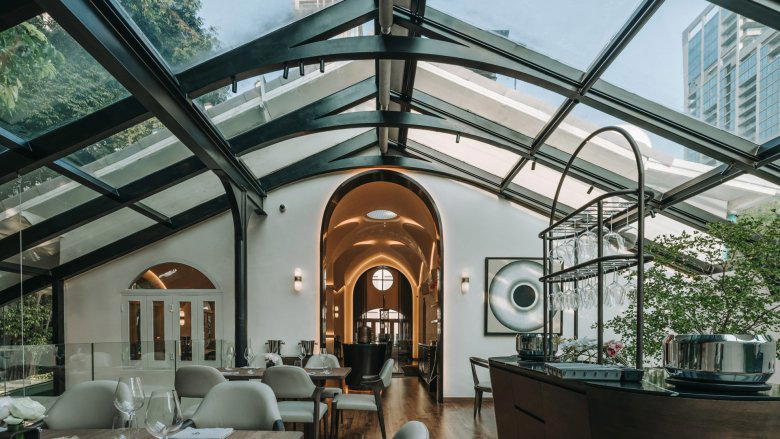
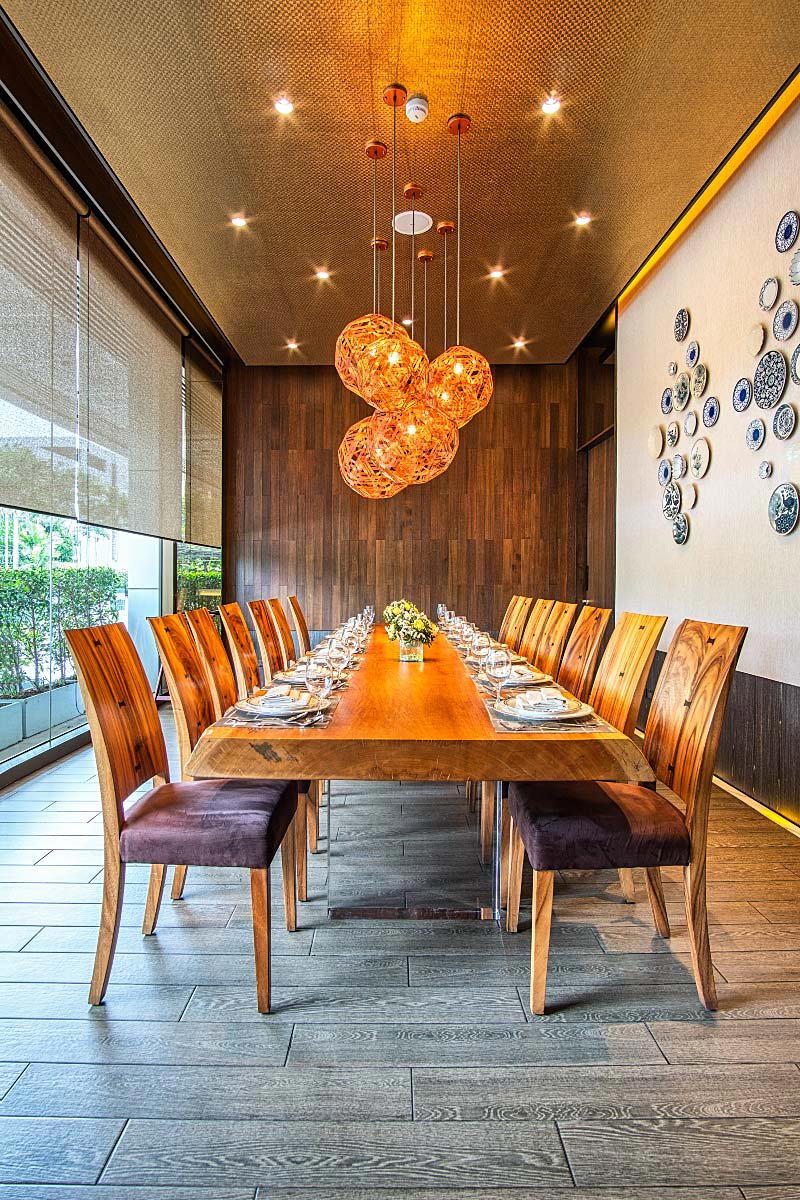
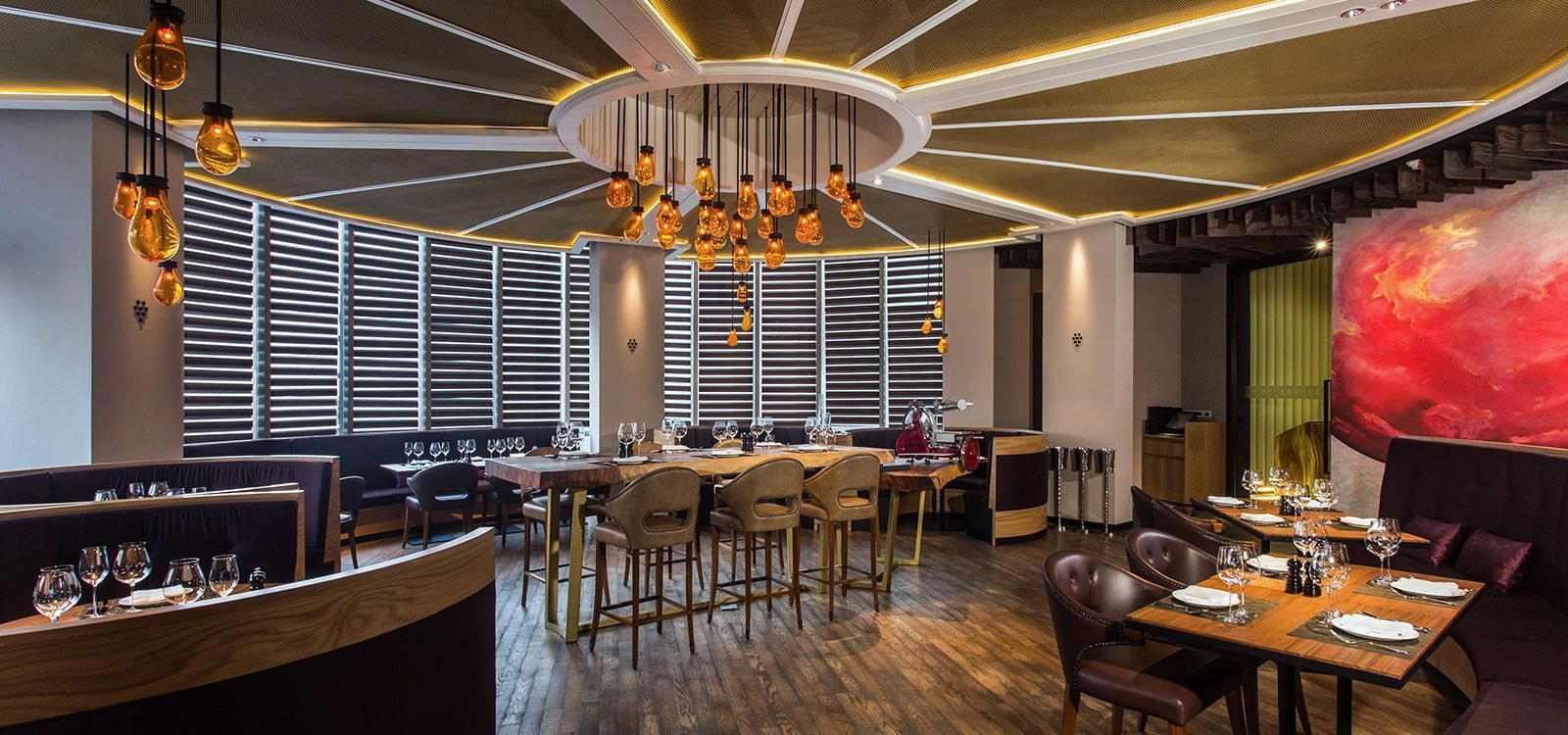
The environment sits inside Dior Gold House, Bangkok, which means the visual language of the fashion house frames the entire room before a dish arrives. Fashion-house dining spaces in Asia tend to apply brand identity at every surface, and Dior's palette, structured, restrained, European, carries through. Expect a composed atmosphere closer to a Parisian maison than a Bangkok hotel all-day dining room.
How does Mauro Colagreco's involvement shape Café Dior in Bangkok compared to his other projects?
Colagreco's flagship, Mirazur in Menton, France, holds three Michelin stars and ranked No. 1 on the World's 50 Best Restaurants list in 2019, credentials that distinguish the Café Dior partnership from typical fashion-house café formats where a brand simply licenses a name. In Bangkok's ฿฿฿฿ dining tier, that association signals a genuine culinary brief rather than a branding exercise. The sustainability sourcing philosophy documented across Colagreco's wider portfolio is the most transferable element to watch in a café-scale operation.
What should I eat at Café Dior by Mauro Colagreco (Dior Gold House)?
That framework typically shapes ingredient selection and seasonal direction. Visiting with an eye toward produce-led dishes reflects the logic of the collaboration.
A compact comparison to help you place this venue among nearby peers.
| Venue | Cuisine | Price | Awards | Notes |
|---|---|---|---|---|
| Café Dior by Mauro Colagreco (Dior Gold House)This venue (the venue you are viewing) | French Patisserie by Mauro Colagreco | $30–50 | Not listed | Not listed |
| Sorn | Fine Southern Thai | $200–300 | 3 Michelin Stars · World's 50 Best #12 | Southern Thai, ฿฿฿฿ |
| Baan Tepa | Creative Thai Fine Dining | $150–200 | 2 Michelin Stars · World's 50 Best #90 | Thai contemporary, ฿฿฿฿ |
| Côte by Mauro Colagreco | Riviera Mediterranean Fine Dining | $200–300 | 2 Michelin Stars · World's 50 Best #91 | Mediterranean, Modern Cuisine, ฿฿฿฿ |
| Gaa | Modern Indian Fine Dining with Thai Influences | $150–200 | 2 Michelin Stars · World's 50 Best #95 | Modern Indian, Indian, ฿฿฿฿ |
| Sühring | Modern German Fine Dining | $200–300 | 3 Michelin Stars · World's 50 Best #14 | German, ฿฿฿฿ |
Continue exploring
More in Bangkok
Restaurants in Bangkok
All restaurants in Bangkok →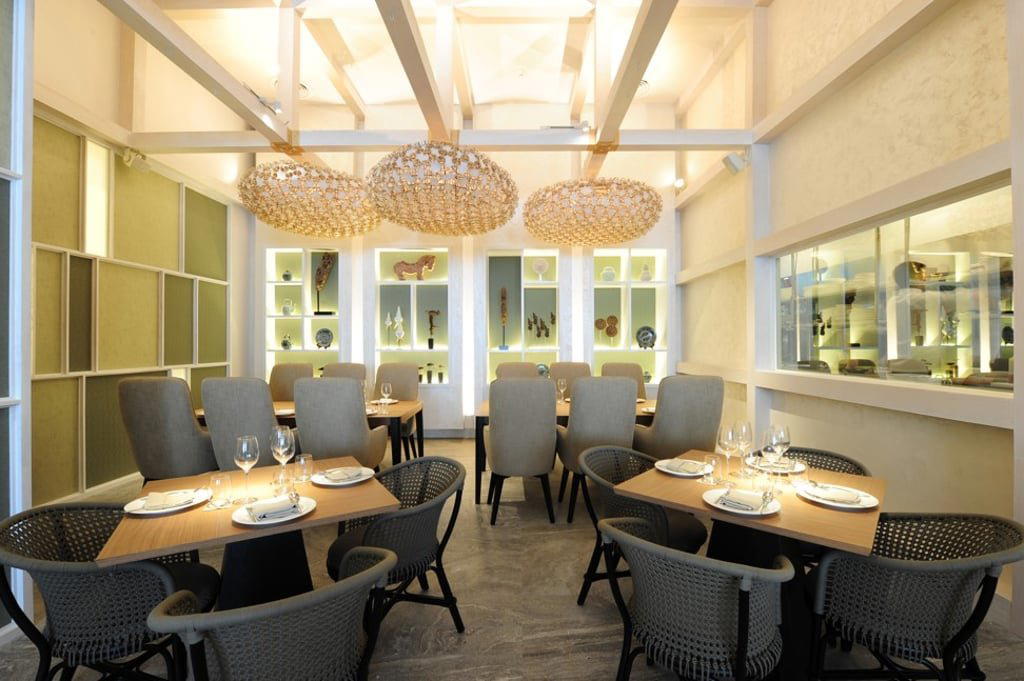
Details
- Elegant
- Sophisticated
- Ornate
- Modern
- Special Occasion
- Date Night
- Design Destination
- Hotel Restaurant
- A La Carte
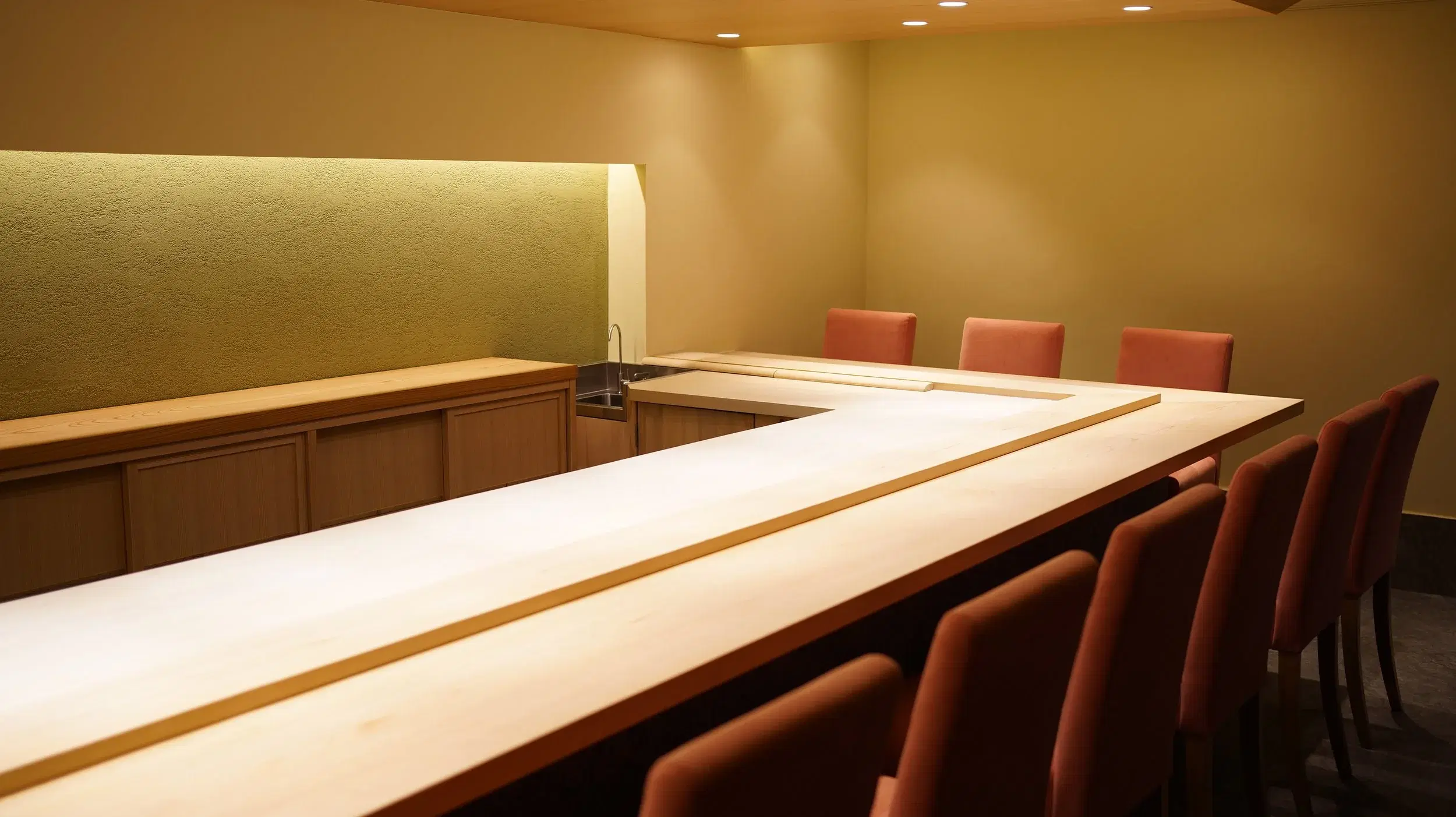
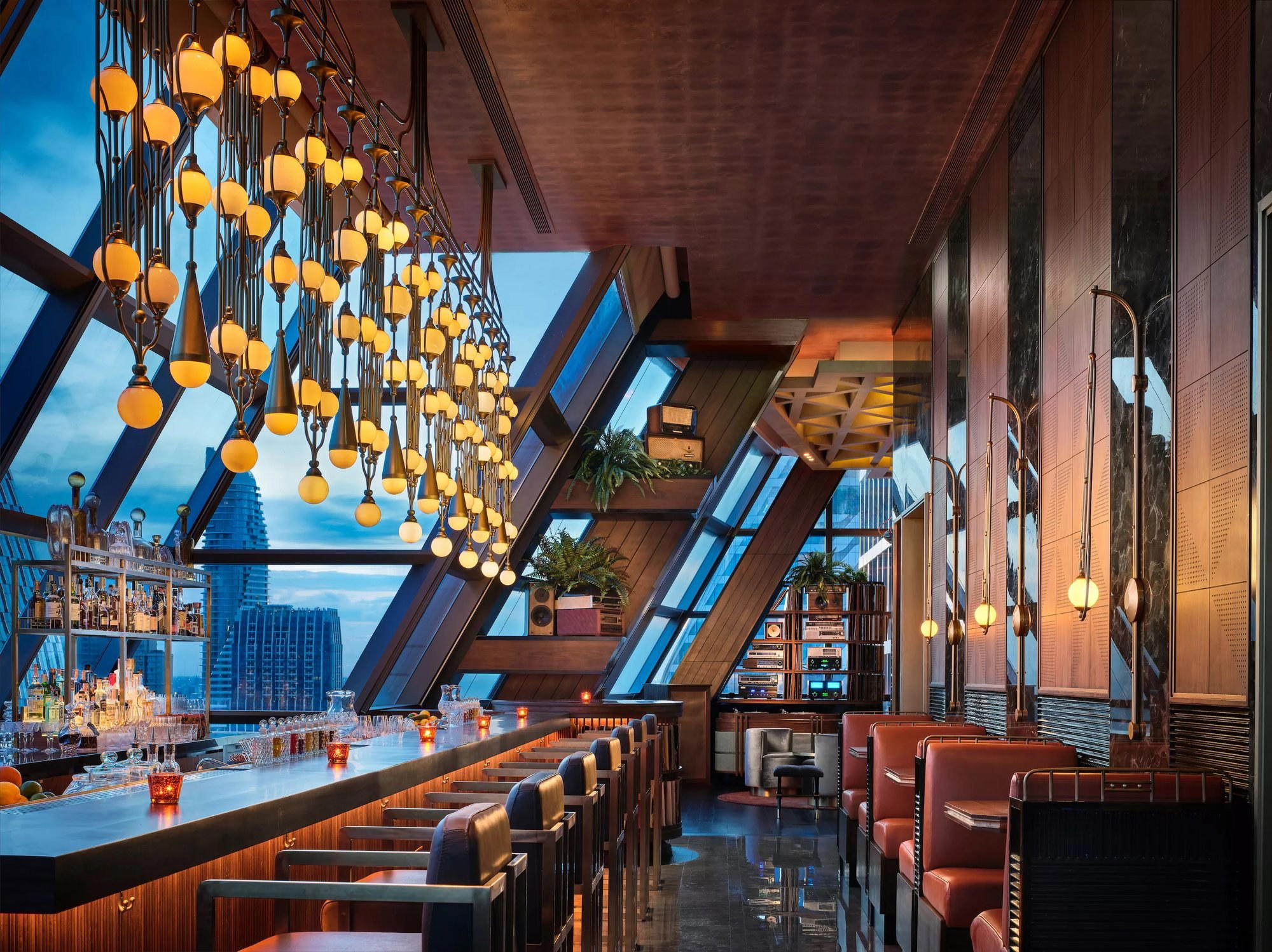
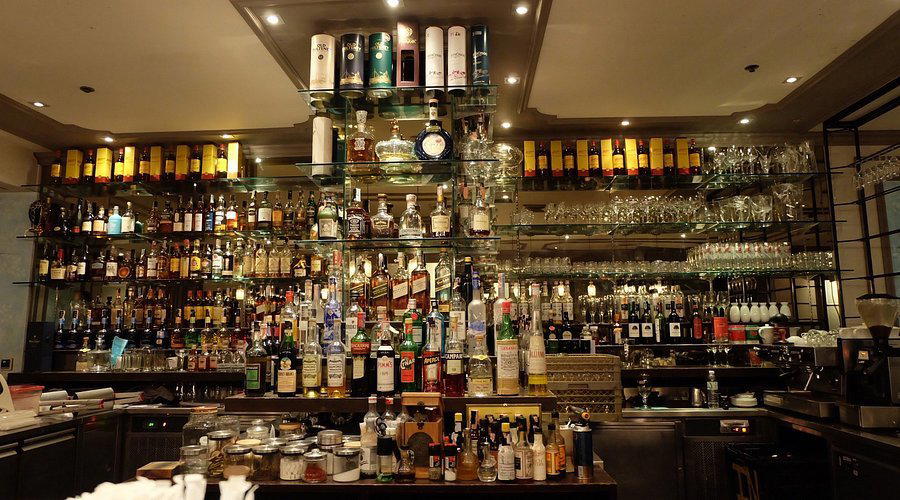
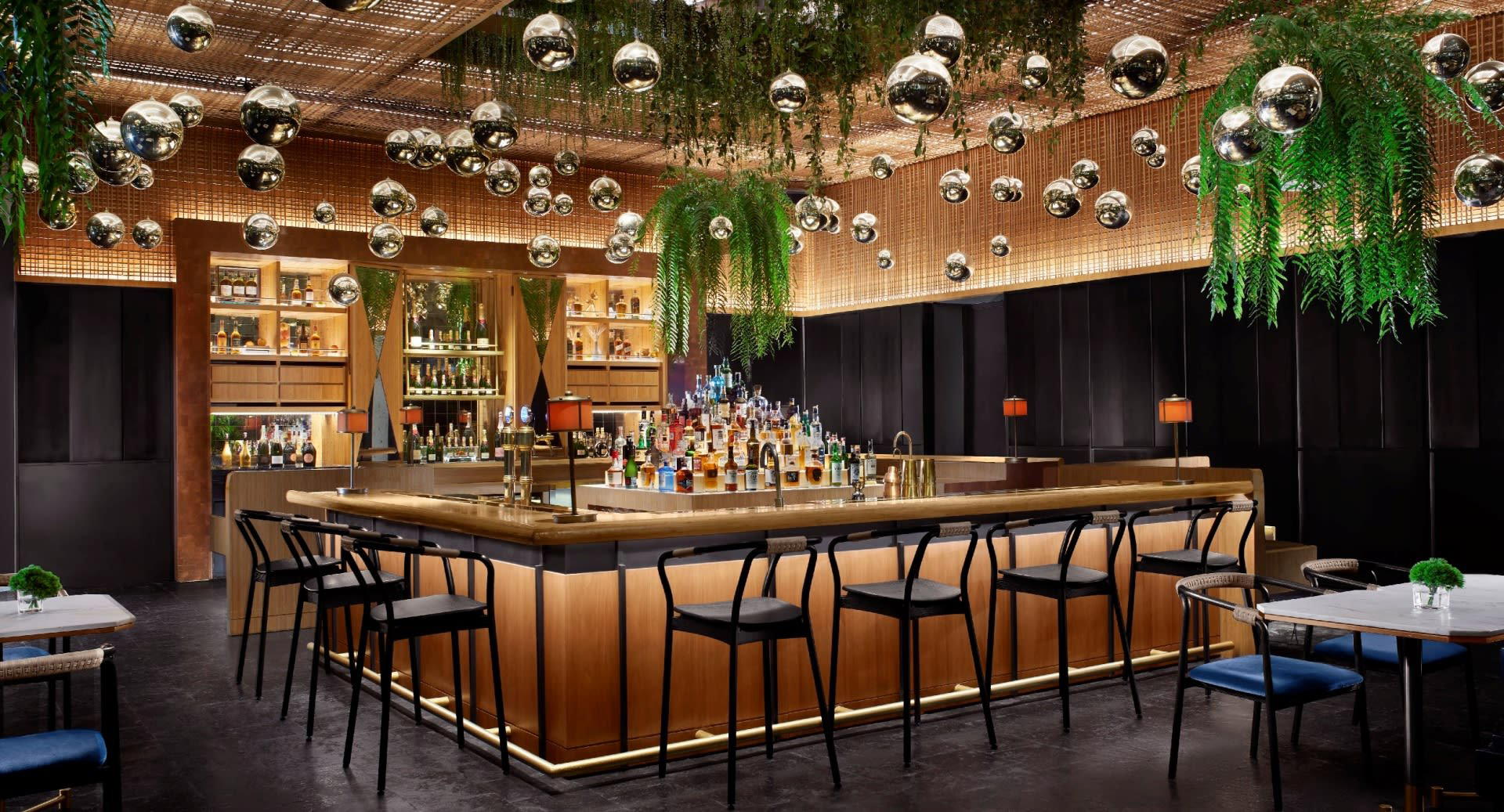
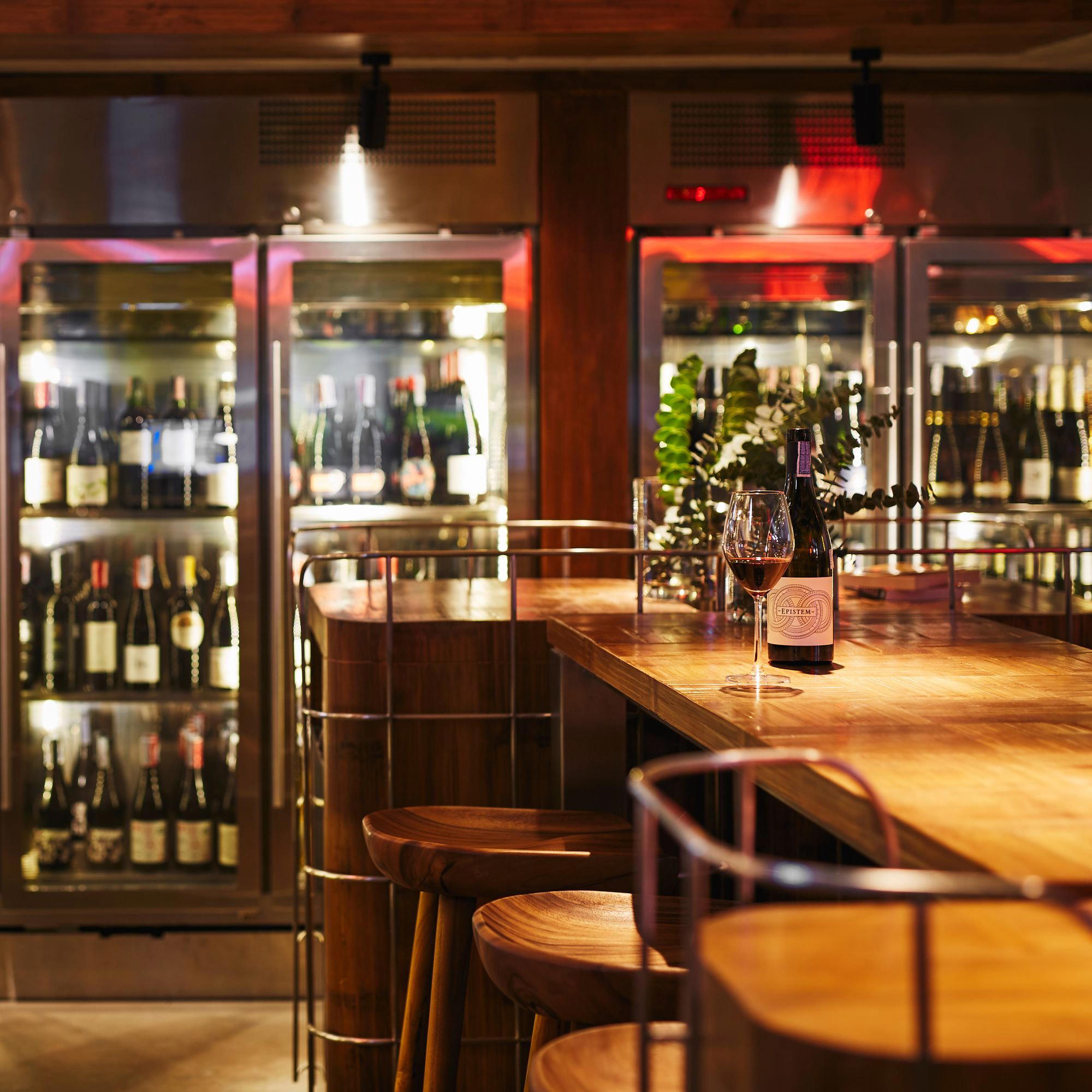
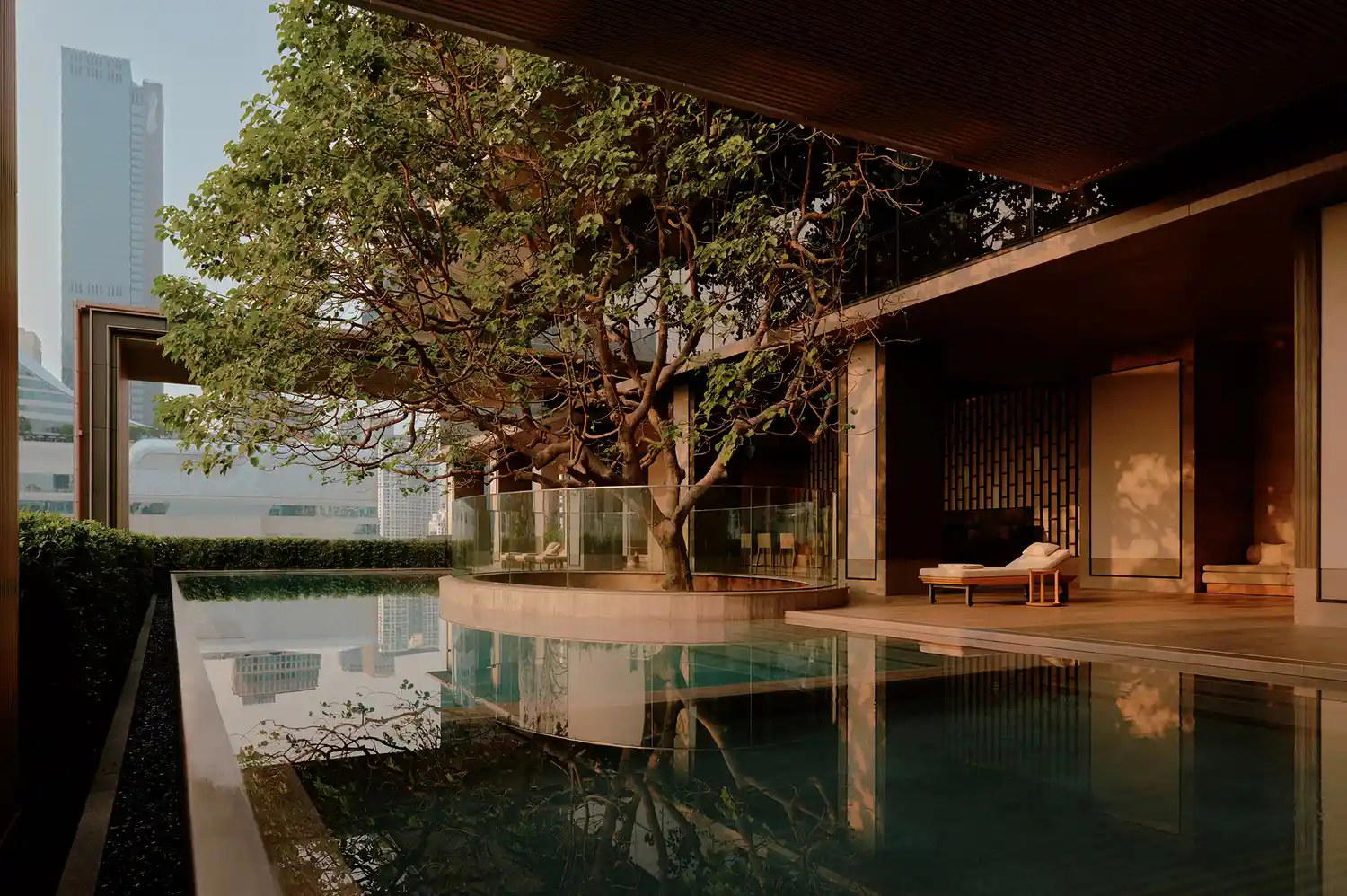
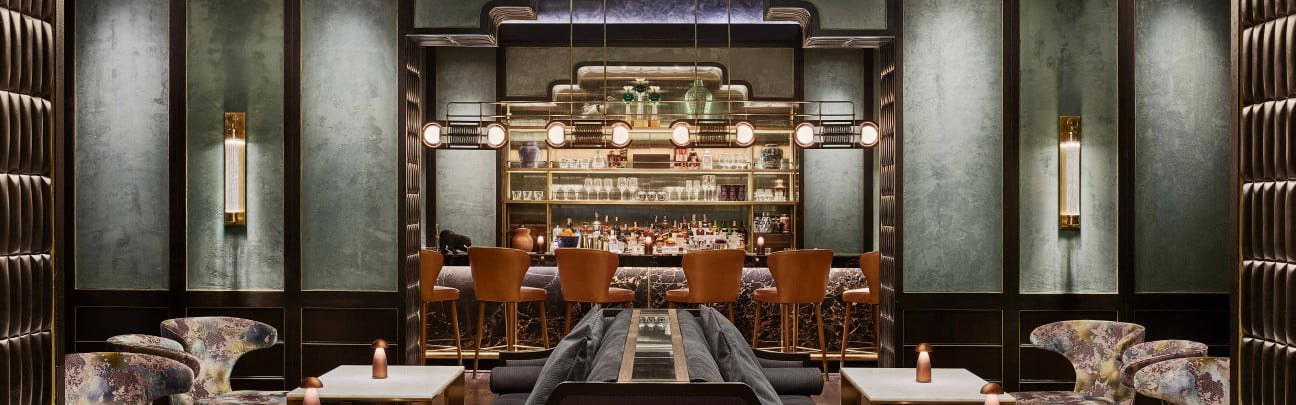
Chic and elegant ambiance blending French luxury with intricate bamboo installations depicting enchanting flora and fauna, wrapped in ornate gold accents and couture-inspired decor.