
Set on a working organic property in the Walloon Brabant countryside south of Brussels, Elements@Indrani builds its menu around what the kitchen garden produces each season. Chef Sebath Capela's approach treats the vegetable plot as the starting point for every plate, making the sourcing as visible as the cooking. The result is a destination that draws visitors looking for something quieter and more grounded than the Belgian fine-dining circuit.
Pearl is the En Primeur Club membership app — saves, bookings, and concierge access live there. Same editors, same standards.
- Address
- Chem. de la Waronche 1, 1471 Genappe, Belgium
- Phone
- +32 67 79 02 43
- Website
- indranilodge.com
- Directions
- Get directions
 Saves & bookings on Pearl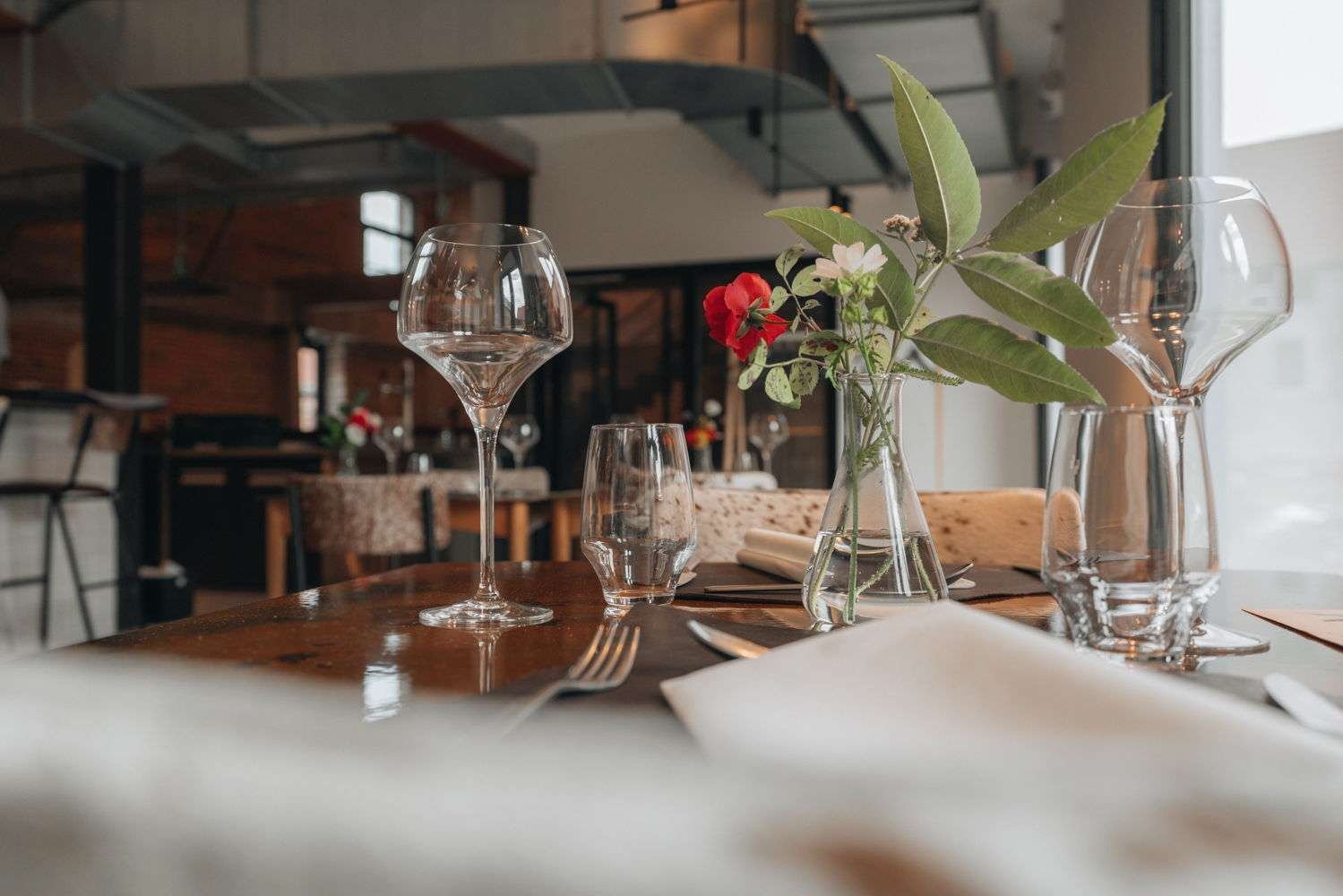
Where the Garden Sets the Agenda
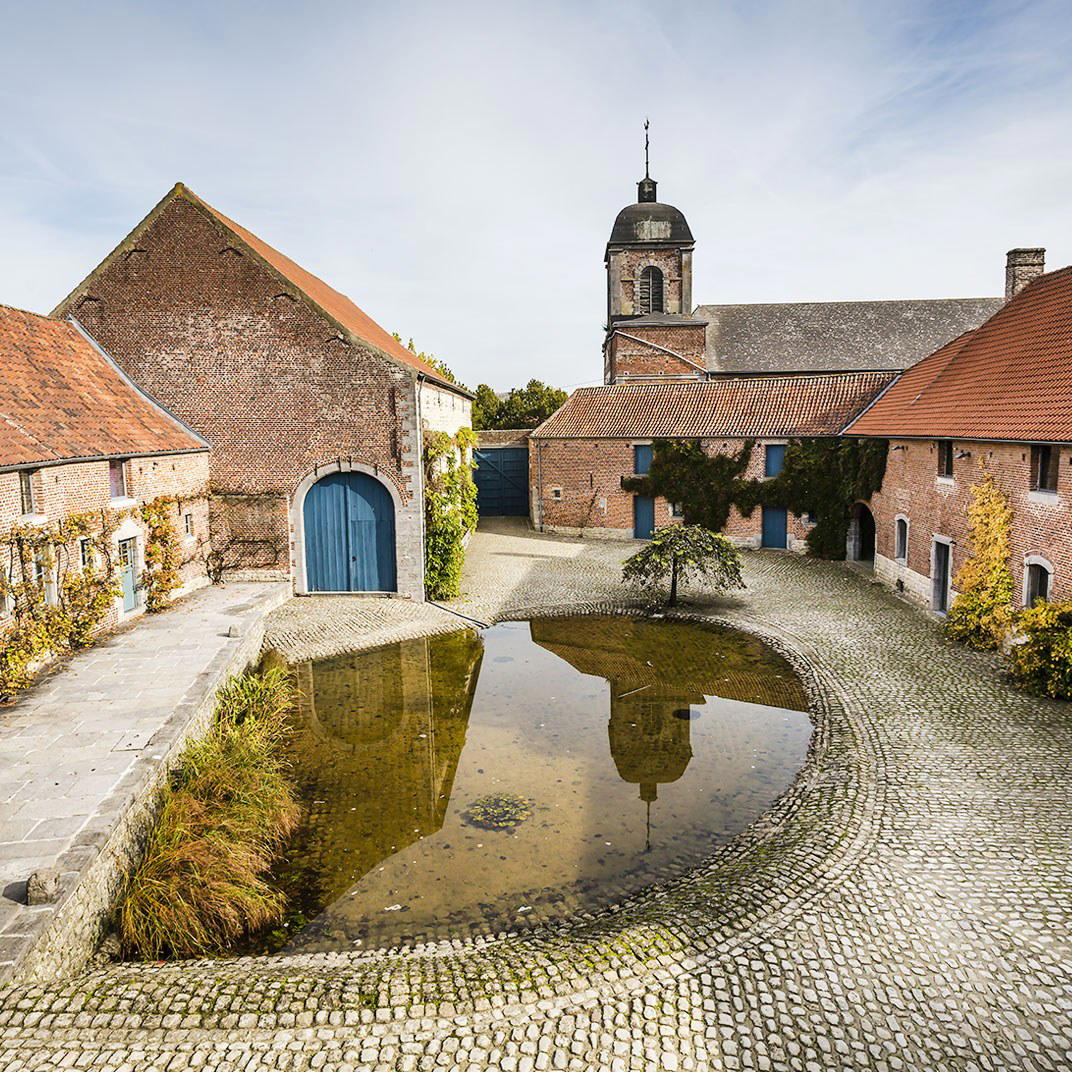
The road to Loupoigne offers few signals that something worth stopping for lies ahead. The Walloon Brabant countryside south of Brussels runs flat and agricultural, punctuated by farm tracks and low hedgerows rather than village squares with restaurant terraces. Arriving at Chemin de la Waronche, the property reads less like a dining destination and more like a working rural estate that happens to serve meals. That orientation is deliberate. Elements@Indrani belongs to a category of Belgian countryside restaurants where the land around the building is as much a part of the proposition as anything on the plate.
Belgium has a long tradition of serious cooking outside its major cities. Hof van Cleve - Floris Van Der Veken in Kruishoutem, Boury in Roeselare, and Willem Hiele in Oudenburg all operate at the high end of that tradition, drawing guests willing to travel for the food itself. Elements@Indrani occupies a different position on that spectrum: less formal, more openly connected to its agricultural setting, and oriented around recovery and seasonal rhythm rather than technical virtuosity as the primary selling point. That distinction matters when calibrating expectations.
Sourcing as Structure
The kitchen garden at Elements@Indrani is not a decorative afterthought. Chef Sebath Capela manages it as the operational core of the menu, meaning the vegetable harvest dictates what gets cooked rather than the other way around. This model, sometimes called garden-to-table to distinguish it from the broader farm-to-table category, places stricter constraints on the kitchen: there is no calling a supplier for out-of-season produce when the menu has been built around what is actually growing on the property.
Across Belgium and northern France, a small number of properties have moved toward this structure. L'Eau Vive in Arbre and d'Eugénie à Emilie in Baudour both operate in the Wallonia region with similarly localized sourcing philosophies. What each of these projects shares is an understanding that the tightest sourcing loop, property to plate, produces one direct seasonal expression, but also requires guests to accept a menu shaped by agricultural reality rather than culinary preference. At the restaurant, that contract is made explicit: the seasons dictate the creations, and the kitchen follows.
The organic certification of the garden adds another layer of commitment. Organic vegetable production in Belgian conditions, with its Atlantic-influenced wet winters and variable summers, is more demanding than in drier climates further south. The choice to work organically is less a marketing position than a constraint that affects every growing decision, from soil management to pest control, and filters through to what arrives in the kitchen. For guests, it means that what reaches the table has been grown without synthetic inputs, a distinction that carries more weight when you can see the garden from the dining room.
The Broader Belgian Context
Belgium punches significantly above its weight in European fine dining. Zilte in Antwerp, De Jonkman in Sint-Kruis, Bartholomeus in Heist, and Castor in Beveren represent a high-technique, often produce-driven approach that has made Belgian cuisine consistently competitive at the European level. Bozar Restaurant in Brussels and Cuchara in Lommel extend that range across different registers and regions.
The restaurant sits apart from most of that cohort. Where the Belgian fine-dining circuit tends toward precision, classical structure, and controlled luxury, the Loupoigne property leans toward a wellness-adjacent register: organic produce, seasonal menus, and a setting designed for what the venue describes as recharging. The framing is closer to the agritourism and health-retreat models gaining traction across Europe than to the white-tablecloth tradition. That is not a lesser position, it addresses a different need, but it does place the restaurant in a separate conversation from the high-technique Flemish and Walloon tables that dominate Belgian coverage internationally.
For guests who have already visited the major Belgian tables, or for those who find formal fine dining a poor vehicle for actual rest, the restaurant format offers a more direct connection between food, place, and recuperation.
Planning Your Visit
The restaurant is located at Chemin de la Waronche 1 in Genappe, in the municipality that includes Loupoigne, roughly 30 kilometres south of Brussels. The property is not accessible by public transport in any practical sense; a car is the realistic approach for most visitors. Given the rural setting and the wellness orientation of the concept, this reads less as a short evening reservation and more as a deliberate half-day or full-day commitment, the kind of trip that works well when it is not squeezed between other obligations. Reservations are recommended.
Side-by-Side Snapshot
Comparable venues nearby, for context on price, style, and recognition.
| Venue | Cuisine | Price | Notes |
|---|---|---|---|
| Elements@IndraniThis venue — the venue you are viewing | Plant-based Fine Dining | $$$ | Not listed |
| Den Optimist | Plant-Based Belgian | $$ | Vismarkt |
| Verdo | Plant-Based Belgian Brasserie | $$$ | Ixelles |
| L’ Atelier des Alchemistes | Modern Vegetarian Fine Dining | $$$ | Blaregnies |
| Boon | Modern Vegetarian Lunch Cafe | $$ | Binnenstad |
| De Levensboom | Plant-Based Fine Dining | $$ | city center |
Recognition history
Dated appearances from independent guides and award organizations, with the underlying list record or original source where available.
We're Smart World 3 Radishes
We're Smart World
Continue exploring
More in Loupoigne
Restaurants in Loupoigne
Browse all →
Bars in Loupoigne
Browse all →
At a Glance
- Elegant
- Cozy
- Intimate
- Sophisticated
- Minimalist
- Date Night
- Special Occasion
- Garden
- Extensive Wine List
- Natural Wine
- Farm To Table
- Local Sourcing
- Organic
- Garden
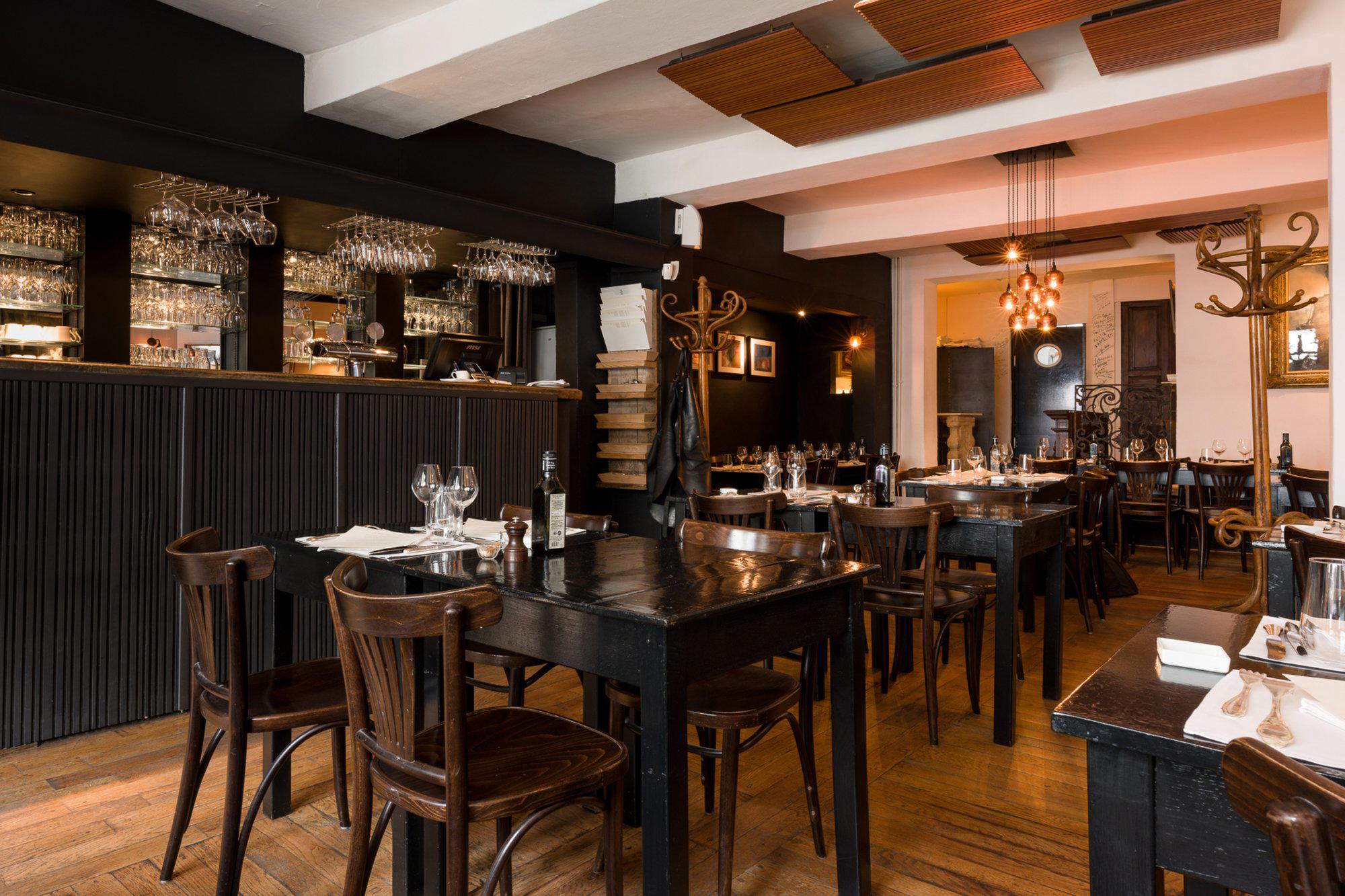
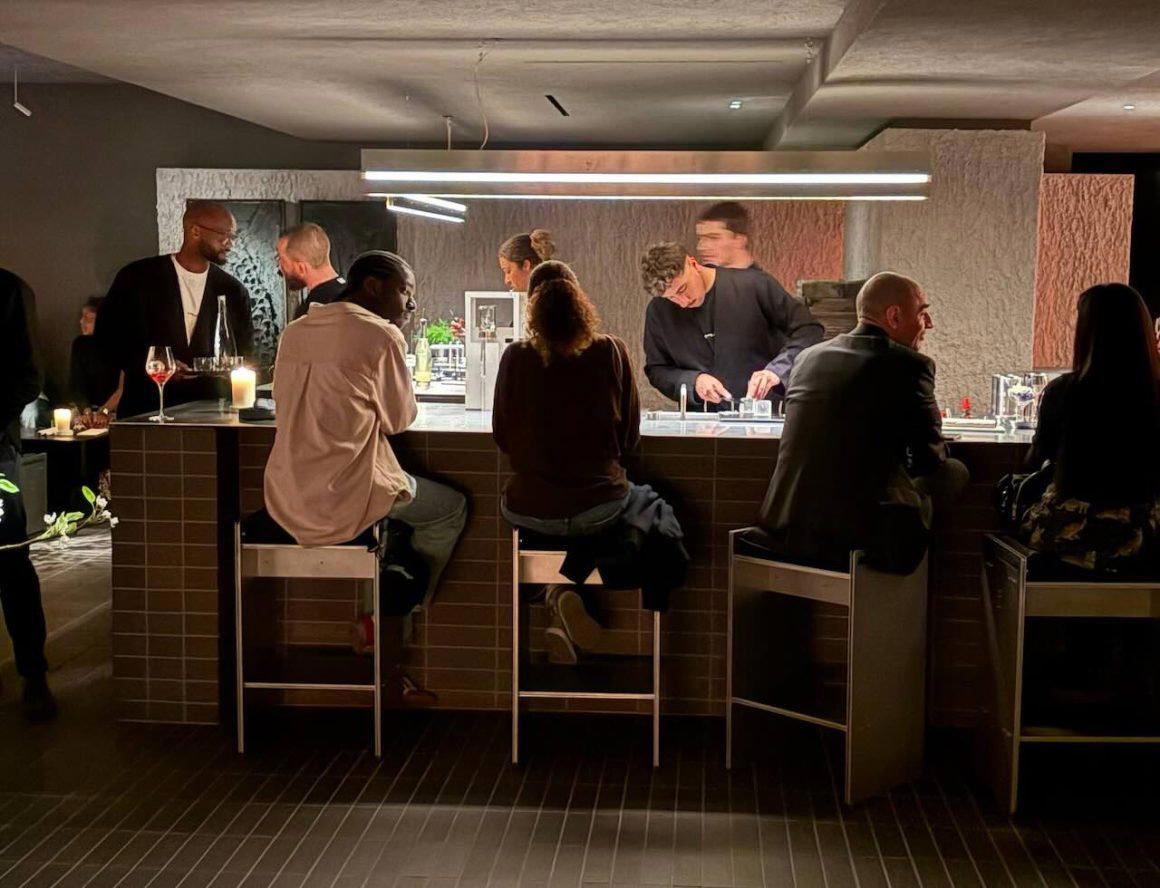
Minimalist and raw interior with a refined, plant-focused atmosphere.