De Keukentafel

De Keukentafel in Oosterzele operates as a working culinary farm where Anna and Fien Wynants cook what the surrounding land produces, running their seasonal restaurant from May through October alongside a B&B and events program. Vegetables hold the leading role, supported by garden herbs, flowers, cheese, nuts, and seeds. It is one of the more grounded expressions of farm-to-table cooking in the East Flemish countryside.
Pearl is the En Primeur Club membership app — saves, bookings, and concierge access live there. Same editors, same standards.
- Address
- Aalmoezenijestraat 1, 9860 Oosterzele, Belgium
- Phone
- +32 486 40 10 49
- Website
- de-keukentafel.com
- Directions
- Get directions
 Saves & bookings on Pearl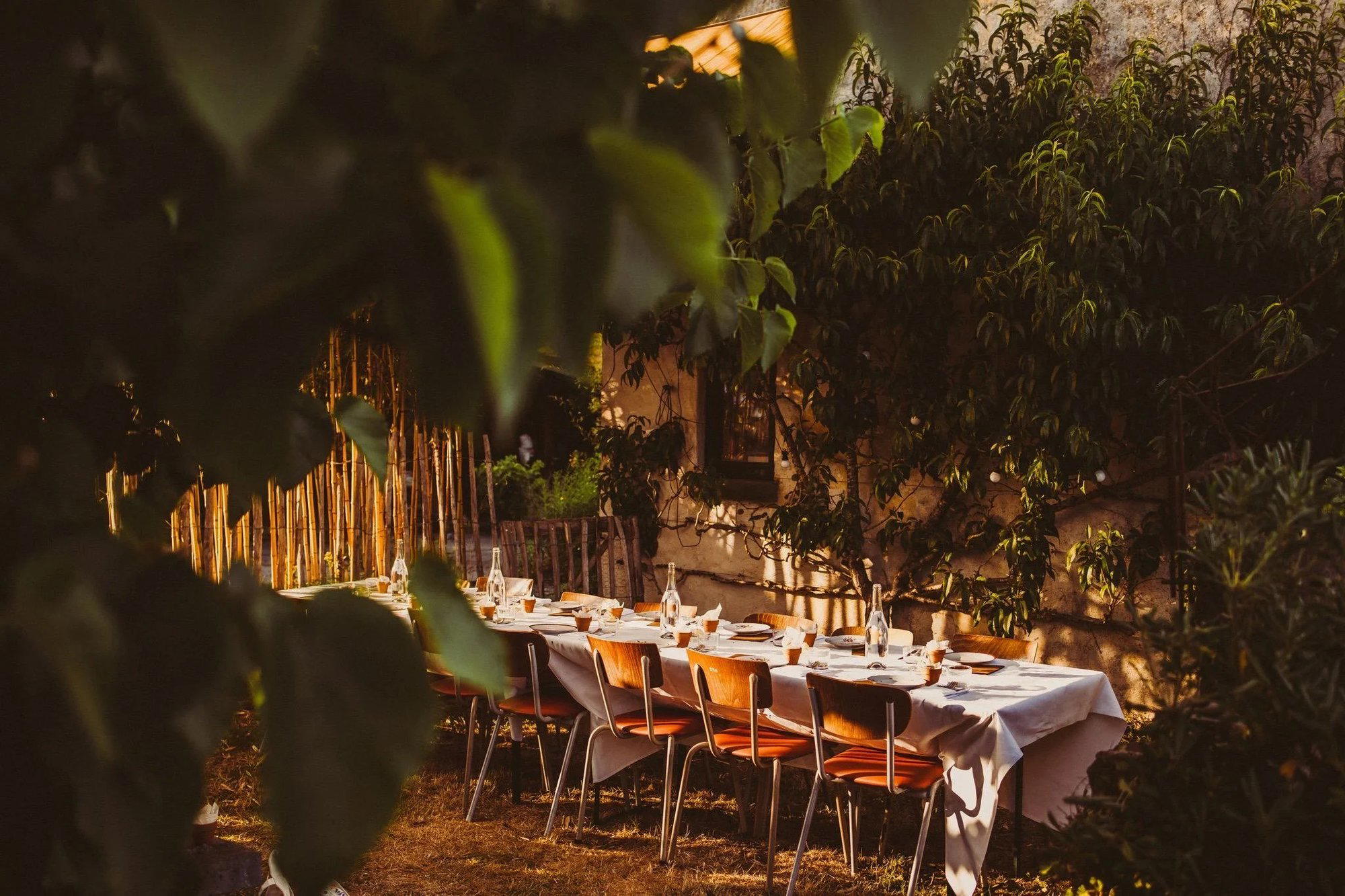
Where the Garden Sets the Menu
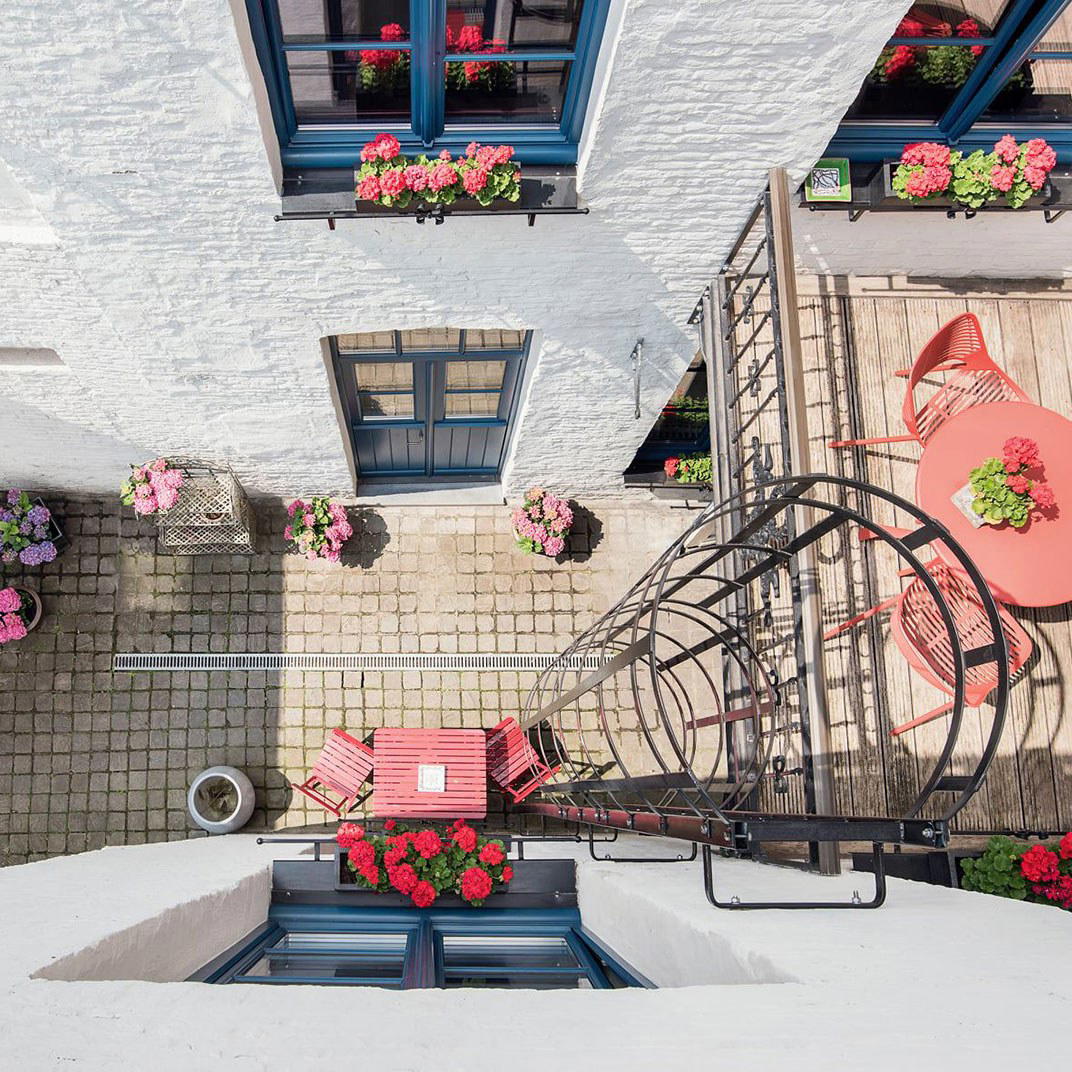
The road into Oosterzele does not prepare you for much drama. East Flanders rolls out in the familiar register of Flemish countryside: flat fields, church spires, farmsteads with deep-pitched roofs. It is precisely this ordinariness that makes De Keukentafel, the Kitchen Table, as its name translates, make sense as a concept. The restaurant sits at Aalmoezenijestraat 1, and the physical approach signals what the meal will be: you are arriving at a working farm, not a converted space that has borrowed agricultural aesthetics for atmosphere. The garden is the kitchen's supplier, the land around it is the pantry, and the season determines what appears on the plate.
This model of cooking has become a credible counter-movement across Belgium. In a country whose fine-dining circuit runs through names like Hof van Cleve in Kruishoutem, Boury in Roeselare, and Zilte in Antwerp, where sourcing is a considered element of technically ambitious menus, De Keukentafel operates at the other end of the spectrum. The ambition here is not technical complexity. It is fidelity to place, to what the soil produces in a given week, to the discipline of cooking without importing convenience.
A Farm That Happens to Serve Dinner
Belgium has a handful of operations that genuinely qualify as culinary farms rather than restaurants with kitchen gardens. The distinction matters. A restaurant with a kitchen garden selects what it wants to grow and fills the gaps from suppliers. A culinary farm inverts the relationship: the garden dictates the menu, and the cook finds ways to make that work. De Keukentafel describes itself in the second category, and the seasonal window, May through October only, is the structural proof of that claim. The restaurant does not operate in winter. That constraint, which would be a commercial liability elsewhere, functions here as the clearest editorial statement the venue can make about its philosophy.
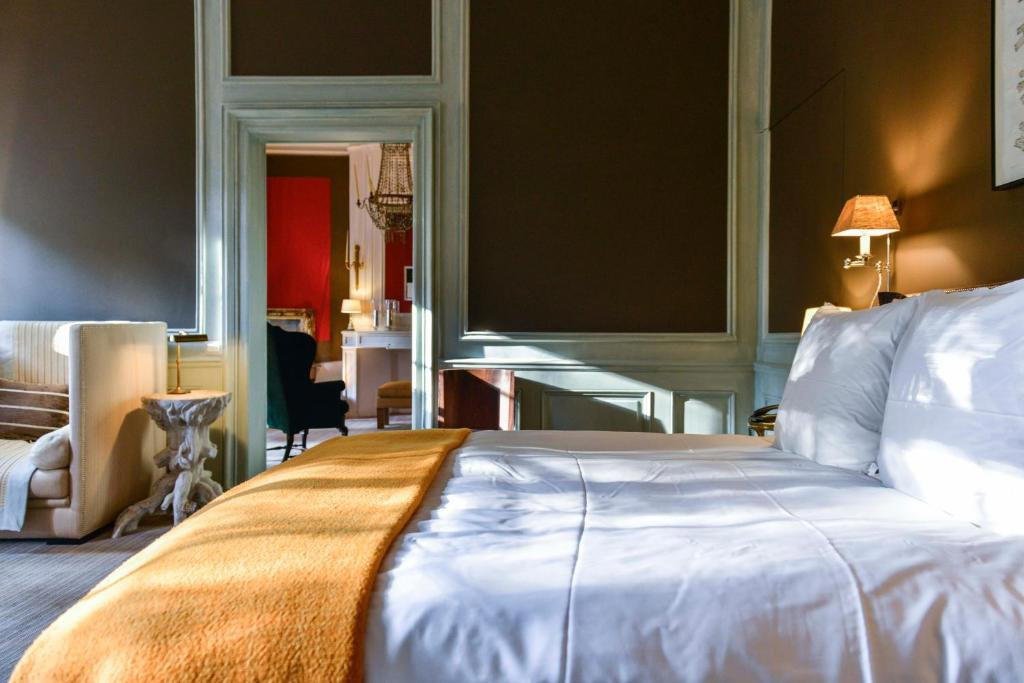
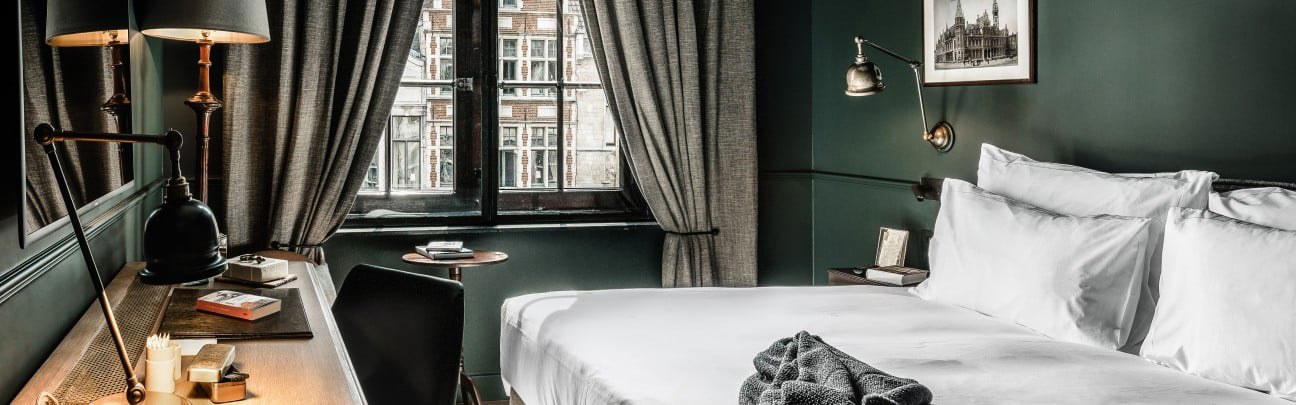
Anna and Fien Wynants run the project in full, and it extends beyond service. The property includes a B&B; and hosts events, making it a total proposition rather than a standalone dining address. For visitors considering an overnight stay in rural East Flanders, this combination situates the restaurant differently from a destination restaurant reached by taxi and left by midnight. You can, in effect, sleep inside the project.
Vegetables in the Lead Role
The cooking at the restaurant is built around vegetables as the main event, not as support. This places it within a broader shift in how Belgian and northern European kitchens have renegotiated the plate. The protein-centred model that defined Flemish cooking for generations is under quiet revision in places like this, where cheese, fresh herbs, edible flowers, nuts, and seeds do the work that meat or fish would previously have done: adding depth, texture, fat, and contrast to vegetable-driven dishes.
That approach requires genuine skill in vegetable cookery, an area where Belgian cuisine has historically been strong. The country's tradition of treating leeks, endive, and root vegetables with the same seriousness as protein is a foundation the restaurant builds on rather than inventing from scratch. The result, as described by those who have eaten there, is cooking that reads as pure rather than austere, nature on the plate without excessive intervention or flourish.
For comparison, operations like Willem Hiele in Oudenburg and Castor in Beveren position vegetables within technically elaborate frameworks. The restaurant moves in a different direction, where the produce itself carries the narrative and the kitchen's role is to clarify rather than transform.
Planning Your Visit
The seasonal operating window, May to October, means timing is everything. This is not a year-round address. Anyone considering the East Flemish countryside outside of summer needs to plan around that constraint. Within the season, the combination of restaurant, B&B; and events programming suggests that the property rewards a longer stay rather than a single-meal visit. Arriving as a B&B; guest means access to the farm in its quieter hours, away from the rhythm of service, which changes the register of the experience considerably.
Advance booking is essential.
For those arriving from Brussels or Ghent, Oosterzele sits in the East Flemish hinterland and is most practically reached by car. The rural location is part of the point: this is not a restaurant that works as an urban convenience. It functions as a destination, and the journey out of the city is part of what reframes the meal.
Where De Keukentafel Sits in the Broader Belgian Picture
Belgium's restaurant circuit at the upper end concentrates heavily in cities and in technically driven formats. The names that attract international attention, Bozar in Brussels, De Jonkman in Sint-Kruis, Cuchara in Lommel, operate within frameworks of award recognition, seasonal tasting menus, and the kind of culinary precision that benchmarks against international peers like Le Bernardin in New York.
The restaurant is not competing in that space. It is doing something structurally different: anchoring a hospitality project to a specific piece of land and making the land's output the non-negotiable starting point. That model has its own comparable set, though the comparable set is smaller and less visible in conventional award structures. The value proposition is not about Michelin recognition or tasting-menu architecture. It is about coherence between place, season, and plate, and on that measure, the project has a clarity that technically ambitious restaurants sometimes trade away in the pursuit of complexity.
Readers exploring other rural and farm-connected experiences in Belgium can find additional context through our Oosterzele experiences guide, and those with an interest in comparable formats elsewhere on the Belgian circuit may find useful contrasts at L'Eau Vive in Arbre, Bartholomeus in Heist, and d'Eugénie à Emilie in Baudour. For a different register entirely, Emeril's in New Orleans shows how farm-sourcing reads within a high-volume urban format, the contrast is instructive.
Fast Comparison
Comparable venues nearby, for context on price, style, and recognition.
| Venue | Cuisine | Price | Notes |
|---|---|---|---|
| De KeukentafelThis venue — the venue you are viewing | Organic Farm-to-Table Fine Dining | $$$ | Not listed |
| Marlou | French-Belgian Brasserie | $$ | Oosterzele |
| 't Parksken | French-Belgian Gastronomic | $$$$ | Balegem |
| Verdo | Plant-Based Belgian Brasserie | $$$ | Ixelles |
| Petits Éléments | Plant-Based Fine Dining | $$$ | Loupoigne |
| Elements@Indrani | Plant-based Fine Dining | $$$ | Loupoigne |
Recognition history
Dated appearances from independent guides and award organizations, with the underlying list record or original source where available.
We're Smart World 3 Radishes
We're Smart World
Continue exploring
More in Oosterzele
Restaurants in Oosterzele
Browse all →
Bars in Oosterzele
Browse all →
At a Glance
- Cozy
- Rustic
- Intimate
- Elegant
- Special Occasion
- Celebration
- Private Event
- Garden
- Private Dining
- Open Kitchen
- Natural Wine
- Farm To Table
- Organic
- Local Sourcing
- Garden
Current opening hours
- Monday
- Closed
- Tuesday
- Closed
- Wednesday
- Closed
- Thursday
- 6:30 PM–12 AM
- Friday
- 6:30 PM–12 AM
- Saturday
- 6:30 PM–12 AM
- Sunday
- Closed
Hours can change for holidays and private events. Last verified .
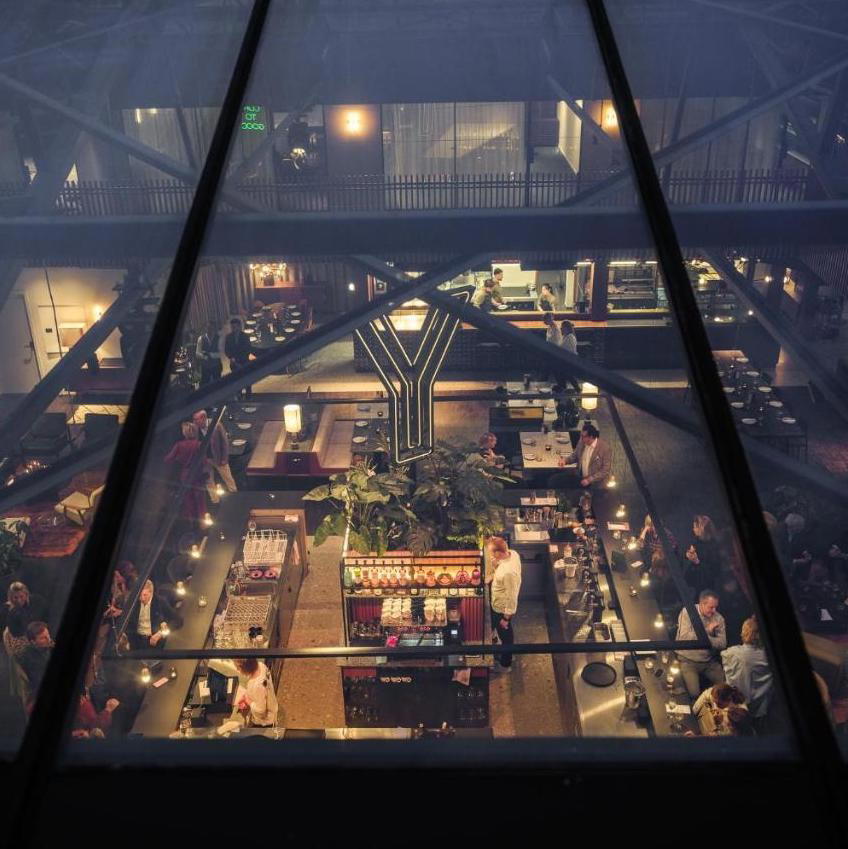
Warm, intimate country house setting with a focus on natural, seasonal produce displayed through artistic vegetarian plates served at communal and kitchen tables.