Vegi occupies a direct address on Steinstraße 13 in Stuttgart's city centre, positioning itself within a dining scene that has grown increasingly serious about plant-forward cooking. Where much of Stuttgart's fine-dining energy concentrates on classical French and creative tasting formats, Vegi represents the vegetarian strand of that conversation, a quieter but persistent current in a city better known for Michelin-decorated meat-forward kitchens.
Pearl is the En Primeur Club membership app — saves, bookings, and concierge access live there. Same editors, same standards.
- Address
- Steinstraße 13, 70173 Stuttgart, Germany
- Website
- vegi-stuttgart.de
- Directions
- Get directions
 Saves & bookings on Pearl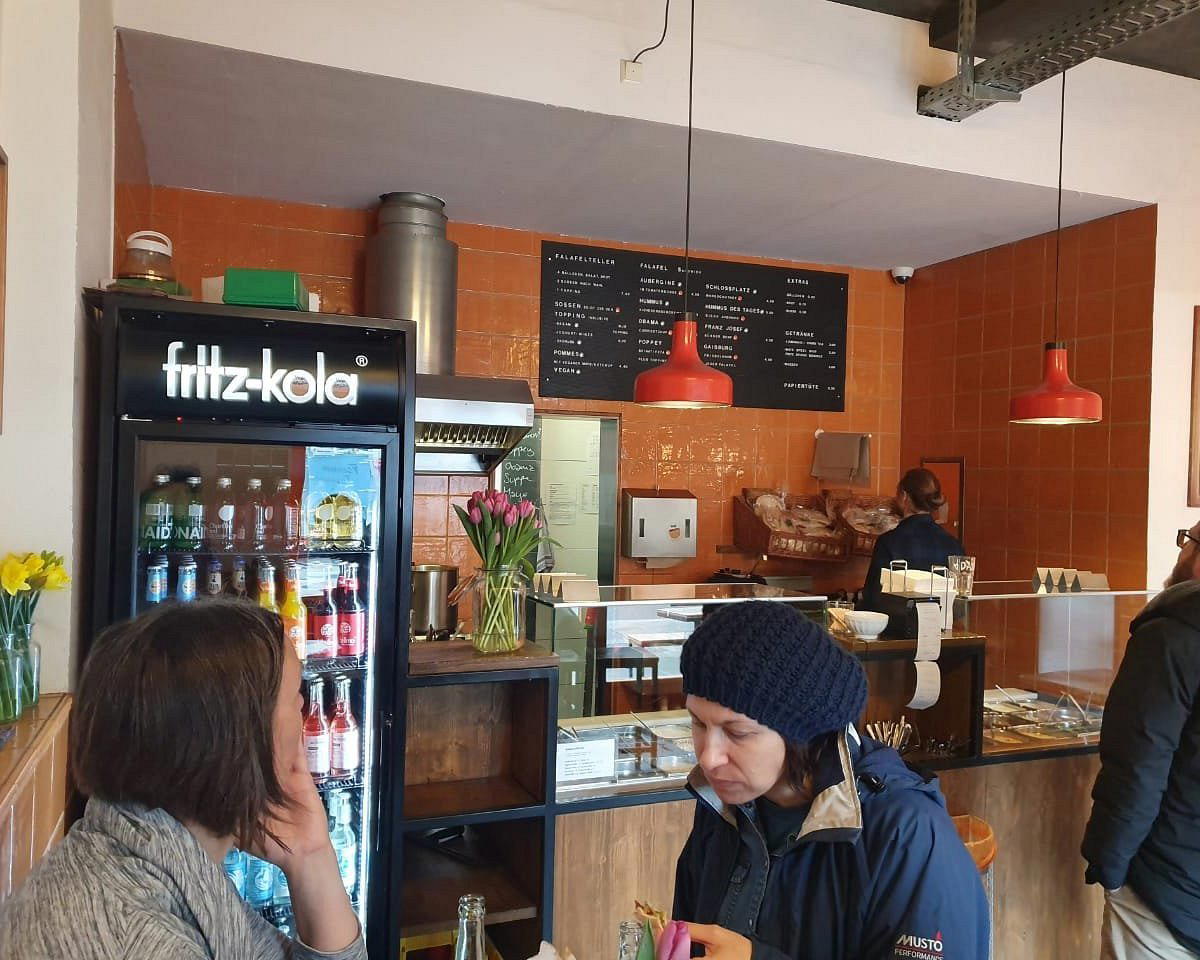
Stuttgart's Vegetarian Strand, Made Visible
Stuttgart's dining identity has long been shaped by its proximity to Baden-Württemberg's agricultural wealth and the Swabian tradition of hearty, meat-anchored cooking. The city's most-discussed restaurants, among them Speisemeisterei, Délice, and 5, operate firmly in the creative and modern cuisine tiers, drawing on classical French technique and premium protein. Against that backdrop, a dedicated vegetarian address on Steinstraße 13 occupies an interesting position: not a reaction against the city's fine-dining orthodoxy so much as a parallel argument about what serious cooking can look like when animal protein is removed from the equation entirely.
Across Germany, that argument has gained institutional weight over the past decade. CODA Dessert Dining in Berlin demonstrated that unconventional format categories could earn Michelin recognition. In the Black Forest and beyond, chefs at places like Schwarzwaldstube in Baiersbronn have long shown that regional ingredient sourcing, executed at the highest level, is its own form of culinary discipline. The vegetarian register sits inside that same logic: the absence of a conventional protein centre forces a kitchen to develop greater technical range across vegetables, grains, ferments, and dairy.
The Space as Argument
Steinstraße 13 sits in Stuttgart's central district, within walking distance of the Schlossplatz and the dense commercial grid that defines this part of the city. In a neighbourhood where ground-floor retail and office buildings dominate the street-level experience, a restaurant that announces itself through restraint rather than spectacle is making a spatial statement before the first dish arrives. The address itself is unremarkable, which is part of the point: vegetarian dining in Germany has historically had to fight against associations with health-food austerity, and a city-centre location on a named street in the 70173 postcode, Stuttgart's commercial and cultural core, argues for normalcy rather than niche.
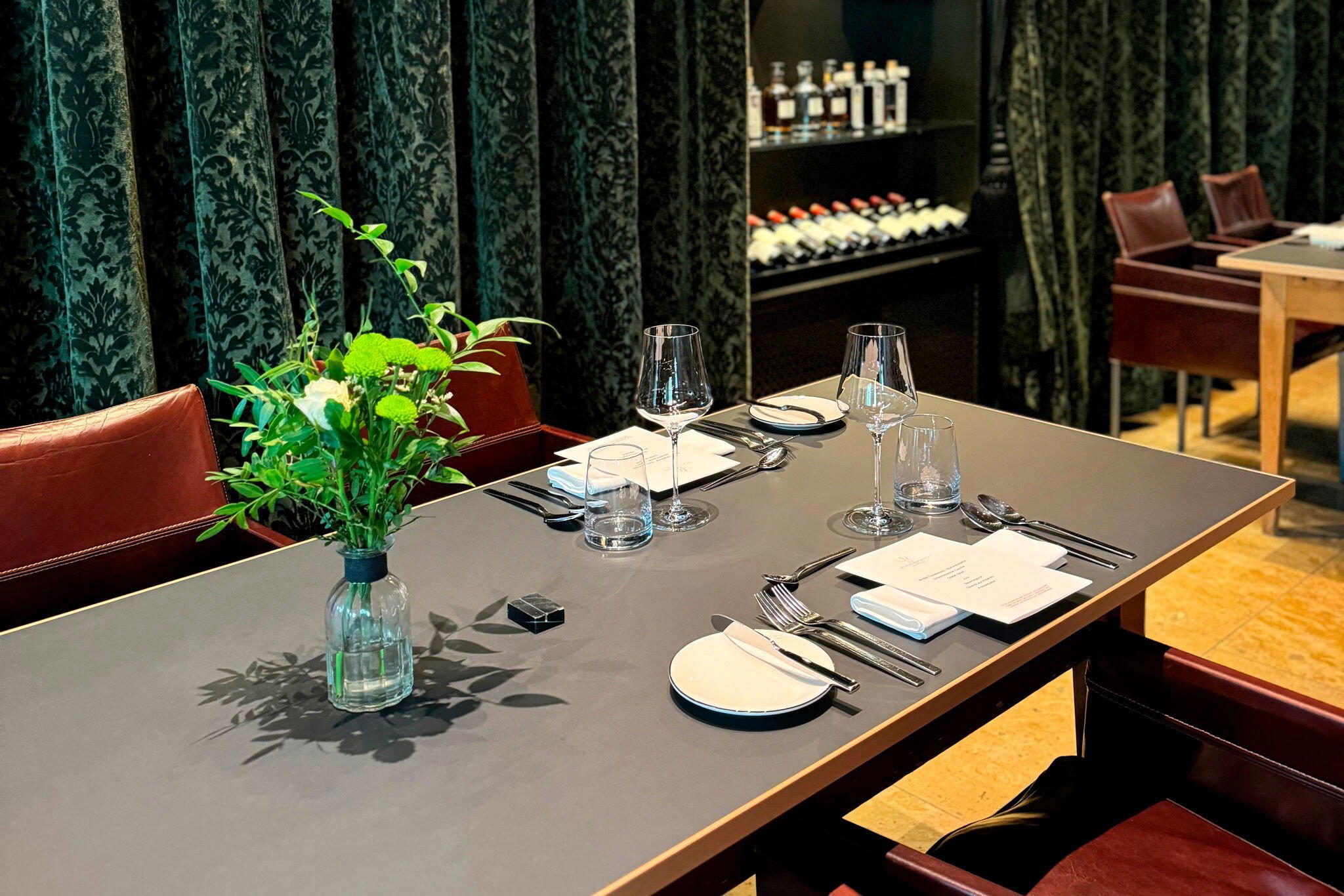
Within German fine-dining geography, the interior design of plant-forward restaurants tends to split between two poles. One group leans into natural materials, exposed timber, and earthy tones as a visual shorthand for the food's origins. The other attempts a deliberate neutrality, using a clean, considered space to signal that the cooking should be evaluated on the same terms as any other serious kitchen. Both approaches carry editorial weight. The design of a dining room communicates what the kitchen believes about its own seriousness, and in the case of a vegetarian restaurant in a city whose prestige addresses include Der Zauberlehrling and Hegel Eins, that signal matters more than it would in a city already accustomed to plant-forward cooking at the fine-dining tier.
Where Vegi Sits in Stuttgart's Competitive Map
Stuttgart's restaurant scene is more diverse than its Michelin tally suggests. The city's awarded rooms, including creative and classic-French formats operating at the €€€ and €€€€ tiers, represent one end of a spectrum that extends down through neighbourhood bistros, Swabian taverns, and increasingly, specialist dietary formats. Vegetarian restaurants have historically operated at the mid-market tier in German cities, but that positioning has shifted as urban demand for plant-forward cooking has moved from a fringe concern to a mainstream expectation, particularly among younger professional demographics in city centres.
Vegi's location on Steinstraße places it close to Stuttgart's working population rather than in the destination-dining suburban perch occupied by some of the city's higher-end addresses. That geography implies a different customer relationship: repeat, weekday-anchored, and less reliant on the occasion-dining impulse that drives bookings at tasting-menu formats. For context, the tasting-menu tier in Germany, represented by places like Aqua in Wolfsburg, Vendôme in Bergisch Gladbach, or Victor's Fine Dining by Christian Bau in Perl, operates on a reservation logic that is fundamentally different from a city-centre vegetarian address. Vegi is not competing in that category. It sits in the register where cooking quality and format consistency matter more than booking depth or award accumulation.
The Broader German Vegetarian Moment
Germany's relationship with vegetarian cooking at the restaurant level has changed faster than its reputation suggests. Berlin led the shift, with a concentration of plant-forward addresses that moved vegetarian dining away from its health-food connotations and toward genuine culinary ambition. Munich followed, and now secondary cities, Stuttgart included, have developed enough of a critical mass of plant-conscious diners to sustain dedicated vegetarian restaurants as a stable category rather than a novelty. Internationally, the argument was made early and emphatically: Le Bernardin in New York City showed that a singular ingredient focus (in that case, seafood rather than vegetables) could anchor a dining institution at the highest level, and Atomix in New York City demonstrated that format and intellectual rigour matter as much as the protein category.
In the German context, one interesting development has been the gradual elevation of the vegetable as a primary subject rather than a supporting player. Kitchens that work seriously with fermentation, seasonal preservation, and regional sourcing have found that vegetable-forward cooking demands a different but equally exacting technical vocabulary.
Planning a Visit
Vegi is located at Steinstraße 13, 70173 Stuttgart, in the city's central postcode, making it accessible from Stuttgart Hauptbahnhof on foot in under fifteen minutes and served by several tram and U-Bahn lines that stop within the immediate area. Visitors planning a first visit should confirm opening hours and reservation policy directly with the restaurant. Stuttgart's city-centre dining addresses at this positioning level generally accept walk-in traffic during off-peak lunch hours, though dinner service on weekdays and weekends tends to fill faster. Those extending their Germany itinerary might also consider JAN in Munich, ES:SENZ in Grassau, Waldhotel Sonnora in Dreis, Restaurant Haerlin in Hamburg, or Schanz in Piesport as part of a broader circuit through Germany's serious kitchens.
A Tight Comparison
Comparable venues nearby, for context on price, style, and recognition.
| Venue | Cuisine | Price | Notes |
|---|---|---|---|
| VegiThis venue — the venue you are viewing | Gablenberg, Falafel Fast Food | $ | Not listed |
| La Sante | Not listed | $$ | Berg, Healthy Middle Eastern Vegetarian Street Food |
| NOA Restaurant | Gablenberg, Modern Middle Eastern | $$$ | Not listed |
| N14 Restaurant | Gablenberg, Asian Fusion Sushi | $$ | Not listed |
| Burger Brothers | Gablenberg, American Burgers | $$ | Not listed |
| Achillion | Heslach, Modern Greek | $$ | Not listed |
Continue exploring
More in Stuttgart
Restaurants in Stuttgart
Browse all →
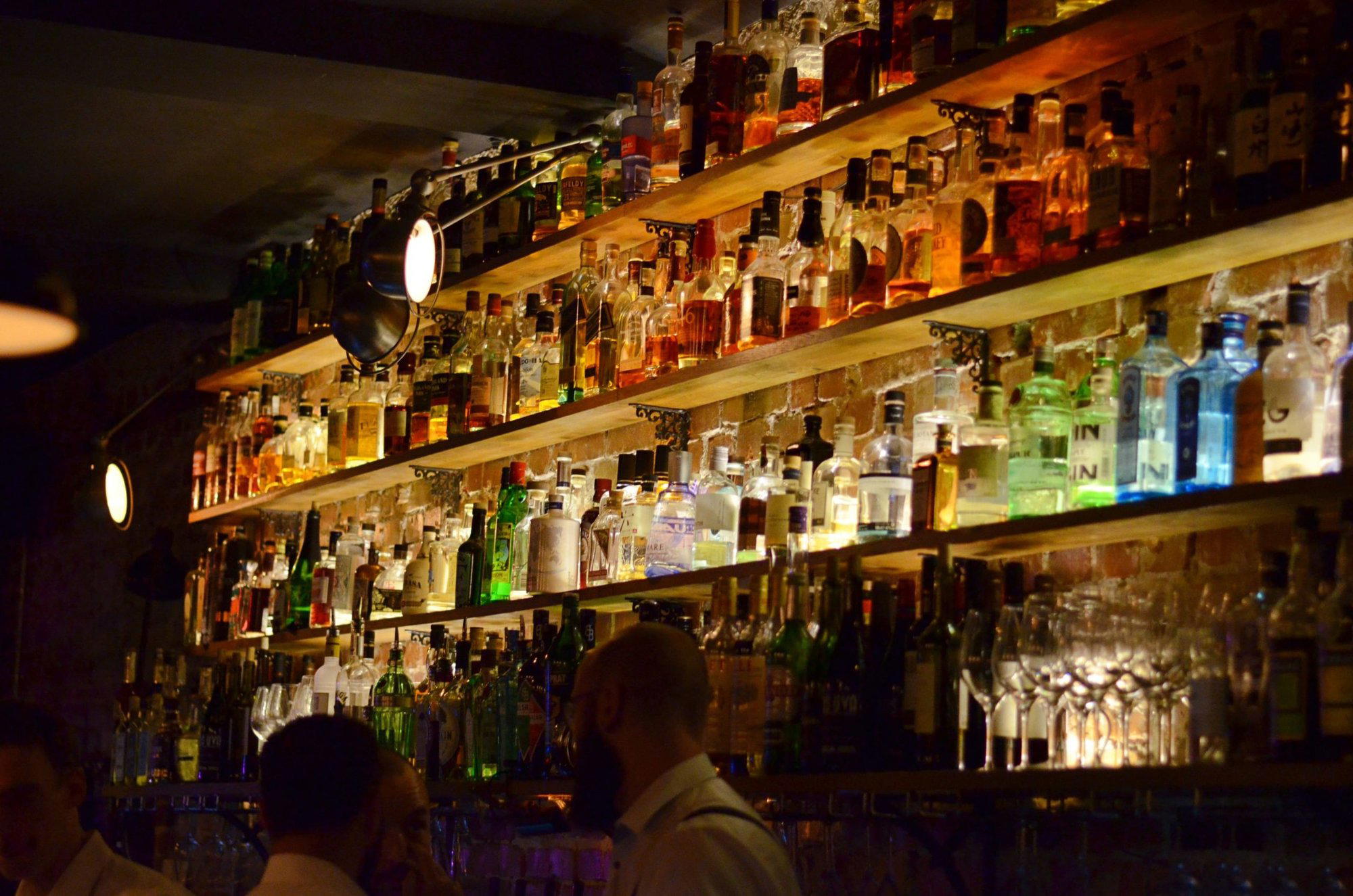
Bars in Stuttgart
Browse all →
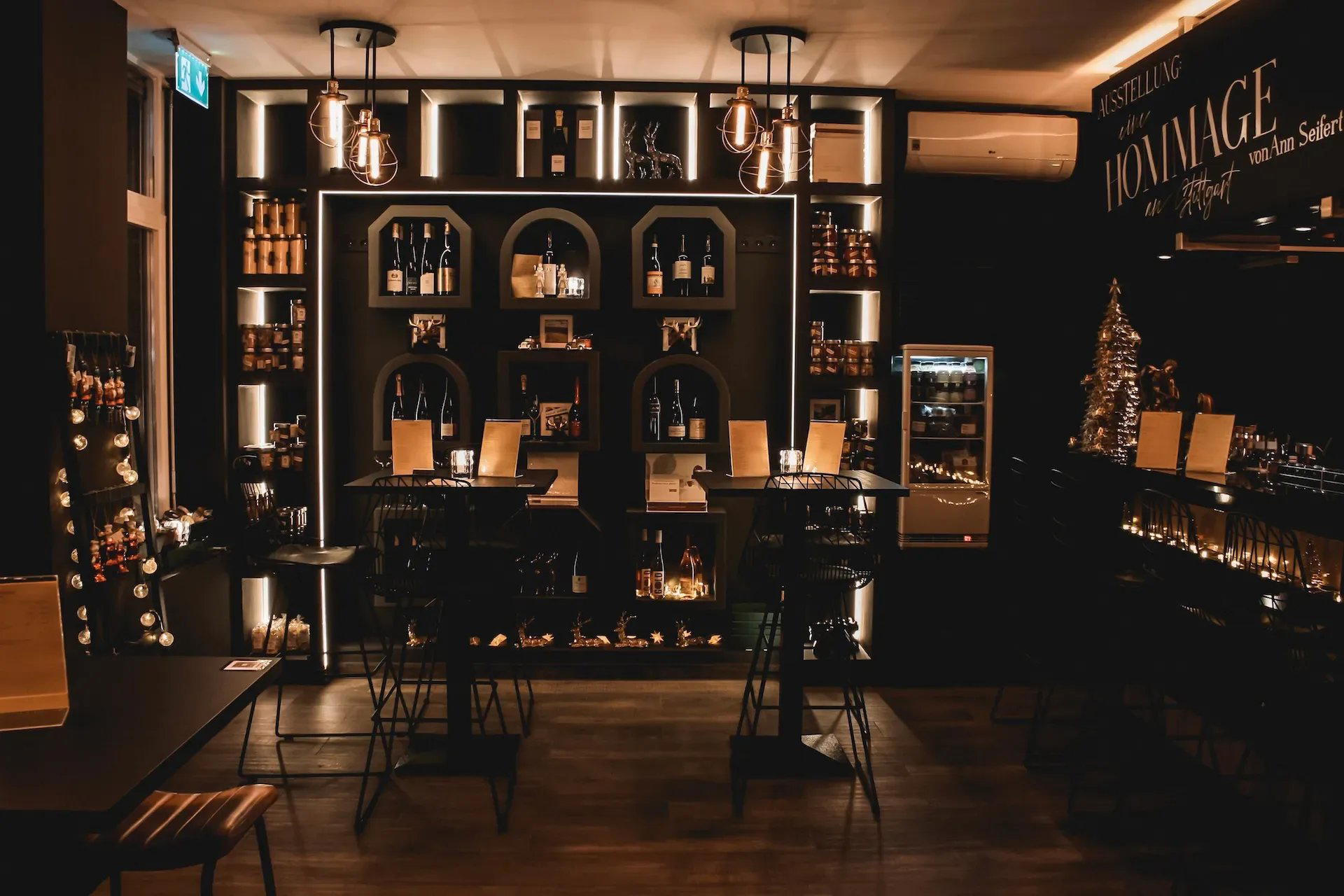

Hotels in Stuttgart
Browse all →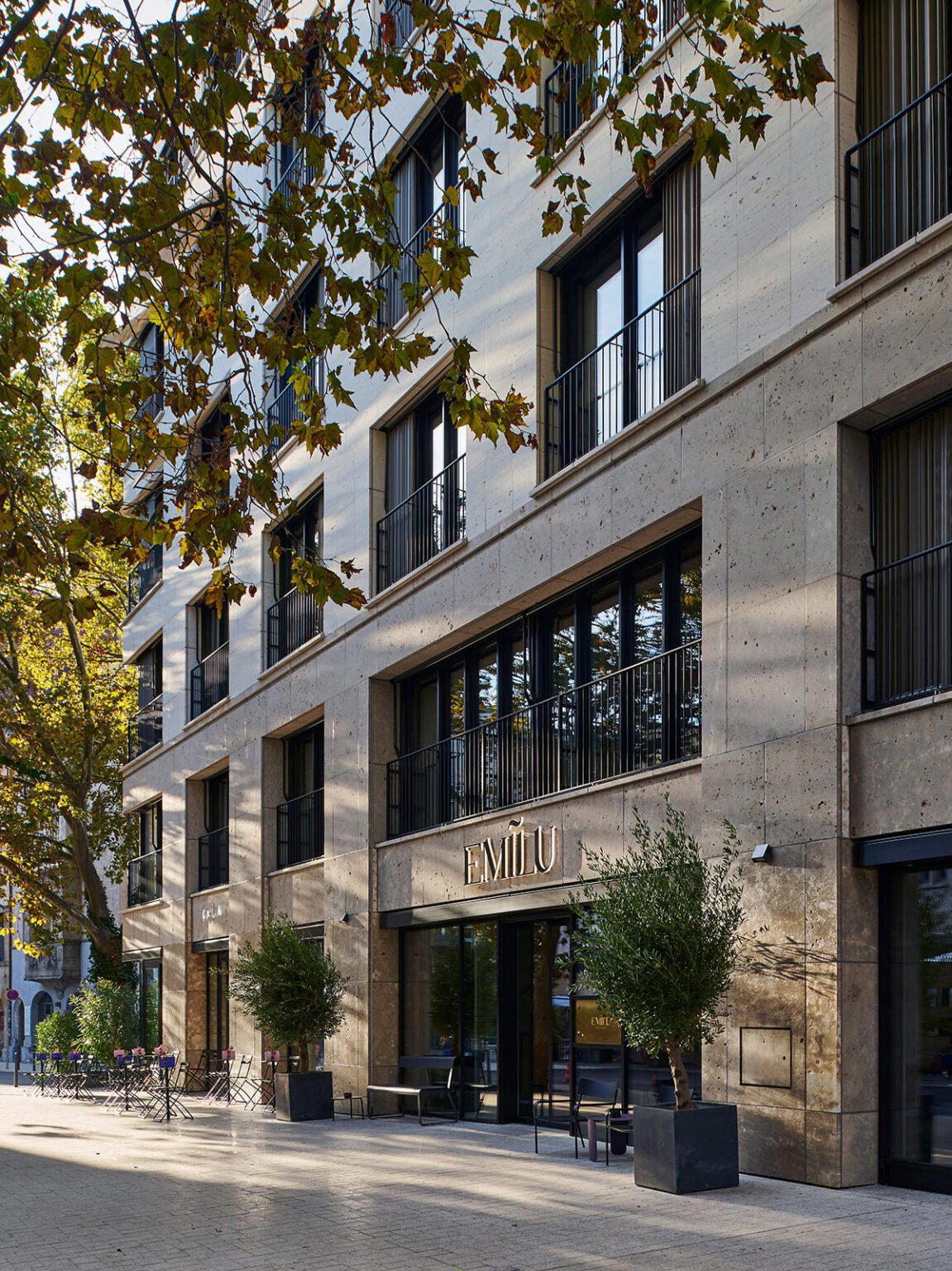
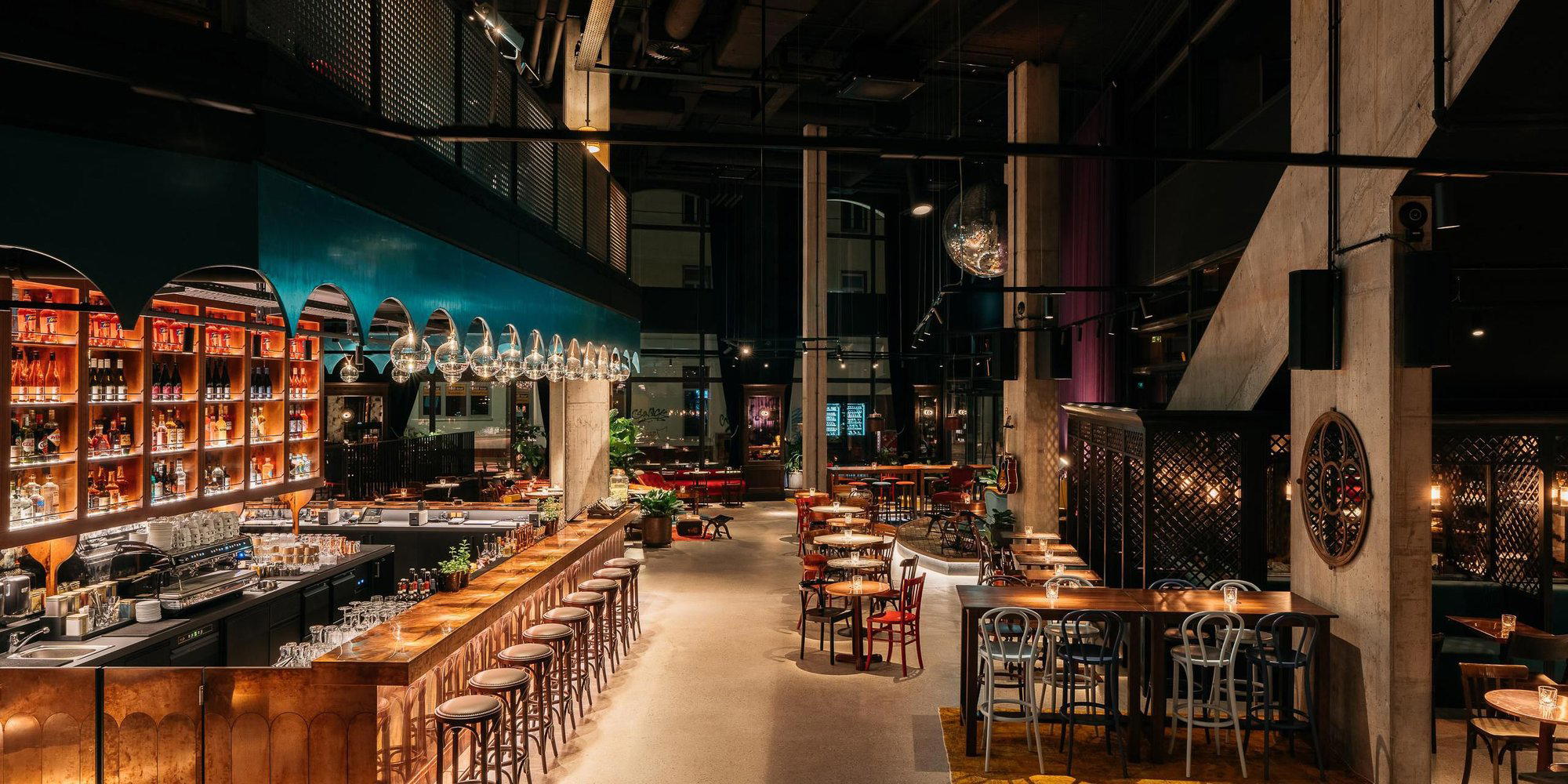


At a Glance
- Trendy
- Cozy
- Casual Hangout
- Late Night
- Standalone
Current opening hours
- Monday
- 11:30 AM–9 PM
- Tuesday
- 11:30 AM–9 PM
- Wednesday
- 11:30 AM–9 PM
- Thursday
- 11:30 AM–10 PM
- Friday
- 11:30 AM–10:30 PM
- Saturday
- 11:30 AM–2 AM
- Sunday
- Closed
Hours can change for holidays and private events. Last verified .
Humble yet inviting casual fast-food spot, potentially cramped during peak hours.