Umami klein und fein
Umami klein und fein sits in Großbeeren, a small Brandenburg municipality south of Berlin, where the region's market-garden tradition and the German fine-dining conversation intersect in compact, focused form. The name signals intent: small, precise, and built around the fifth taste. For context on what the broader area offers, see our full Gro Beeren restaurants guide.
Pearl is the En Primeur Club membership app — saves, bookings, and concierge access live there. Same editors, same standards.
- Address
- Denkmal, 14979 Großbeeren, Germany
- Phone
- +4933701905729
- Website
- umamikleinundfein.de
- Directions
- Get directions
 Saves & bookings on Pearl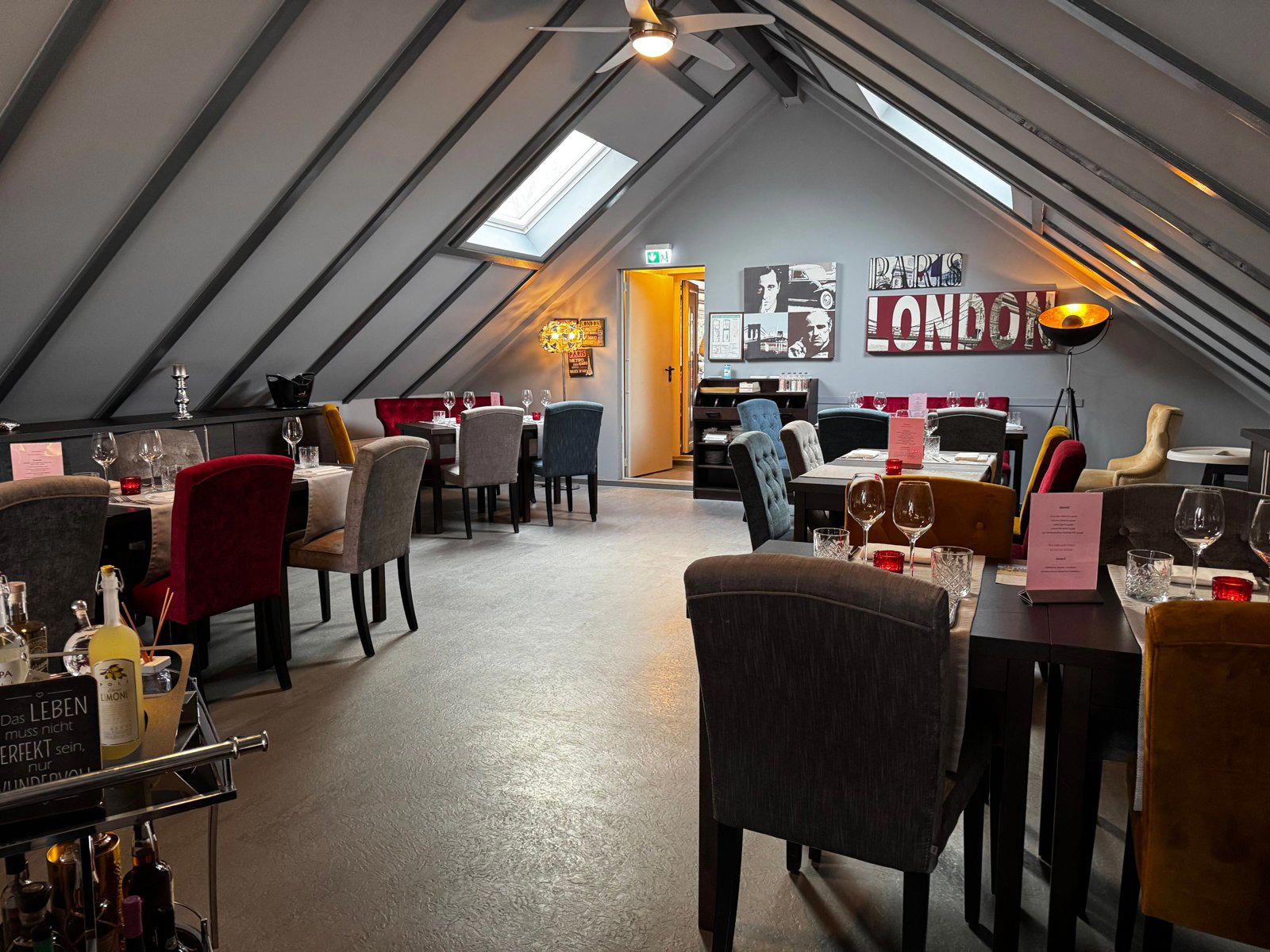
Brandenburg's Market Belt and the Logic of Small-Scale Dining
The stretch of flatland south of Berlin has fed the capital's kitchens for centuries. Großbeeren sits at the heart of the so-called Gemüsegürtel, the vegetable belt that supplies Berlin's markets and, increasingly, its serious restaurants. That proximity to primary produce is not incidental to the dining scene here; it is the scene's entire premise. Restaurants operating in this corridor exist in a different relationship to ingredient sourcing than city-centre establishments paying premium rates for overnight deliveries. The supply chain is shorter, the seasonal rhythms are harder to ignore, and the menu logic tends to follow what is available rather than what a brand identity demands.
This is the context in which Umami klein und fein operates. The name, translating roughly as 'small and fine,' aligns the restaurant with a broader European movement toward compact-format dining rooms where the ratio of ingredient quality to seat count is the primary competitive signal. Germany has seen this model take hold across a range of price points: the tasting-menu counter, the chef's table embedded in a market hall, the single-sitting room in a village that books weeks ahead. Each format shares a dependency on sourcing discipline that larger urban operations often compromise for consistency at scale.
What the Ingredient-Led Format Signals
Across Germany's recognised fine-dining tier, the sourcing narrative has become a structural element rather than a marketing footnote. Look at how venues such as ES:SENZ in Grassau or Schanz in Piesport frame their menus: regional produce, named growers, seasonal constraints treated as creative constraints. The same pressure applies to smaller, less-decorated rooms operating outside the major city centres. A restaurant in Brandenburg's agricultural corridor that takes its name from umami, the taste most closely associated with depth of ingredient quality rather than technique showmanship, is making a positioning statement about what it prioritises.
Umami as a culinary reference point has moved well beyond its Japanese origin in contemporary European kitchens. The fifth taste has become shorthand for a particular kind of cooking philosophy: one that values ingredient maturity, fermentation, slow processes, and restraint over elaboration. In Germany, that philosophy intersects with a long tradition of preserved and fermented produce, from the sauerkraut culture of the north to the vinegar-based preparations of Swabia. A restaurant operating in a region with direct access to fresh seasonal vegetables, and naming itself after depth of flavour, is suggesting it works at the intersection of those two traditions.
Großbeeren as a Dining Destination
Großbeeren is not a culinary destination in the way that, say, CODA Dessert Dining in Berlin draws visitors from across the continent. The municipality is small, the infrastructure is modest, and the address on Denkmal places the restaurant in a setting that rewards a deliberate journey rather than a passing visit. That deliberateness is, in some respects, the point. Dining rooms that require a 25-kilometre drive from central Berlin filter their clientele toward people who have made an active choice, and that self-selection tends to produce a more engaged room than a well-located city-centre table.
The comparison with Berlin is instructive in another way. The capital's serious dining scene has consolidated around a handful of recognised addresses and a competitive price tier that reflects urban overhead. For visitors or Berliners seeking something outside that framework, the surrounding Brandenburg towns offer a genuinely different proposition: lower density, stronger ties to primary production, and a format that is shaped by geography rather than by urban market pressures. For a broader overview of what the area offers, our full Gro Beeren restaurants guide covers the context in more detail.
Where This Sits in the German Fine-Dining Conversation
Germany's decorated restaurant tier is dominated by addresses with substantial infrastructure: multi-course tasting menus, extensive cellar programs, full brigade kitchens. Venues such as Aqua in Wolfsburg, Vendôme in Bergisch Gladbach, and Schwarzwaldstube in Baiersbronn operate at a scale and investment level that places them in direct conversation with the leading tables of Paris or Tokyo. The 'klein und fein' format is a different category of ambition, one where intimacy and sourcing depth stand in for the production values of a larger operation. Neither is a lesser version of the other; they are different formats serving different dining intentions.
Internationally, the small-format, ingredient-focused model has produced some of the most discussed rooms of the past decade. Atomix in New York City built its reputation on exactly this framework: a small counter, a tightly sourced menu, and a guest experience shaped by restraint rather than spectacle. Le Bernardin in New York City represents the other end of that spectrum, a larger operation whose ingredient discipline is maintained through decades of institutional focus. Both models are coherent; the difference is in what the format requires of the kitchen and what it offers the guest. Germany's village and small-town fine dining rooms tend to sit closer to the first model, with all the booking friction and seasonal volatility that implies.
Other German addresses operating outside the major cities, including Waldhotel Sonnora in Dreis, Victor's Fine Dining by Christian Bau in Perl, and Bagatelle in Trier, demonstrate that serious cooking does not require a metropolitan address. What it requires is sourcing discipline, a clear format, and a guest base willing to travel for it. The Brandenburg agricultural belt gives Umami klein und fein a raw material advantage that few city-centre rooms can match on comparable terms. Whether that advantage is fully exploited is a question that a visit answers.
Planning Your Visit
Großbeeren is accessible from Berlin by road in under 30 minutes under normal conditions, and the address at Denkmal in the 14979 postcode is the practical starting point for any visit. Given the absence of publicly listed booking contact or hours, confirming current availability through a direct approach to the venue is the practical course before making a journey. Small-format rooms in this region tend to operate limited sittings, and the combination of low seat counts and a loyal local following means that advance planning matters more here than at a city-centre address with multiple service windows. Visitors combining the trip with a broader exploration of the Berlin surroundings might also consider addresses in the EP Club network such as Restaurant Haerlin in Hamburg, JAN in Munich, AUGUST in Augsburg, ATAMA by Martin Stopp in Sankt Ingbert, ammolite in Rust, or AURA by Alexander Herrmann and Tobias Bätz in Wirsberg as part of a broader Germany itinerary.
Continue exploring
More in Gro Beeren
Restaurants in Gro Beeren
Browse all →
Bars in Gro Beeren
Browse all →
Hotels in Gro Beeren
Browse all →



At a Glance
- Elegant
- Cozy
- Intimate
- Sophisticated
- Date Night
- Special Occasion
- Group Dining
- Historic Building
- Terrace
- Open Kitchen
- Craft Cocktails
- Local Sourcing
Current opening hours
- Monday
- Closed
- Tuesday
- 5–11 PM
- Wednesday
- 5–11 PM
- Thursday
- 5–11 PM
- Friday
- 5–11 PM
- Saturday
- 5–11 PM
- Sunday
- Closed
Hours can change for holidays and private events. Last verified .
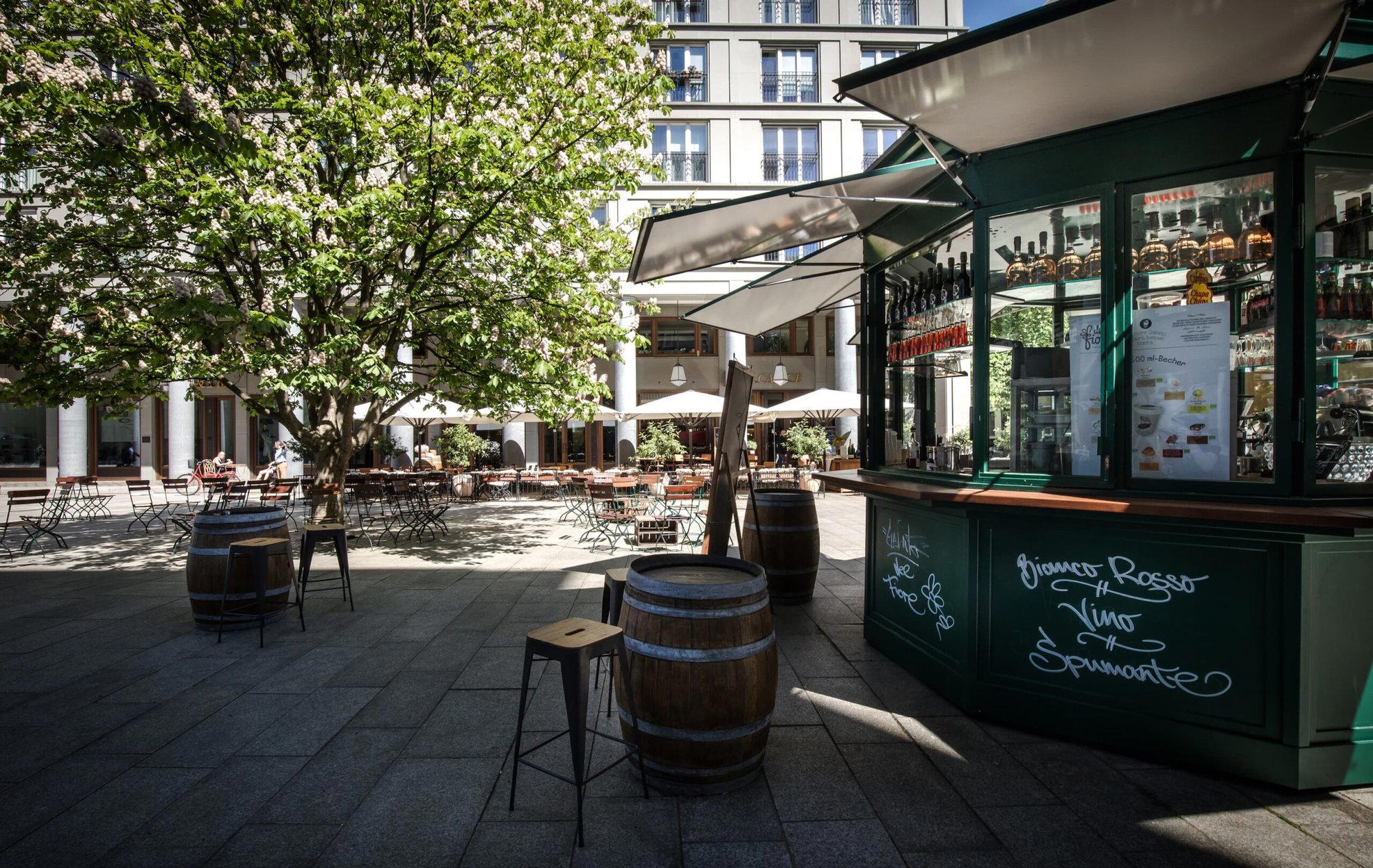
Warm and inviting with elegant, comfortable furnishings in a historic setting; intimate atmosphere that encourages lingering and conversation.
Know Before You Go
- Getting there
- Denkmal, 14979 Großbeeren, Germany