Umami
Umami sits on Avinguda Josep M Marcet in Bellaterra, the university township that occupies a quiet corridor between Barcelona and Sabadell. In a suburb better known for academic institutions than restaurant culture, the name alone signals an interest in the science of flavour rather than the conventions of Catalan comfort dining. Visitors making the trip from Barcelona should treat this as a deliberate destination rather than a casual detour.
Pearl is the En Primeur Club membership app — saves, bookings, and concierge access live there. Same editors, same standards.
- Address
- Av. Josep M Marcet, 3, 08193 Bellaterra, Barcelona, Spain
- Phone
- +34936922095
- Website
- umami-bellaterra.com
 Saves & bookings on Pearl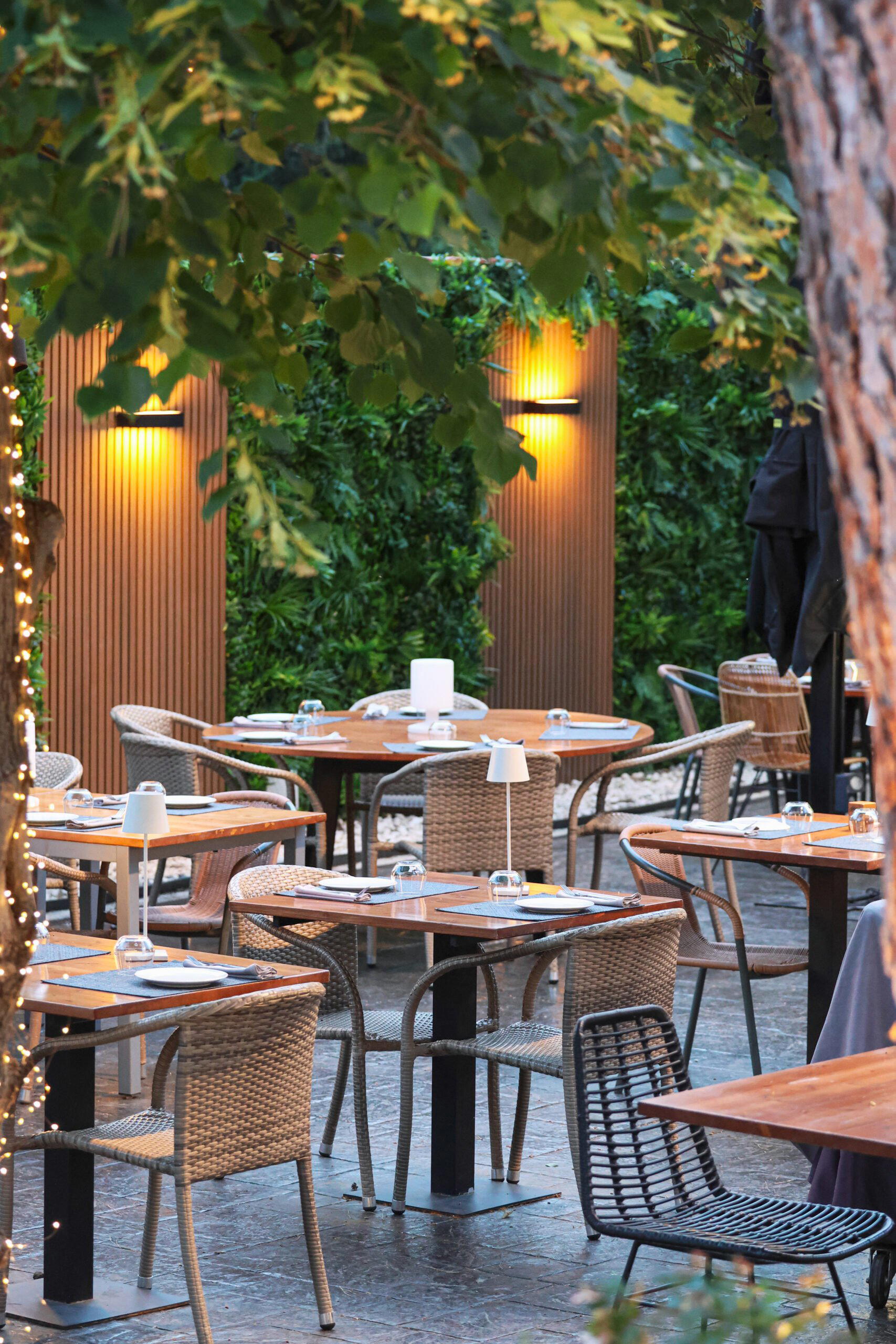
Bellaterra's Quiet Bet on Flavour Science
The commuter belt north of Barcelona does not typically generate dining destinations. Bellaterra is a planned township organised around the Universitat Autònoma de Barcelona campus, its avenues lined with institutional buildings and the occasional neighbourhood bar. That context makes the presence of a restaurant named after the fifth taste more pointed than it might appear elsewhere. In cities where every second opening declares an interest in umami as a marketing gesture, a restaurant that stakes its entire identity on the concept is either making a serious culinary argument or courting a very specific audience. In Bellaterra, the absence of competition makes the question harder to sidestep.
The address on Avinguda Josep M Marcet places Umami within easy reach of the UAB campus but outside the tourist radius that concentrates Barcelona's dining coverage. For a broader map of where this fits in the local scene, our full Bellaterra restaurants guide traces the area's emerging options. The closest dining peer in the neighbourhood, Ébano (Contemporary), operates in a similarly small-scale format serving a primarily local and university-adjacent clientele.
What the Name Commits the Kitchen To
Umami, as a concept rather than a restaurant name, is the product of how ingredients are grown, aged, fermented, or combined. Glutamates and nucleotides, the chemical compounds behind the sensation, accumulate through process: aged cheeses, cured meats, dried fish, slow-cooked stocks, fermented soy, ripe tomatoes. A kitchen that takes the name seriously is committing to ingredient sourcing and preparation methods that reward patience over immediacy. This is where a restaurant's philosophy becomes legible through its supply chain rather than its menu copy.
Spain's broader fine-dining circuit has made ingredient provenance a central argument for decades. Houses like El Celler de Can Roca in Girona and Azurmendi in Larrabetzu have built three-Michelin-star identities partly on traceable, regionally specific sourcing. At the other end of the spectrum, neighbourhood restaurants in smaller Catalan towns have increasingly adopted market-led menus that reflect whatever the local producers bring in that week. Umami's name sets an expectation that the kitchen is thinking about flavour at the ingredient level, not just at the point of plating.
The Suburban Context as an Ingredient
Location shapes what a restaurant can source and what clientele it builds. Bellaterra's proximity to agricultural zones north and west of Barcelona, including the Vallès Occidental comarca, gives a kitchen here potential access to market gardens, small-scale livestock operations, and producers who rarely supply Barcelona city restaurants because the volumes and logistics do not align with urban wholesale. The restaurants that have built reputations in similarly unfashionable Spanish suburbs often do so precisely because lower rents and a captive local audience allow more patient, sourcing-led approaches than a high-footfall city address would permit.
That pattern is visible across Spain's recognised dining circuit. Casa Marcial in Arriondas and Cenador de Amós in Villaverde de Pontones both hold multiple Michelin stars from addresses that would register as obscure on any international dining map. Atrio in Cáceres made the case even more forcefully in Extremadura. Rural or suburban positioning in Spain is not a liability for serious kitchens; it is often an advantage in the sourcing argument.
Where Umami Sits in Spain's Broader Conversation
Spain's high-end dining identity has been defined, for the past two decades, by a cluster of restaurants operating at the intersection of technique and territory. Arzak in San Sebastián, Mugaritz in Errenteria, and Aponiente in El Puerto de Santa María have all made international reputations by treating the Spanish larder as both subject and argument. In Catalonia specifically, Cocina Hermanos Torres in Barcelona operates at the top of the city's creative dining tier, while Ricard Camarena in València and Noor in Córdoba demonstrate how regional identity can become a structuring logic for an entire kitchen program.
Umami in Bellaterra is not operating at that tier of international recognition, at least not as documented. What it does represent is the distributed nature of Spain's dining culture: the way serious cooking has moved beyond the metropolitan flagships and into smaller, less predictable addresses. Quique Dacosta in Dénia made that point from a small coastal town; Martin Berasategui in Lasarte-Oria built Spain's most starred kitchen career partly outside the Basque capital. The geography of ambition in Spanish dining does not require a city-centre address.
For international comparison, the flavour-science framing that a name like Umami implies has gained traction in very different dining cultures. Le Bernardin in New York City and Atomix in New York City both operate in registers where the sourcing argument and the technical argument are inseparable from the final plate. DiverXO in Madrid fuses Asian ingredient logic with Spanish produce in a way that makes the umami question structurally central to everything on the menu. These are the broader conversations that a restaurant with this name is entering, even from a suburban campus address.
Planning a Visit
Umami is located at Av. Josep M Marcet, 3, 08193 Bellaterra, Barcelona, on the western edge of the UAB campus zone. The address is accessible from Barcelona via the FGC suburban rail line to Bellaterra station, a journey of around 30 minutes from Plaça Catalunya, making it a plausible dinner destination without requiring a car. Because detailed booking information, hours, and pricing are not currently documented in public-facing channels, direct contact with the venue is the recommended approach before making the trip from Barcelona or further afield. Reservations are recommended.
Comparable Venues
Comparable venues nearby, for context on price, style, and recognition.
| Venue | Cuisine | Price | Awards | Notes |
|---|---|---|---|---|
| UmamiThis venue — the venue you are viewing | Modern Catalan Gastrobar | $$ | , | |
| Ébano | Modern Mediterranean with Asian Fusion | $$$ | Michelin Plate | Bellaterra |
| Paco Gandía | Traditional Spanish Paella | $$ | , | Pinoso |
| La Esquinica | Traditional Spanish Tapas | $$ | , | el Turo de la Peira |
| Restaurant Miguelitos | Modern Spanish Tapas & Mediterranean | $$ | , | l'Antiga Esquerra de l'Eixample |
| La Cuina del Ninot | Traditional Catalan Tapas & Market Cuisine | $$ | , | l'Antiga Esquerra de l'Eixample |
Continue exploring
More in Bellaterra
Restaurants in Bellaterra
Browse all →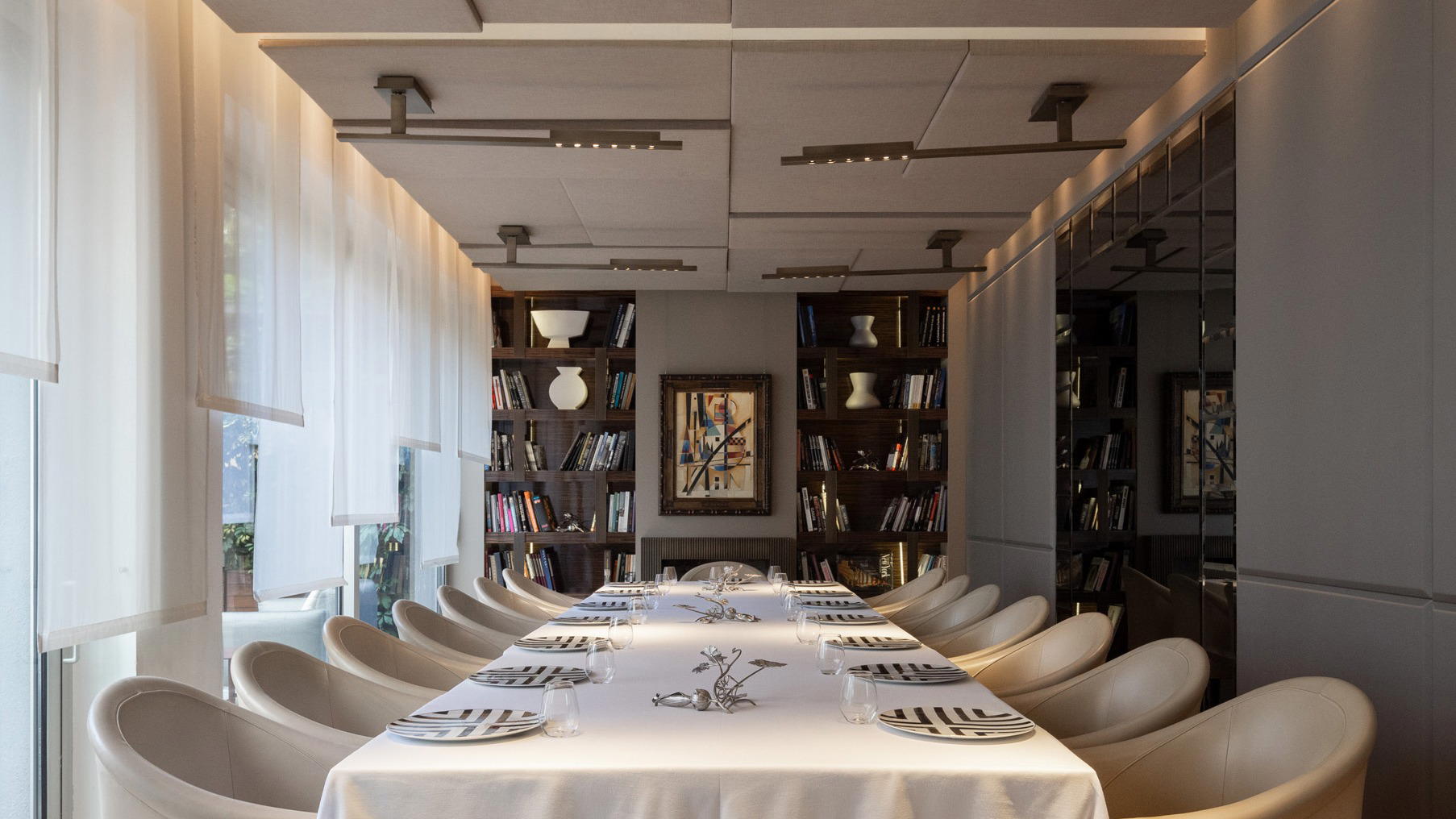
Bars in Bellaterra
Browse all →
Hotels in Bellaterra
Browse all →



At a Glance
- Cozy
- Modern
- Date Night
- Group Dining
- Family
- Terrace
- Extensive Wine List
- Local Sourcing
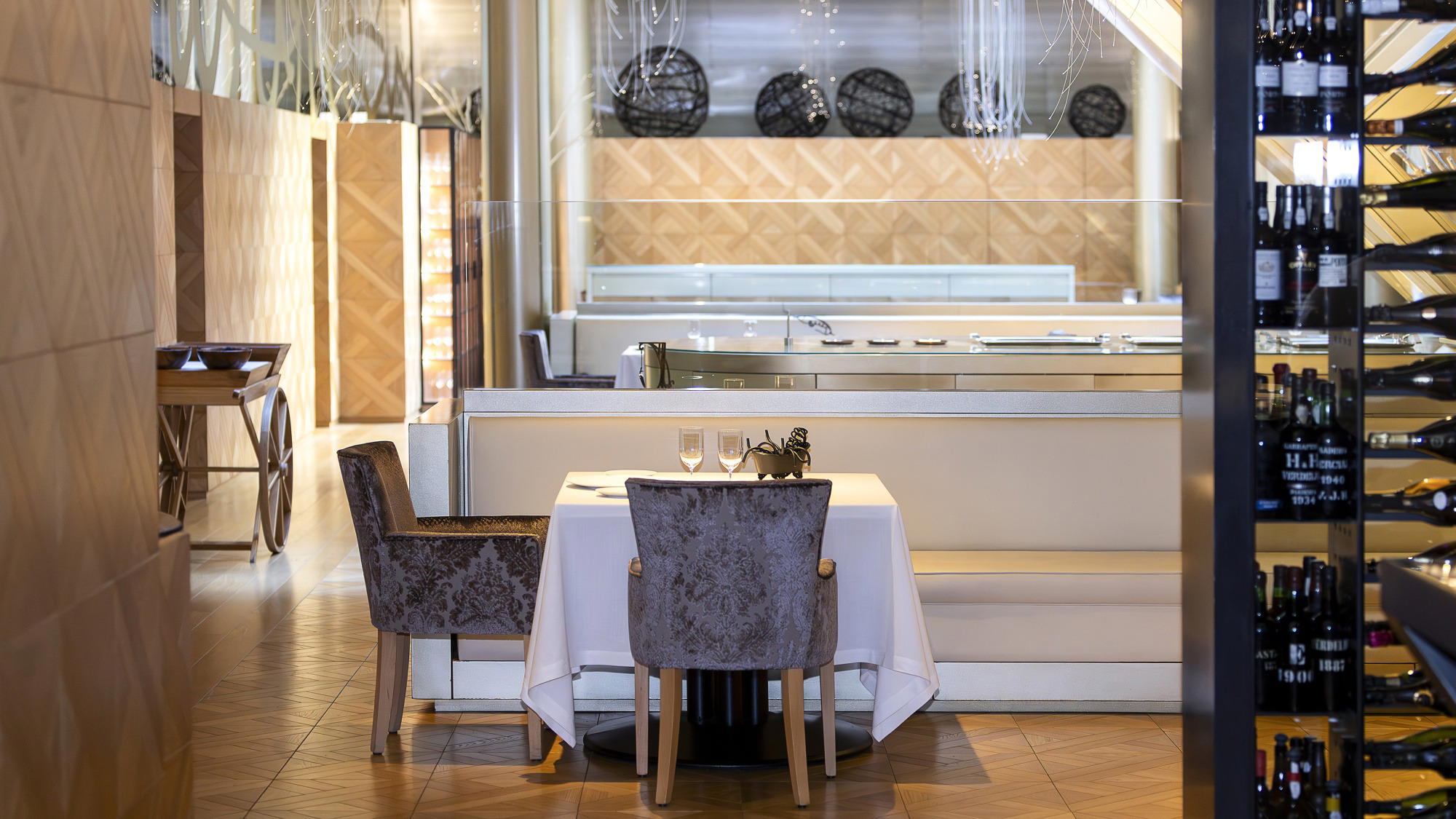
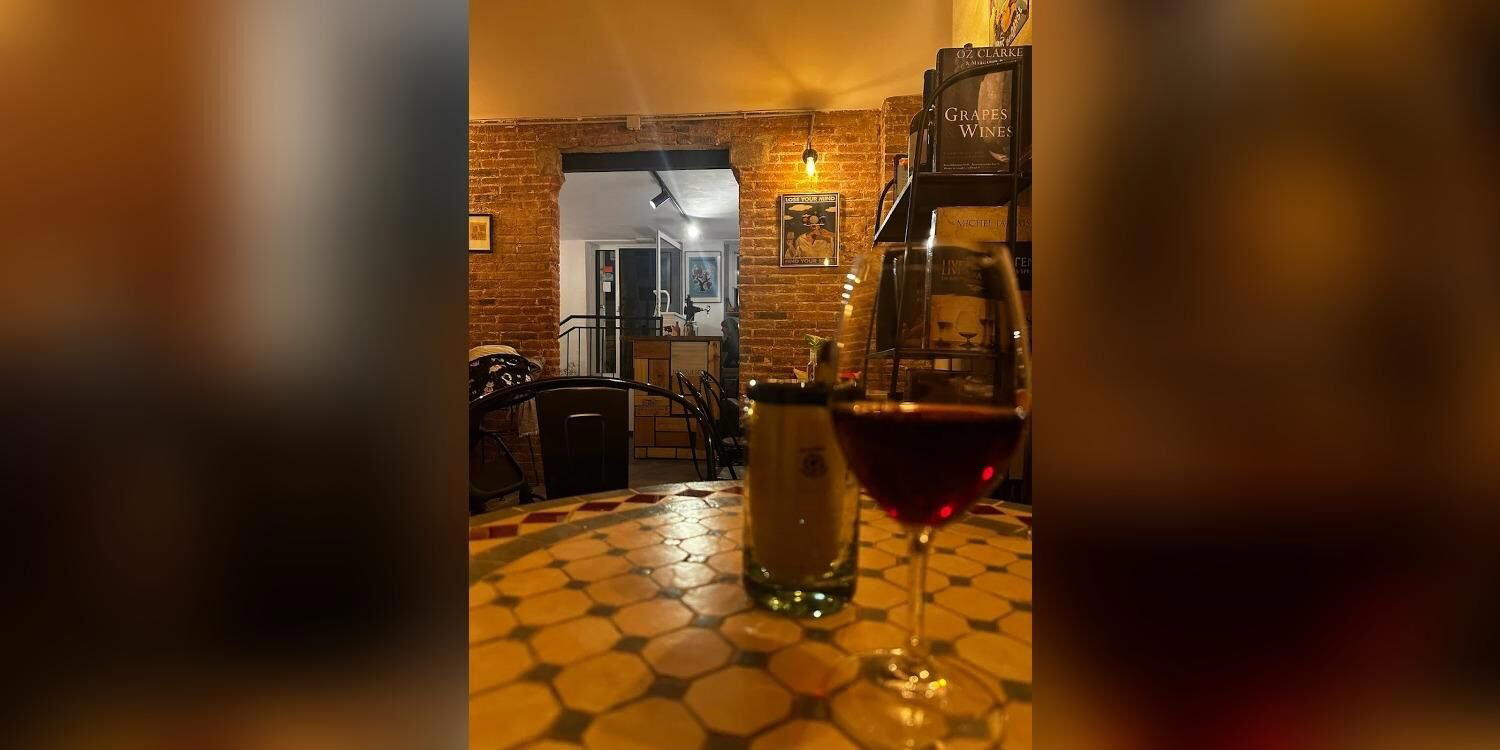
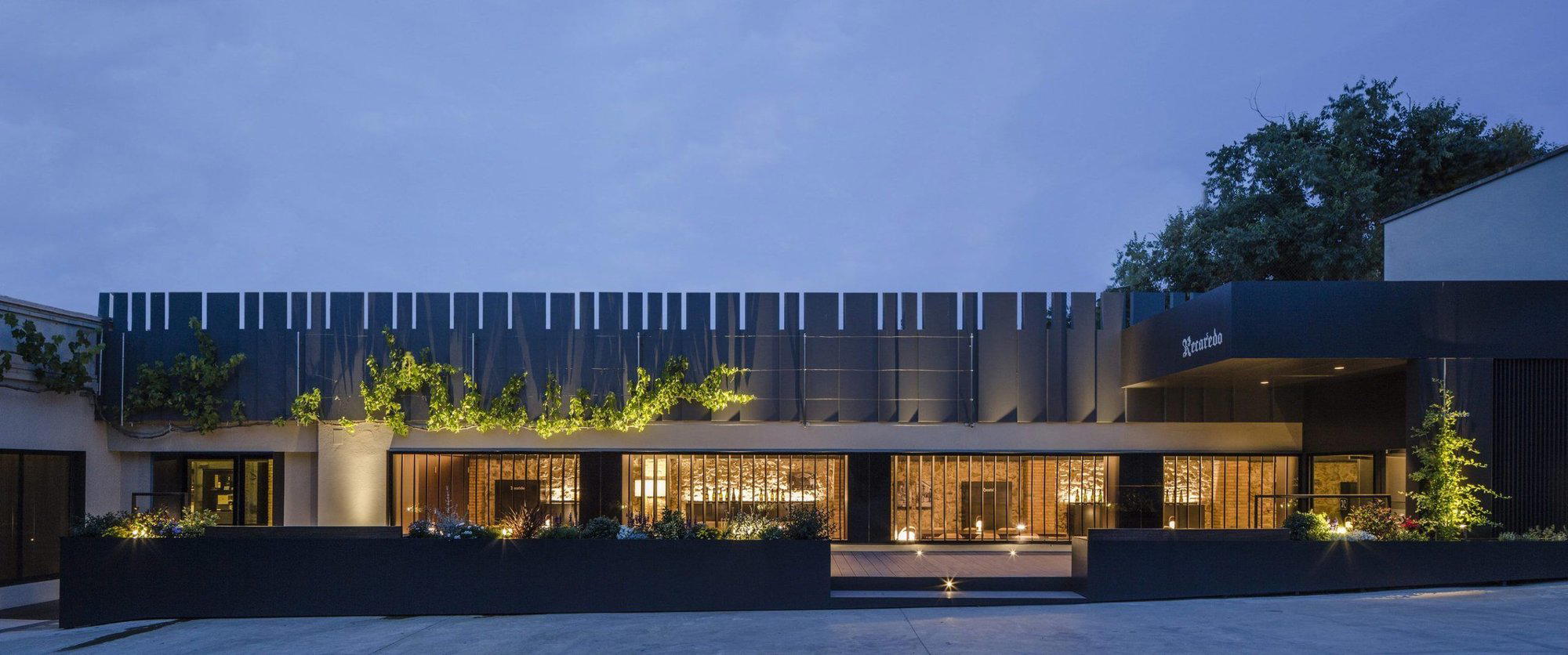
Cozy and well-decorated interior with pleasant terrace seating, described as harmonious oasis with good atmosphere.