Our verdict
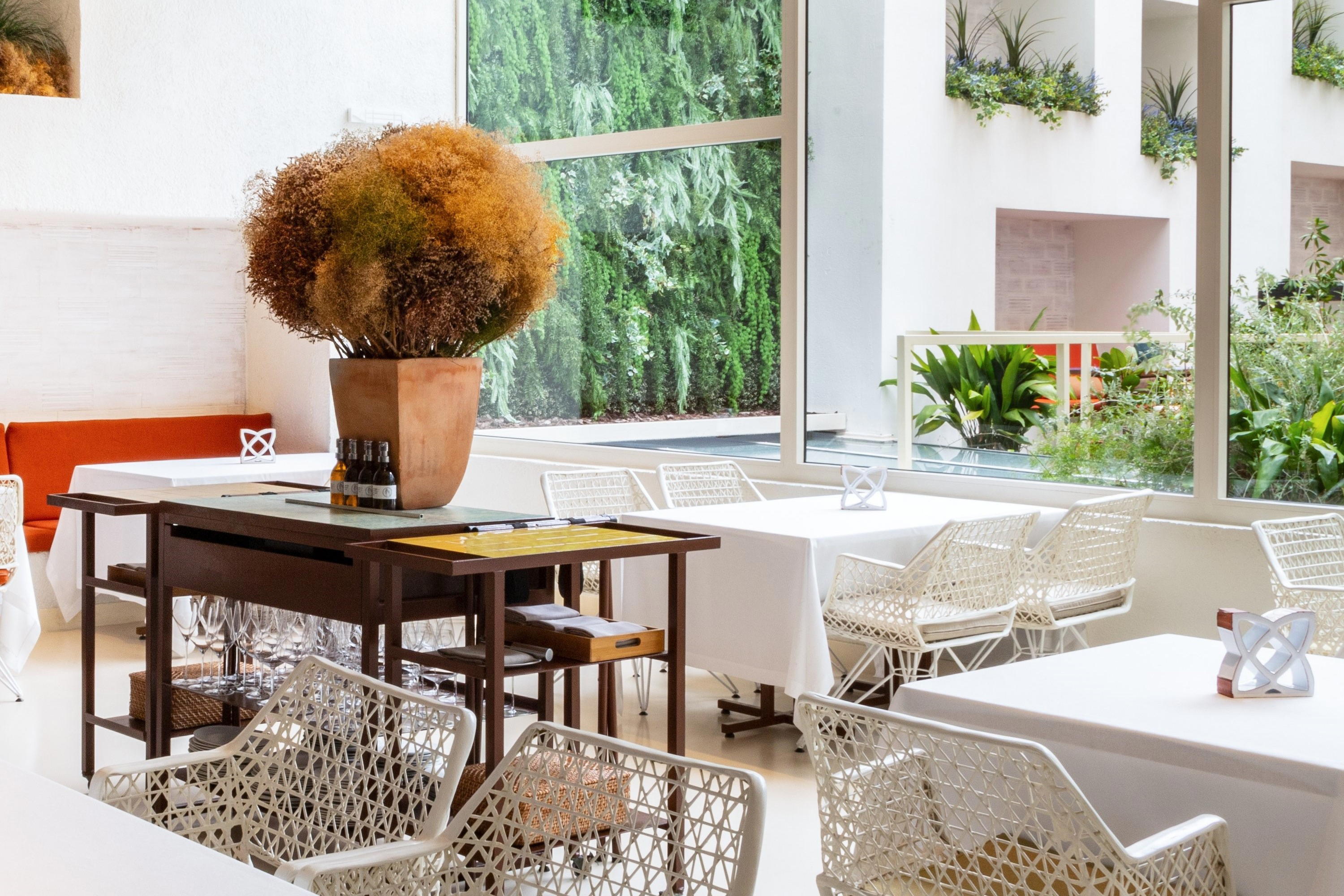
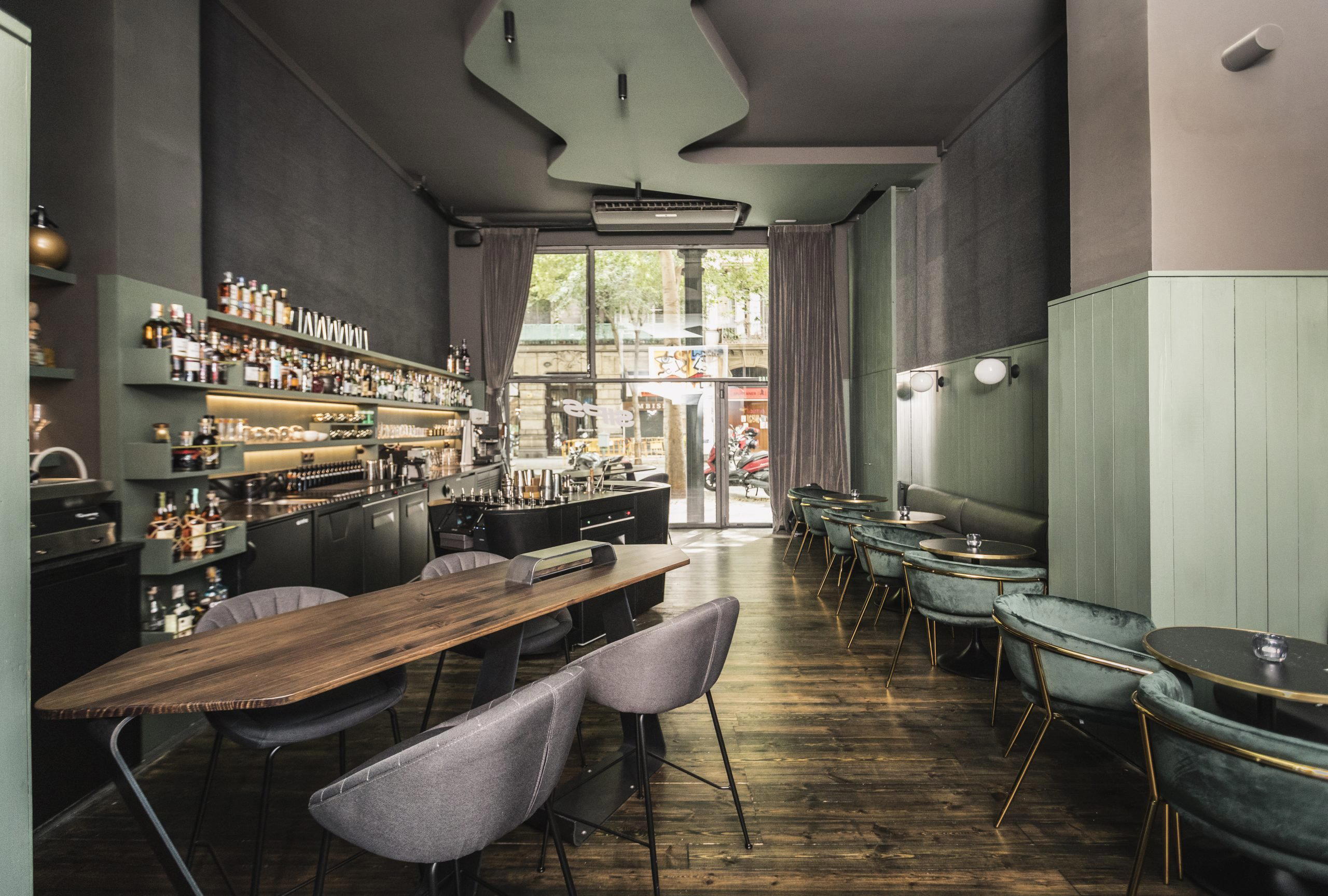
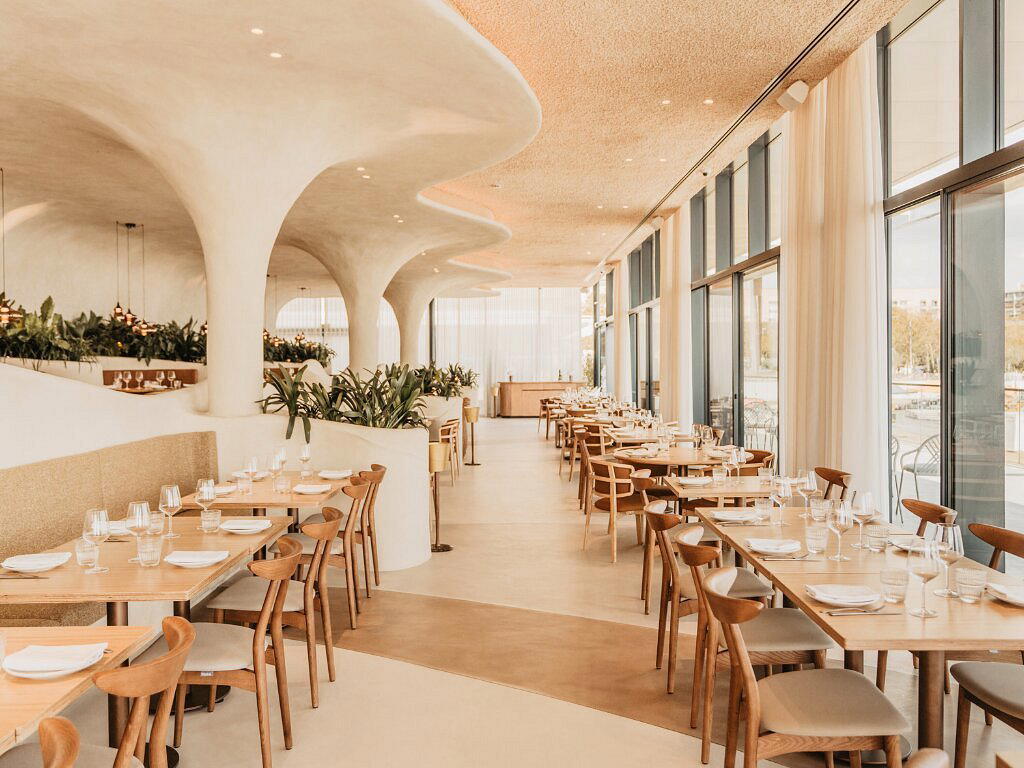
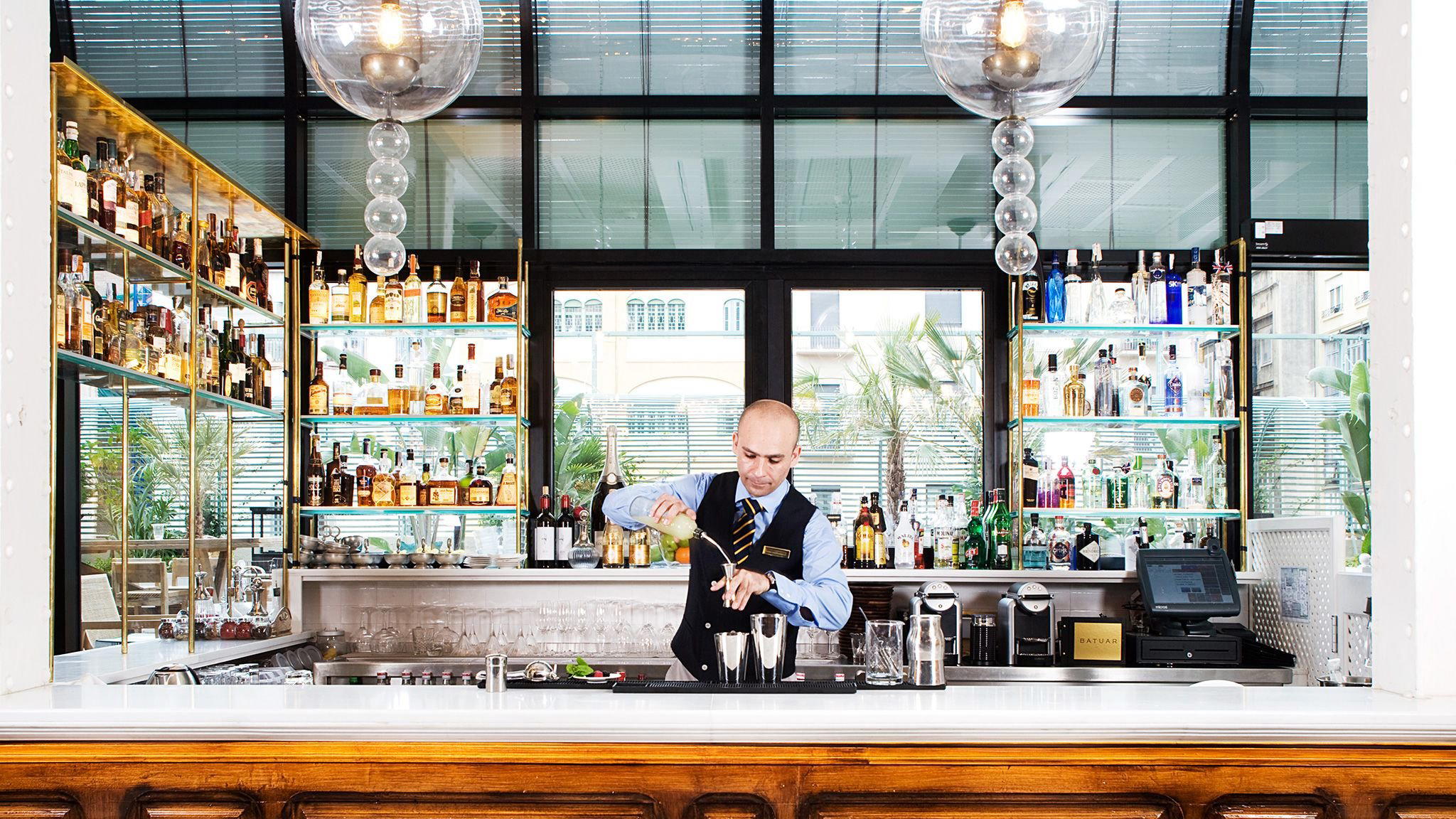
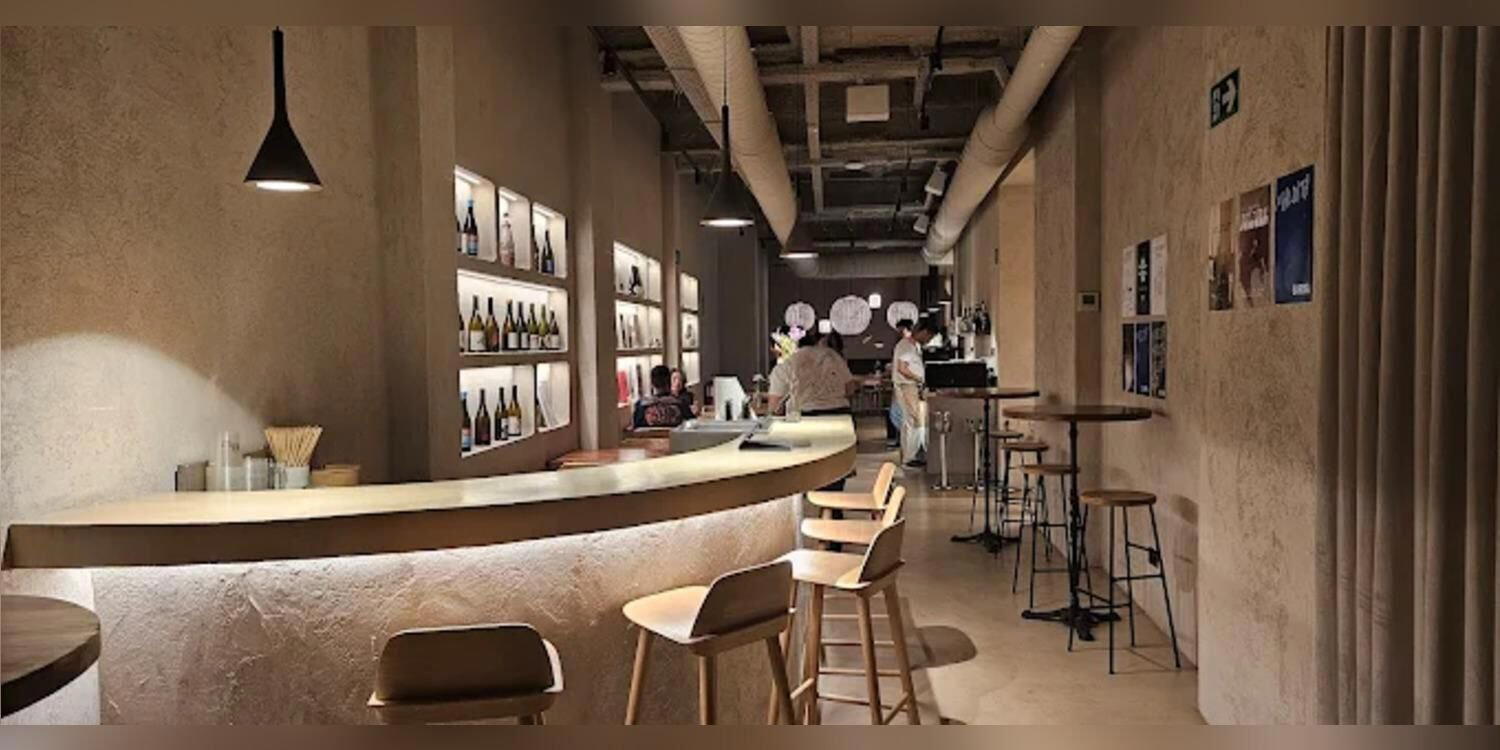
"En Compañia de Lobos is a young-feeling restaurant group that also happens to operate two of our favorite restaurants in Madrid (Ana la Santa and Bosco de Lobos). This outpost in Barcelona is situated inside the recently renovated Mercat del Ninot, which has been beautifully overhauled and filled with more prepared-food options in an effort to appeal to Barcelona's younger crowd. Tall, open ceilings connect the space to the rest of the market, so despite the clean wooden walls and elegant full-circle bar, the humming of customers and activity gently filters into the space. The menu is focused on traditional Catalan food (tapas), but the thing to order is the 3-course menu of the day (just 14 euros), which serves up whatever looked good in the market that morning. "

The menu
What to order
- Patatas bravas
- Daily market menu
Inside the Market, Inside the Meal
Mercat del Ninot sits on Carrer de Casanova in the Eixample, a few blocks west of the Passeig de Gràcia grid and well clear of the tourist circuits that cluster around La Boqueria. The market itself is a covered municipal hall built in the mid-twentieth century and renovated in the 2010s, its interior organised around fish and shellfish stalls, butchers, produce vendors, and the kind of prepared-food counters that Barcelona residents actually use on a Tuesday morning. La Cuina del Ninot operates within this context: a restaurant inside a working neighbourhood market, drawing from the same supply chain that surrounds it on all sides.
That physical setting is not incidental. Barcelona has a long tradition of market-anchored dining, where proximity to raw ingredients is the implicit guarantee rather than a marketing proposition. The stalls a few metres away set a visible quality standard. Regulars shopping for the week's fish can see what arrives; so can anyone eating lunch at La Cuina del Ninot. The arrangement creates a kind of informal accountability that no standalone restaurant can quite replicate.
The Eixample Eating Register
The Eixample occupies a different position in Barcelona's dining order than El Born or Barceloneta. It is primarily a residential and commercial district, which means its leading eating tends to skew toward the everyday end of the spectrum rather than the destination-dining tier. Barcelona's headline creative restaurants, including Disfrutar, Enigma, and ABaC, draw from a city-wide and international audience and price accordingly. Lasarte and Cocina Hermanos Torres sit in that same upper bracket. La Cuina del Ninot belongs to a different register: market dining for people who live nearby and care about what they eat, rather than tasting-menu dining for those chasing a particular Michelin count.
This is a meaningful distinction across Spanish food culture broadly. The country has one of the highest concentrations of Michelin-starred restaurants in Europe, and the debate about where creative fine dining ends and reliable everyday cooking begins is older than the star system itself. Alongside the headline addresses in Girona, San Sebastián, Larrabetzu, and Lasarte-Oria, Spain has always maintained a parallel culture of market-based, product-first cooking that operates with equal seriousness and considerably less ceremony. La Cuina del Ninot is anchored in that second tradition.
What the Senses Register Here
Arriving at Mercat del Ninot through the main hall, you pass fish counters where the morning's catch is arranged on crushed ice, the smell of brine and cold shellfish cutting through the ambient hum of the market. The acoustics of a covered market are particular: metal trolleys, the ring of a butcher's knife on board, conversations between vendors and regulars that have the rhythm of long familiarity. A restaurant operating inside this environment inherits its soundscape and its tempo. Lunch at La Cuina del Ninot means eating surrounded by the activity of a functioning food hall, not within the managed quiet of a formal dining room.
That contrast with the fine-dining tier is worth sitting with for a moment. At Quique Dacosta in Dénia or Aponiente in El Puerto de Santa María, the dining environment is a controlled composition, every element of atmosphere considered as carefully as the food. Here, the atmosphere is unmanaged and the better for it. The noise, the movement, the proximity of raw produce being sold by the kilogram: these are not incidental details to tolerate, they are the point.
Placing It in the Wider Barcelona Eating Pattern
For visitors working through Barcelona's food options, the market-restaurant format answers a question that destination-dining doesn't: what does everyday eating in this city look like when it's done well? The creative cooking at DiverXO in Madrid or Mugaritz in Errenteria represents one end of Spanish restaurant culture. La Cuina del Ninot, operating in a neighbourhood market, represents a different but equally authentic end of that same culture.
Barcelona's market system, which includes Ninot alongside Sant Antoni, Santa Caterina, and the more touristy Boqueria, functions as an infrastructure for local eating rather than a spectacle for visitors. The restaurants attached to these markets tend to serve shorter, product-driven menus that shift with what's available in the stalls. The cooking philosophy, to the extent it can be described as such, is about not getting in the way of good raw material. That approach is not unique to Barcelona, but it has a particular clarity in Catalan cooking, where product quality has historically been a point of regional pride.
Internationally, the model has parallels. Le Bernardin in New York City built its identity around not interfering with high-quality fish; Lazy Bear in San Francisco prioritises producer relationships over menu showmanship. The orientation is shared even where the format and price point diverge considerably. At Ricard Camarena in València or Atrio in Cáceres, product sourcing is foregrounded in a more formal context. At La Cuina del Ninot, the sourcing is simply visible, because it's happening twenty metres away.
Planning Your Visit
Mercat del Ninot keeps standard market hours, which means mornings are the most active time in the hall and midday is when the in-market restaurants do the bulk of their business. For visitors, lunch is the practical entry point: the market environment is fully operational, the produce on display is at its most complete, and the rhythm of the space is at its most characteristic. Because this is a neighbourhood restaurant anchored in a working market rather than a destination dining address, reservations and booking logistics are different from the advance-planning required at ABaC or Disfrutar, where tables can be booked weeks or months ahead. Specific booking details and current hours are best confirmed directly with the market. The address is Mercat del Ninot 133, Carrer de Casanova, 08036 Barcelona. Public transport access is direct from the Eixample grid, with several metro lines within walking distance. For the broader Barcelona eating context, our full Barcelona restaurants guide maps the range from market dining through to the creative tasting-menu tier.
Frequently asked questions
What part of town is La Cuina del Ninot in?
La Cuina del Ninot is located at Mercat del Ninot 133, Carrer de Casanova, 08036 Barcelona, Spain, Barcelona.
Is La Cuina del Ninot a good option for a weekday lunch in Barcelona's Eixample?
Midday is the active service window at La Cuina del Ninot, aligned with Mercat del Ninot's morning market rhythm on Carrer de Casanova in the Eixample. The clientele skews local — the surrounding neighbourhood is primarily residential and commercial — which makes it a practical choice for a lunch that reflects Barcelona's everyday eating habits rather than its tourism circuit. Arriving between market opening and early afternoon gives you the widest selection from that morning's stalls.
What do people recommend at La Cuina del Ninot?
Because the kitchen sits inside Mercat del Ninot on Carrer de Casanova, the menu follows whatever the stalls are moving that morning — fish landed the same day, seasonal vegetables from the produce vendors a few steps away. The logic is to order whatever your server flags as the day's arrival rather than anchoring to a fixed signature dish. That supply chain is the point of eating here.
What's the best way to book La Cuina del Ninot?
Phone and website details are not publicly listed for La Cuina del Ninot, so the most reliable approach is to visit Mercat del Ninot at Carrer de Casanova 133 in person, particularly in the morning when the market is at full activity. Arriving at the restaurant directly around midday, when the in-market kitchens come online, gives you the best read on availability and the day's menu at the same time.
What makes La Cuina del Ninot worth seeking out?
The restaurant's position inside an operating municipal market in Barcelona's Eixample district means the supply chain between fishmonger and plate is measured in metres, not kilometres. Eixample draws a residential and professional crowd rather than a tourist one, which changes the register of the room considerably. For visitors trying to understand how the city actually eats on a weekday, this format answers that question more directly than destination restaurants do.
Credentials Lens
| Venue | Cuisine | Price | Awards | Notes |
|---|---|---|---|---|
| La Cuina del NinotThis venue (the venue you are viewing) | Traditional Catalan Tapas & Market Cuisine | Not listed | Not listed | Not listed |
| Cocina Hermanos Torres | Modern Spanish Fine Dining | $300–500 | 3 Michelin Stars · World's 50 Best #78 | Creative |
| Disfrutar | Avant-Garde Catalan Fine Dining | $300–500 | 3 Michelin Stars · World's 50 Best #1 | Progressive, Creative |
| Lasarte | Modern Basque-Mediterranean Fine Dining | $300–500 | 3 Michelin Stars · La Liste Top Restaurants | Progressive Spanish, Creative |
| Cinc Sentits | Modern Catalan Fine Dining | $150–200 | 2 Michelin Stars · La Liste Top Restaurants | Modern Spanish, Creative |
| Enoteca Paco Pérez | Modern Mediterranean Seafood | $200–300 | 2 Michelin Stars · La Liste Top Restaurants | Modern Spanish, Modern Cuisine |