Tabelog 100 #45
Our verdict
Uguisu to Koku belongs to Tokyo’s small-format cafe culture: bread, cake, and counter seating compressed into an eight-seat Zoshigaya room rather than a sprawling brunch operation. Its Tabelog Cafe EAST 100 selection in 2025, after earlier Cafe 100 selections in 2021 and 2022, places it in a serious peer group for travelers tracking Tokyo beyond sushi counters and kaiseki rooms.

Pearl is the En Primeur Club membership app, where members save venues, book tables and use the concierge.
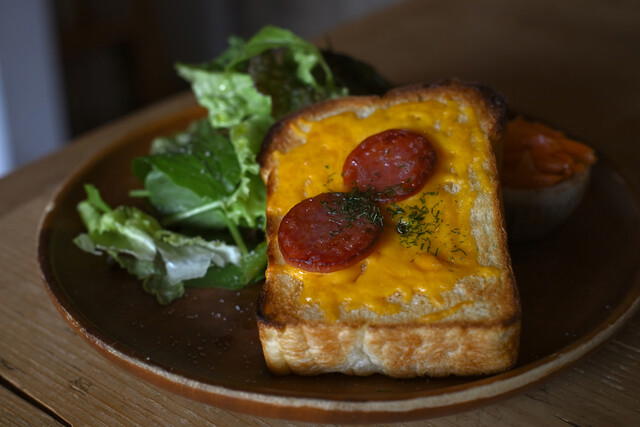
In Tokyo, the cafe format contracts to a local scale: a compact rhythm built around bread, cake, and quiet service rather than all-day grazing. This is neither hotel-lobby cafe culture nor a maximalist dessert salon. It belongs to a Tokyo category where baking, sweets, and restraint matter more than spectacle, and where the room’s modesty can make the offer feel more focused.
That scale matters. Tokyo has no shortage of pastry counters, kissaten, bakery-cafes, and dessert-led rooms, but the serious end is often defined less by luxury signals than by control: limited availability, short service windows, narrow product focus, and customers willing to plan around what is actually on offer. Uguisu to Koku sits in that lane. Its 2025 Tabelog recognition, with a listed score of 3.68 and a JPY 1,000 - JPY 1,999 price band, is a useful marker because cafe recognition in Japan rewards consistency in a crowded, hyper-specific field rather than spectacle.
Tokyo cafe culture at compact scale
The compact room places the experience closer to a specialist stop than a conventional cafe. That distinction helps travelers. In Tokyo, small spaces sharpen formats: ramen shops, sushi counters, tempura bars, coffee rooms, and bakery-cafes all use physical limitation as editing. A cafe with this kind of footprint cannot behave like a casual drop-in lounge; the room makes pace, timing, and product selection part of the experience.
The venue categories, cafe, bread, and cake, also explain contemporary Tokyo eating. The city has absorbed a wide range of baking and pastry influences for decades, but the strongest local examples rarely feel imported wholesale. They tighten sweetness, reduce excess, and place baked goods within a Japanese afternoon cadence. That intersection, broad technique and local appetite, is the point. The draw is not novelty, but how a modest category becomes exacting when the room is small and the offer edited.
Tokyo reinforces that reading. Away from the easiest restaurant-tourism shorthand, expectations shift before arrival. Eating can feel more local in tempo: less destination theater, more neighborhood precision. For visitors building a day around Tokyo’s less polished edges, this cafe fits beside small restaurants and counter formats rather than as a stand-alone trophy stop.
Bread, cake, and the Japanese appetite for restraint
The bread-and-cake pairing is not accidental in Tokyo cafe tradition. Bread reflects the city’s long-running interest in careful baking; cake reflects the Japanese cafe’s relationship with afternoon sweets, coffee, and controlled portions. The more convincing rooms avoid the oversized display-case logic common in global dessert culture. They rely on freshness, turnover, and a menu narrow enough to keep identity clear.
Uguisu to Koku’s category profile reinforces that idea through cafe use as well as bread and cake. In Tokyo, bakery-cafe culture is not secondary convenience; it is how small operators manage demand, production, and customers. A compact service style adds another layer, turning a simple cafe stop into a closer view of rhythm without pushing the experience into restaurant formality.
The price tier keeps the venue in an everyday Tokyo bracket rather than a luxury dessert category, though its recognition profile lifts it above ordinary cafe browsing. That combination is a recurring Tokyo strength: modest spend, high specialization, and a planning burden created by scarcity rather than price. Compared with casual formats such as Uchitate ya or UCHOUTEN, and with more meal-driven Tokyo dining like Mejiro Shunkotei or Unagi Mejiro Zorome, this is narrower: a precise cafe stop, not a full lunch or dinner plan.
Start with Our full Tokyo restaurants guide for dining context, then compare it with other unnamed cafe and casual stops, curry addresses, seafood-led rooms, and counter cooking across the city. Wider itinerary planning can also fold in Tokyo hotels, bars, wineries, and experiences, depending on how much of the day is built around food.
How to fit it into a serious Tokyo food itinerary
The practical read is simple: treat this as a small-format Tokyo cafe with a bread-and-cake focus, not a flexible fallback between major meals. The listed categories are cafe, bread, and cake, and the public price band sits at JPY 1,000 - JPY 1,999, so it rewards travelers who understand Tokyo’s habit of making modest formats feel precise. Build in time, keep the plan light, and avoid treating it as a substitute for a full restaurant booking.
The venue’s 2025 Tabelog recognition gives its profile a useful external marker. Cafe lists can be volatile because Tokyo’s pastry and coffee scenes move quickly; selection in a crowded category suggests a venue with more than ordinary cafe browsing appeal. For an EP Club reader, the decision point is not whether this replaces a major restaurant reservation. It should not. Use it as a compact, category-specific stop showing how Tokyo applies seriousness to formats other cities treat casually.
Travelers extending the same lens beyond Tokyo can compare, in general terms, how Japanese casual and cafe formats translate in other cities. The useful comparison is not a one-to-one match with named destinations elsewhere, but the broader pattern: modest price, edited product focus, and a level of care that turns an everyday category into something worth planning around.
Frequently asked questions
Is Uguisu to Koku a family-friendly restaurant?
Uguisu to Koku is a compact Tokyo cafe, so families should check the venue's official channels for the latest details before visiting.
What's the overall feel of Uguisu to Koku?
Expect a compact cafe rather than a lingering all-day room. The bread-and-cake focus and 2025 Tabelog recognition give it the feel of a specialist stop rather than a casual chain cafe.
What's the pricing like at Uguisu to Koku?
Pricing at Uguisu to Koku is listed as JPY 1,000 - JPY 1,999 View spending breakdown.
When is Uguisu to Koku open?
Check Uguisu to Koku's official channels for current opening hours before visiting.
What's Uguisu to Koku's location?
Tokyo.
Cuisine and Recognition
Comparable venues for cuisine and category context.
| Venue | Cuisine | Price | Awards | Notes |
|---|---|---|---|---|
| Uguisu to KokuThis venue (the venue you are viewing) | Cafe, Bread & Cake | $10–20 | Tabelog 100 #45 | Not listed |
| Tantantei | Classic Tokyo Shina Soba & Wonton Ramen | $10–20 | Tabelog 100 #84 | Hamadayama |
| Machi no Parlor | Japanese Bakery Café | $10–20 | Tabelog 100 #58 | Nerima |
| AFURI Harajuku | Yuzu Ramen | $10–20 | Not listed | Shibuya |
| TIES | Japanese Kissaten / Cafe | $1–10 | Tabelog 100 | Bunkyō |
| Nezu Kamachiku | Traditional Udon in Historic Stone Warehouse | $20–30 | Tabelog 100 #13 | Bunkyō |
Recognition history
Dated appearances from independent guides and award organizations, with the underlying list record or original source where available.
Tabelog 100 #45 · No. 45
Tabelog · Tabelog 100 - Cafe - EAST - 2025