On Ulitsa Turgeneva in central Krasnodar, Ugli-Ugli occupies a position in the city's growing mid-to-upper dining tier, where ingredient provenance and regional identity are replacing generic menus. The name itself signals a deliberate aesthetic, rough, honest, non-decorative, that aligns with a broader Russian dining shift away from imported formats toward locally grounded cooking. A reservation here places you inside that conversation.
Pearl is the En Primeur Club membership app — saves, bookings, and concierge access live there. Same editors, same standards.
- Address
- Ulitsa Turgeneva, 126/1, Krasnodar, Krasnodar Krai, Russia, 350000
- Phone
- +79183815111
- Website
- ugli-ugli.com
- Directions
- Get directions
 Saves & bookings on Pearl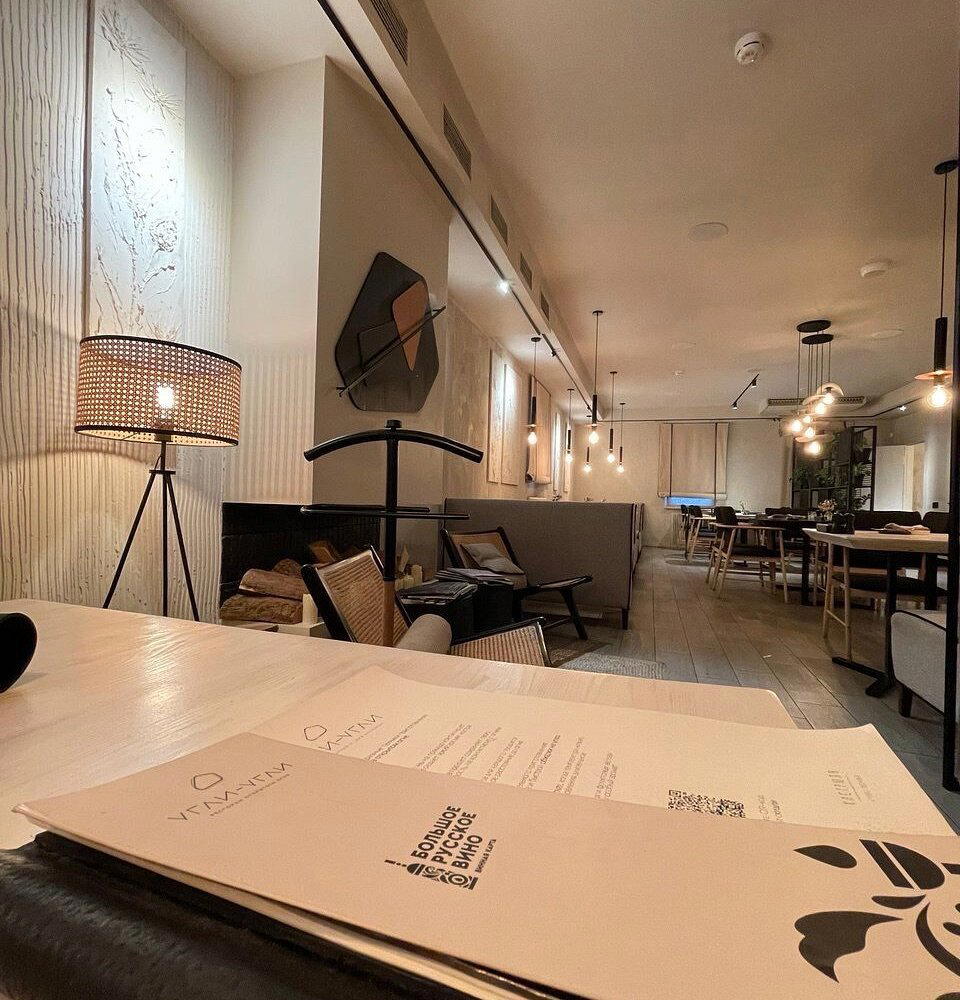
Where Krasnodar's Ingredient-Driven Dining Is Taking Shape
Krasnodar has been undergoing a quiet but measurable shift in its restaurant culture over the past decade. The city sits at the northern edge of the Krasnodar Krai, Russia's most productive agricultural region, with Black Sea access to the west, Kuban River basin farmland threading through its suburbs, and a climate that permits a growing season longer and warmer than almost anywhere else in the country. That proximity to raw materials has begun to change what restaurants here feel obligated to put on their menus, and how seriously they take sourcing as a culinary argument. Ugli-Ugli, on Ulitsa Turgeneva in the city centre, sits inside this shift.
The address, 126/1 Ulitsa Turgeneva, places the restaurant in Krasnodar's central walkable core, a district that has attracted the more ambitious of the city's newer openings. Arriving on foot along Turgeneva, the surrounding architecture is a mix of late-Soviet institutional and early-2000s commercial, which makes restaurant interiors in this stretch work harder to establish atmosphere. The name Ugli-Ugli resists the decorative register entirely. It suggests something deliberately unpolished, anti-glossy, a positioning choice that in the context of Krasnodar's dining scene reads less as affectation and more as a statement about what the kitchen prioritises over presentation theatre.
The Kuban Kitchen Argument
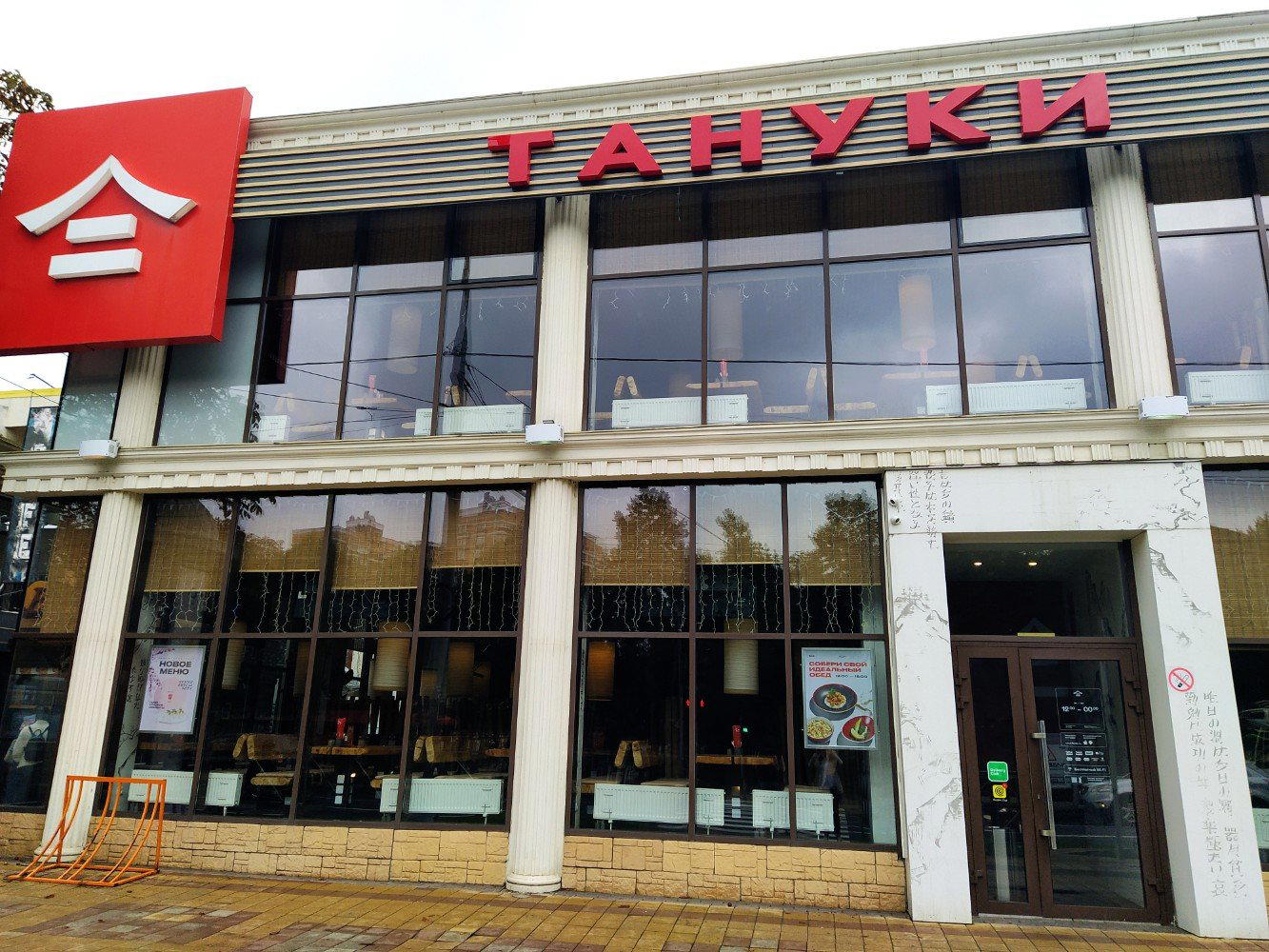
The Krasnodar Krai produces wheat, sunflowers, corn, stone fruit, dairy, lamb, and freshwater fish at a scale that makes it Russia's de facto breadbasket. Regional restaurants that take sourcing seriously here are not doing something exotic, they are doing something geographically logical. The interesting question is which operators treat that proximity as a culinary foundation versus a marketing label. Across the Krasnodar scene, venues like Alanskaya Kukhnya draw on North Caucasian traditions, while Balkan Gril' imports a regional identity from a different geography altogether. Restaurant Stan leans into Cossack heritage framing, and TanukiFamily operates in the pan-Asian format that runs through every major Russian city. Ugli-Ugli's positioning, by contrast, appears to sit closer to the ingredient-provenance-first model, where the Kuban agricultural calendar informs what's on the plate rather than a fixed ethnic or national narrative.
This approach has a parallel in what has happened in Moscow and Saint Petersburg over the same period. At Twins Garden in Moscow, sourcing from the restaurant's own farm became a structural culinary argument, not an accessory. At 1913 in Saint Petersburg, the emphasis on pre-Soviet Russian culinary traditions brought ingredient authenticity into historical framing. The difference in Krasnodar is that the raw material advantage is already in place geographically, the editorial task for a restaurant is to demonstrate that it is doing something considered with access that many operators in Moscow would pay significantly more to secure.
Reading the Name as a Signal
Restaurant naming in Russia's current dining generation tends to split between aspirational imported references and deliberately vernacular or idiosyncratic choices. Ugli-Ugli falls firmly in the second category. The doubling construction, common in diminutive or affectionate Russian usage, combined with a word that connotes something unbeautiful or raw, creates a specific tonal register: approachable but pointed, self-aware without being ironic. It sets an expectation that the food will not be performing for its own beauty, which in the current Russian dining conversation is a considered stance. Compare this to the register of Lev I Ptichka in Saint Petersburg, where the name similarly prioritises a domestic, textured identity over international gloss.
Across Russia's provincial cities, this tonal shift is happening at different speeds. Kukhterin in Tomsk, Grisha in Omsk, and Dzhani Restorani in Nizhny Novgorod all represent versions of the same broader trend: regional operators building identity around local specificity rather than importing a capital-city or international format. Krasnodar, with its agricultural advantage, has more raw material to work with than most. The question the restaurant asks, implicitly, through name, address, and positioning, is whether a Krasnodar restaurant can make that advantage legible on the plate without reducing it to a tourism-board tagline.
The Krasnodar Dining Tier Ugli-Ugli Occupies
Krasnodar's restaurant market is not stratified in the same way as Moscow or Saint Petersburg, where Michelin recognition and 50 Best citations create a documented upper bracket. The city operates without those external calibration tools, which means peer-set positioning is established through pricing signals, booking patterns, and the composition of a dining room on a Tuesday evening rather than through award shortlists. The restaurant's central Turgeneva address places it in the part of the city where Krasnodar's professional and business dining happens, not tourist-facing, not neighbourhood-casual, but mid-tier-serious in a market where that tier is still being defined. For comparison, Khmeli Suneli in Yekaterinburg represents how a Georgian-inflected kitchen can anchor a serious mid-tier position in a Russian regional city without external certification, a structural parallel worth noting.
At the other end of the international comparison, venues like Le Bernardin in New York City or Atomix in New York City illustrate how ingredient sourcing and producer relationships become the primary editorial language of a kitchen at the summit of a competitive market. The Krasnodar version of that argument operates at a different scale and price point, but the underlying logic, that knowing where your food comes from is the foundation of a kitchen's credibility, translates across contexts.
Planning a Visit
The restaurant is located at Ulitsa Turgeneva, 126/1, in central Krasnodar, within walking distance of the city's main pedestrian and commercial streets. Krasnodar is accessible by direct rail from Moscow (roughly 16 hours by overnight train) and by air via Krasnodar International Airport, which receives domestic connections from major Russian cities. The city's central restaurant district is compact enough that restaurant works as part of a broader evening in the Turgeneva area. For a wider orientation to what Krasnodar's dining scene offers across price points and styles, the EP Club Krasnodar restaurants guide covers the full range. Those planning a longer itinerary through southern Russia may also find value in comparing against the Made in China format in St. Petersburg or the pastry-focused Konditerskaya Kuzina in Syktyvkar for a sense of how different Russian cities are solving the question of dining identity. For a contrasting fast-casual approach in a Siberian context, Burger Records in Novosibirsk and Cafe Pushkin in Moscow illustrate the breadth of formats currently operating across the country.
How It Stacks Up
Comparable venues nearby, for context on price, style, and recognition.
| Venue | Cuisine | Price | Notes |
|---|---|---|---|
| Ugli-UgliThis venue — the venue you are viewing | Modern European Fire-Grilled Cuisine | $$ | Not listed |
| Balkan Gril' | Serbian Grill & Balkan Cuisine | $$ | Tsentralniy (Central District) |
| Alanskaya Kukhnya | Traditional Ossetian | $$ | Krasnodar |
| TanukiFamily | Japanese Sushi & Rolls | $$ | Krasnodar |
| Restaurant "Stan" | Traditional Kuban Cossack Russian | $$ | Kubanskaya Naberezhnaya |
| Китайская грамота | Кантонская кухня | $$$ | Бульварное кольцо |
Continue exploring
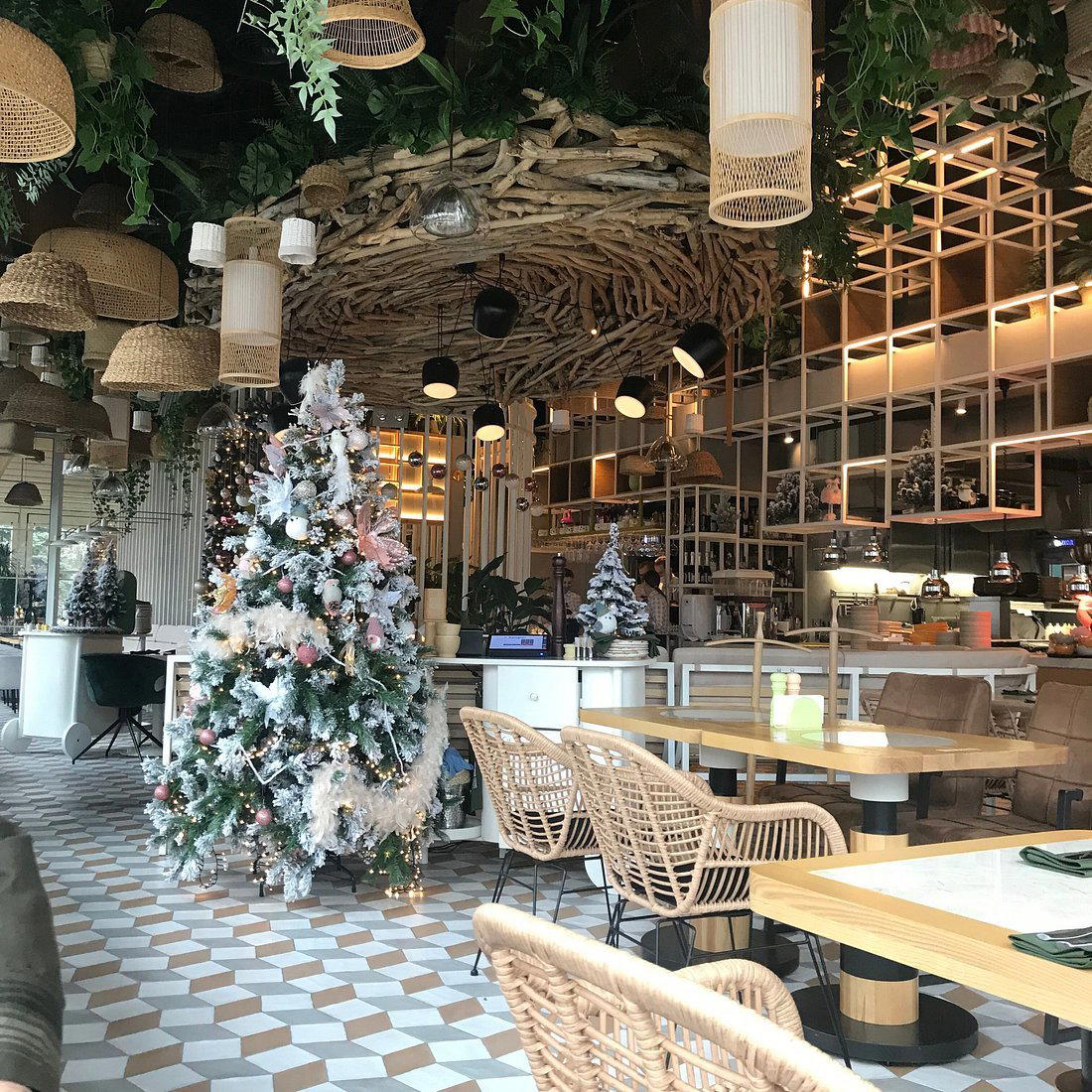
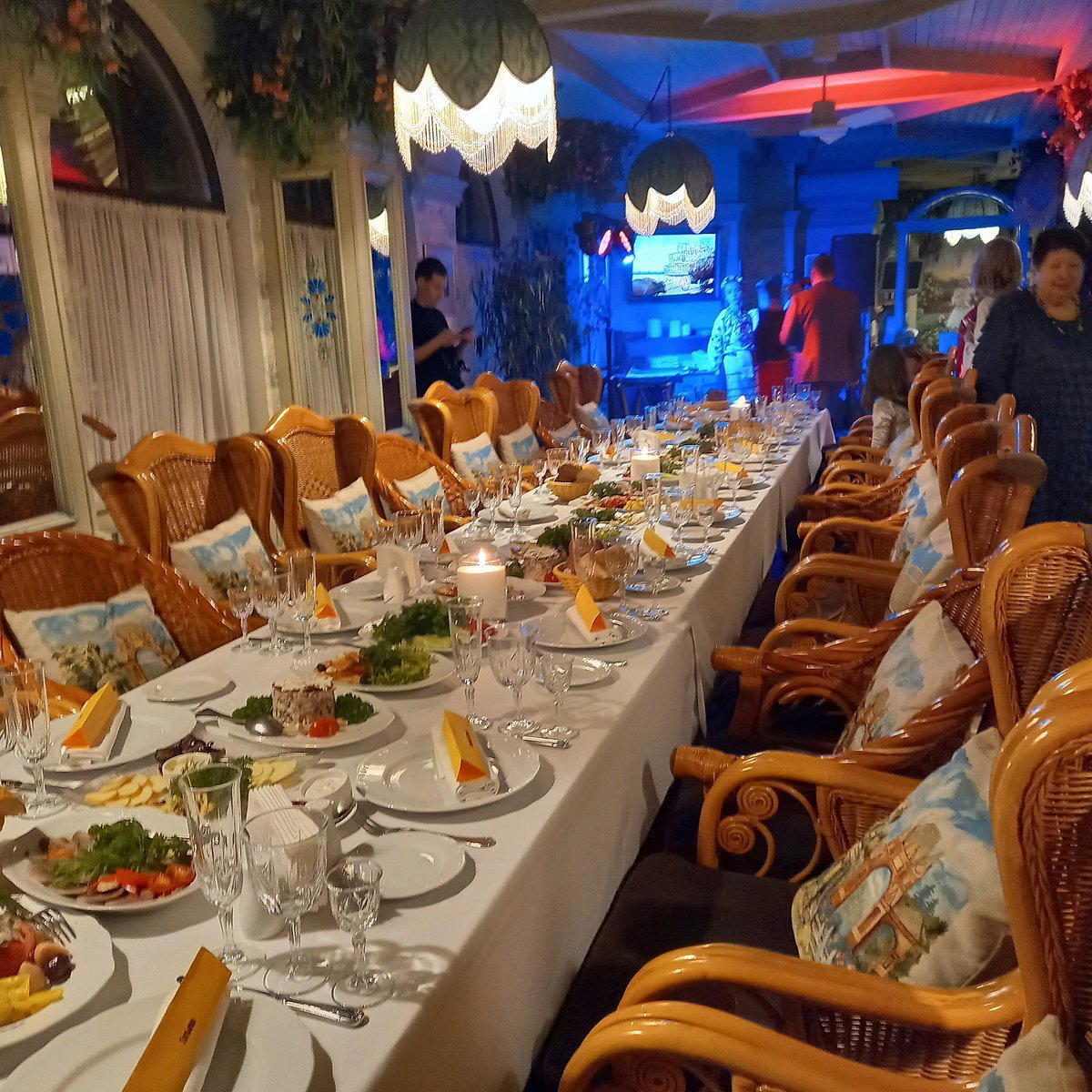
More in Krasnodar
At a Glance
- Modern
- Cozy
- Elegant
- Date Night
- Special Occasion
- Business Dinner
- Open Kitchen
- Local Sourcing
Current opening hours
- Monday
- 12–11 PM
- Tuesday
- 12–11 PM
- Wednesday
- 12–11 PM
- Thursday
- 12–11 PM
- Friday
- 12–11 PM
- Saturday
- 12–11 PM
- Sunday
- 12–11 PM
Hours can change for holidays and private events. Last verified .
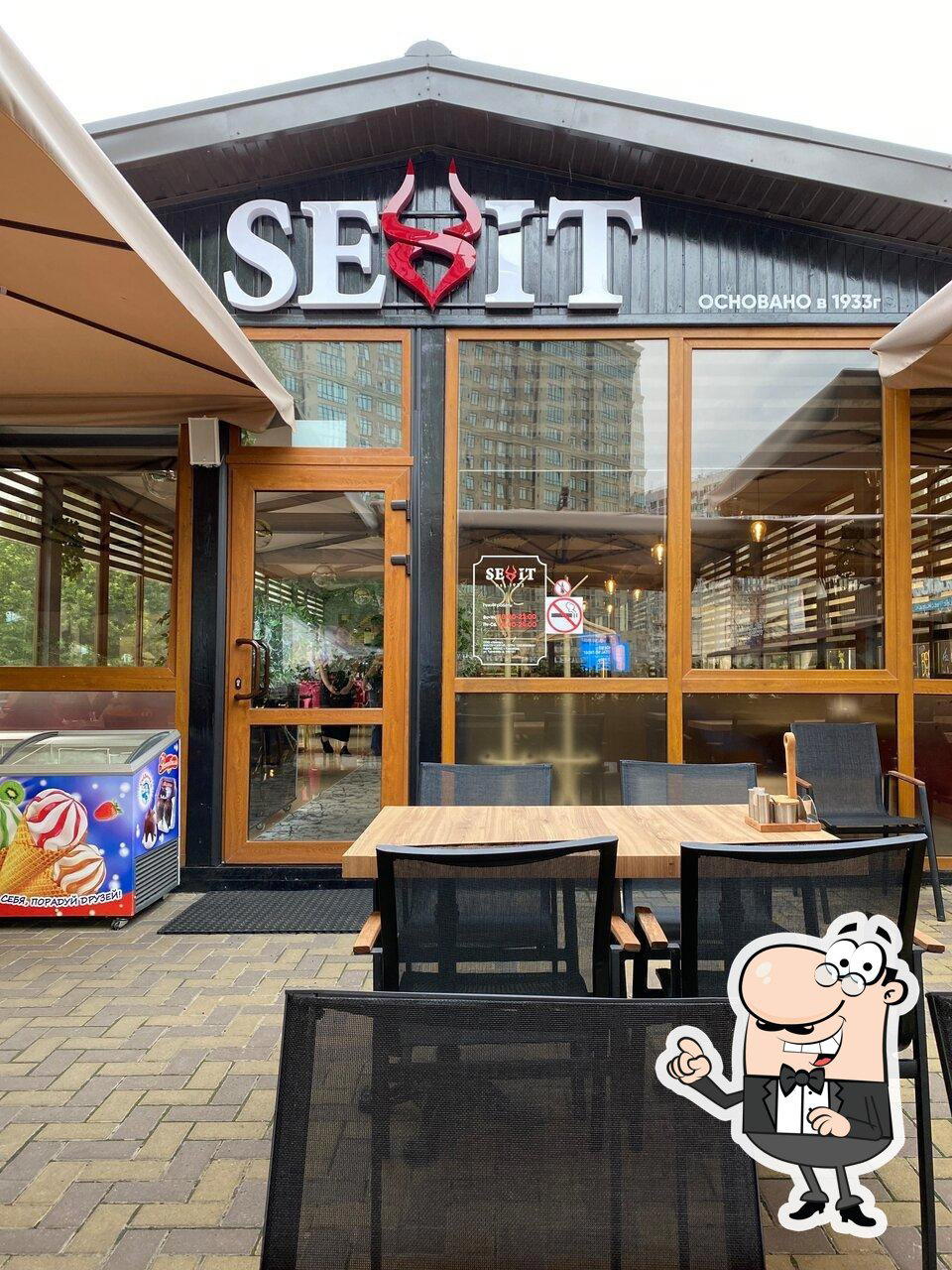
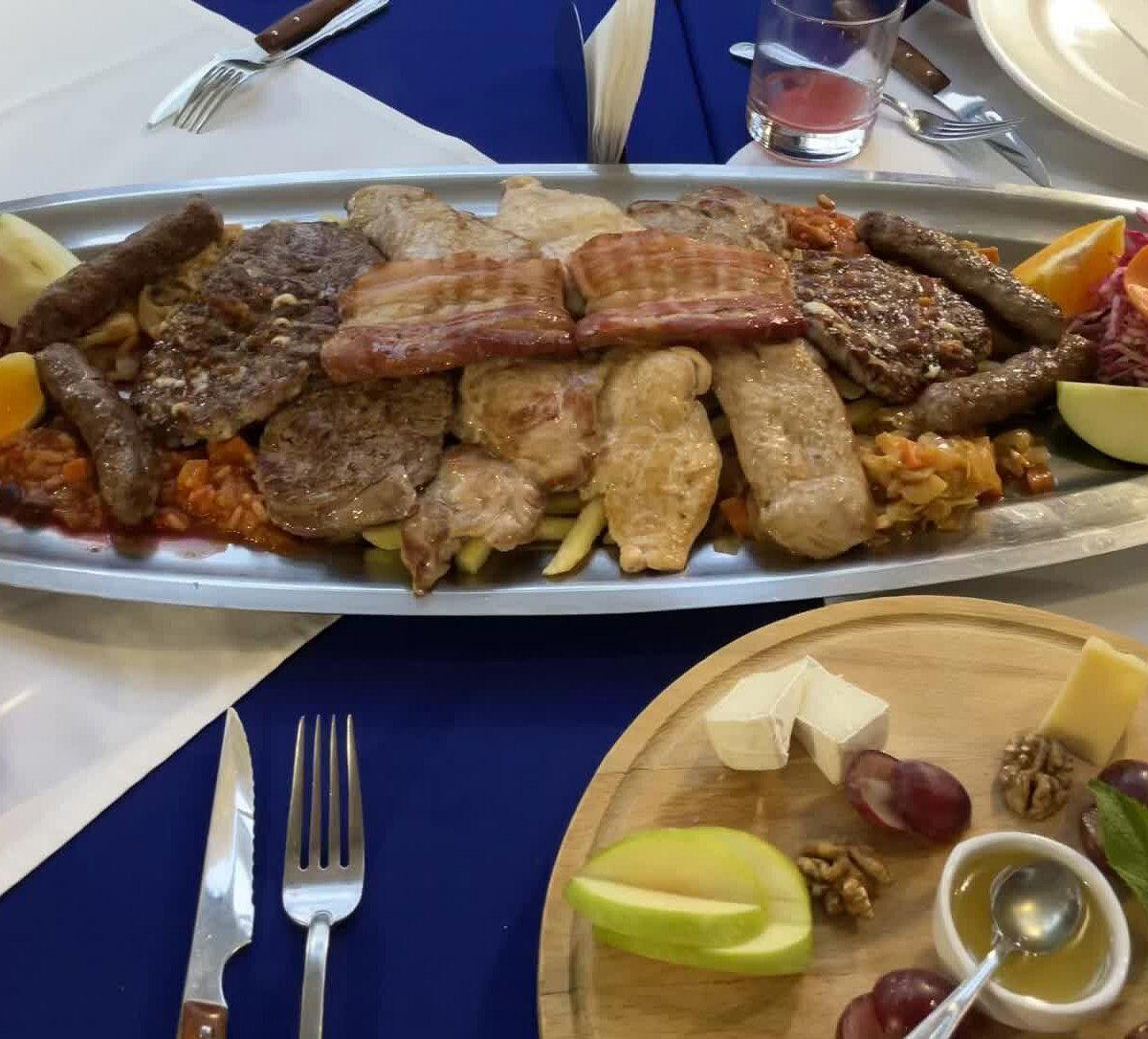
Modern and cozy atmosphere with beautiful plating and welcoming touches like fresh bread, creating an inviting fine-dining experience.