On the Kubanskaya Naberezhnaya embankment in Krasnodar, Restaurant Stan occupies a stretch of riverfront that has become one of the city's more concentrated dining corridors. The address places it within easy reach of central Krasnodar's growing restaurant scene, where Kuban regional cooking sits alongside international formats. Booking details and current hours are best confirmed directly with the venue before visiting.
Pearl is the En Primeur Club membership app — saves, bookings, and concierge access live there. Same editors, same standards.
- Address
- Ulitsa Kubanskaya Naberezhnaya, 15, Krasnodar, Krasnodar Krai, Russia, 350063
- Phone
- +79183301616
- Website
- stan-restoran.ru
- Directions
- Get directions
 Saves & bookings on Pearl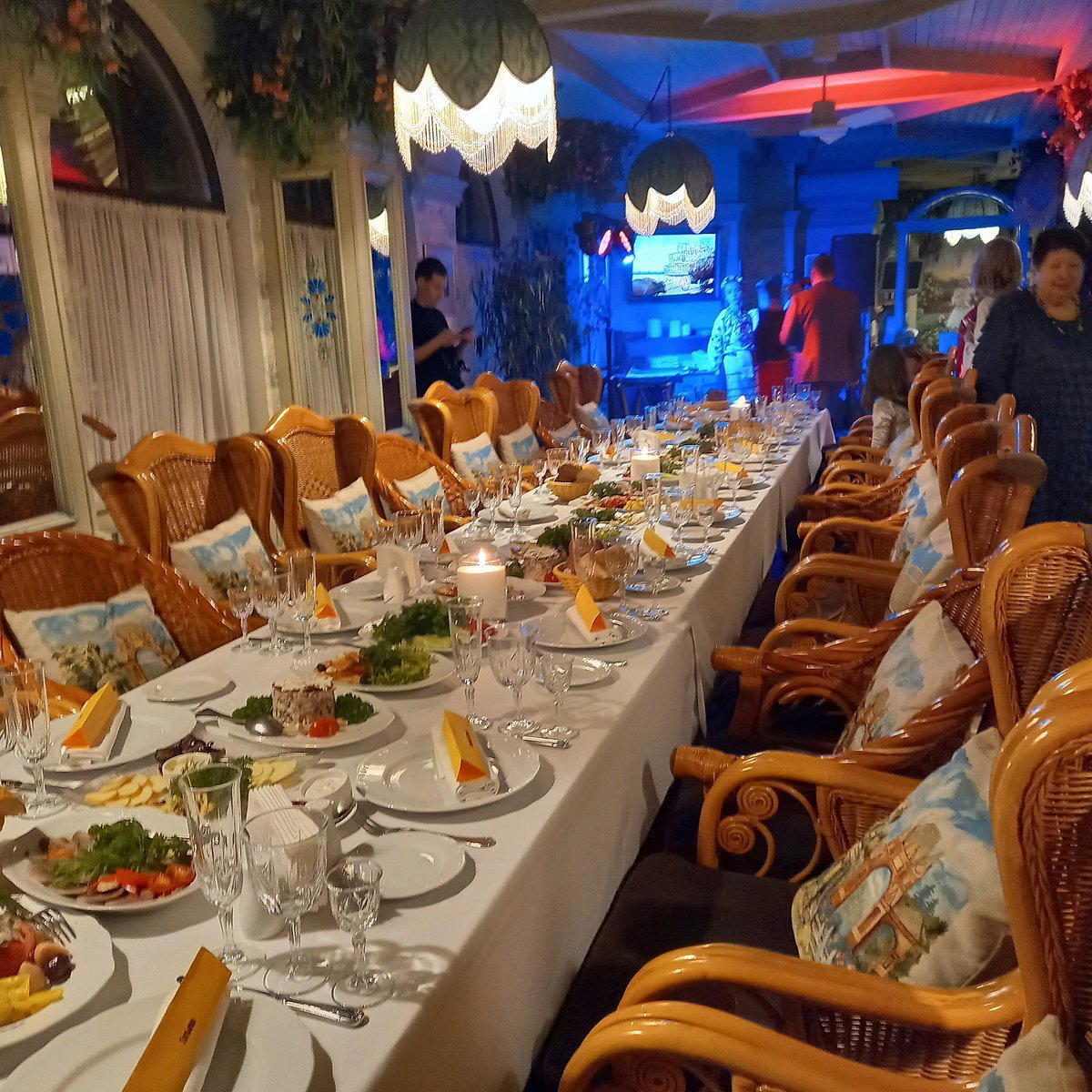
The Kuban Embankment as a Dining Address
Ulitsa Kubanskaya Naberezhnaya has become one of the more deliberate restaurant streets in southern Russia. Krasnodar's dining scene has matured steadily over the last decade, and the embankment has become one of its clearest dining corridors: venues here line a promenade where foot traffic and river views create a reliable draw. Restaurant Stan, at number 15, sits inside that logic. The address is a statement of position before it is anything else, placing the restaurant within a comparable set defined by accessibility, visibility, and the particular social rhythm of a riverfront evening in Krasnodar.
That rhythm matters for understanding what the city's dining scene is doing at this moment. Krasnodar is not Moscow or Saint Petersburg, where international critical infrastructure and major press cycles shape what restaurants aspire to. The comparison with, say, Twins Garden in Moscow or 1913 in Saint Petersburg points up the difference clearly. Krasnodar's better restaurants operate on a different kind of authority, one rooted in regional identity, local loyalty, and the genuine agricultural richness of the Kuban region itself.
Kuban Cooking and What It Actually Means
The Kuban is one of Russia's most productive agricultural zones, and the cuisine that developed here is a direct expression of that abundance. The region's cooking draws from Cossack traditions, Ukrainian influence, and the produce of a Black Sea-adjacent climate that supports grains, sunflowers, stone fruit, river fish, and an increasingly serious wine sector to the west. This is not a cuisine built on scarcity or preservation techniques in the way that Siberian or northern Russian cooking often is. It is, by contrast, a cuisine of surplus: fresh ingredients, generous portions, and a social orientation toward the table as a communal event rather than a curated experience.
That cultural framing shapes what a restaurant on the Kubanskaya Naberezhnaya is likely to be doing, whether it is explicitly Kuban-focused or operating in a more eclectic register. The leading regional dining in the city, represented across venues like Alanskaya Kukhnya, which draws on North Caucasian culinary traditions, and the Balkan-inflected cooking at Balkan Gril', tends to treat the region's produce as a given rather than a selling point. The hospitality is characteristically direct, the service cadence set by local norms rather than international fine-dining protocol.
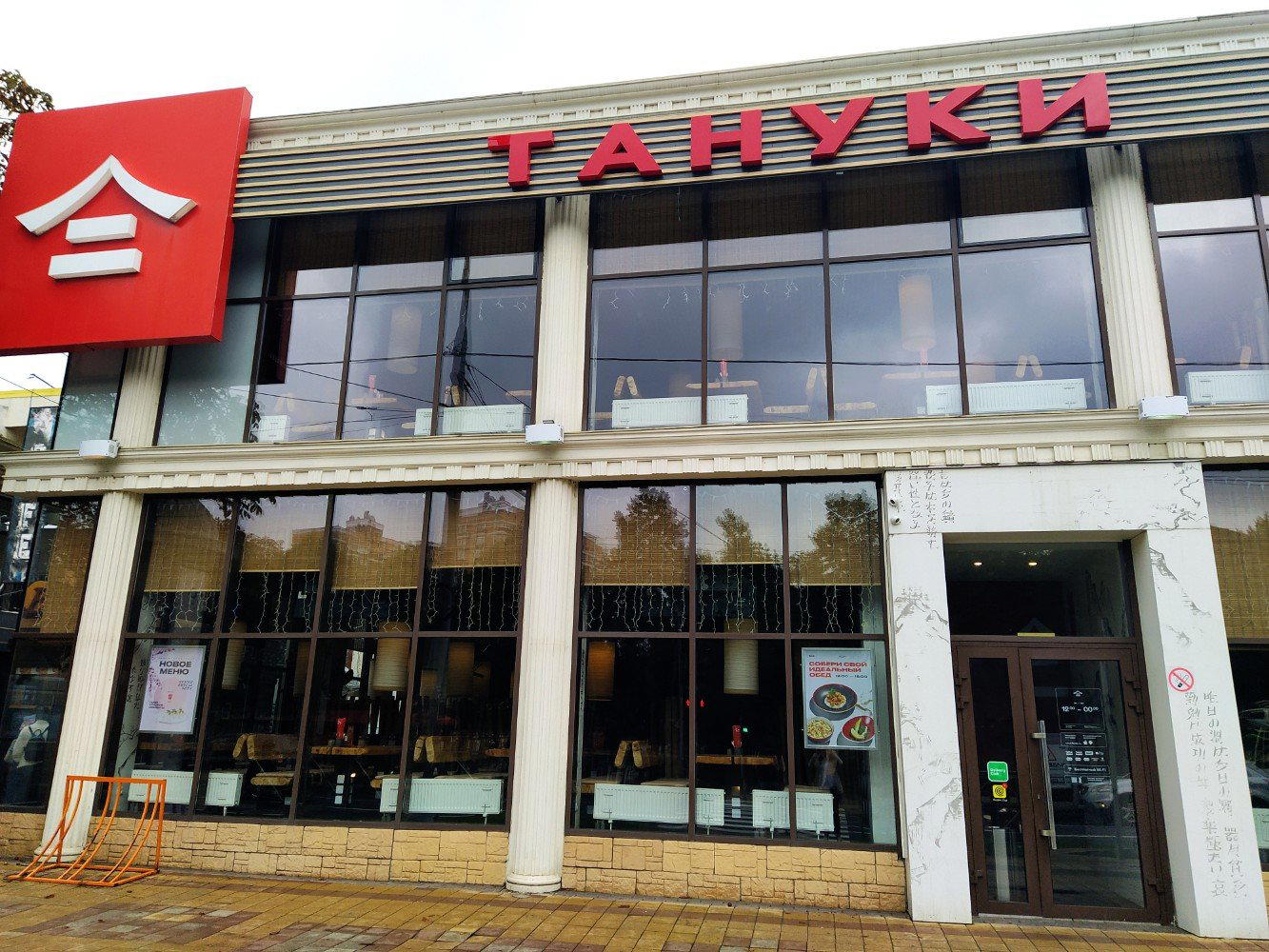
Where a restaurant like Ugli-Ugli or TanukiFamily represents the more international or format-driven end of Krasnodar's scene, an embankment address like Stan's suggests an orientation toward the broader dining public: people who want a good meal in a setting with some presence, rather than a specialist culinary proposition. That is not a criticism. It is a description of a category that Russian regional cities have developed with genuine skill.
How Stan Sits in Krasnodar's Restaurant Tier
Russia's regional cities have undergone a quiet but sustained upgrade in dining over the past decade. The pattern is visible from Kukhterin in Tomsk to Dzhani Restorani in Nizhny Novgorod to Grisha in Omsk: serious local restaurateurs building ambitious operations outside the two capitals, drawing on regional ingredients and a customer base with rising expectations. Krasnodar sits at the more developed end of this spectrum. Its proximity to Sochi, its status as the administrative capital of Krasnodar Krai, and its relatively young, mobile population have all pushed the dining scene toward formats that would not look out of place in a mid-sized European city.
Within that context, a riverfront restaurant at a prominent embankment address operates in a specific tier: visible, accessible, and priced for a local professional audience rather than for visitors on a single high-budget night out. The competitive set in this tier includes venues that have to perform consistently across lunch, dinner, and weekend gatherings, without the protection of a tasting-menu format or a specialist reservation system. It is, in some ways, a harder category to succeed in than the purely specialist tier, the kind of all-conditions reliability required is not easily faked.
For comparison, restaurants at the more technical end of Russian regional dining, Khmeli Suneli in Yekaterinburg, for instance, or Lev I Ptichka in Saint Petersburg, tend to occupy narrower niches with more controlled formats. The embankment model that Stan represents is a different contract with the diner: broader appeal, a setting with genuine atmospheric weight, and a proposition built around the evening as a whole rather than the dish as an object of study. Both models have their advocates. The question for any visitor is which one matches their mood.
Placing Stan in the Broader Russian Dining Map
Krasnodar does not appear on the international dining radar the way Moscow does, and the gap is partly structural rather than qualitative. The absence of international award bodies, the limited English-language press coverage, and the logistical position of the city all mean that good restaurants here operate without the external validation that shapes reputations elsewhere. Cafe Pushkin in Moscow has the kind of name recognition that travels internationally; a riverfront restaurant in Krasnodar does not, regardless of what it is actually doing in the kitchen.
That invisibility to outside observers is, for the traveller who does make it to the city, something of an advantage. The lack of international tourist infrastructure means restaurants on the Kubanskaya Naberezhnaya are calibrated for locals, which tends to produce more honest pricing, more natural service, and a room that feels like it belongs to the city rather than to a visiting audience. The reference points for Russian regional dining outside the capitals, Burger Records in Novosibirsk, Konditerskaya Kuzina in Syktyvkar, confirm that the pattern holds across different cities: local character survives where international tourism has not yet standardised the offer.
Planning Your Visit
Restaurant Stan is located at Ulitsa Kubanskaya Naberezhnaya, 15, in central Krasnodar. Stan is located at Ulitsa Kubanskaya Naberezhnaya, 15, in central Krasnodar. Current hours run daily from 12 PM to 12 AM, and reservations are recommended.
Price Lens
Comparable venues nearby, for context on price, style, and recognition.
| Venue | Cuisine | Price | Notes |
|---|---|---|---|
| Restaurant "Stan"This venue — the venue you are viewing | Not listed | $$ | Not listed |
| TanukiFamily | Krasnodar, Japanese Sushi & Rolls | $$ | Not listed |
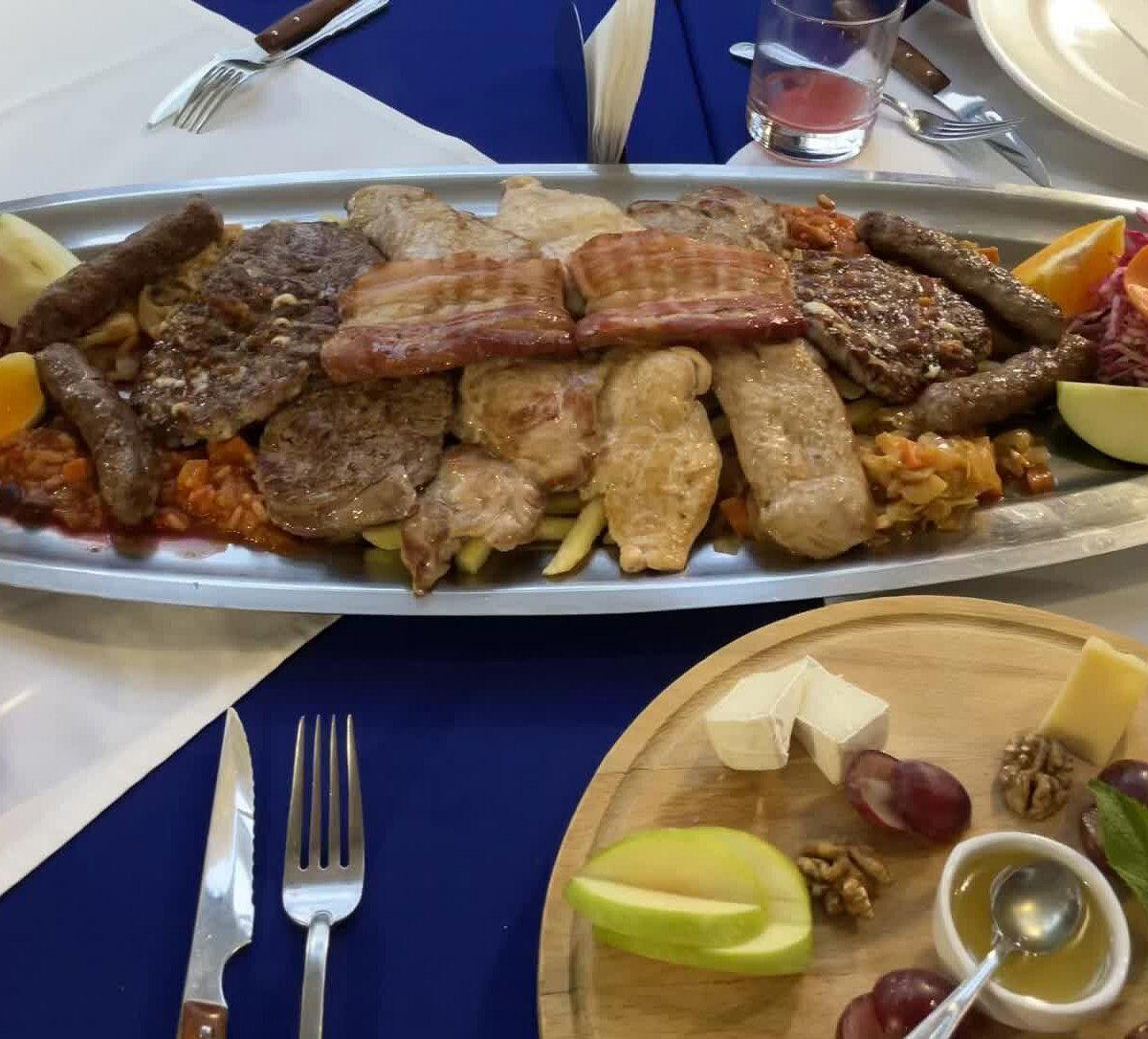
| Balkan Gril' | Not listed | $$ | Tsentralniy (Central District), Serbian Grill & Balkan Cuisine |
| Alanskaya Kukhnya | Krasnodar, Traditional Ossetian | $$ | Not listed |
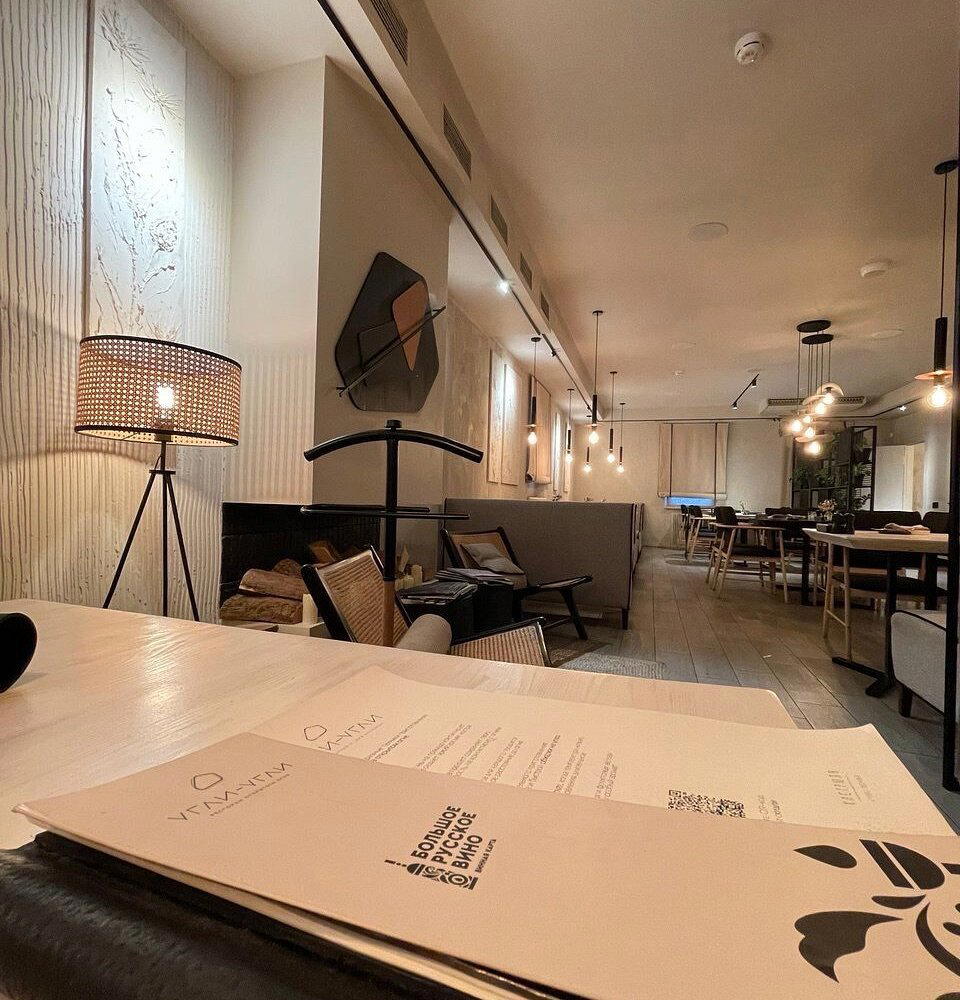
| Ugli-Ugli | Not listed | $$ | :null, Modern European Fire-Grilled Cuisine |
| Kazbek | Presnensky, Authentic Georgian | $$ | Not listed |
Continue exploring
More in Krasnodar
At a Glance
- Classic
- Rustic
- Cozy
- Historic
- Family
- Celebration
- Special Occasion
- Group Dining
- Live Music
- Terrace
- Historic Building
- Craft Cocktails
- Waterfront
- Street Scene
Current opening hours
- Monday
- 12 PM–12 AM
- Tuesday
- 12 PM–12 AM
- Wednesday
- 12 PM–12 AM
- Thursday
- 12 PM–12 AM
- Friday
- 12 PM–12 AM
- Saturday
- 12 PM–12 AM
- Sunday
- 12 PM–12 AM
Hours can change for holidays and private events. Last verified .
Cozy historical Cossack-themed atmosphere with authentic decor, costumes, and artifacts, enhanced by live music and scenic verandas.