TanukiFamily occupies a prominent address on Ulitsa Krasnaya, Krasnodar's main commercial artery, placing it within the city's most trafficked dining corridor. The name signals an informal, communal register that distinguishes it from the more formal dining rooms nearby. For visitors mapping Krasnodar's restaurant scene, it represents one data point in a city whose food culture has developed faster than its national reputation suggests.
Pearl is the En Primeur Club membership app — saves, bookings, and concierge access live there. Same editors, same standards.
- Address
- Ulitsa Krasnaya, 182, Krasnodar, Krasnodar Krai, Russia, 350020
- Phone
- +74996492223
- Website
- tanukifamily.ru
- Directions
- Get directions
 Saves & bookings on Pearl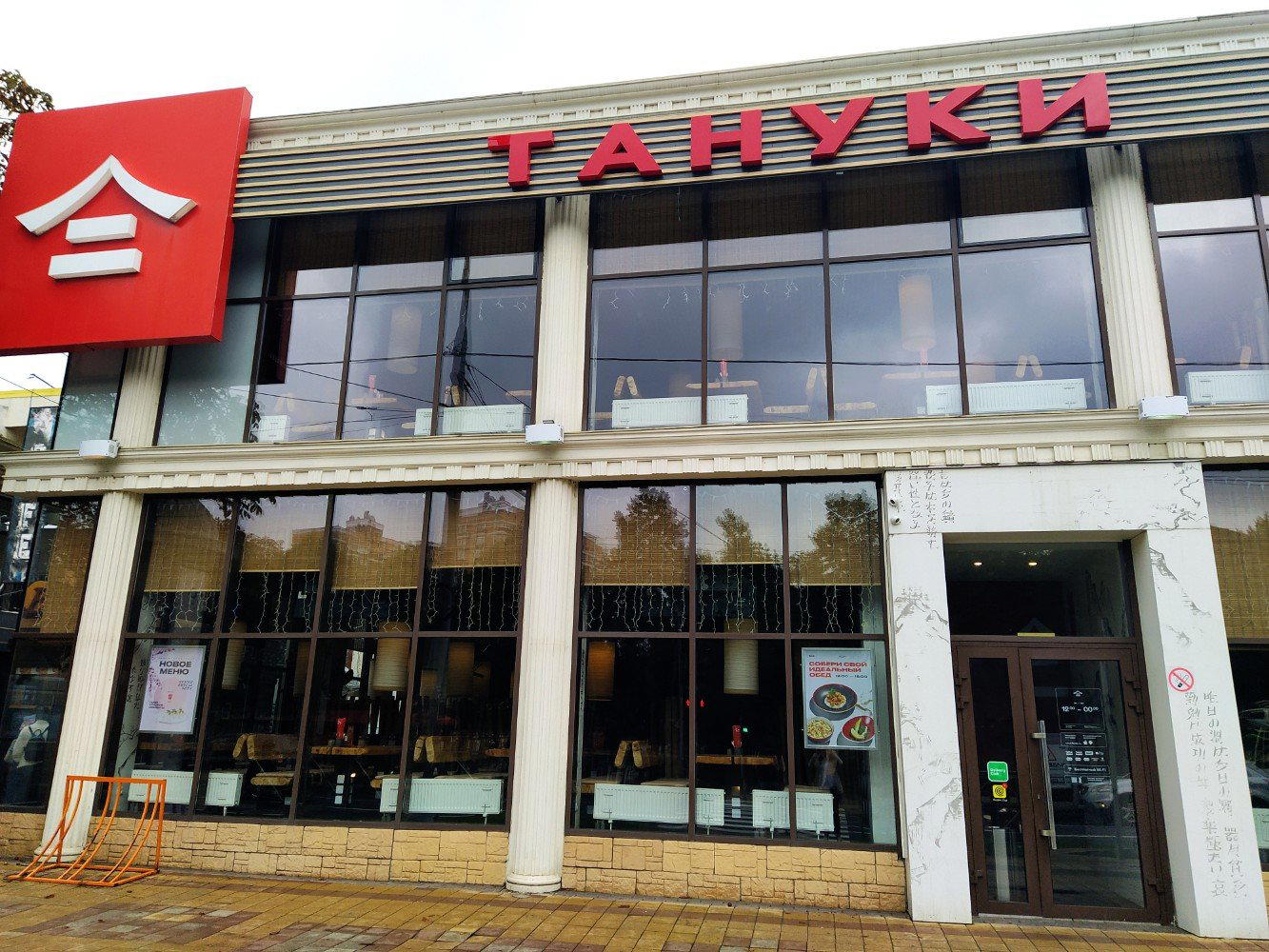
Ulitsa Krasnaya and the Rhythm of Eating in Krasnodar
Ulitsa Krasnaya runs through the centre of Krasnodar like a long exhale, its wide pavements lined with a mix of administrative buildings, retail frontage, and restaurants that have multiplied over the past decade as the city's middle class has expanded and its appetite for dining out has sharpened. An address at number 182 places TanukiFamily at Ulitsa Krasnaya, 182, in the stretch of Krasnaya where foot traffic is consistent and competition for attention is real. In a city that does not yet draw the international dining press the way Moscow or Saint Petersburg do, the restaurant scene on this street operates largely on local conviction, repeat custom, and word-of-mouth momentum. That is, a healthier foundation than hype.
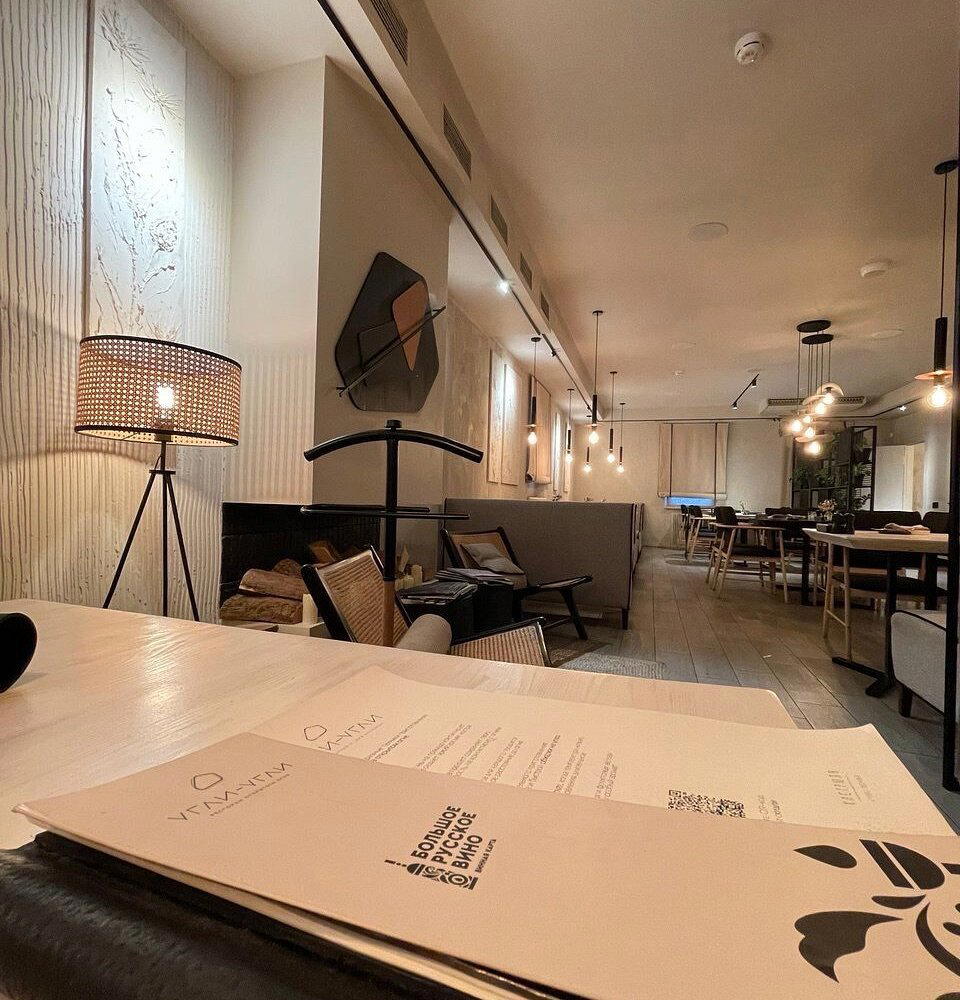
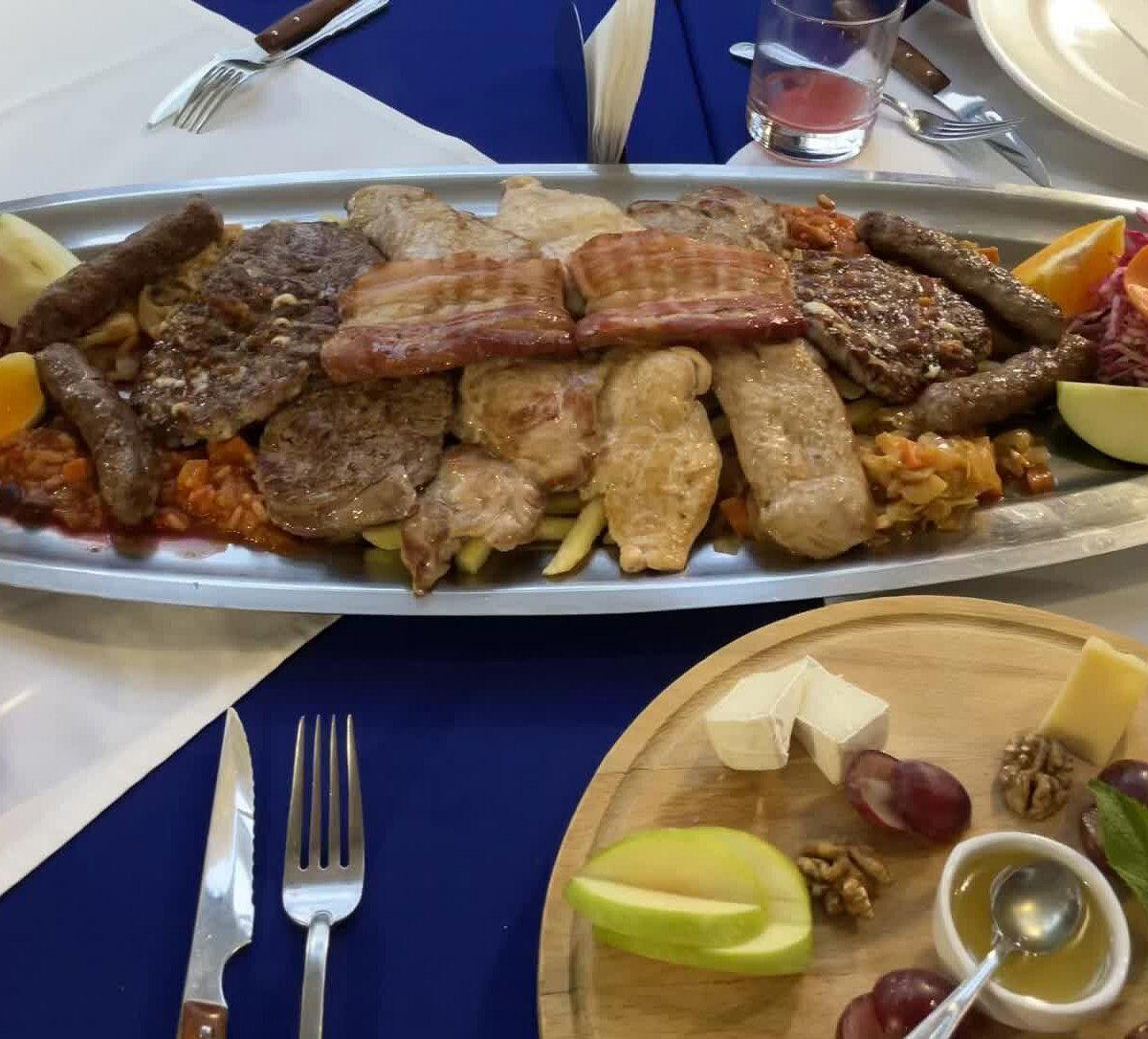
Krasnodar's dining culture sits at an interesting crossroads. The Kuban region's agricultural richness, proximity to the Black Sea coast, and long-standing Cossack food traditions give local kitchens a larder that chefs in northern Russian cities would find enviable. Those conditions have produced a restaurant scene that can draw on fresh produce, regional dairy, and river fish without the logistics penalties that complicate sourcing further east. Restaurants like Alanskaya Kukhnya and Restaurant "Stan" occupy different registers of that same regional conversation, while Balkan Gril' and Ugli-Ugli pull the city's palate toward reference points beyond Russia's borders. TanukiFamily's name, with its Japanese folkloric overtone softened by the domestic suffix "Family," hints at a format that bridges international culinary reference with an accessible, communal dining ritual.
The Dining Ritual: Pace, Format, and the Logic of Shared Tables
The word "Family" in a restaurant name is never accidental. It signals something about pacing and intent: meals designed to sprawl rather than conclude, portions structured for passing rather than individual plating, and a room calibrated for conversation rather than the contemplative silence of a tasting-menu counter. This format has become one of the more durable dining models across Russian cities in the 2010s and into the present decade, as diners have moved away from the rigid progression of formal European-style service toward something more fluid. The shift mirrors what has happened at the casual end of the market in Tokyo, Istanbul, and Tel Aviv, where the sharing table replaced the individually plated entrée as the dominant social ritual.
Where the Japanese tanuki reference fits into this picture is worth considering. The tanuki, a raccoon dog figure from Japanese folklore, carries associations of conviviality and good fortune, and has been borrowed freely by restaurant operators across Asia and Europe as a mascot for informal, welcoming spaces. It is a name that travels well precisely because it carries cultural warmth without demanding deep familiarity with its source. That kind of cultural translation is common in Russian cities with cosmopolitan aspirations: the reference imports a mood, not a strict culinary program. For a useful comparison of how this plays out at the ambitious end of Russian dining, Twins Garden in Moscow and 1913 in Saint Petersburg show what happens when that cosmopolitan impulse is combined with serious technical investment.
Krasnodar's Position in the Wider Russian Restaurant Conversation
Russia's dining geography is more distributed than outsiders often assume. Serious, locally rooted restaurants operate well beyond the Moscow-Saint Petersburg axis, and Krasnodar has been among the more active provincial cities in developing an independent food culture. The city's population of over nine hundred thousand gives it the density to support a range of formats, from quick-service operations to multi-course evening restaurants. Kukhterin in Tomsk, Dzhani Restorani in Nizhny Novgorod, and Grisha in Omsk each illustrate how provincial Russian cities have developed their own culinary identities rather than simply replicating the capital's templates. Krasnodar belongs to that broader pattern.
For context on how pan-Asian and Japanese-inflected dining has evolved in Russian cities, Made in China in St. Petersburg offers a useful reference point at the premium end of that category. Further afield, venues like Khmeli Suneli in Yekaterinburg and Lev I Ptichka in Saint Petersburg show the range of registers that now coexist within Russia's provincial dining scene. The international benchmarks, for those calibrating expectations across categories, include Le Bernardin in New York City and Atomix in New York City, both of which represent the kind of technical precision and cultural specificity that defines a different tier entirely.
Planning a Visit to TanukiFamily
TanukiFamily is located at Ulitsa Krasnaya, 182, in the Krasnodar city centre, within walking distance of the main commercial and cultural institutions along the boulevard. Ulitsa Krasnaya is well served by public transport, and the central location means it is accessible from most parts of the city without significant travel time. The restaurant is walk-in friendly and open daily from 12 PM to 12 AM. For lighter meal occasions and a different register of Krasnodar hospitality, Konditerskaya "Kuzina" in Syktyvkar and Burger Records in Novosibirsk illustrate how informal formats are operating in comparable Russian cities. The full picture of what Krasnodar's dining corridor offers is mapped in our full Krasnodar restaurants guide, which covers the range from neighbourhood staples to the city's more ambitious rooms.
What It’s Closest To
Comparable venues nearby, for context on price, style, and recognition.
| Venue | Cuisine | Price | Notes |
|---|---|---|---|
| TanukiFamilyThis venue — the venue you are viewing | Japanese Sushi & Rolls | $$ | Not listed |
| Ugli-Ugli | Modern European Fire-Grilled Cuisine | $$ | :null |
| Alanskaya Kukhnya | Traditional Ossetian | $$ | Krasnodar |
| Balkan Gril' | Serbian Grill & Balkan Cuisine | $$ | Tsentralniy (Central District) |
| Restaurant "Stan" | Traditional Kuban Cossack Russian | $$ | Kubanskaya Naberezhnaya |
| Pyshechnaya | Russian Pyshechnaya (Donut Cafe) | $ | Nevskiy |
Continue exploring
More in Krasnodar
At a Glance
- Cozy
- Casual
- Casual Hangout
- After Work
- Late Night
- Group Dining
- Standalone
Current opening hours
- Monday
- 12 PM–12 AM
- Tuesday
- 12 PM–12 AM
- Wednesday
- 12 PM–12 AM
- Thursday
- 12 PM–12 AM
- Friday
- 12 PM–12 AM
- Saturday
- 12 PM–12 AM
- Sunday
- 12 PM–12 AM
Hours can change for holidays and private events. Last verified .
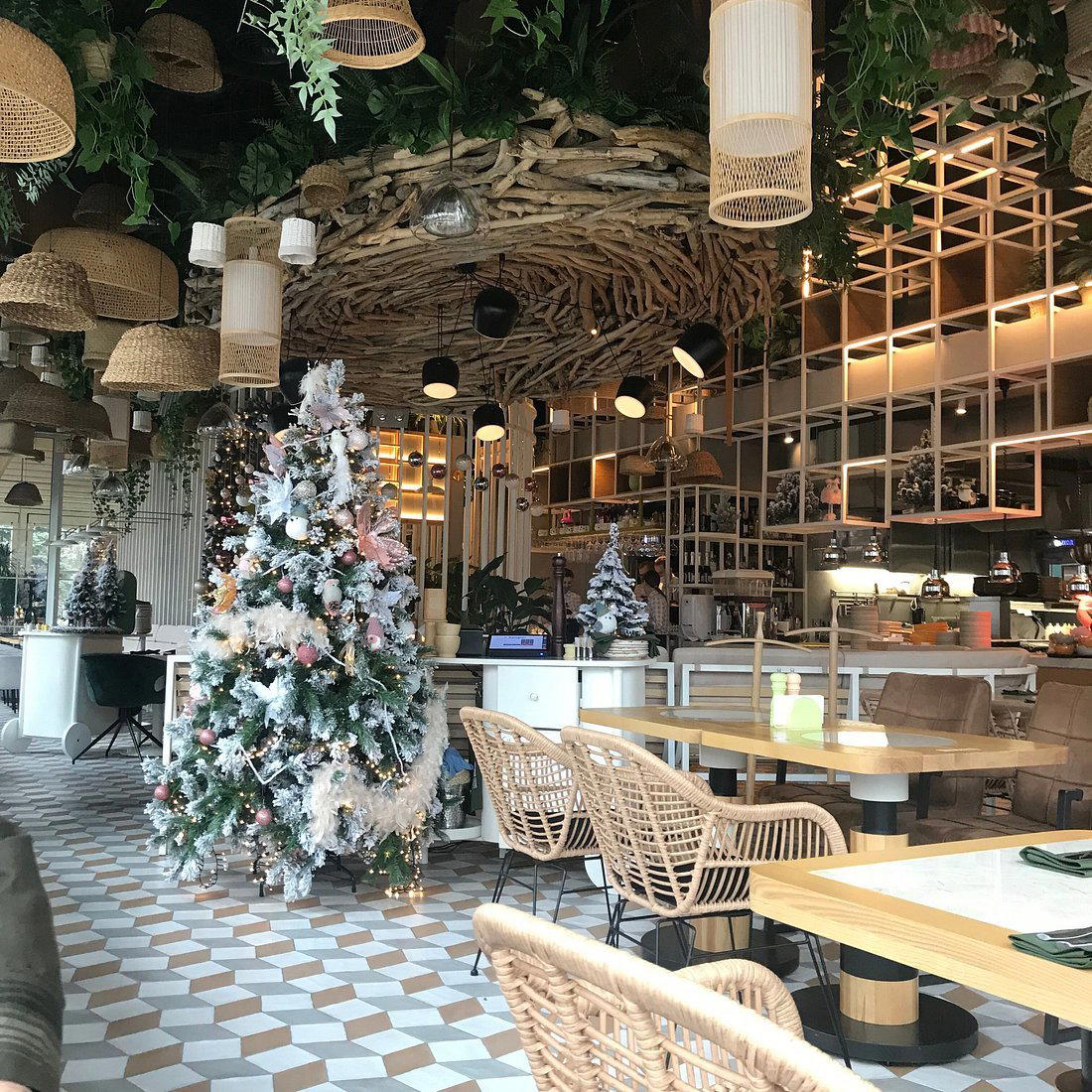
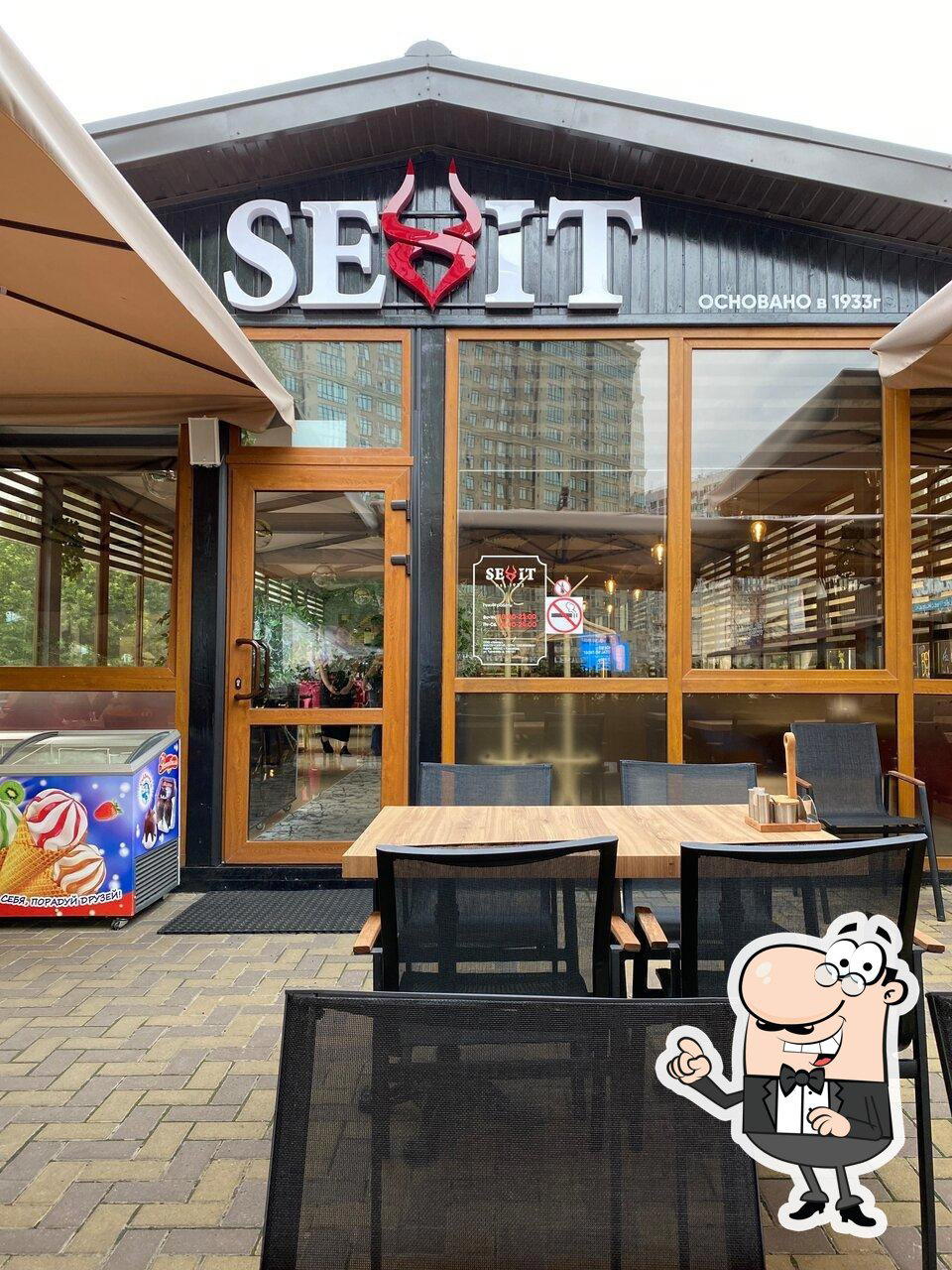
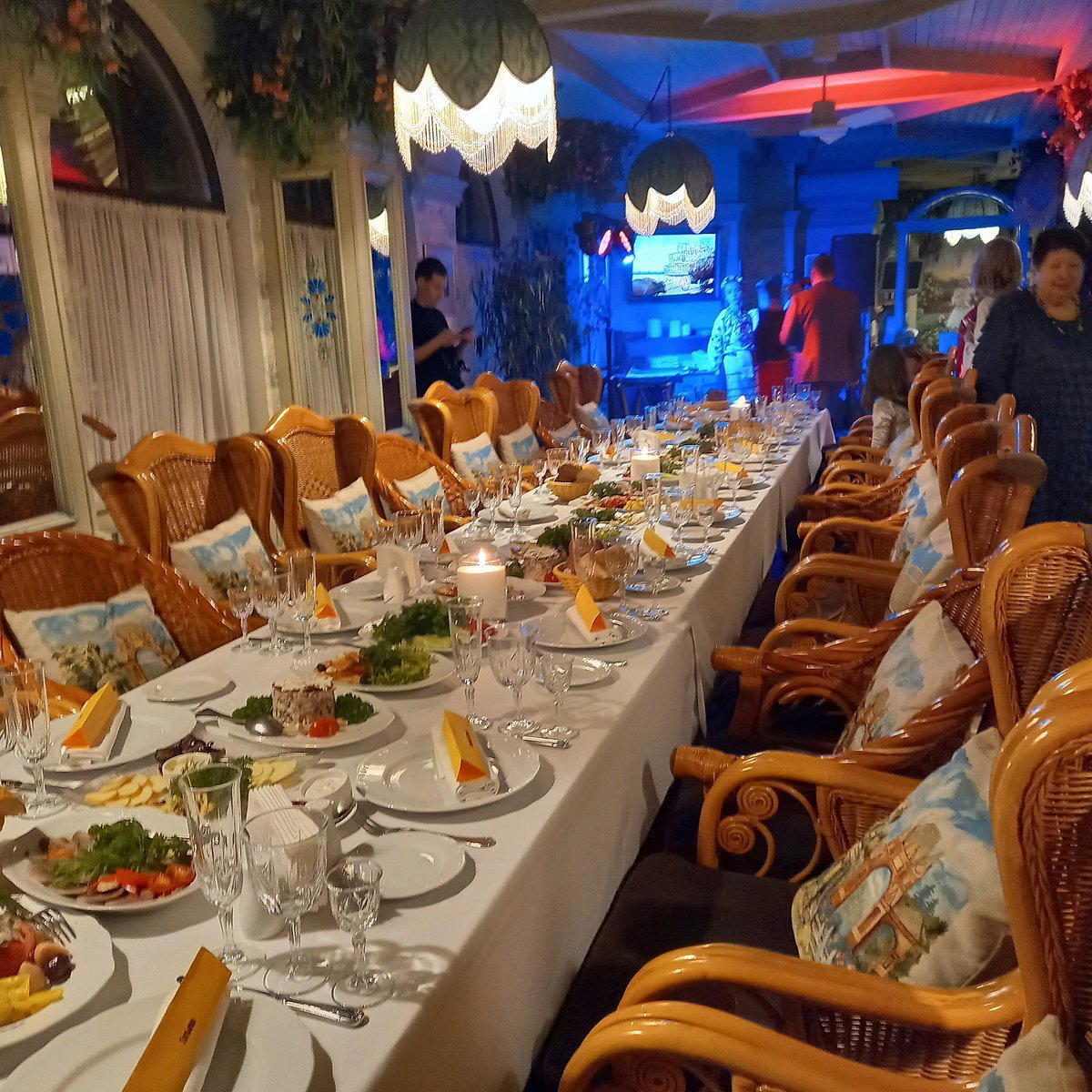
Cozy and authentic atmosphere with calm background music, designed for casual dining and takeout.