
Tabelog 100 #61
Our verdict
Uchitate ya belongs to Tokyo’s serious udon tier: small-format, noodle-led, and recognised in Tabelog 100 Udon EAST 2024, with earlier selections in 2022 and 2020. The appeal is not luxury theatre but progression, watching a simple bowl-based meal turn on texture, temperature, broth, and pacing in a city that often reserves its deepest craft for casual counters.

Pearl is the En Primeur Club membership app, where members save venues, book tables and use the concierge.
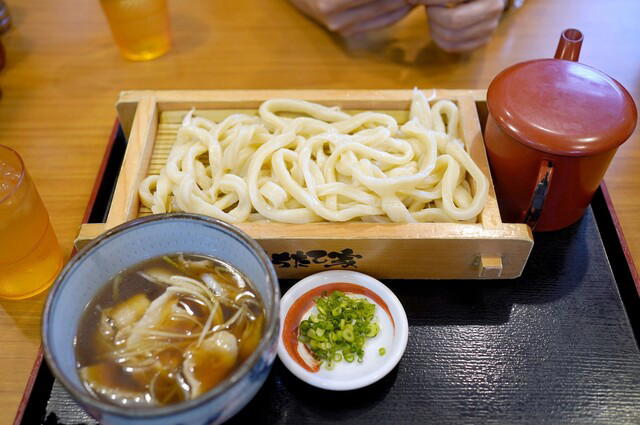
The menu
What to order
- Hand-rolled udon
- Kake udon
- Bukkake udon
Tokyo’s everyday dining scene moves differently from the polished corridors of more formal restaurant districts. Station traffic, office lunches, students, families, and solo diners fold into one compact restaurant economy. Here, udon is not a consolation prize below sushi or tempura; it is a discipline of flour, water, salt, boiling time, and restraint, judged by diners who know a noodle shop can reveal as much craft as a tasting-menu counter.
Uchitate ya belongs to Tokyo’s everyday category where the meal’s arc is short but exacting. The progression is built not from French-style courses but from decisions: hot or cold, broth-led or noodle-led, quiet lunch or quick dinner, a quick stop or a seat in the room. That compression is the point. Tokyo’s better udon shops make diners pay attention early, because the main event arrives without ceremony and the quality is in the chew, heat, seasoning, and pace.
Tokyo udon, treated as a serious noodle course
Tokyo’s noodle culture is often narrated through ramen, soba, and late-night bowls, but udon holds a less performative place in the city’s hierarchy. It is often cheaper, faster, and more family-compatible, yet it has a demanding technical grammar. The noodle must carry the meal. Broth, toppings, and side orders can support it, but cannot rescue poor texture. Recognition in Tabelog’s Udon category therefore matters: it signals assessment within a craft tradition, not as generic casual food.
Uchitate ya was selected for Tabelog 100 Udon EAST 2024. Its Tabelog score of 3.69 also places it where Tokyo diners have moved beyond convenience and compare execution against specialist peers. In a city with thousands of inexpensive noodle counters, that distinction is not cosmetic; it reflects how locals separate a practical meal from a category destination.
The room reinforces that reading. The experience is closer to a compact specialist shop than a lingering restaurant. This matters to the tasting progression. Udon loses force when burdened with service choreography. A focused room keeps the sequence direct: order, wait, eat while the noodles are at the intended temperature, then leave space for the next diner. The discipline is not stylistic minimalism; it is a timing system.
The meal arc is texture first, comfort second
Good udon dining in Tokyo starts with a narrow question: is the diner there for the noodle itself or for the comfort of broth and accompaniments? Stronger shops can satisfy both, but attention has an order. A noodle-led meal foregrounds firmness, elasticity, and how wheat reads against heat or cold. A broth-led meal softens the frame and feels more restorative. Uchitate ya’s reputation belongs to that specialist conversation, where abundance matters less than sequence.
That sequence is why udon works so well solo. There is no need to assemble a table, debate a sharing order, or commit to a long reservation cycle. Compared with higher-spend beef rooms or category-specific destinations elsewhere in Tokyo, an udon shop of this type offers a different kind of value, not a lesser one. It compresses craft into one decision-driven meal rather than spreading it across courses.
There is city logic, too. Tokyo rewards restaurants that handle mixed use: lunch, dinner, families, friends, and people eating alone between trains. That pressures consistency. A small specialist shop cannot rely only on destination mystique; it must work for repeat diners. Uchitate ya is best understood as part of Tokyo’s working specialist culture, not a shrine to noodle worship. The city’s strongest casual meals often come from places that take a narrow category seriously enough to make repetition rational.
How to place it within a Tokyo dining day
Use this stop as a focused noodle stop, not a forced grand evening plan. It fits a broader Tokyo itinerary, especially when the rest of the day leans heavier: yakitori, sukiyaki, curry, or cocktails. Travellers mapping the city by category can pair it with Our full Tokyo restaurants guide, while those building a complete trip can cross-reference Our full Tokyo hotels guide, Our full Tokyo bars guide, Our full Tokyo wineries guide, and Our full Tokyo experiences guide.
Within Tokyo’s lower-priced specialist tier, comparison helps only when it clarifies function. Suzumeya and COFFEE VALLEY sit in a similarly accessible spend band, but answer different needs. BAR Too belongs to a higher evening-drink bracket. UCHOUTEN moves into a broader casual dining range, while Wagyumafia represents a beef-driven category with separate expectations. Uchitate ya’s role is narrower and cleaner: a noodle meal whose progression starts and ends with udon, not its theatre.
That restraint is the recommendation. This is not for a long-form tasting menu, chef biography, or expensive occasion room. It is for diners who want to understand how Tokyo treats craft at the casual end: recognized udon, no-friction service, and a meal whose argument is made quickly. The same editorial logic leads to other formats around the city and beyond: category specialists that let one narrow format define the meal. The common thread is not sameness; it is the value of letting a focused idea carry the experience.
Frequently asked questions
Is Uchitate ya open every day?
Current opening days and hours are not specified in the provided record. Check the venue's official channels for the latest details.
What's the pricing like at Uchitate ya?
Pricing at Uchitate ya is listed as - JPY 999 - JPY 999.
What's Uchitate ya's location?
Tokyo.
What do critics highlight about Uchitate ya?
Critics point to its Tabelog 100 Udon EAST selection for 2024 and a Tabelog score of 3.69. It fits a focused udon stop in Tokyo rather than a long dinner.
Is Uchitate ya good for vegetarians?
The public record identifies Uchitate ya in the udon category, but it does not list a vegetarian menu. For diners looking for plant-based options, the safer expectation is a noodle-first meal in Tokyo at a low price range, with menus needing on-site confirmation. Check the venue's official channels for the latest details.
Would Uchitate ya be comfortable with kids?
Its low listed price range may make it an easy casual stop in Tokyo, but suitability for children should be confirmed through the venue's official channels before visiting.
Side-by-Side Snapshot
Comparable venues by cuisine and category.
| Venue | Cuisine | Price | Awards | Notes |
|---|---|---|---|---|
| Uchitate yaThis venue (the venue you are viewing) | Handmade Udon Noodle Shop | $1–10 | Tabelog 100 #61 | Not listed |
| Suzumeya | Japanese sweets / Dorayaki | Not listed | Tabelog 100 #65 | Toshima |
| SAN TORA | Sapporo-style miso ramen | $10–20 | Tabelog 100 #79 | Shinjuku |
| Higashi Shinjuku Sanrasa | Japanese Curry | Not listed | Tabelog 100 #13 | Shinjuku |
| Chuka Soba Ibuki | Niboshi-focused ramen | $10–20 | Tabelog 100 #68 | Itabashi |
| Chuka Soba Nishino | Tokyo ramen (chuka soba) counter | $10–20 | Tabelog 100 #23 | Bunkyō |
Recognition history
Dated appearances from independent guides and award organizations, with the underlying list record or original source where available.
Tabelog 100 #61 · No. 61
Tabelog · Tabelog 100 - Udon - EAST - 2024
Continue exploring
More in Tokyo
Restaurants in Tokyo
All restaurants in Tokyo →



Bars in Tokyo
All bars in Tokyo →






Details
- Cozy
- Quiet
- Classic
- Solo
- Family
- Casual Hangout
- After Work
- Standalone
- A La Carte
- Counter Dining
Current opening hours
- Monday
- 11 AM–9 PM
- Tuesday
- 11 AM–9 PM
- Wednesday
- 11 AM–9 PM
- Thursday
- Closed
- Friday
- 11 AM–9 PM
- Saturday
- 11 AM–9 PM
- Sunday
- 11 AM–9 PM
Hours can change for holidays and private events. Hours as of .
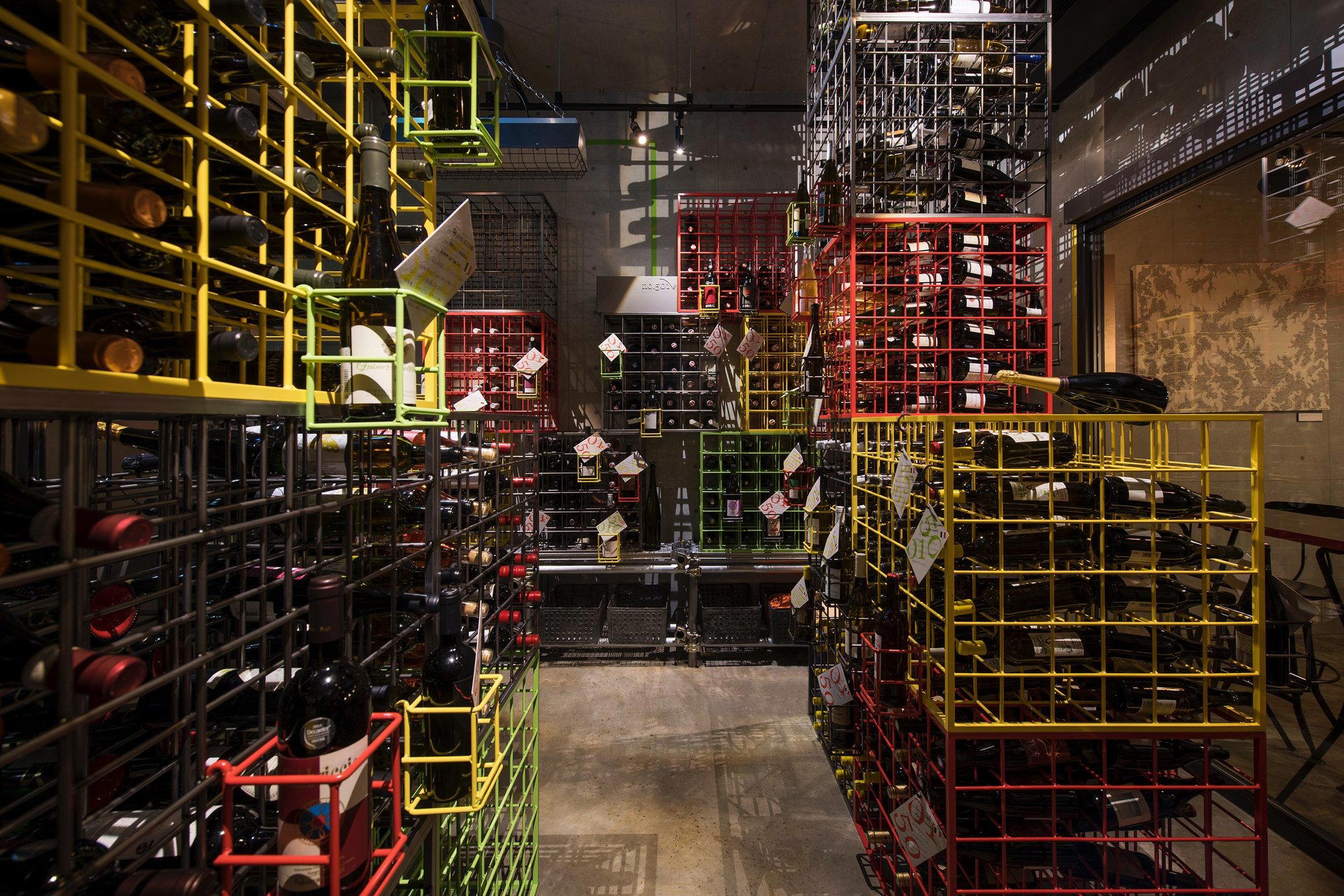
A small, no-frills udon shop with simple counter and table seating, bright but modest lighting, and a calm, everyday local atmosphere that feels more like a classic neighborhood noodle joint than a destination restaurant.