Tabelog 100 #23
Our verdict
Chuka Soba Nishino belongs to Tokyo’s precise, reputation-driven ramen culture, where a compact counter can carry the same critical weight as a formal dining room. Its repeated selection for Tabelog Ramen TOKYO “Tabelog 100” from 2019 through 2025 gives it a clear place in the city’s serious ramen conversation, particularly around Hongo Sanchome.

Pearl is the En Primeur Club membership app, where members save venues, book tables and use the concierge.
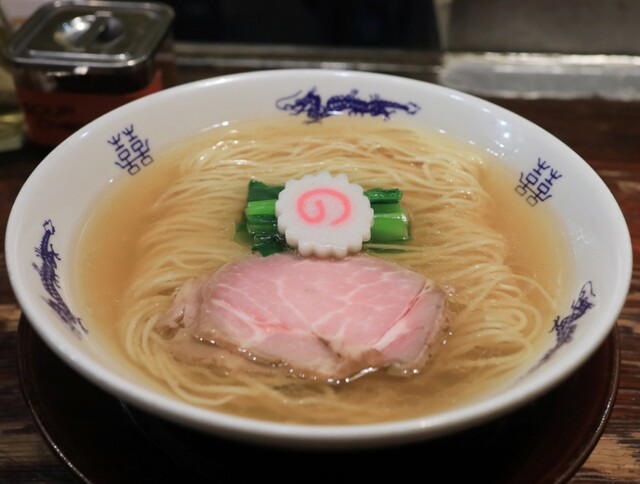
The menu
What to order
- Wonton noodles
- Chuka soba
- Tsukemen (seasonal sudachi tsukemen)
Hongo Sanchome gives Tokyo ramen a different tempo from the neon-heavy districts across town. The approach is academic, office-lined, and compact: basement rooms, station-side lunch queues, counter seats turning with the discipline of a commuter timetable. In that setting, Chuka Soba Nishino reads less like a destination built for spectacle than a serious entry in Tokyo’s everyday ramen grammar, the kind of shop where reputation is measured by repeat selection, counter discipline, and the city’s unforgiving appetite for small differences.
Tokyo’s ramen hierarchy is unusually transparent for a casual food form. A bowl can sit in the JPY 1,000 to JPY 1,999 range and still be judged with the intensity usually reserved for sushi counters or kaiseki rooms. Chuka Soba Nishino has been selected for Tabelog Ramen TOKYO “Tabelog 100” every year from 2019 through 2025, with a 3.79 Tabelog score attached to the 2025 listing. That matters because Tokyo’s ramen field is dense, fast-moving, and skeptical of reputation without consistency.
Tokyo ramen reputation, compressed into a Hongo counter
The city’s serious ramen scene is not a single style movement. It splits across clear soup, niboshi-led bowls, tsukemen, Jiro-inspired volume, chicken-based broths, and newer shops that borrow the language of fine dining without abandoning ticket-machine speed. Recognition in that field usually signals execution over theatre. Chuka Soba Nishino sits in the chuka soba lane, a category that rewards clarity, balance, and restraint rather than maximal toppings or heavy broth density.
Its connection to a wider family of ramen addresses also gives useful context. Sister shops listed with it include Ramen Koike, King Seimen, President, Tsukemen Kinryu, Koike no Ie Kei, Aidaya, Hongoen, and Inose. That does not turn the shop into a chain experience; in Tokyo ramen terms, it places it inside a network where technique, sourcing habits, and customer expectations can travel between counters while each address keeps its own rhythm.
The distinction is worth making because Tokyo ramen can be misleading from the outside. The price point may look casual, but the competitive set is severe. A shop selected repeatedly for a citywide ramen list is not competing with convenience meals; it is competing with dozens of specialists whose entire identity may rest on one broth, one noodle specification, or one service flow. The repeated Tabelog 100 selections from 2019 to 2025 give Chuka Soba Nishino a reputation built on duration rather than a single burst of attention.
Why Hongo Sanchome changes the meal
Hongo is not Shinjuku, Ginza, or Ebisu. Its dining culture is shaped by proximity to university buildings, medical institutions, offices, and residential streets, which means ramen here has to function as both specialist eating and weekday infrastructure. The room is small, the format is counter-based, and the experience rewards diners who understand that ramen in Tokyo is often about pace as much as flavor. Linger less, observe more, and let the shop’s cadence do its work.
That neighborhood context separates it from more theatrical dining pockets. Nearby comparison points in the broader Hongo area run across categories: TOKYO LIGHT BLUE HONGO-3 occupies a lower-price casual slot, Sake to Misonikomi Misonikomin works in a different comfort-food register, while Jumbo Hanare and Yakiniku Jambo Hongo pull the district toward meat-focused dining. Against that mix, a Tabelog-recognized ramen counter becomes a sharp, narrow proposition rather than a general restaurant choice.
The format also explains the appeal for travelers who already know Tokyo’s high-end dining circuit. Ramen offers a counterpoint to tasting-menu Tokyo: fewer rituals, tighter timing, and a price band that allows comparison across several shops in one trip. Chuka Soba Nishino is a useful stop for readers who care about critical recognition but do not want every meal to become an evening-long commitment.
A reputation-led pick, not a luxury performance
The useful way to read Chuka Soba Nishino is through evidence rather than romance. It opened in 2018, operates in a compact counter format, and appears repeatedly on a Tokyo ramen list that tracks the city’s specialist shops. Reservations are unavailable, payment is cash-only by the listed methods, and the shop is non-smoking. Those details shape the experience: this is a precision lunch or dinner stop, not a flexible private-room restaurant.
For a broader Tokyo itinerary, it pairs well with a day built around the north-central side of the city rather than a cross-town detour forced between hotel appointments. Readers comparing restaurant categories can use Our full Tokyo restaurants guide for the wider dining map, then branch into Our full Tokyo hotels guide, Our full Tokyo bars guide, Our full Tokyo wineries guide, and Our full Tokyo experiences guide for the rest of the trip architecture.
Tokyo’s range also makes contrast useful. A ramen counter in Hongo says something different from. 鮪と炭火焼き うお炭 秋葉原店, 12/10 Shinjuku ten, 124. KAGURAZAKA (Yakitori), 2D Cafe, and 3 Chome no Curry Ya San. Beyond Tokyo, the same Japanese dining map stretches from -Grilled beef Sukiyaki- KAMAKURA TANUKIAN 鎌倉 たぬき庵 in Kamakura to.cafe in Osaka.know in Kumamoto, (Shoku) Vietnam in Kawasaki, [Curry Senmon Ten] Maruyama Kyoju. in Sapporo, and [ki:] in Kyoto. For a transpacific comparison in Japanese-leaning formats, see Jōdo Saké Bar in Los Angeles and Onigiri Time in Pasadena.
The editorial call is simple: come for a compact, reputation-tested ramen meal rather than a grand restaurant performance. The appeal lies in the friction between modest spend and exacting scrutiny, a Tokyo specialty in its own right.
Frequently asked questions
What should I expect atmosphere-wise at Chuka Soba Nishino?
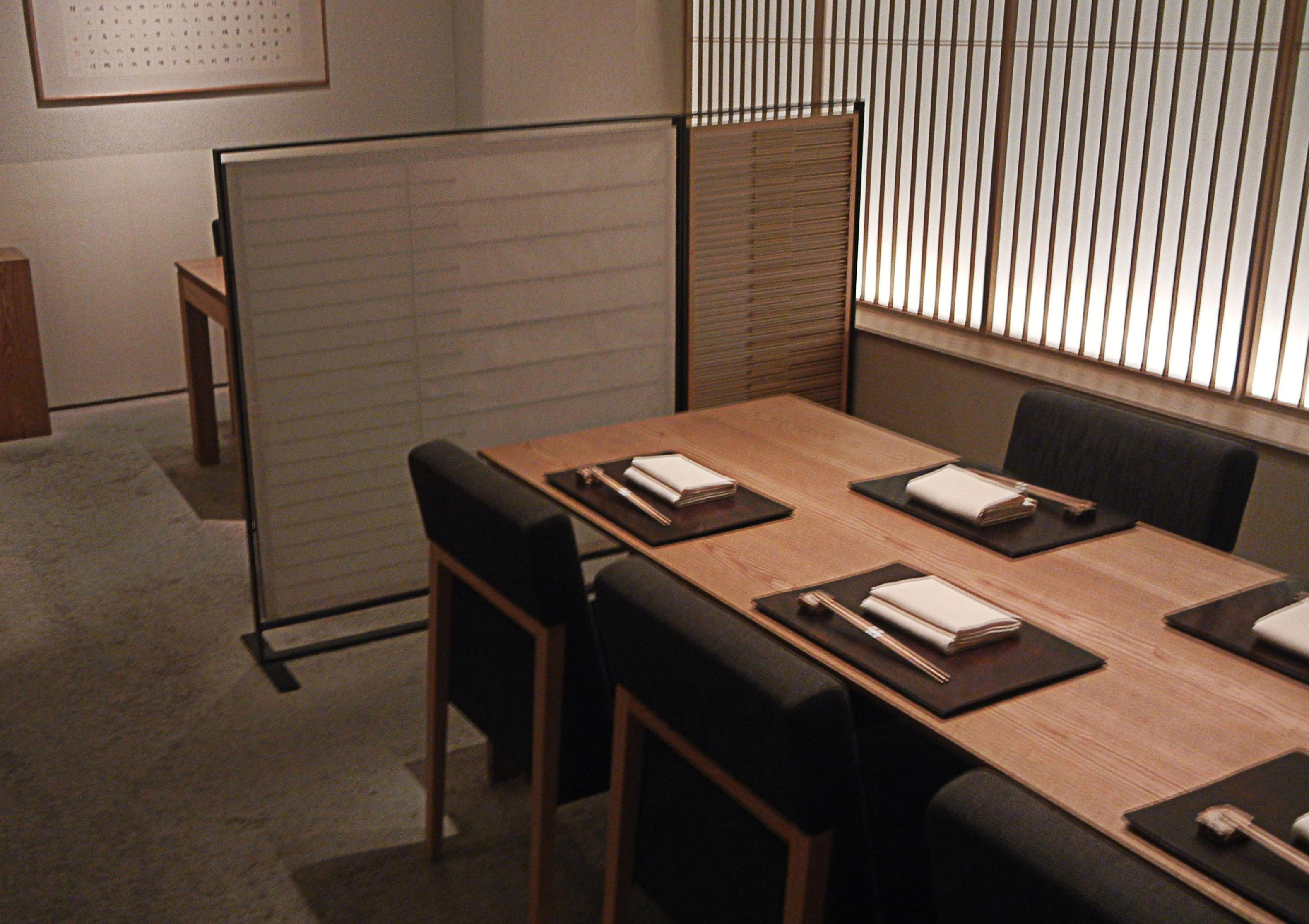
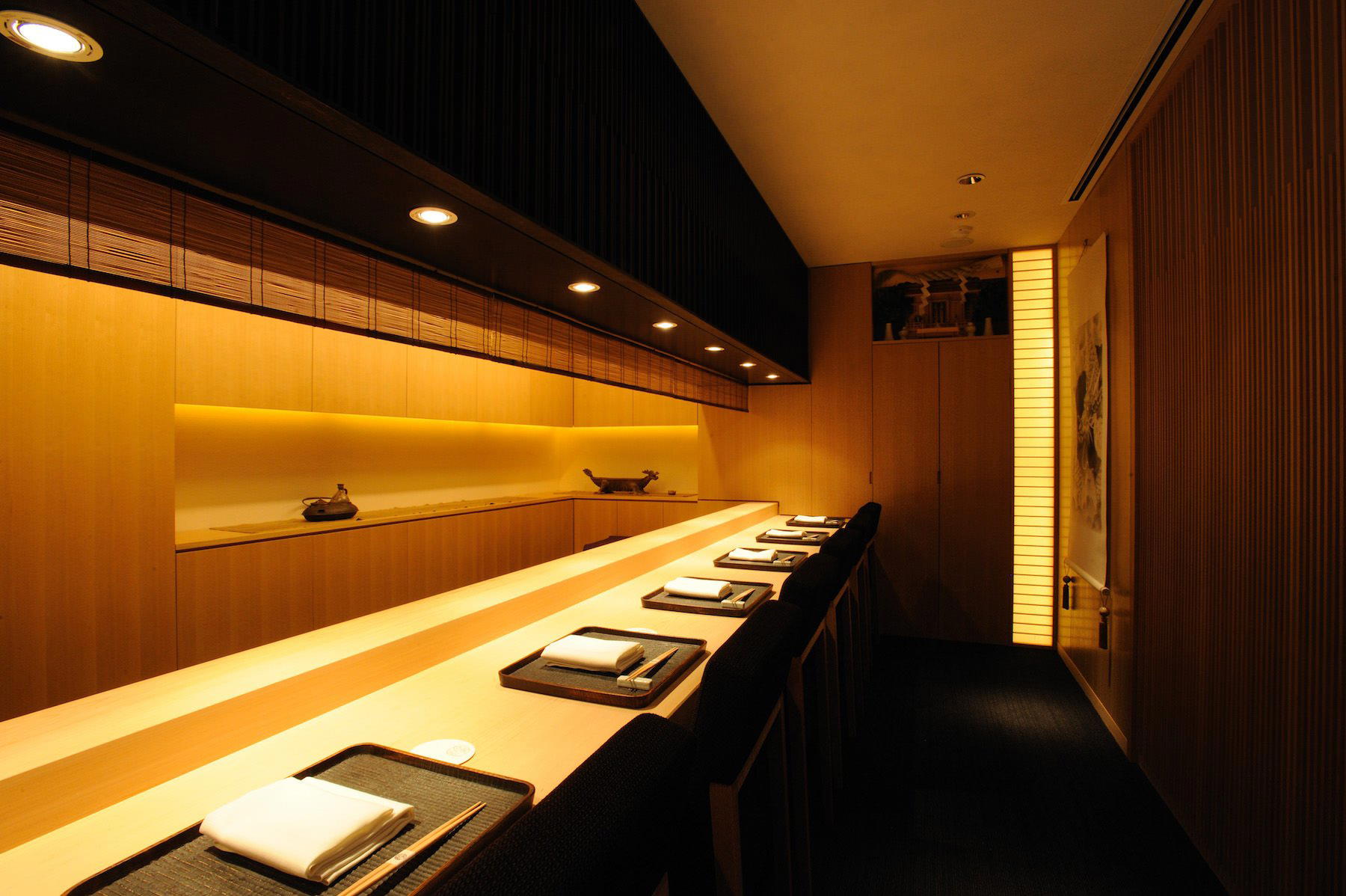
Expect an 11-seat counter in Hongo, with service built around lunch and dinner windows rather than a lingering dining room. The setting is compact, non-smoking, and shaped by a ramen-house rhythm that fits its Tokyo address near Hongo Sanchome.
What part of town is Chuka Soba Nishino in?
Chuka Soba Nishino is located in Tokyo.
Is Chuka Soba Nishino expensive?
Pricing at Chuka Soba Nishino is listed as JPY 1,000 - JPY 1,999 JPY 1,000 - JPY 1,999.
What time does Chuka Soba Nishino open and close?
Hours at Chuka Soba Nishino: Mon: 11 AM–3 PM, 6–9 PM; Tue: Closed; Wed: 11 AM–3 PM, 6–9 PM; Thu: 11 AM–3 PM, 6–9 PM; Fri: 11 AM–3 PM, 6–9 PM; Sat: 11 AM–3 PM, 6–9 PM; Sun: 11 AM–3 PM, 6–9 PM.
What makes Chuka Soba Nishino worth seeking out?
Its strongest credential is repeat inclusion in Tabelog Ramen TOKYO "Tabelog 100" from 2019 through 2025. Add the JPY 1,000–1,999 price range and the 11-seat counter, and it reads as a focused ramen stop with local authority rather than a broad-appeal casual shop.
Cuisine and Awards Snapshot
Comparable venues to calibrate price, style, and recognition.
| Venue | Cuisine | Price | Awards | Notes |
|---|---|---|---|---|
| Chuka Soba NishinoThis venue (the venue you are viewing) | Tokyo ramen (chuka soba) counter | $10–20 | Tabelog 100 #23 | Not listed |
| Zehn Coffee | Japanese Kissaten / Coffee Shop | $1–10 | Tabelog 100 | Taitō |
| Tonkatsu Marugo | Tonkatsu (Japanese Pork Cutlet) | Not listed | Tabelog 100 #55 | Chiyoda |
| Sabouru | Traditional Tokyo kissaten & light café fare | $10–20 | Tabelog 100 | Chiyoda |
| KAMAYOSHI | Japanese Udon | $1–10 | Tabelog 100 #79 | Chiyoda |
| Sanfuku Tei | Yoshoku cafeteria & tonkatsu | $10–20 | Tabelog 100 #84 | Chūō |
Recognition history
Dated appearances from independent guides and award organizations, with the underlying list record or original source where available.
Opinionated About Dining Casual in Japan Ranked #30
Opinionated About Dining
Tabelog 100 #23 · No. 23
Tabelog · Tabelog 100 - Ramen - TOKYO - 2025