Tabelog 100 #65
Our verdict
Tokyo’s wagashi culture is often read through Ginza salons and department-store counters, but Ikebukuro’s small sweet shops show a more daily ritual. Suzumeya belongs to that lower-priced, take-out tradition, with dorayaki and monaka priced for repeat visits rather than ceremony, and recognition in Tabelog’s Tokyo Japanese sweets 100 selection in 2023.

Pearl is the En Primeur Club membership app, where members save venues, book tables and use the concierge.
Tokyo changes register quickly: station traffic, side streets, then the quieter cadence of a neighborhood sweet shop. In Tokyo, wagashi is not only tea-ceremony object or department-store gift; it is a short, deliberate errand: arrive early, choose cleanly, carry the box away while the day still feels fresh. Suzumeya belongs to that tradition, closer to daily custom than luxury performance.
The useful comparison is Tokyo’s disciplined small-format food culture, not tasting-menu counters. A focused counter, a coffee stop such as COFFEE VALLEY, and a noodle counter such as Uchitate ya share the same low-ticket rhythm: pleasure through focus, not breadth. Suzumeya’s average spend is listed under JPY 999, unlike a bar such as BAR Too or beef-led dining such as Wagyumafia. This is Tokyo at snack scale, where modest spending can still buy carefully made craft.
Dorayaki and traditional sweets as a Tokyo buying ritual
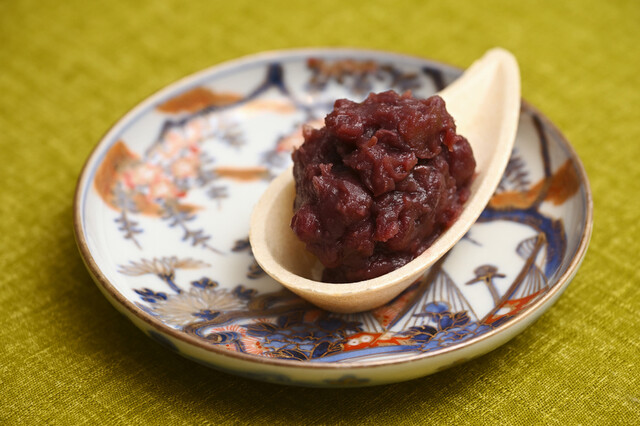
Wagashi rewards restraint. The format is old, but Tokyo keeps finding uses for it: station gifts, office visits, school-age family stops, after-lunch sweets, and quiet take-home purchases. Dorayaki, two small pancakes enclosing bean paste, moves between childhood memory and adult connoisseurship. Other traditional sweets work differently, using filling, texture, and proportion rather than volume. The appeal does not require a long menu.
Suzumeya’s listed category states that plainly: Japanese traditional sweets and dorayaki, the Japanese sweet pancake. That matters. In a city where premium sushi and formal Japanese dining increasingly signal access through price and reservation friction, this category preserves democratic precision. The ritual is selection, timing, and restraint, not extended dining.
Timing is etiquette. Small wagashi shops reward customers who treat the purchase as perishable in spirit, not decorative. Traditional confectionery is less standardized than a display case can suggest, because texture, sweetness, and freshness all shape the experience. Tokyo’s better sweet shops are valued for balance and repetition, not simply sugar.
The award context helps. Suzumeya was included in Tabelog’s Hyakumeiten recognition in 2023, with a listed score of 3.79 and a price band of - JPY 999. Tabelog’s Hyakumeiten lists are not Michelin-style stars, but in Japan they carry practical weight because they identify venues local diners repeatedly place in a serious competitive tier. For wagashi, Suzumeya sits among Tokyo addresses where craft and repeat demand matter more than room design.
Tokyo's quieter food logic
Tokyo is often reduced to transit scale: department stores, cinema traffic, ramen lines, game centers, and commuters moving between rail systems. Its food character is broader. Around the city, everyday eating culture is compressed, with sweets, curry, coffee, casual counters, and izakaya formats close by. A traveler using our full Tokyo restaurants guide will see how often serious Tokyo food sits outside polished dining rooms.
That is the right frame for Suzumeya. The format is modest, private-room luxury is not the point, and the setting belongs to the city’s small-shop vocabulary. This is not a place to measure against a long dinner at another Tokyo dining room or a late meal after drinks at an unnamed counter. It belongs to Tokyo’s daylight eating: small purchases, quick decisions, and respect for sweets that are best enjoyed with care.
That low-friction scale also makes wagashi a counterpoint to Tokyo’s reservation culture. Visitors often plan around omakase counters, hotel bars, and fixed-course dining, then miss smaller rituals. Dorayaki can be carried to a park, taken back to a hotel room, or bought as a modest gift. The etiquette is care, not status: choose what travels well, eat fresh items promptly, and understand that traditional sweets follow a different rhythm from a full restaurant itinerary.
For a Tokyo food day, this stop works between heavier commitments. A lunch elsewhere in the city, a coffee-and-dessert detour, or a later bar plan from our full Tokyo bars guide all ask for different pacing. Wagashi asks for a pause, not a slot in a tasting itinerary.
How to read the value of a small sweet shop
The mistake is judging a shop like this by breadth. Tokyo has restaurants built on abundance, technical spectacle, or high-price scarcity. Wagashi at this level narrows the field. A focused category, low listed spend, and Tabelog Hyakumeiten recognition signal a specialist rather than a general sweets cafe. The older retail rhythm is simple: arrive prepared, buy clearly, and do not turn the transaction into theater.
Compared with larger cafe culture, the advantage is clarity. The buyer is not being sold a long afternoon, a room, or a lifestyle image. The purchase is the object. That puts Suzumeya closer to Japan’s precise small-shop habit than to the international dessert-cafe model, and explains why a venue can matter without chef biography, long tasting notes, or a long list of named creations.
Tokyo itineraries often widen beyond restaurants once that logic clicks. Hotels shape the base, and our full Tokyo hotels guide is the useful companion for choosing city rhythm. Daytime cultural planning belongs in our full Tokyo experiences guide, while drinks and late-night pacing sit elsewhere. Even our full Tokyo wineries guide makes the same point: Tokyo is best understood through specialized categories rather than one grand dining hierarchy.
For context beyond a single stop, Japan’s small-format food culture travels in many directions: other dining rooms, cafes, counters, and sweet shops show different local readings of specialization. Abroad, Japanese formats also shift when they leave their daily domestic context. The comparison is useful only because it makes Suzumeya’s Tokyo scale clearer.
Suzumeya’s appeal is precise because modest. It gives the traveler a clean view of Tokyo’s wagashi habit: small purchases, traditional forms, dorayaki focus, and recognition from a local dining platform that takes sweets seriously. Treat it as part of the city’s daily grammar, not dessert after a grand meal.
Frequently asked questions
What price level is Suzumeya?
Pricing at Suzumeya is listed as - JPY 999.
What's the address for Suzumeya?
Tokyo.
Is Suzumeya reservation-only?
The provided venue details do not establish Suzumeya as reservation-only. It is listed in Tokyo and was recognized in Tabelog Hyakumeiten in 2023.
What is Suzumeya known for?
Suzumeya is known for Japanese traditional sweets and dorayaki in Tokyo.
Just the Basics
Comparable venues by price and recognition.
| Venue | Cuisine | Price | Awards | Notes |
|---|---|---|---|---|
| SuzumeyaThis venue (the venue you are viewing) | Japanese sweets / Dorayaki | Not listed | Tabelog 100 #65 | Not listed |
| Uchitate ya | Handmade Udon Noodle Shop | $1–10 | Tabelog 100 #61 | JPY 999 - JPY 999 |
| COFFEE VALLEY | Not listed | Not listed | Tabelog 100 #47 | JPY 999 - JPY 999 |
| BAR Too | Cocktail Bar | $30–50 | Tabelog 100 #49 | JPY 4,000 - JPY 4,999 View spending breakdown |
| UCHOUTEN | Yoshoku (Japanese-style Western) hamburger steak | $10–20 | Tabelog 100 #67 | JPY 1,000 - JPY 1,999 JPY 1,000 - JPY 1,999 |
| Wagyumafia | Modern Wagyu Steakhouse | $300–500 | The Best Chef One Knife | Beef Cuisine |
Recognition history
Dated appearances from independent guides and award organizations, with the underlying list record or original source where available.
Tabelog 100 #65 · No. 65
Tabelog · Tabelog 100 - Japanese traditional sweets / Japanese sweets cafe - TOKYO - 2023