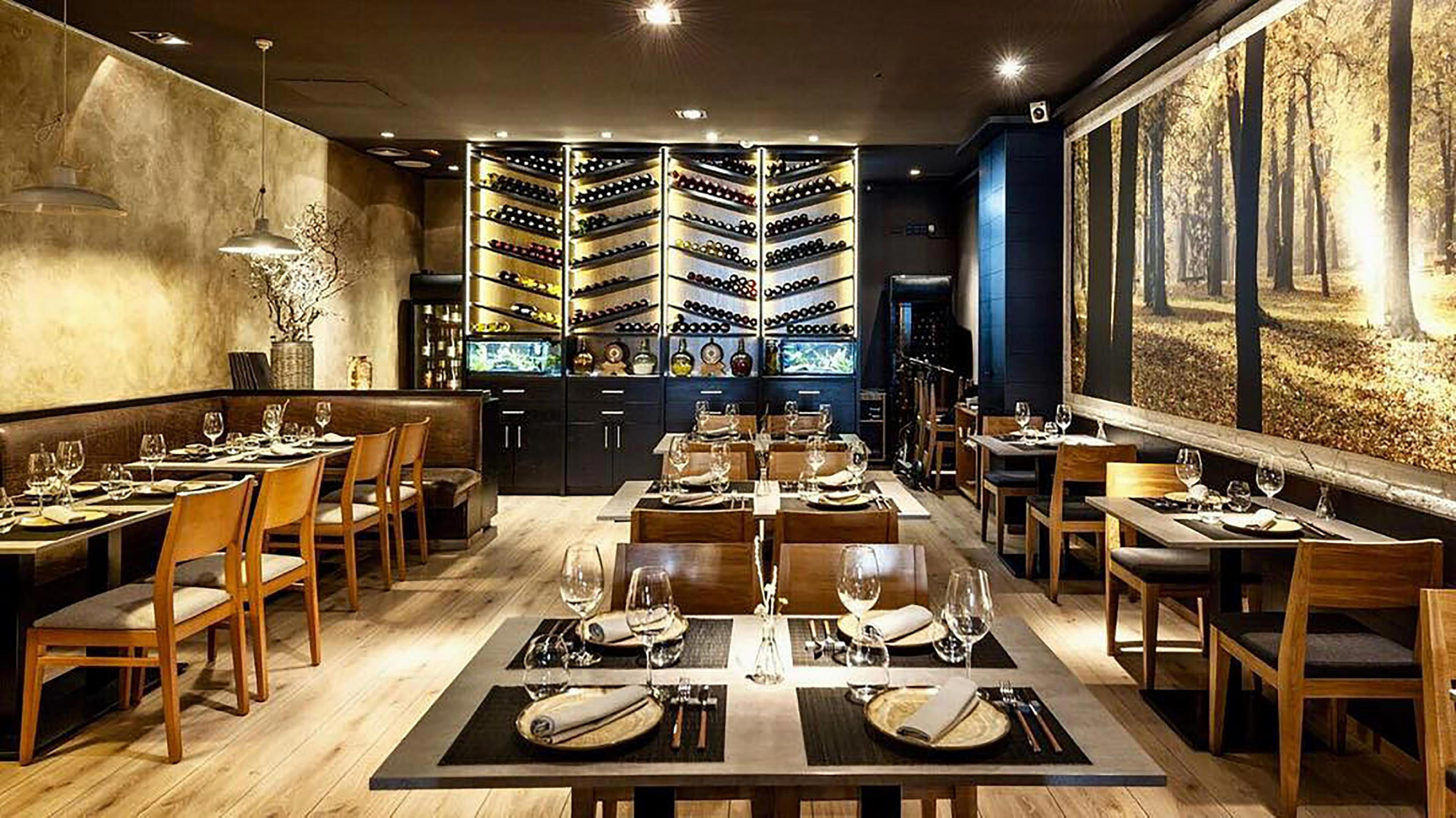
Txokoa Barcelona serves traditional Spanish gastrobar cooking with grilled octopus, chuletón, and pintxos, plus craft cocktails in a quiet open-kitchen room.
Pearl is the En Primeur Club membership app — saves, bookings, and concierge access live there. Same editors, same standards.
- Address
- Carrer de Déu i Mata, 146, Les Corts, 08029 Barcelona, Spain
- Phone
- +34935415340
- Website
- txokoa-barcelona.com
- Directions
- Get directions
 Saves & bookings on Pearl
Basque Txoko Culture in the Les Corts Quarter
The txoko, or sociedad gastronómica, is one of the Basque Country's most distinctive dining traditions: a members-only cooking society where the ritual of preparing and sharing food carries as much weight as what ends up on the plate. Barcelona has absorbed many Basque culinary exports over the decades, from pintxos bars in the Eixample to high-end Basque-inflected restaurants across the city, but a venue carrying the txoko name into Les Corts signals something more specific, a deliberate nod to that collaborative, convivial tradition rather than the chef-as-auteur format that defines most of Barcelona's premium restaurant scene.
Les Corts, the residential district anchored by the Camp Nou and relatively insulated from the tourist circuits that run through Gràcia and the Gothic Quarter, has developed a quieter dining identity built around neighbourhood regulars and working professionals. That context shapes what a txoko-named venue means here: not a theatrical dining experience pitched at visitors, but something oriented toward repeat guests who come for the room as much as the food.
Where Service Architecture Matters More Than Star Power
Barcelona's top tier, Disfrutar, Lasarte, Enigma, Cocina Hermanos Torres, and ABaC, is defined by chef-led creative programs and front-of-house operations calibrated to Michelin-grade expectations. That model places the kitchen at the centre of the experience and treats service as a delivery mechanism for the chef's vision.
The txoko tradition inverts some of those priorities. In the original Basque sociedad format, the kitchen is shared and collaborative, often with rotating cooks, and the dining room dynamic is shaped as much by the people around the table as by whoever is behind the stove. A restaurant drawing on that format positions its team dynamic, the relationship between kitchen and floor, between cook and guest, as the primary product. This is a different editorial frame than the one Barcelona's most-discussed addresses use, and it places Txokoa Barcelona in a comparable set defined by hospitality posture rather than tasting menu ambition.
In cities where dining identity has consolidated around individual chef names, this team-forward framing is unusual. At restaurants like El Celler de Can Roca in Girona, where three brothers divide kitchen, pastry, and wine responsibilities, the collaborative model has proven both critically and commercially durable. That precedent matters for understanding why a txoko-named venue in Barcelona isn't merely a branding choice but a structural statement about how the dining experience is organised.
The Basque Culinary Thread Running Through Spanish Fine Dining
Spain's most decorated restaurants have a disproportionate Basque influence. Arzak in San Sebastián and Martin Berasategui in Lasarte-Oria established decades ago that the north's combination of premium local produce, serious technique, and a deeply embedded food culture could generate the country's most consistent critical recognition. Mugaritz in Errenteria extended that tradition into more conceptual territory, while Azurmendi in Larrabetzu layered in environmental thinking. The Basque kitchen has never been a single style so much as a set of values: respect for ingredient integrity, technical discipline, and a social understanding of the table.
Those values travel. When Basque cooking moves to Barcelona, the question is always which elements make the journey intact and which adapt to a Mediterranean context with different seasonality, different produce patterns, and a dining public that skews toward both locals with strong food opinions and international visitors with high expectations. Barcelona has its own answer to Basque-influenced creativity in venues like Lasarte, which operates under Martin Berasategui's name in the city. Txokoa Barcelona's positioning on Carrer de Déu i Mata, away from those trophy-restaurant corridors, suggests a different relationship to the Basque inheritance: less about prestige signalling, more about the sociedad ethos of cooking and eating together.
Elsewhere in Spain's restaurant geography, the venues that tend to generate the durable loyalty are those that embed themselves in local rhythms rather than positioning primarily for award cycles. Ricard Camarena in València and Quique Dacosta in Dénia both operate with strong regional grounding alongside their critical recognition. The txoko model, with its emphasis on community and repetition over novelty, fits that pattern more naturally than the showcase-destination format.
Planning Your Visit
Txokoa Barcelona sits on Carrer de Déu i Mata in the Les Corts district, a residential address that requires a short cab or metro ride from the city centre rather than a tourist-circuit walk. The neighbourhood context is important: Les Corts operates at a different pace to the Eixample or El Born, and the dining room will likely reflect that. The restaurant is recommended for reservations, and its address is Carrer de Déu i Mata, 146, Les Corts, 08029 Barcelona, Spain. Advance reservations are advisable.
For readers building a broader Barcelona dining itinerary, our full Barcelona restaurants guide maps the city's dining tiers from neighbourhood trattorias to multi-Michelin addresses. Those planning a wider Spanish trip can also look at Aponiente in El Puerto de Santa María, Atrio in Cáceres, and DiverXO in Madrid for a sense of the range Spain's creative restaurant scene covers beyond Catalonia. For international reference points on team-driven service models, Le Bernardin in New York City and Atomix in New York City both demonstrate how kitchen-floor collaboration can function as a defining characteristic rather than a background condition.
Budget and Context
Comparable venues nearby, for context on price, style, and recognition.
| Venue | Cuisine | Price | Notes |
|---|---|---|---|
| Txokoa BarcelonaThis venue — the venue you are viewing | les Corts, Traditional Spanish Gastrobar | $$ | Not listed |
| TXALAPARTA | Sants, Authentic Basque Tapas & Pintxos | $$ | Not listed |
| Taller de Tapas | Not listed | $$ | la Dreta de l'Eixample, Authentic Spanish & Catalan Tapas |
| Denassus | Not listed | $$ | Sant Antoni, Modern Catalan Tapas & Natural Wine |
| Rooster & Bubbles | Not listed | $$ | Sant Pere, Santa Caterina i la Ribera, Modern Spanish Rotisserie & Tapas |
| SAGÀS Pagesos i Cuiners | Not listed | $$ | Sant Pere, Santa Caterina i la Ribera, Catalan Farm-to-Table Sandwiches and Tapas |
Continue exploring
More in Barcelona
Restaurants in Barcelona
Browse all →
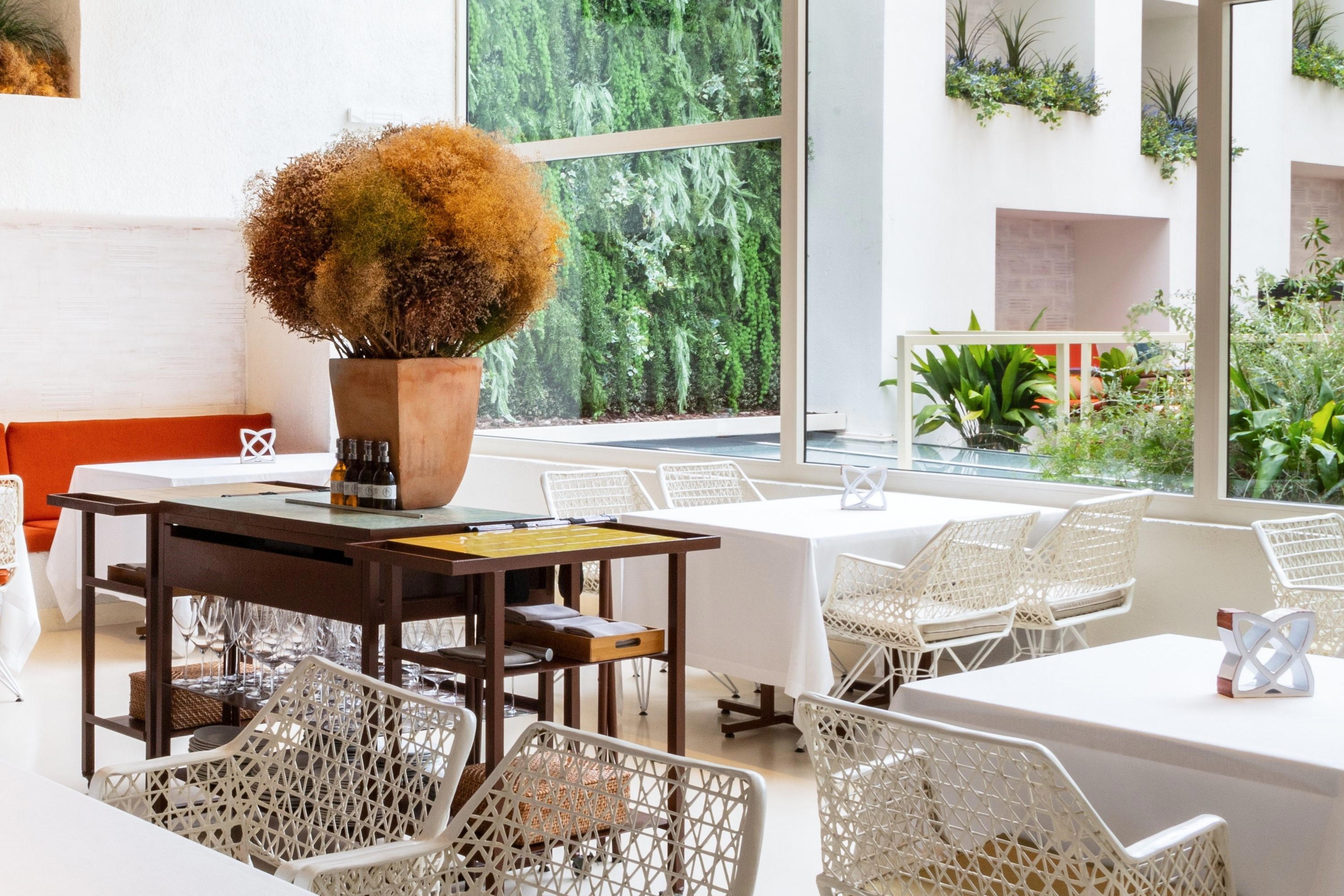
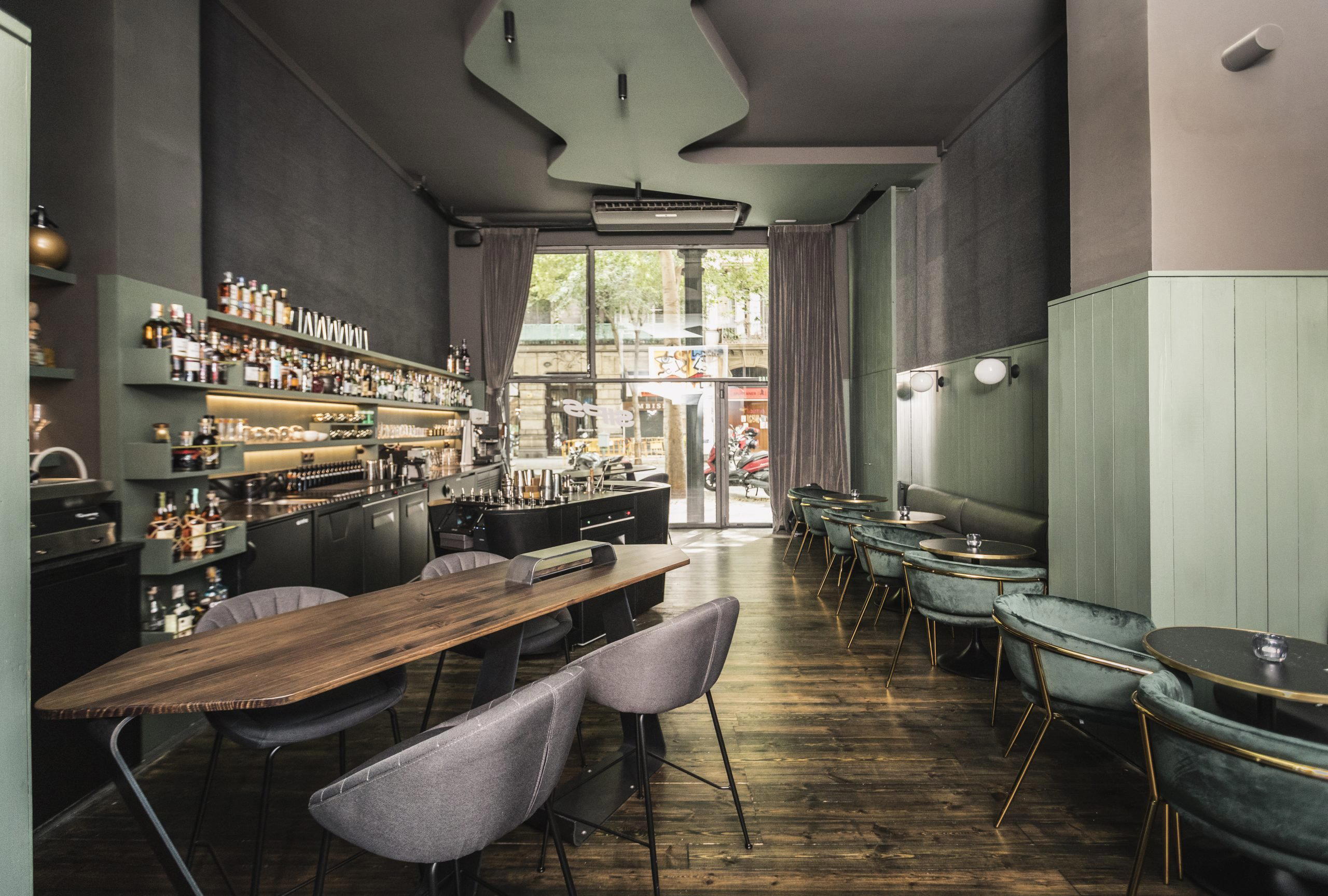
Bars in Barcelona
Browse all →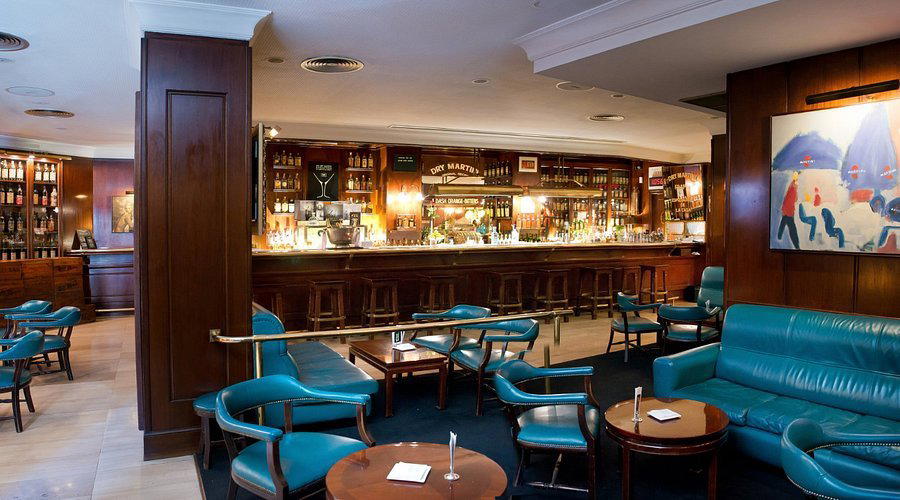
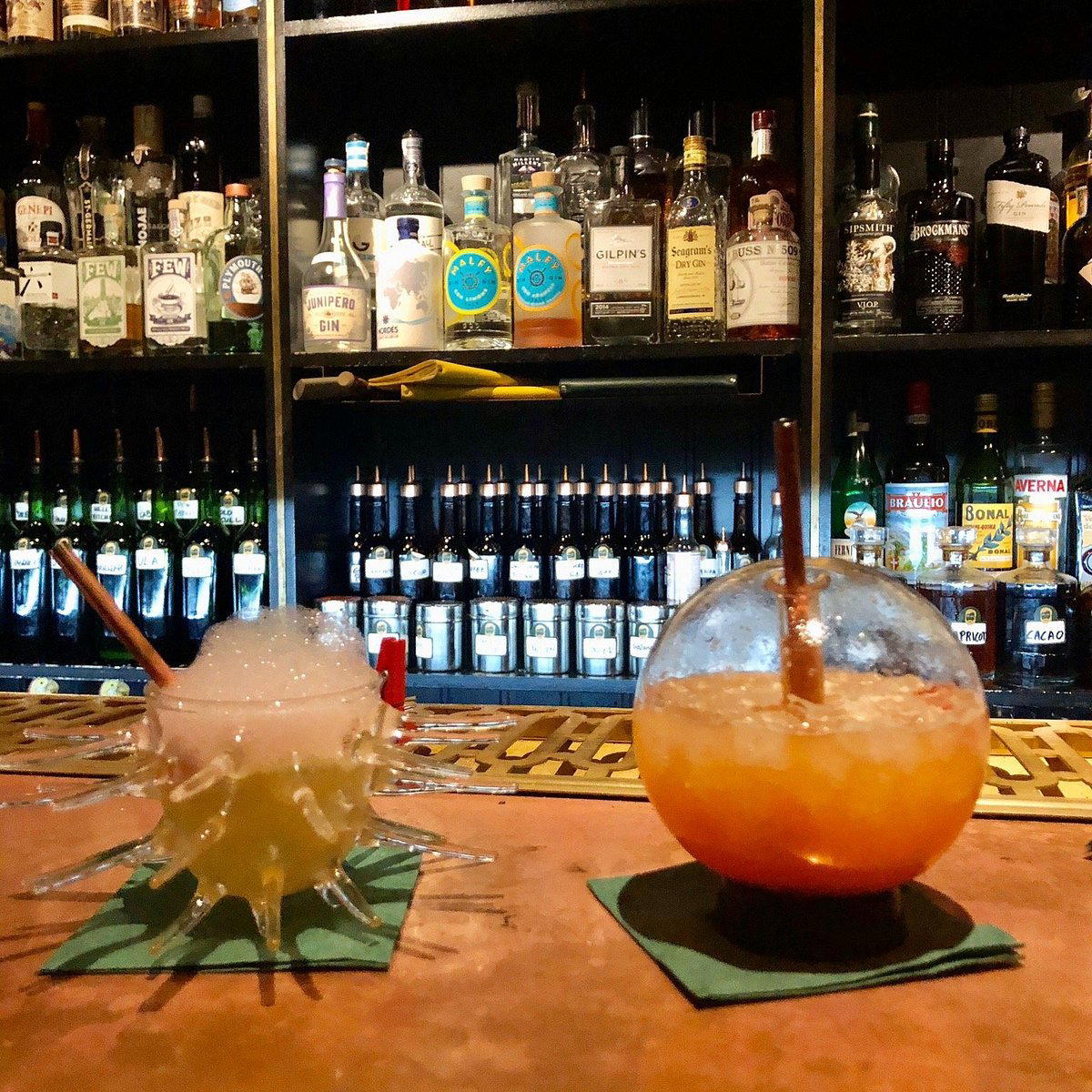
Hotels in Barcelona
Browse all →
At a Glance
- Cozy
- Intimate
- Business Dinner
- Group Dining
- Family
- Open Kitchen
- Craft Cocktails
- Local Sourcing
Current opening hours
- Monday
- Closed
- Tuesday
- 1–3:30 PM, 8–11 PM
- Wednesday
- 1–3:30 PM, 8–11 PM
- Thursday
- 1–3:30 PM, 8–11 PM
- Friday
- 1–3:30 PM, 8–11:30 PM
- Saturday
- 1–3:30 PM, 8–11:30 PM
- Sunday
- 1–5 PM
Hours can change for holidays and private events. Last verified .
Warm, cozy, and welcoming atmosphere with friendly professional service, creating a home-like feel in a quiet neighborhood setting.