At Pla de Palau in Ciutat Vella, SAGÀS Pagesos i Cuiners takes its name from the Catalan words for farmers and cooks, signalling a kitchen rooted in regional produce and the agricultural traditions behind it. The restaurant operates in Barcelona's growing tier of ingredient-led dining that prioritises the supply chain as much as the plate. It sits between the city's market-casual trattorias and its Michelin-circuit tasting rooms.
Pearl is the En Primeur Club membership app — saves, bookings, and concierge access live there. Same editors, same standards.
- Address
- Pla de Palau, 13, Ciutat Vella, 08003 Barcelona, Spain
- Phone
- +34933102434
- Website
- sagaspagesosicuiners.com
- Directions
- Get directions
 Saves & bookings on Pearl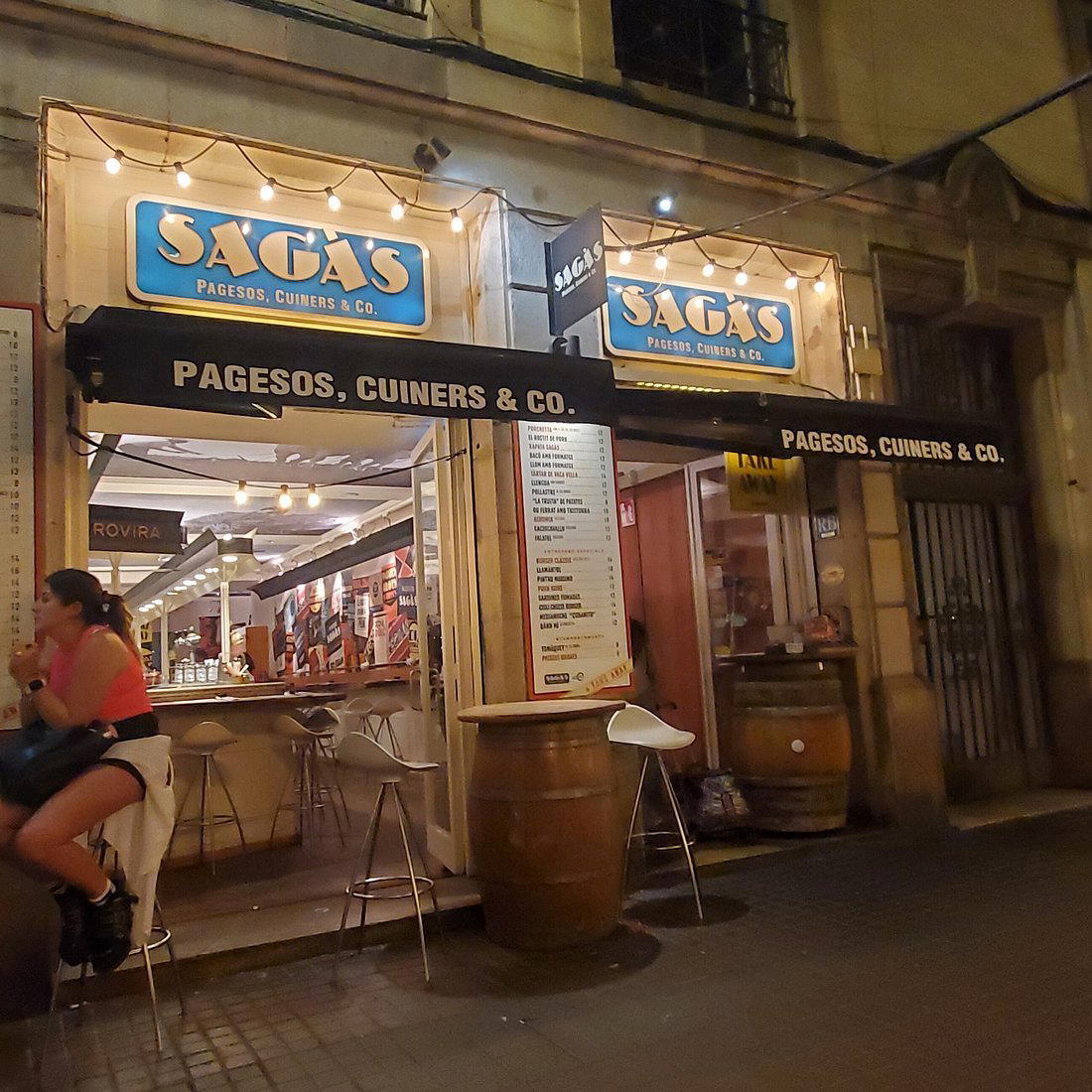
Where the Produce Leads, the Plate Follows
Pla de Palau is one of those Barcelona squares that most visitors pass through rather than stop at. Sandwiched between the Barceloneta waterfront and the El Born district, it handles a volume of foot traffic that should, by rights, fill the surrounding addresses with tourist-facing menus and prix-fixe traps. That so many do not is partly a function of the square's slightly ambiguous character, and partly because locals have quietly colonised corners of it for themselves. It occupies one of those corners. The name translates from Catalan as farmers and cooks, and the pairing is deliberate: it announces, before a guest sits down, that the kitchen's authority derives from the land rather than from technique performed in a vacuum.
Barcelona's restaurant scene has fractured, over the past decade, into increasingly distinct tiers. At the apex sit the creative and progressive Michelin-circuit rooms, Disfrutar, ABaC, Lasarte, Enigma, and Cocina Hermanos Torres, where lengthy tasting menus and multi-course format discipline are the contract between kitchen and guest. Below that tier, a looser and more interesting middle ground has opened up, occupied by restaurants that take produce sourcing with the same seriousness as any Michelin candidate but deliver it through a format closer to a working lunch or a neighbourhood dinner. SAGÀS positions itself in that middle ground, and the distinction matters: the dining ritual here is shaped by different customs and a different pacing than the ceremony-heavy rooms further up the prestige ladder.
The Rhythm of the Meal
In the tradition of Catalan pagesia, the farming culture that has defined the region's cooking since well before modernist cuisine arrived, the sequence of a meal follows the logic of what was harvested, not what was engineered for drama. That sensibility, when it governs a restaurant kitchen, produces menus that change with genuine frequency rather than the managed seasonality of a tasting room that swaps two courses per quarter. Spring at a market-sourced kitchen in Barcelona brings calcots in their final weeks, young garlic, and the early white asparagus from the Maresme coast. By summer, the produce argument shifts entirely toward tomatoes, peppers, and the stone fruits that Catalan chefs tend to pull into savoury territory with more confidence than most European traditions allow.
This seasonal calibration is not merely aesthetic. It places the guest in a different relationship with the meal than the fixed-menu format does. The question is not which of twelve courses to anticipate, but what the market offered this week and how the kitchen chose to answer. That is a subtler kind of theatre, and it requires a different mode of attention from the person eating, less ceremony, more conversation, a willingness to follow rather than to decode. Across Spain's ingredient-led dining tier, from Ricard Camarena in València to smaller producers-first rooms in the Basque Country, this ethos has produced some of the country's most argued-over cooking precisely because it resists the standardisation that Michelin-format dining can inadvertently reward.
Ciutat Vella as Dining Context
The address in Ciutat Vella carries its own editorial weight. The old city's dining identity has long been contested between its Gothic Quarter tourist corridor and the more curated El Born block, where wine bars and natural-wine-adjacent restaurants have clustered around the Mercat de Santa Caterina. Pla de Palau sits at the seam between these zones, close enough to the Born's energy to draw the same clientele but removed enough from its most photographed streets to avoid the self-consciousness that can settle over a neighbourhood once it becomes a destination in its own right. That positioning gives SAGÀS access to a Barcelona diner who is looking for seriousness without the occasion-marking format of the city's €€€€ tasting rooms.
For context: Barcelona's leading creative tables, see our full Barcelona restaurants guide, price their tasting menus well above what a market-led, ingredient-honest kitchen can or should charge. The economics of produce-driven cooking at this level depend on a different model: shorter menus, tighter seatings, and a format that does not require the brigade infrastructure of a three-Michelin-star operation. That keeps the dining ritual accessible and the room atmosphere closer to engaged than reverential.
How SAGÀS Sits Within Spanish Produce-Led Cooking
Spain's relationship with its agricultural interior has always complicated the country's fine-dining narrative. The modernist wave that ran through the first decade of this century, epitomised by restaurants that now hold canonical status, from El Celler de Can Roca in Girona to Mugaritz in Errenteria, was partly a reaction against produce primacy, a demonstration that Spanish kitchens could transform and theorise rather than simply present. The counterreaction, which has been building for the better part of a decade, reasserts the grower's claim on the plate. Aponiente in El Puerto de Santa María does this through marine ecology; Azurmendi in Larrabetzu through its own kitchen garden; Quique Dacosta in Dénia through hyper-local Mediterranean product. SAGÀS, at a different scale and price point, participates in the same argument: that the relationship between farmer and cook is the organising logic of the meal, not a talking point on a menu card.
That argument has real traction in Catalonia, where the market infrastructure, La Boqueria, Mercat de Santa Caterina, the wholesale markets of Mercabarna, gives urban kitchens genuine access to short-supply-chain produce that most European cities cannot match. A restaurant that names itself after farmers and cooks is staking a position in that ecosystem, and the position only holds if the sourcing is verifiable and the cooking respects it.
Planning Your Visit
SAGÀS Pagesos i Cuiners is located at Pla de Palau, 13, Ciutat Vella, 08003 Barcelona, within walking distance of the Arc de Triomf metro station and the Barceloneta waterfront. Timing: Visiting in late spring or early autumn aligns with compelling produce windows in the Catalan agricultural calendar; summer brings its own strengths but also the highest tourist pressure on the surrounding neighbourhood. Budget: The restaurant is priced at about $25 per person, placing it in a mid-range bracket below the city's €€€€ tasting-menu rooms.
Peers Worth Knowing
Comparable venues nearby, for context on price, style, and recognition.
| Venue | Cuisine | Price | Notes |
|---|---|---|---|
| SAGÀS Pagesos i CuinersThis venue — the venue you are viewing | Catalan Farm-to-Table Sandwiches and Tapas | $$ | Not listed |
| Tantarantana | Traditional Spanish Tapas & Catalan | $$ | Sant Pere, Santa Caterina i la Ribera |
| La Paella de Su | Authentic Valencian Paella | $$ | la Dreta de l'Eixample |
| La Roda | Spanish/Catalan Grill & Paella | $$ | el Poblenou |
| Gabatxo | Spanish-French Fusion Tapas & Cocktails | $$ | l'Antiga Esquerra de l'Eixample |
| MALPARIT | Modern Catalan Tapas | $$ | l'Antiga Esquerra de l'Eixample |
Continue exploring
More in Barcelona
Restaurants in Barcelona
Browse all →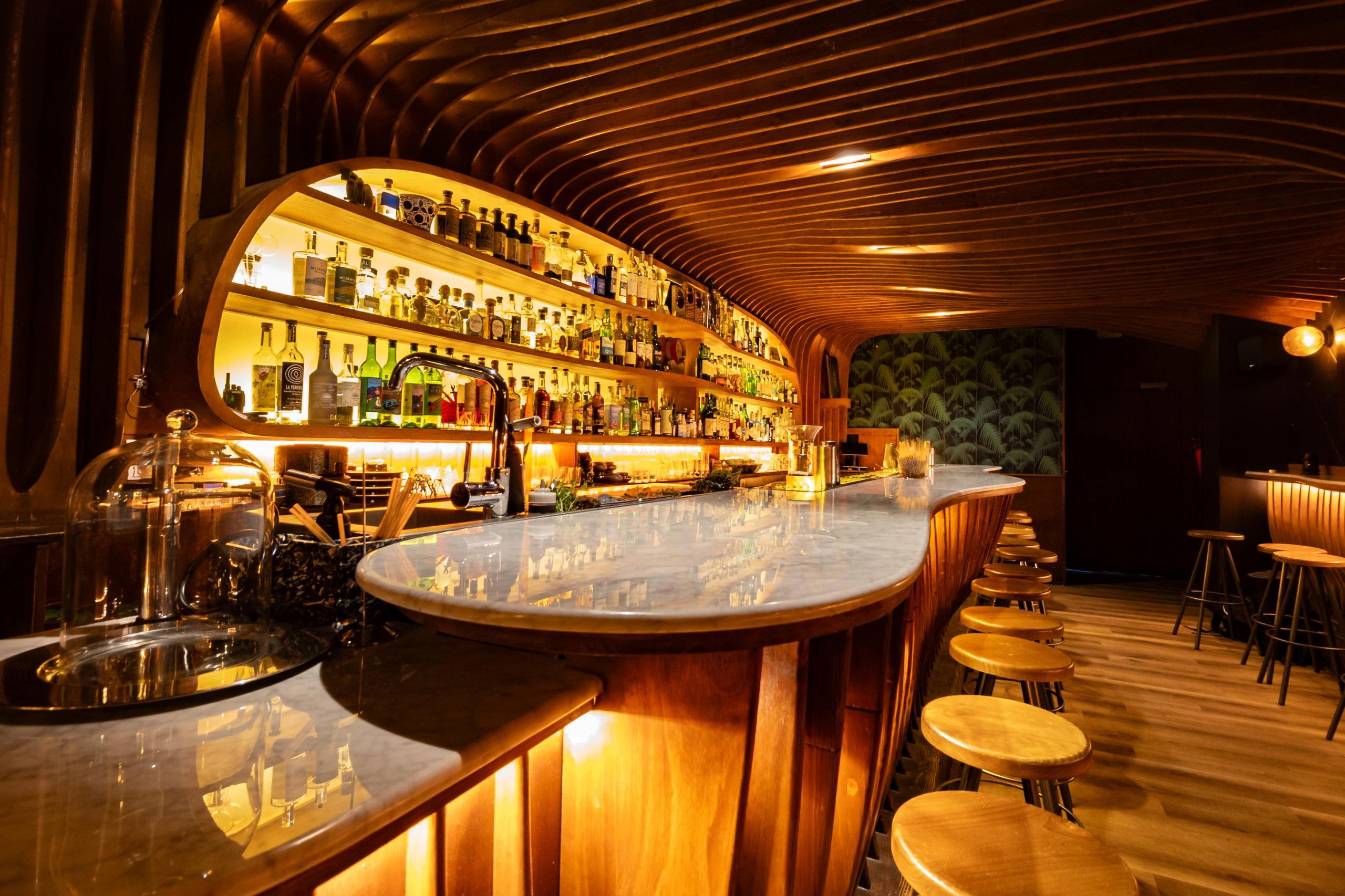
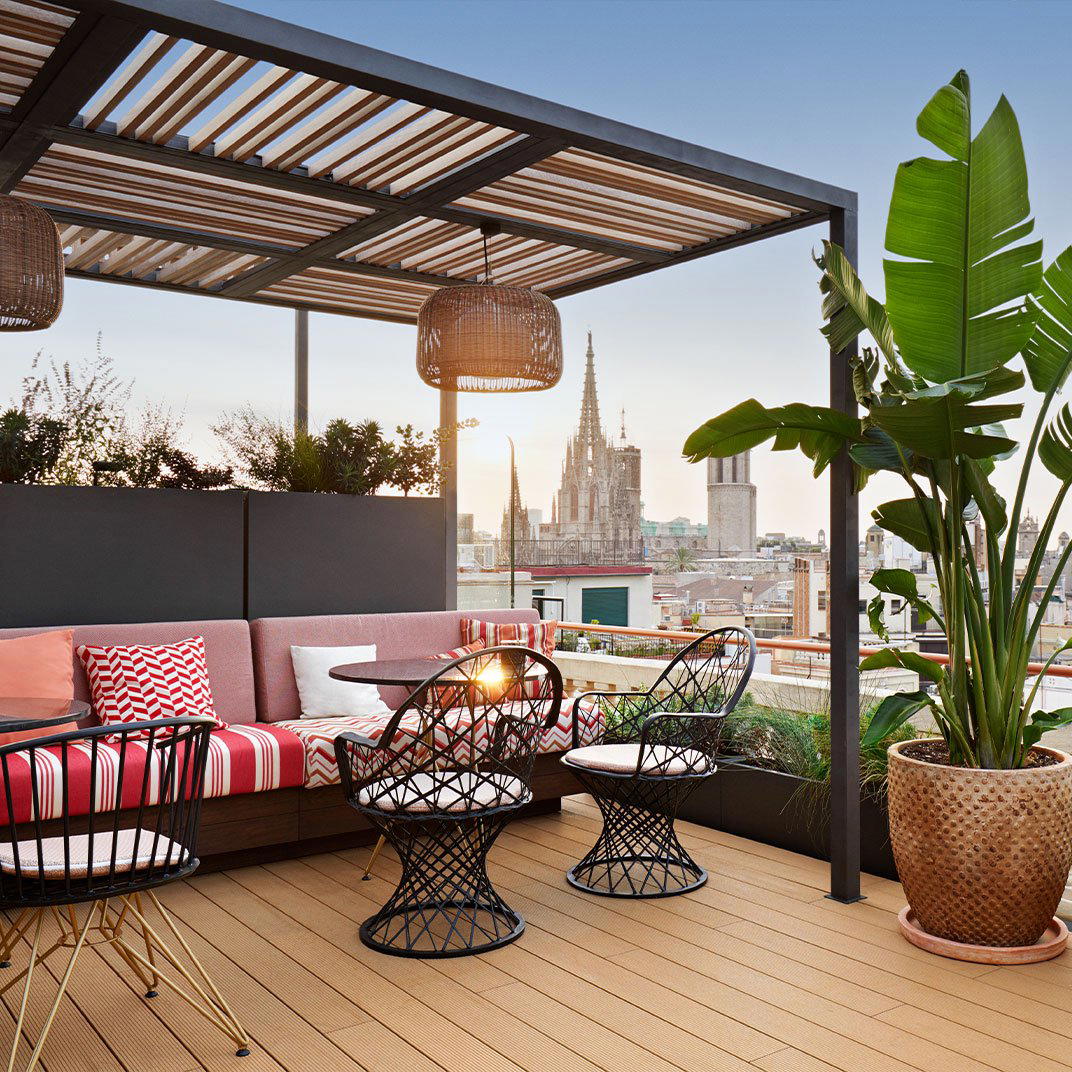
Bars in Barcelona
Browse all →
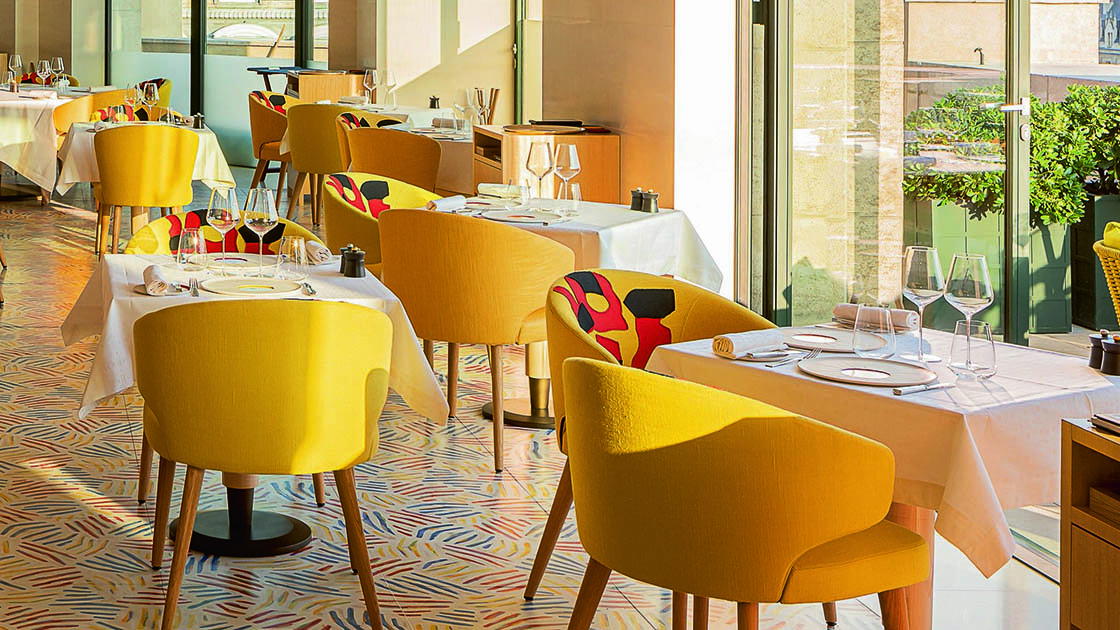
Hotels in Barcelona
Browse all →

At a Glance
- Rustic
- Cozy
- Lively
- Casual Hangout
- Open Kitchen
- Terrace
- Extensive Wine List
- Craft Cocktails
- Farm To Table
- Local Sourcing
- Street Scene
Current opening hours
- Monday
- 1 PM–12 AM
- Tuesday
- 1 PM–12 AM
- Wednesday
- 1 PM–12 AM
- Thursday
- 1 PM–12 AM
- Friday
- 1 PM–12:30 AM
- Saturday
- 12 PM–12:30 AM
- Sunday
- 12 PM–12 AM
Hours can change for holidays and private events. Last verified .
Fun, informal atmosphere with a cozy private room, long bar, and lively outdoor terrace, blending rustic village flavors in a chic urban setting.