Tuscany
Our verdict
On Taylor Street in Chicago's Little Italy, Tuscany sits within one of the city's most historically rooted Italian-American dining corridors. The restaurant draws on the red-sauce and Florentine traditions that defined the neighbourhood's culinary identity for generations, positioning it in a different tier from the city's progressive fine-dining circuit but firmly within a tradition Chicago has long taken seriously.

Pearl is the En Primeur Club membership app, where members save venues, book tables and use the concierge.

The menu
What to order
- Homemade pastas
- Wood-fired pizzas
- Italian chicken dishes
Taylor Street and the Weight of Italian-American Chicago
There is a version of Chicago dining that gets most of the editorial attention: the tasting-menu circuit anchored by places like Alinea, Smyth, and Oriole, where multi-course formats and chef-driven concepts define the conversation. Then there is Taylor Street. The stretch of West Taylor that runs through the Near West Side is one of the few corridors in any American city where Italian-American dining culture has not been gentrified into abstraction. The red brick facades, the proximity to the old Maxwell Street market district, the Catholic churches built by Sicilian immigrants in the early twentieth century, all of it still shapes what eating on this block feels like. Tuscany, at 1014 W Taylor St, is part of that fabric.
The neighbourhood context matters because it changes what you are actually evaluating. Taylor Street restaurants are not competing against Next Restaurant or Kasama for the same diner. They are operating within a tradition where the measure of quality is fidelity to a specific culinary lineage, Tuscan and Florentine-inflected Italian-American cooking, rather than innovation for its own sake. That is a harder game in some respects, because the audience knows exactly what they are comparing you against, and they have been eating on this street, in some cases, for their entire lives.
What the Address Tells You Before You Walk In
Arriving on Taylor Street from the Loop, you pass through a neighbourhood that still reads as residential and community-oriented rather than destination-dining. There are no valet queues or velvet ropes. The scale is human. Tuscany sits in a building that fits the block's character, not a converted warehouse reimagined for maximum Instagram geometry, but a proper sit-down restaurant that communicates its purpose clearly from the outside. This physical register is deliberate and consistent with what the neighbourhood expects of its anchor dining institutions.
For visitors approaching Chicago's Italian-American dining from outside the city, the Taylor Street corridor is the appropriate reference point rather than River North or the West Loop. The latter two neighbourhoods have absorbed most of Chicago's high-concept dining energy over the past decade, but Taylor Street has maintained a different identity, one rooted in family dining, long-standing relationships between restaurants and their regulars, and a cuisine that draws from the Tuscan and Central Italian traditions that shaped the community's founding immigrant population.
Placing Tuscany in the Broader Italian Dining Conversation
Italian restaurants operating in this register, traditional, neighbourhood-embedded, cuisine-specific, occupy a distinct position in any American city's dining map. At the premium end of Italian cooking in the United States, you find places shaped by fine-dining infrastructure and imported European techniques. At the community end, you find places where the cuisine's function is as much social and cultural as it is gastronomic. Taylor Street Italian restaurants, Tuscany among them, sit closer to the latter, and that is not a criticism. It is a description of what they are built to do.
The comparison set for a restaurant like Tuscany is not the American fine-dining circuit represented by properties like The French Laundry or Le Bernardin in New York City, or even the farm-to-table format associated with places like Blue Hill at Stone Barns.
Internationally, the closest frame of reference for the cooking style that Taylor Street represents is the trattoria tradition of Central Italy, particularly Tuscany and Emilia-Romagna, where hospitality is measured in portion size and consistency rather than in tasting-menu architecture. Restaurants in that tradition, whether in Florence or in the Italian-American diaspora communities of Chicago, operate on a similar logic: return visits matter more than single-visit spectacle. For context on how Italian cooking translates at the premium fine-dining level in different cities, 8 1/2 Otto e Mezzo Bombana in Hong Kong offers a useful counterpoint, same foundational tradition, radically different format and ambition.
Planning Your Visit
Taylor Street is accessible from the Loop by a short drive west or via the CTA Blue Line to the Medical District area, which places the corridor within easy reach of downtown Chicago without requiring a cab or rideshare for the full journey. The neighbourhood is compact enough to walk from the Blue Line stop to the restaurant in under ten minutes. For visitors building an itinerary around Chicago's broader dining geography, the Near West Side works well as a pairing with a West Loop dinner, given the proximity and the contrast in dining registers, two very different sides of Chicago's food culture within a few blocks of each other. Contact details and current hours for Tuscany are best confirmed directly before visiting, as operational information was not available at time of publication. For a broader orientation to Chicago's dining scene, our full Chicago restaurants guide maps the city's key neighbourhoods and dining categories.
Visitors with an appetite for comparison across the American fine-dining spectrum can use Chicago as a base for understanding how the country's restaurant culture stratifies. The city's progressive end, anchored by Michelin-starred operators, sits at one pole. Taylor Street's Italian-American tradition sits at another, older, more community-rooted, less legible to the international awards circuit but no less serious on its own terms. Other American cities with comparable anchor restaurants in their respective traditions include Emeril's in New Orleans, Lazy Bear in San Francisco, Providence in Los Angeles, Addison in San Diego, Bacchanalia in Atlanta, The Inn at Little Washington, and Atomix in New York City, each embedded in a local tradition and operating on logic that differs from the international tasting-menu circuit even when the calibre is comparable. The point is not that Tuscany belongs in that specific list, but that American dining makes more sense when you understand the distinct registers it operates across simultaneously. Single Thread Farm in Healdsburg is another useful reference for how a deeply place-specific restaurant can anchor an entire dining identity around its geography, a logic Taylor Street restaurants understand from the other direction, through longevity rather than through design.
Frequently asked questions
Where is Tuscany in Chicago?
Tuscany is located at 1014 W Taylor St, Chicago, IL 60607, Chicago.
How does Tuscany fit into the broader Italian dining scene in Chicago compared to newer Italian restaurants downtown?
Tuscany operates in a different register from the modern Italian concepts that have opened in the Loop or West Loop over the past decade. Its location at 1014 W Taylor St places it within Little Italy, a neighbourhood whose Italian-American dining identity predates Chicago's current restaurant boom by generations. Where downtown Italian restaurants often pursue contemporary technique or regional specificity, Taylor Street institutions are measured by their continuity with community tradition. That distinction makes Tuscany a reference point for a style of Chicago Italian dining that the newer openings are not attempting to replicate.
What do people recommend at Tuscany?
Tuscany sits on Taylor Street, the historic centre of Chicago's Italian-American dining culture, so the kitchen draws from that tradition: house-made pastas and long-braised preparations are the anchor of any visit to restaurants in this corridor. The address at 1014 W Taylor St places it among neighbours who have shaped what Chicago expects from Italian cooking for decades.
What has Tuscany built its reputation on?
Tuscany's standing is rooted in its address: 1014 W Taylor St places it inside Chicago's Little Italy corridor, a stretch with more than a century of Italian-American culinary identity. Restaurants that hold ground on Taylor Street do so through consistency with the neighbourhood's expectations rather than reinvention. That sustained presence in a community-oriented district, rather than a destination dining strip, is the foundation of the restaurant's local credibility.
Is Tuscany allergy-friendly?
Italian-American kitchens in the Taylor Street tradition work extensively with wheat-based pastas, dairy, and shared cooking surfaces, which means guests with gluten or dairy sensitivities should discuss options directly with staff before ordering. Calling ahead gives the kitchen time to prepare accommodations if any are possible.
At a Glance
Comparable venues nearby, for context on price, style, and recognition.
| Venue | Cuisine | Price | Notes |
|---|---|---|---|
| TuscanyThis venue (the venue you are viewing) | Northern Italian Trattoria | $30–50 | Not listed |
| Ricobene's | Classic Chicago Italian Sandwiches | $10–20 | Bridgeport, Classic Chicago Italian Sandwiches |
| Volare | Traditional Italian with Sardinian Accents | $30–50 | Streeterville, Traditional Italian with Sardinian Accents |
| Bruna's Ristorante | Classic Italian Trattoria | $30–50 | West Side, Classic Italian Trattoria |
| Tre Denari | Italian Trattoria | $50–100 | River North, Italian Trattoria |
| Neon Gardens | Modern Italian Pizza | Not listed | Lincoln Park, Modern Italian Pizza |
Tuscany
Featured Guides



Continue exploring
More in Chicago
Restaurants in Chicago
All restaurants in Chicago →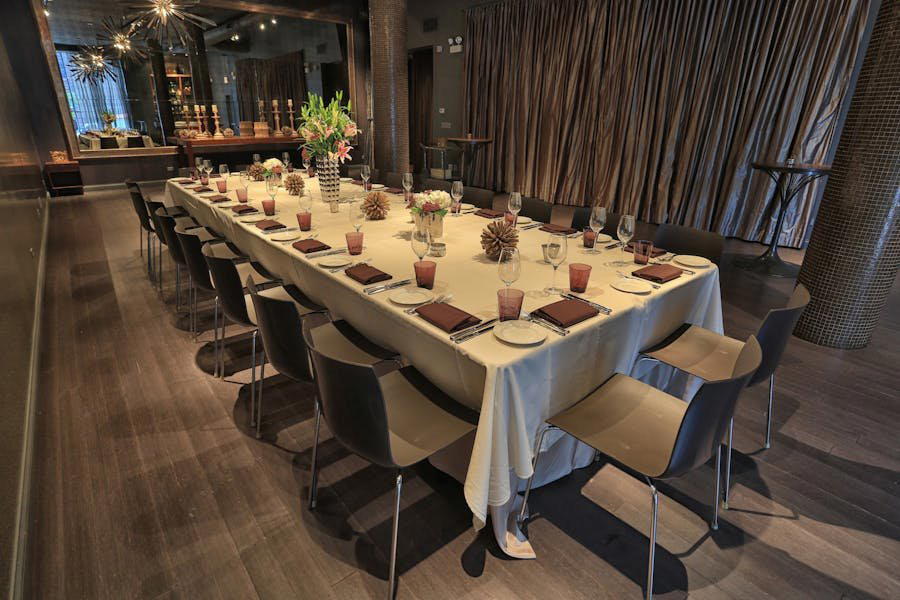



Details
- Romantic
- Cozy
- Classic
- Date Night
- Family
- Group Dining
- Special Occasion
- Private Dining
- A La Carte
- Vegetarian Friendly
- Gluten Free Options
Current opening hours
- Monday
- Closed
- Tuesday
- 4–9 PM
- Wednesday
- 4–9 PM
- Thursday
- 4–9 PM
- Friday
- 4–10 PM
- Saturday
- 4–10 PM
- Sunday
- 4–9 PM
Hours can change for holidays and private events. Hours as of .
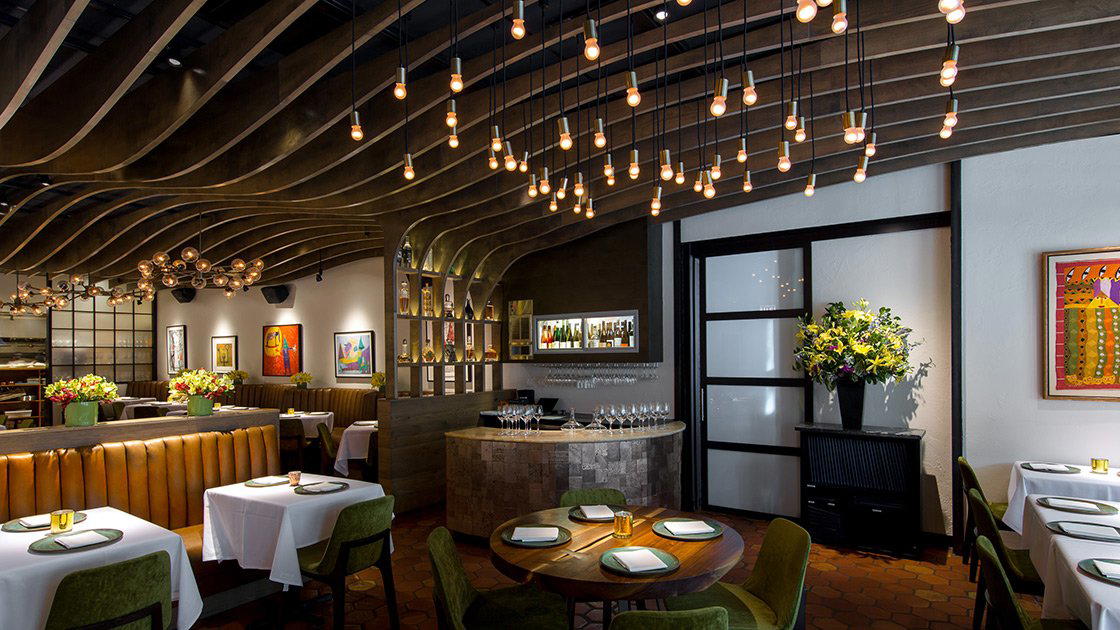
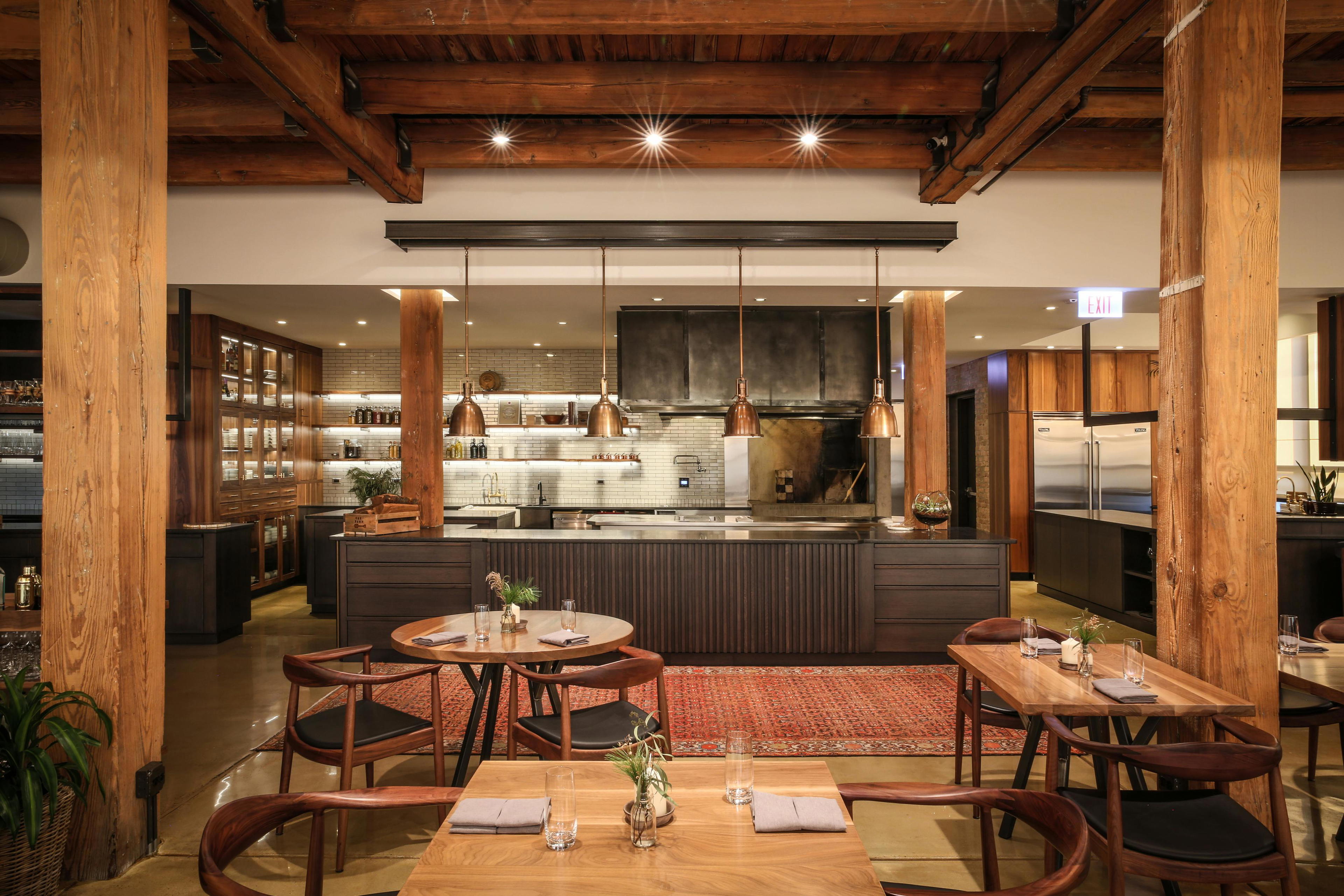
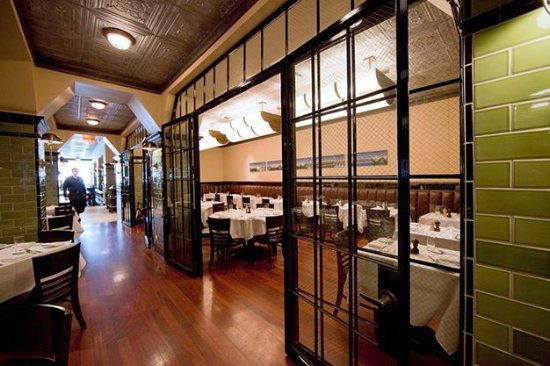
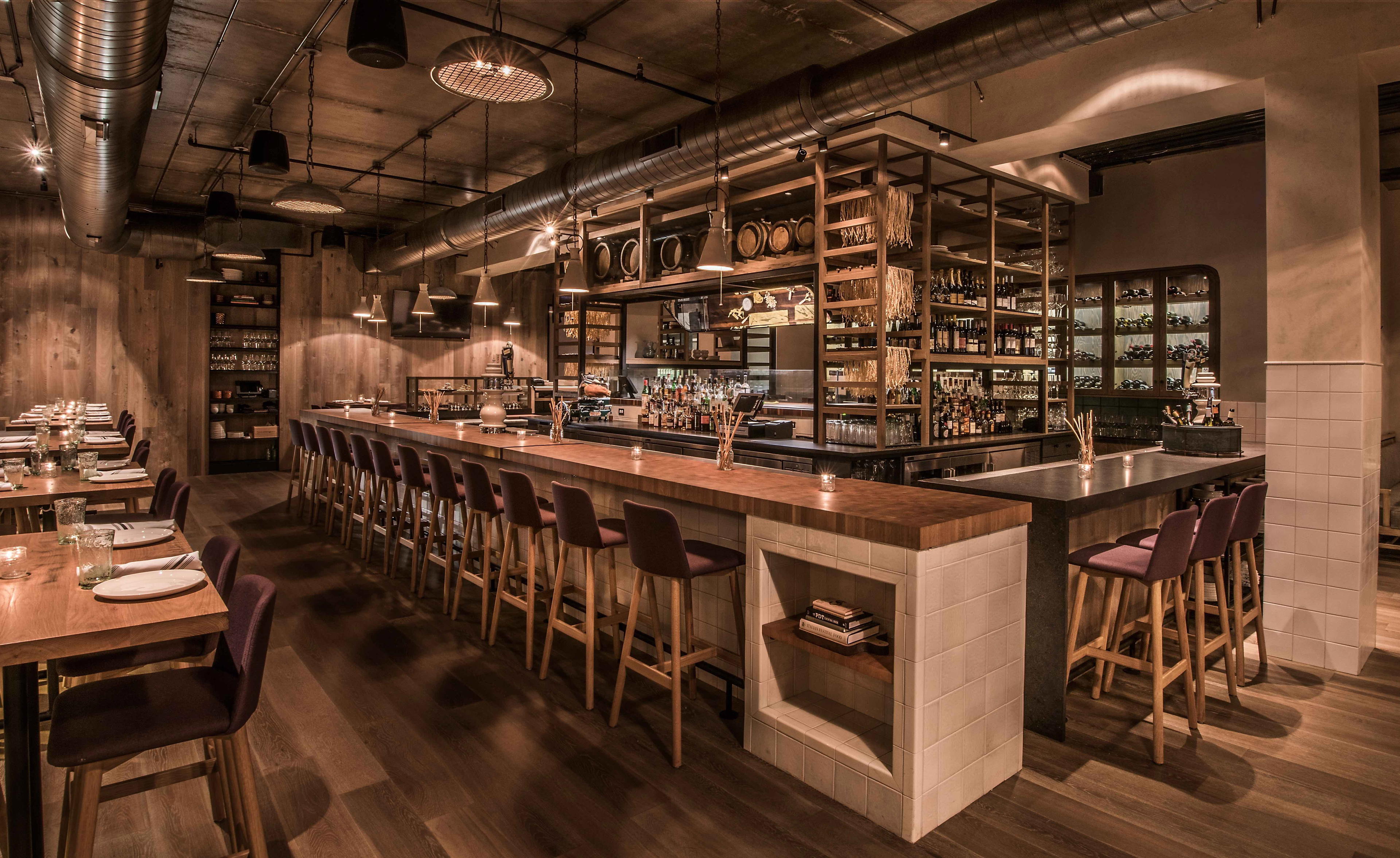
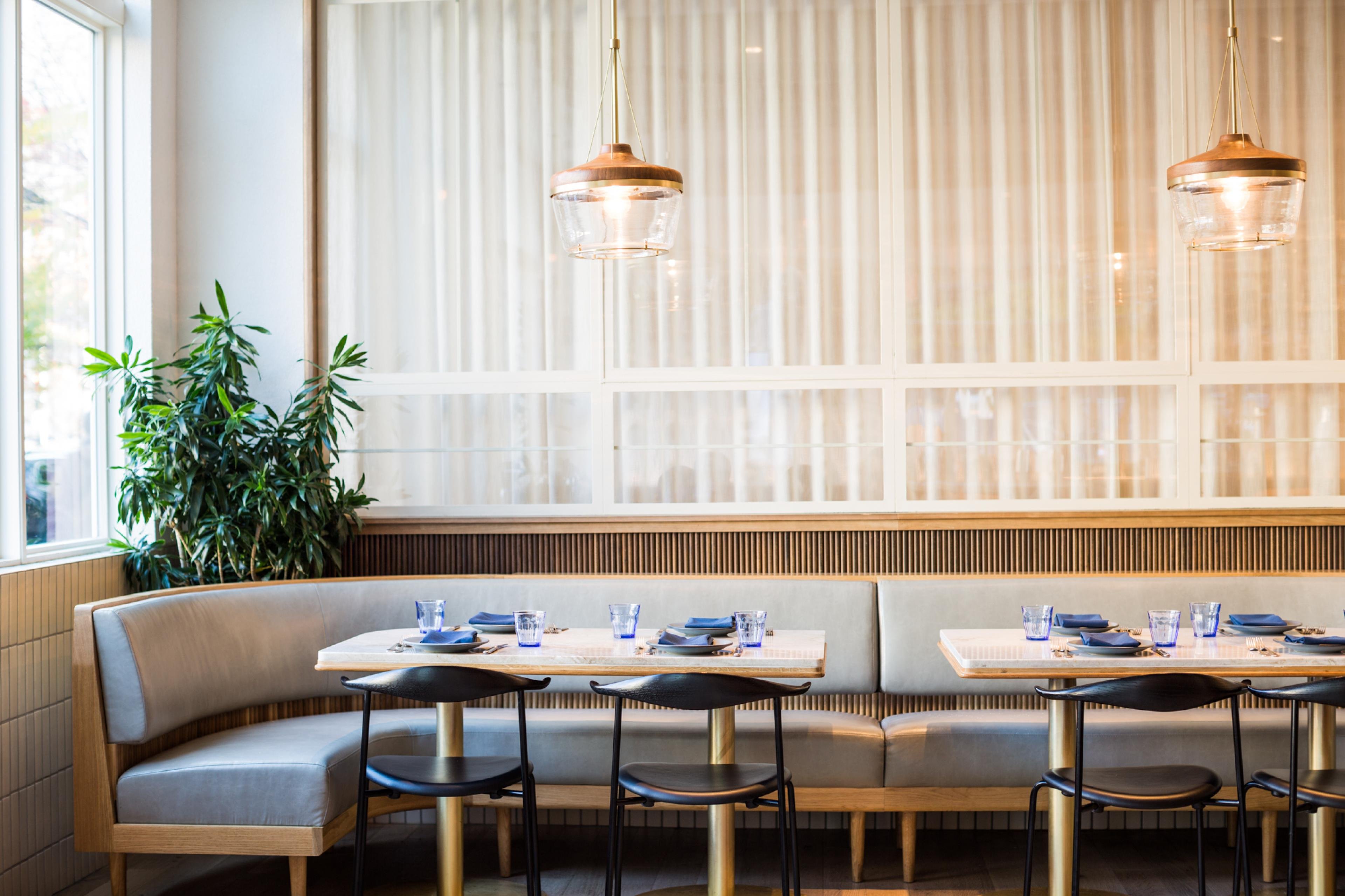
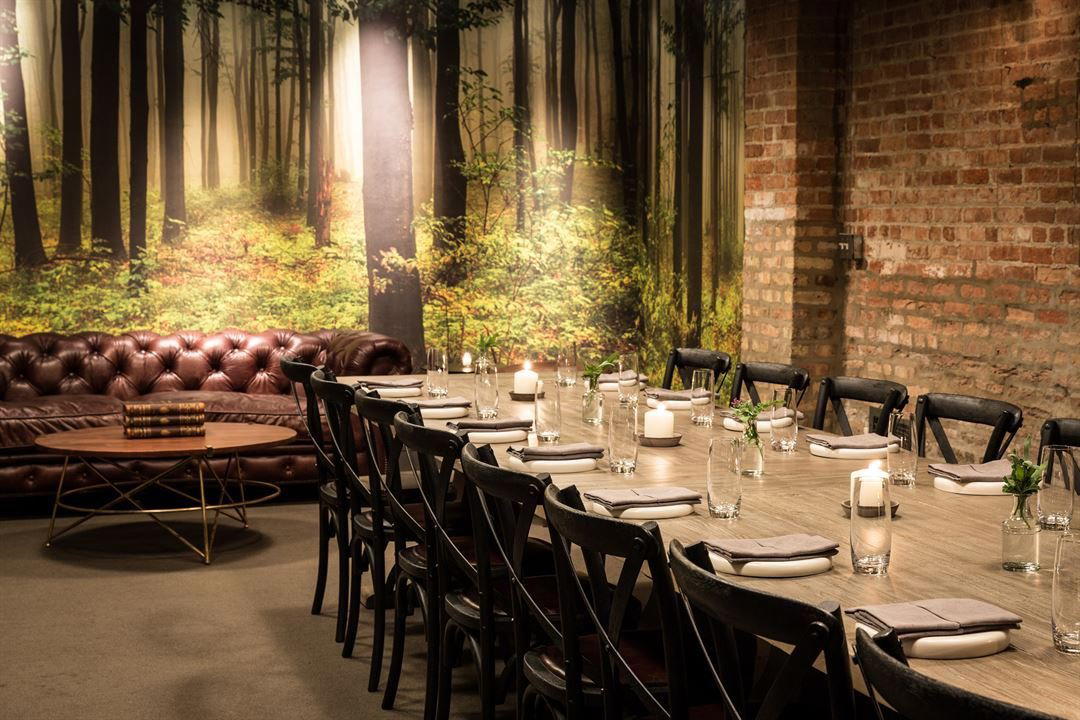
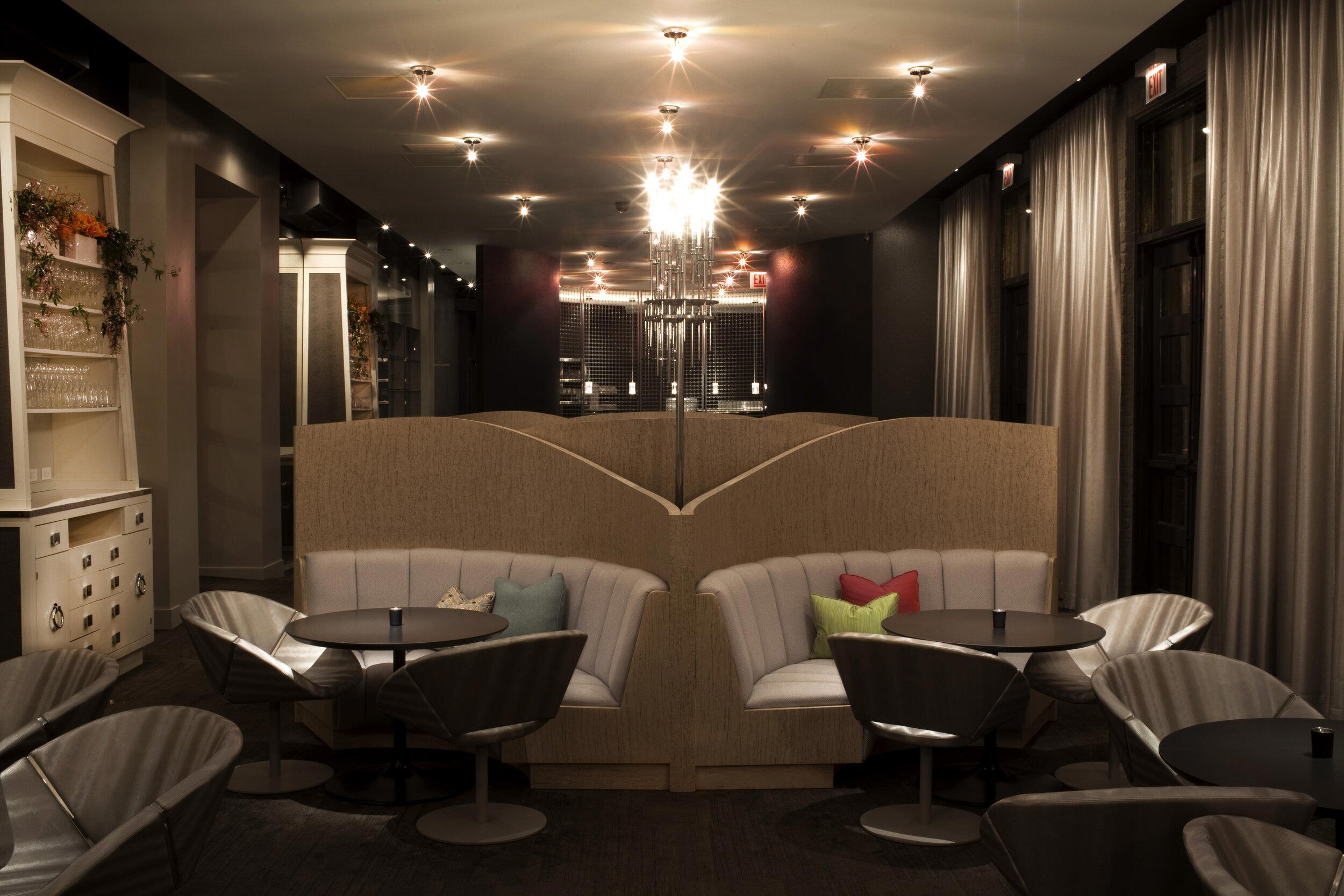
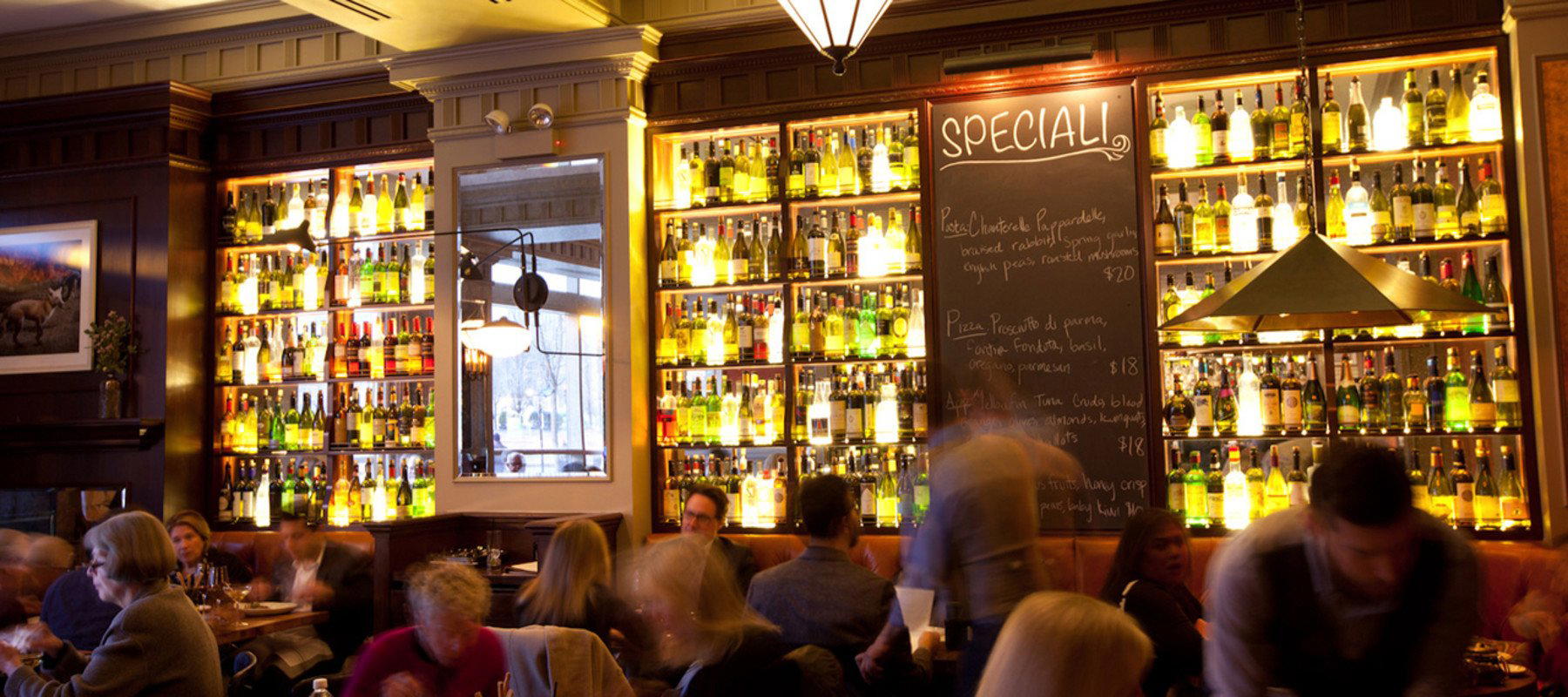
Comfortable and cozy trattoria atmosphere with hometown hospitality, well-suited for romantic dinners or family gatherings.