Bruna's Ristorante
A South Side institution on South Oakley Avenue, Bruna's Ristorante sits in the Heart of Italy neighbourhood where Chicago's Italian-American dining tradition runs deepest. The restaurant represents a strand of neighbourhood Italian that survives largely outside the downtown reservation circuit, grounded in the kind of cooking that sustained working-class communities for generations. For visitors tracing Chicago's culinary geography beyond the Loop, it marks a distinct point on the map.
Pearl is the En Primeur Club membership app — saves, bookings, and concierge access live there. Same editors, same standards.
- Address
- 2424 S Oakley Ave, Chicago, IL 60608
- Phone
- +17732545550
- Website
- brunasristorante.com
- Directions
- Get directions
 Saves & bookings on Pearl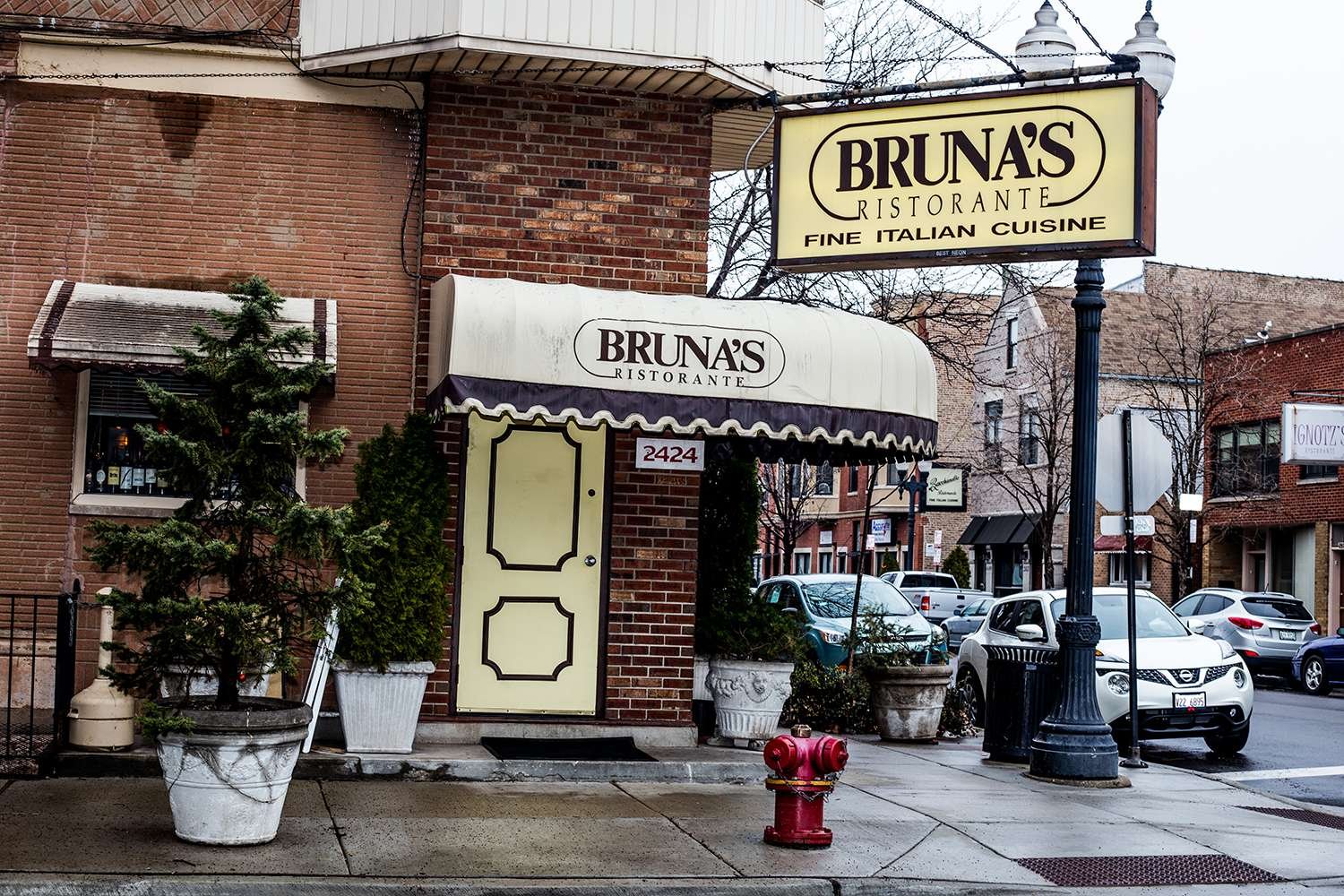
Where Chicago's Italian-American Table Still Holds Its Ground
Bruna's Ristorante is a classic Italian trattoria in Chicago, with a price point around $35 per person. By the time you reach the Heart of Italy neighbourhood, the restaurant density thins, the signage switches to family names, and the dining rooms start to look like they were built for people who live nearby rather than people passing through. South Oakley Avenue, where Bruna's Ristorante occupies its address at 2424, sits in one of the few Chicago corridors where Italian-American neighbourhood dining has maintained continuity across decades. The room carries that history in its bones: the kind of place where the regulars don't study the menu because they already know it.
That continuity matters more than it might first appear. Chicago's dining conversation in 2024 concentrates heavily on the northern and western neighbourhoods, the River North corridor, and the West Loop, where tasting-menu restaurants like Alinea, Smyth, and Oriole anchor a scene built around progressive technique and prix-fixe formats. The South Side operates on a different logic. Here, longevity is the credential, and the kitchens that have survived multiple generations have done so by staying legible to the people who depend on them.
The Neighbourhood Context: Heart of Italy's Dining Character
The Heart of Italy district, centred on Oakley and 24th Street, was established as one of Chicago's primary Italian immigrant settlements in the early twentieth century. Unlike the more commercially developed Greektown or the heavily touristed Italian Village downtown, this corridor remained a residential anchor, which shaped the character of its restaurants. They were built as community infrastructure, not as dining destinations, and many still function that way. That distinction affects everything from portion logic to pricing to the level of formality in the room.
Visitors who want to understand how the South Side fits into that picture will find that it operates largely in parallel to the downtown scene rather than in competition with it.
Italian-American Cooking and the Sustainability Question
The framing of sustainability in fine dining tends to cluster around high-profile formats: the farm-to-table tasting menu, the single-origin sourcing program, the chef who names their vegetable supplier on the menu. Properties like Blue Hill at Stone Barns in Tarrytown and Single Thread Farm in Healdsburg have built their identities around explicit environmental frameworks, with sourcing relationships and waste-reduction systems that are documented and publicised. That model has real merit, but it also requires the kind of capital and media access that neighbourhood restaurants rarely have.
What neighbourhood Italian-American kitchens have historically practised is a quieter form of practicality: cooking to zero waste because waste costs money, using secondary cuts because that was what the community could afford, and building menus around what was available and seasonal before seasonality became a marketing term. Restaurants like Atelier Moessmer Norbert Niederkofler in Brunico have formalised this philosophy into award-winning frameworks in Europe, but the underlying logic, cooking from what the land and season offer rather than importing prestige ingredients, is older than the modern sustainability movement by several generations. Italian-American neighbourhood kitchens in Chicago have practised versions of it since the early twentieth century, not as philosophy but as necessity.
That distinction between principled sustainability and structural sustainability matters when evaluating what a restaurant like Bruna's represents in the city's dining ecology. It is not making a public argument about sourcing. It is simply cooking the way that Italian-American working-class communities always cooked, which happens to align with many of the values that contemporary sustainability discourse champions.
Placing Bruna's in Chicago's Broader Italian Dining Picture
Chicago's Italian dining offer spans a wide range: from the red-sauce neighbourhood rooms on the South and West Sides, to the modern Italian formats that have absorbed influence from New American technique, to the few places attempting serious regional Italian specificity. Bruna's sits firmly in the first category. That is not a limiting description. The red-sauce tradition in American cities represents among the more durable and socially embedded forms of Italian cooking outside Italy itself, shaped by specific immigration patterns, ingredient availability, and community need in ways that make it a distinct cuisine rather than a degraded version of something else.
For comparison points across the American fine-dining spectrum, the contrast is instructive. Le Bernardin in New York and Providence in Los Angeles represent the formal, French-influenced American fine-dining tier. Emeril's in New Orleans and Frasca Food and Wine in Boulder represent different models of regional and European-influenced American cooking. Next Restaurant and Kasama in Chicago represent the award-driven contemporary tier. Bruna's does not compete in those categories. It operates as a neighbourhood anchor, and that function has its own integrity.
Other comparison points worth considering for visitors building a broader American dining trip: Lazy Bear in San Francisco, The French Laundry in Napa, Addison in San Diego, The Inn at Little Washington, and Atomix in New York City all represent different models of American fine dining at the tasting-menu tier. Understanding where Bruna's sits relative to those restaurants clarifies what kind of visit it is designed to support.
Know Before You Go
- Address: 2424 S Oakley Ave, Chicago, IL 60608
- Neighbourhood: Heart of Italy, South Side Chicago
- Price range: about $35 per person
- Reservations: recommended
- Getting there: The address is accessible by car, and CTA bus routes serve Western and 26th Street corridors.
- Leading timing: Weekend evenings tend to draw particularly local regulars; weeknight visits offer a quieter read of the room
Peers Worth Knowing
Comparable venues nearby, for context on price, style, and recognition.
| Venue | Cuisine | Price | Notes |
|---|---|---|---|
| Bruna's RistoranteThis venue — the venue you are viewing | Classic Italian Trattoria | $$ | Not listed |
| Pequod's Pizza | Chicago Deep-Dish Pan Pizza | $$ | Lincoln Park |
| Zia's Social | Regional Italian with Modern Twist | $$ | Norwood Park |
| Barra Rossa | Italian Pizza & Pasta with Strong Gluten-Free Options | $$ | .null |
| Orso's | Classic Italian Trattoria | $$ | Old Town |
| Reno | Wood-Fired Italian Pizza & Bagels | $$ | Logan Square |
At a Glance
- Classic
- Cozy
- Intimate
- Date Night
- Special Occasion
- Historic Building
- Extensive Wine List
Current opening hours
- Monday
- 11 AM–10 PM
- Tuesday
- 11 AM–10 PM
- Wednesday
- 11 AM–10 PM
- Thursday
- 11 AM–10 PM
- Friday
- 11 AM–11 PM
- Saturday
- 11 AM–11 PM
- Sunday
- 12:30–10 PM
Hours can change for holidays and private events. Last verified .
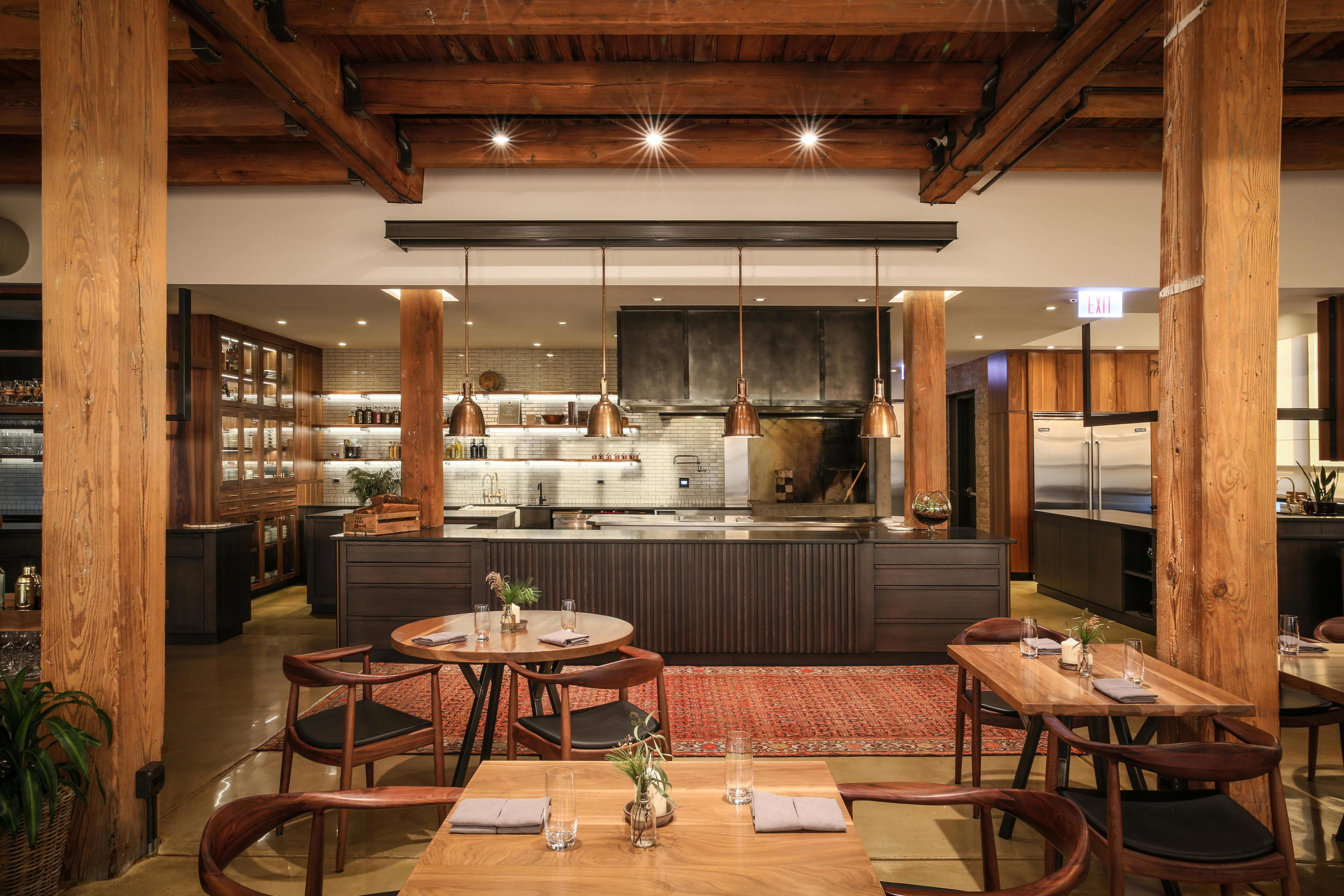
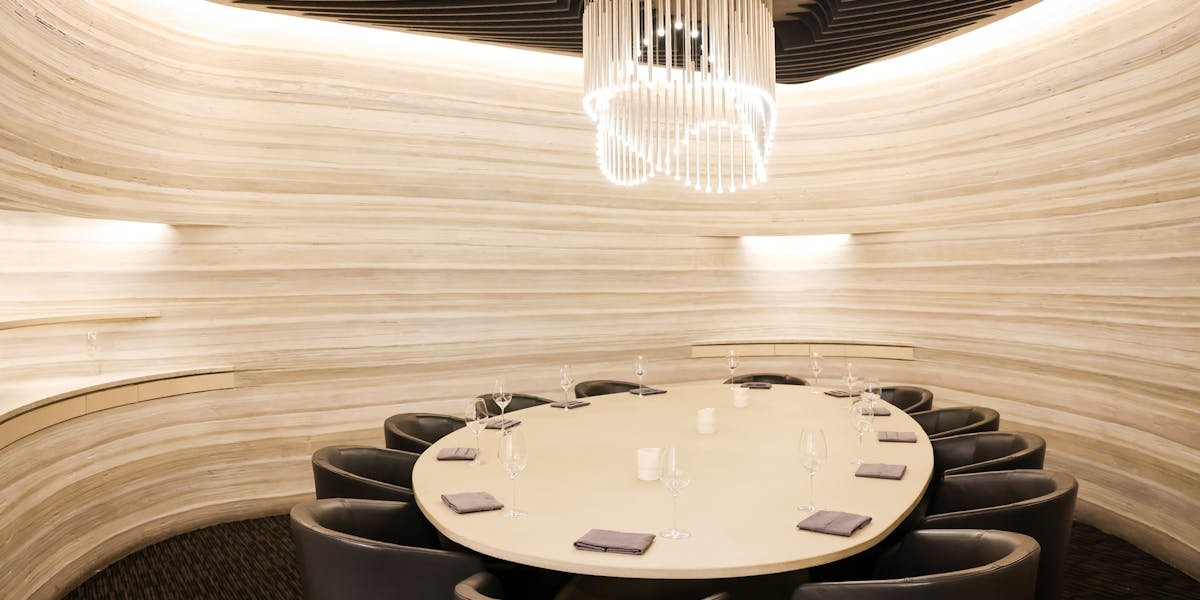
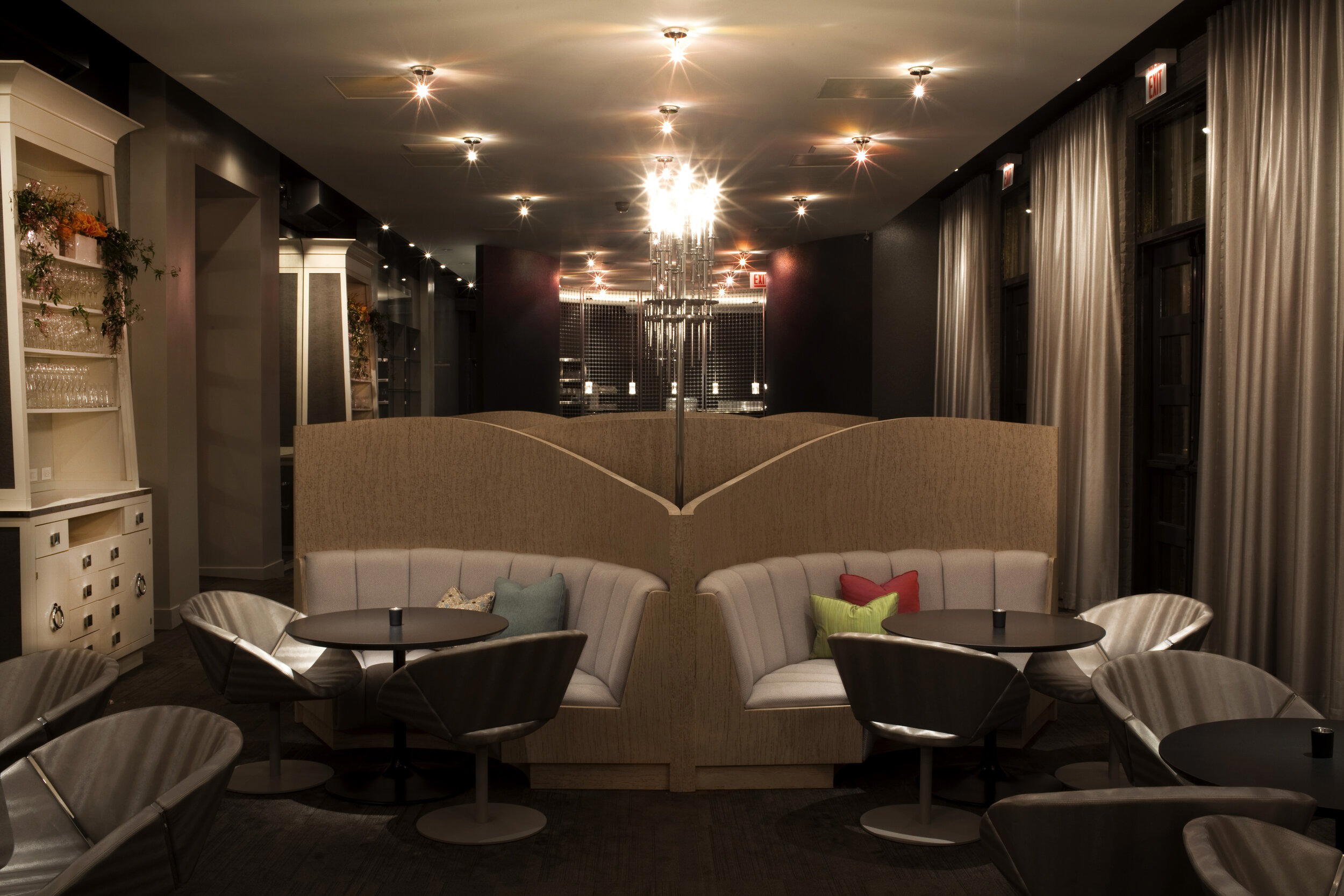
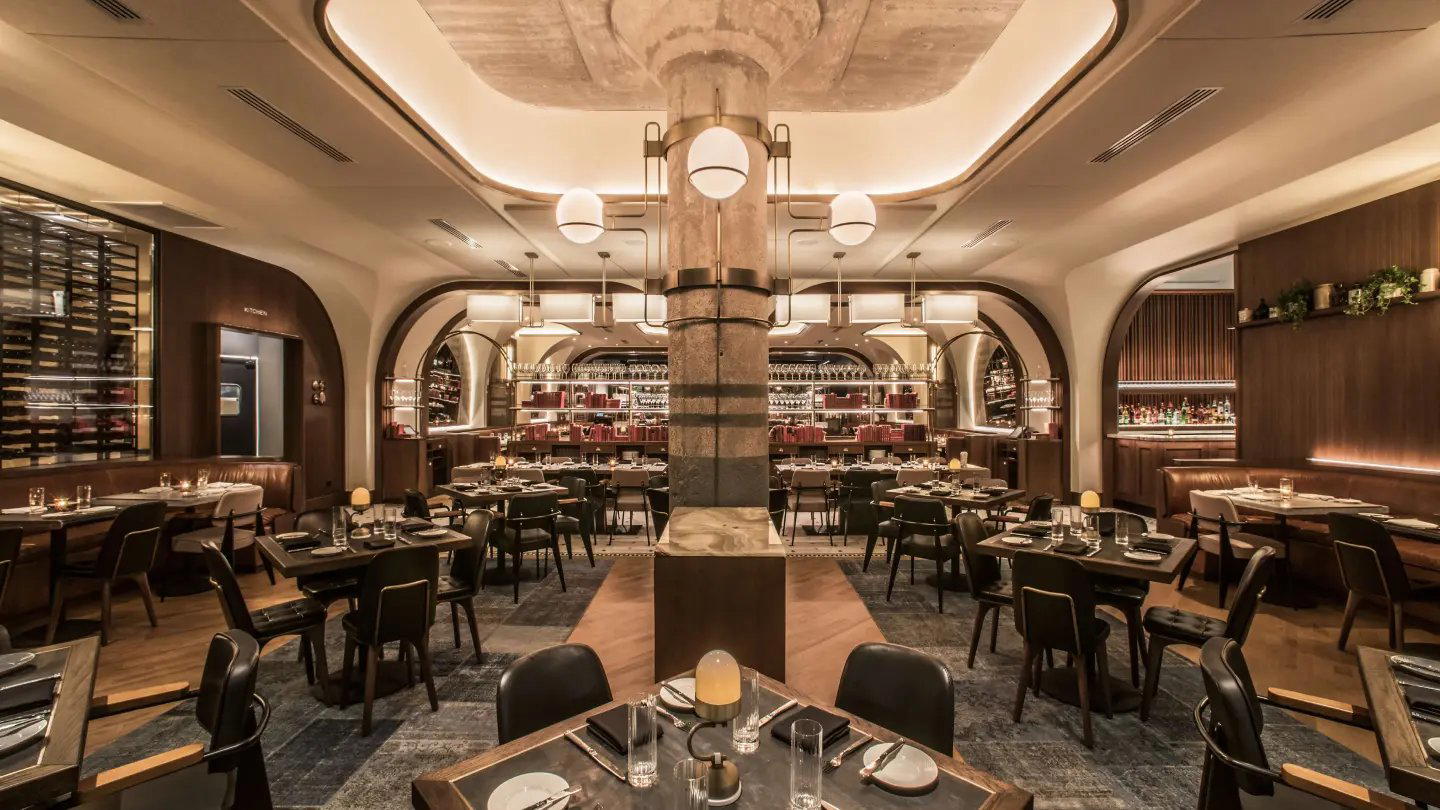
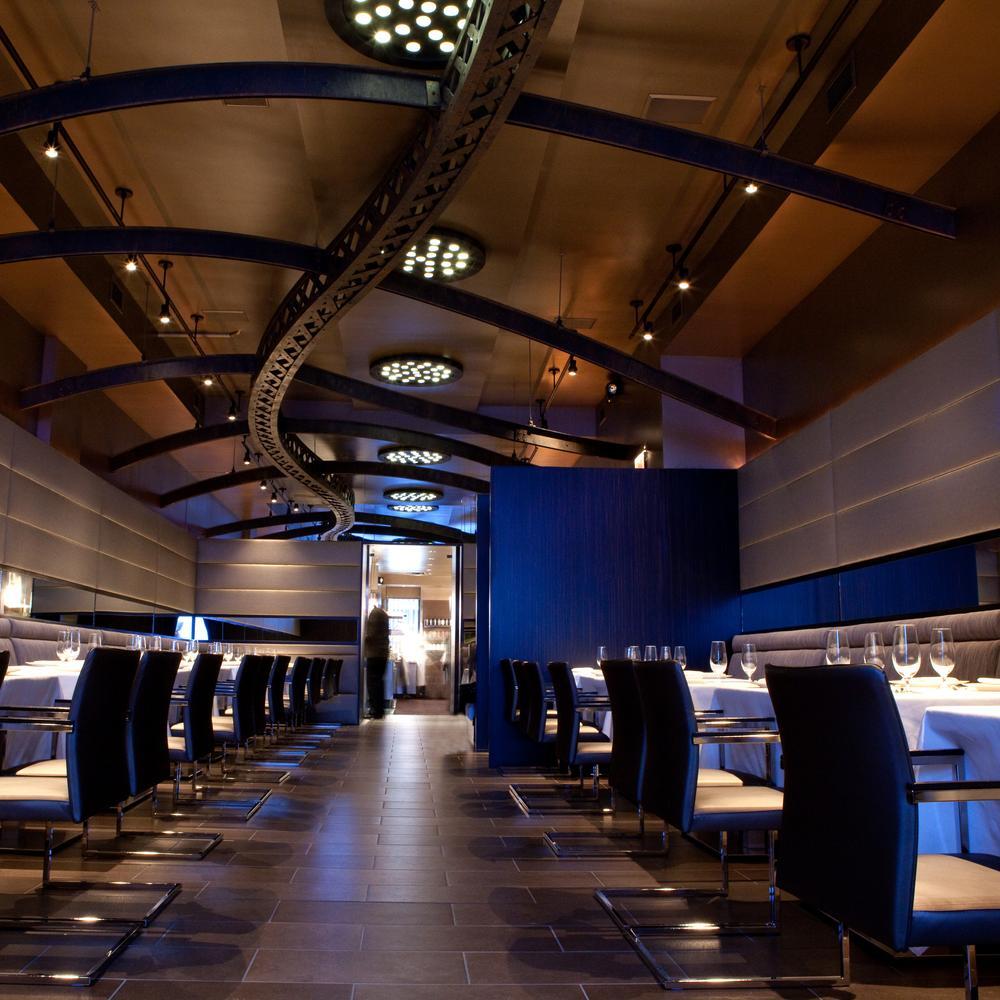
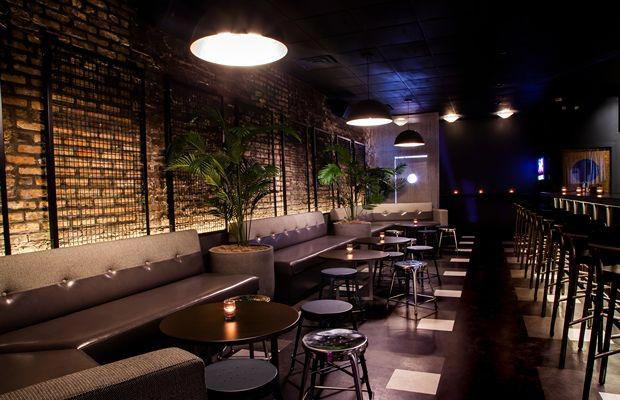
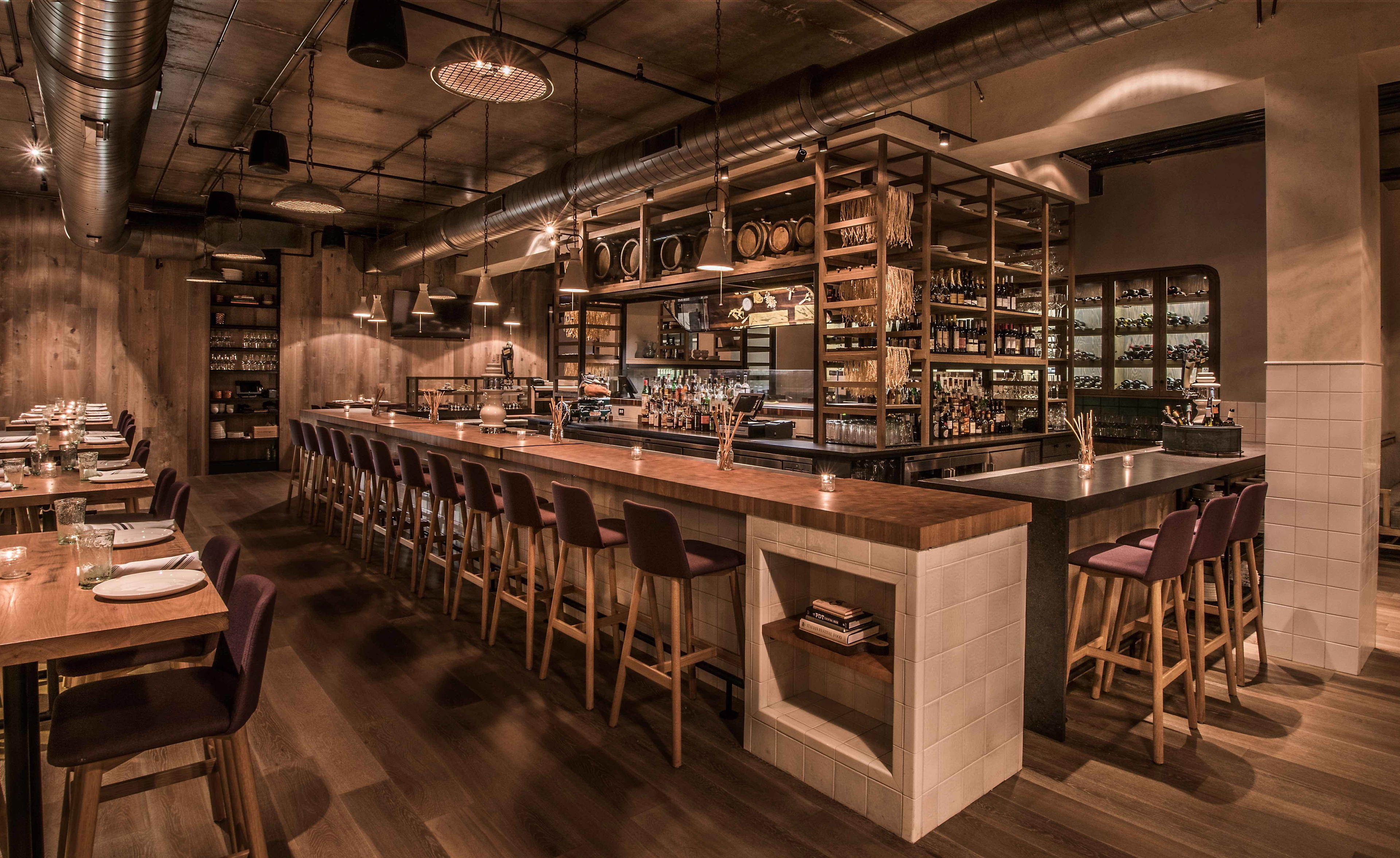
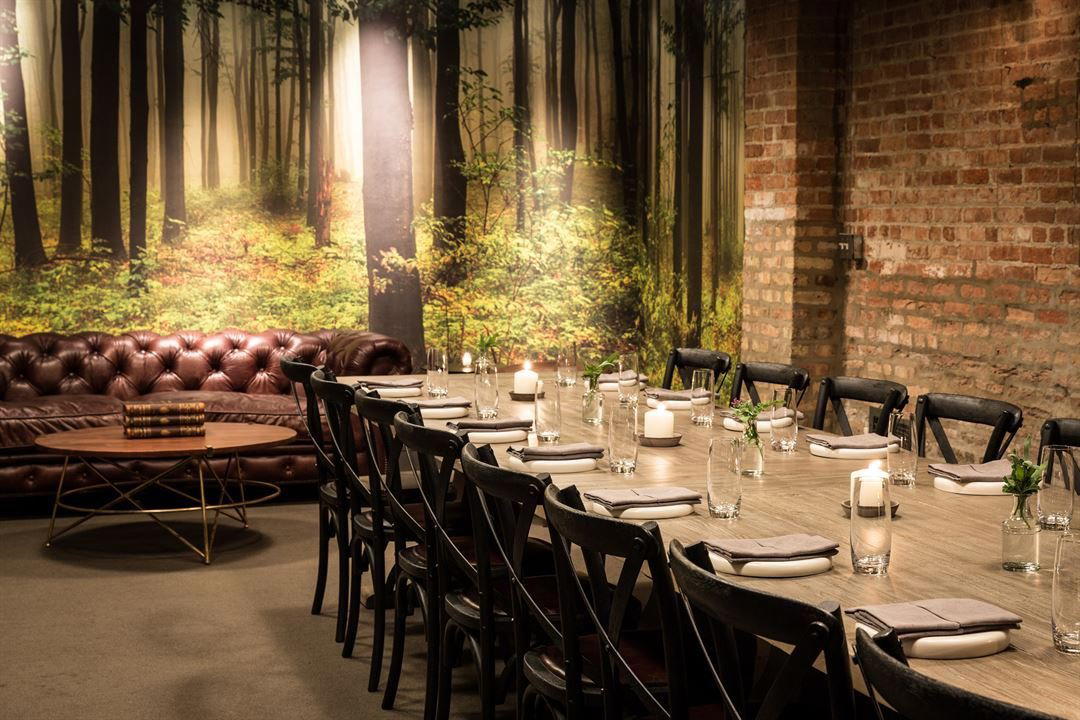
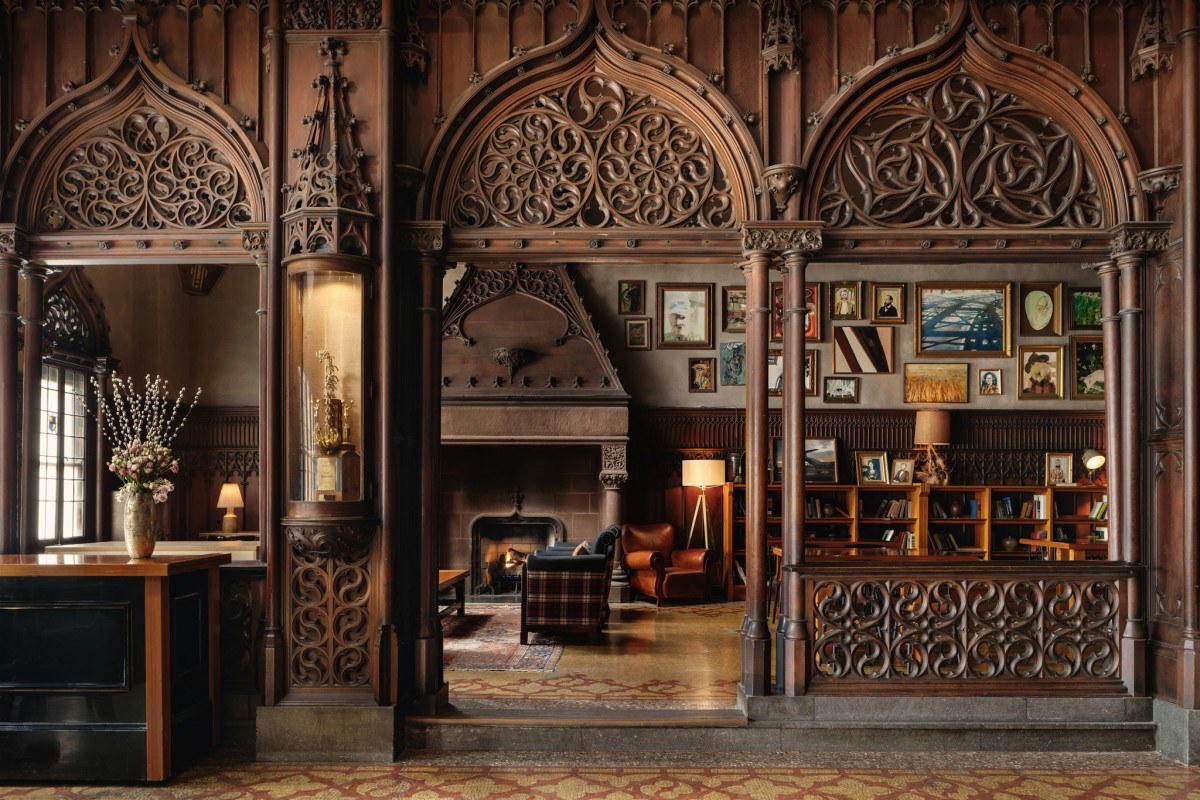
Charming old-school atmosphere with muted lighting, oil paintings, and a nostalgic neighborhood feel.